
Ferrari Monza SP2 2019 Review

 Share
Share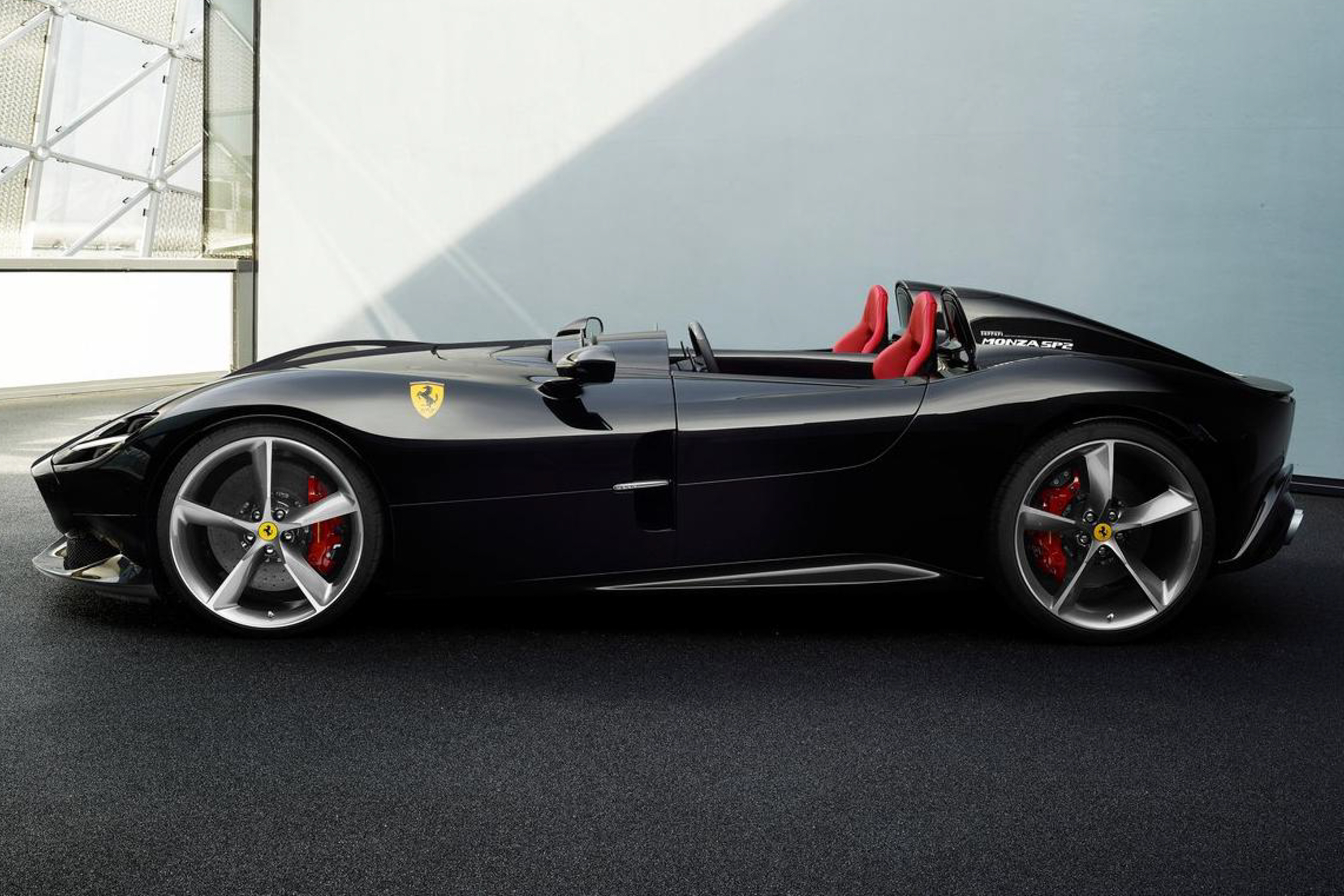
 Segment
 Body Type
 Capacity(L)
 Engine Power(PS)
 Transmission
 Engine Torque(Nm)
The Southeast Asian supercar market has been steadily heating up in recent years, with the wealthy class showing a growing demand for limited-edition, retro-style performance cars. The 2019 Ferrari Monza SP2 V12, as the first model in the brand's "Icona" series, features a topless design and naturally aspirated V12 power as its core selling points, precisely targeting the high-end retro supercar niche market. This review will focus on its static design details, the actual performance of its V12 engine, and the viability of daily driving, helping potential buyers evaluate the overall value of this limited-edition model.
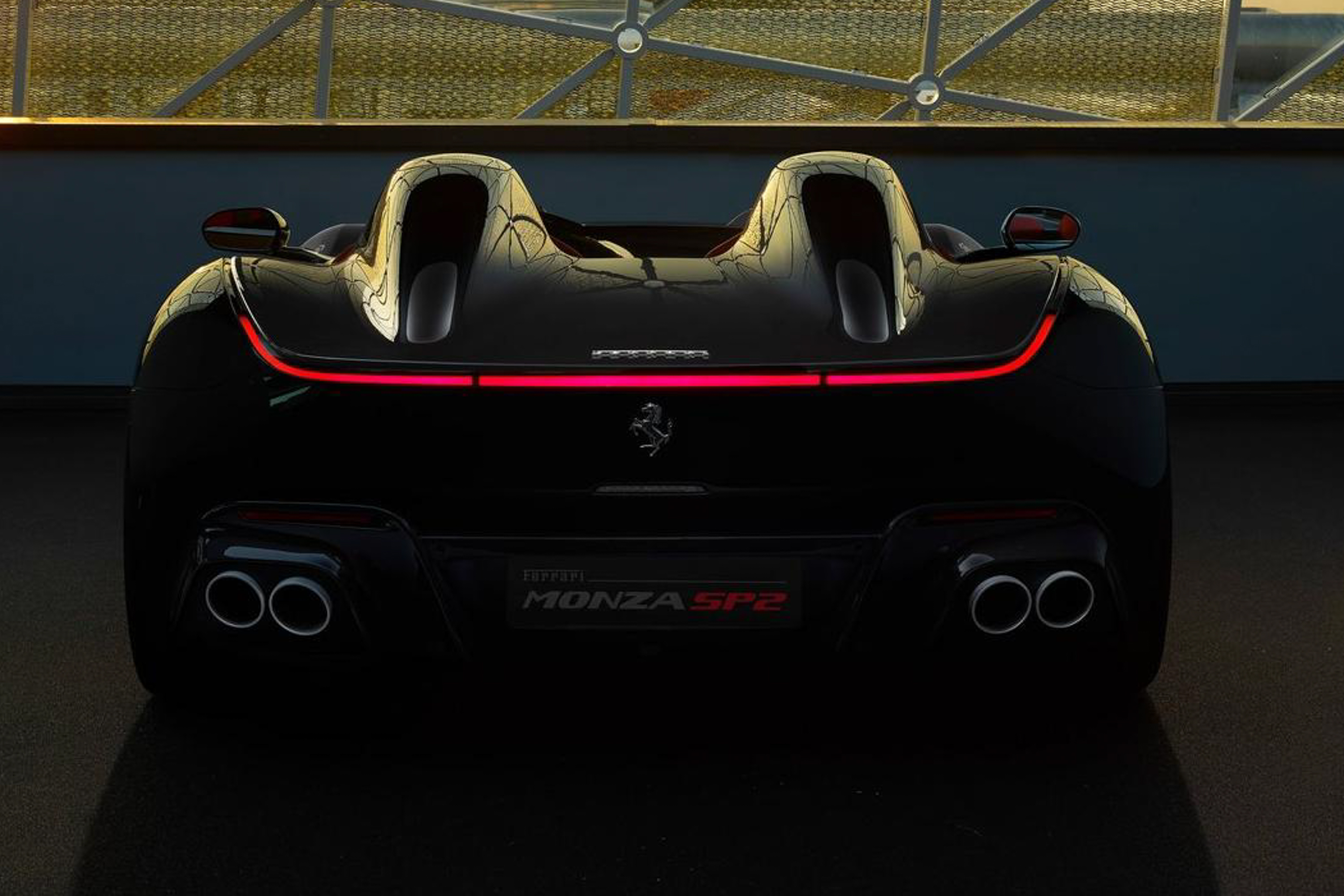
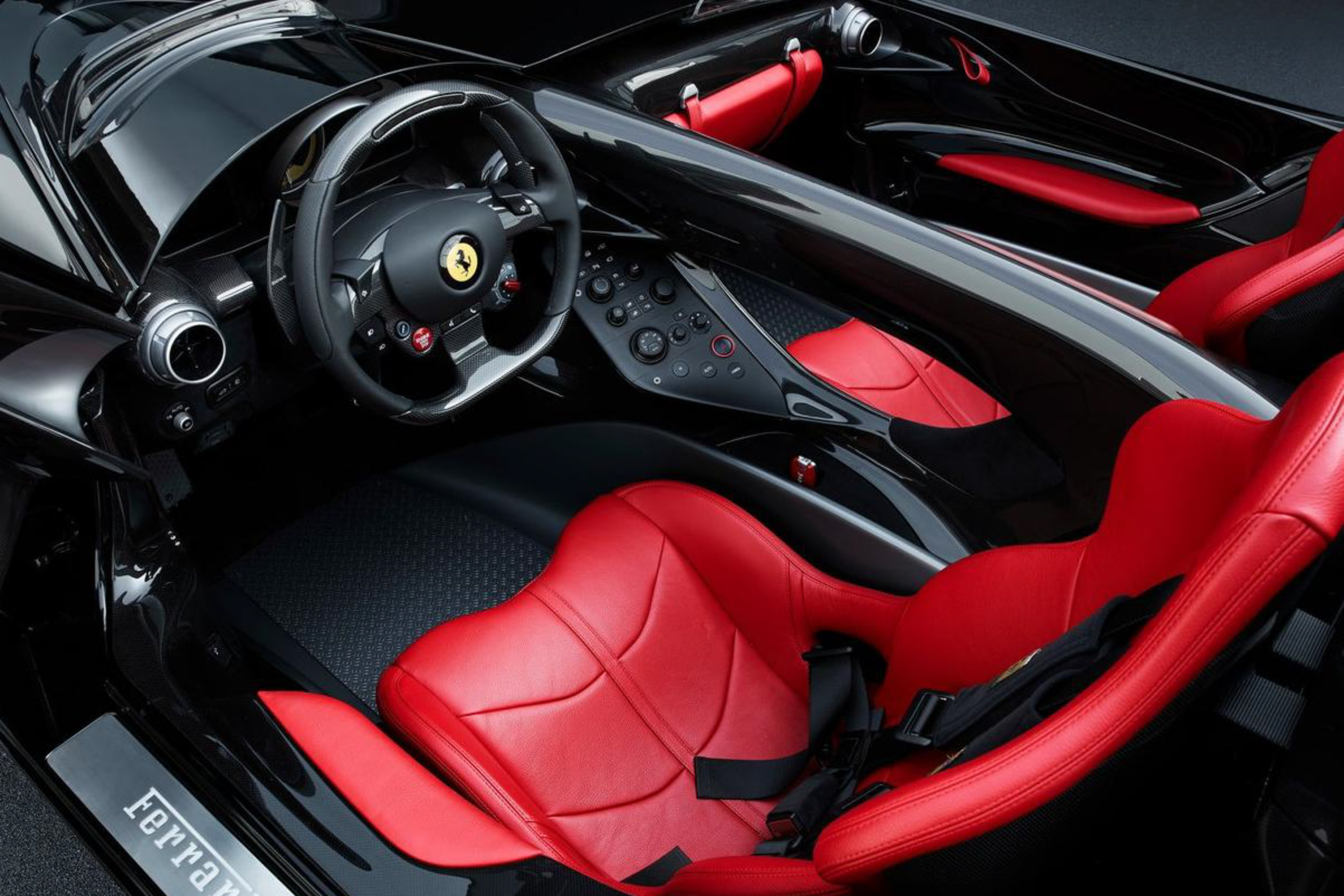
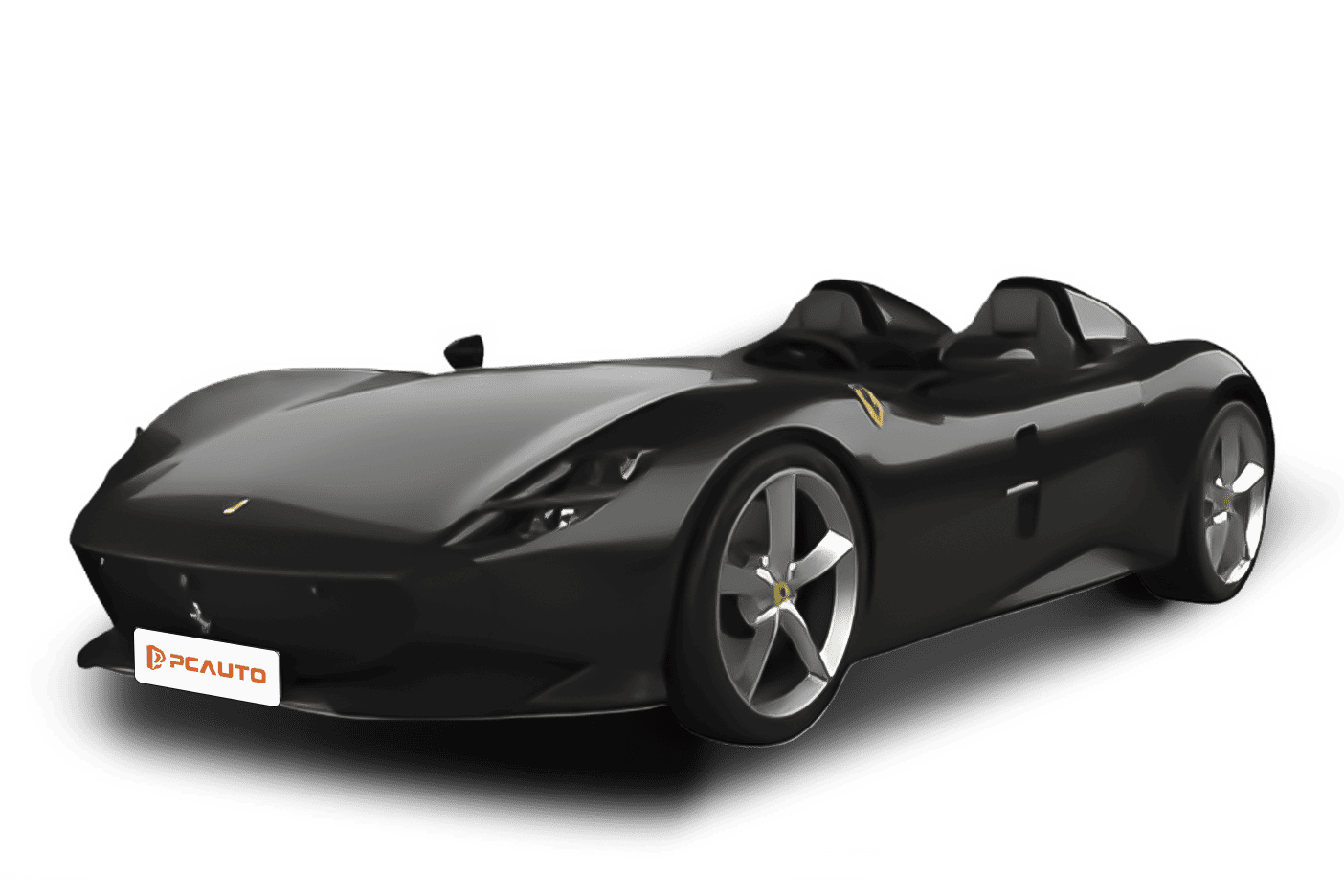
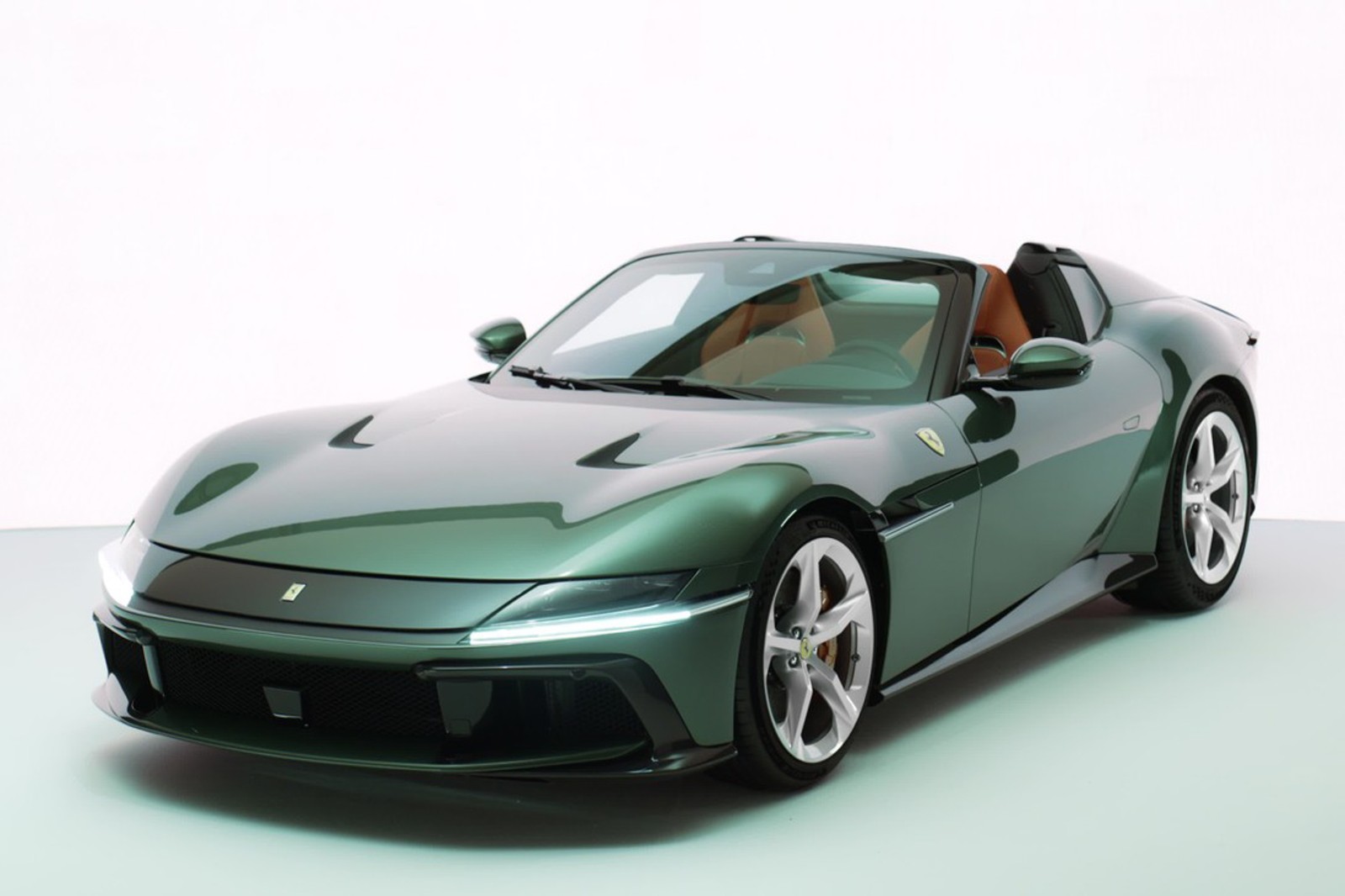
From the exterior, the design of the Monza SP2 V12 perfectly aligns with its positioning of "paying tribute to the classics." The front end features a retro long hood design paired with a low-profile front splitter. The round LED headlights are embedded in carbon fiber frames, echoing the classic design of the Ferrari 750 Monza from the 1950s, giving it high recognizability. The body has sleek lines, with a waistline extending from the hood to the rear that emphasizes its elongated proportions. The 21-inch multi-spoke wheels are matched with Pirelli P Zero Corsa tires (front 275/30 ZR21, rear 315/30 ZR21), further accentuating the sporty vibe. At the rear, the simple LED taillight cluster contrasts with the diffuser-style rear bumper. The centrally mounted dual-exhaust layout hints at its V12 engine heritage. Notably, as a topless two-seater model, it lacks traditional door structures and adopts a "scissor door" design, which opens upwards. This detail not only enhances the sense of ceremony but also preserves the design logic of retro race cars.
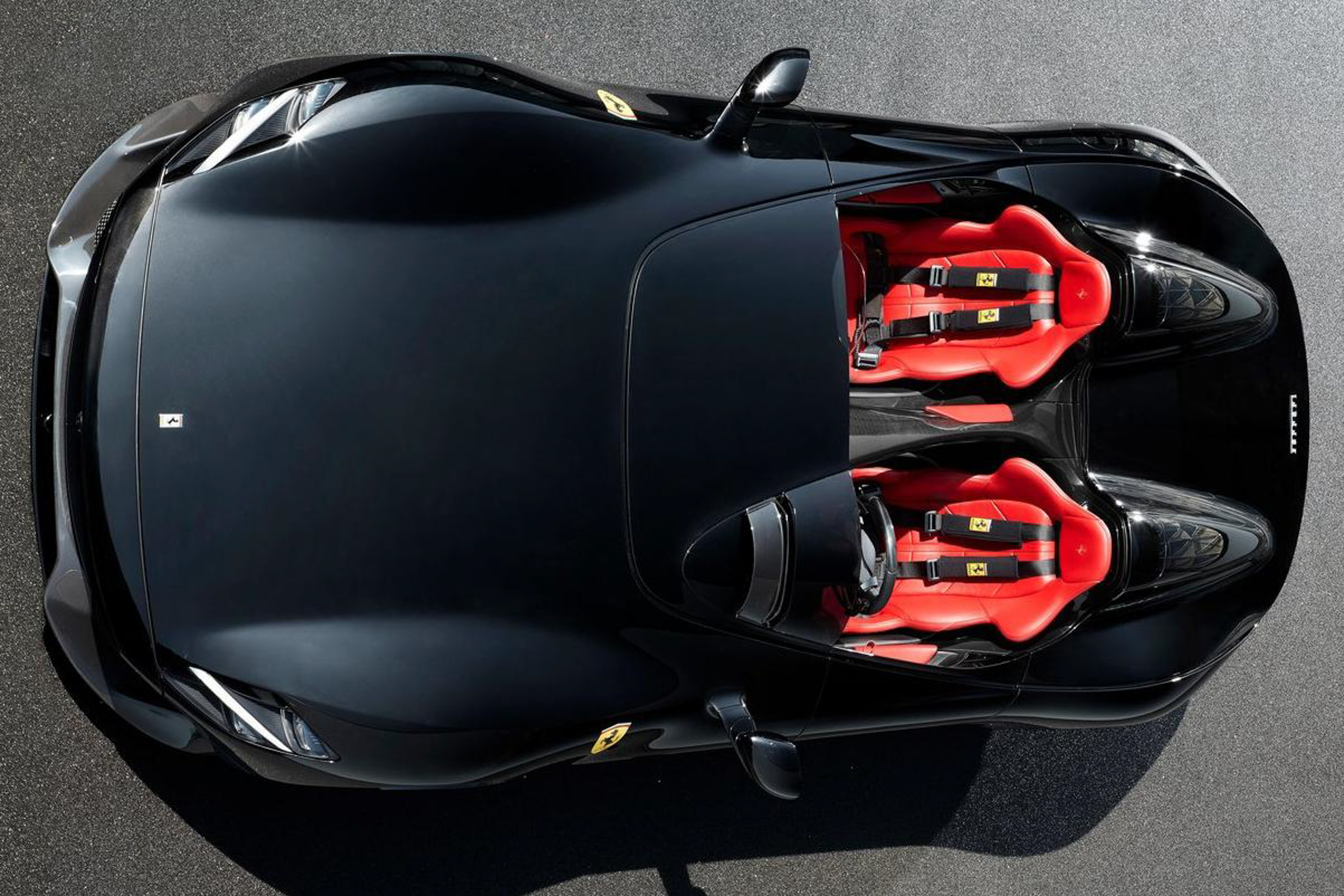
Stepping inside, the Monza SP2 V12's interior is guided by the principles of "lightweight and functionality." The center console is extensively wrapped in carbon fiber and Alcantara materials, with a minimalist layout retaining only essential physical buttons—such as the start button on the steering wheel, the driving mode selector knob, and the air conditioning adjustment keys on the central console. The 10.25-inch digital instrument panel integrates the tachometer, speedometer, oil temperature, and other critical information. The display interface adopts a retro needle style, aligning with the overall design aesthetics. The seats are made of one-piece carbon fiber racing shells covered with Alcantara material and equipped with four-point safety belts. They offer strong support, but the hard padding might cause discomfort during prolonged sitting. In terms of storage space, besides a small storage compartment behind the seats, there is almost no additional storage, which is consistent with traditional supercars and leans more toward track-focused driving needs.
Regarding space, as a two-seater retro supercar, the front and rear space doesn't need much consideration. The car measures 4657mm in length, 1996mm in width, and 1155mm in height, with a wheelbase of 2720mm. Although its length approaches that of a mid-size car, the low body height (only 1155mm) ensures an extremely low-to-ground driving experience. Inside the cockpit, the seating position is very low, and legroom is somewhat constrained by the long hood design. Drivers taller than 180cm may need to adjust the steering wheel to achieve a comfortable driving position. However, as a model primarily focused on the driving experience, this space configuration meets expectations.
In terms of power, the Monza SP2 V12 is equipped with a 6.5L naturally aspirated V12 engine, which is the core highlight. Official data shows its maximum power of 810PS/8500rpm and maximum torque of 719N·m/7000rpm, paired with a 7-speed DCT dual-clutch transmission. In actual driving, in "Race" mode, the strong push-back feeling can be felt right from the start. The official 0-100km/h acceleration time is 2.9 seconds, and during testing, it consistently achieved times close to this figure. The power response is almost instantaneous. The mid-range acceleration (80-160km/h) is even more impressive, with the V12 engine roaring highly above 5000rpm, producing a layered sound. The shifting speed is extremely fast, and the rev-matching during downshifts is precise, stimulating a strong desire for control in the driver. However, in "Comfort" mode, the power output becomes relatively smoother, suitable for daily driving on urban roads. But even in this mode, a deep press of the accelerator can still bring out the explosive power of the V12.
In terms of handling and chassis performance, the Monza SP2 V12 is equipped with a front double-wishbone and rear multi-link independent suspension system. The suspension is tuned on the firmer side, which allows for clear feedback on road conditions when driving on regular paved roads, but bumps or uneven surfaces produce relatively noticeable vibrations. The steering system uses electric power assistance, delivering extremely high precision with virtually no dead zone in the steering wheel. The car is highly responsive in corners, and with a lightweight 1520kg body (thanks to extensive use of carbon fiber components), body roll is well-controlled during turns. Testing conducted on simulated track sections with continuous lane changes showed excellent vehicle stability. The tires have ample grip, and when approaching the car’s limits, it shows progressive understeer to alert the driver, making it easy to manage.
In specialized performance tests, fuel consumption meets expectations for a V12 supercar: approximately 22L per 100 kilometers in urban conditions, and about 14L per 100 kilometers on highways, with a combined fuel consumption of 16.1L/100km, consistent with the official figures. The braking system uses carbon-ceramic brake discs; during testing, the braking distance from 100-0km/h measured approximately 32 meters, with no significant fade after repeated braking, showing stable performance. However, being an open-top car, wind noise becomes a noticeable issue while driving at high speeds. When the speed exceeds 120km/h, wind noise in the cabin can interfere with conversations, necessitating the use of helmets or specialized headphones to mitigate it.
In terms of driving comfort, the overall setup leans towards track performance. The carbon fiber seats provide excellent support but moderate comfort, making long drives fatiguing. The firm suspension setup leads to inadequate filtration of road vibrations, limiting its everyday commuting convenience. However, the V12 engine’s sound is a major advantage, as its roar is highly distinctive whether at idle or high revs, retaining the original texture of a naturally aspirated engine without excessive electronic tuning.
Overall, the core strengths of the 2019 Ferrari Monza SP2 V12 lie in three aspects: first, the design combining retro and modern elements, paying homage to classic models while showcasing contemporary supercar technology; second, the extreme performance of the 810PS naturally aspirated V12 engine, with unparalleled roaring sounds and acceleration experience; third, the collectible value of its limited edition status. Compared to similar models like the Maserati MC20 or Lamborghini Huracán STO, its positioning leans more towards "retro collectible + driving pleasure" rather than a purely track-oriented tool. This car is suited for high-end consumers who prioritize uniqueness, possess a deep appreciation for the Ferrari brand, and already own multiple vehicles for other purposes—it’s not a supercar for daily commutes, but it’s undoubtedly the ideal choice for weekend drives and high-end events.
In conclusion, the Monza SP2 V12 is a limited-edition model that perfectly combines "retro nostalgia" with "modern performance." Its V12-powered purity and unique design are its core selling points. For capable buyers who value individuality, it is not just a supercar but also a drivable piece of art.
Ferrari Monza SP2 Car Compare

More Ferrari Reviews
Cars With Similar Price And Features
1
Rank in Convertible
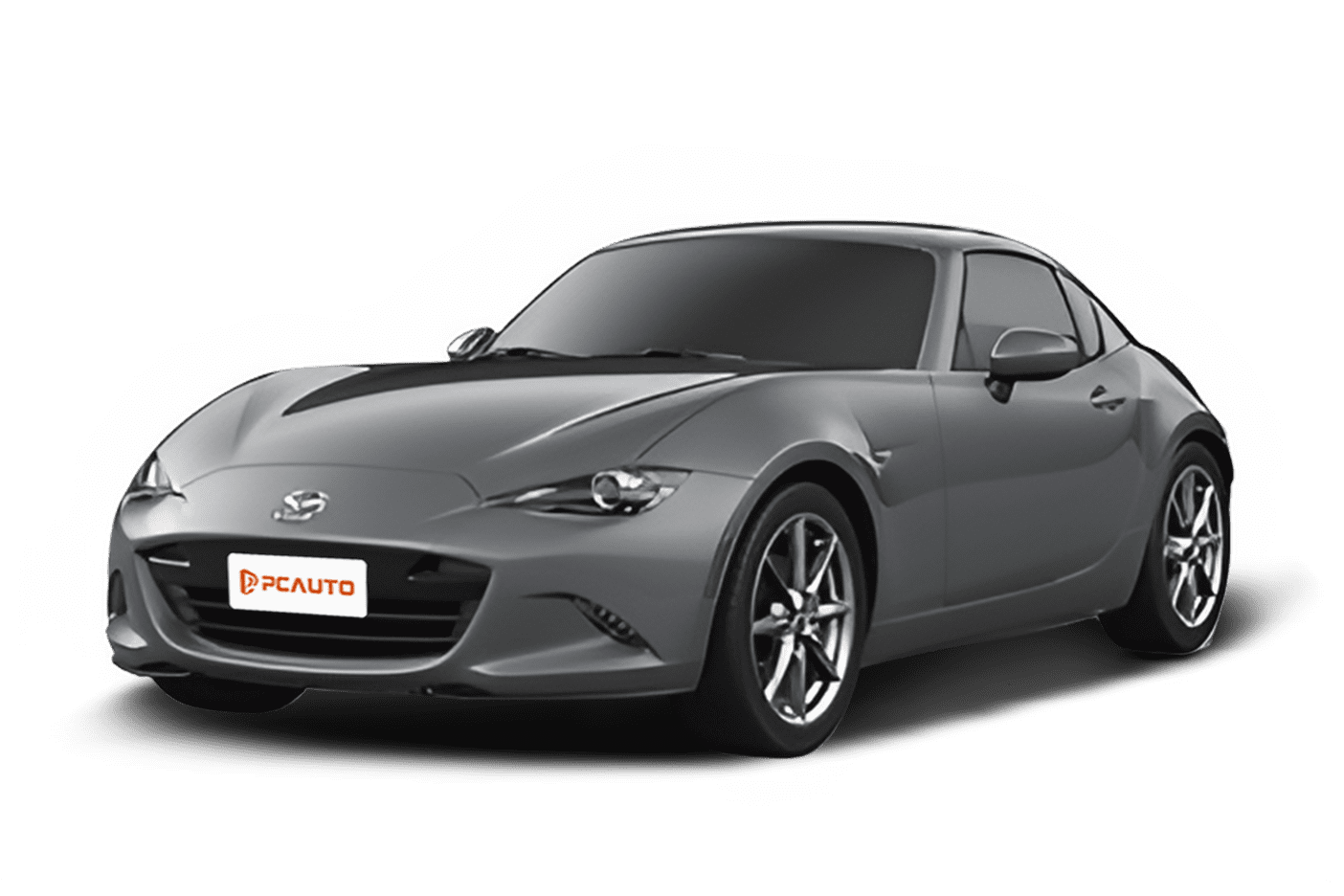
2025 Mazda MX-5 RF 2.0 MT is a hardtop manual sports car with precise handling and pure driving pleasure, balancing daily practicality with mountain road excitement, continuing the "Jinba Ittai" experience.
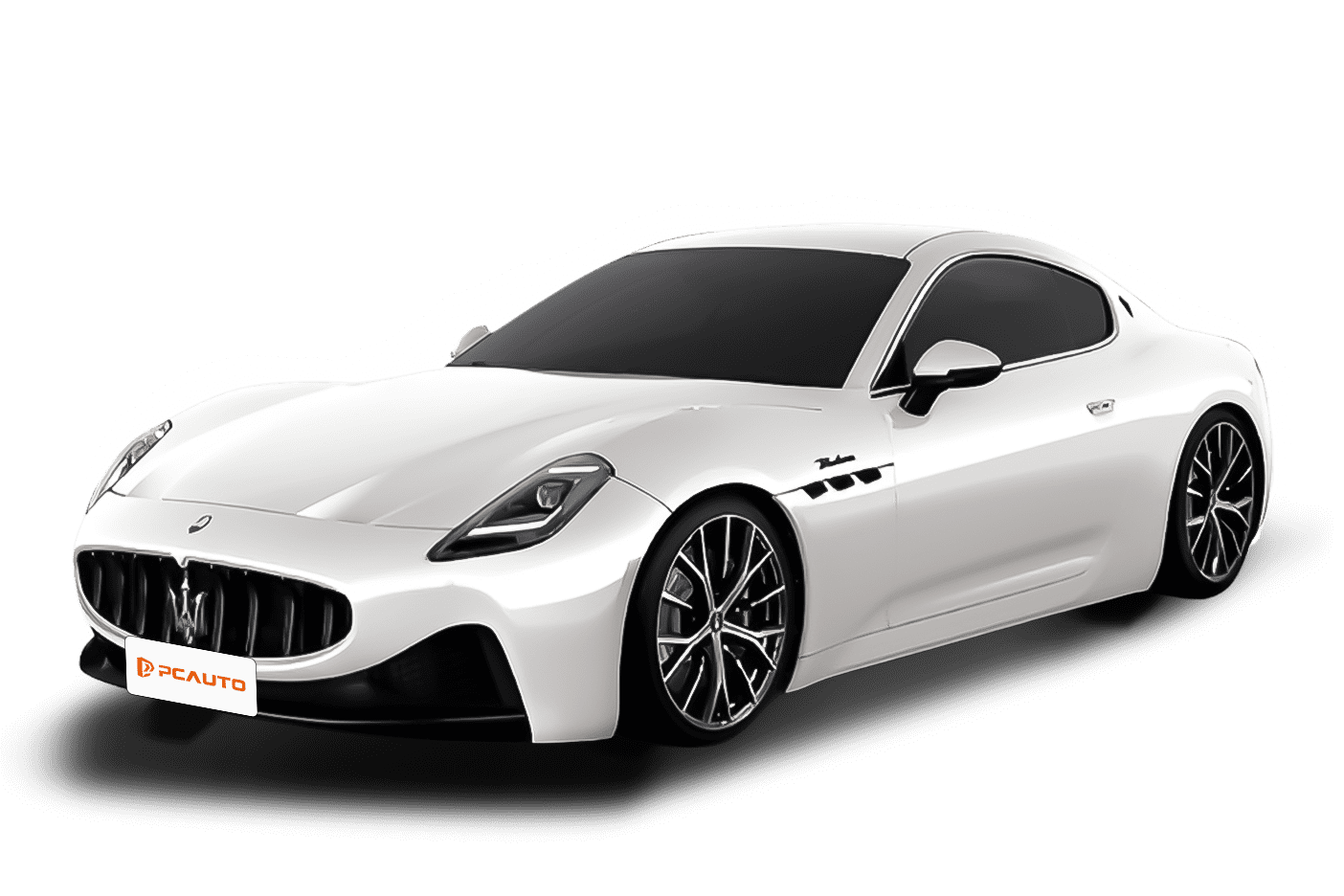
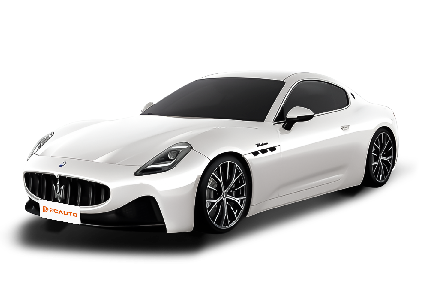
2024 Maserati GranTurismo Modena is a luxurious GT that combines 490PS performance, all-wheel drive, and practical space, defining a new experience for luxury two-door cars with a balanced performance suitable for daily driving.

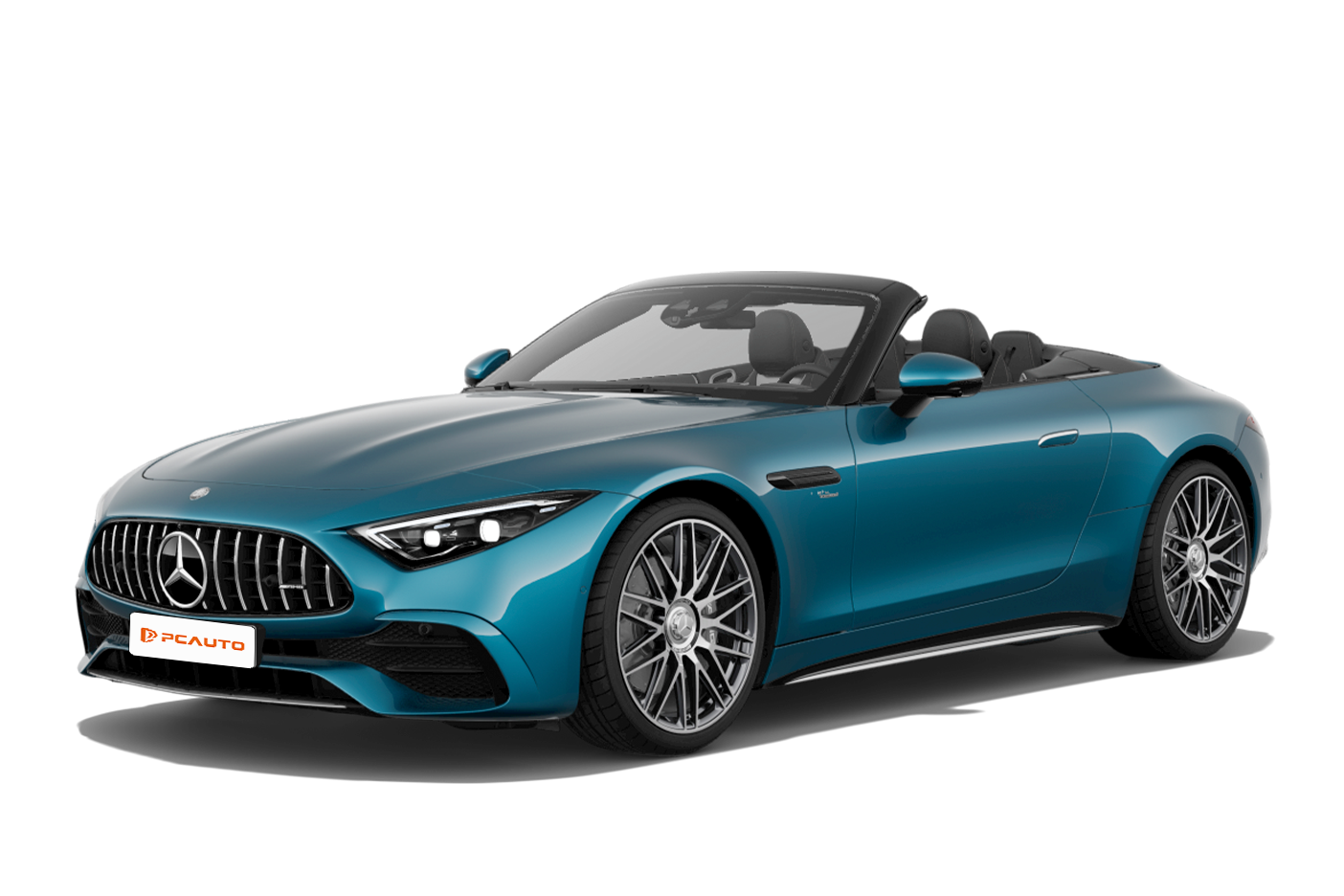
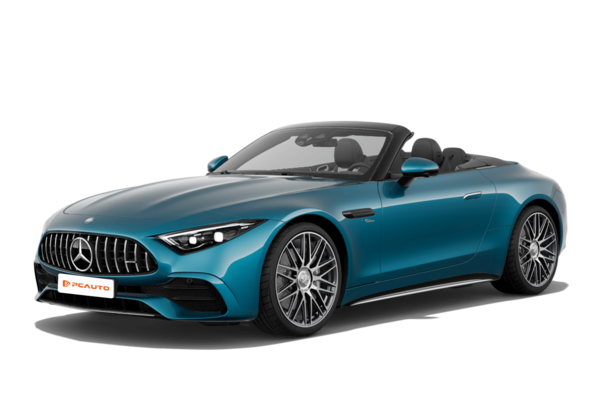
2025 Mercedes-Benz AMG SL-Class 63S E Performance achieves a super strong output of 816PS with a 4.0T V8 + plug-in hybrid system, balancing 2.9-second 0-100 km/h performance and short-distance pure electric commuting, setting a benchmark for luxury hybrid GT sports cars.
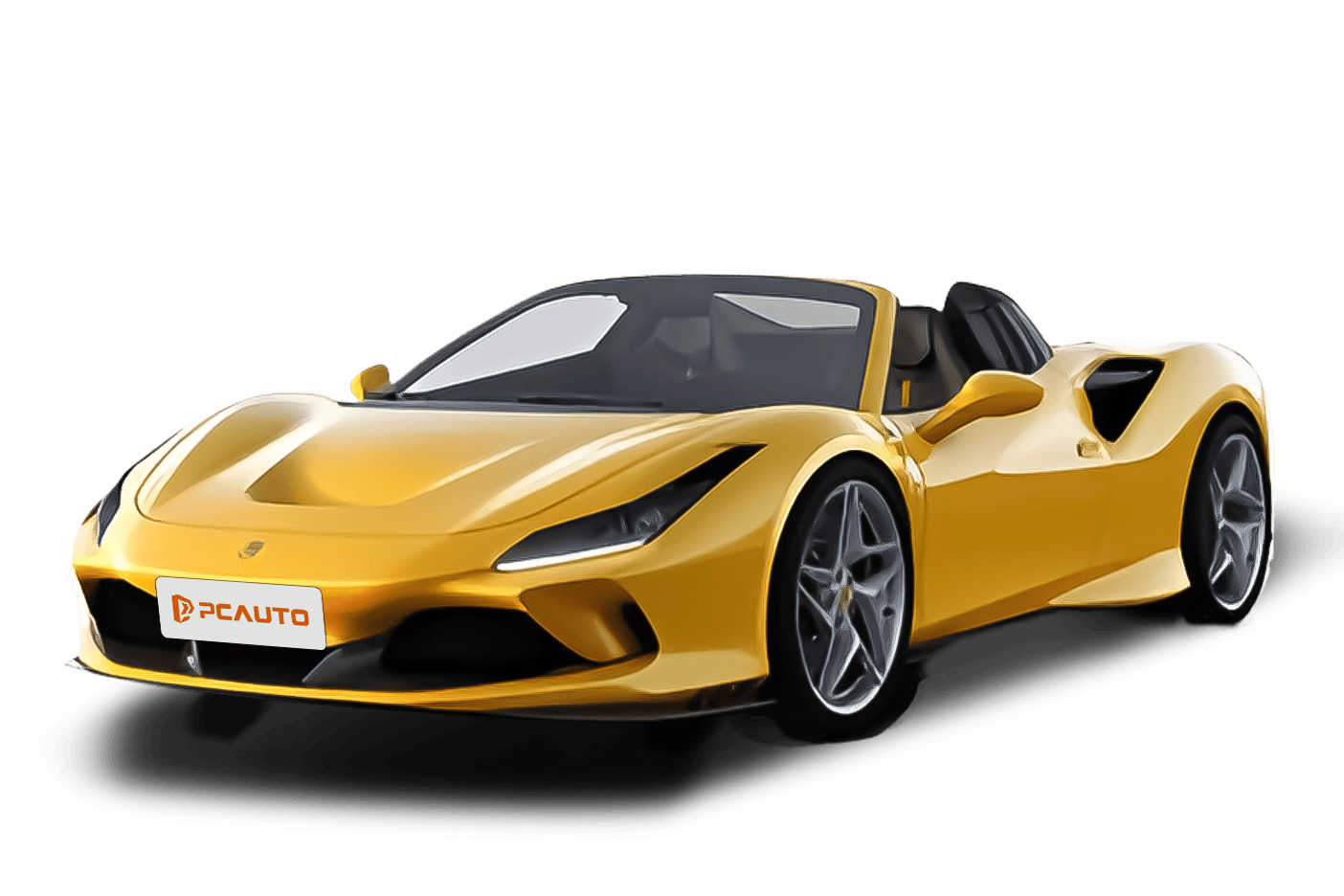
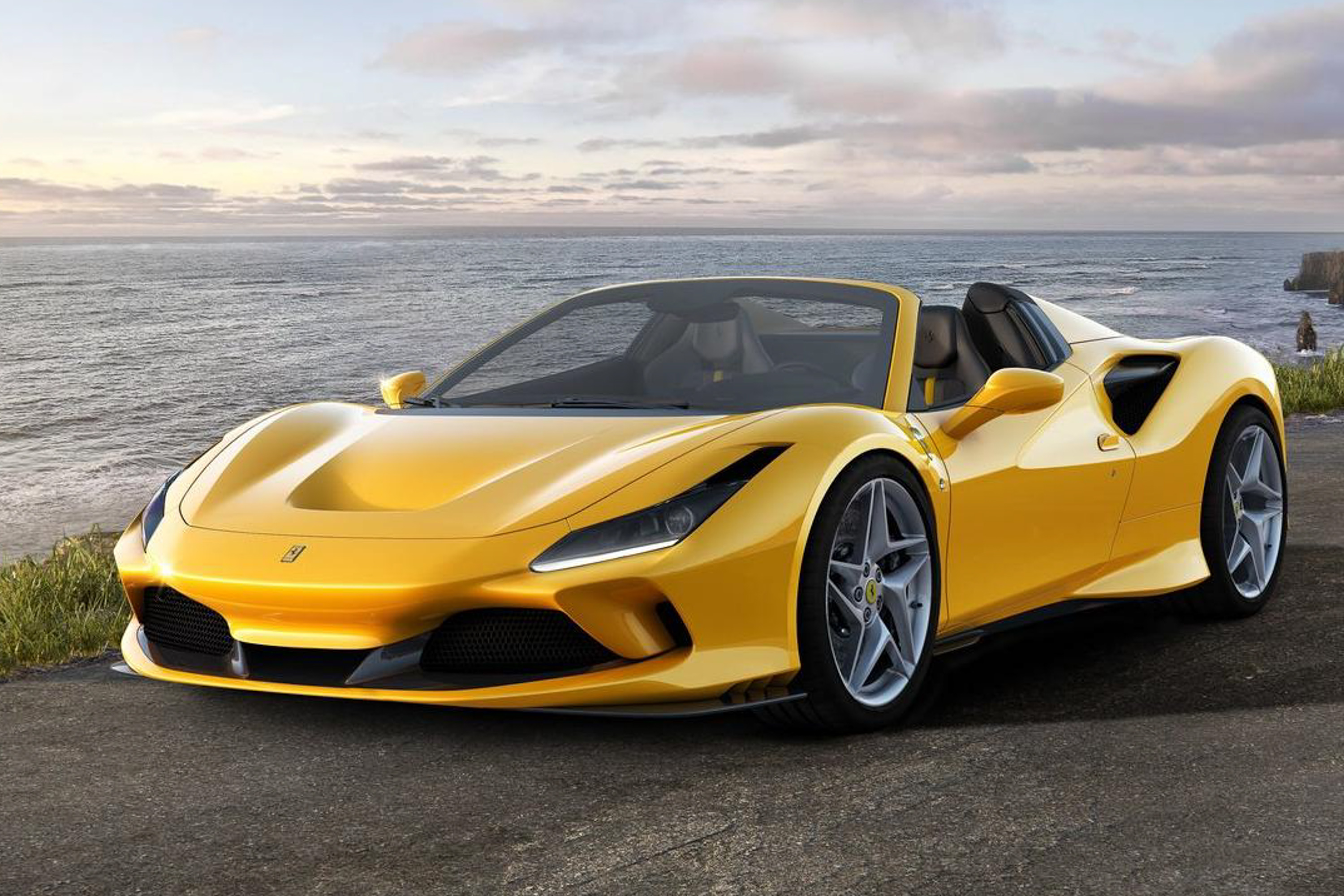
2020 Ferrari F8 Spider is a track-level supercar with 720 horsepower strong power and a hardtop convertible, balancing everyday practicality with track passion, featuring an eye-catching aerodynamic design.