

Hyundai Kona Electric 2021 Review

 Share
Share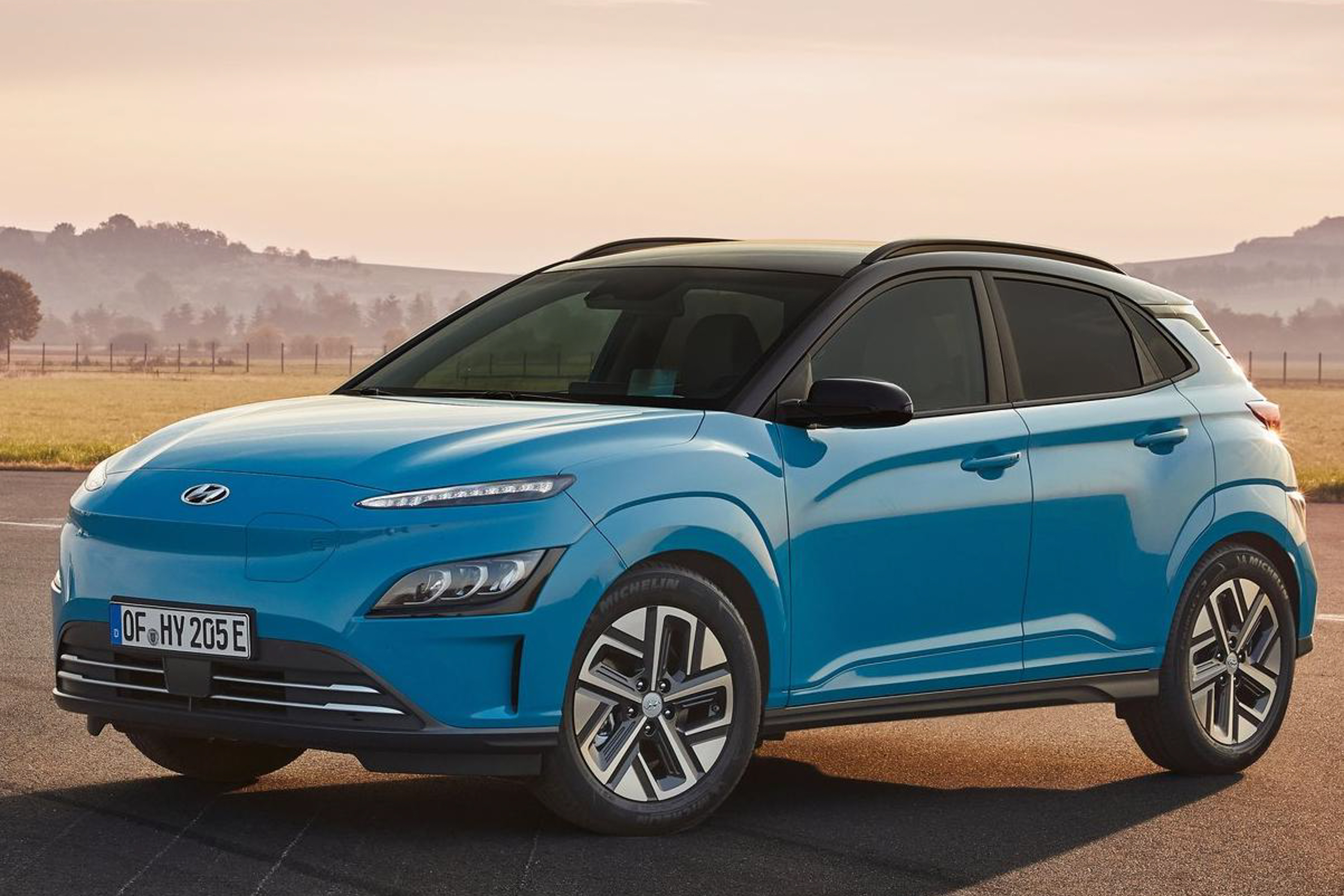
 Segment
 Body Type
 Motor Torque(Nm)
 EV Range(km)
 Battery Capacity(kWh)
 Driven Wheels
In 2021, Malaysia's pure electric vehicle market gradually warmed up, and C-Segment SUVs became a popular choice for family users and young groups. This segment needs to meet the flexibility of daily commuting, practicality in terms of space, and reliable range performance. As the entry-level model of its series, the Hyundai Kona Electric e-Lite is priced at RM 149,888, directly targeting the budget-friendly pure electric SUV market. Its core selling points include standard six airbags and a full suite of active safety systems, while its official range of 305 km just meets the weekly commuting needs of most users. The main purpose of this test drive is to verify whether it meets the performance standards as a "high-cost-performance pure electric commuting tool."
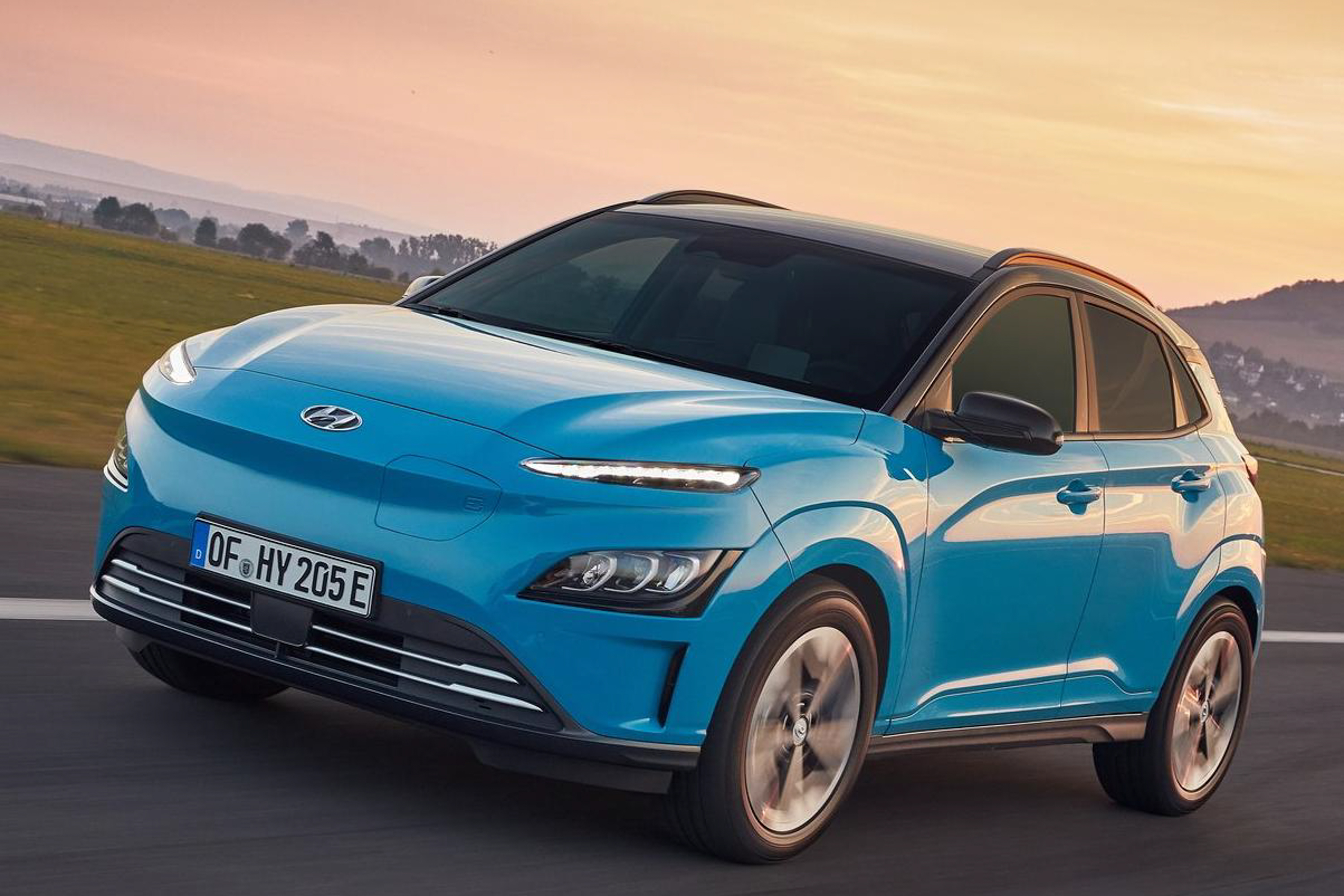
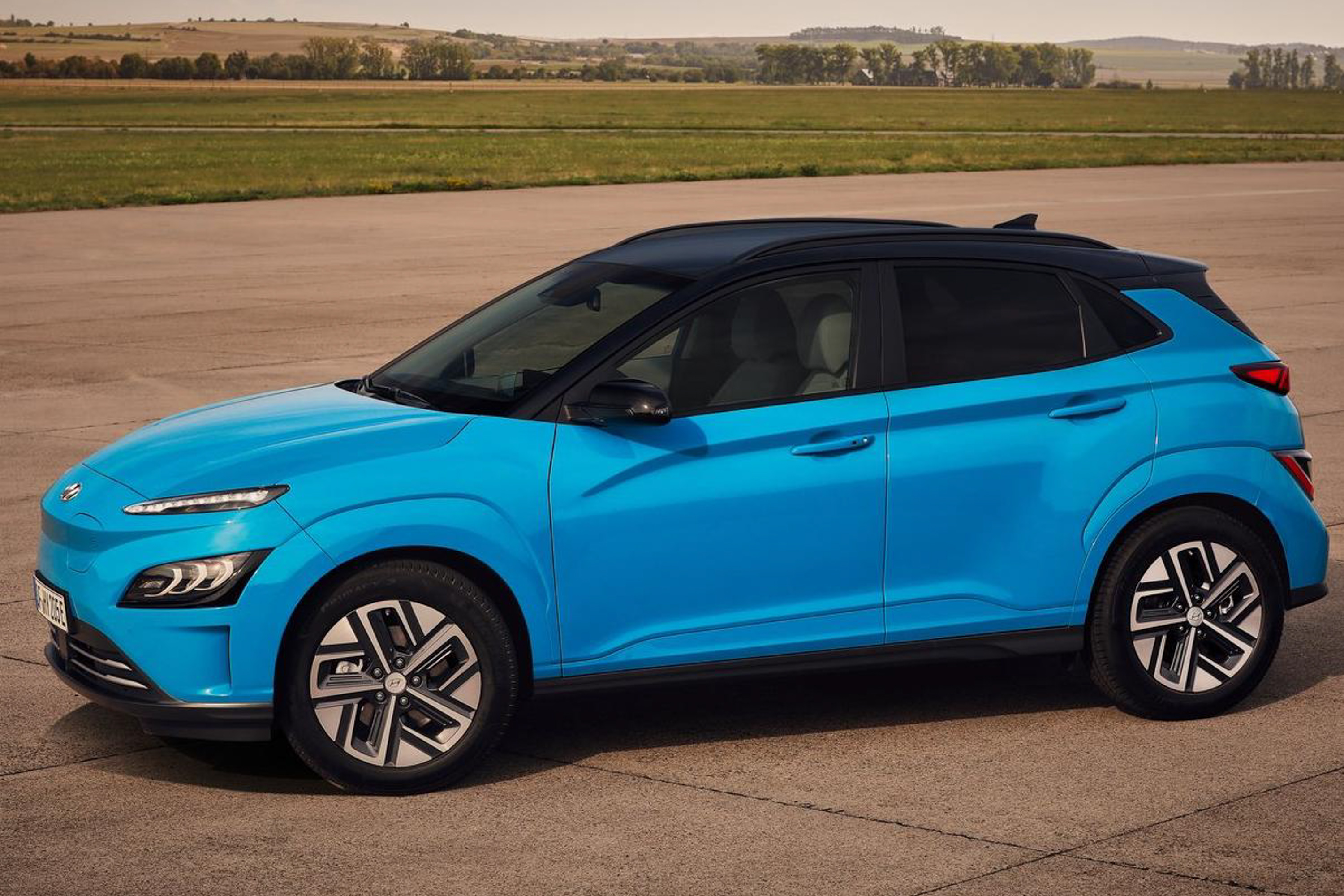
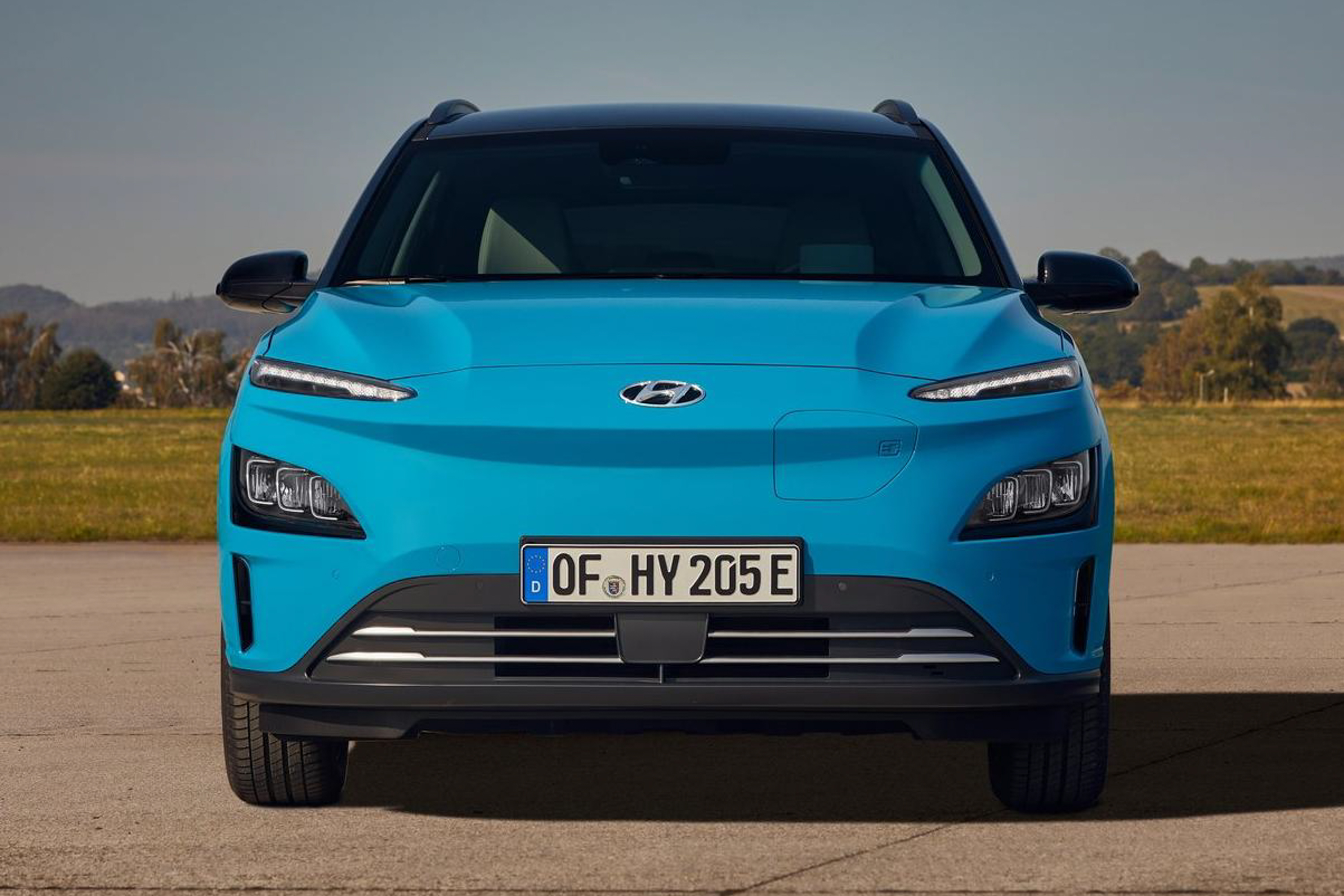
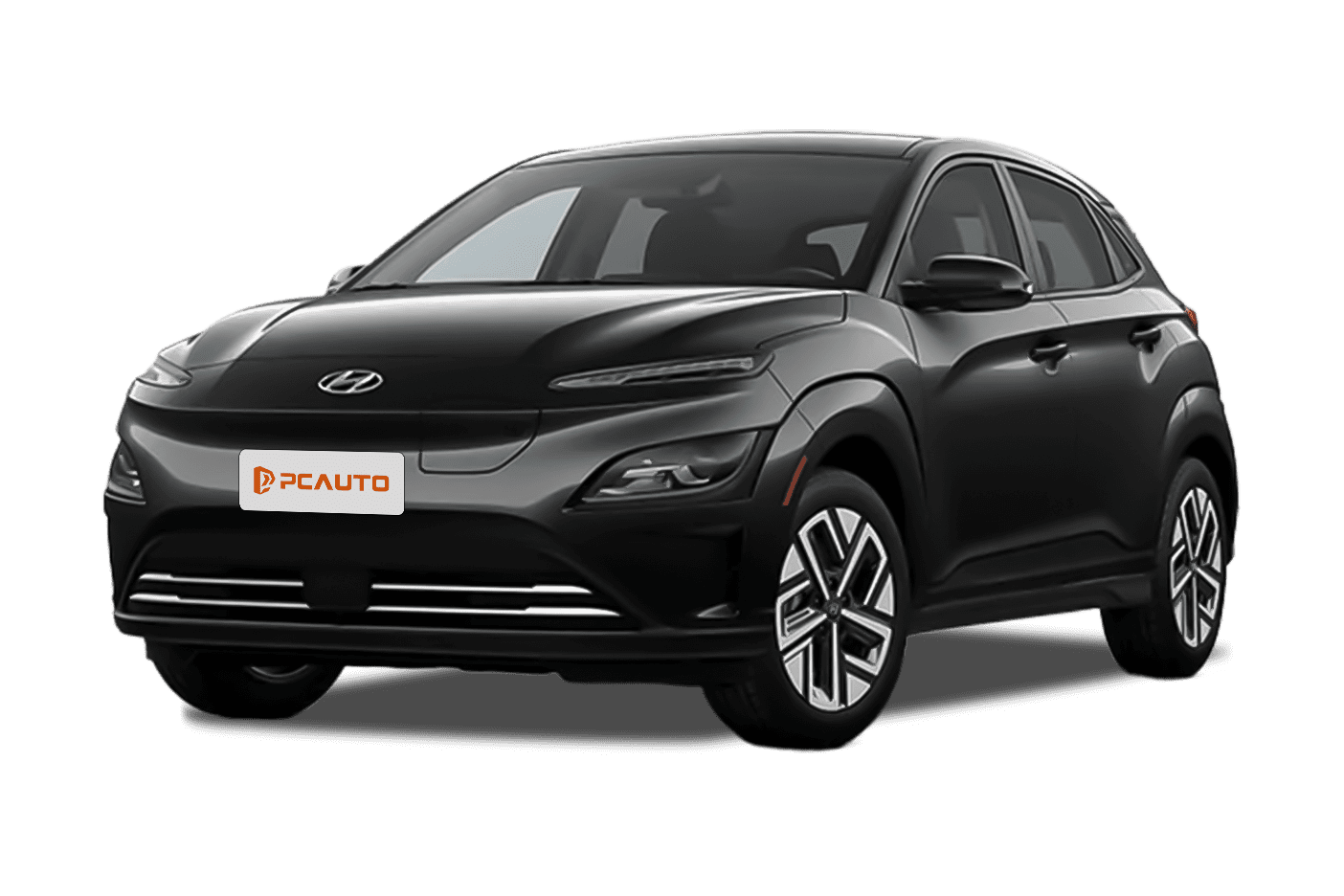
From the exterior, the Kona Electric e-Lite continues the boxy outline of the gasoline version but highlights its identity as an electric vehicle with a closed front grille and blue trim. The front face features a layered design, with the upper grille integrating LED daytime running lights, while the lower grille retains cooling vents, giving it a distinctive appearance. The body side lines are simple, with 17-inch wheels paired with 215/55 R17 tires, creating a balanced proportion; the rear LED tail light assembly adopts a through-type design, providing clear visual effects when lit. The lighting system comes standard with full LEDs, including automatic headlights and rear fog lights, offering sufficient convenience for daily use.
Inside, the interior adopts a dark color scheme, with a clean and concise dashboard layout. An 8-inch touchscreen is centrally placed and supports the Sound Plus feature, with 6 speakers providing adequate daily audio quality. The full LCD instrument cluster offers clear displays and provides real-time feedback on range, power consumption, and other information. In terms of features, the e-Lite comes standard with keyless entry/start, a multifunctional steering wheel with paddles (for adjusting regenerative braking intensity), single-zone automatic air conditioning, and a 220V power outlet, covering all essential practical configurations. For materials, the upper dashboard uses hard plastic, but the detailed craftsmanship ensures there’s no obvious sense of cheapness.
The space performance meets the C-Segment positioning: the body length, width, and height are 4205/1800/1570mm respectively, with a wheelbase of 2600mm. The front row seating space is spacious; the manually adjustable seats support height and forward/backward adjustments, allowing for comfortable driving positions. The legroom in the rear row is approximately two fists, and headroom is about one fist, which is comfortable for a 175cm tall passenger. The trunk has a storage volume of 332L, which can be expanded by folding down the rear seats, accommodating daily shopping or storage needs for short trips. The rear row also comes equipped with air conditioning vents and ISO FIX interfaces, thoughtfully addressing practicality.
In terms of power, the e-Lite comes equipped with a front-mounted electric motor, delivering a maximum horsepower of 136PS and a peak torque of 395N·m, driving the front wheels. The torque output is immediate during startup, providing swift acceleration from 0-60km/h, which is suitable for urban commutes. However, mid and high-speed acceleration (60-100km/h) is somewhat moderate, though stepping hard on the accelerator still provides sufficient power to overtake. Three driving modes are available: Eco, Normal, and Sport. The Eco mode narrows power output for range-priority scenarios, while Sport mode enhances throttle responsiveness to satisfy occasional driving excitement.
The handling performance leans towards comfort: the front MacPherson independent suspension is tuned softly, filtering out most road bumps. When passing over speed bumps or uneven road sections, the body does not bounce significantly. The steering wheel is lightweight with minimal dead zones, making daily driving agile; when cornering, the body roll is kept within a reasonable range, and the stability is good. The braking system uses front and rear ventilated discs, with linear brake pedal feedback and evenly distributed braking force, providing ample confidence during emergency braking.
Range and energy consumption are the core metrics of electric vehicles. In our mixed road conditions test (30% city + 70% highway) with the air conditioner fully on throughout, the range achievement rate was approximately 85% — the official range of 305km translates to an actual range of around 260km. At a cruising speed of 110km/h on the highway, the energy consumption is about 15kWh/100km, while in congested urban areas, it’s about 13kWh/100km. Overall, the energy consumption performance meets expectations. The regenerative braking system has three adjustable levels; on the highest setting, releasing the accelerator results in a noticeable drag, resembling "one-pedal driving," effectively extending the range. On the lowest setting, it delivers a gliding experience closer to that of a fuel-powered car, with low adaptation costs.
In terms of driving comfort, the e-Lite excels in noise control, with virtually no electric motor noise heard below 60km/h. At highway speeds of 110km/h, wind noise and tire noise slightly increase but do not affect normal conversations. The seat cushioning has moderate softness with adequate support, ensuring comfort during long drives. The rear seatbacks have a reasonable angle, and the middle seat position is equipped with a headrest, providing guaranteed comfort even when fully loaded with five passengers.
Overall, the core advantage of the 2021 Hyundai Kona Electric e-Lite lies in its "balance": within a budget of 150,000 RM, it comes standard with 6 airbags, autonomous emergency braking, lane departure warning, and other safety features, focusing more on safety compared to competitors in the same class (such as the Nissan Leaf). Its official 305km range can meet the weekly commuting needs of most users without frequent charging. The space and features are sufficient for daily family use. Compared to the mid-tier e-Plus (priced at 169,888 RM), the e-Lite lacks power-adjustable seats and a heads-up display (HUD) but does not miss out on basic functionalities, making it more cost-effective. Compared to the top-tier e-Max (priced at 199,888 RM), it has less range and power, but it is 50,000 RM cheaper, making it more suitable for users on a budget.
This car is suitable for two types of people: First, safety- and value-conscious family users who need it for daily tasks such as picking up and dropping off kids, shopping, and commuting. Second, young individuals trying out electric vehicles for the first time, looking for a reliable, easy-to-drive, and low-maintenance commuting tool. All in all, the Kona Electric e-Lite is a "no obvious shortcomings" pure electric SUV, offering budget-conscious users a mature and practical electric mobility solution with pragmatic features and reasonable pricing.
Hyundai Kona Electric Car Compare
Hyundai Kona Electric Loan Calculator
More Hyundai Reviews
Cars With Similar Price And Features

1
Rank in SUV
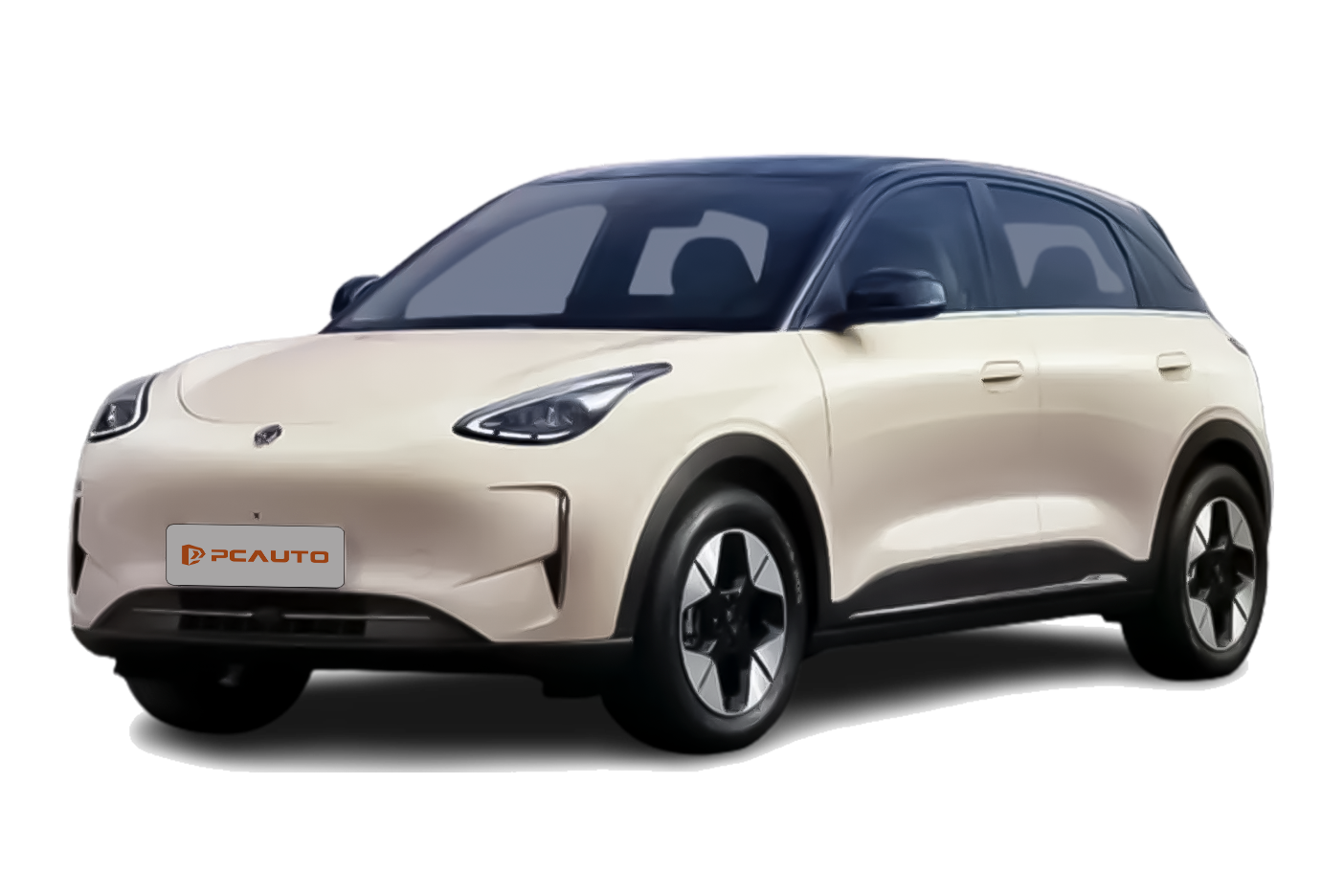
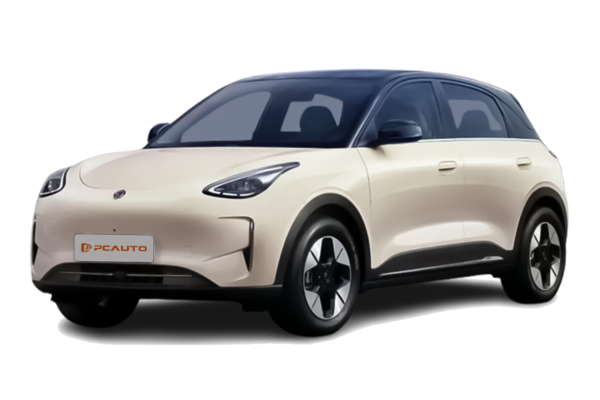
2025 Proton e.Mas 5 Prime is Proton's first entry-level pure electric C-Segment model, priced from 56,800 MYR to target the sub-100,000 MYR market, balancing practical features with commuting range.
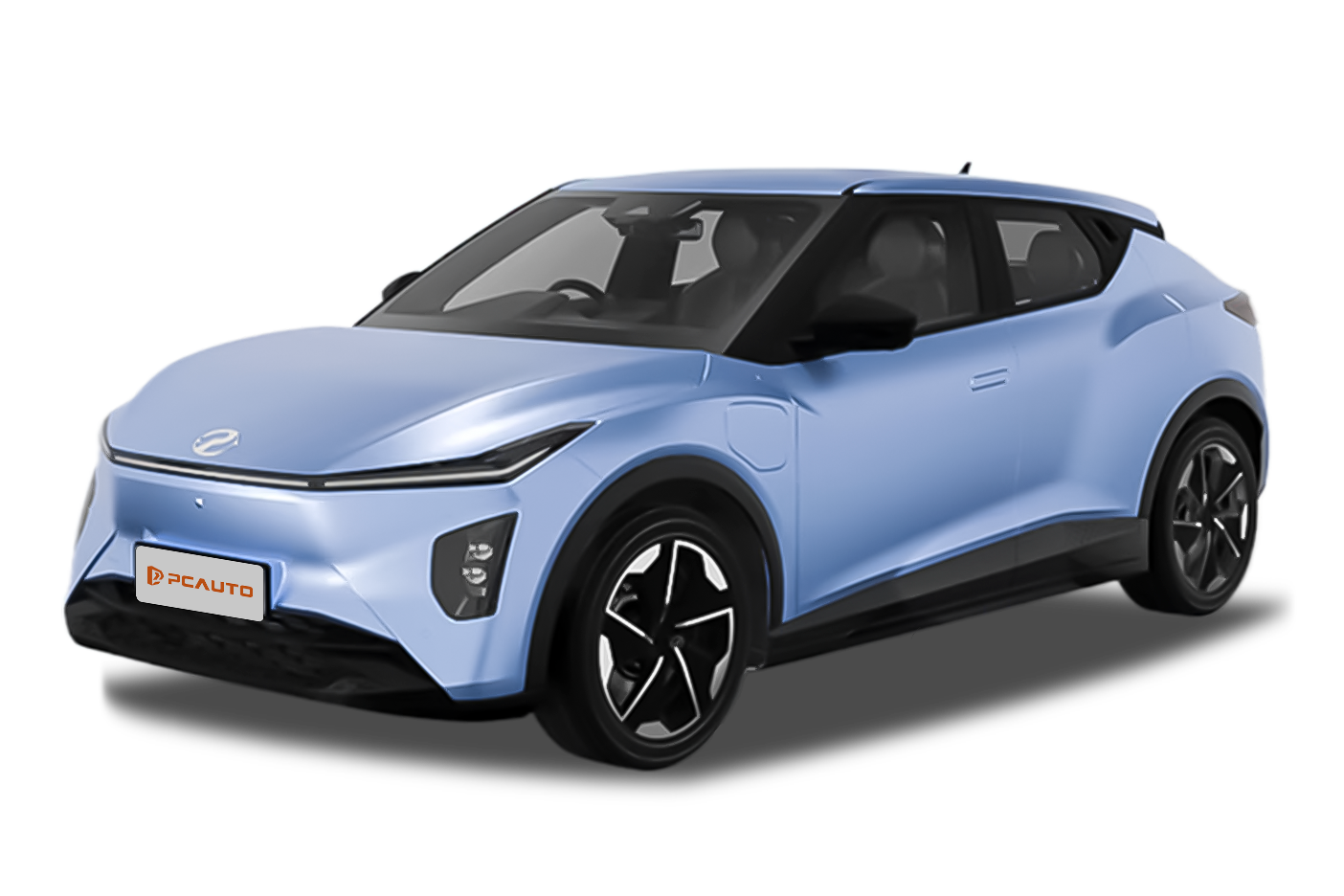
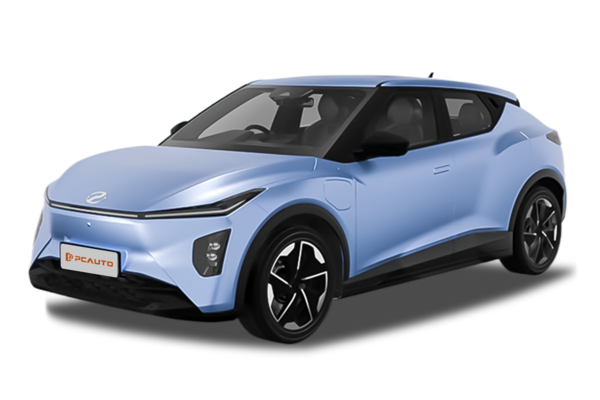
The 2025 Perodua QV-E is an affordably priced, practically ranged class-C pure electric vehicle, precisely tailored for family users and young commuters with its high safety features, spacious interior, and agile driving dynamics.
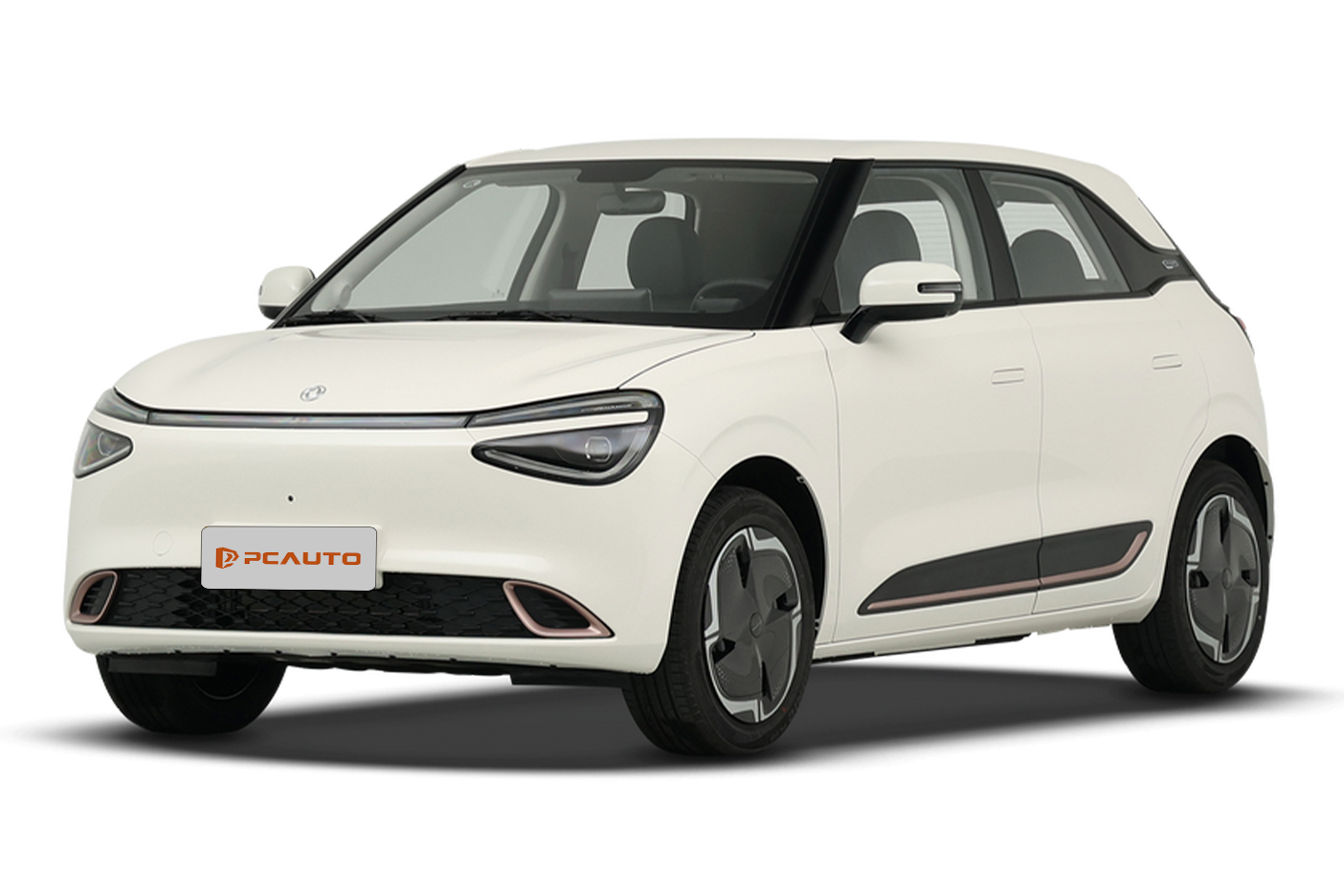
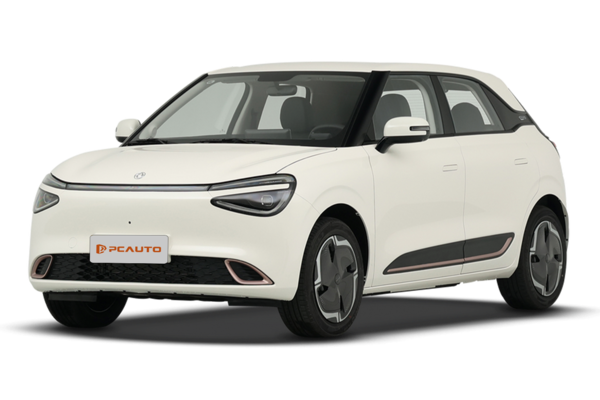
2024 DFSK Box E2 is a household pure electric vehicle in Malaysia priced at around 100,000 Ringgit, featuring a 330 km range, 12.8-inch large screen, and practical space as its main selling points, catering to both commuting and family needs.
30
Rank in SUV
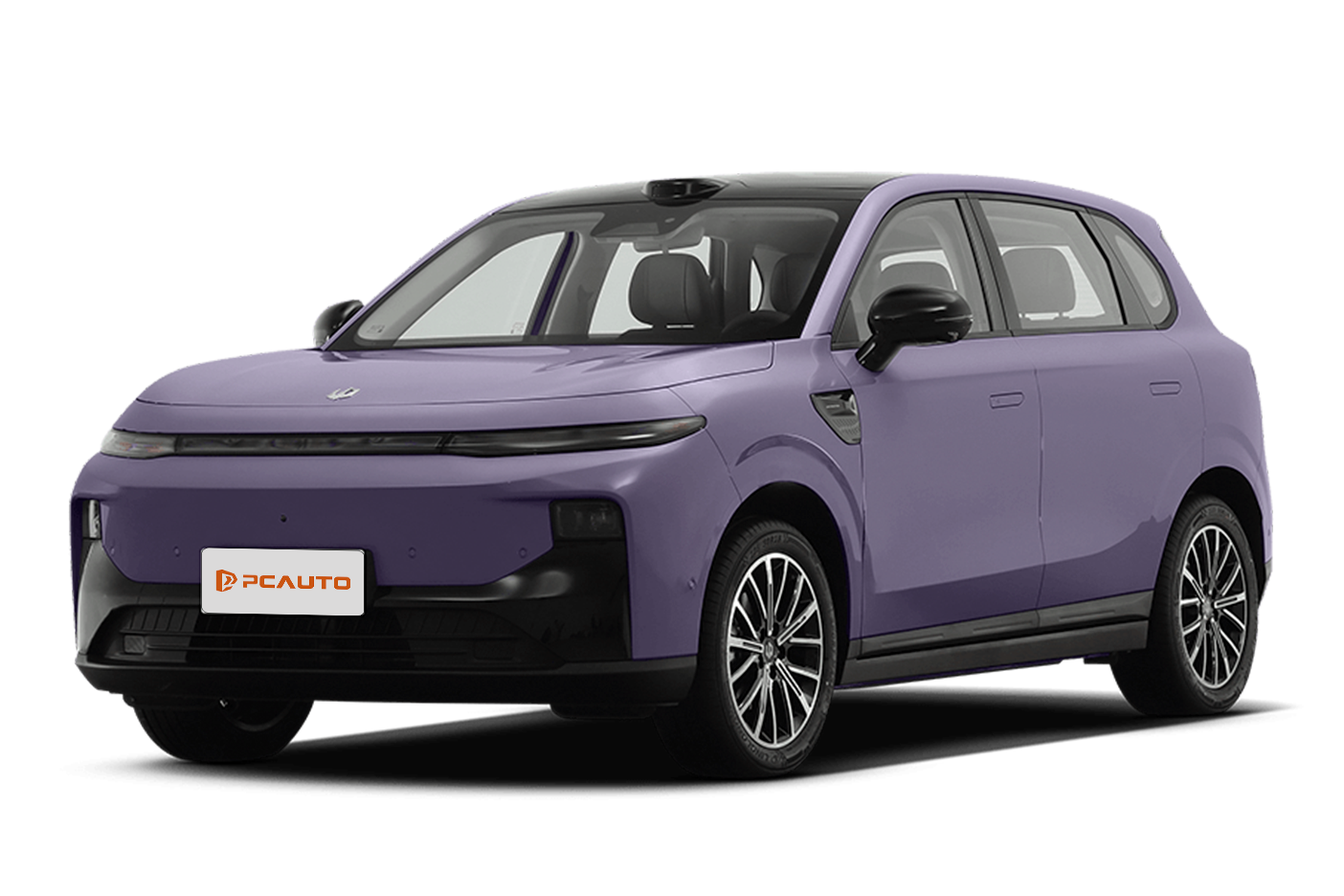
2025 Leapmotor B10 LIFE is a 100,000-level pure electric C-class SUV, equipped with standard L2 assisted driving and other practical features. It offers spacious interior and solid range, making it a go-to choice for family users.