

Hyundai Kona Electric Review

 Share
Share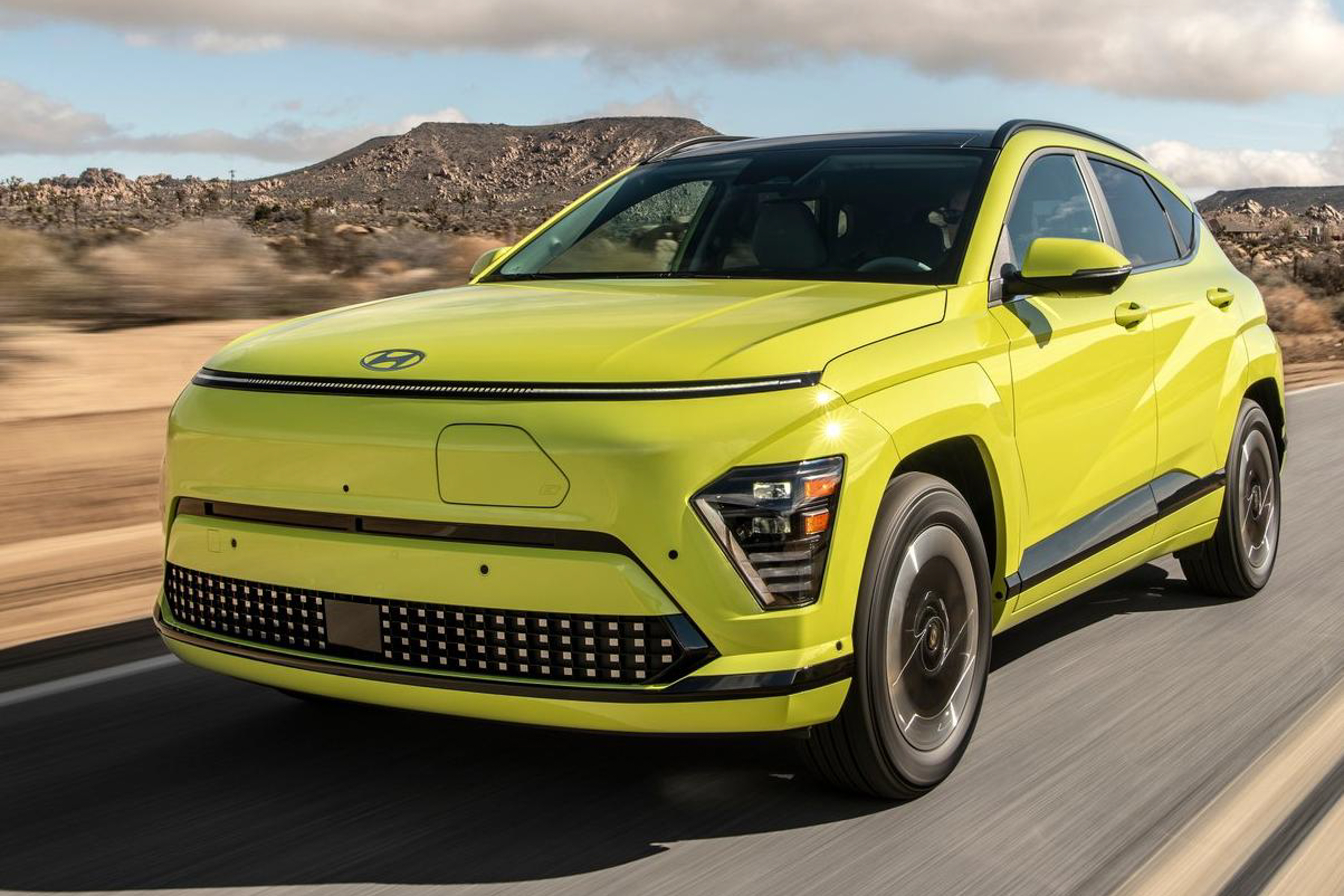
 Segment
 Body Type
 Motor Torque(Nm)
 EV Range(km)
 Battery Capacity(kWh)
 Driven Wheels
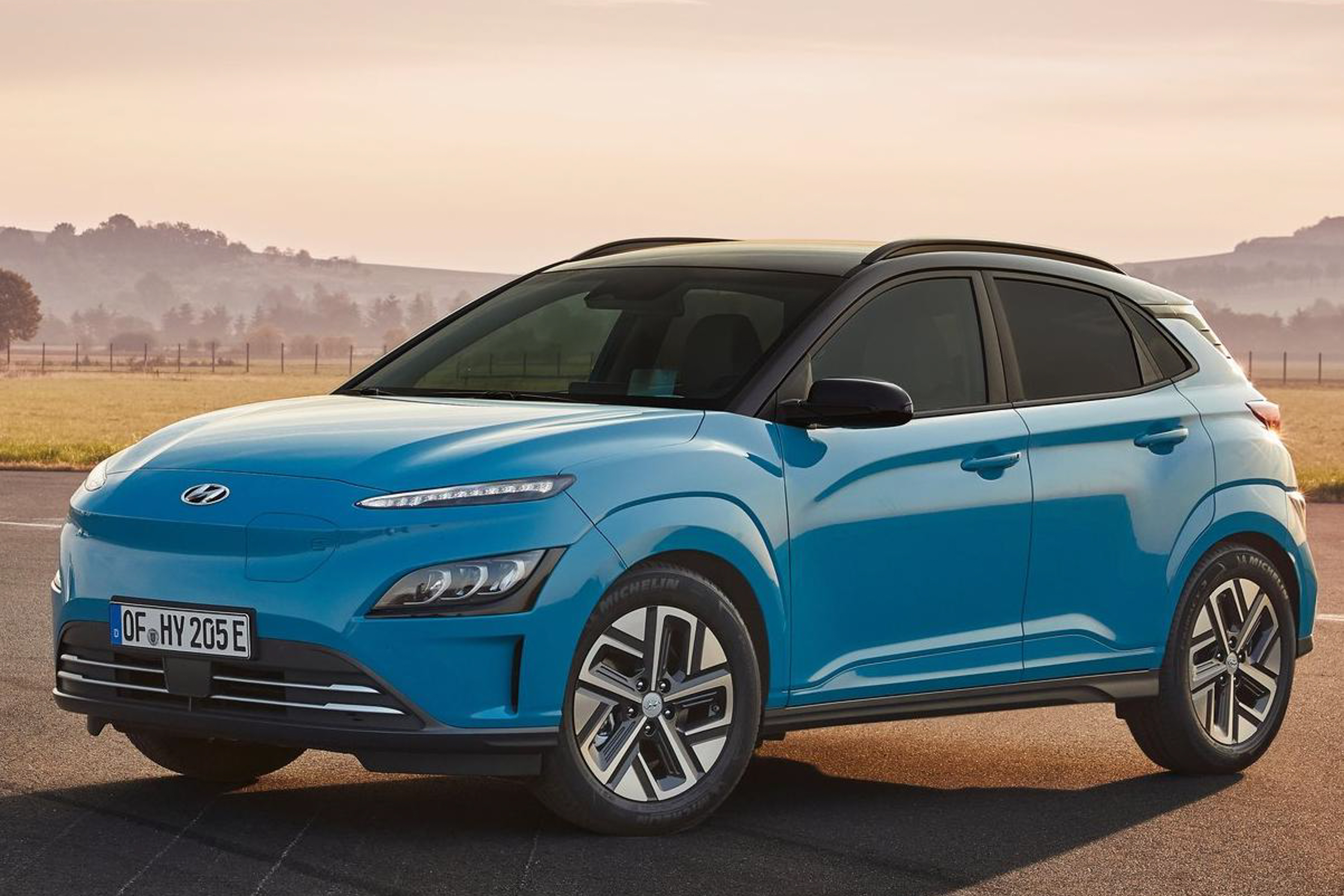
In recent years, the electric vehicle market in Malaysia has grown significantly, and household users are increasingly demanding compact electric SUVs that offer "sufficient range, balanced configuration, and low maintenance costs." The 2024 Hyundai Kona Electric is precisely targeted at this niche market. Compared to its predecessor, the most notable changes in the new model are the comprehensive optimization of practicality features and power adjustment. This time, we received a test drive vehicle, and the main goal is to verify whether it can truly meet the dual needs of daily commutes and short weekend trips.
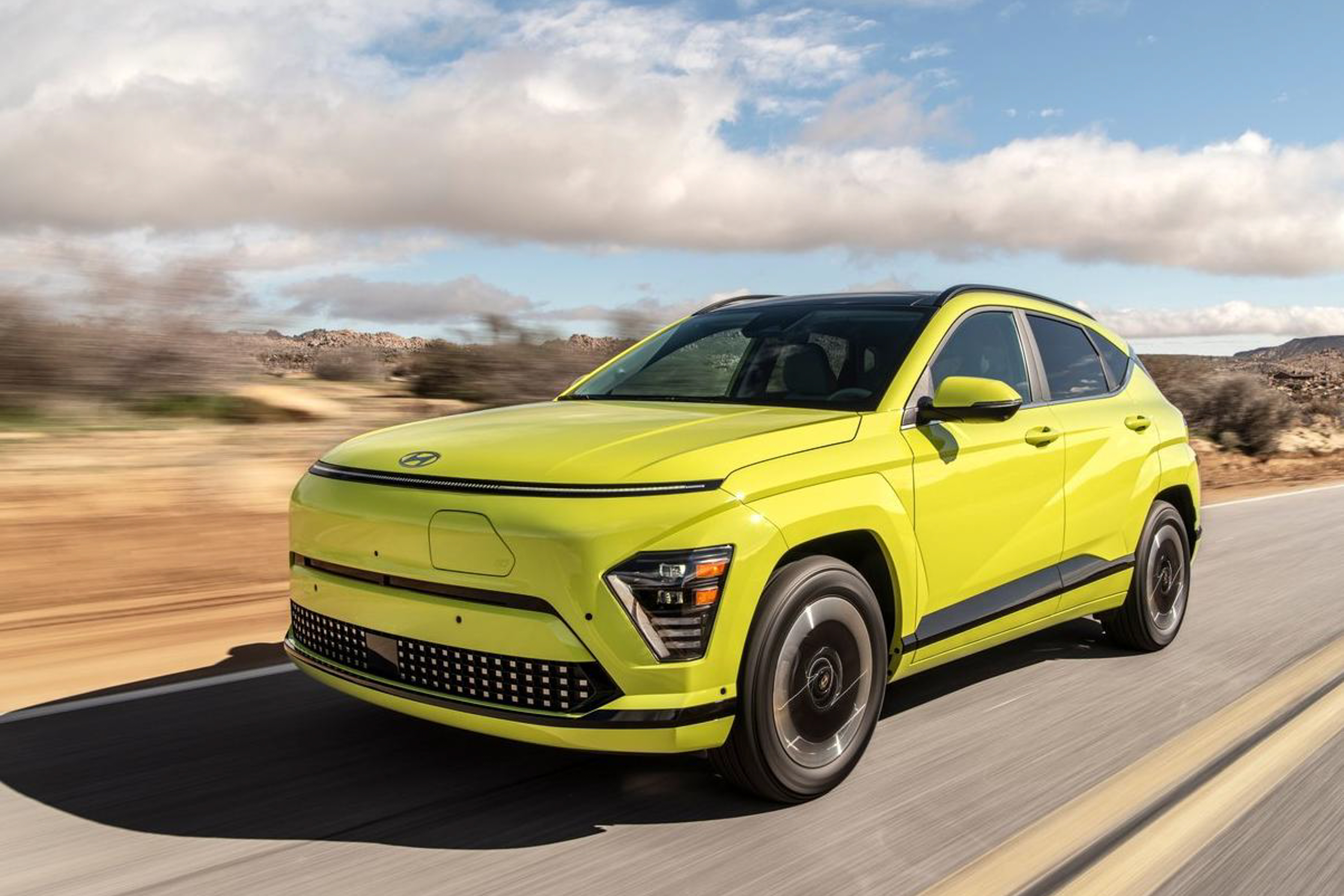
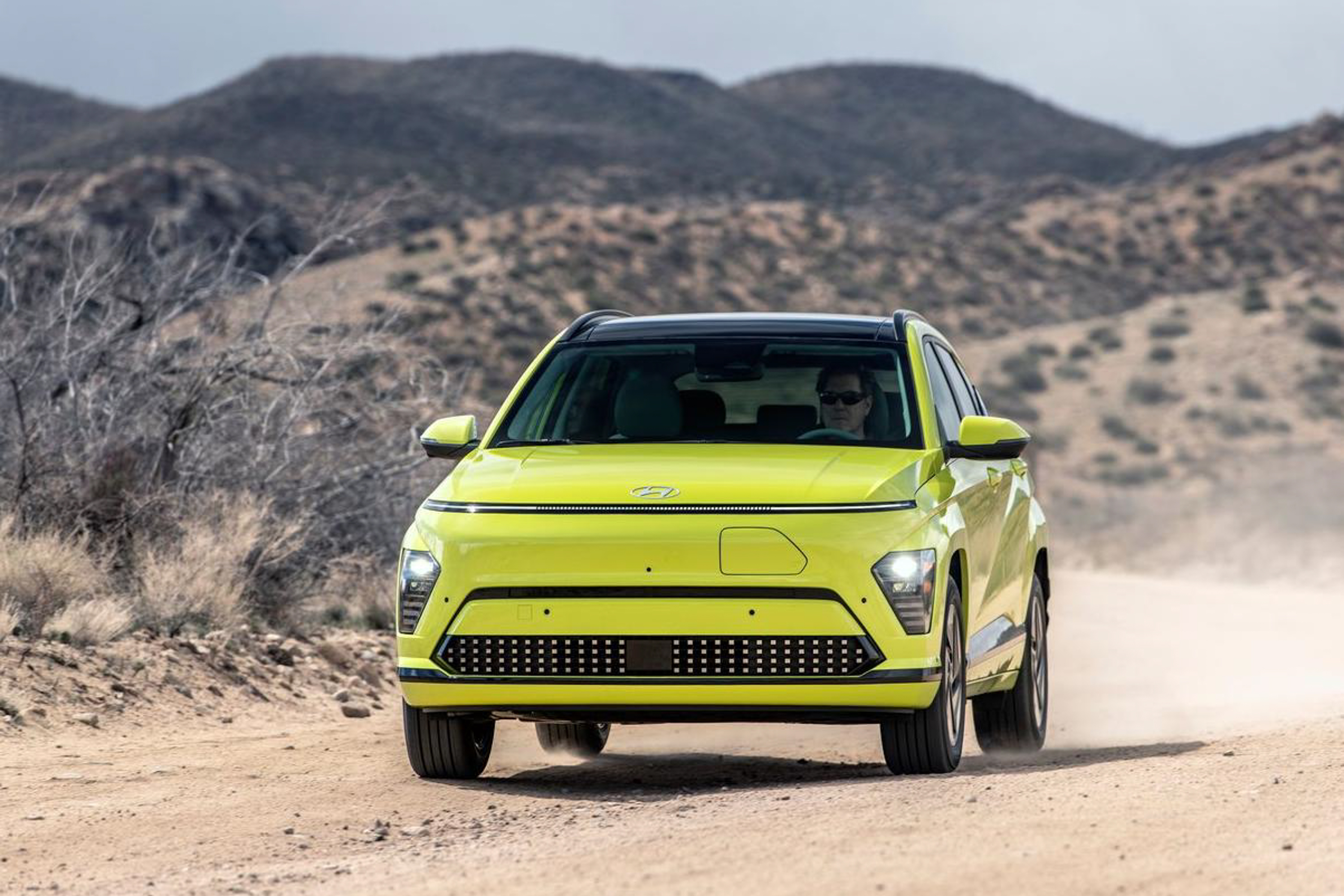
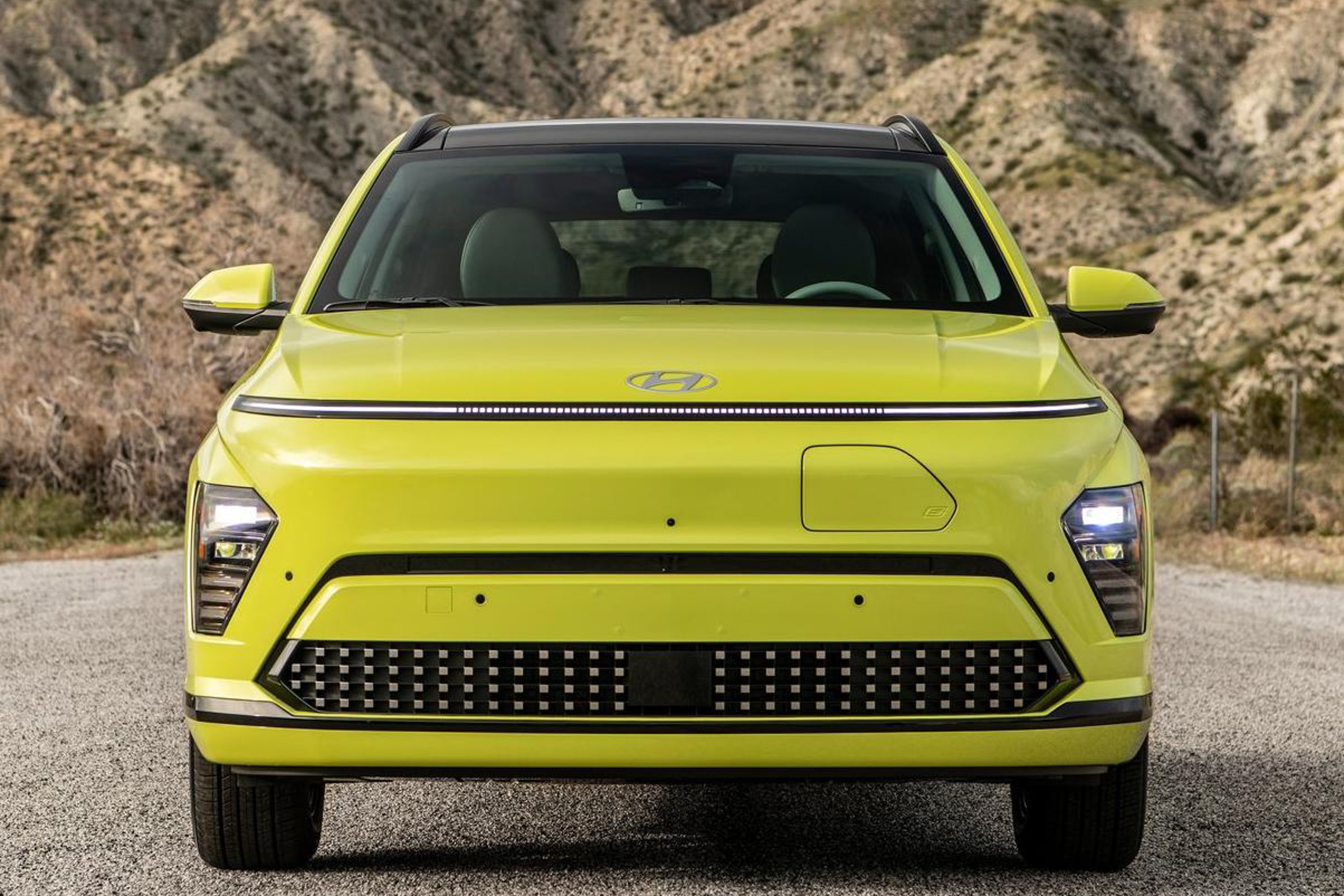
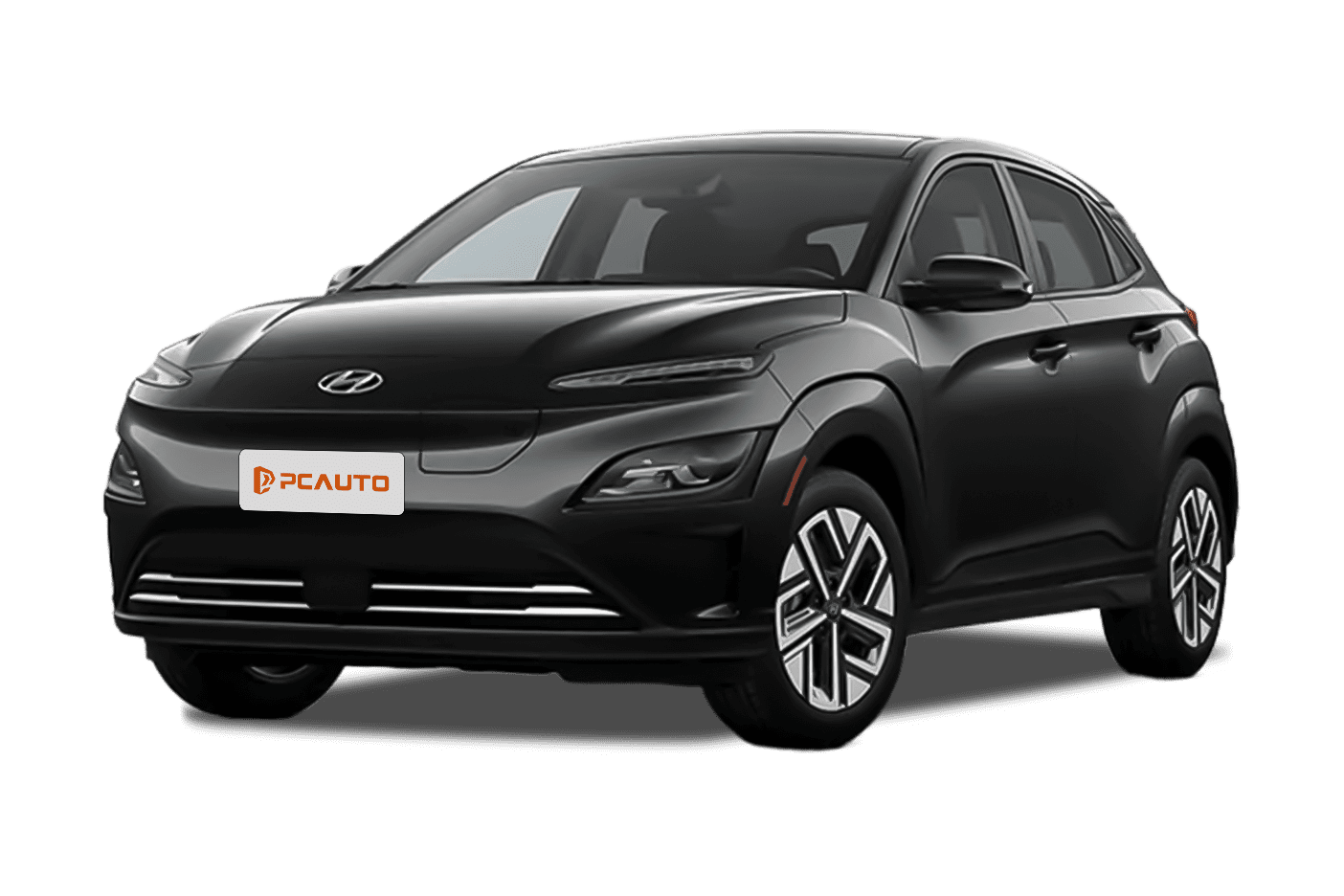
In terms of exterior design, the 2024 Kona Electric continues the family-style parameterized jewel grille but with a more compact size. Paired with the slender LED headlamp clusters on both sides, the overall recognition has been greatly improved. The side profile features smooth lines, with the waistline extending from the front fender to the taillights, enhancing a muscular appearance. The 17-inch alloy wheels are more refined in style compared to the old model. The highlight at the rear is the full-width LED taillights, which visually elongate the width when illuminated. The diffuser shape below the rear bumper retains the robust feel of an SUV. The lighting system is fully equipped with LEDs, and the automatic headlights and daytime running lights perform well under various daily lighting conditions, maximizing practicality.
Upon entering the cabin, the first thing you'll notice is that the interior layout is more straightforward. The center console is wrapped in soft-touch materials, offering a much more refined feel than the previous model. The 8-inch touchscreen infotainment screen is tilted toward the driver, so there's no need to lower your head too much during operation. The instrument cluster is fully digital, providing real-time displays of range, power consumption, and driving assistance information, which are all very intuitive to read. In terms of features, keyless entry, one-touch start, and a multifunction steering wheel are standard. The steering wheel features paddles that allow for adjustable regenerative braking levels, which is very convenient for everyday use. The front seats are manually adjustable, with moderate cushioning that remains comfortable for extended periods. The rear seats can be folded down in a 60:40 split configuration, expanding the trunk space from 332 liters to a more spacious area, suitable for stowing strollers or suitcases without issue. Space-wise, with a 2600mm wheelbase, passengers 175cm tall sitting in the rear will have about two fists of legroom and ample headroom, sufficient for family outings.
In terms of power, we test-drove the version equipped with a 64kWh battery pack. The electric motor delivers a maximum power of 204PS and peak torque of 395N·m, with an official 0-100km/h acceleration time of 7.9 seconds. During actual driving, power response at the start is immediate; a light press on the accelerator provides a noticeable push, and when overtaking on city roads, deeper accelerations yield continuous and smooth power delivery without the jolts commonly seen in fuel-powered vehicles during gear changes. There are three driving modes to choose from: Eco, Normal, and Sport. In Eco mode, power output is more subdued, making it suitable for daily commutes; in Sport mode, it becomes more aggressive, catering to scenarios that require quick acceleration.
As for handling, the steering is precise with minimal play. At low speeds, the steering is light, while at high speeds, it becomes more stable, giving the driver confidence. The chassis uses front MacPherson independent suspension. It effectively absorbs most of the shocks when driving over speed bumps or uneven road surfaces in the city, ensuring there's no noticeable bumpiness. When going through corners, the body roll is well controlled, and stability is excellent. This time, we focused on testing its range. When driving equally on urban roads and highways, the full charge range reached about 90% of the official estimate, allowing you to actually achieve approximately 430km, which comfortably covers a week's commuting needs. Regarding power consumption, under mixed road conditions, the consumption is approximately 14kWh per 100km. Based on the electricity rates of home charging stations, the cost per kilometer is less than 0.1 MYR, making the maintenance cost very low.
In terms of driving comfort, Kona Electric excels in noise control. At speeds below 60km/h, wind and tire noise are barely audible inside the car; above 80km/h, wind noise slightly increases but does not affect normal conversations. The regenerative braking system offers three adjustable levels, and when set to the highest level, easing off the accelerator provides a noticeable deceleration effect, enabling single-pedal driving and further enhancing the range. The seat provides excellent support, leaving no feeling of emptiness in the lumbar area, ensuring long-distance driving does not feel fatiguing.
Overall, the 2024 Hyundai Kona Electric has clear core advantages: sufficient range, balanced features, and low maintenance costs. Compared to other electric SUVs in the same class, it offers more comprehensive safety features, with six airbags, lane departure warning, and automatic emergency braking as standard. Its value for money stands out. From its overall performance, it is well-suited for families who prioritize practicality, especially for those with a daily commute of within 50km and enjoy short family trips on weekends.
In conclusion, the 2024 Hyundai Kona Electric is a compact electric SUV with no significant shortcomings, capable of handling both daily commutes and family outings with ease. If you're looking for an "easy to use, practical, economical" electric car, this model is worth adding to your list of considerations.
Hyundai Kona Electric Car Compare
Hyundai Kona Electric Loan Calculator
More Hyundai Reviews
Cars With Similar Price And Features

1
Rank in SUV
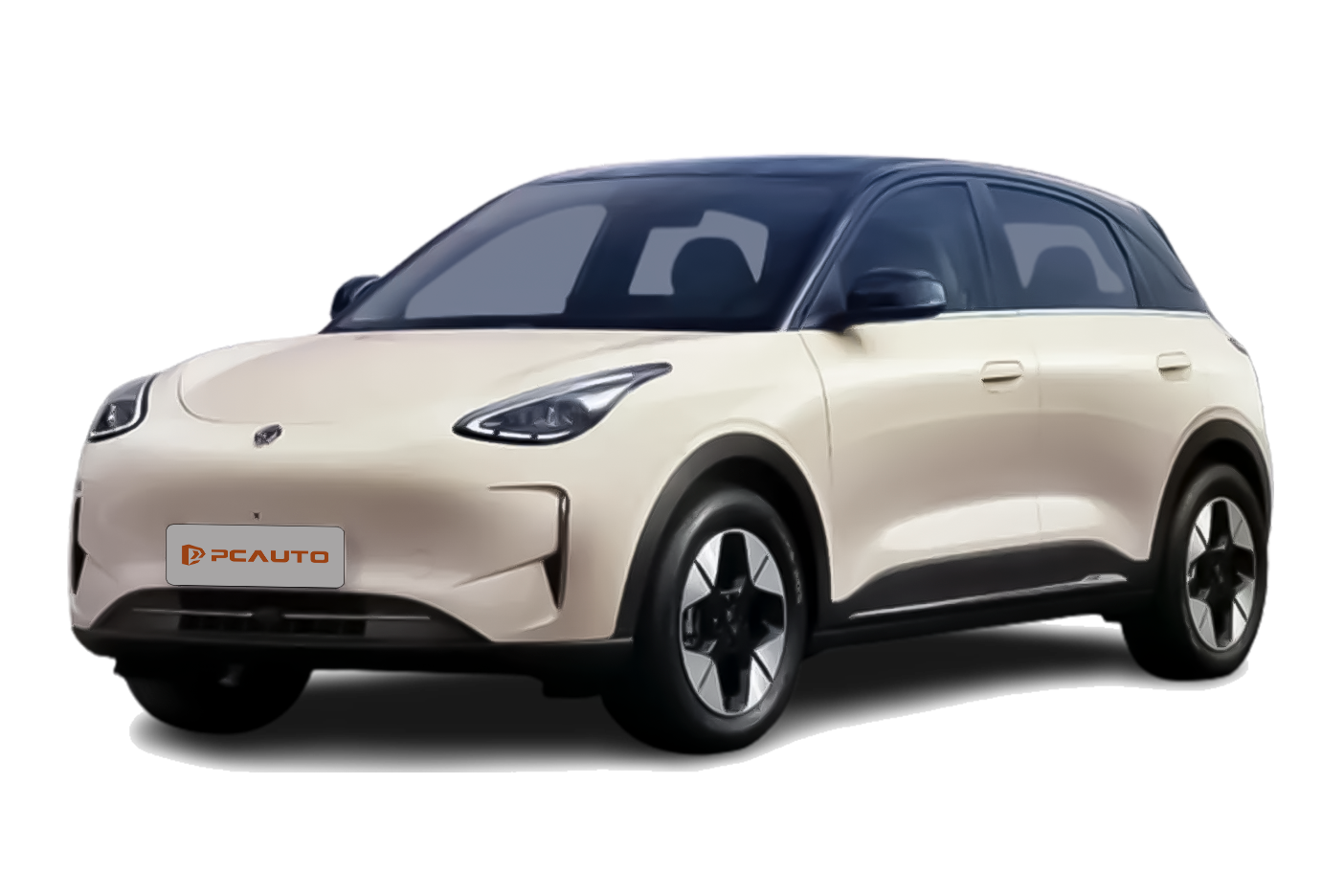
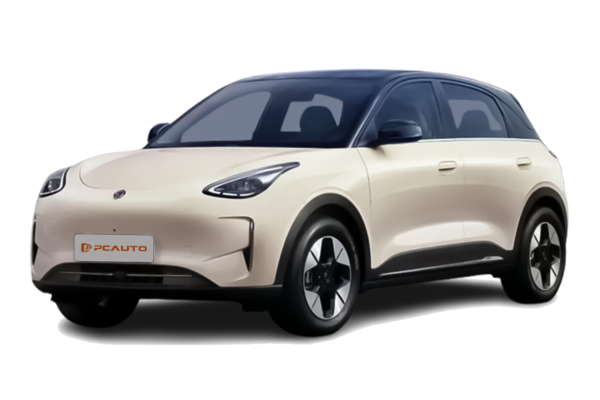
2025 Proton e.Mas 5 Prime is Proton's first entry-level pure electric C-Segment model, priced from 56,800 MYR to target the sub-100,000 MYR market, balancing practical features with commuting range.
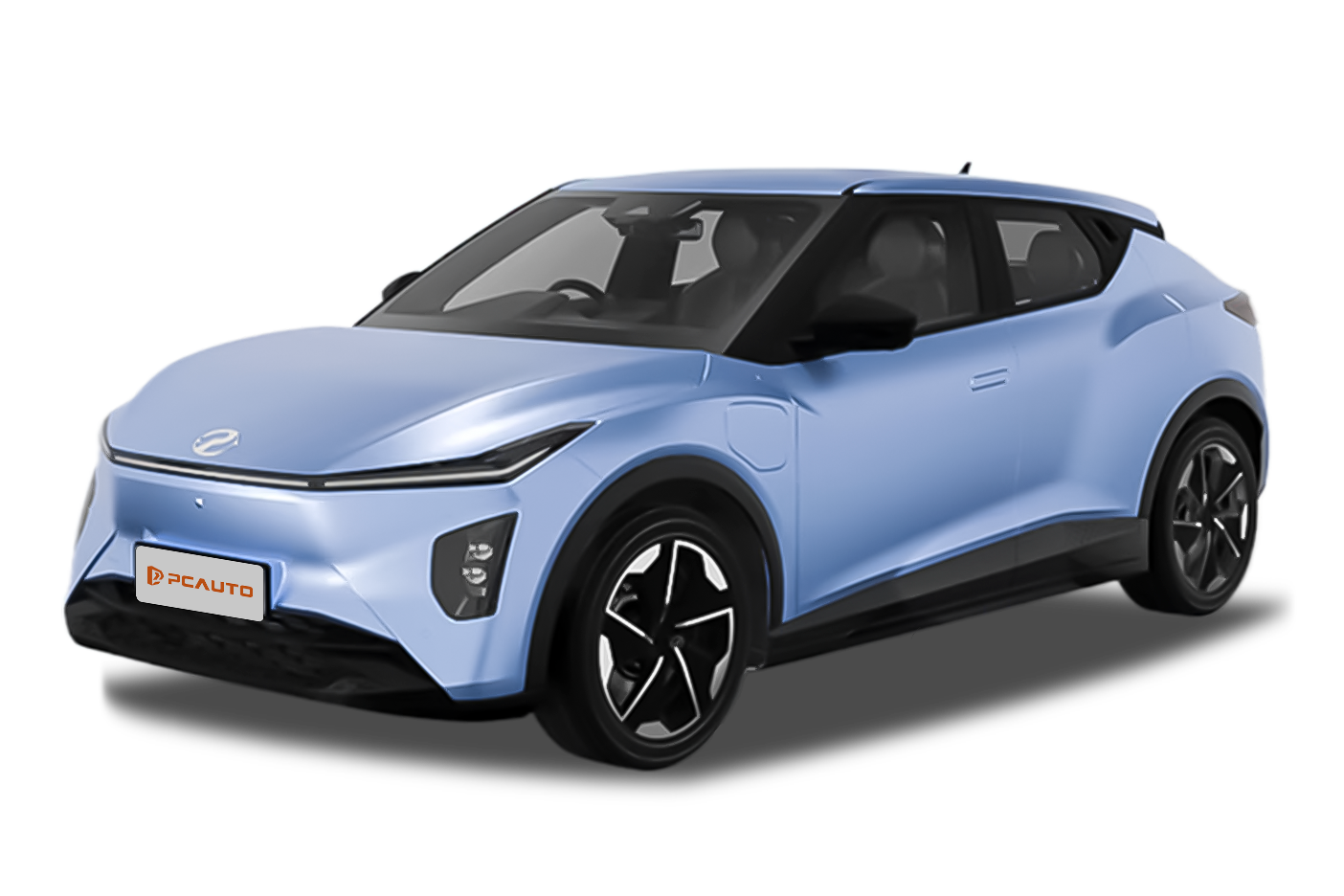
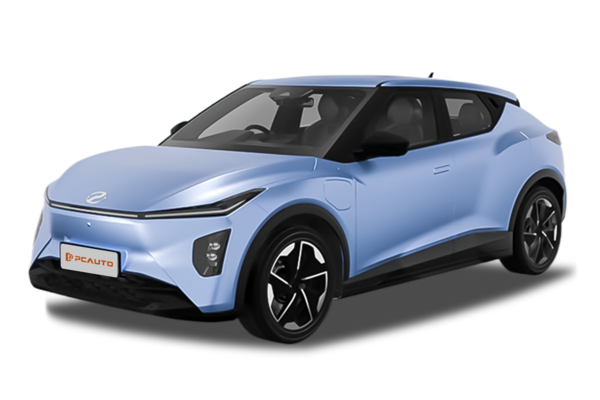
The 2025 Perodua QV-E is an affordably priced, practically ranged class-C pure electric vehicle, precisely tailored for family users and young commuters with its high safety features, spacious interior, and agile driving dynamics.
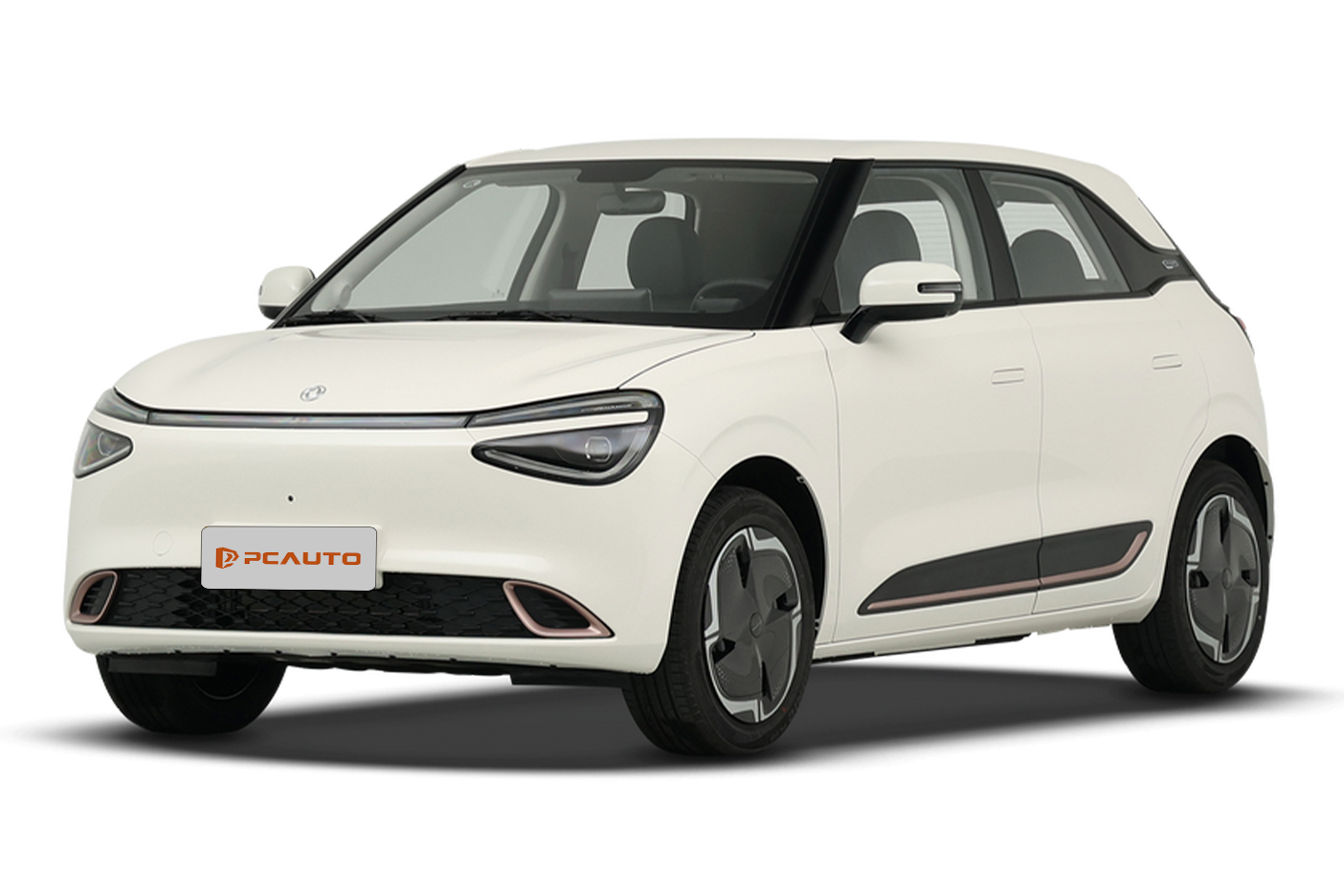
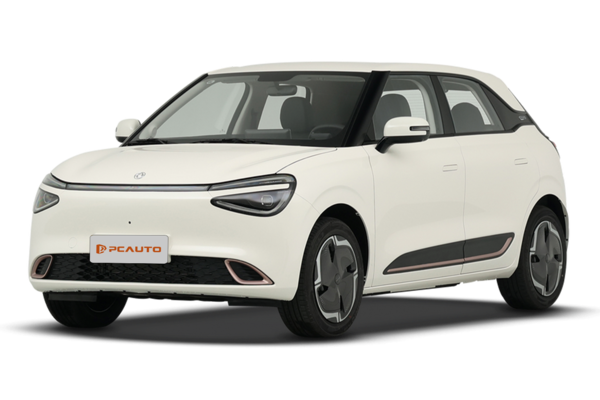
2024 DFSK Box E2 is a household pure electric vehicle in Malaysia priced at around 100,000 Ringgit, featuring a 330 km range, 12.8-inch large screen, and practical space as its main selling points, catering to both commuting and family needs.
30
Rank in SUV
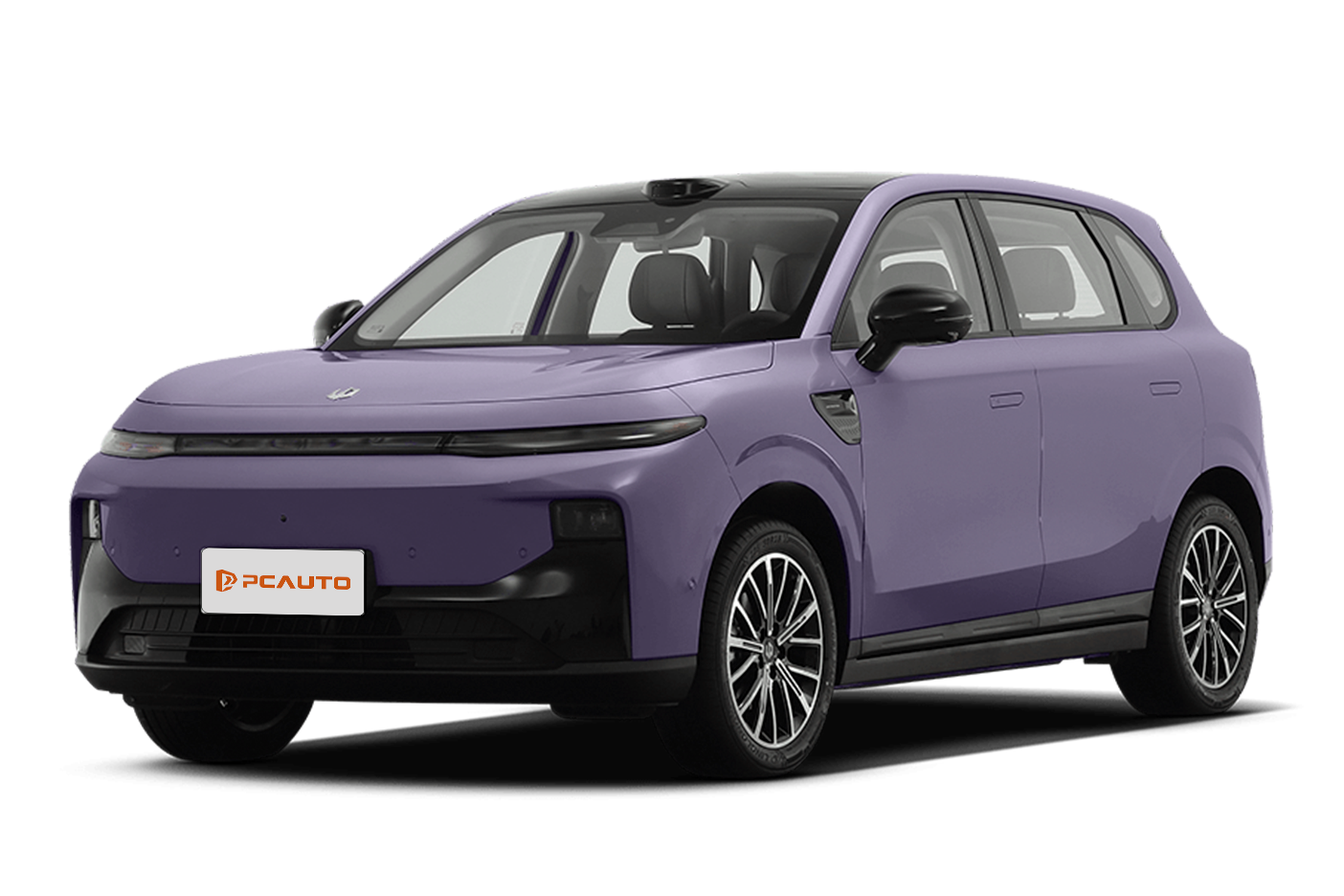
2025 Leapmotor B10 LIFE is a 100,000-level pure electric C-class SUV, equipped with standard L2 assisted driving and other practical features. It offers spacious interior and solid range, making it a go-to choice for family users.