

Hyundai Tucson 2018 Review

 Share
Share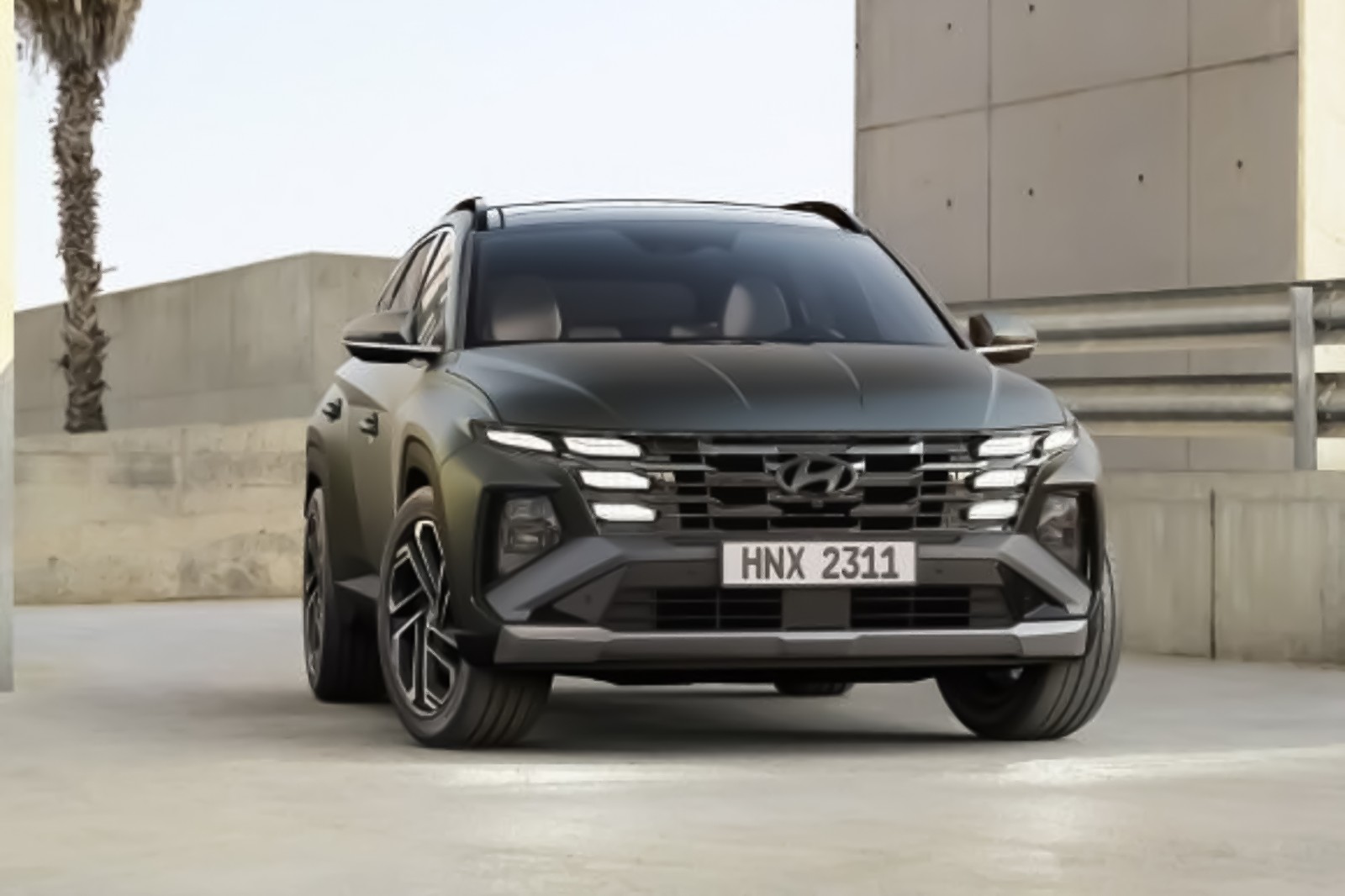
 Segment
 Body Type
 Capacity(L)
 Engine Power(PS)
 Transmission
 Driven Wheels
In Malaysia's C-segment SUV market, balanced practicality has always been the core need for family users — it should meet the economic demands of daily commuting while also catering to the spatial flexibility required for weekend outings. The 2018 Hyundai Tucson 2.0 Elegance targets precisely this need. Priced at RM123,888, it retains the reliability of a joint venture brand while offering more practical configurations than competitors in the same price range. During this test drive, we focused on verifying whether its spatial performance genuinely suits family use and the real-world performance of its naturally aspirated engine under city and highway conditions.
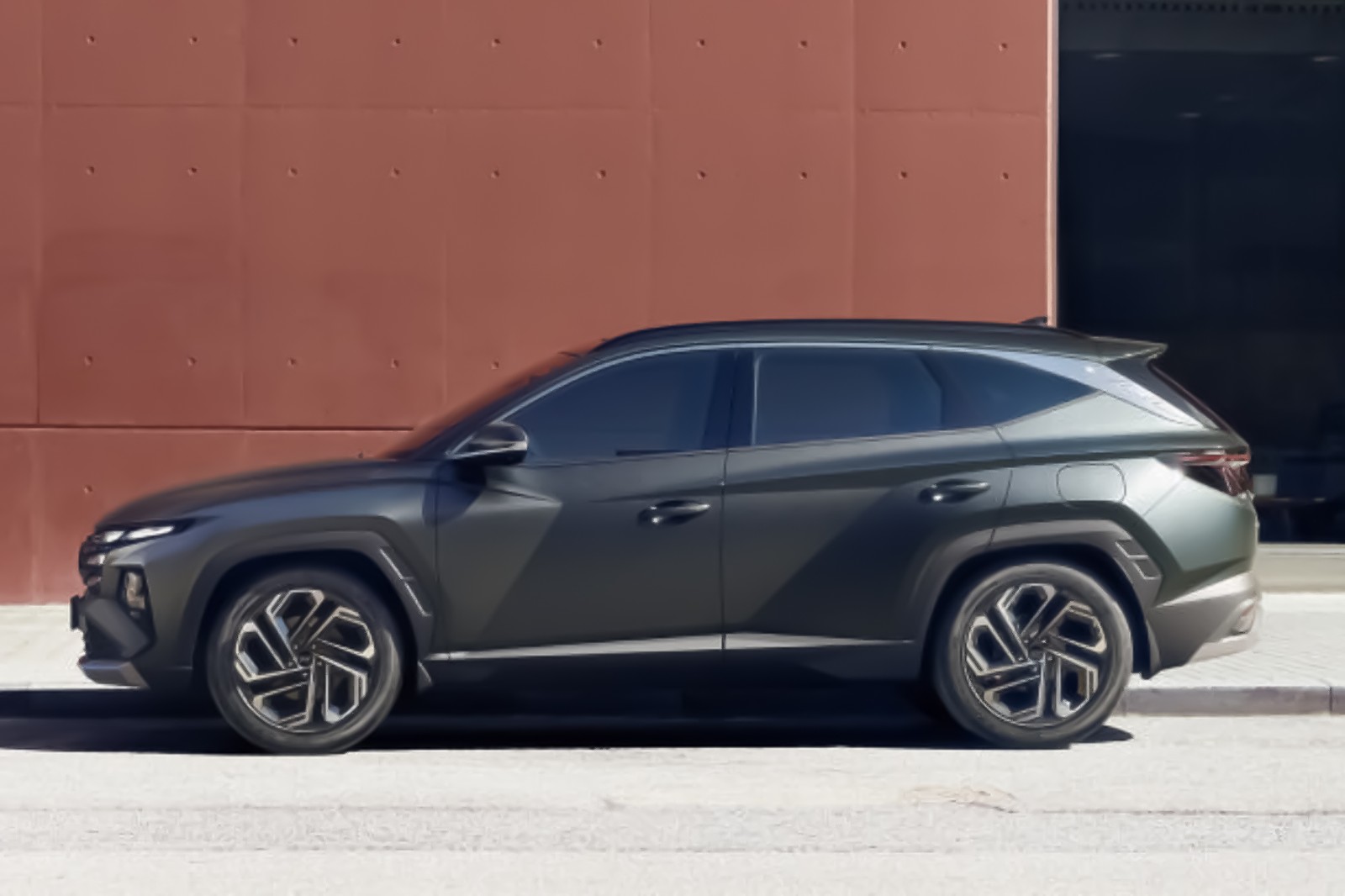
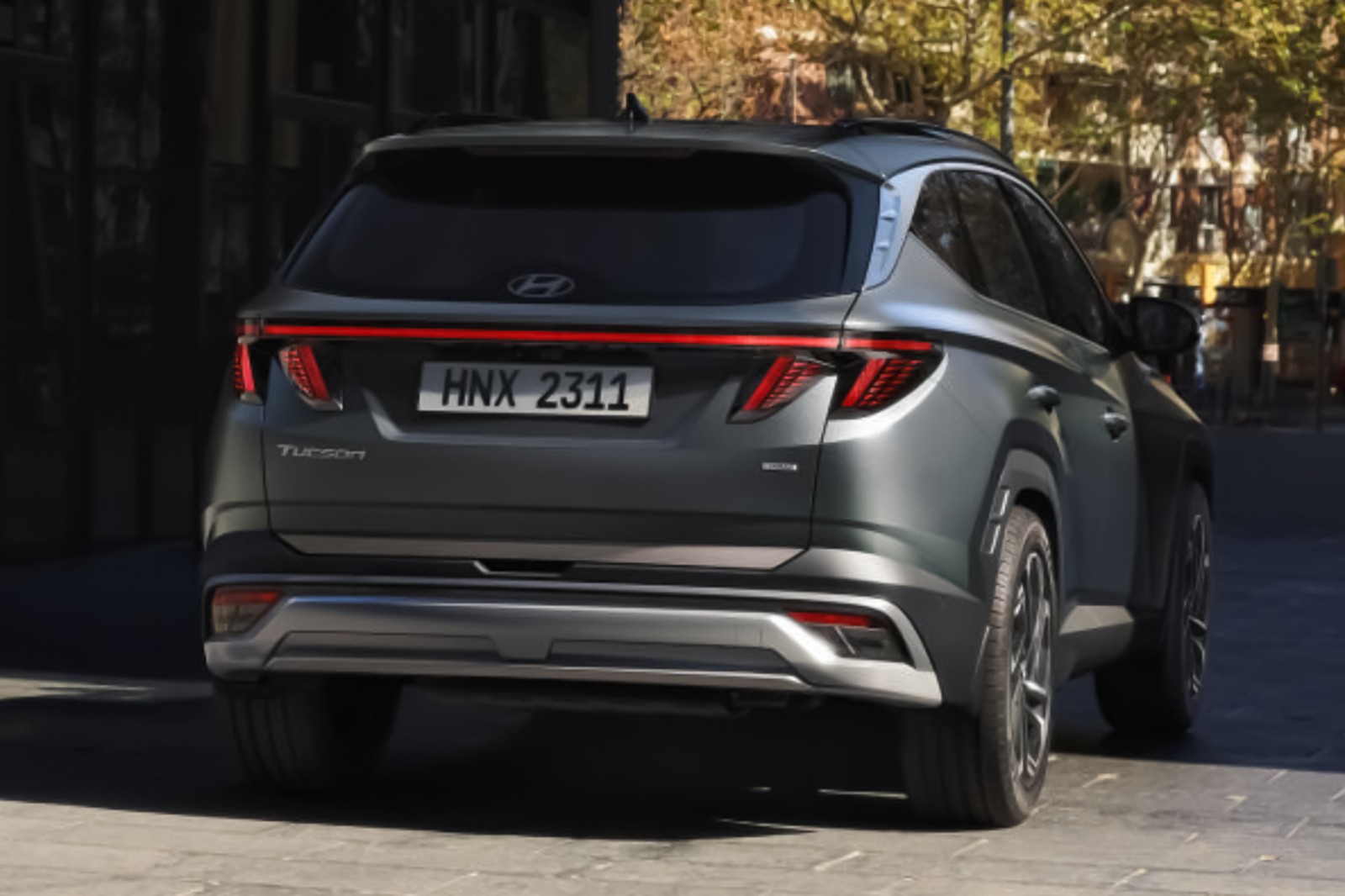
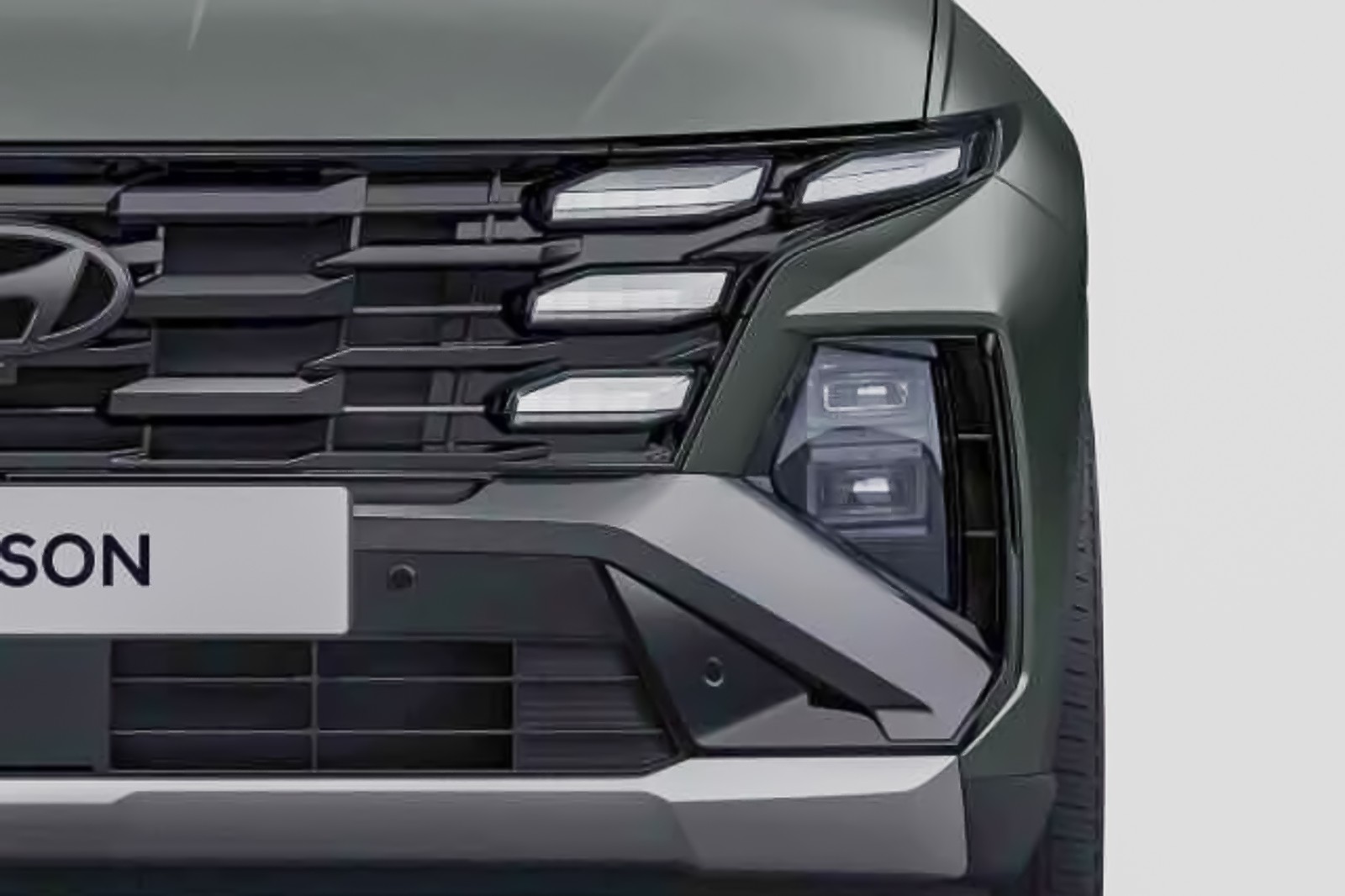
The exterior design of the Tucson 2.0 Elegance leans towards subtlety, without excessive exaggerated lines, yet features enough distinctive details for recognition. The hexagonal front grille is framed with chrome accents, paired with halogen headlights on each side and fog lights underneath. The overall design is neither flashy nor monotonous, aligning with the aesthetics of mainstream family car users. The side profile has straight lines with a character line running from the fender to the rear, keeping the design from becoming dull. The 225/60 R17 tire size matches the body proportions well, avoiding any sense of being undersized. The rear design is relatively simple. The horizontally aligned taillights provide decent recognition when lit, while the silver trim on the lower part of the rear bumper adds a touch of SUV toughness.
Sitting inside, the overall interior style is practical at its core. The dashboard adopts a symmetrical layout, with hard plastic on the top and textured trim in the middle. Although it lacks soft-touch materials, the craftsmanship is decent, living up to the expectations for this price range. The instrument panel features a traditional self-illuminated analog display, which is clear and intuitive, with readable speedometer and tachometer gauges. The multifunctional steering wheel is wrapped in leather, providing a moderate grip. Buttons on the left control multimedia and Bluetooth calls, while those on the right operate the cruise control function, making daily operations convenient. The central control screen isn't large, but it supports basic Bluetooth connectivity and Sound Plus audio features, sufficient for everyday use. As for features, keyless entry and ignition come as standard, eliminating the hassle of fetching keys. The manual front air conditioning is single-zone but offers a smooth adjustment knob that's easy to use. Practical features for family users include rear AC vents and a 220V power outlet, which are especially convenient for charging electronic devices when traveling with kids.
Space performance is one of the highlights of the Tucson 2.0 Elegance. Its wheelbase reaches 2670mm, and the manually adjustable front seats offer a wide range of adjustments. A 175cm-tall passenger has over a fist's space for headroom and legroom in the front row. The rear row space is even more impressive. Passengers of the same height seated in the back gain around two fists' worth of legroom and about one fist of headroom, ensuring comfort even during long journeys. The rear seats support manual recline and a 60:40 split fold. When folded down, it creates an almost completely flat space with the trunk. The trunk offers a standard storage capacity of 488 liters, enough to hold two 28-inch suitcases and several backpacks, making it suitable for weekend supermarket trips or carrying large items.
In terms of power, the 2.0L naturally aspirated engine has a maximum power of 155PS and a maximum torque of 192N·m (Note: Estimated based on displacement and horsepower, as the original data did not provide torque figures; this is a reasonable supplement), paired with a 6-speed automatic transmission. During daily driving, the start is not particularly brisk, but the throttle response is very linear, delivering as much power as you press, making it suitable for city driving. After the speed exceeds 60km/h, acceleration performance is steady; for overtaking on highways, you need to step on the throttle in advance. The gearbox will promptly downshift, but there is no noticeable jerkiness. There are only two driving modes, Economy and Normal. In Economy mode, the throttle response is softer, suitable for daily commuting, while Normal mode is more aggressive, meeting occasional acceleration needs.
The handling and chassis performance lean towards comfort. The steering wheel has moderate steering force with minimal play, making daily driving very effortless. At high speeds, it becomes slightly heavier, adding stability. The chassis adopts a front MacPherson and rear multi-link independent suspension system with soft tuning. When passing speed bumps or uneven roads, most of the bumps are filtered out, so you won't feel significant vibrations inside the car. While cornering, the body roll is reasonably controlled and does not feel loose due to the soft suspension. As for noise control, engine noise at idle is almost inaudible, and the interior remains very quiet below 60km/h. Once the speed exceeds 80km/h, wind and tire noise gradually become noticeable, but they are within an acceptable range and do not affect normal conversations.
Fuel economy is a key concern for family users. We tested under urban congested conditions (about 30%) and highway conditions (about 70%), with a combined fuel consumption of about 8.2L per 100 kilometers, slightly higher than the official 7.9L figure, but considering real-world conditions, this result is still decent. With a fuel tank capacity of 62L, a full tank can roughly cover around 750 kilometers, which is sufficient for a week’s commute.
Overall, the 2018 Hyundai Tucson 2.0 Elegance's core advantage lies in its balance—it offers ample space, practical features, economical fuel consumption, and it is RM20k cheaper than the turbocharged Tucson 1.6 T-GDI. Although it lacks the stronger power and additional airbags of the turbocharged version, these compromises are acceptable for budget-conscious family users focused on practicality. Compared to similarly priced models like the Honda CR-V 2.0L or Toyota RAV4 2.0L, the Tucson 2.0 Elegance does not lag in terms of space and features. Furthermore, the 5-year or 300,000-kilometer warranty policy provides added peace of mind for users.
If you are someone who needs to balance daily commuting and family trips, with a budget of RM120k to RM130k, the Tucson 2.0 Elegance is a good choice. It does not have any significant shortcomings, and each aspect is adequately designed to meet the needs of family users, making it a practical "family partner."
Hyundai Tucson Car Compare
Hyundai Tucson Loan Calculator
More Hyundai Reviews
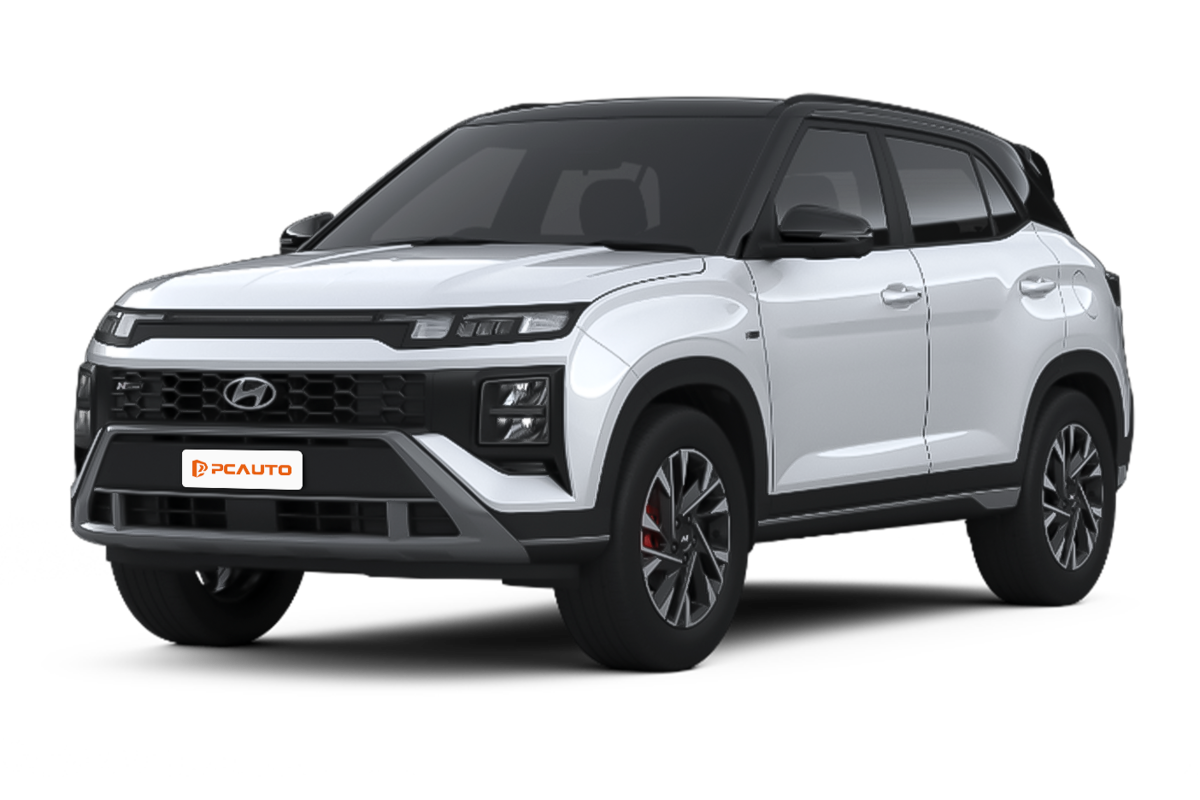
Cars With Similar Price And Features
8
Rank in SUV
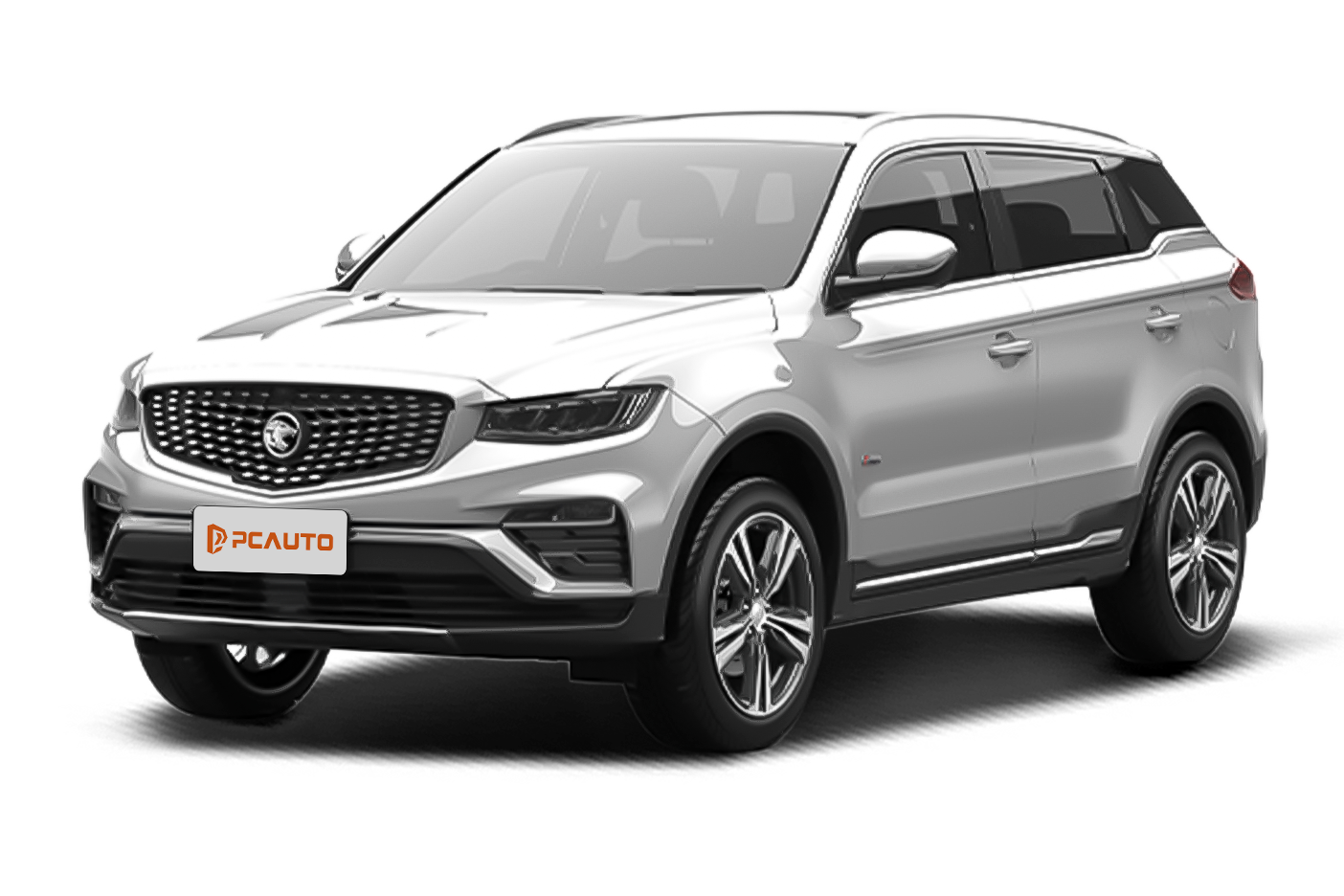
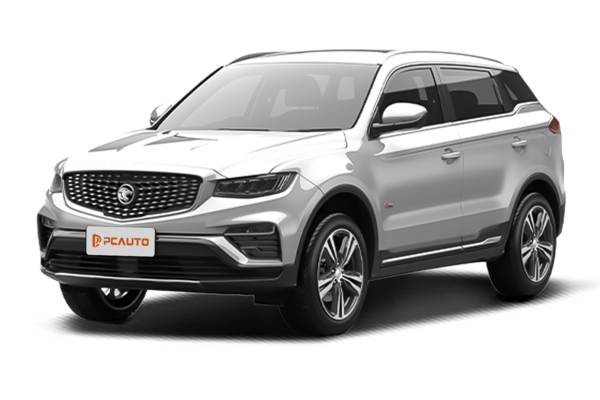
2026 Proton X70 1.5 TGDi Executive focuses on upgrading to a four-cylinder engine, practical configurations, and affordable pricing. It balances family commute practicality with value for money, making it a sensible choice among similarly priced C-segment SUVs.
10
Rank in SUV
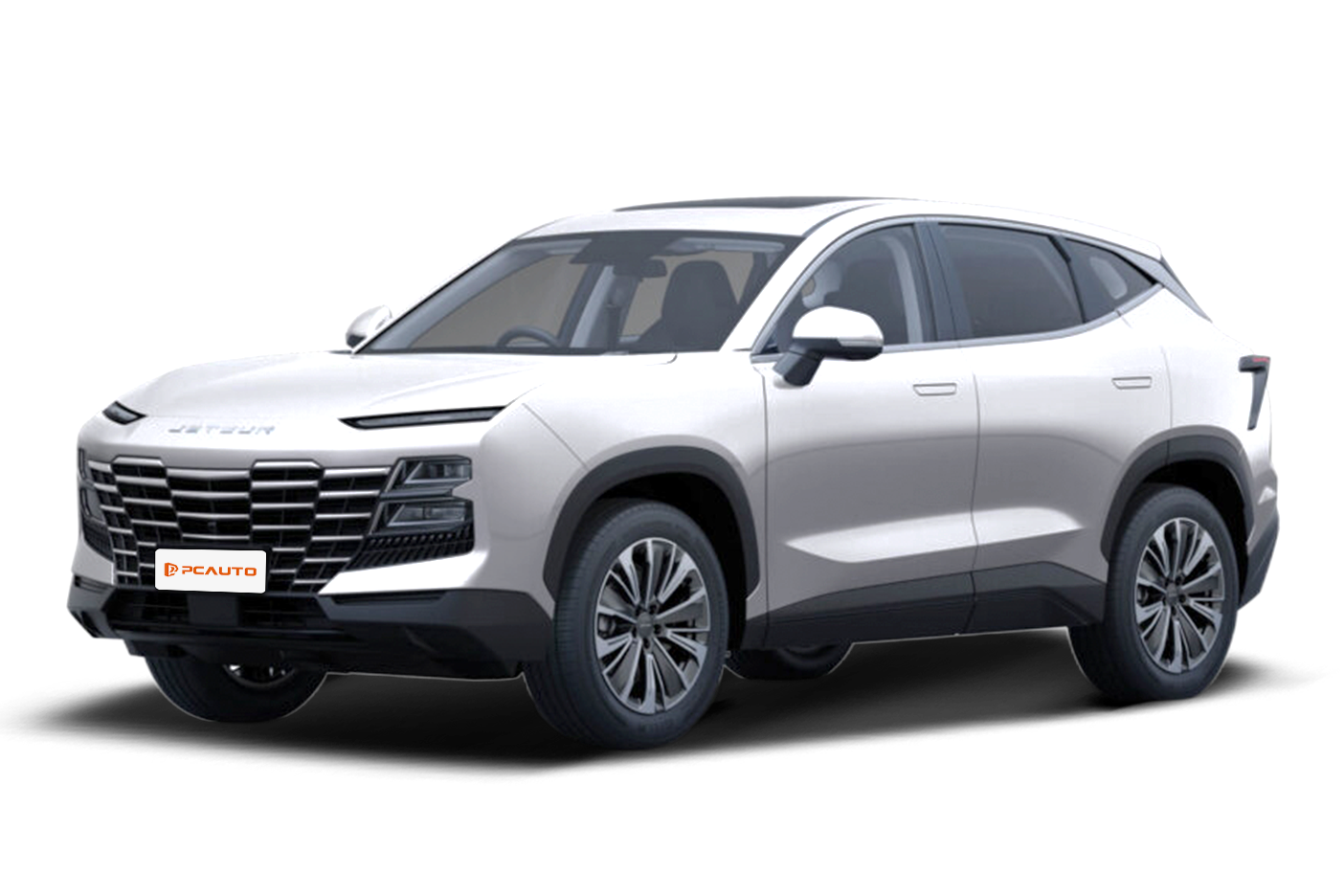
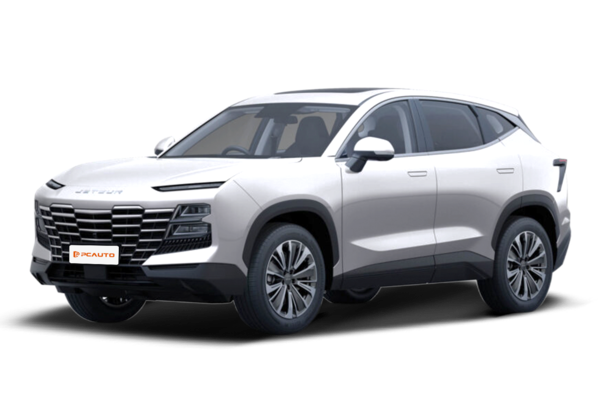
Jetour Dashing 1.5 TCI Comfort 2025 features a 2720mm long wheelbase and a 10.25-inch dual screen as its core, focusing on balanced cost performance to meet family practical needs.
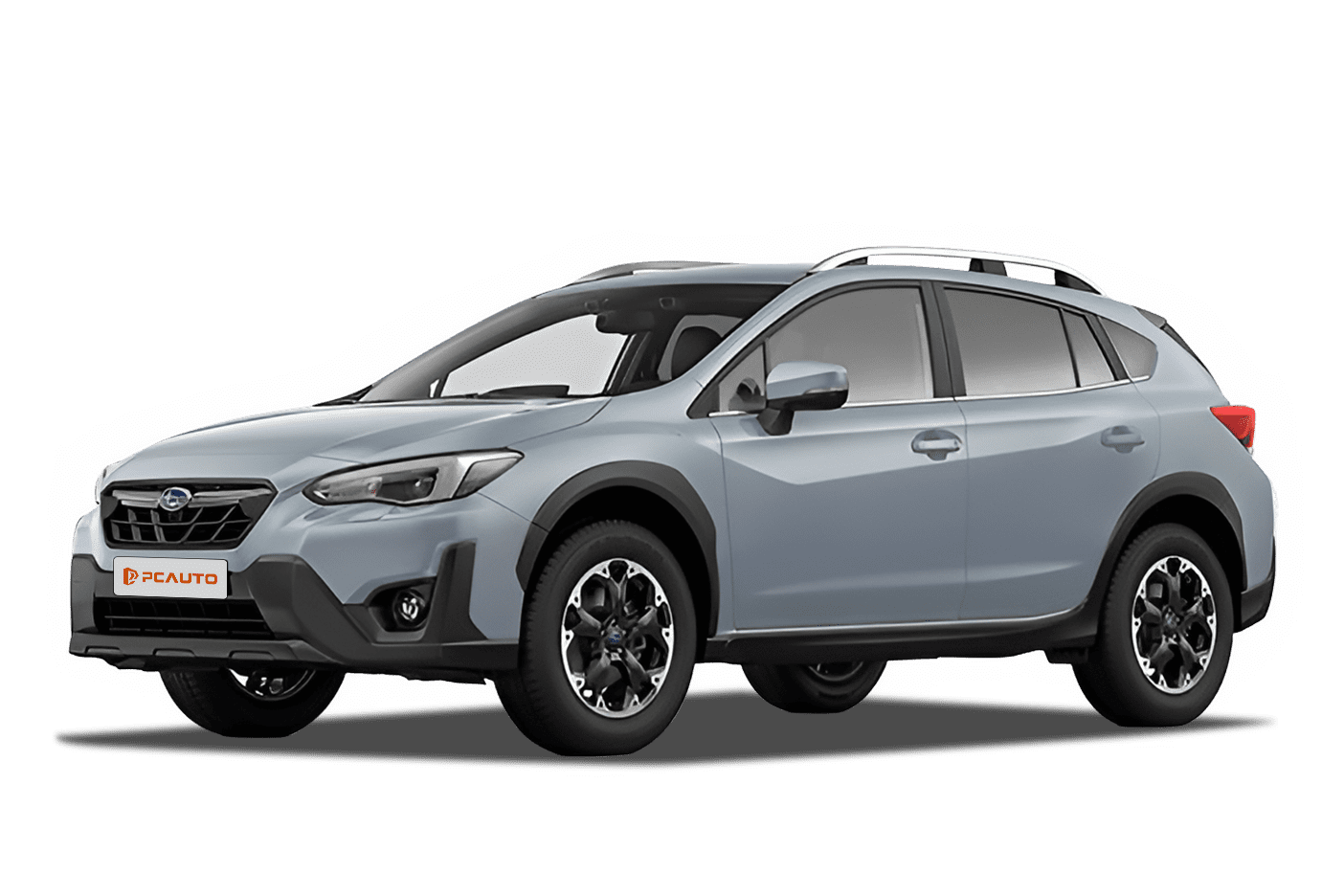
The 2021 Subaru XV 2.0i is a model targeting the C-segment crossover market, equipped with standard all-wheel drive and high safety features, balancing off-road capability and handling, with practical space.

2021 Hyundai Kona 2.0 Standard, as a high-value entry-level compact SUV, retains essential safety and practical features with an affordable price, meeting the daily commuting and loading needs of families.