

iCaur 03 2025 Review

 Share
Share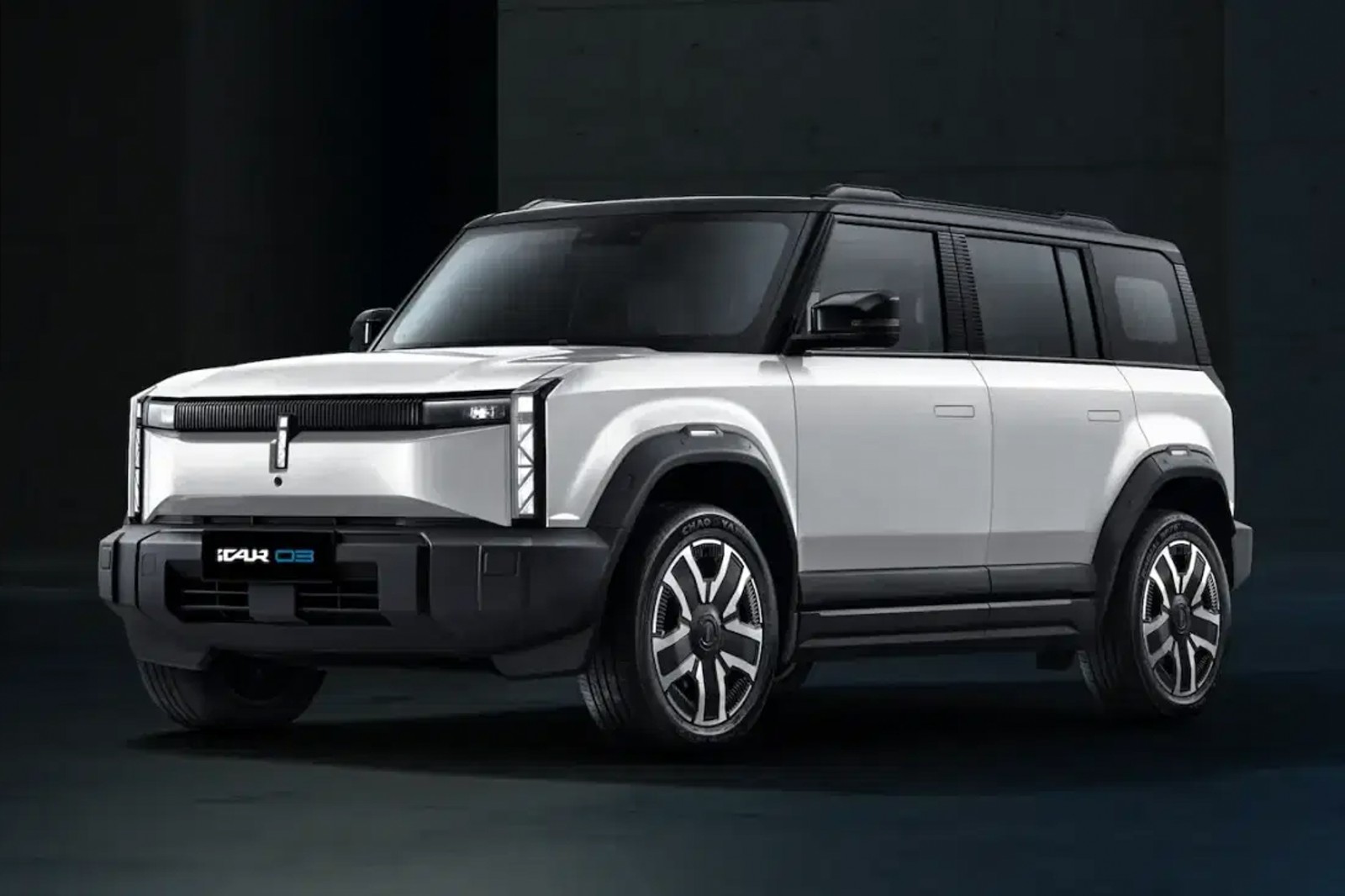
 Segment
 Body Type
 Motor Output(kW)
 Motor Torque(Nm)
 EV Range(km)
 Battery Capacity(kWh)
In recent years, the competition in Malaysia's C-segment electric vehicle market has intensified. Consumers not only demand sufficient space and range to meet daily commuting and family travel needs, but also have higher expectations for performance and intelligent features. The iCaur 03 series has been simultaneously launched with 2WD and iWD (four-wheel drive) versions this time, among which the iWD EV, with a combined 279PS horsepower, a four-wheel drive system, and a starting price of nearly RM120,000, stands out as a cost-effective choice in this segment. This test drive will focus on the iWD EV version, providing a comprehensive evaluation of its static design and dynamic performance to determine whether it meets the core needs of C-segment electric vehicle users.
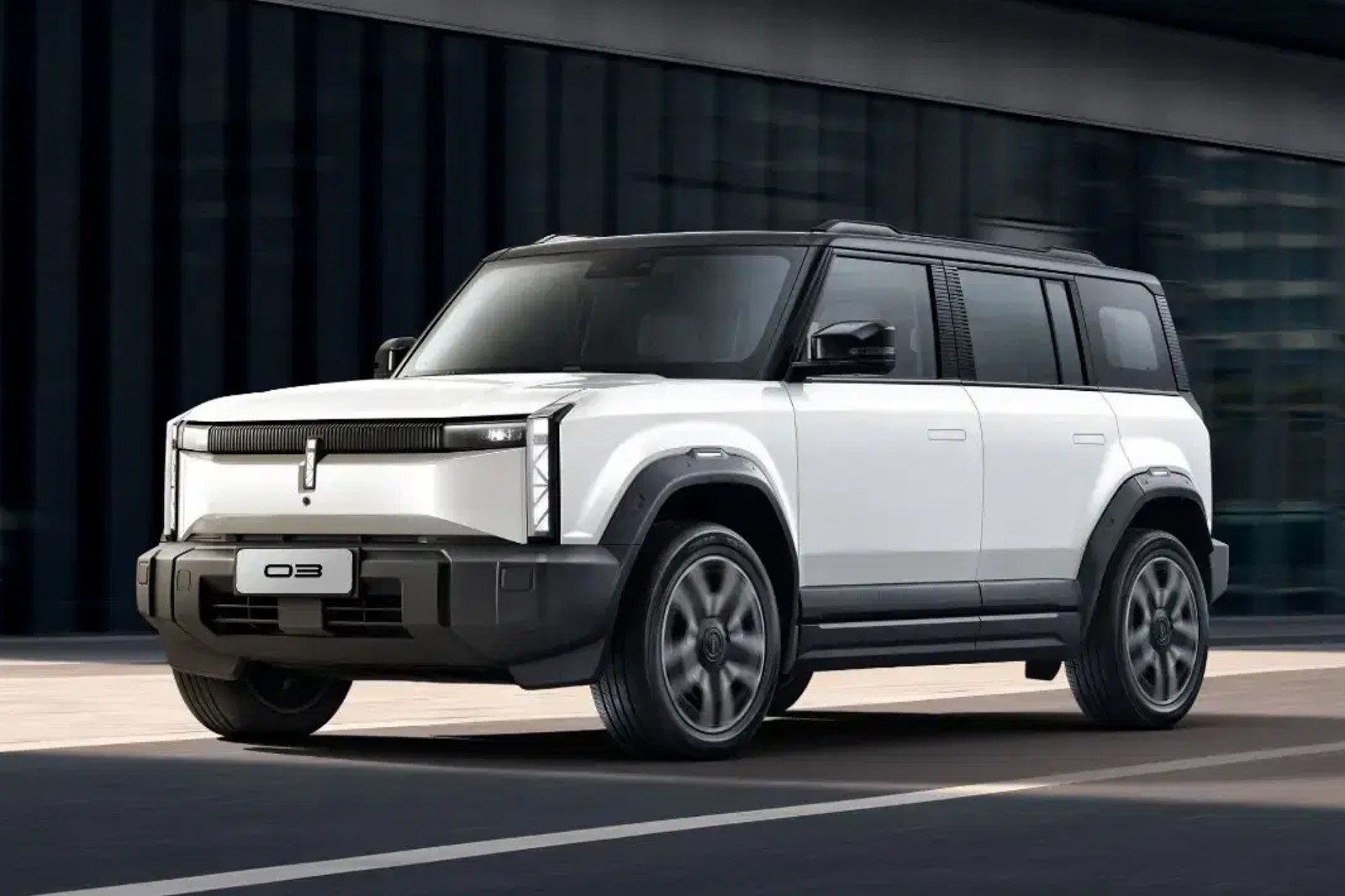
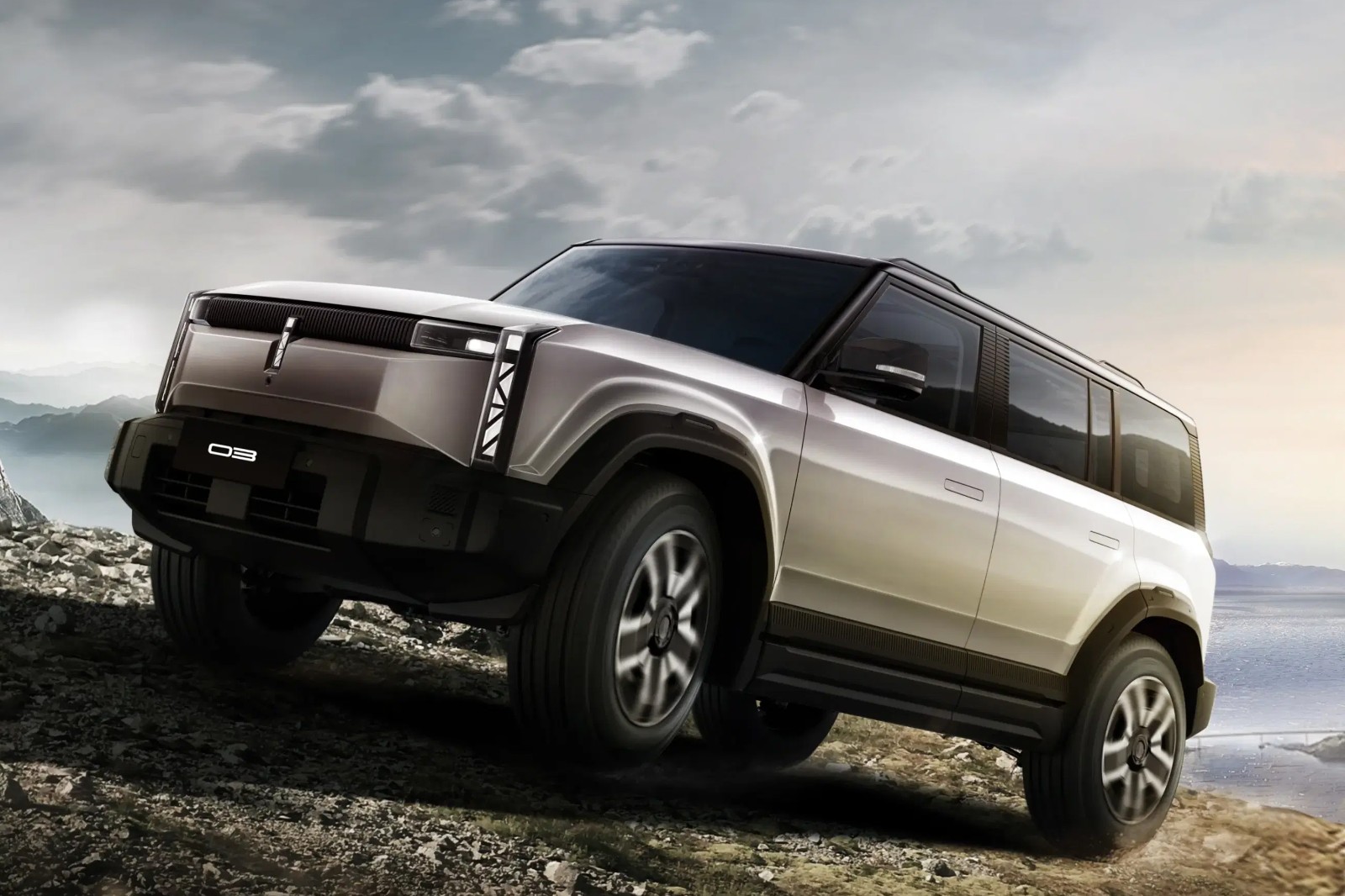
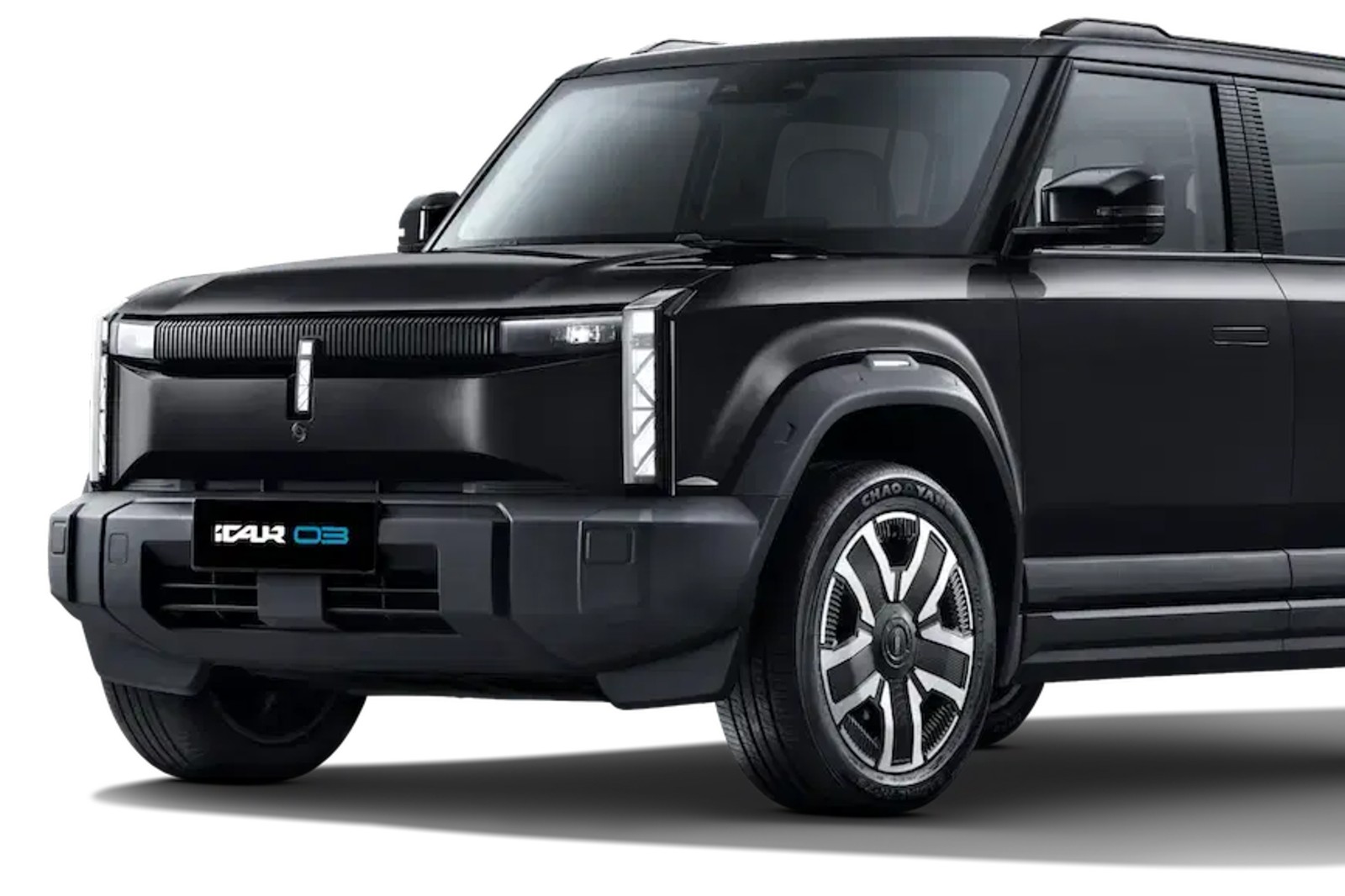
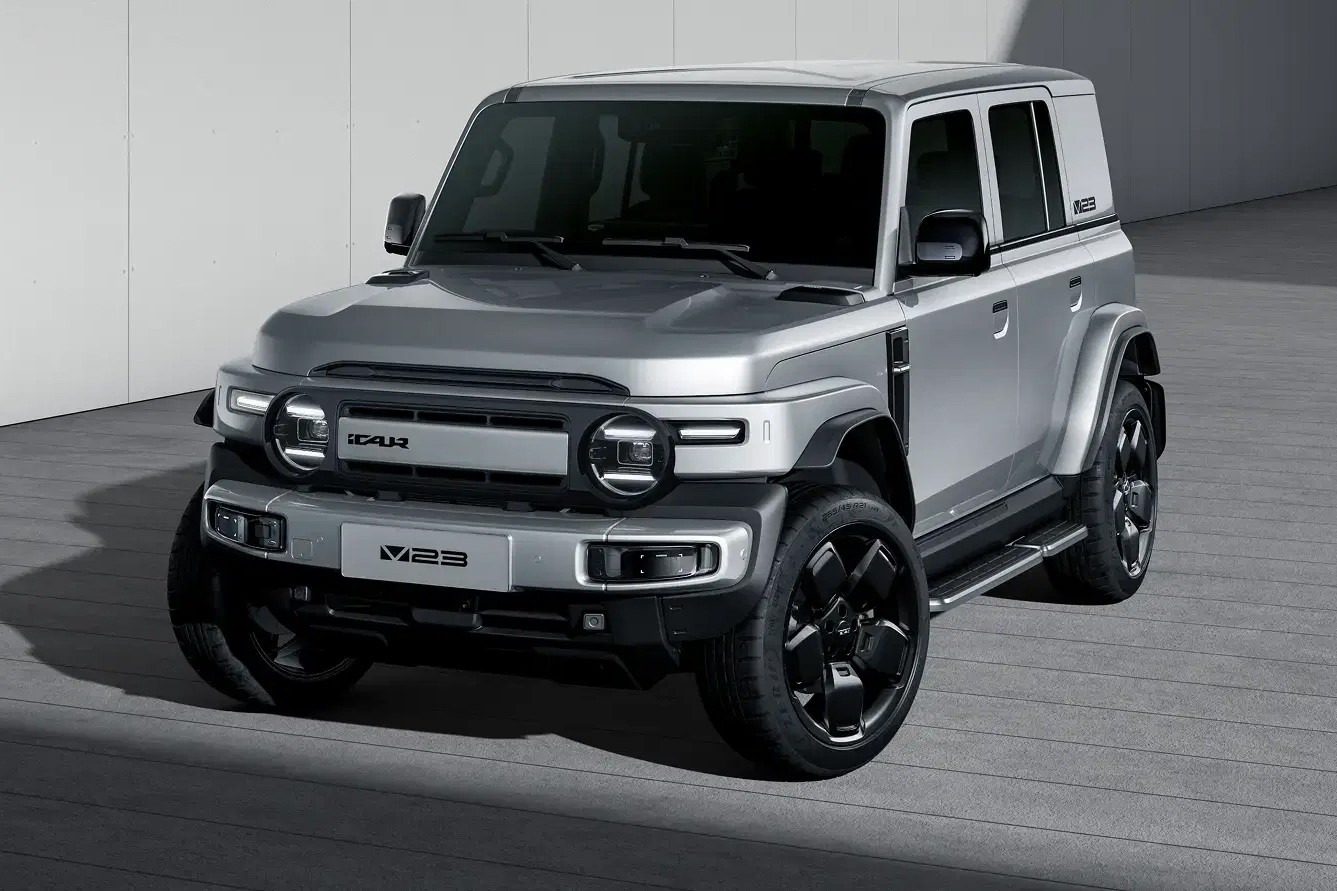
The exterior design of the iCaur 03 iWD EV leans toward a simple and robust style, with smooth and layered lines throughout. The front end adopts a closed grille design, paired with a through-type LED daytime running light, offering high recognizability when lit. The exaggerated air intake shapes on both sides of the front bumper enhance its sporty feel. The side profile of the body is proportionally balanced; the length of 4406mm and a wheelbase of 2715mm ensure ample interior space. The 19-inch wheels paired with 225/55 R19 tires further enhance the visual appeal. At the rear, the through-type tail lights echo the front design, and the diffuser design under the rear bumper is simple yet aligns with current aesthetic trends of electric vehicles.
Inside the car, the interior predominantly features a dark color scheme with extensive use of soft-touch materials. The upper part of the dashboard and the inner sides of the door panels are covered with leather, providing a delicate tactile feel. The center console is equipped with a 15.6-inch floating touchscreen with a resolution of Full HD, ensuring high operational smoothness while supporting the Sound Plus function. The 9.2-inch fully digital instrument cluster offers clear visibility with multiple display modes, and the HUD head-up display system projects information like speed and navigation onto the windshield, enhancing driving convenience. In terms of configuration, the front seats feature electric adjustment, lumbar support, and memory functions, while the passenger seat also supports electric adjustment. The rear seats are equipped with independent air conditioning vents and power outlets, and the 60:40 split-folding rear seats can expand the trunk capacity from 450L to 1238L, meeting the storage needs of family users.
In terms of space performance, the 2715mm wheelbase provides ample legroom for both front and rear passengers. A 175cm-tall front passenger has about a fist's worth of headroom after adjusting the seat, while a rear passenger of the same height enjoys two fists of legroom and one fist of headroom, ensuring comfort even during long trips. The trunk’s standard capacity of 450L can easily accommodate two 28-inch suitcases, and with the rear seats folded down, the space can fit a large baby stroller or camping equipment, offering high practicality.
In terms of performance, the iWD EV is equipped with front and rear dual motors, achieving a combined power of 205kW (279PS) and a combined torque of 385N·m. The official 0-100km/h acceleration time is 6.5 seconds. In real driving scenarios, the power responds quickly during the initial phase, delivering a noticeable push-back sensation with a light press of the accelerator. Mid-to-late stage acceleration is also powerful, allowing for overtaking without heavily pressing the pedal. There are three driving modes available: Eco, Standard, and Sport. The Sport mode provides more aggressive power output, catering to users looking for driving excitement, while the Eco mode restricts power output to enhance range performance.
The handling and chassis performance are commendable. The combination of the front MacPherson independent suspension and rear multi-link independent suspension excels in tackling bumps on urban roads, effectively filtering out fine road vibrations; during high-speed cornering, the body roll is well-controlled, the steering wheel is precise, with minimal play, giving the driver sufficient confidence. The four-wheel drive system performs steadily on slippery roads, and during starts and acceleration, there is no significant tire slippage, enhancing driving safety.
In terms of range and energy consumption, the iWD EV is equipped with a 69.8kWh LFP (Lithium Iron Phosphate) battery, with an official pure electric range of 418km. During this test drive, with an even mix of urban roads and highways, the actual range achievement rate is about 85%, with an energy consumption of approximately 16.5kWh per 100 kilometers, which is decent overall. In fast-charging mode, it takes 0.5 hours to charge from 30% to 80%, meeting daily recharging needs.
Regarding driving comfort, the vehicle excels in noise control, with wind and tire noise kept at low levels during high-speed driving; the seats offer good cushioning and lumbar support, making long drives less fatiguing. The energy regeneration system is adjustable in three levels, with the highest level providing a marked drag effect when releasing the accelerator, effectively enhancing range, while the lowest level offers a driving feel close to that of fuel-based vehicles, catering to users with different driving habits.
Overall, the iCaur 03 iWD EV's core advantages lie in its power performance, spaciousness, and configuration levels. Compared to similar C-segment electric vehicles, its 279PS combined horsepower and four-wheel drive system stand out as significant highlights. Additionally, configurations like the 15.6-inch central control screen and HUD head-up display come as standard, providing notable value for money. However, its range performance on highways is average; for users whose primary usage involves highway travel, pre-planning for charging is necessary.
This model is suitable for families valuing power performance and practicality as well as young consumers seeking advanced technological configurations and driving pleasure. Its spacious interior and flexible storage options cater to daily family needs, while the four-wheel-drive system and robust power can handle various road conditions.
As a new option in the C-segment electric vehicle market, the iCaur 03 iWD EV demonstrates outstanding performance in power, features, and value for money. Despite a slight shortfall in range achievement, the overall performance can meet the core needs of most users, making it a C-segment electric vehicle worth considering.
iCaur 03 Car Compare
iCaur 03 Loan Calculator
More iCaur Reviews
Cars With Similar Price And Features

1
Rank in SUV
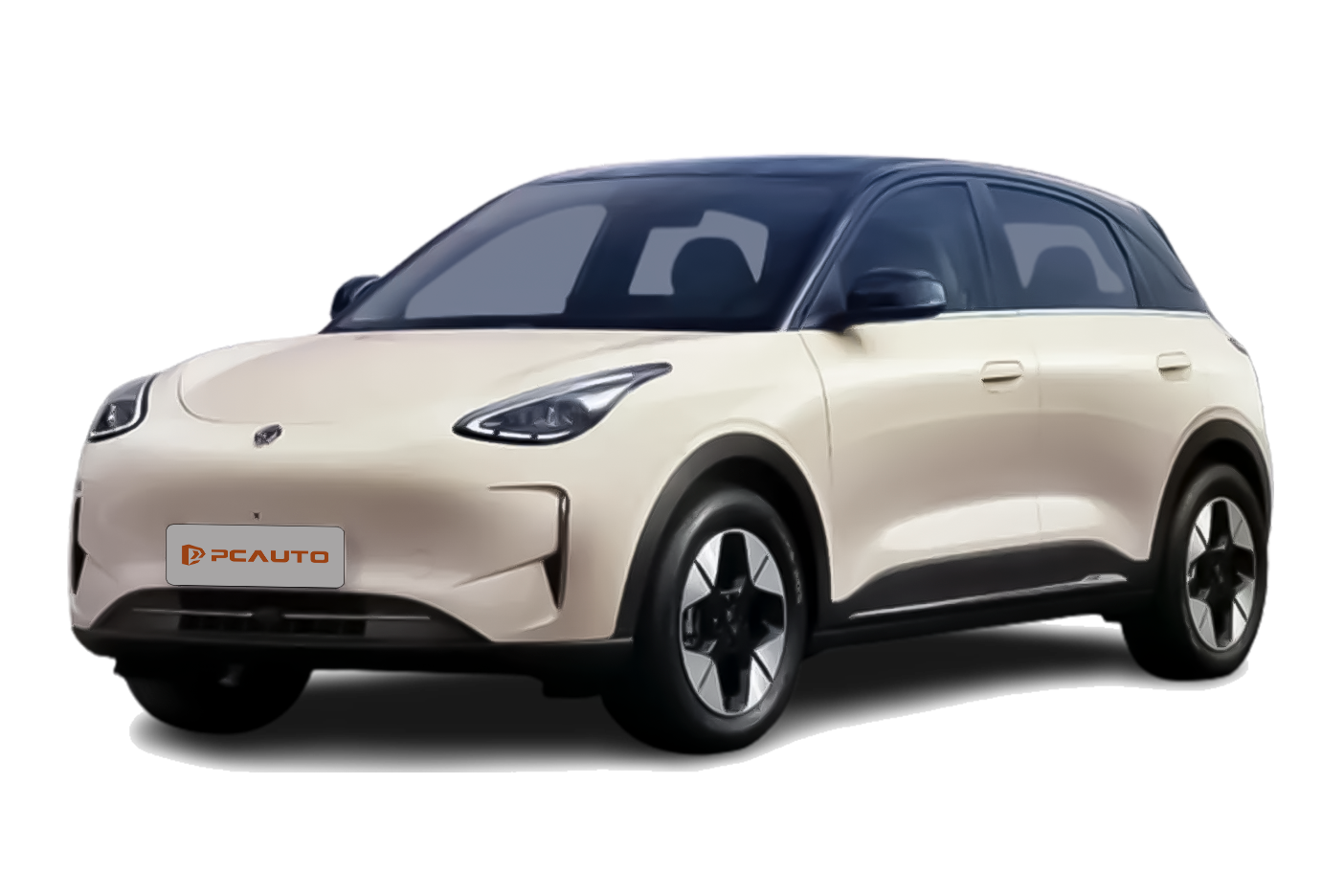
2025 Proton e.Mas 5 Prime is Proton's first entry-level pure electric C-Segment model, priced from 56,800 MYR to target the sub-100,000 MYR market, balancing practical features with commuting range.
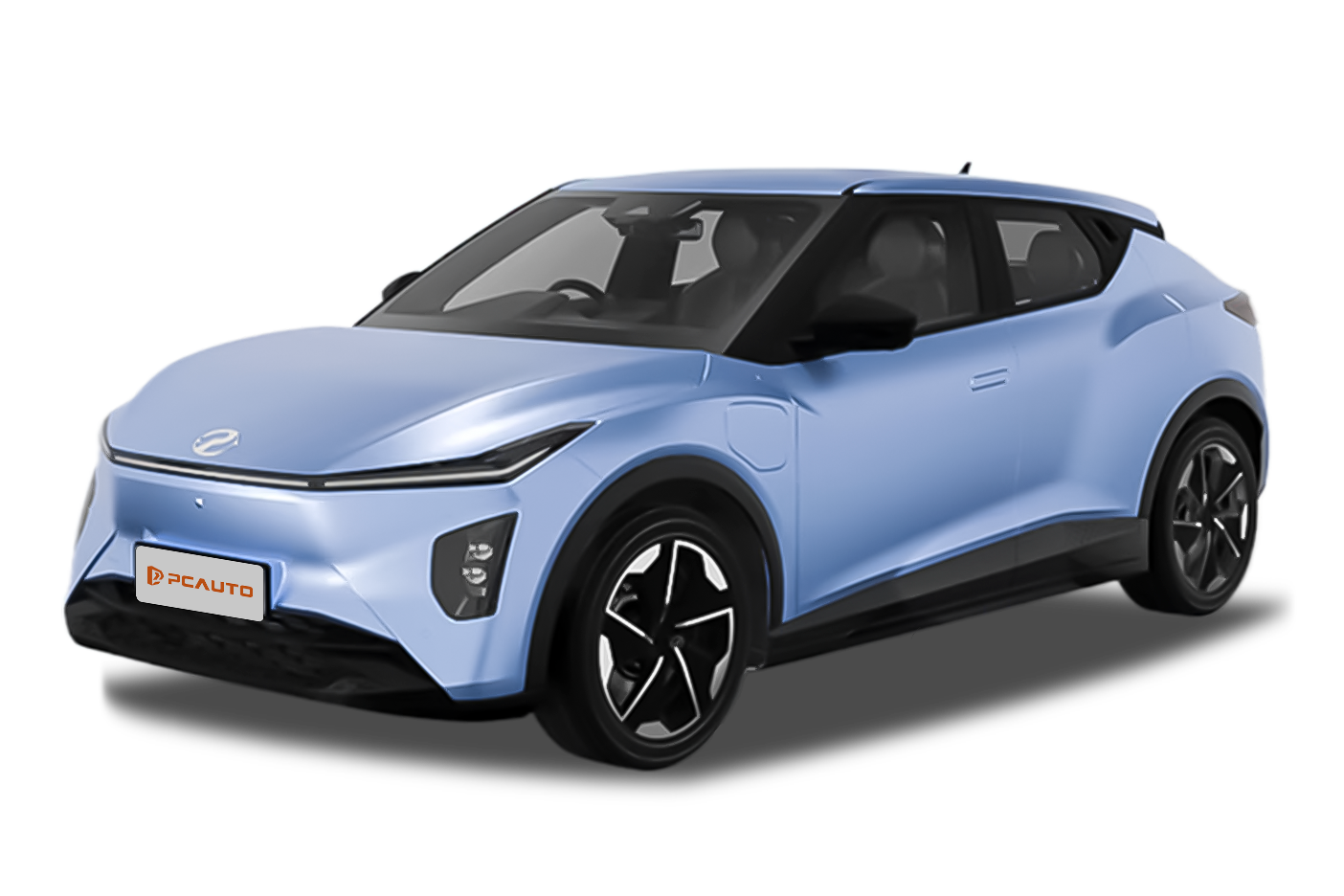
The 2025 Perodua QV-E is an affordably priced, practically ranged class-C pure electric vehicle, precisely tailored for family users and young commuters with its high safety features, spacious interior, and agile driving dynamics.
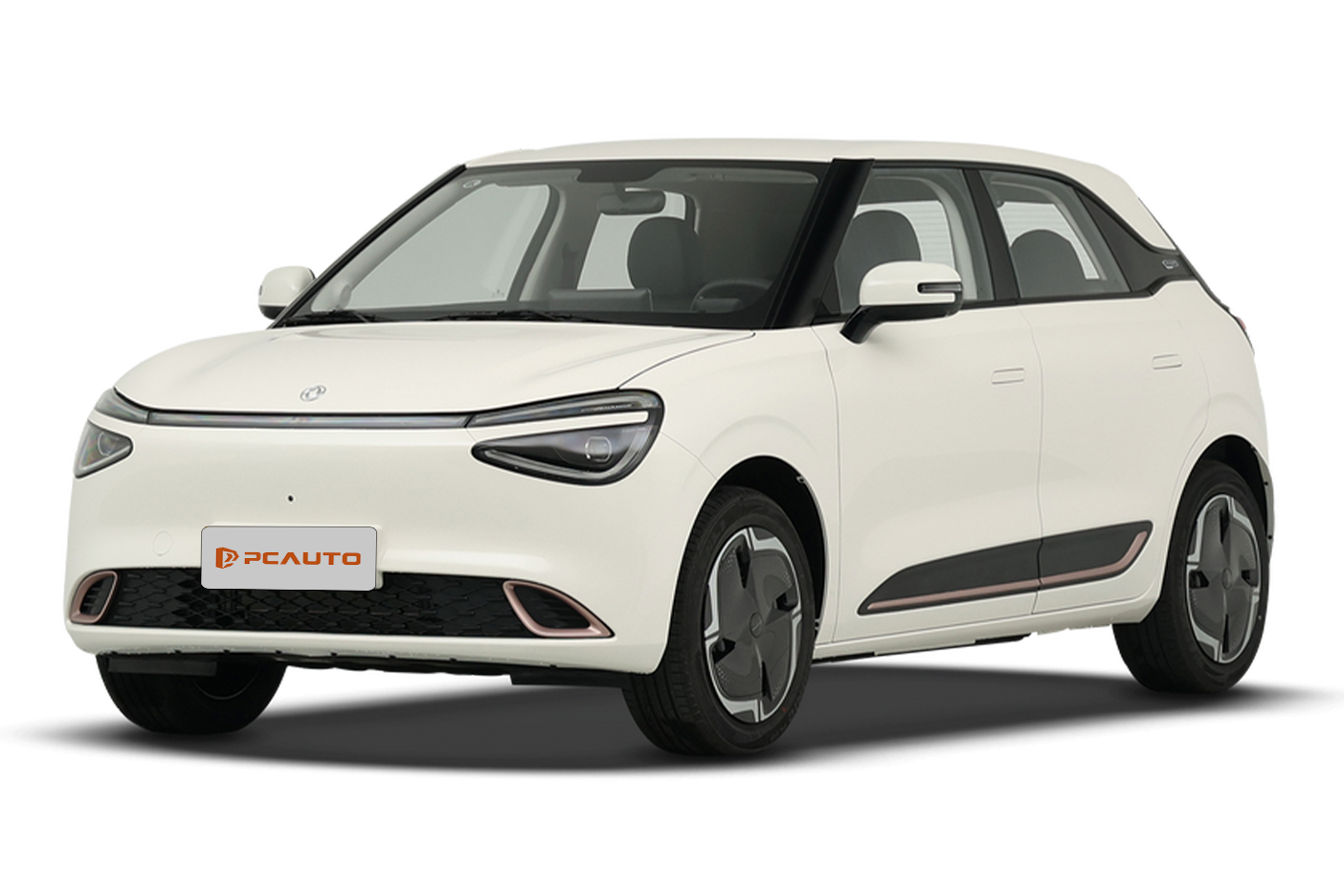
2024 DFSK Box E2 is a household pure electric vehicle in Malaysia priced at around 100,000 Ringgit, featuring a 330 km range, 12.8-inch large screen, and practical space as its main selling points, catering to both commuting and family needs.
30
Rank in SUV
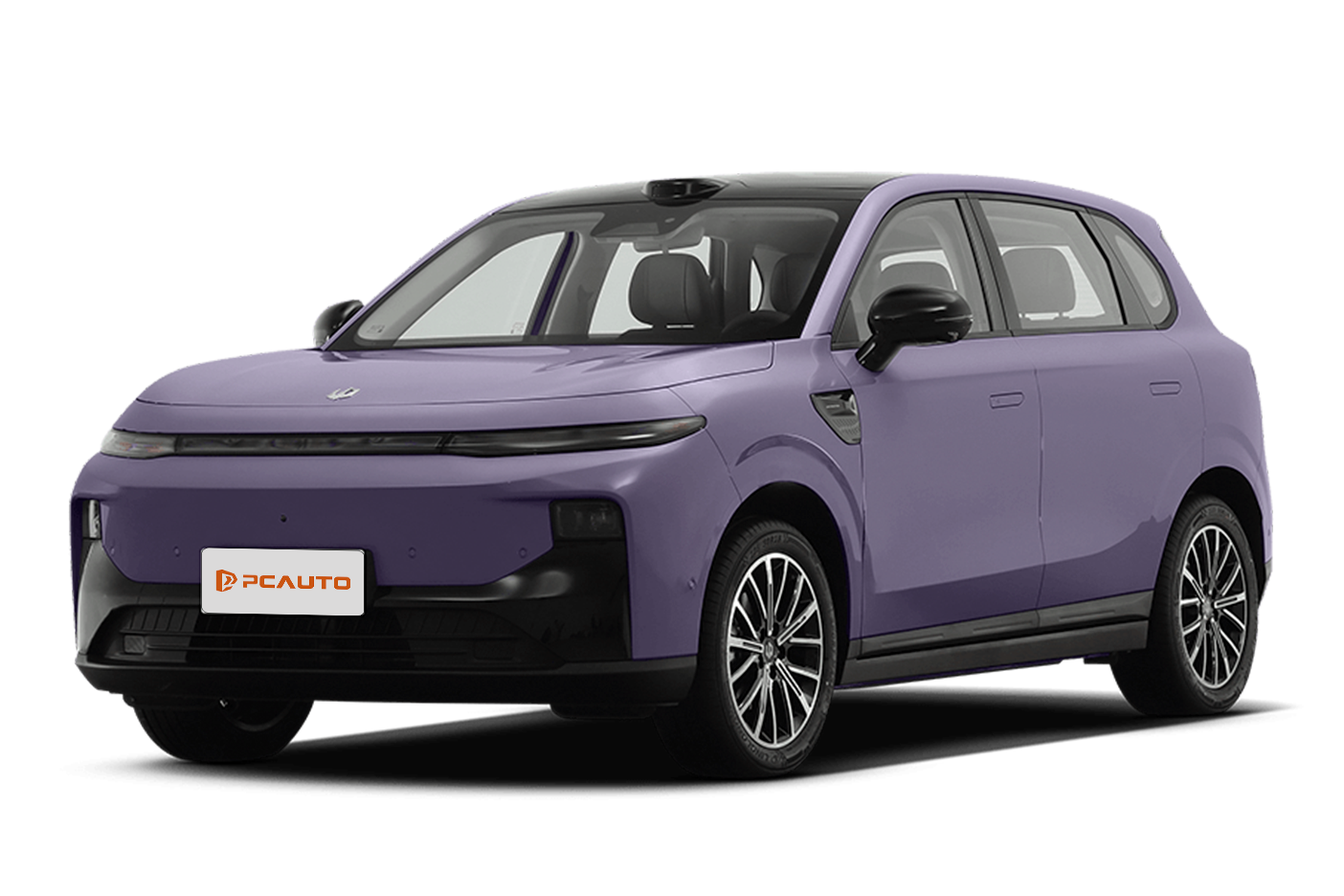
2025 Leapmotor B10 LIFE is a 100,000-level pure electric C-class SUV, equipped with standard L2 assisted driving and other practical features. It offers spacious interior and solid range, making it a go-to choice for family users.