

Maserati Ghibli 2021 Review

 Share
Share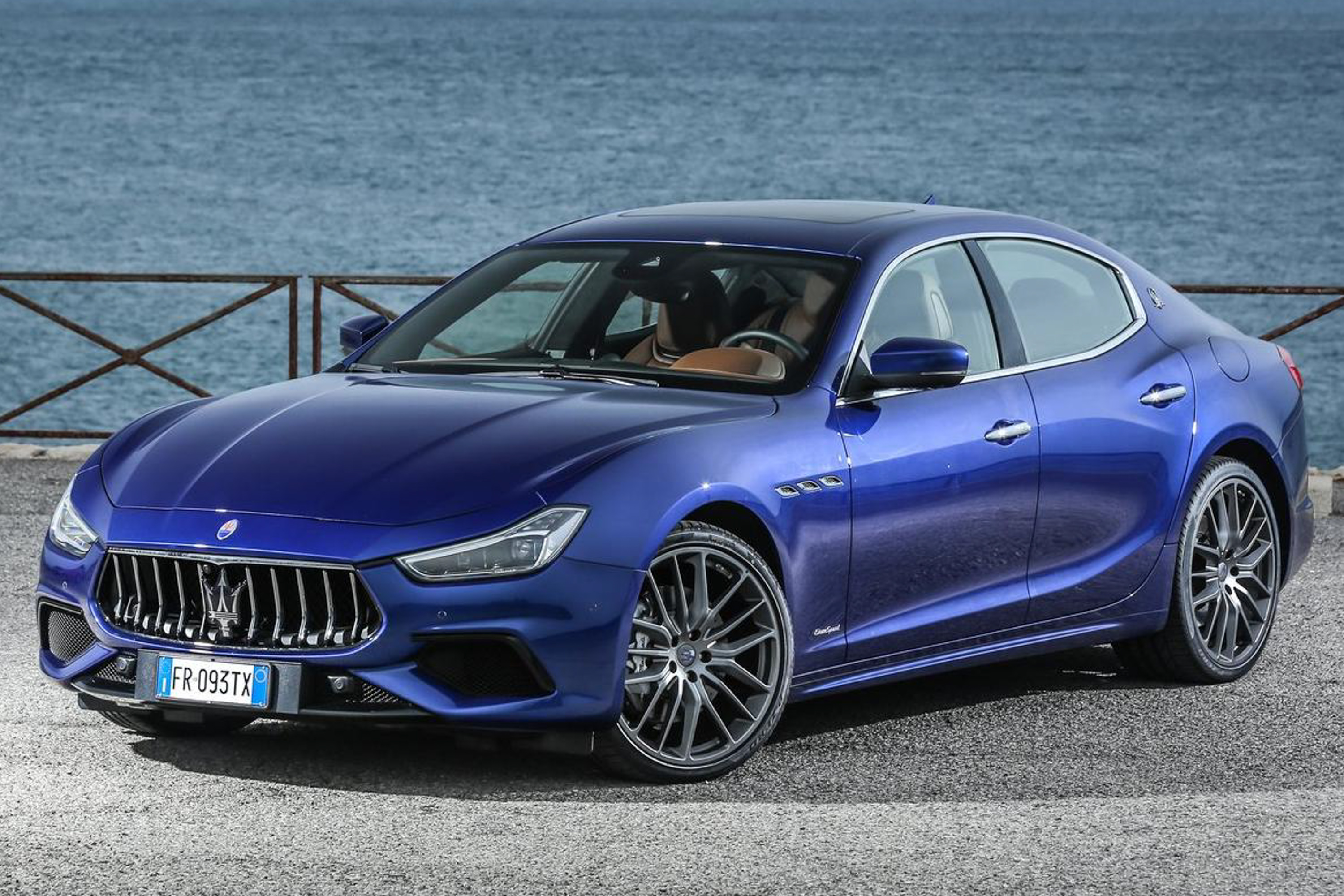
 Segment
 Body Type
 Capacity(L)
 Engine Power(PS)
 Transmission
 Driven Wheels
As the demand for a balance between fuel economy and performance in the luxury executive sedan market increases, the Maserati Ghibli Hybrid, as the brand's first hybrid model, aims to break into the niche market with a more efficient powertrain while retaining its Italian luxury genes. Its main selling points lie in the 2.0T hybrid technology delivering 330PS horsepower output, lower fuel consumption compared to traditional V6 models, and maintaining Maserati's iconic design and configuration standards. This test drive will focus on its static design, space practicality, and dynamic driving performance to provide comprehensive buying references for consumers.
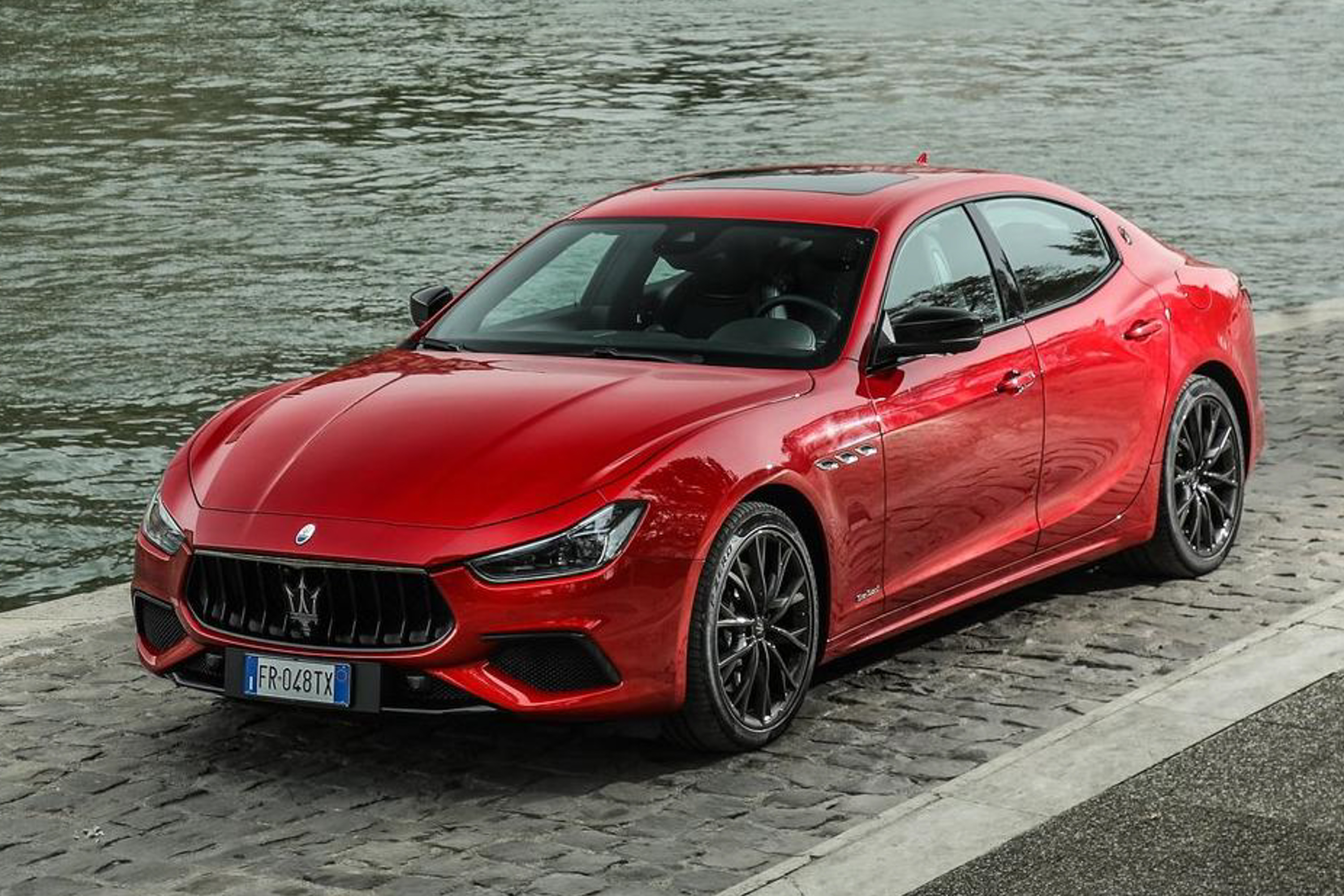
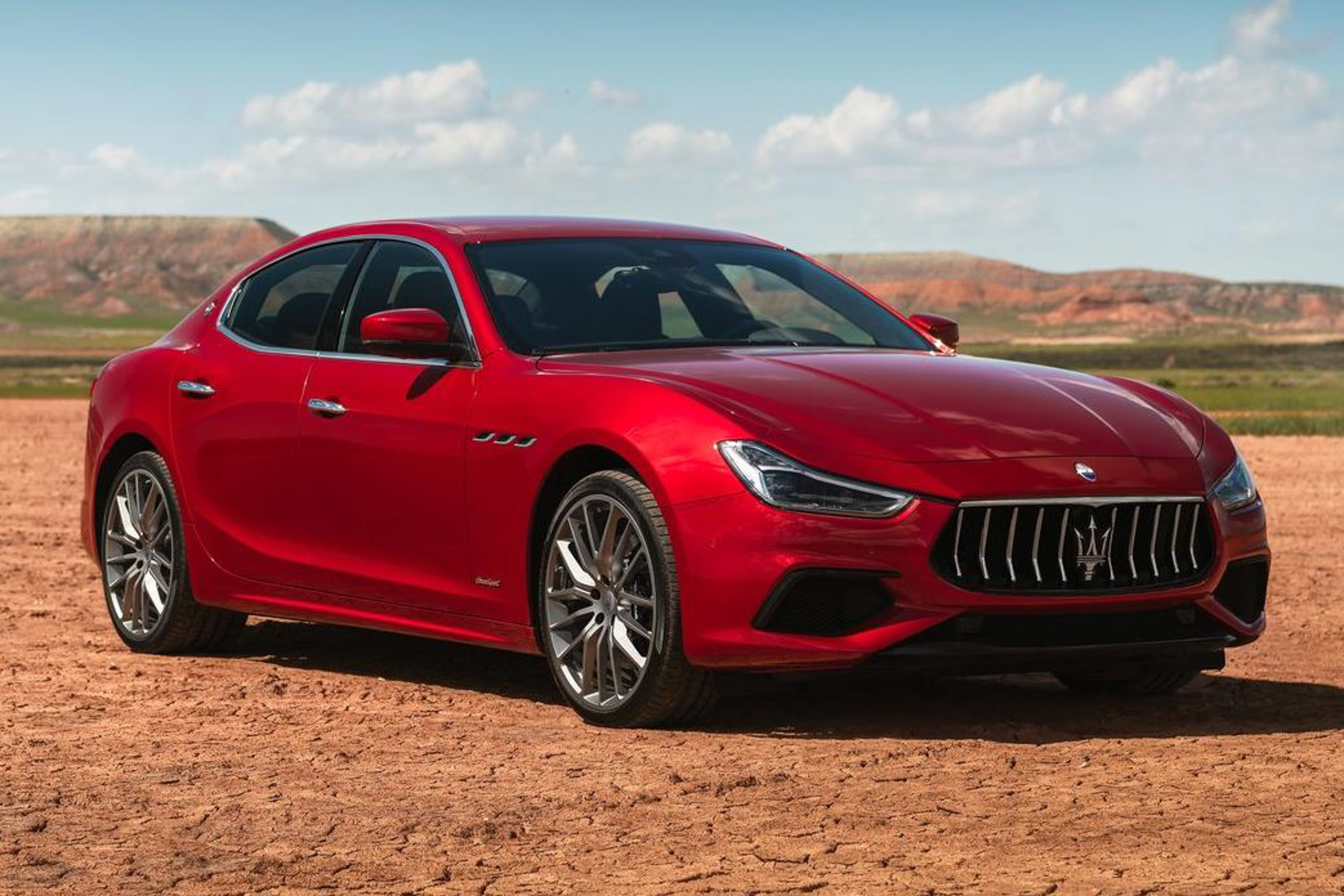
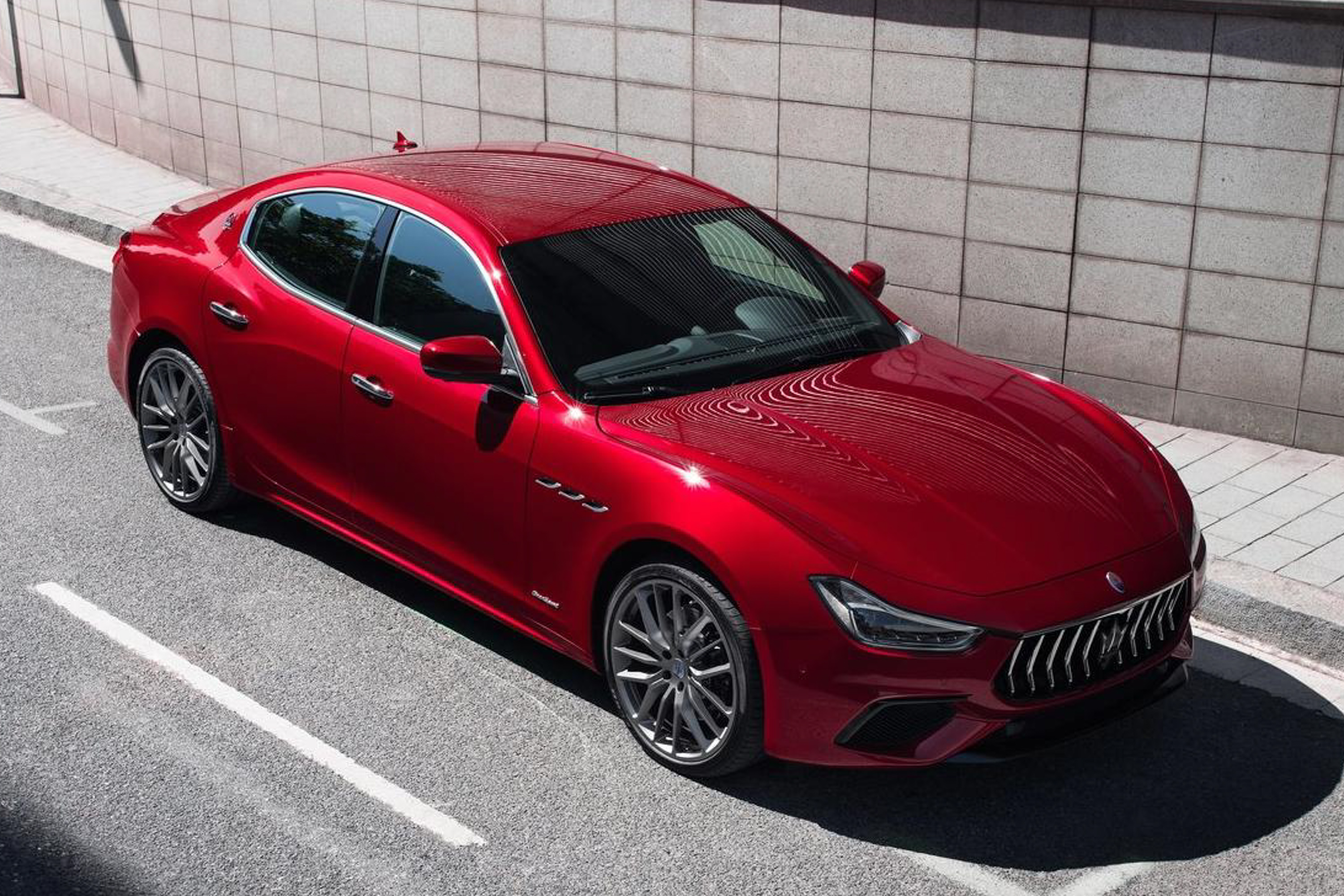
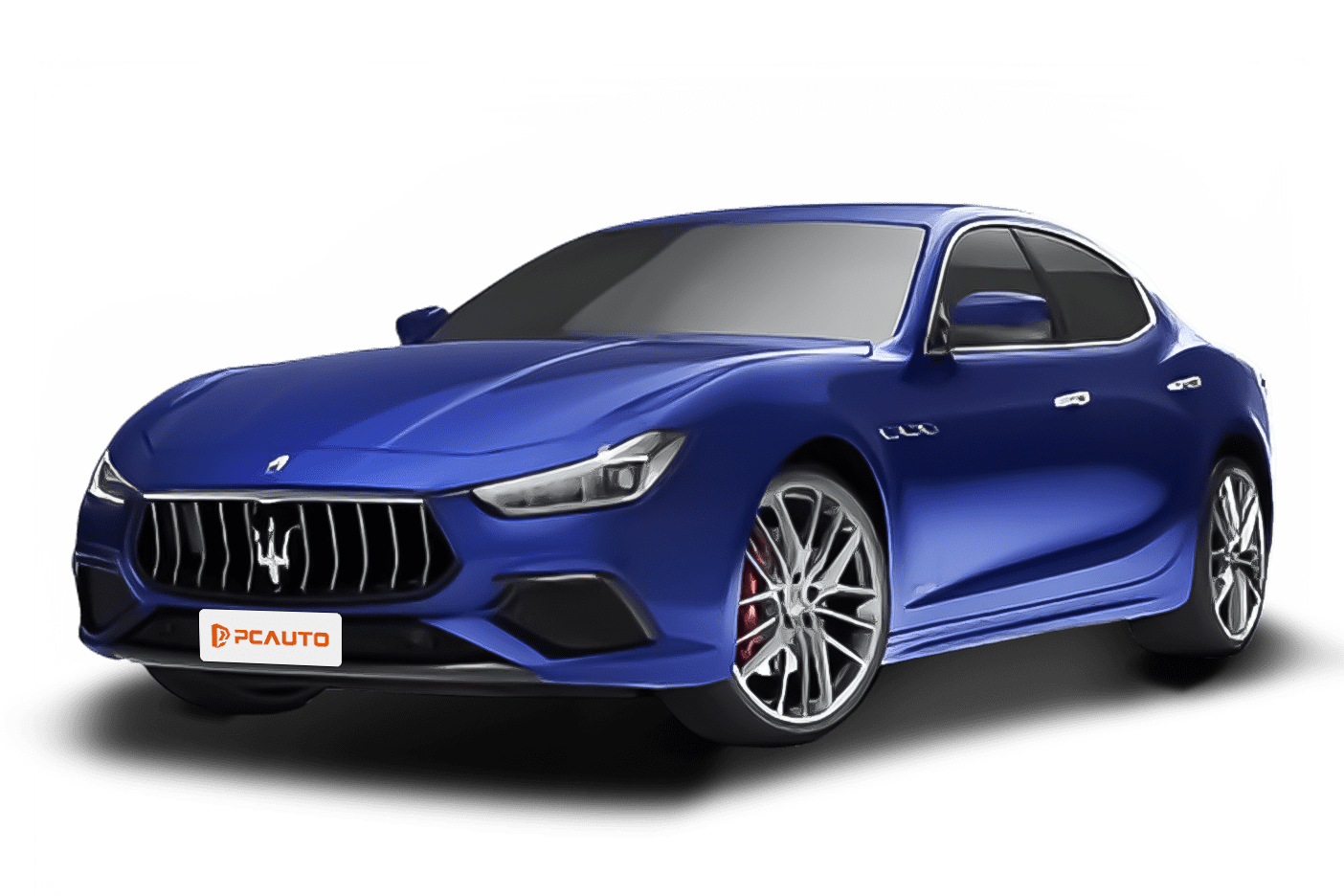
From an exterior perspective, the Ghibli Hybrid continues the familial design language with smooth lines and a sporty flair. The front grille, with its vertical slats and signature trident emblem, is highly recognizable; the black trim on the air inlets on both sides of the front bumper enhances the sporty atmosphere. The side profile features a waistline running from the fender to the rear, complemented by 18-inch wheels, creating a low, aggressive stance. At the rear, the signature dual exhaust layout is retained, and the taillights use LED lighting, offering high recognition when illuminated at night. Notably, the hybrid version incorporates blue accents in its details, such as the brake calipers and side badges, to differentiate it from the gasoline version.
Inside the car, the luxurious feel is mainly conveyed through materials and configurations. The center console is wrapped in soft leather, paired with metal inserts, offering a refined touch; the 8.4-inch touch infotainment screen is centrally positioned, with a simple and easy-to-use interface that supports Bluetooth connectivity and smartphone mirroring. The seats are made of genuine leather, with the front seats offering 8-way electric adjustments and lumbar support. The rear seats are equipped with a central armrest and three headrests, ensuring comfort for all passengers. In terms of space, the vehicle's dimensions are 4974mm in length, 1945mm in width, and 1484mm in height, with a wheelbase of 2998mm. The headroom and legroom in the front are spacious, while the rear legroom measures approximately two fist widths, meeting the needs of daily family use or business receptions. The trunk provides 500 liters of space, with a well-shaped opening that can accommodate two 28-inch suitcases, offering practical functionality.
In terms of the powertrain, the Ghibli Hybrid is equipped with a 2.0T turbocharged engine paired with a 48V mild hybrid system, delivering a combined output of 330PS horsepower and 450N·m torque, coupled with an 8-speed automatic transmission. Official performance figures claim 0-100km/h acceleration in 5.7 seconds and a top speed of 255km/h. During actual driving, the power response is quick during the start, and a light tap on the gas pedal provides a noticeable push-back effect; during mid-to-high-speed acceleration, the engine and electric motor work in harmony, providing smooth and continuous power output, enabling easy overtaking without deep acceleration. When switching to sport mode, the transmission's shift logic becomes more aggressive, the steering wheel feels heavier, and driving pleasure is enhanced.
In terms of handling, the combination of front double-wishbone independent suspension and rear multi-link suspension balances sportiness and comfort. During daily driving, the suspension can filter out most road bumps, keeping the body stable; during cornering, the suspension provides sufficient support with minimal body roll, giving the driver enough confidence. The steering system has a high level of precision with little play, offering clear feedback on road conditions. In terms of noise control, wind and tire noise become slightly noticeable at high speeds but remain within acceptable levels, not affecting in-car communication.
Fuel consumption performance is one of the core advantages of hybrid models, with an official combined fuel consumption of 7.5L/100km. The test drive was approximately 200km, including urban congested sections and highways, with an actual fuel consumption of about 8.2L/100km, achieving nearly 90% of the official figure. Compared to fuel-only vehicles in the same class, this represents a clear advantage. In terms of the braking system, the ventilated disc brakes provide responsive performance at both front and rear, with a short braking distance and stable vehicle posture during emergency braking.
Overall, the core advantages of the Maserati Ghibli Hybrid lie in balancing power and fuel efficiency, its Italian luxury design and configurations, and the sense of identity associated with the brand. Compared to similar models like the BMW 5 Series Hybrid or the Mercedes-Benz E-Class Hybrid, the Ghibli Hybrid stands out with its unique brand style and sporty performance. While the configuration levels are comparable, the price is slightly higher. However, its distinctive design and driving experience remain key factors in attracting consumers.
This car is suitable for consumers who value brand image and seek a balance between performance and fuel economy. It is well-suited for both daily family use and business receptions. For users who appreciate Italian design and driving pleasure, the Ghibli Hybrid is a good choice.
In summary, the Maserati Ghibli Hybrid retains the core DNA of the brand while enhancing practicality through hybrid technology, making it a model that combines both performance and efficiency in the luxury executive sedan market.
Maserati Ghibli Car Compare

Maserati Ghibli Loan Calculator
More Maserati Reviews
Cars With Similar Price And Features
12
Rank in Sedan
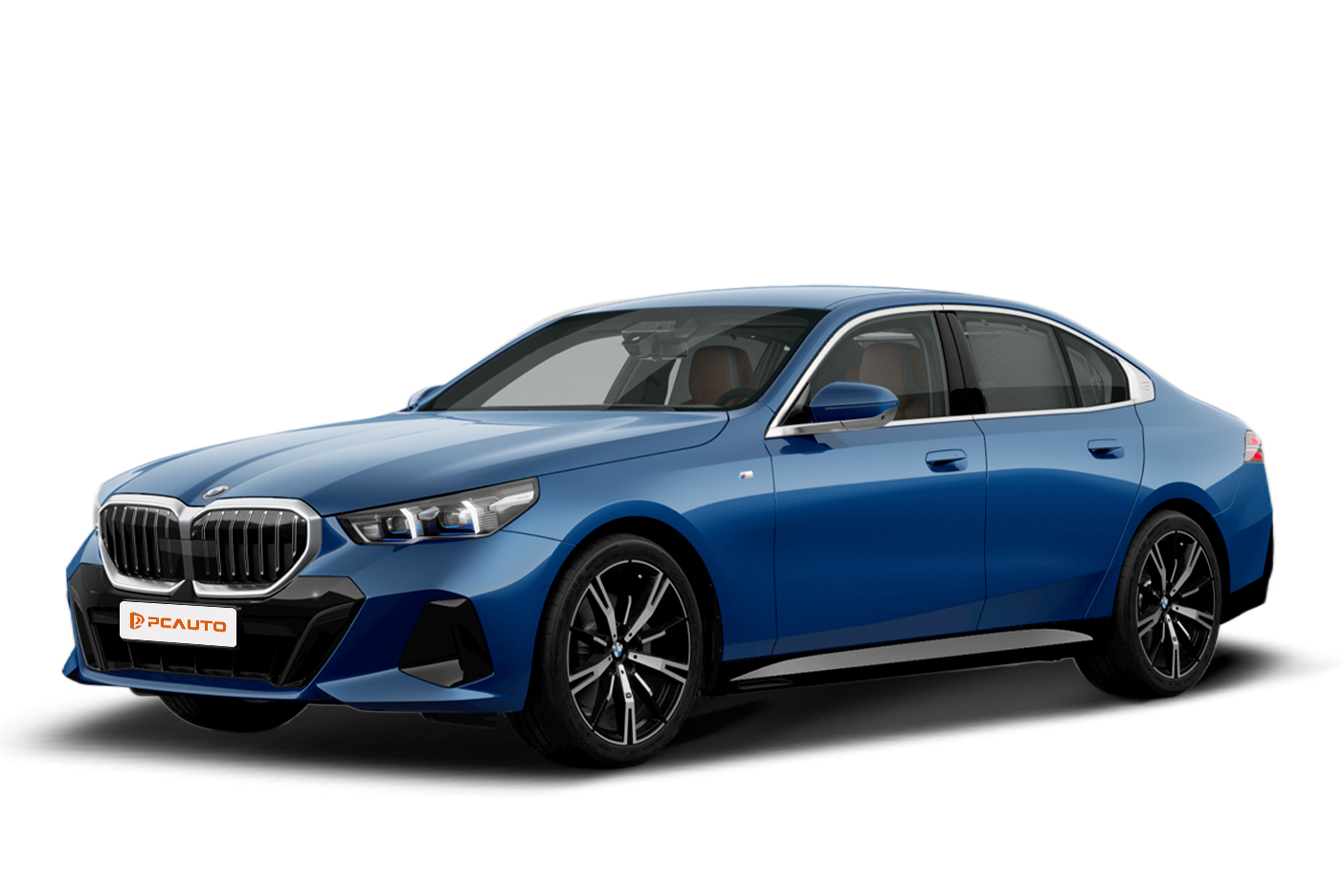
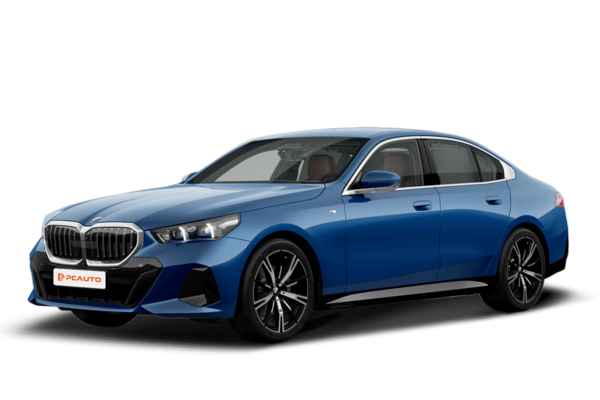
2025 BMW 5 Series 530i M Sport combines executive stability with youthful vitality through the M Sport package, featuring a powerful 2.0T mild hybrid system, enhanced by connected screen technology, balancing luxury, practicality, and driving pleasure.
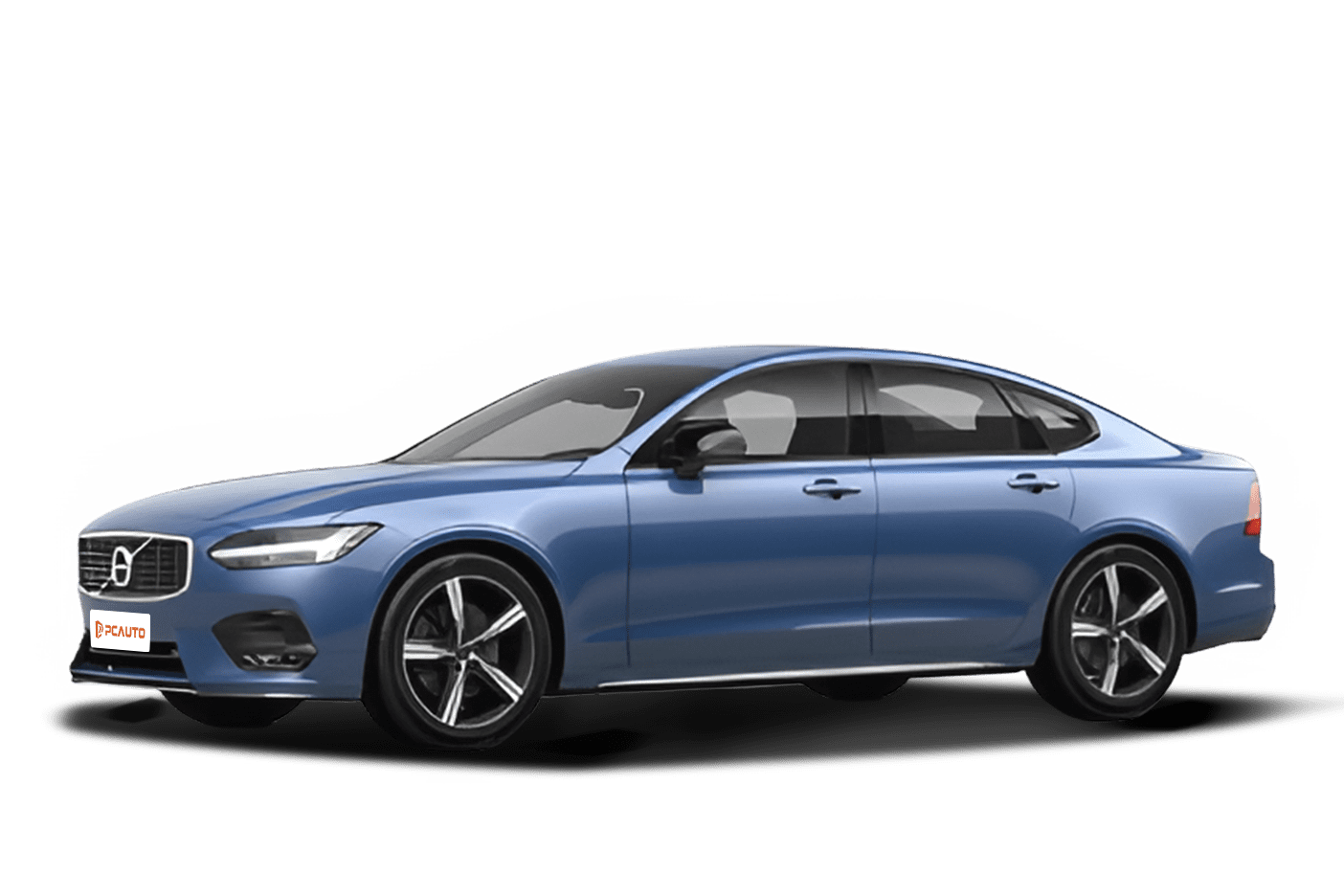
2021 Volvo S90 T5 Momentum is a mid-to-high-end sedan that combines safety DNA, family-friendly features, and executive-level comfort. It offers practical space, smooth power delivery, and is suitable for families and business users who value quality.

15
Rank in Sedan
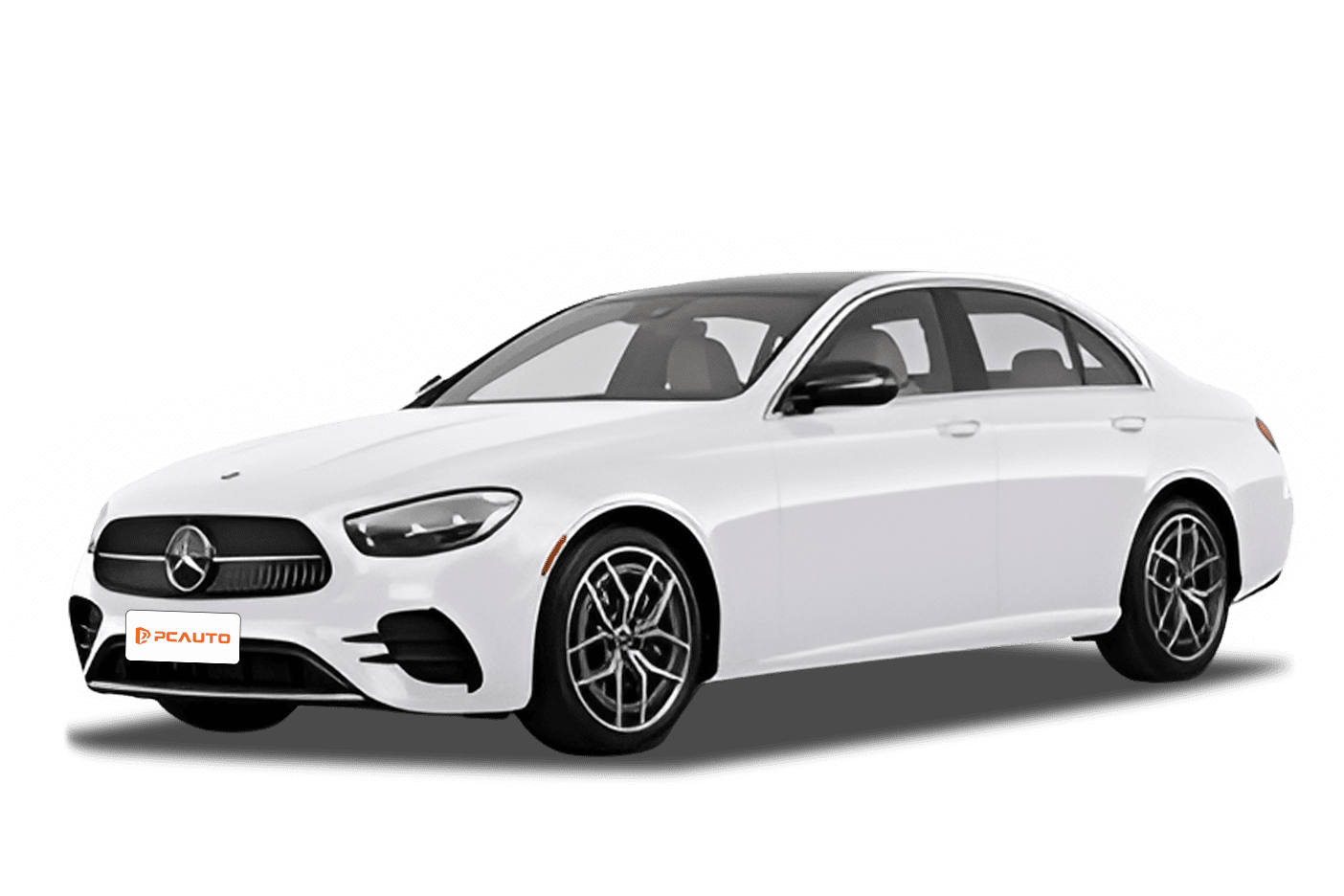
2024 Mercedes-Benz E-Class E200, as a luxury executive sedan, upgrades its mild-hybrid system to balance power and fuel efficiency, enhances intelligent configurations, offers practical space, and highlights a comfortable driving experience.
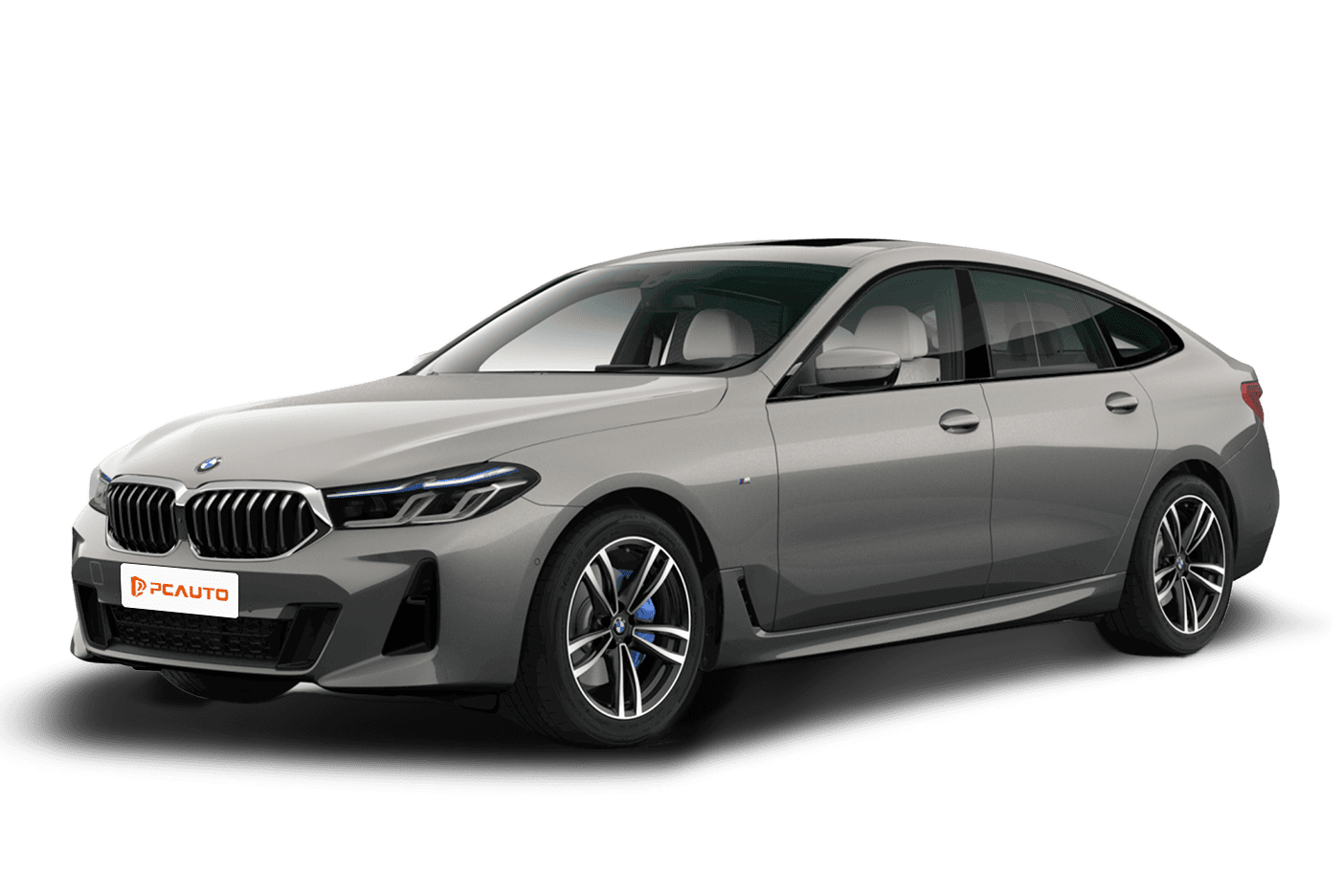
2021 BMW 6 Series GT 630i M Sport is a luxurious coupe that balances business respectability and family practicality, combining a fastback design, dual-screen technology, spacious interior, and 2.0T engine to blend sportiness with comfort.