

Mazda CX-3 2016 Review

 Share
Share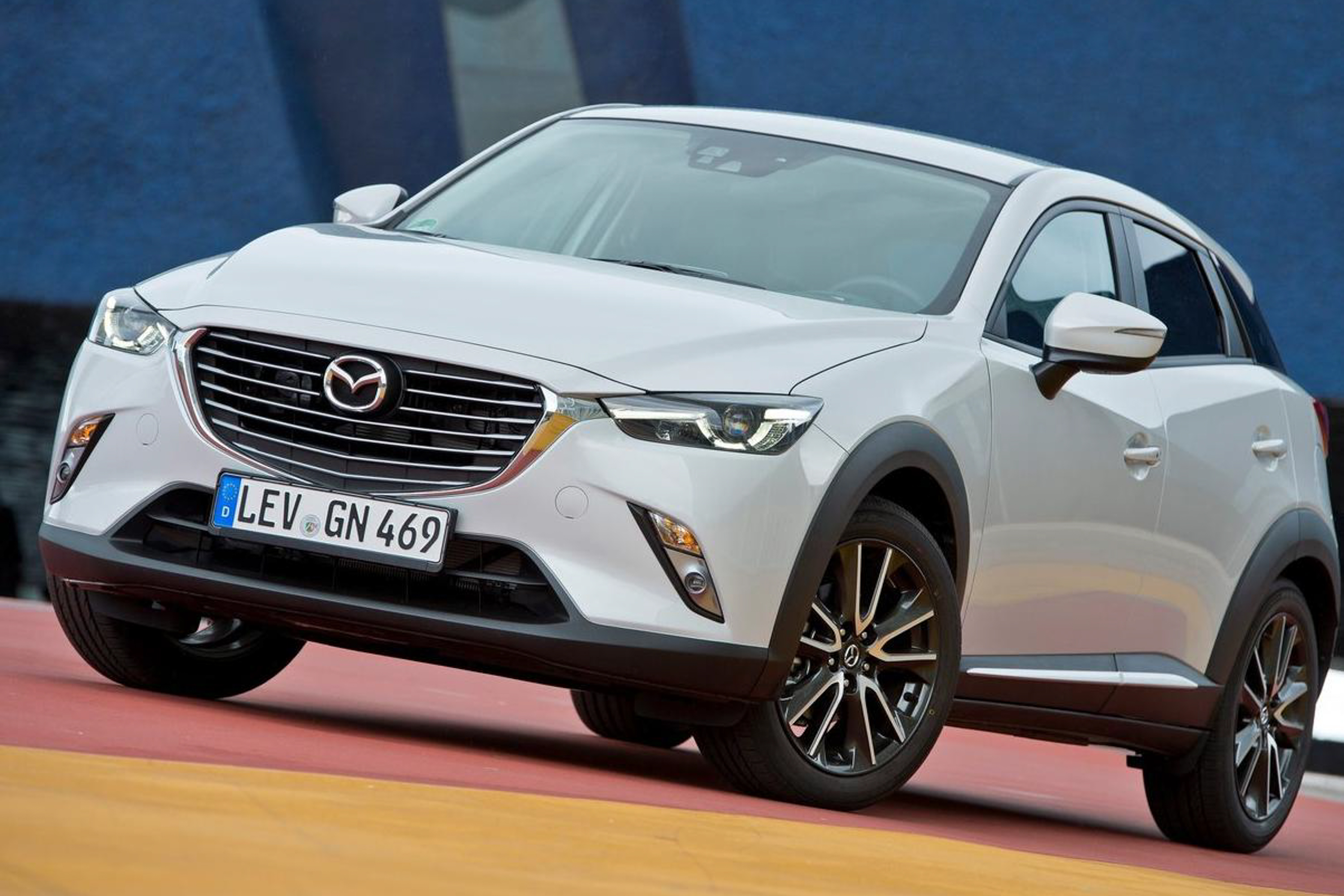
 Body Type
 Segment
 Capacity(L)
 Engine Power(PS)
 Engine Torque(Nm)
 Transmission
In recent years, the small SUV market has continued to heat up, and consumers are increasingly inclined towards models that balance flexibility and practicality. As a new competitor in this segment, the 2016 Mazda CX-3 public has attracted considerable attention with Mazda's family-style design language and Skyactiv technology. The main purpose of this test drive is to verify whether it can strike a balance between space, power, and comfort to meet the daily needs of urban family users.
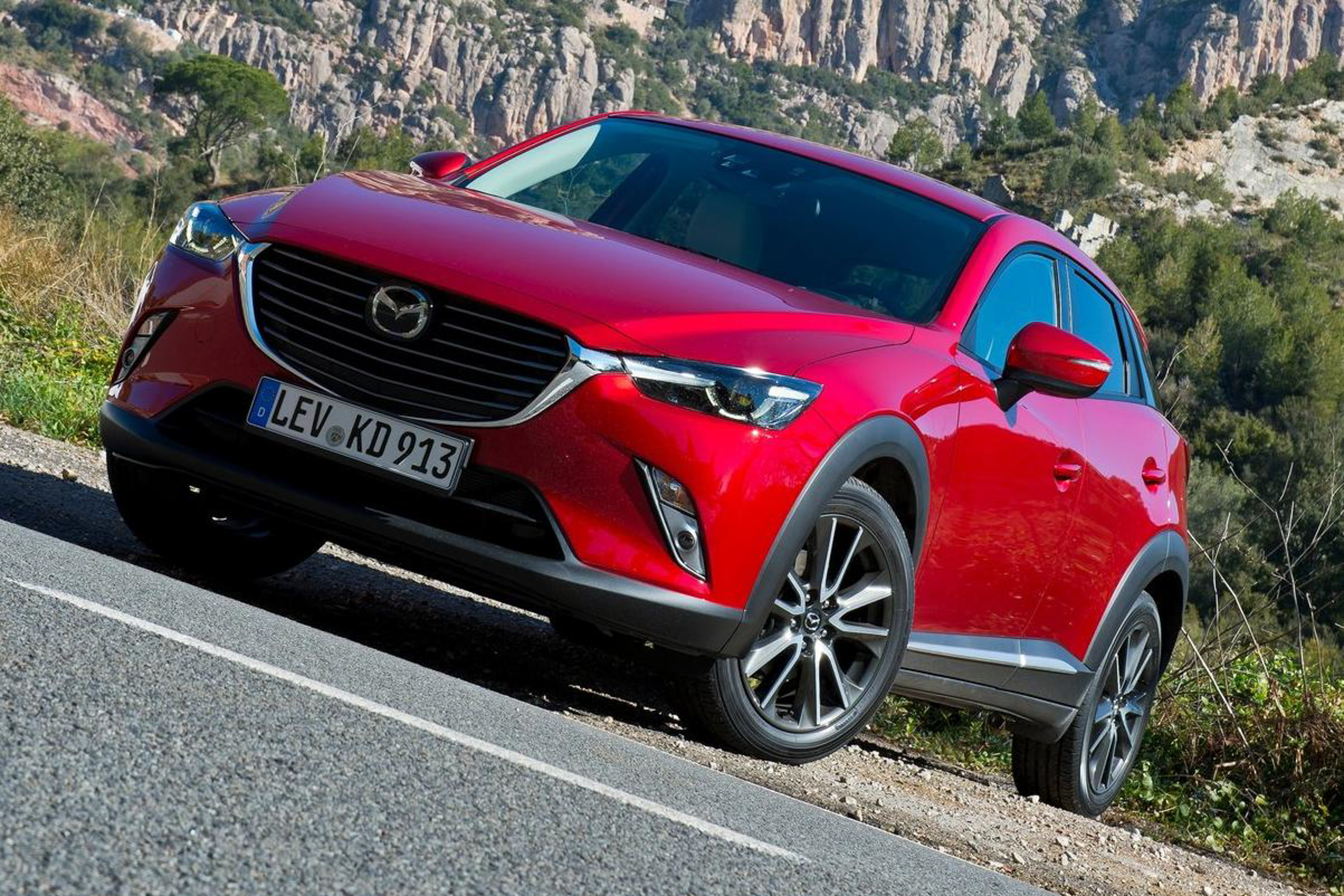
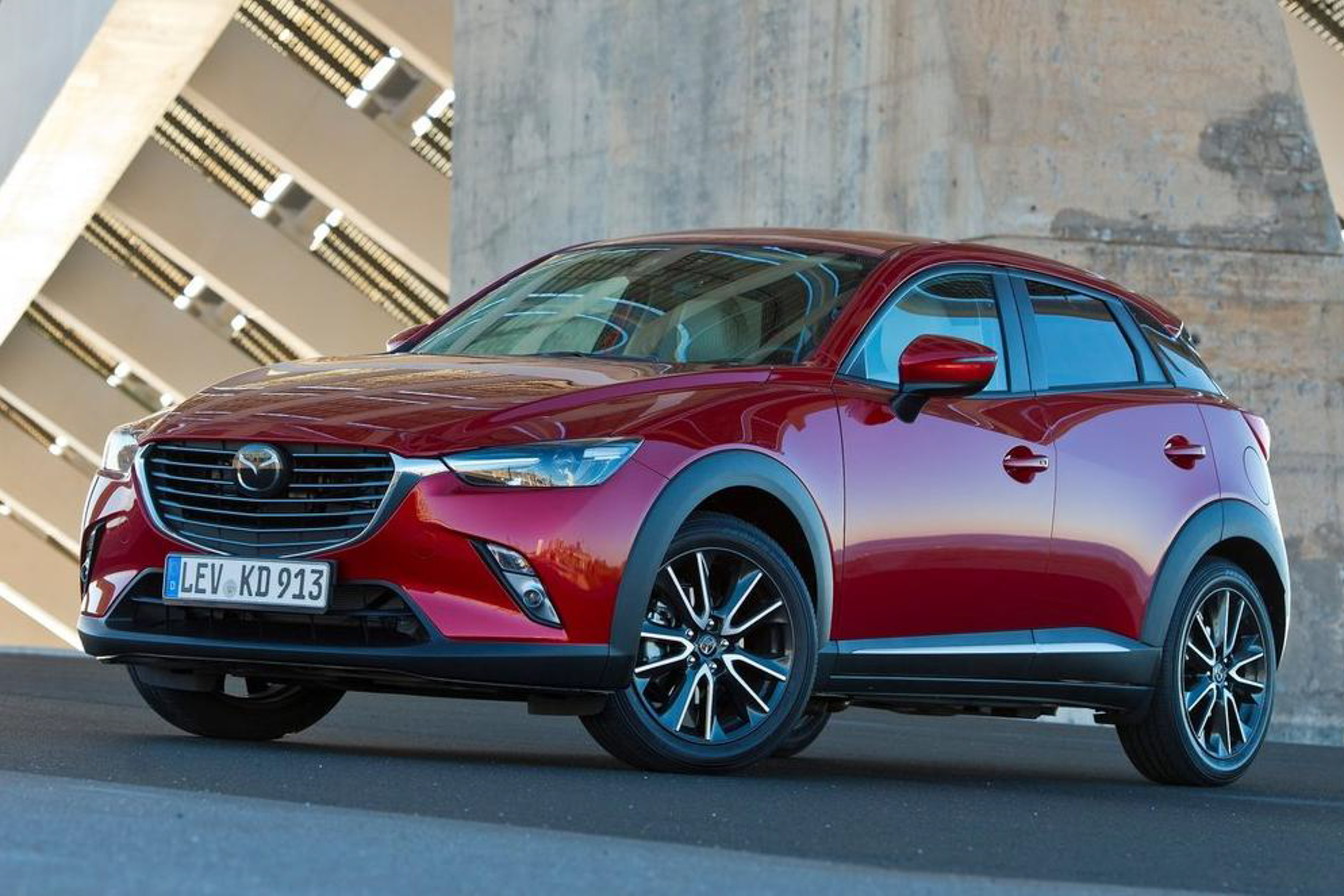
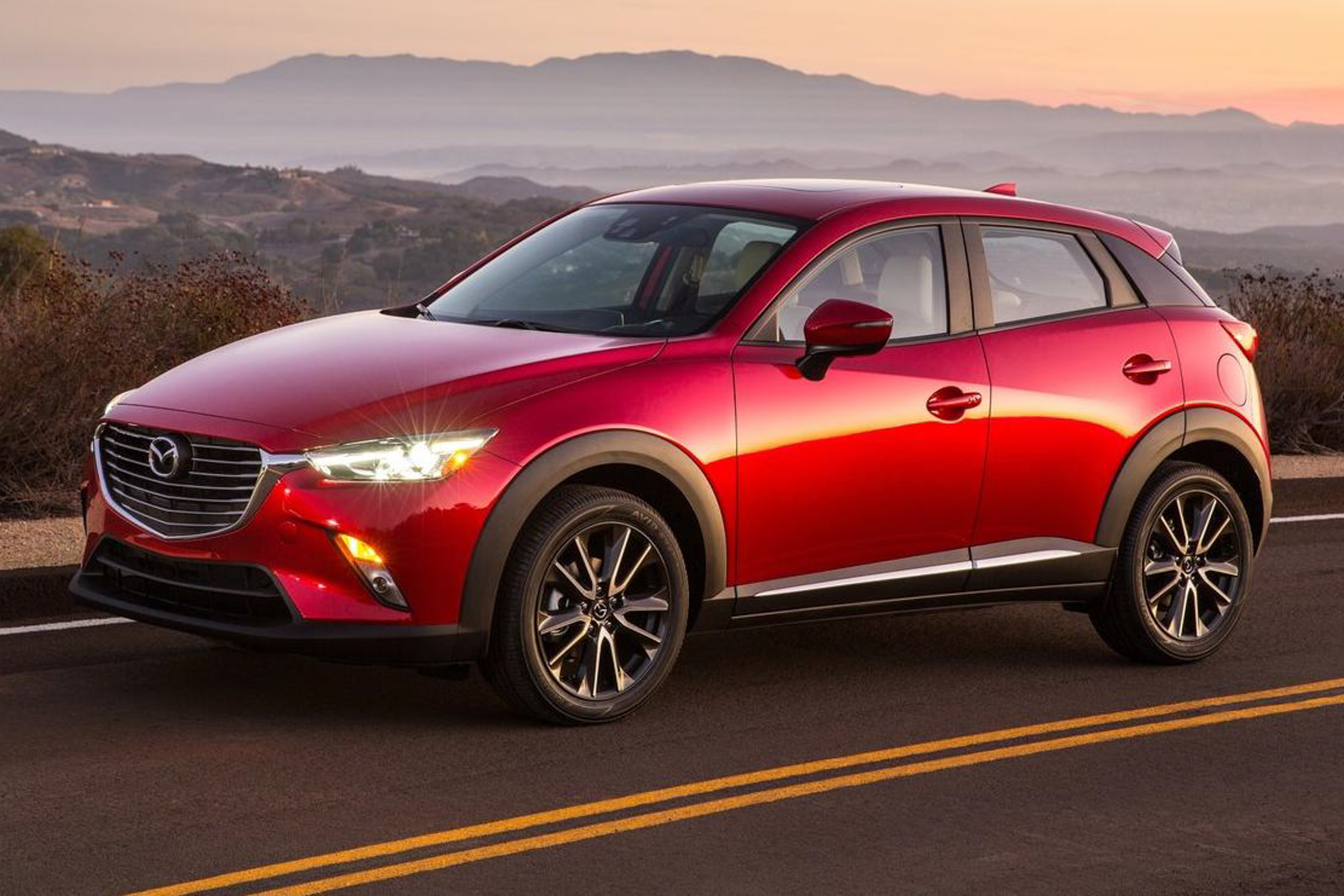
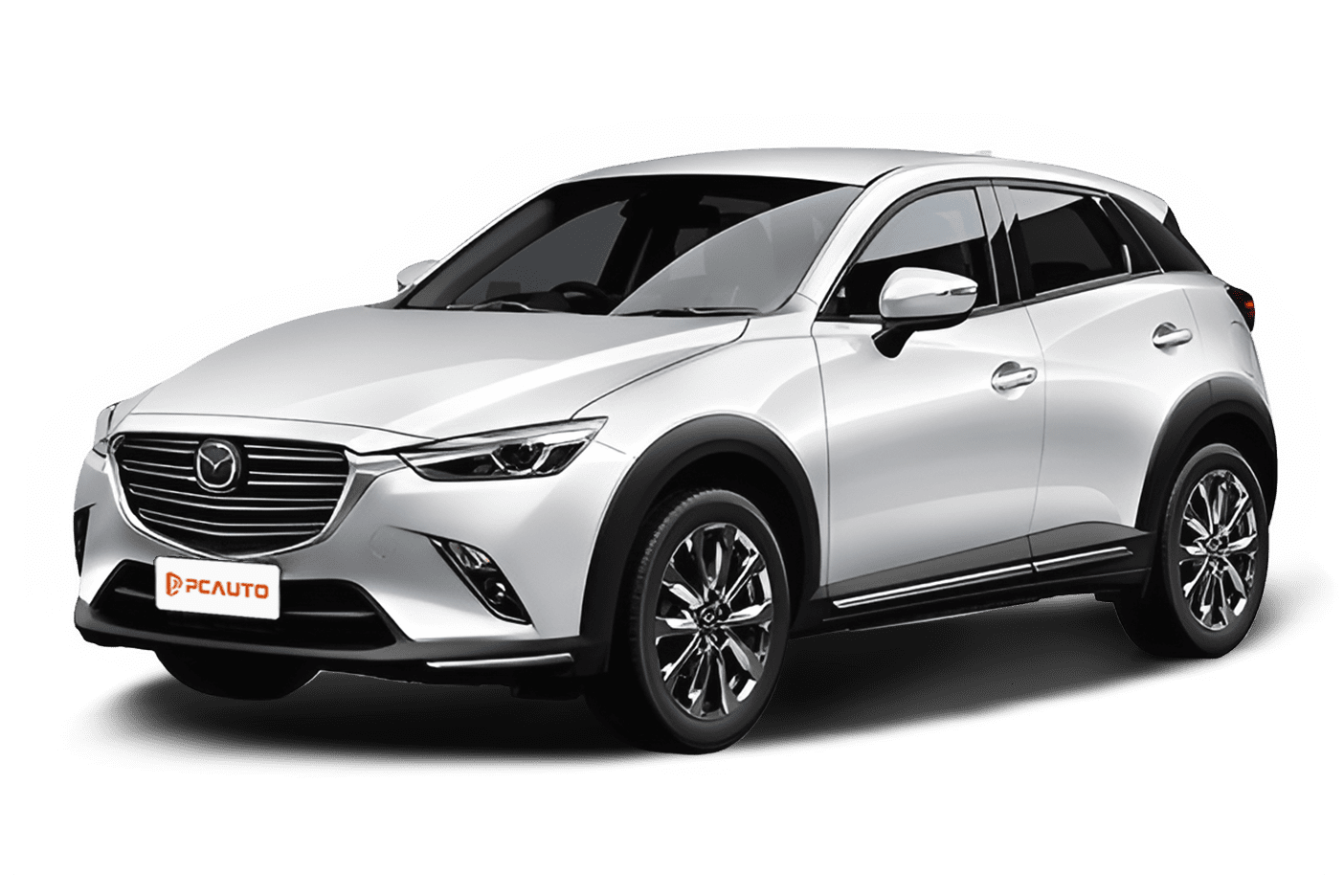
In terms of exterior design, the CX-3 public adopts Mazda's iconic Kodo design philosophy with sleek and dynamic lines overall. The front features a shield-shaped grille paired with chrome trim, connecting to sharp LED headlights that enhance visual width. The double waistline design on the side stretches from the fender to the rear, combined with 18-inch alloy wheels for a crouching stance. At the rear, the horizontally arranged LED taillights correspond with the dual-exhaust layout, creating high visual recognition. Notably, the paint finish on the body is meticulous and displays an even gloss under sunlight.
Inside, the interior layout of the CX-3 public is simple and well-organized, with black as the main color theme accented by silver trims to enhance a sense of refinement. The dashboard is wrapped in soft-touch materials, providing a comfortable feel that matches its positioning. The 8-inch central touchscreen supports touch operation, has a clear interface, and responds decently; however, it only supports Bluetooth and USB connectivity and lacks CarPlay or Android Auto, which is somewhat disappointing. The seats are leather-wrapped, and the front seats support manual adjustments with moderate lumbar support, making long drives less tiring. The rear section is equipped with air-conditioning vents and two USB charging ports to meet passengers' basic needs.
In terms of space, the CX-3 public's dimensions are 4275×1765×1550mm, with a wheelbase of 2570mm. The front row headroom is about one fist and two fingers, and legroom is spacious, ensuring comfort for passengers up to 175cm tall. The rear space is relatively compact, offering about one fist for legroom and one fist for headroom, which is more suitable for short trips. The trunk has a standard volume of 350L, which can be expanded to 1260L with the rear seats folded down, making it capable of accommodating multiple suitcases or larger items to meet family travel needs. Additionally, the interior features numerous storage compartments, such as door panel storage slots and a central armrest box, making efficient use of space.
Regarding the powertrain, the CX-3 public is equipped with a 2.0L Skyactiv naturally aspirated engine delivering a maximum power of 154 horsepower and a peak torque of 200 Nm, paired with a 6-speed automatic transmission. During daily driving, power delivery is linear with light starts, and mid-to-low-speed acceleration is responsive, making it well-suited for urban commuting. When switched to Sport mode, the transmission becomes more proactive, maintaining revs above 2500 rpm, offering sufficient power reserves for overtaking. However, high-speed driving shows weaker acceleration at higher revs, and noise becomes noticeably louder above 4000 rpm. In terms of fuel consumption, the tested combined fuel efficiency is about 6.8L/100km, which is fairly standard.
The CX-3 public features a front MacPherson independent suspension and a rear torsion beam non-independent suspension. The steering wheel is precise with minimal slack and moderate feedback, providing a good sense of control. The suspension tuning leans towards firmness, with well-controlled body roll during cornering, ensuring stable vehicle posture. However, on bumpy roads, rear passengers may experience noticeable vibrations, which slightly diminishes comfort. The braking system performs steadily, with a moderately long brake pedal travel and linear force release. The 100-0 km/h braking distance is approximately 38 meters, meeting the standards for its class.
In terms of driving and riding comfort, the NVH performance of the CX-3 public is average, with wind and road noise being quite noticeable at high speeds, affecting cabin quietness. The seats provide good support, with cushioning that is neither too soft nor too firm, offering decent long-term seating comfort. The air conditioning system cools quickly, and the rear air vents effectively enhance the rear passenger experience. It is worth noting that its driver-assistance features are quite comprehensive, including adaptive cruise control, lane-keeping assist, and automatic emergency braking, which enhance driving safety.
Overall, the 2016 Mazda CX-3 public excels in design, power, and handling, making it a good fit for young families who value driving pleasure. However, the tight rear space and relatively basic infotainment system remain its drawbacks. Compared to the Honda HR-V in the same class, the CX-3 public has advantages in handling and power output but falls slightly short in terms of space and features. If you are a consumer who prioritizes style and driving experience and do not have high demands for rear space, the CX-3 public is worth considering.
Mazda CX-3 Car Compare
More Mazda Reviews
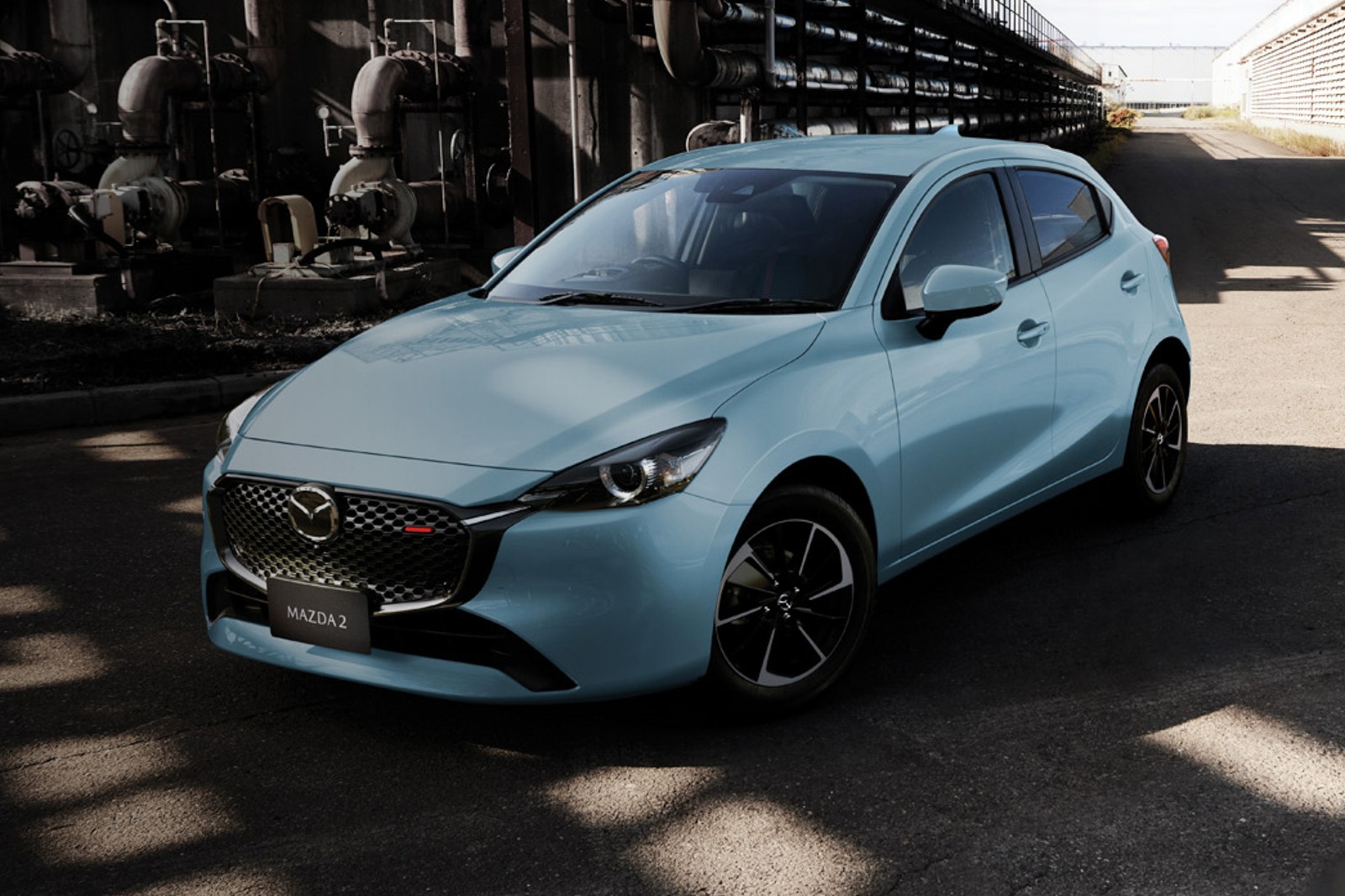
Cars With Similar Price And Features
15
Rank in SUV
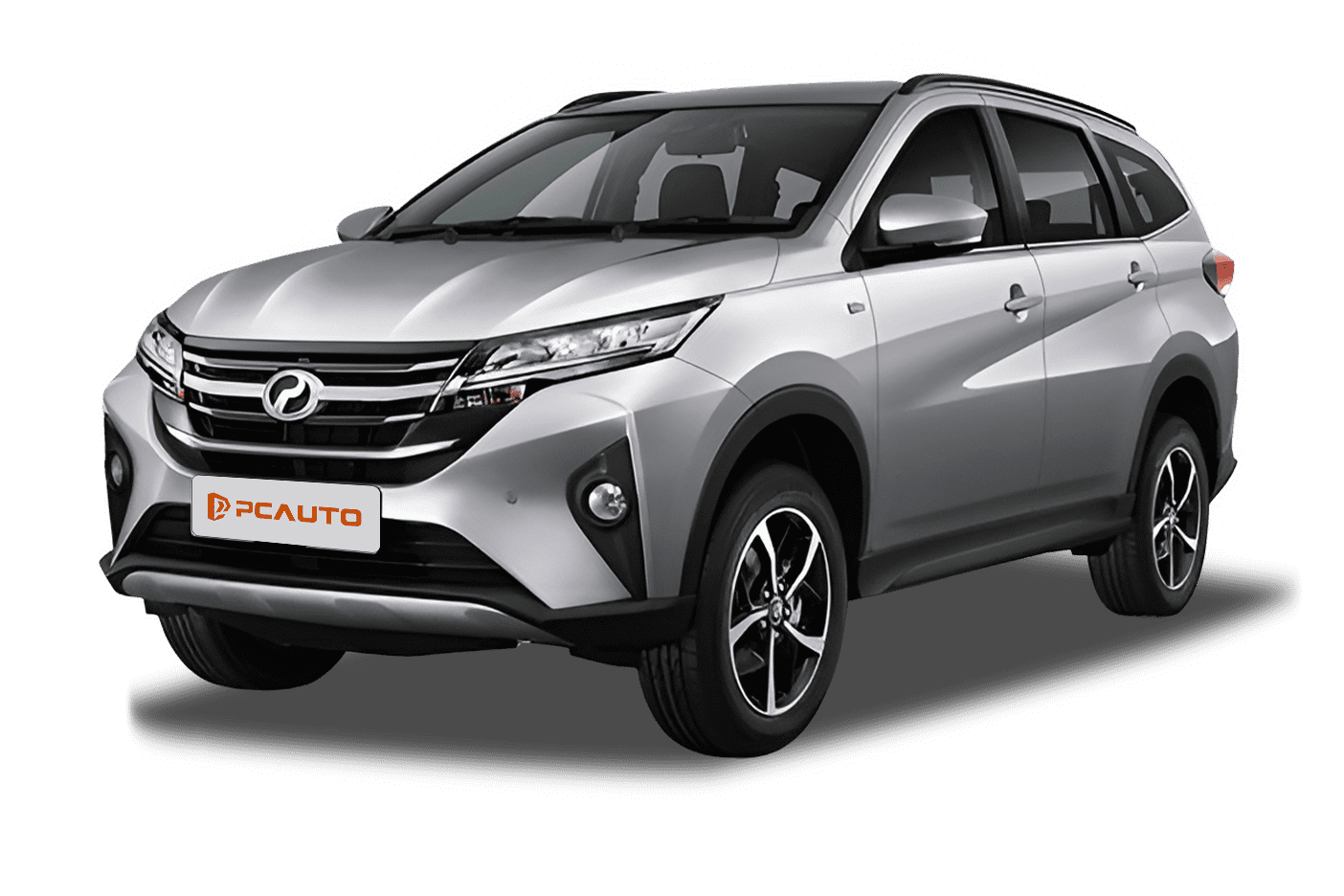
The 2023 Perodua Aruz 1.5L X is a high-value-for-money B-segment 7-seater SUV, offering 6 airbags and active safety systems as standard equipment for under RM63k. It balances practical space and daily commuting needs, making it a pragmatic choice for budget-conscious families.
4
Rank in SUV
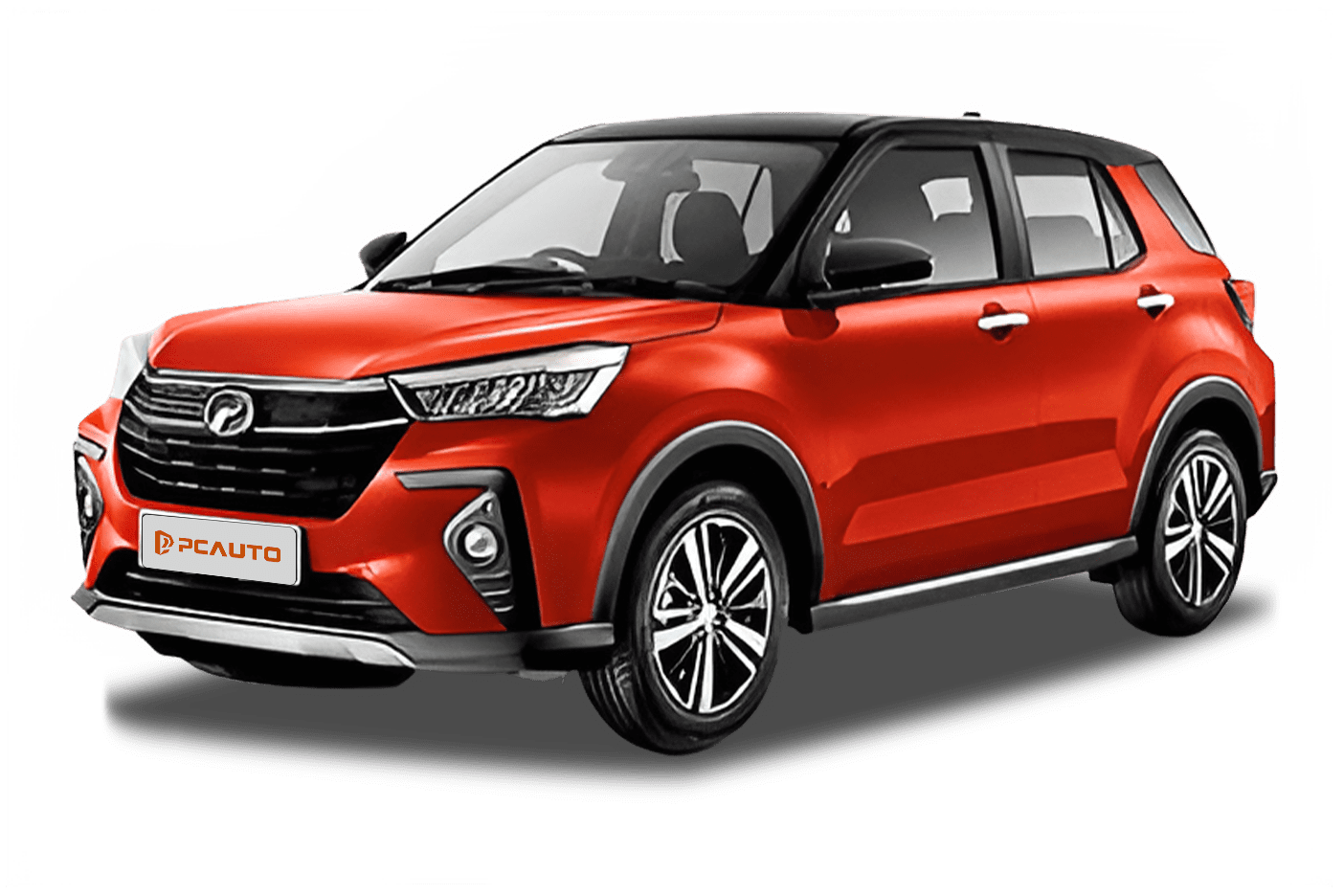
2023 Perodua Ativa 1.0L Turbo X, as a high-value-for-money entry-level B-SUV, meets the commuting and short-distance travel needs of family users with advanced safety features, practical space, and economical fuel consumption.
3
Rank in SUV
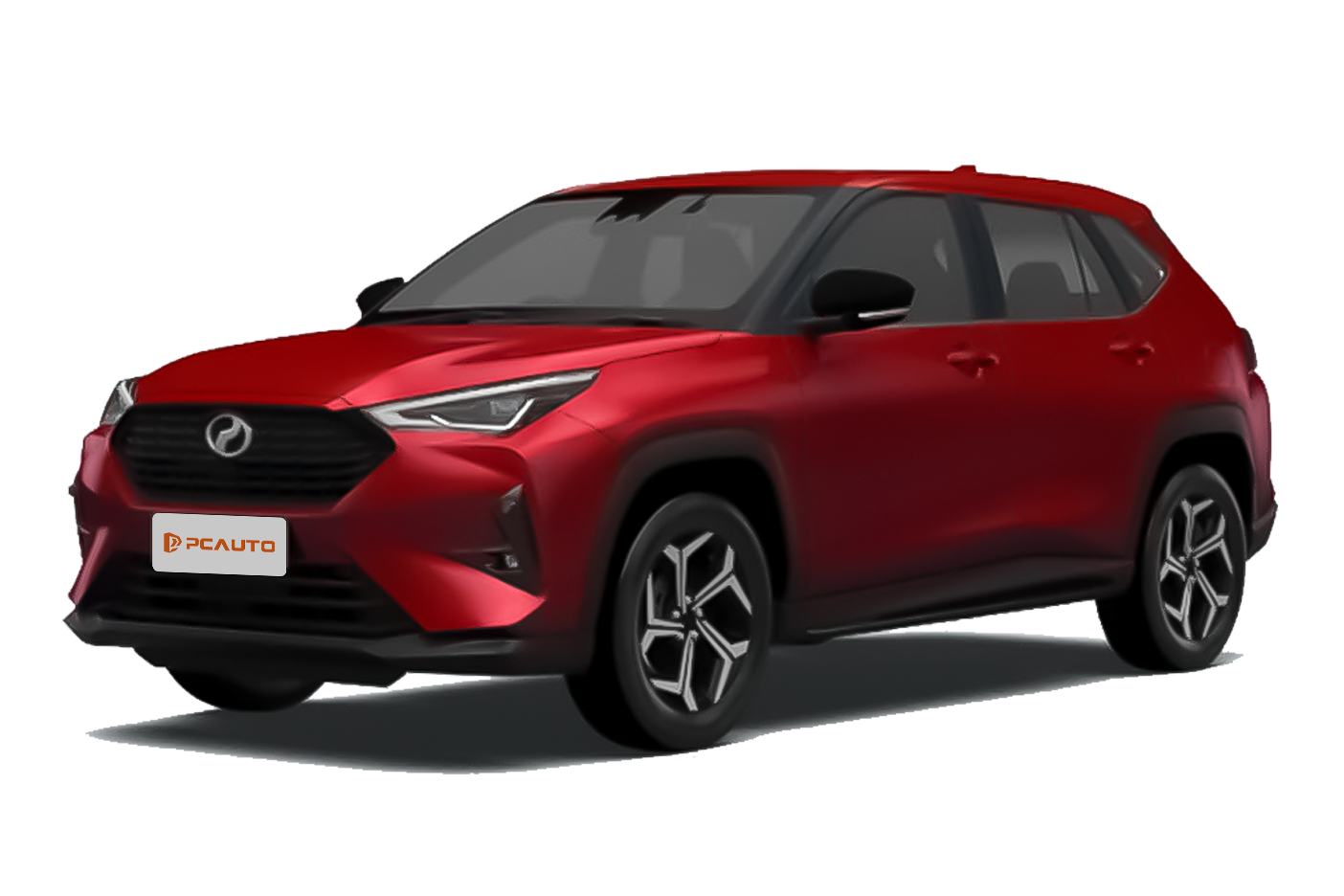
2025 Perodua Traz X, positioned as a B-segment SUV for family users, highlights advanced safety features, 210mm high ground clearance, and practical spaciousness as its main selling points, balancing flexibility and practicality.
2
Rank in SUV
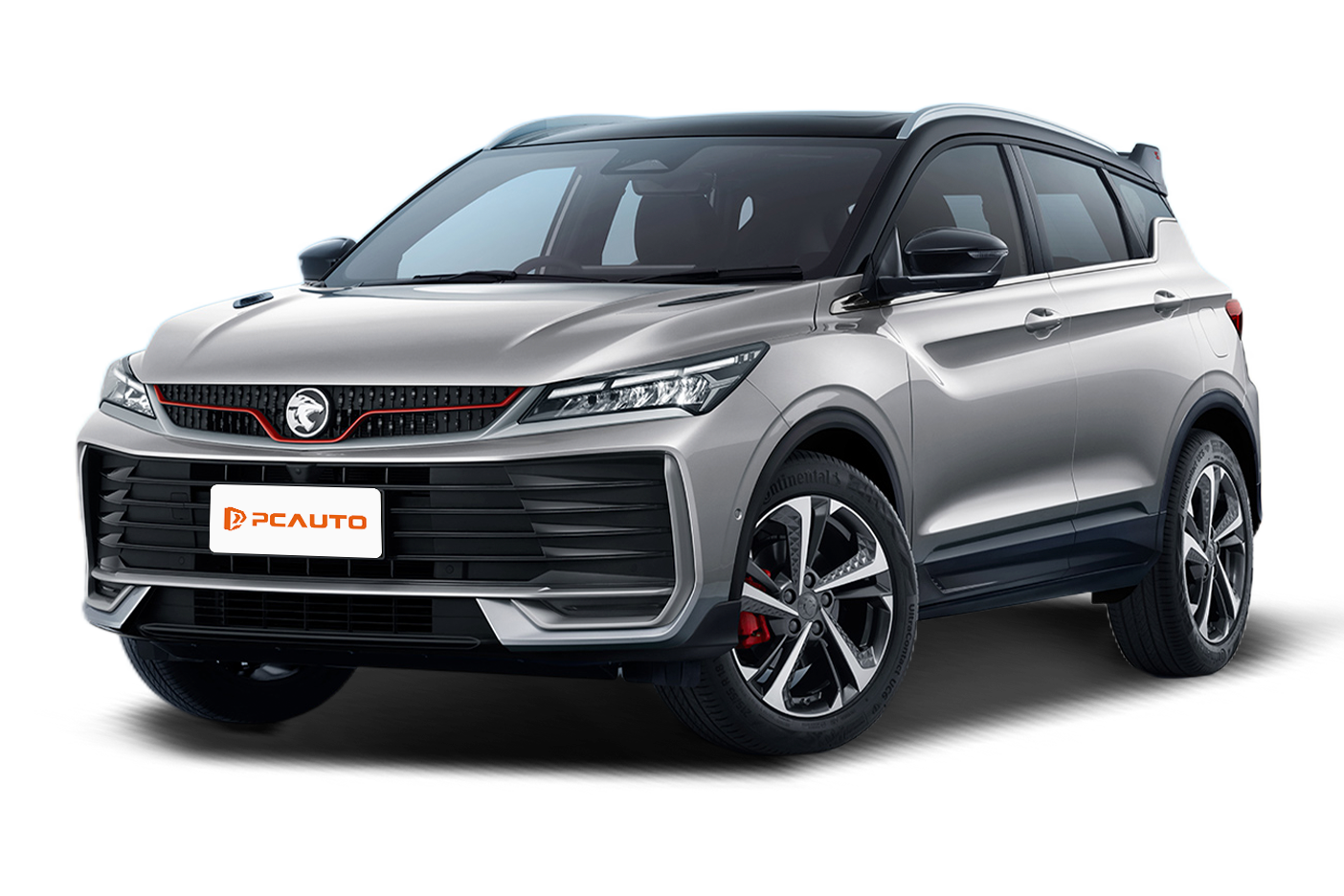
2025 Proton X50 Executive is an upgraded and price-reduced mid-size SUV that combines refined exterior, tech-savvy interior, powerful performance, and practical space, offering exceptional value for money.