

Mazda CX-3 2019 Review

 Share
Share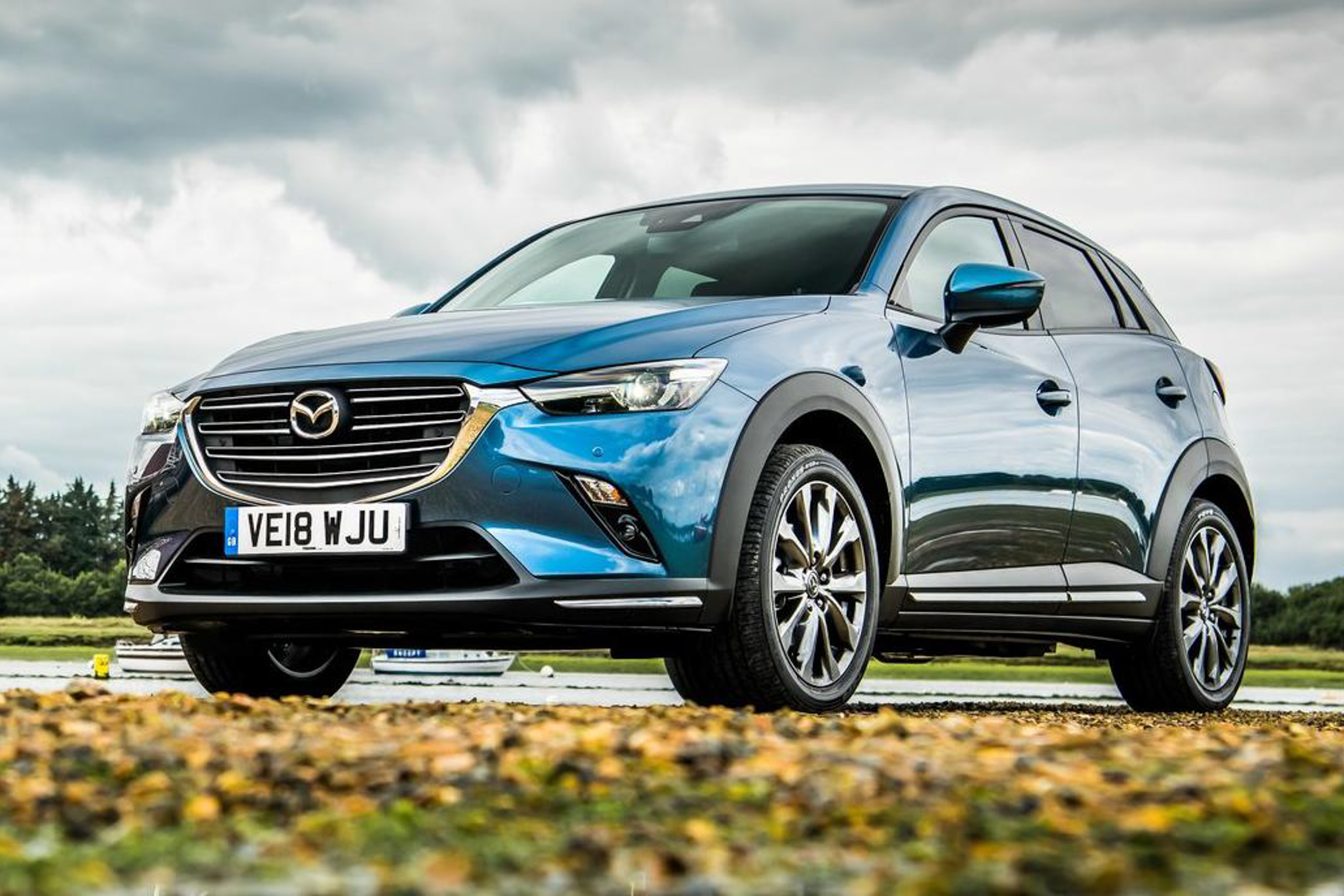
 Body Type
 Segment
 Capacity(L)
 Engine Power(PS)
 Engine Torque(Nm)
 Transmission
Nowadays, the SUV market in Malaysia continues to thrive, especially in the compact SUV segment. Consumers are more inclined to choose models that balance practicality with driving pleasure, and the 2019 Mazda CX-3 is precisely designed to meet this demand. As a compact SUV under Mazda's "KODO" design philosophy, it maintains the brand's recognizable design language while optimizing its powertrain and configuration. In this test drive, we will focus on verifying its practicality for daily commuting, driving quality, and whether its features satisfy the needs of local consumers.
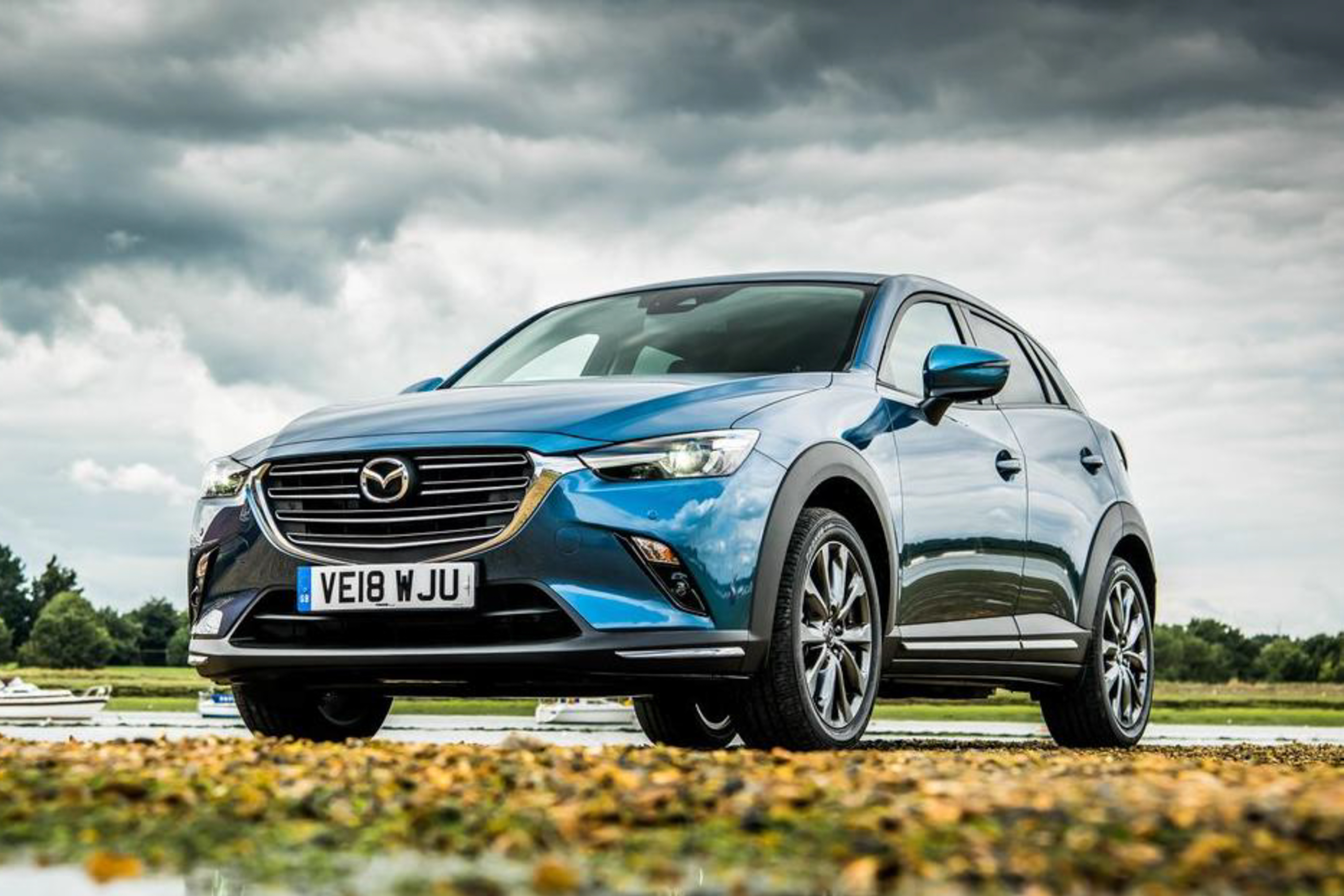
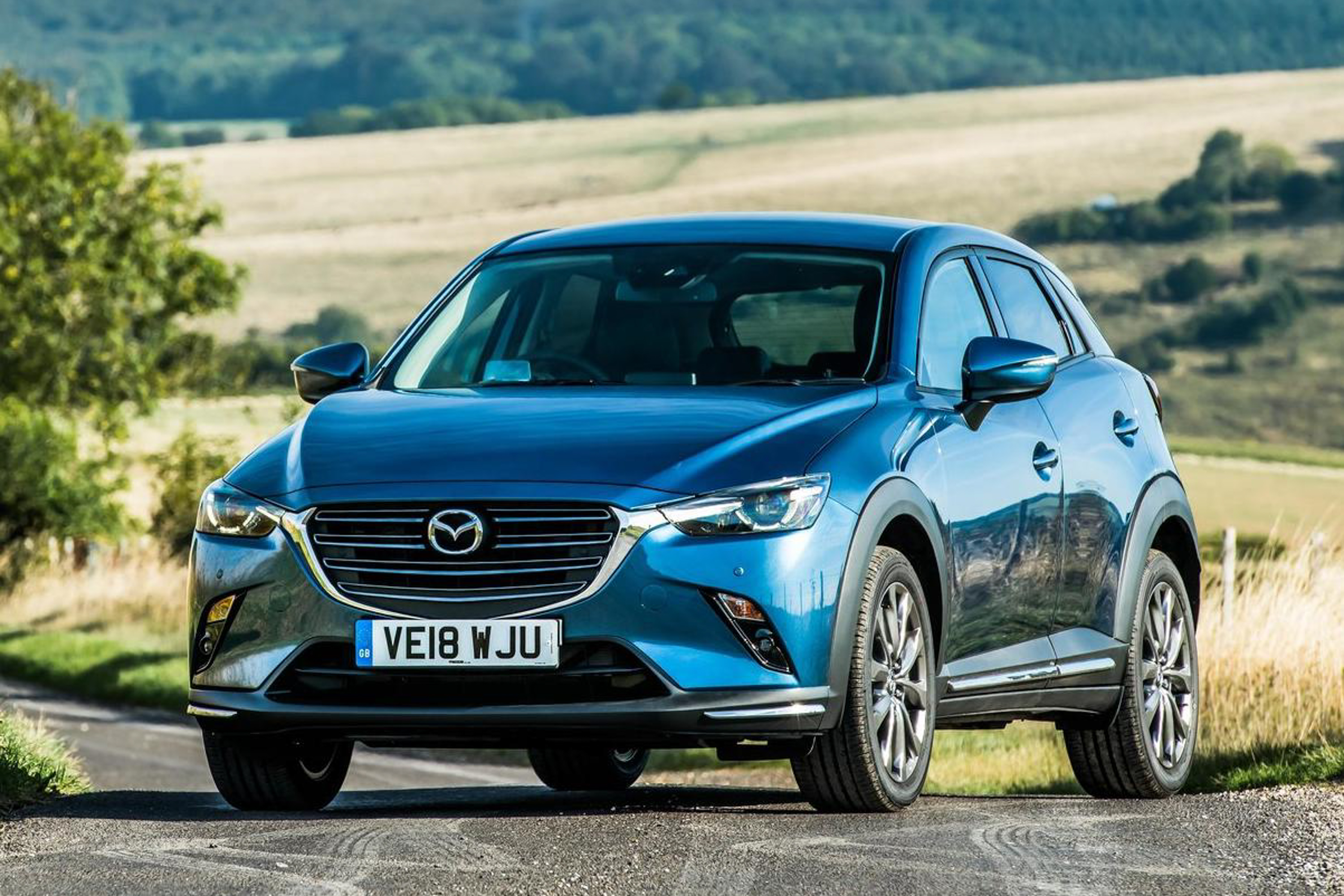
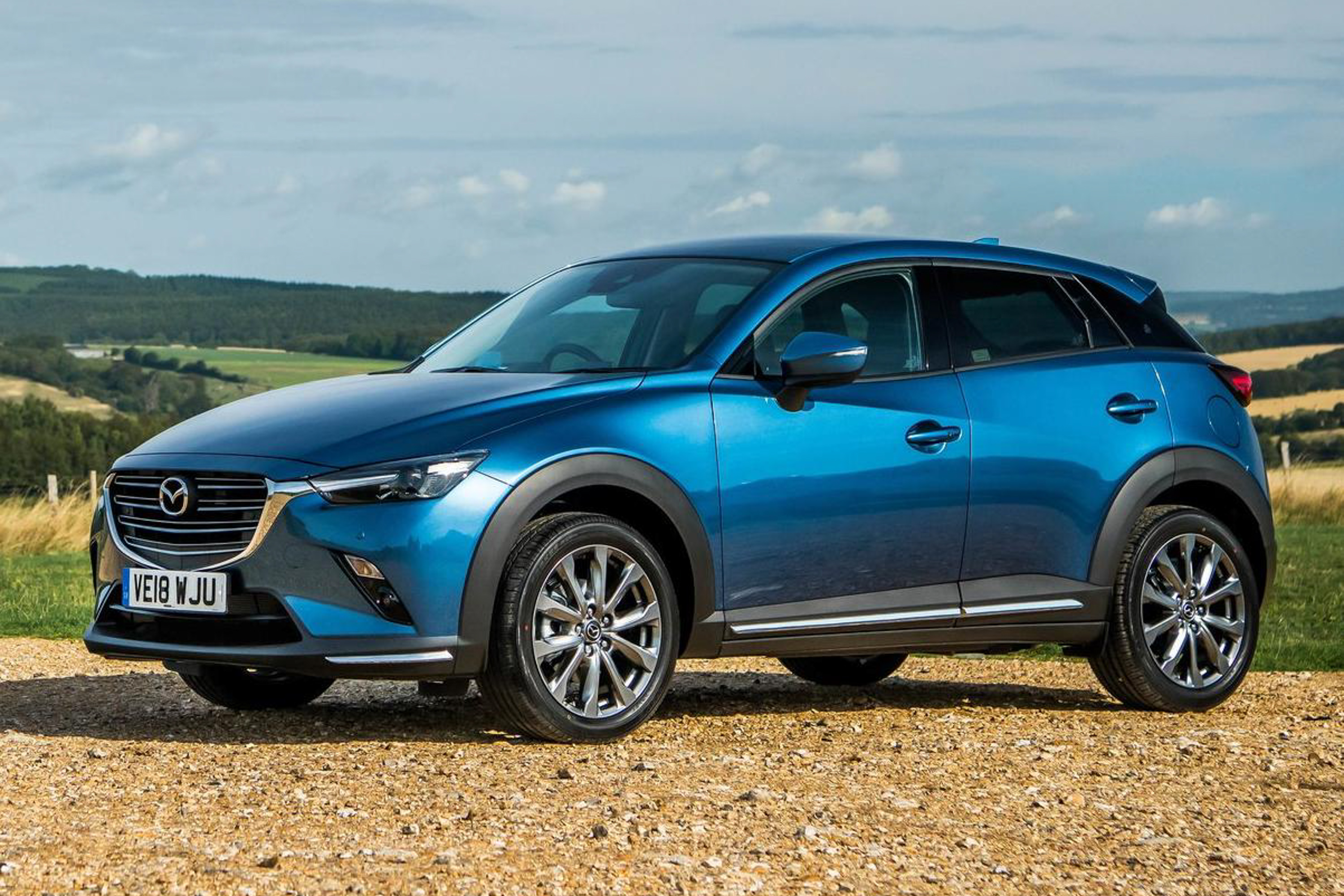
From a distance, the 2019 CX-3 continues Mazda’s signature "KODO" design, with smooth and sporty overall lines. The front features a shield-shaped grille with chrome accents, seamlessly connecting to the sharp LED headlights on both sides, enhancing visual width and recognition. The side profile adopts a sleek shoulder line that flows from the front to the rear, paired with 18-inch multi-spoke alloy wheels that enhance the sporty vibe. At the rear, the LED taillights are smoked to match the front-end design, while the silver skid plate below the rear bumper adds a tough SUV character. As for the lighting system, all trims come standard with LED headlights and taillights, offering clear visibility and adequate illumination for daily use at night.
Entering the cabin, the interior adopts Mazda's classic symmetrical layout, with the center console slightly tilted towards the driver for easier operation. In terms of materials, the center console area is covered with soft-touch materials, complemented by silver trim accents, giving the overall interior a mid-to-high level quality within the segment. In terms of core features, the 7-inch center screen supports Apple CarPlay and Android Auto, and operates smoothly. The seats are wrapped in leather, with the driver's seat offering 6-way manual adjustment and the front passenger seat offering 4-way manual adjustment, both providing good support.
The vehicle's dimensions are 4275mm×1765mm×1550mm, with a wheelbase of 2570mm. The front-row seating space is standard, with a passenger who is 175cm tall having about one fist of headroom after adjusting the seating position. The rear-row space is relatively tight; a passenger of the same height has around two fingers of legroom and one fist of headroom, making it more suitable for short trips. Regarding storage capacity, the front row includes two cup holders, a central armrest box, and door storage compartments, while the rear row has two cup holders and door storage compartments. The trunk offers a standard volume of 350L, which can be expanded to 1260L by folding down the rear seats, sufficient for daily shopping or short trips.
In terms of powertrain, it is equipped with a 1.5L Skyactiv-G naturally aspirated engine, delivering a maximum power of 85kW (115PS) and a peak torque of 148N·m, paired with a 6-speed automatic transmission. During daily driving, it has a light start, with linear throttle response. The low-speed performance is adequate for urban commuting. When switched to sport mode, the transmission delays gear shifts and maintains the engine at above 2500rpm, providing slightly enhanced acceleration and more confidence during overtaking.
In terms of handling, the steering wheel is precise with minimal play. It feels light at low speeds and gradually tightens at higher speeds, providing good handling. The suspension system consists of MacPherson struts in the front and a torsion beam in the rear, tuned for a sporty feel. When driving over speed bumps or uneven roads, the suspension does not thoroughly filter vibrations, making the road feel more pronounced and slightly affecting rear passenger comfort. During cornering, body roll is well-controlled, ensuring good stability.
In terms of fuel consumption, this test drive mainly focused on urban roads, with occasional highway sections. The combined fuel consumption was approximately 6.8L per 100km, which is about average for a small SUV with a 1.5L engine. Regarding braking performance, the brake pedal feel is linear, with uniform braking force distribution. The braking distance from 100-0km/h is about 38 meters, showing stable performance.
In terms of ride comfort, the vehicle's control of tire noise and wind noise is average. At high speeds (above 110km/h), noise becomes noticeably audible inside the cabin. The seats provide good support, but the rear seats are slightly firm, which may lead to discomfort during long trips.
Overall, the core advantages of the 2019 Mazda CX-3 lie in the high recognition brought by its “Kodo” design, smooth power output, and precise handling. The infotainment system supporting CarPlay/Android Auto also aligns with current consumer needs. Compared to the Honda HR-V in the same class, the CX-3 has an edge in design and handling, but its rear space and configuration richness are somewhat lacking. Compared to the Toyota C-HR, it is more price-friendly, though its brand influence is slightly weaker.
This car is more suitable for young consumers who value design and driving pleasure, particularly for those whose daily use consists mainly of urban commuting and occasional short trips. However, the compact rear space might not be ideal for larger families with long-distance travel needs. Overall, the 2019 Mazda CX-3 is a “specialized” small SUV, appealing to young individuals who pursue individuality with its sporty design and handling while meeting basic practicality needs.
Mazda CX-3 Car Compare

More Mazda Reviews
Cars With Similar Price And Features
4
Rank in SUV

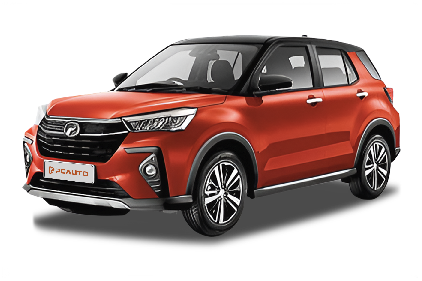
2023 Perodua Ativa 1.0L Turbo X, as a high-value-for-money entry-level B-SUV, meets the commuting and short-distance travel needs of family users with advanced safety features, practical space, and economical fuel consumption.
15
Rank in SUV
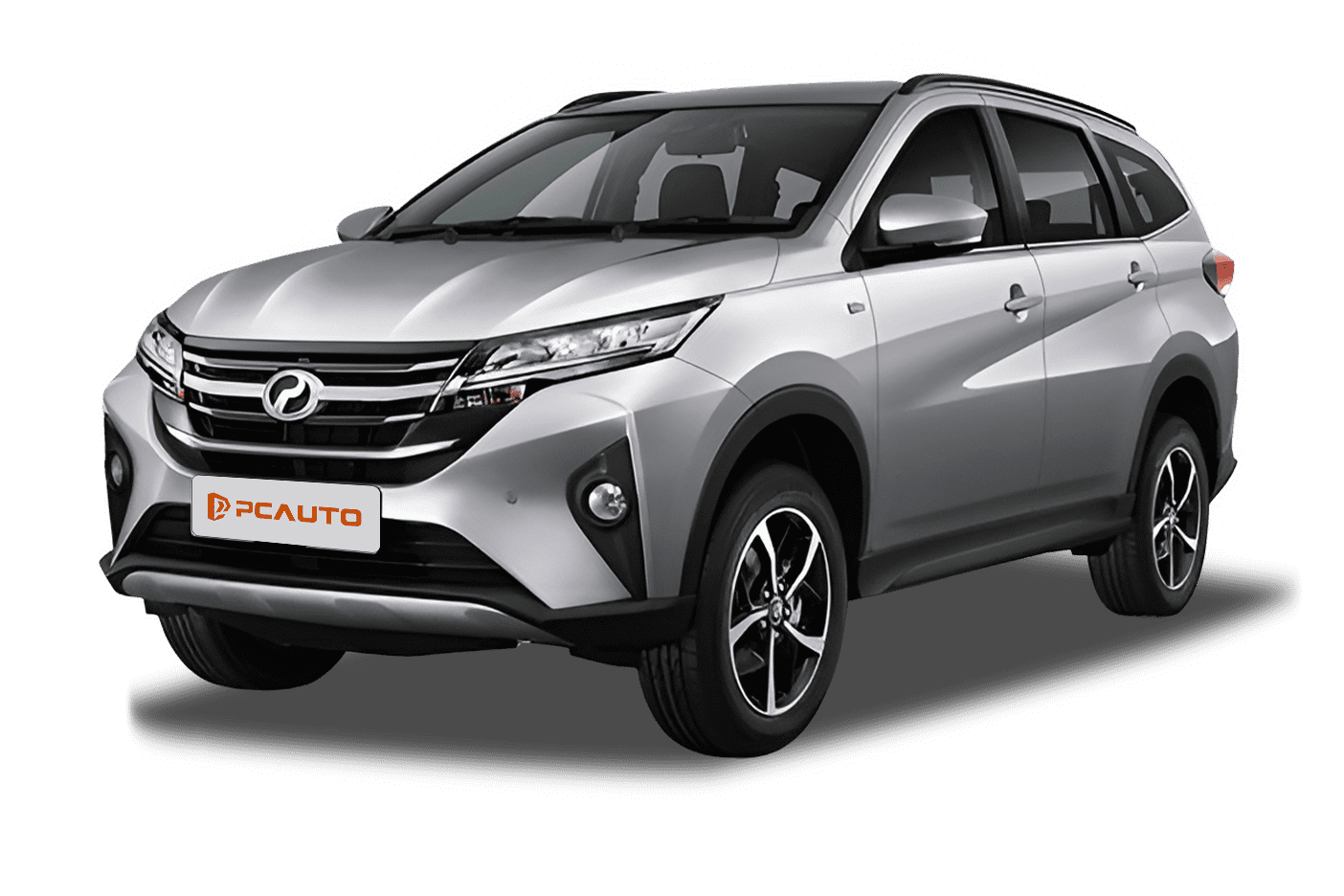
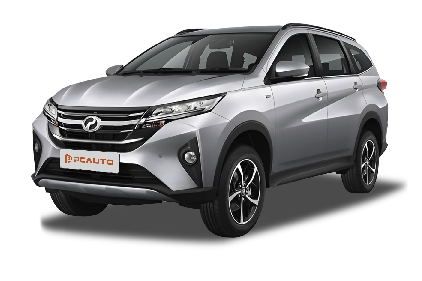
The 2023 Perodua Aruz 1.5L X is a high-value-for-money B-segment 7-seater SUV, offering 6 airbags and active safety systems as standard equipment for under RM63k. It balances practical space and daily commuting needs, making it a pragmatic choice for budget-conscious families.
3
Rank in SUV
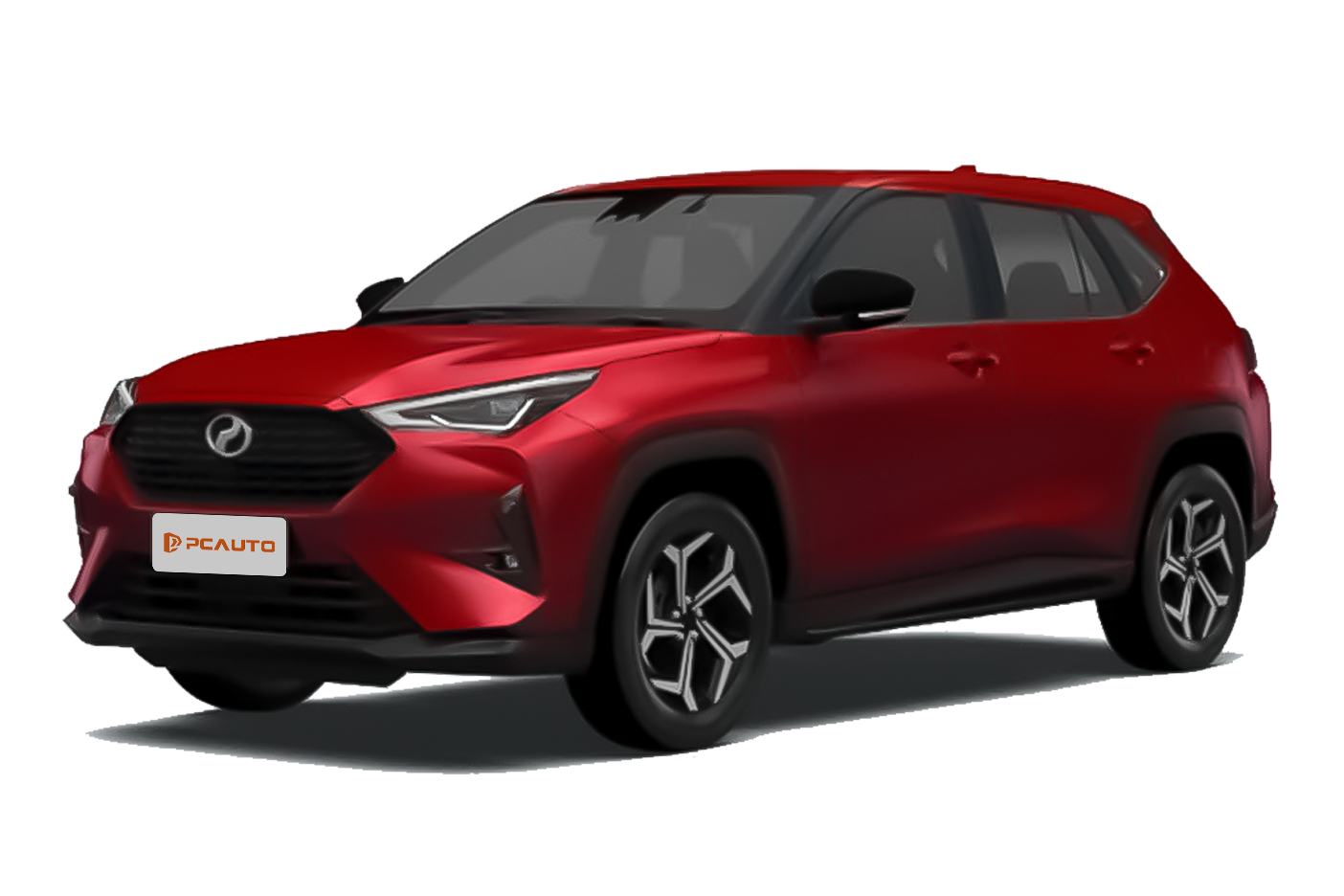
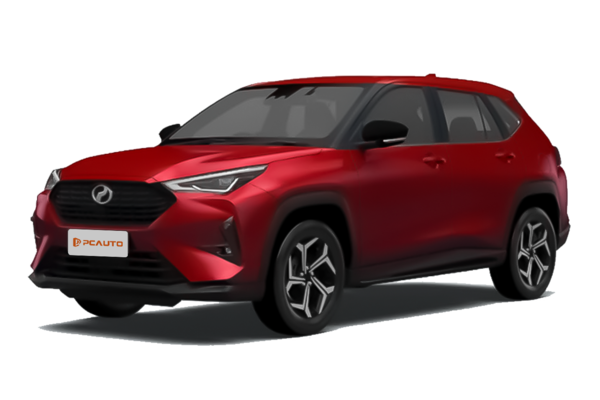
2025 Perodua Traz X, positioned as a B-segment SUV for family users, highlights advanced safety features, 210mm high ground clearance, and practical spaciousness as its main selling points, balancing flexibility and practicality.
2
Rank in SUV
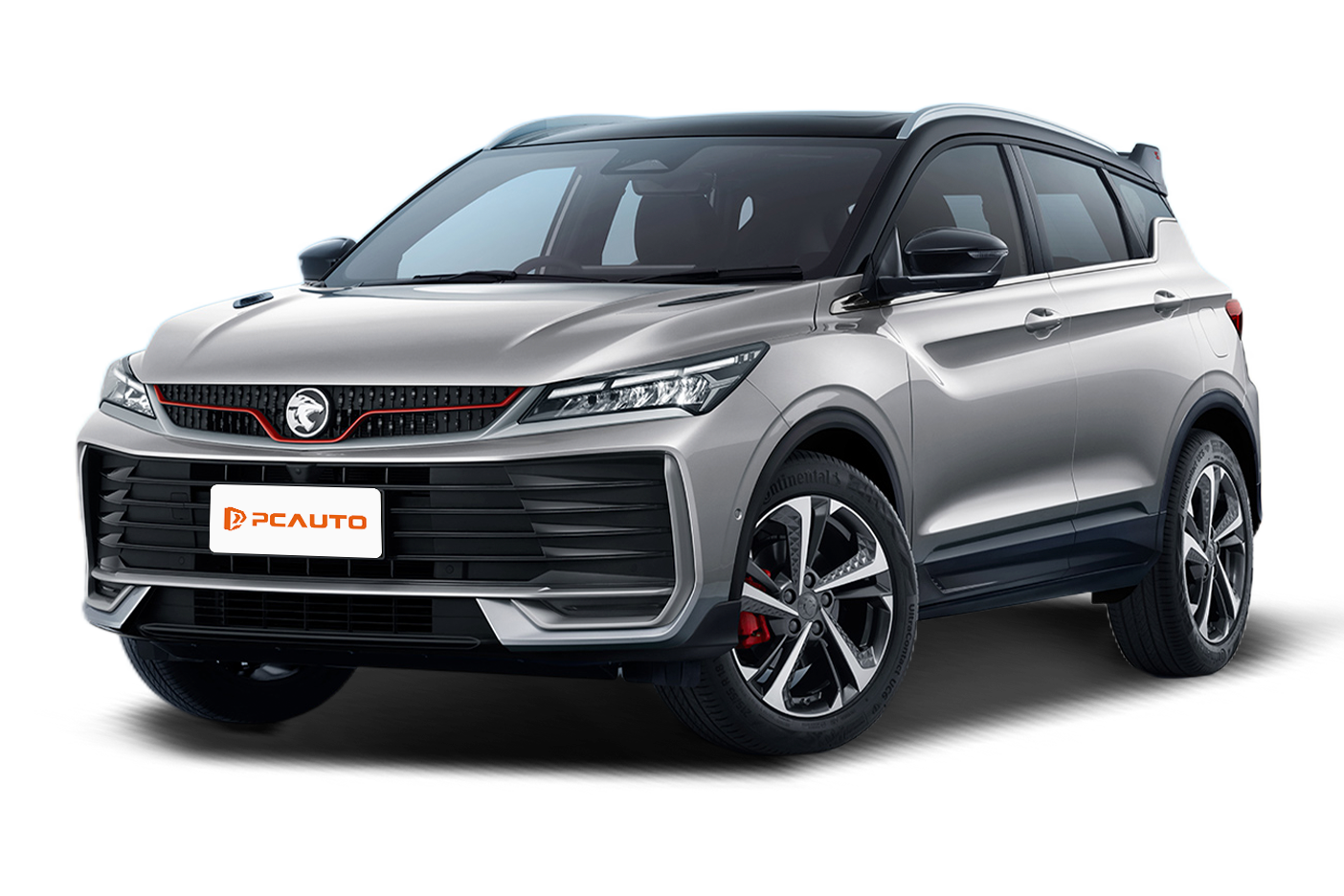
2025 Proton X50 Executive is an upgraded and price-reduced mid-size SUV that combines refined exterior, tech-savvy interior, powerful performance, and practical space, offering exceptional value for money.