

Mazda CX-3 Review

 Share
Share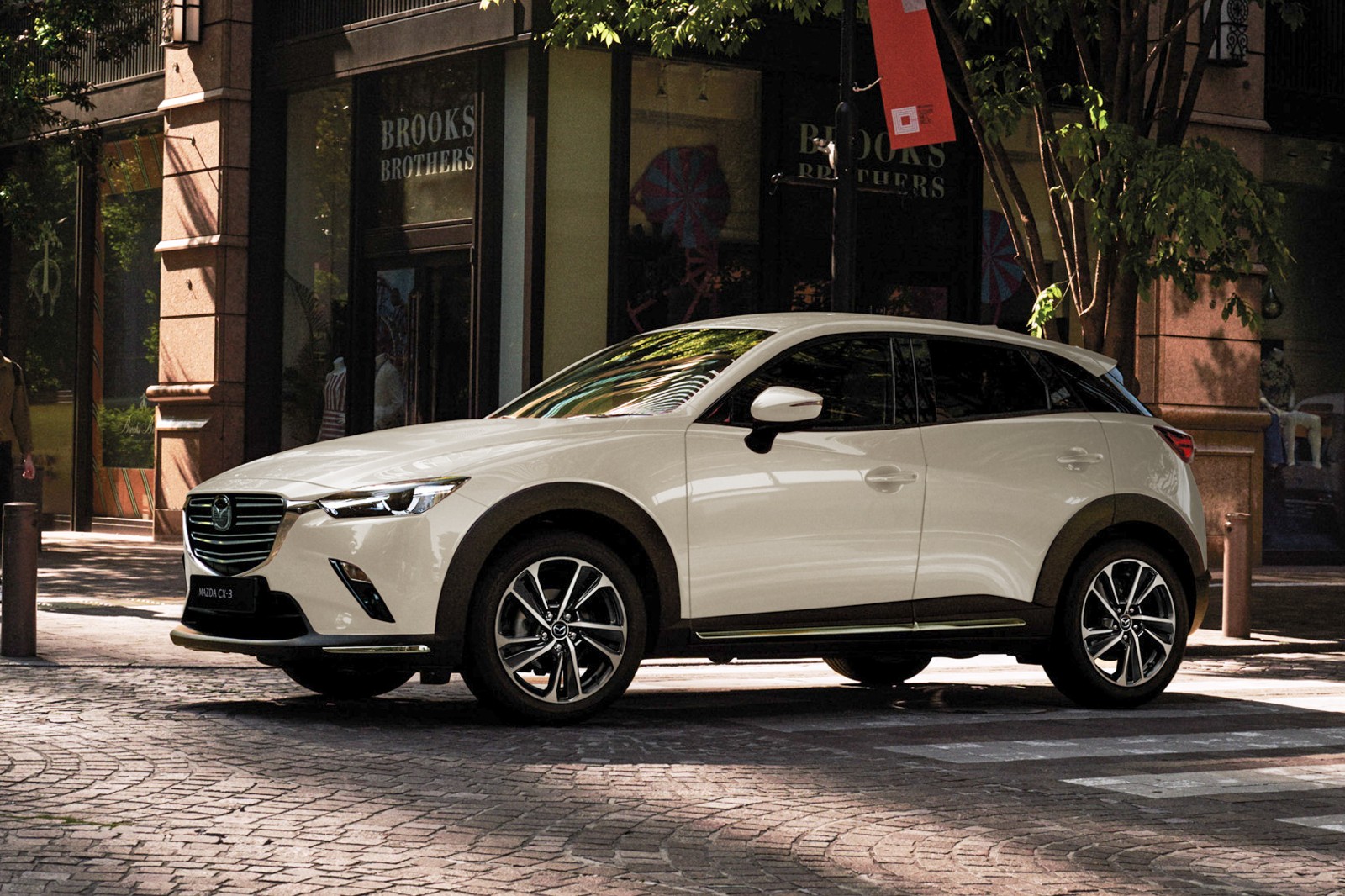
 Segment
 Body Type
 Capacity(L)
 Engine Power(PS)
 Engine Torque(Nm)
 Transmission
The B-segment SUV market has always been a popular choice among Malaysian family users and young professionals. This type of vehicle needs to strike a balance between flexibility, features, and value for money. The 2023 Mazda CX-3 1.5 Plus serves as the entry-level variant of the series but is equipped with intelligent features close to those of higher-end models. Priced at RM 115,720, it makes a compelling option in its class. This review will focus on verifying whether the 1.5L naturally aspirated engine can meet daily commuting needs, how practical its comprehensive safety and comfort features are, and ultimately whether it suits buyers who value balanced performance.
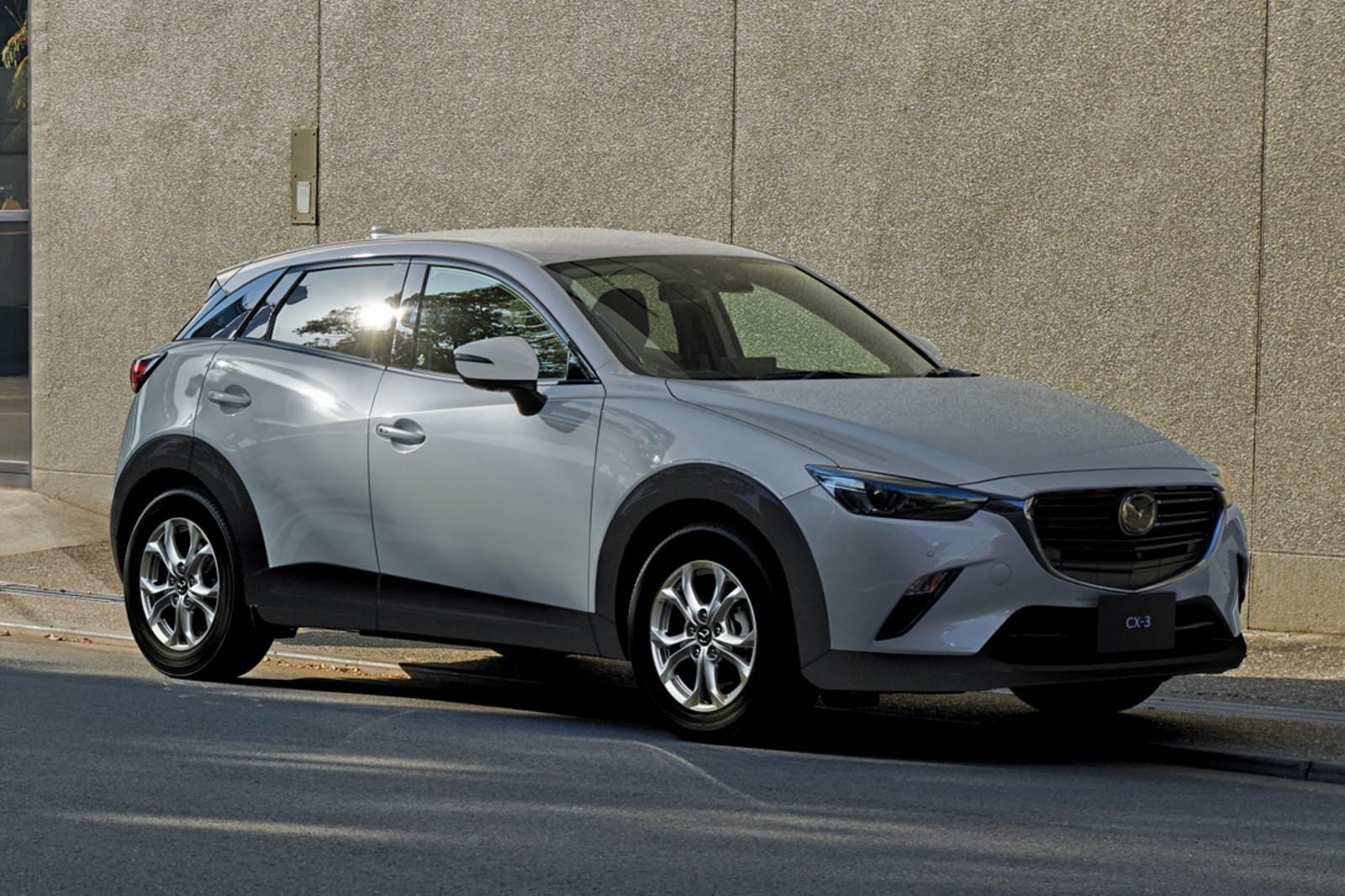
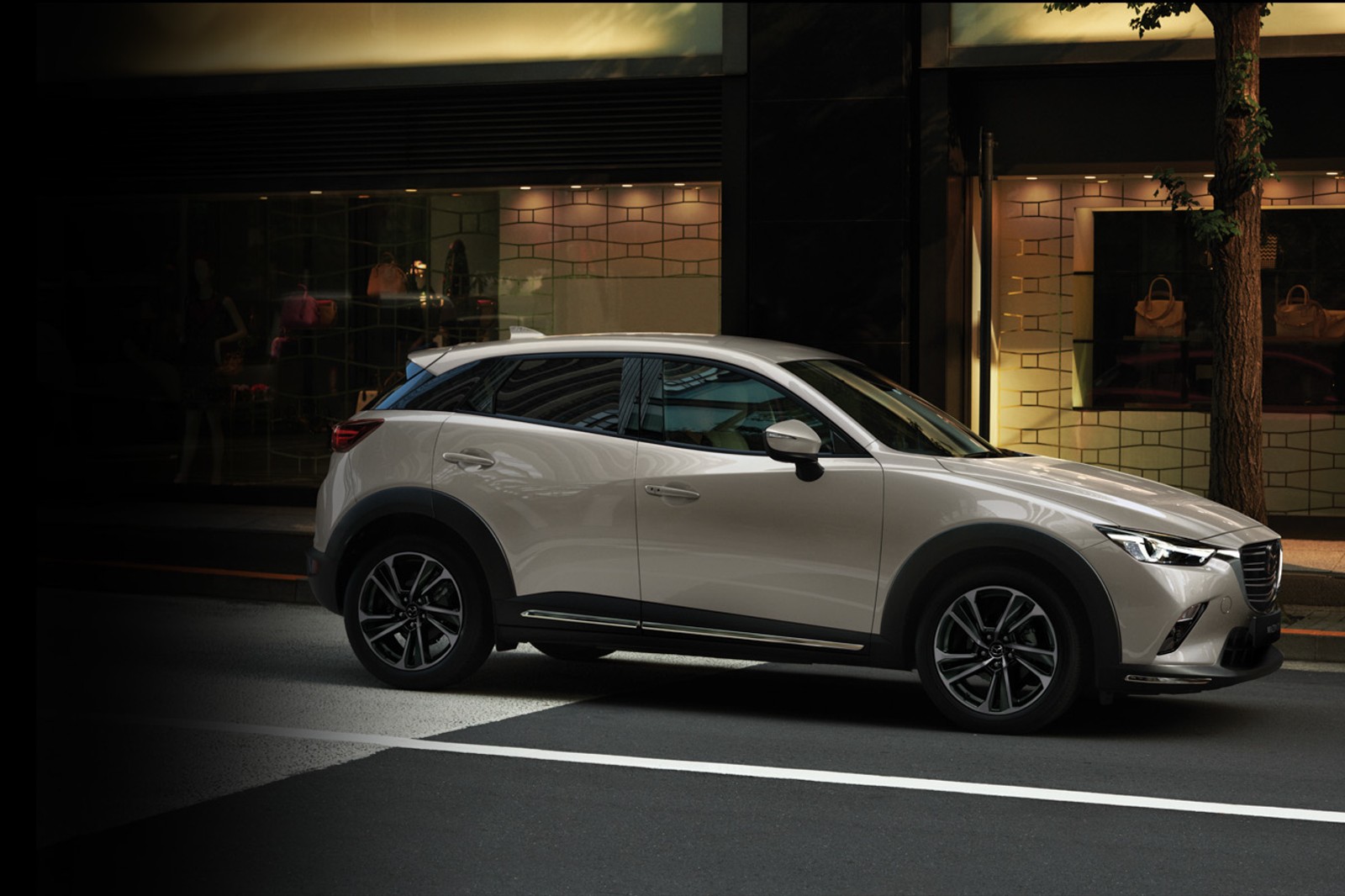
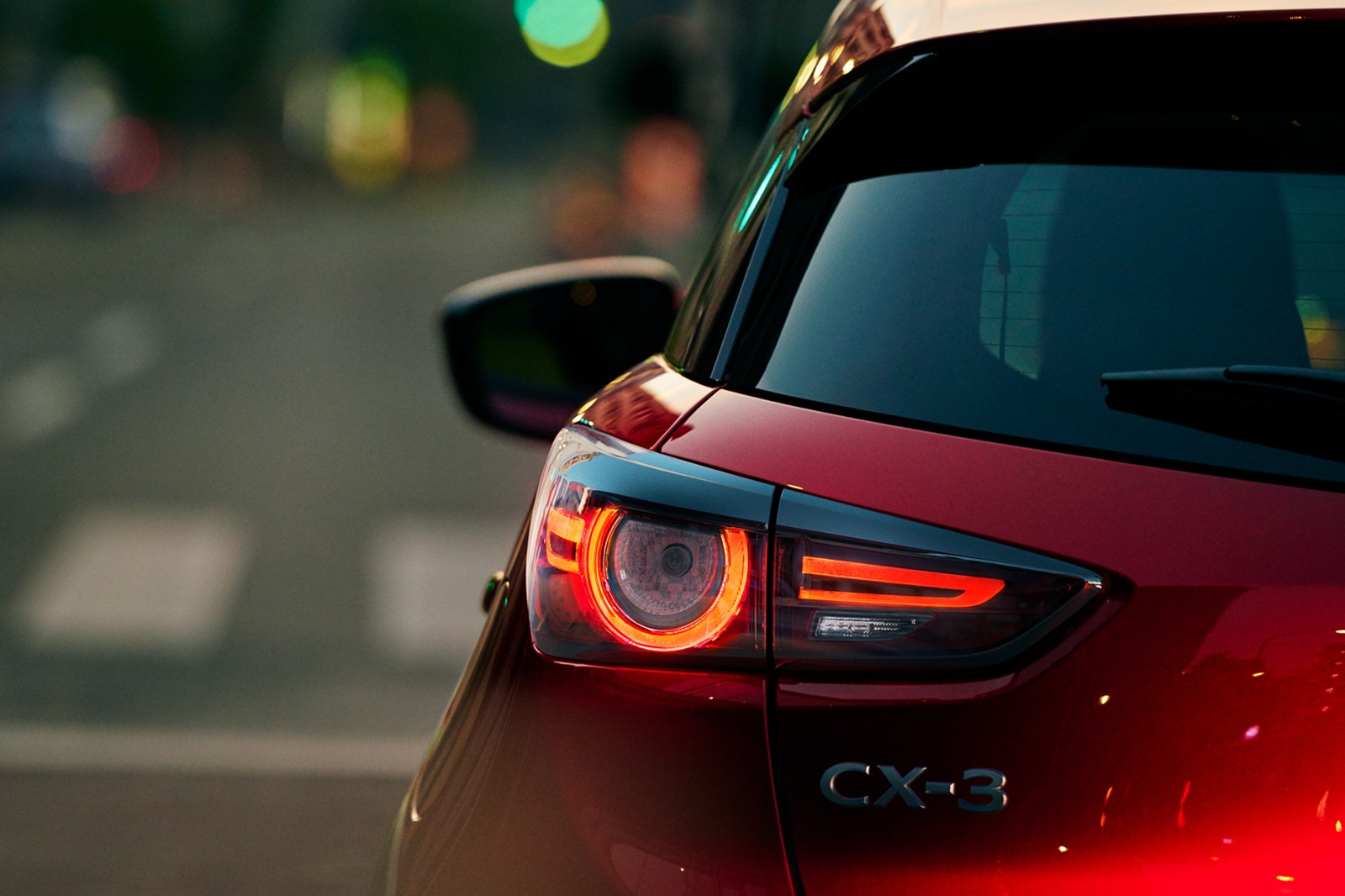
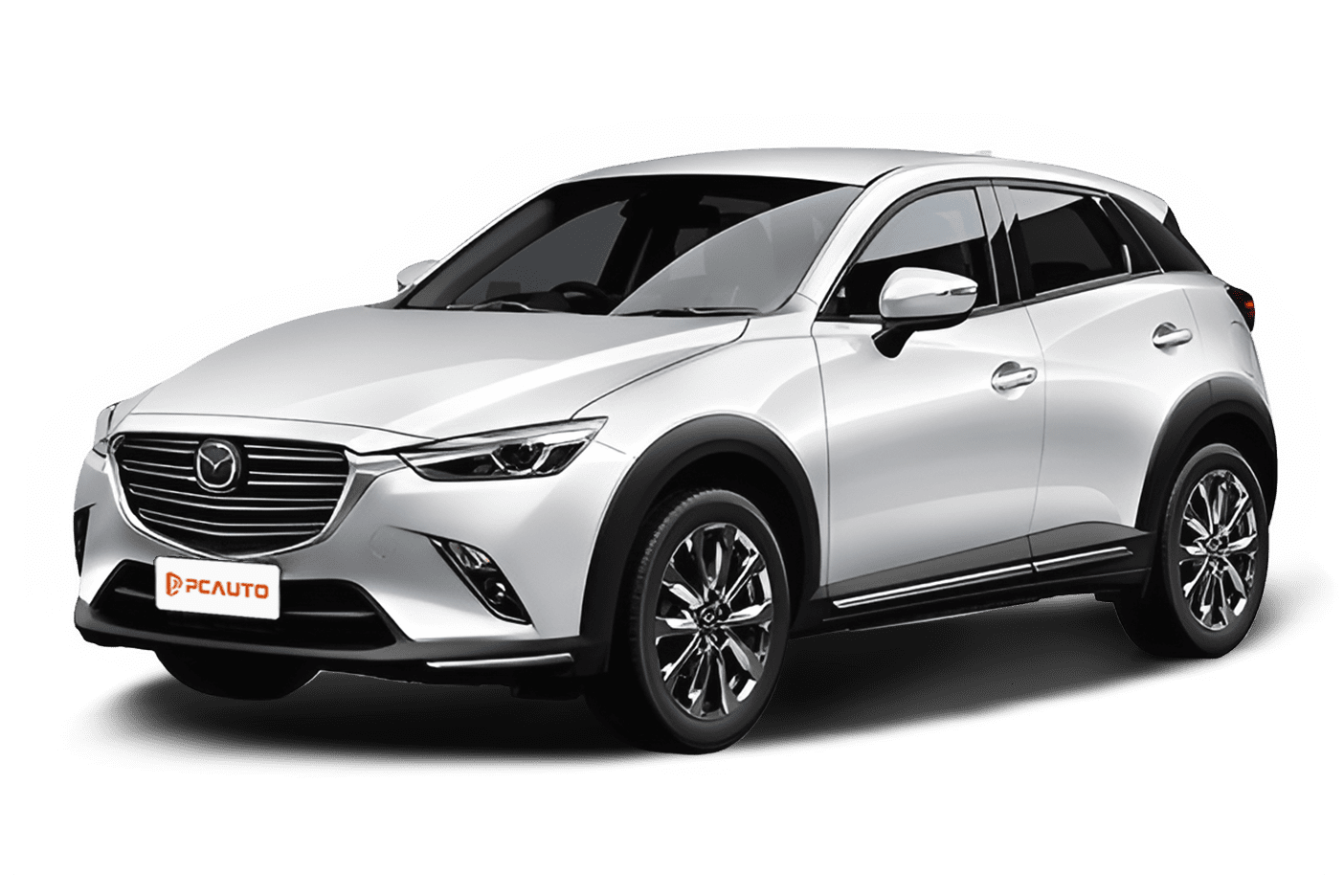
In terms of its exterior, the 2023 CX-3 1.5 Plus continues Mazda's signature "KODO - Soul of Motion" design language, with smooth and dynamic overall lines. The front features a large shield-shaped grille complemented by chrome accents and sharp LED headlights on either side, giving it a highly recognizable look. The side profile showcases a waistline that runs from the front to the rear, and the 18-inch multi-spoke wheels further enhance its sporty appeal. The LED tail lights on the rear adopt a symmetrical design, echoing the headlights, while the silver skid plate on the rear bumper adds a touch of SUV ruggedness. As for the lighting system, LED automatic headlights, daytime running lights, and front and rear fog lights are all standard. The sensitivity of the automatic headlights is moderate in actual use, responding quickly to changes in lighting conditions such as tunnels or cloudy days.
Inside, the interior employs a T-style dashboard layout, which is minimalist yet ergonomically focused. The upper portion of the dashboard is covered with soft-touch materials and adorned with silver trim, achieving a mid-to-high grade of quality within its segment. The 8-inch touchscreen infotainment system supports CarPlay and Android Auto connectivity, with smooth operational responsiveness. The instrument panel combines digital and analog displays, with the left side showing the tachometer and fuel level, the right side featuring the digital speedometer, and a central LCD screen that can toggle to display information such as fuel consumption and tire pressure. The vehicle's features include several highlights: a HUD (Head-Up Display) that clearly projects speed and navigation information to reduce driver distraction; an electrically adjustable driver’s seat with memory function; and an electrically adjustable passenger seat, offering notable care for the passenger's comfort. Additionally, the keyless entry and start system and rain-sensing wipers add to everyday convenience.
In terms of space, the vehicle’s dimensions measure 4,275mm in length, 1,765mm in width, and 1,535mm in height, with a wheelbase of 2,570mm, which falls within typical B-segment sizes. The front seating space is ample; a passenger with a height of 175cm can still have one fist worth of headroom after adjusting the seat. Rear seating, however, is slightly compact for adults. A passenger of the same height has only two fingers of legroom and about one fist of headroom in the back, making it more suitable for short trips or children. The trunk has a standard capacity of 350L, which can accommodate two 20-inch suitcases with space remaining. The rear seats support a 60:40 split-folding design, which extends the luggage space for occasions requiring storage for longer items. For storage versatility, the front central armrest box is of moderate capacity, door panel storage compartments can hold two bottles of water, and the front cup holders accommodate various cup sizes, meeting basic practicality needs.
Dynamic Driving Section: The 1.5L naturally aspirated engine has a maximum power output of 114PS/6000rpm and a maximum torque of 149N·m/4000rpm, paired with a 6-speed automatic transmission. During daily commuting, the power output below 2000rpm is relatively smooth, with no obvious push-back feeling when starting, but it is entirely sufficient for city driving and low-speed cruising. When the engine speed exceeds 3000rpm, there is a noticeable increase in power. Accelerating or overtaking requires pressing the accelerator deeply, and although the transmission's downshifting response is slightly delayed, the overall logic is clear. The default driving mode is Comfort, and when switched to Sport mode, the transmission holds lower gears, keeping the engine speed above 3000rpm, with more aggressive power response, ideal for highway conditions. The steering wheel is mechanically adjustable, with relatively heavy steering feel but precise direction and minimal play, giving the driver confidence during cornering. The suspension system uses a front MacPherson strut and rear torsion beam structure, tuned for comfort. It effectively absorbs most bumps when passing over speed bumps or rough road surfaces, though rear passengers can still feel slight vibrations. Body stability at high speeds is good, with no obvious lateral movement when cruising at 120km/h.
For the fuel consumption test, we drove 50km each in urban traffic conditions and on highways, with the air conditioning on throughout. The final displayed combined fuel consumption was 6.8L/100km, close to the official data. In terms of safety features, 6 airbags, 360-degree panoramic camera, lane change assist, lane departure warning, automatic emergency braking, and other features come as standard. In actual tests, the automatic emergency braking system effectively detected vehicles ahead and triggered braking promptly at speeds under 30km/h. The 360-degree panoramic camera provided high resolution, making it easy to see obstacles during reversing or parallel parking, which is very beginner-friendly.
In terms of comfort details, the noise control performance of the vehicle is quite good. When cruising at 60km/h in the city, tire noise and wind noise are not noticeable. At 120km/h on the highway, wind noise increases slightly but remains acceptable. The seats are wrapped in leather with moderately soft and firm padding, and the lumbar support is adequate, making long drives less tiring. The front row features single-zone automatic air conditioning with fast cooling, and the rear is equipped with air conditioning vents to ensure rear passengers stay cool.
Overall, the main advantages of the 2023 Mazda CX-3 1.5 Plus include its rich safety and comfort features, rare additions like electric front seats and HUD in the same segment, an established powertrain, and economical fuel consumption. Its 'Kodo design' also delivers an attractive appearance. Compared to competitors like the Honda HR-V 1.5L or Toyota Corolla Cross 1.8L in the same segment, the CX-3 1.5 Plus offers more comprehensive features, though its rear space is slightly smaller. This car is ideal for young families who prioritize configuration and safety, primarily for urban commuting with occasional short family trips, as well as for working professionals who value aesthetics and driving quality. The 1.5L engine is sufficient for urban driving, and the extensive features enhance the user experience.
The 2023 Mazda CX-3 1.5 Plus is a well-balanced B-Segment SUV with no significant shortcomings, while boasting highlights in its features and design. If you don't require strong power but place greater value on safety, comfort, and aesthetics, then this car is worth considering.
Mazda CX-3 Car Compare
Mazda CX-3 Loan Calculator
More Mazda Reviews
Cars With Similar Price And Features
15
Rank in SUV
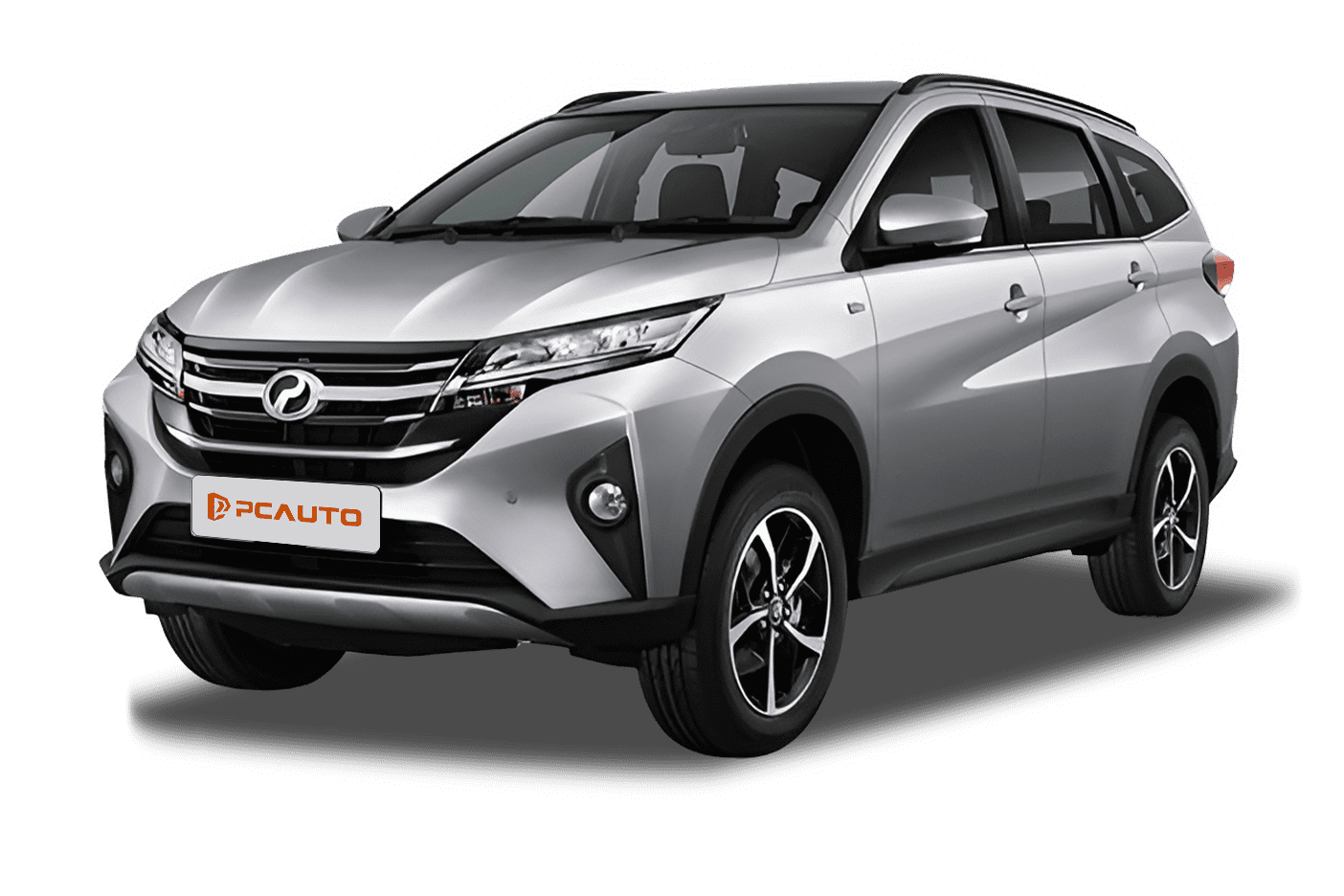
The 2023 Perodua Aruz 1.5L X is a high-value-for-money B-segment 7-seater SUV, offering 6 airbags and active safety systems as standard equipment for under RM63k. It balances practical space and daily commuting needs, making it a pragmatic choice for budget-conscious families.
4
Rank in SUV

2023 Perodua Ativa 1.0L Turbo X, as a high-value-for-money entry-level B-SUV, meets the commuting and short-distance travel needs of family users with advanced safety features, practical space, and economical fuel consumption.
3
Rank in SUV
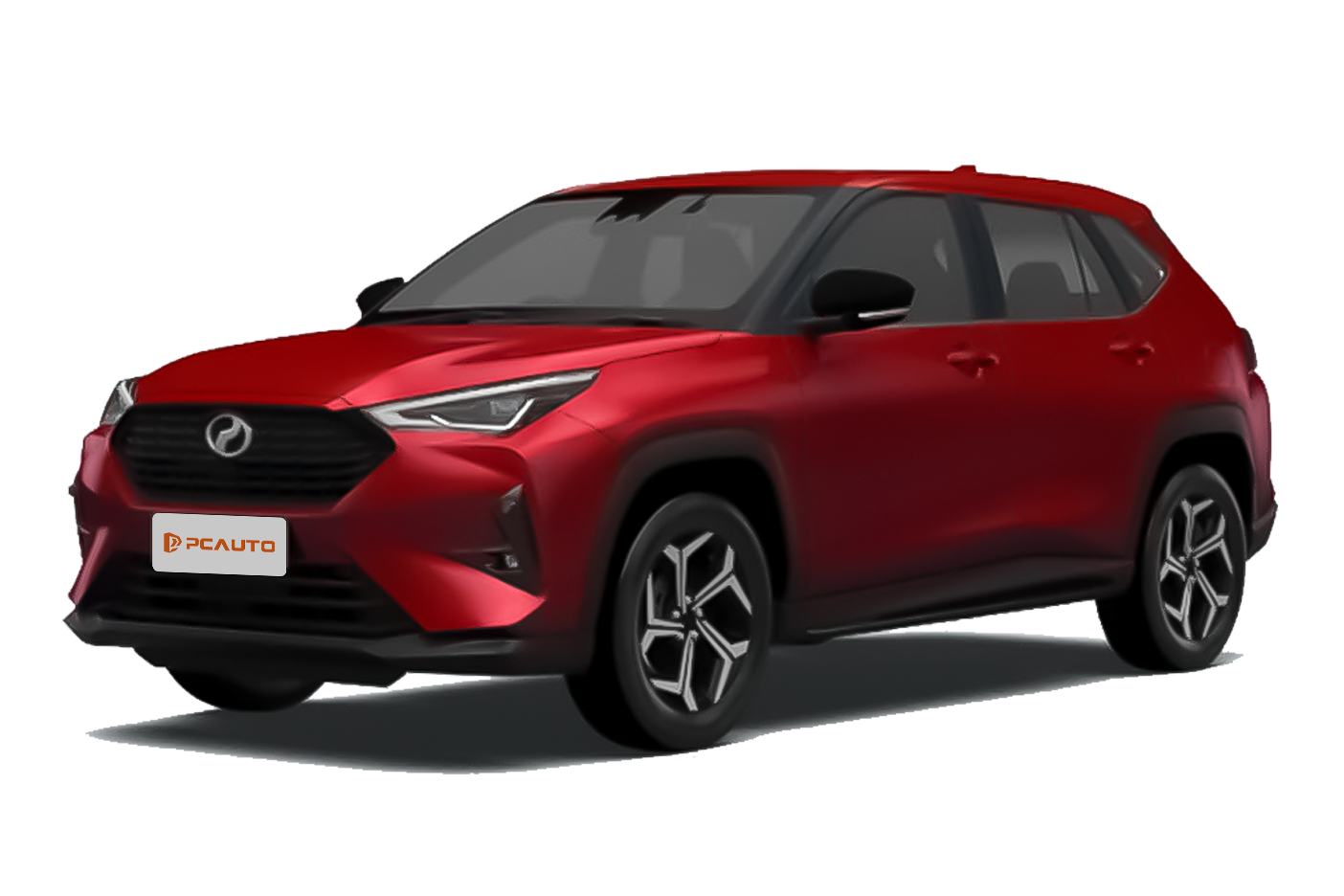
2025 Perodua Traz X, positioned as a B-segment SUV for family users, highlights advanced safety features, 210mm high ground clearance, and practical spaciousness as its main selling points, balancing flexibility and practicality.
2
Rank in SUV
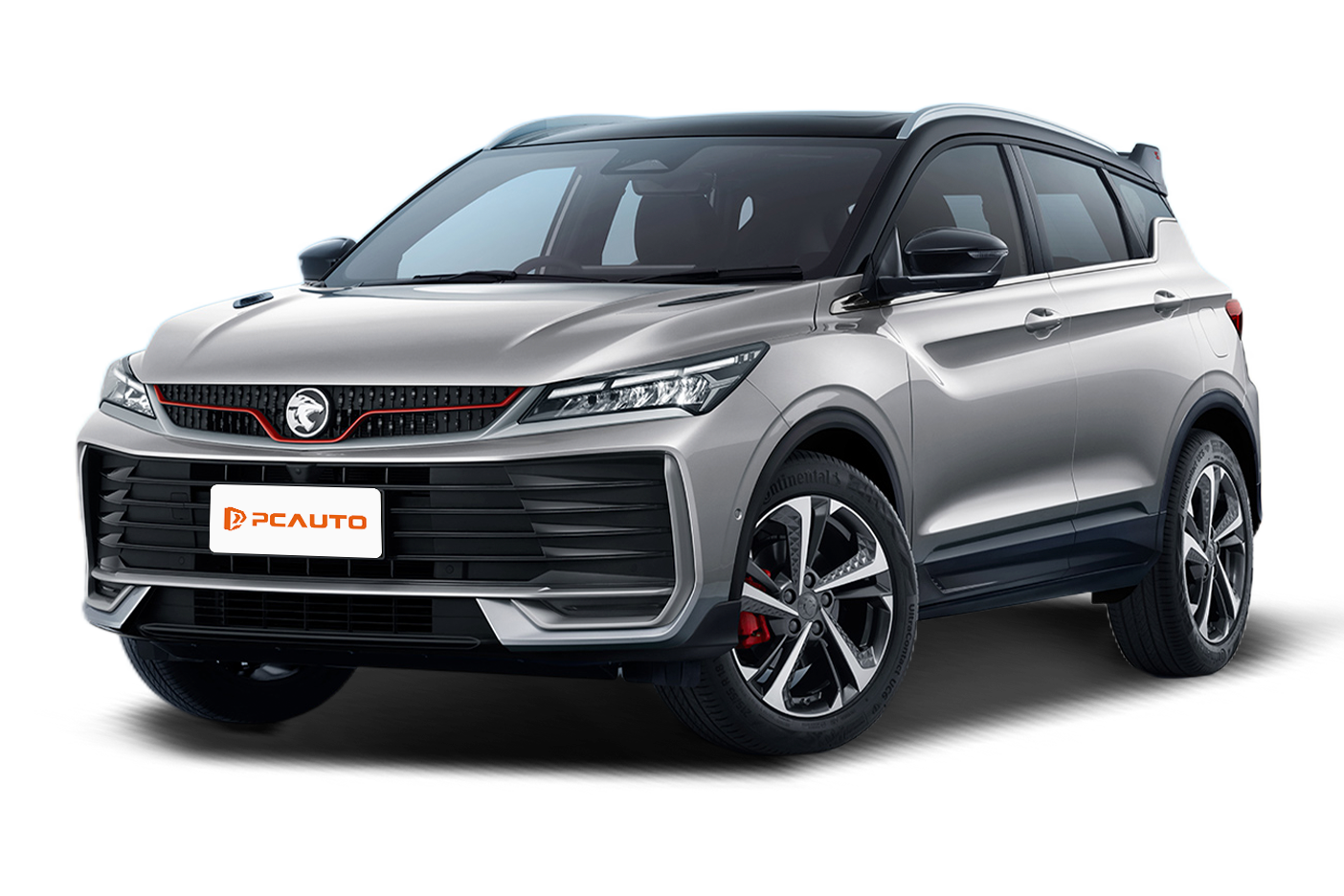
2025 Proton X50 Executive is an upgraded and price-reduced mid-size SUV that combines refined exterior, tech-savvy interior, powerful performance, and practical space, offering exceptional value for money.