

Mazda CX-9 2013 Review

 Share
Share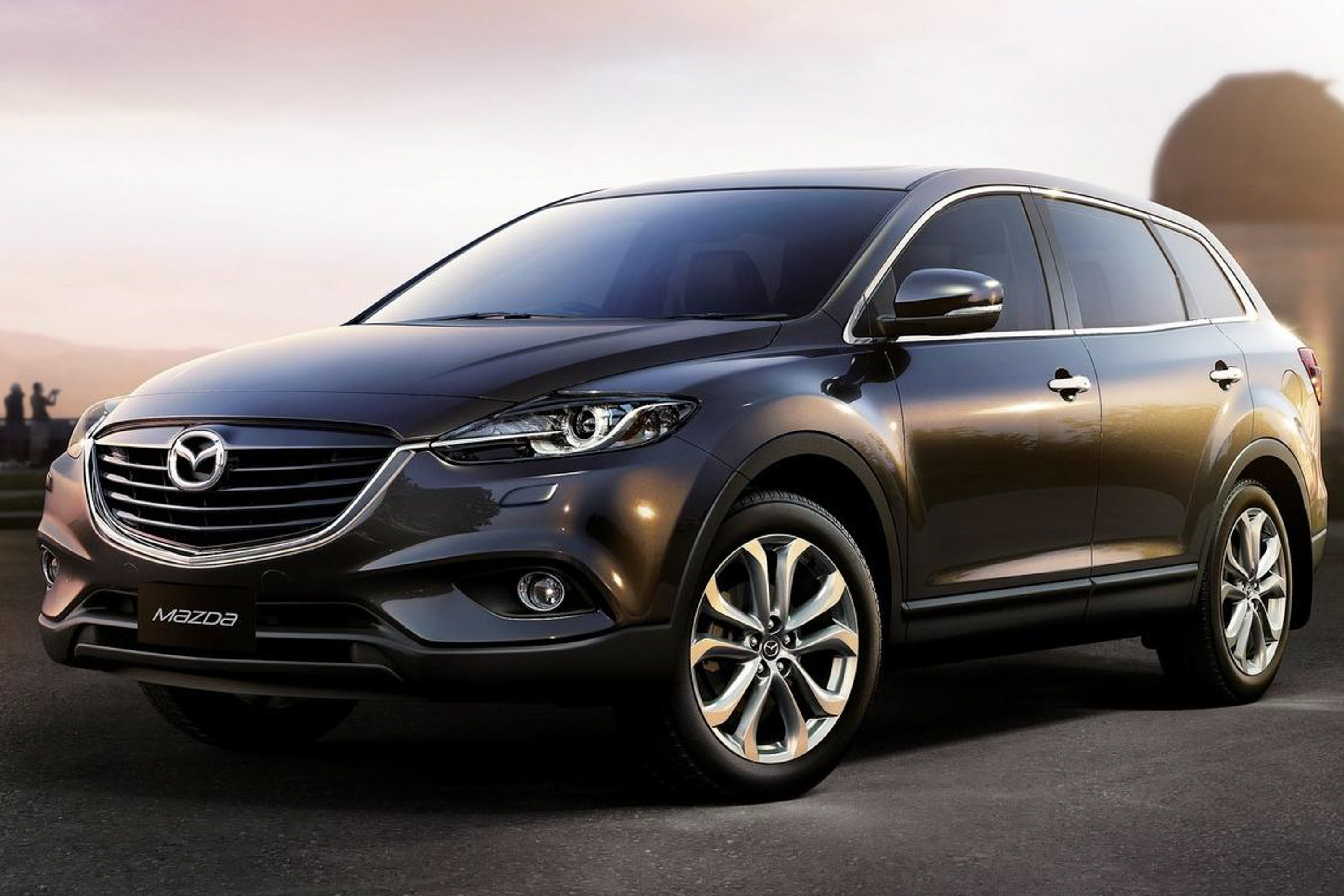
 Body Type
 Segment
 Capacity(L)
 Engine Power(PS)
 Engine Torque(Nm)
 Transmission
In recent years, the popularity of seven-seater mid-size SUVs among family users has been steadily rising. Many consumers are looking for options that are spacious, powerful enough, and reliable, and the 2013 Mazda CX-9 is an old timer in this specific market segment worth paying attention to. As an American platform SUV emphasizing large space and practicality, it is equipped with a 3.7L V6 engine, which is not commonly seen among naturally aspirated models in the same class. Coupled with Mazda's consistent driving tuning, the main purpose of my test drive this time is to verify whether it can still meet the daily needs of family users in 2024.
Starting with the exterior, the design of the 2013 CX-9 is not stunning by today’s standards but stands out with high recognizability. The front face features Mazda's then-signature family style "smile-shaped" grille, with chrome trim extending to the side headlights. Together with irregularly shaped lens headlights, the overall look is steady yet slightly dynamic. The side of the car shows smooth lines, transitioning naturally from the A-pillar to the D-pillar. The concave waistline at the bottom of the doors adds muscularity. The 18-inch multi-spoke alloy wheels come standard with the Public version, and the tire specifications are 245/60 R18, with thicker sidewalls that lean more towards comfort and off-road capability. The rear design is relatively simple; the horizontally arranged LED taillights are connected by a chrome trim piece, enhancing the visual width. The silver guard plate under the rear bumper and dual exhaust layout add a slight hint of sportiness. As for the lighting system, the front headlights support height adjustment, and the LED source of the tail lights has decent recognizability when lit at night. However, the lack of daytime running lights is a small regret.
Sitting inside, the overall style of the interior emphasizes practicality without too many fancy designs. The center console adopts a symmetrical layout, with the upper part made of hard plastic and the middle section and door panels wrapped in soft materials that feel quite delicate to the touch. The steering wheel features a three-spoke design, with audio volume control and cruise control buttons integrated on the left side for convenient operation. The Public version is equipped with a 7-inch central control LCD screen that supports Bluetooth connectivity and a reversing camera, but the system responds slowly, and the interface appears outdated compared to today’s smart in-car systems. The seats are wrapped in genuine leather, with the front seats supporting electric adjustment (6-way for the driver, 4-way for the passenger), providing good lumbar support which ensures comfortable long-distance driving. The second-row seats can slide back and forth and adjust their backrest angle, offering adequate legroom even when fully occupied by seven people. The slightly raised floor in the middle seat does not significantly affect the comfort of the middle passenger. The third-row seats are more suitable for children or short rides; adults may feel a bit cramped during longer journeys. Regarding storage space, the front door pockets can hold two bottles of water, the central armrest compartment is quite large, and can accommodate numerous small items. The trunk space is average in the seven-seat mode, able to fit about two carry-on suitcases. Folding down the third row expands the space to around 1,000 liters, and folding down the second row increases it to more than 2,000 liters, adequate for moving or carrying large items. The air conditioning system is an automatic constant temperature system, with independent air vents for the rear row to take care of passengers in the back.
In terms of power, the highlight of this CX-9 is its 3.7L V6 naturally aspirated engine, which delivers a maximum power of 273 horsepower and a peak torque of 367 N·m, paired with a 6-speed automatic transmission. The power response at startup is not particularly quick, but once the engine revs exceed 2,000 rpm, the V6 engine displays strong performance. When accelerating or overtaking, stepping firmly on the accelerator prompts the transmission to downshift actively, providing a noticeable push-back feeling. There are two driving modes, Normal and Sport. In Sport mode, the transmission delays upshifts, maintaining high RPMs for a more direct power output. In terms of handling, the steering is precise and has minimal play. The body roll is well-controlled during cornering, making it more agile than most seven-seater SUVs in its class. The suspension system adopts a front MacPherson strut and rear multi-link independent suspension setup, tuned towards comfort, effectively filtering out most road irregularities. However, noticeable vibrations can be felt in the rear seats when driving over speed bumps.
In terms of fuel consumption, this test drive was done about half on urban roads and half on highways. The combined fuel consumption is approximately 12.5L per 100 kilometers. During highway cruising, the fuel consumption can drop below 10L, but it rises above 14L in congested urban areas. This fuel efficiency is within expectations for a 3.7L V6 engine, and it is not considered fuel-efficient. The braking performance is relatively stable, with the brake pedal offering a linear feel. During emergency braking, the vehicle's body posture is well controlled without noticeable nose-dive. Regarding noise control, wind noise and tire noise become quite evident at high speeds, especially tire noise, which may be related to the material of the stock tires. The engine noise at high RPMs can penetrate the cabin; however, the sound of the V6 engine is not unpleasant and remains within an acceptable range.
Overall, the 2013 Mazda CX-9 Public edition's core advantages lie in the power reserve of its 3.7L V6 engine, spacious seven-seat configuration, and stable driving quality. Compared to the 2013 Toyota Highlander in the same class, it offers more powerful performance and greater driving enjoyment, but its interior and features are relatively outdated. Compared to the 2013 Ford Explorer, its fuel consumption is slightly lower, and its maintenance costs are relatively more economical. This vehicle is better suited for families who appreciate large-displacement naturally aspirated engines and need seven-seat configurations, especially those who frequently drive on highways or occasionally need to transport large items. Although its infotainment system and fuel efficiency are not its strong suits, its advantages in space and power make it still competitive in the second-hand market. If you don't care much about tech features and just want a reliable, spacious seven-seat SUV, the 2013 CX-9 Public edition is worth considering.
More Mazda Reviews
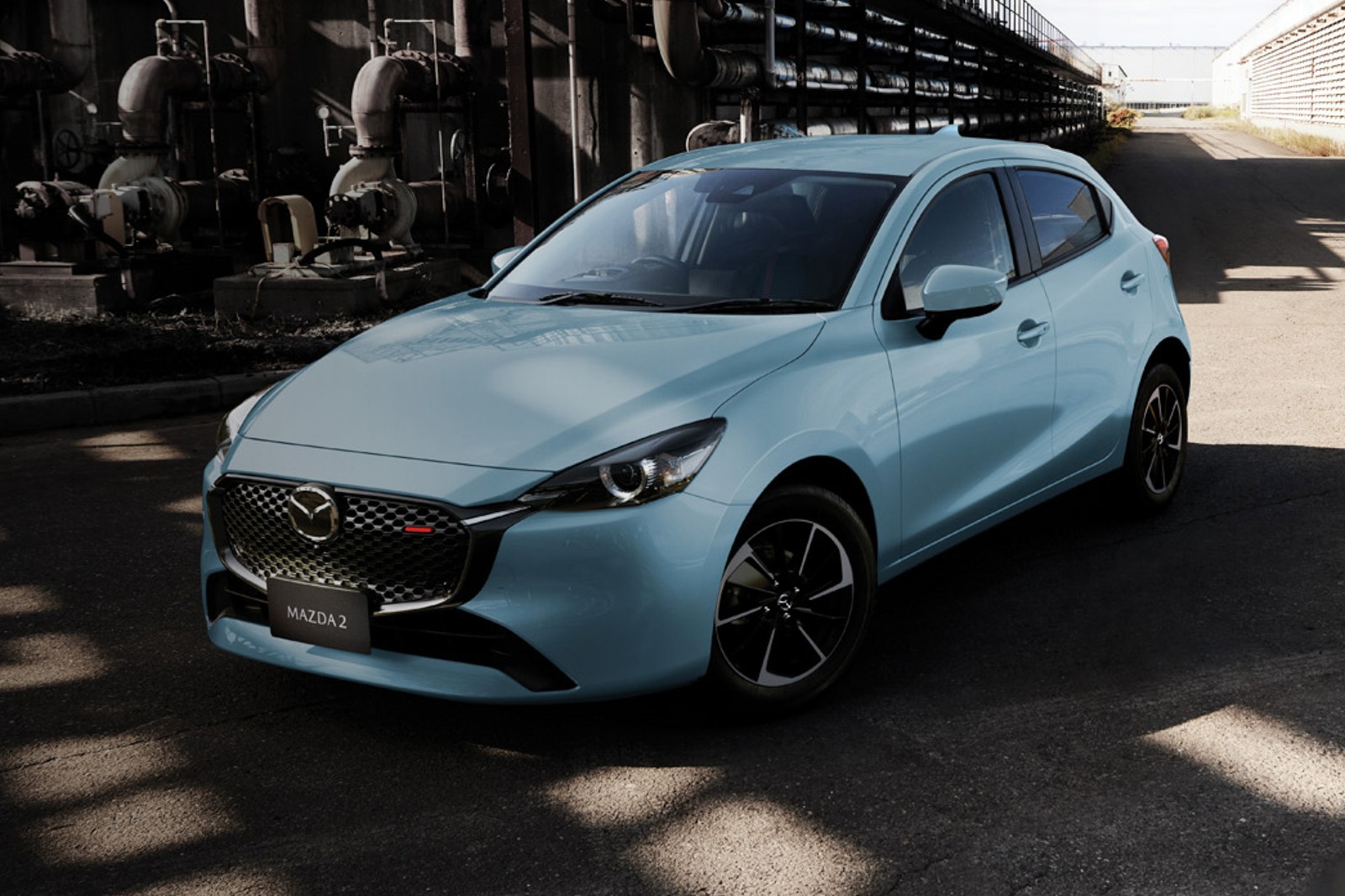
Cars With Similar Price And Features

2026 Hyundai Palisade public is a versatile mid-to-large family SUV that combines spaciousness, luxury features, and intelligent technology, meeting the needs of comfortable travel for 7-8 people.
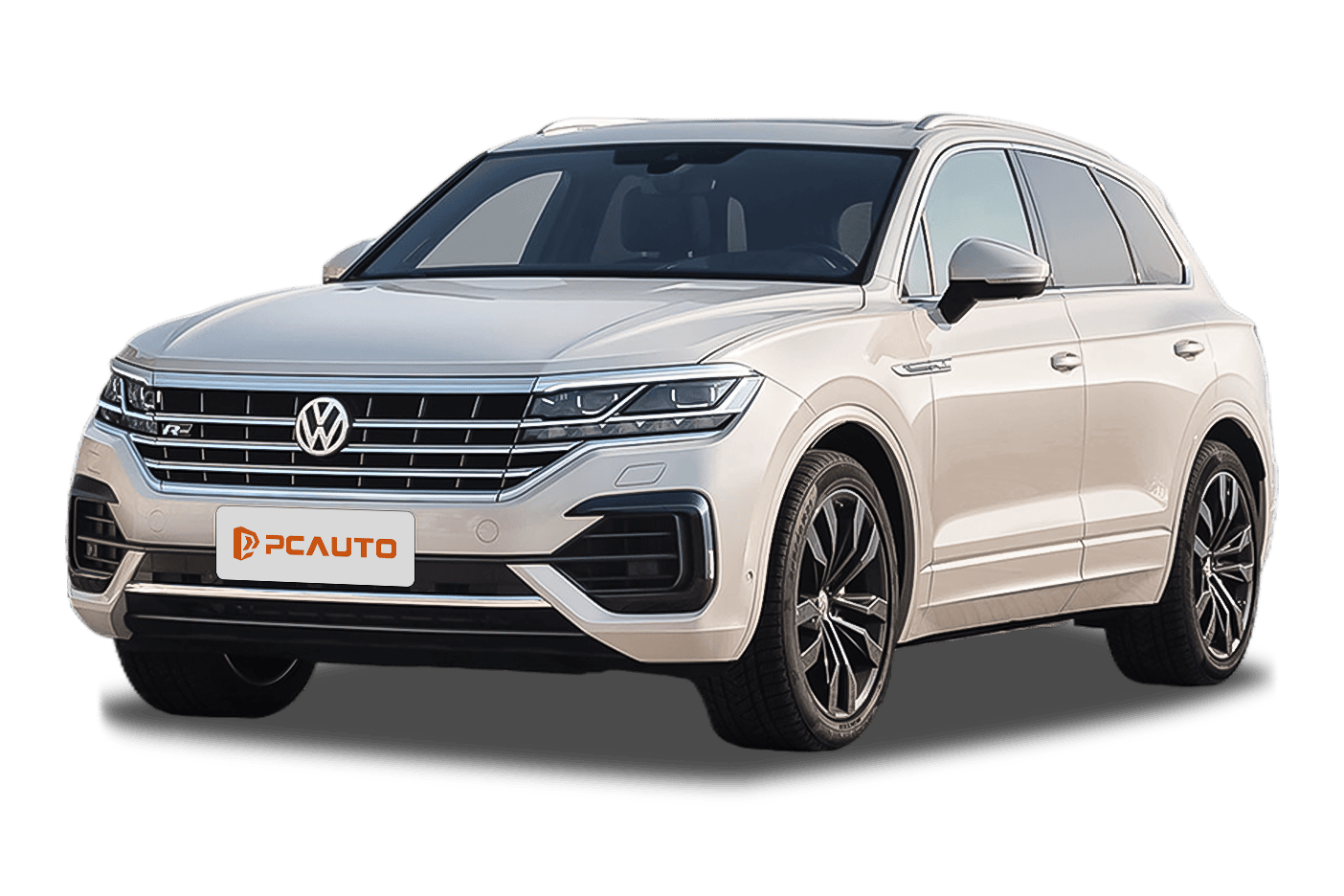
2024 Volkswagen Touareg R-Line, as Volkswagen's flagship E-class SUV, features a 3.0T V6 engine, full-time all-wheel drive, luxurious tech-filled interior, and flexible spaciousness, balancing sportiness and practicality.