

Mazda MX-5 1998 Review

 Share
Share
 Body Type
 Segment
 Capacity(L)
 Engine Power(PS)
 Engine Torque(Nm)
 Transmission
Malaysia's entry-level convertible sports car market has always been a niche but passionate segment. Young consumers and sports car enthusiasts often seek models that combine driving pleasure with classic design within a limited budget—the 1998 Mazda MX-5 (a follow-up to the NA/NB generations before the ND generation, commonly known domestically as the "Miata") is a representative of iconic convertible roadsters globally. The 1998 model still has a certain presence in the local used car market, with its core selling points being pure rear-wheel-drive handling, lightweight body, and retro design. This review will focus on its static details, dynamic driving experience, and daily practicality, offering a reference for players interested in purchasing a used MX-5.
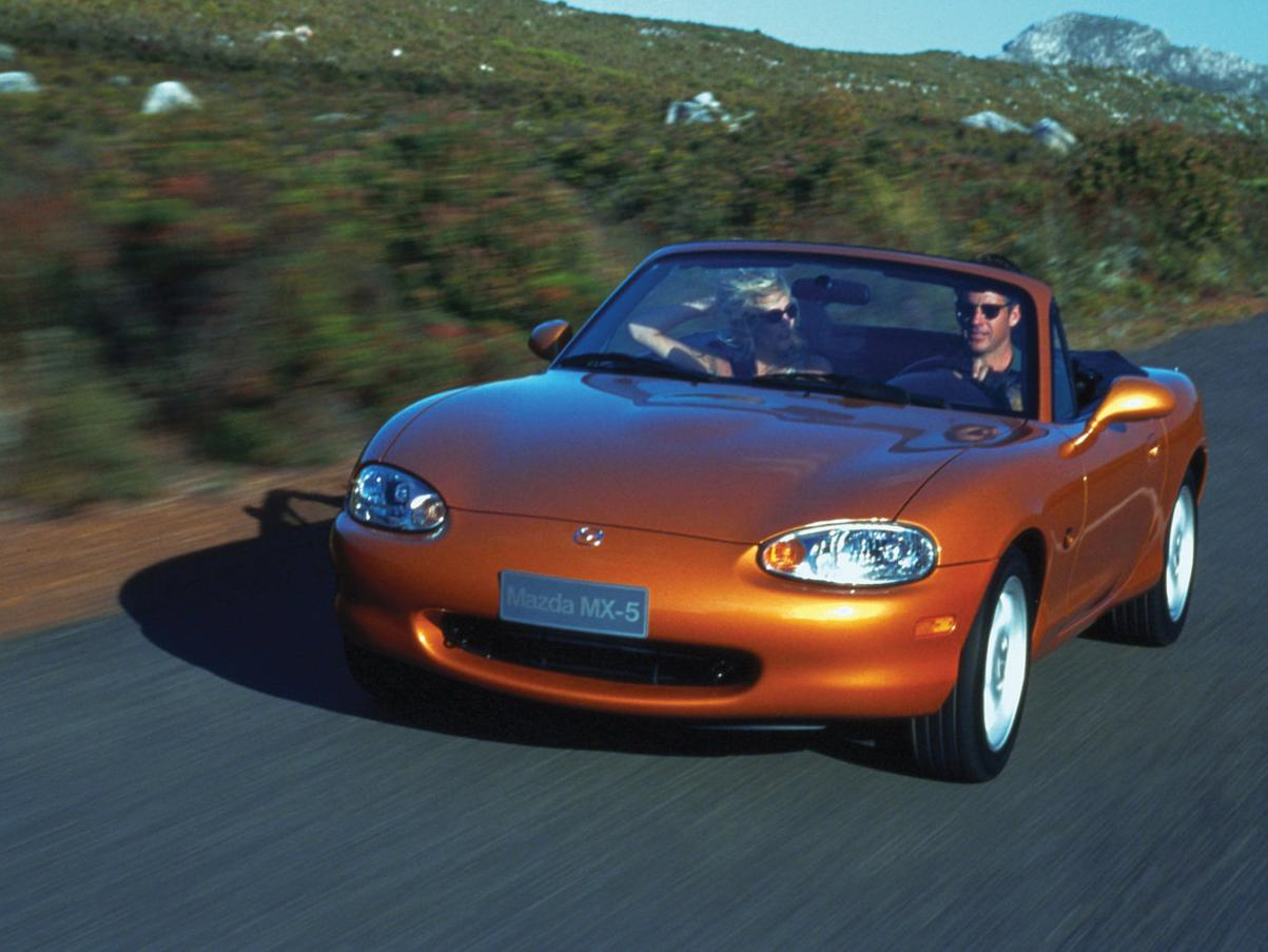
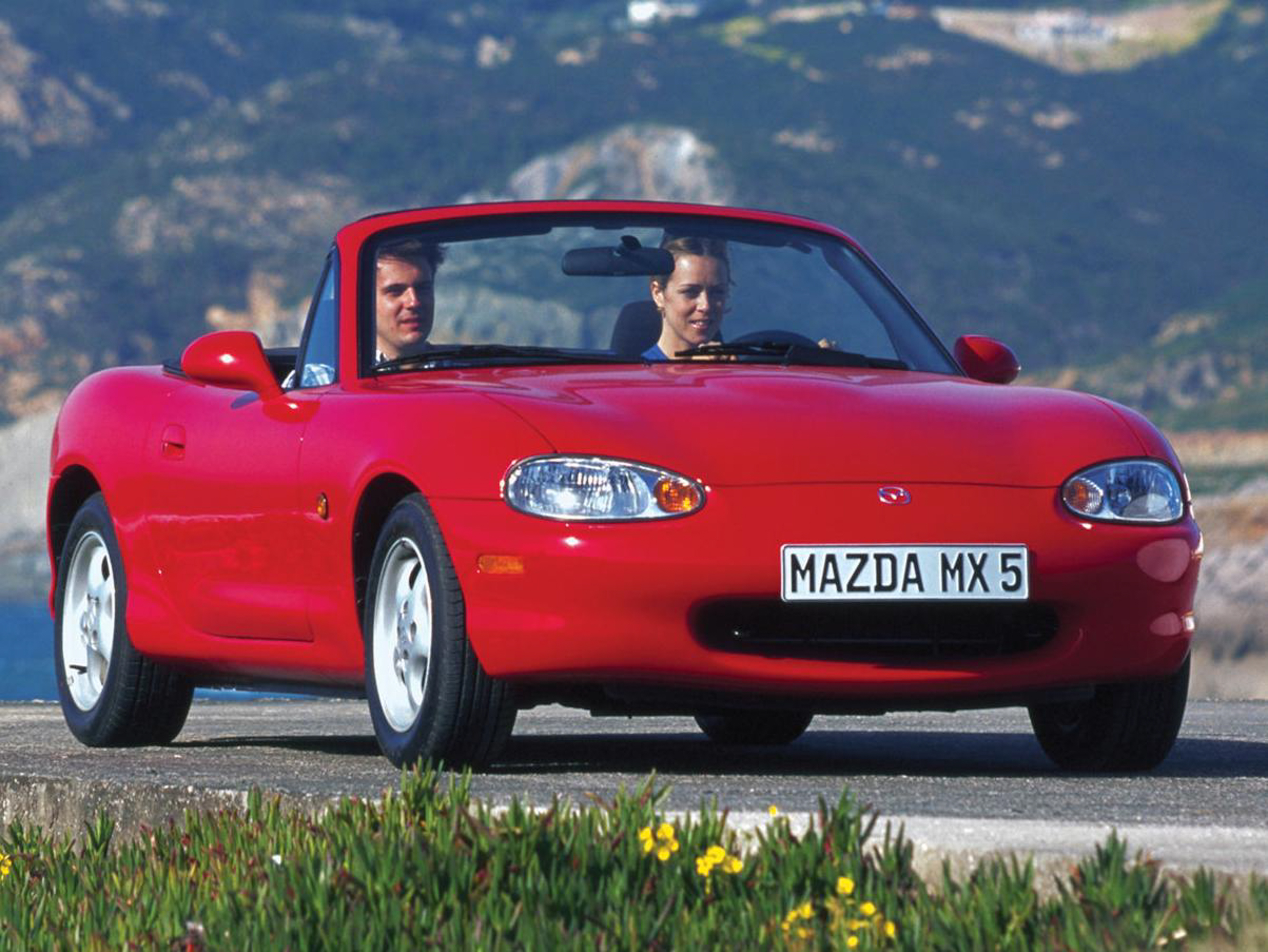
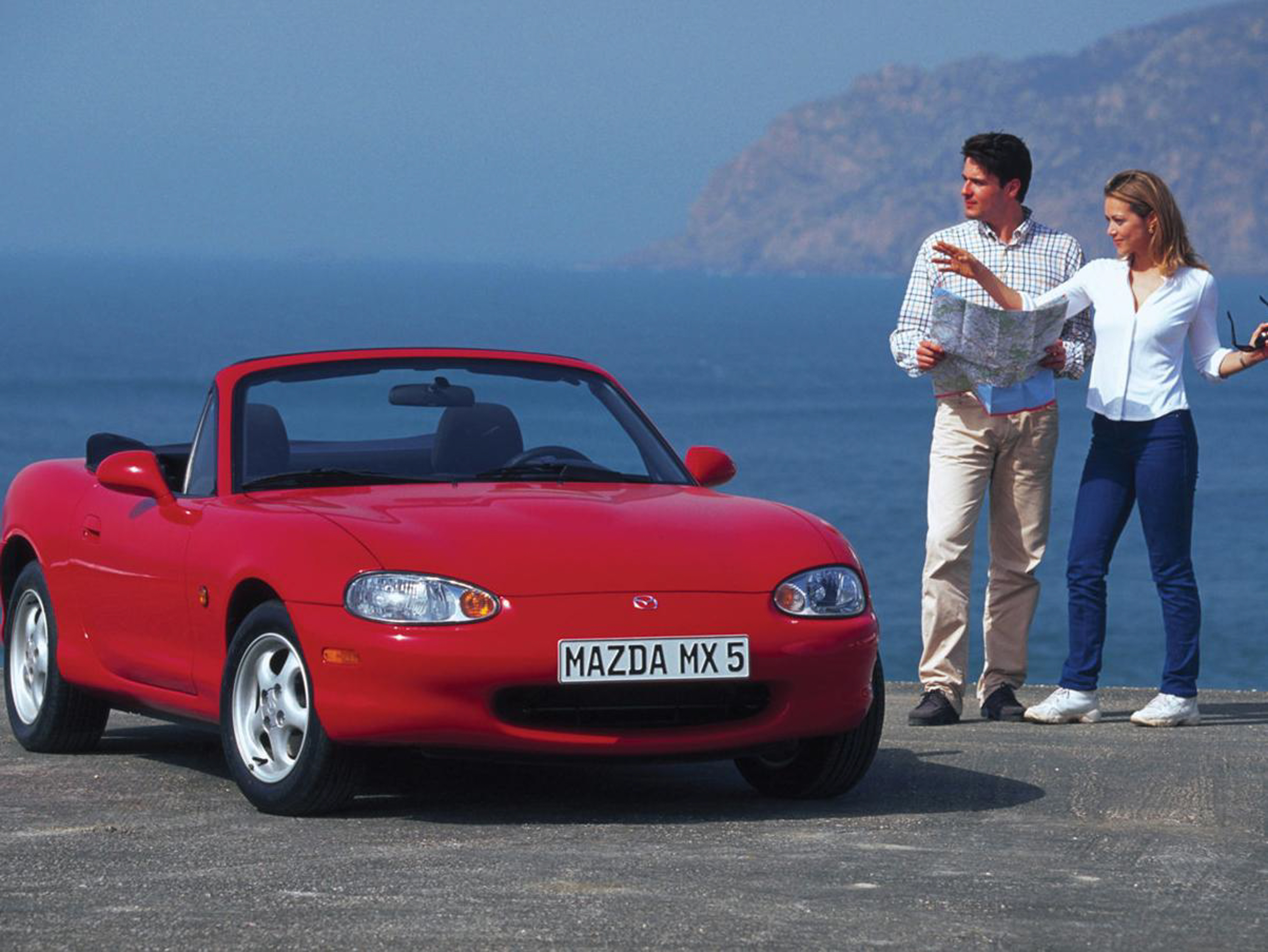
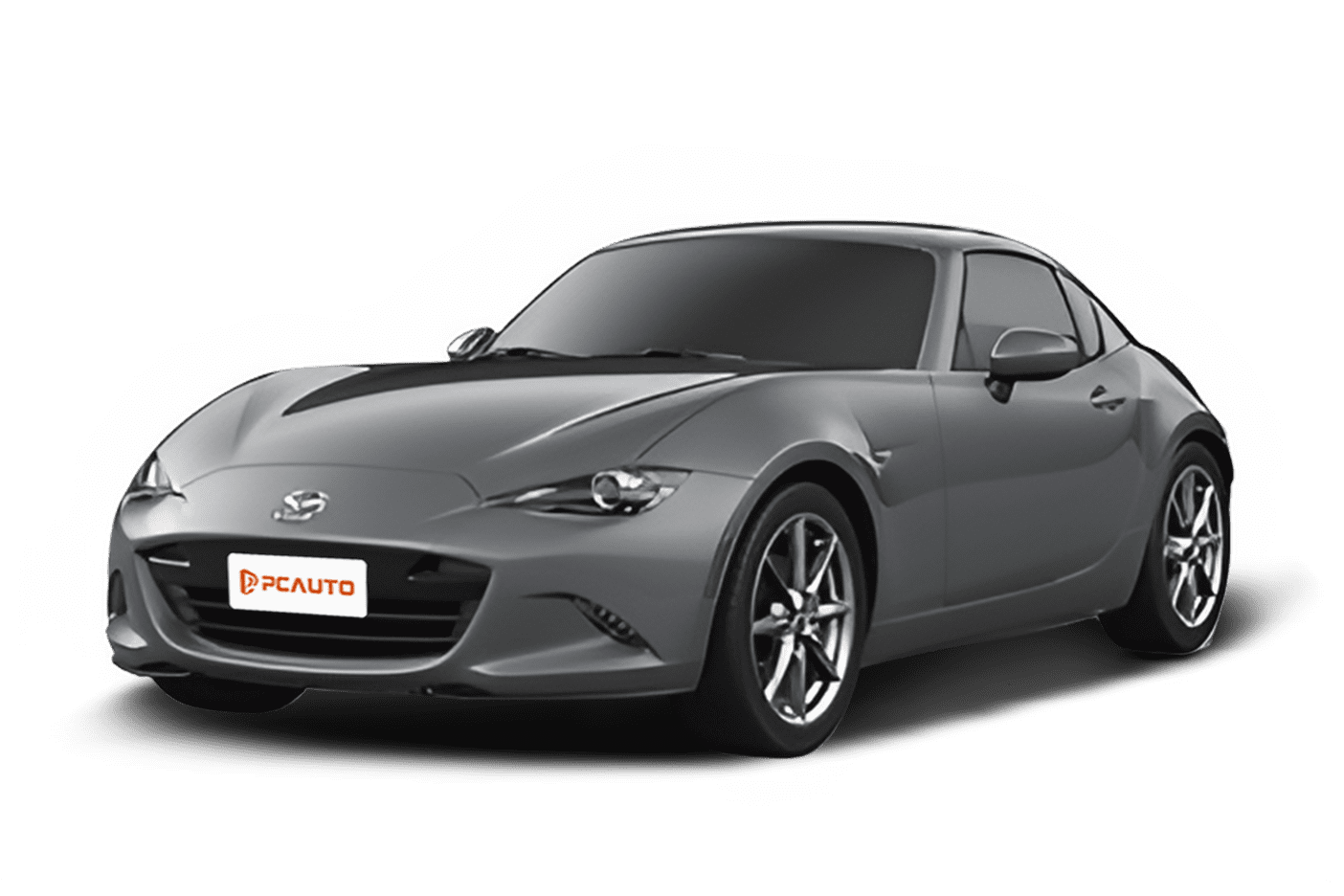
In terms of appearance, the 1998 MX-5 continues the classic soft-top convertible design of the NA generation. The overall lines are smooth and rounded, without complex angular designs. The front face adopts Mazda's signature slender headlamp design, paired with a simple single-slat grille. The sides of the hood have slightly raised character lines, enhancing the muscular feel. The car's side profile is compact, with short front and rear overhangs emphasizing the sporty nature of the rear-wheel-drive layout. The 14-inch multi-spoke alloy wheels (some models come with steel wheels) complement the compact body well, and the slightly flared wheel arches echo its sports car positioning. The rear design is simple, with circular taillights forming a visual echo with the front headlights, and the trunk lid has lines that taper downward, creating a compact and retro aesthetic. The soft-top convertible uses a manual opening and closing mechanism which is simple to operate, and it takes only about 10 seconds to fully open. The side silhouette in the convertible state is one of its most recognizable highlights.
The interior places functionality first, without excessive fancy features. The dashboard adopts a T-shaped layout, with hard plastic materials on top and complemented by some fabric wrapping below. Although the materials are basic, the construction is solid with evenly spaced gaps. The steering wheel is a three-spoke design, small and comfortable to grip, without multifunctional buttons, emphasizing a pure driving orientation. The instrument panel features mechanical gauges, including a tachometer, speedometer, fuel gauge, and water temperature gauge, all of which are clear and intuitive to read. The center console area comes with a single-disc CD player and basic air conditioning controls. The button layout is simple and logically arranged. The seats are cloth-upholstered sporty bucket seats with good lateral support. The cushioning in the backrest and seat is firm, which may cause slight fatigue during long drives, but the fit is suitable for spirited driving.
In terms of space performance, the vehicle’s dimensions are 3945mm×1670mm×1235mm, with a wheelbase of 2265mm, typical for a small roadster. Front passenger space is sufficient for drivers under 175cm in height. Headroom feels slightly cramped with the convertible top closed, but there’s no pressure once the top is opened. The rear space is essentially unsuitable for adults and can only accommodate small items or a child seat (requiring special modifications). Storage capacity is limited; the trunk volume is about 150L, capable of holding a 20-inch carry-on suitcase or a small number of personal belongings. The door storage pockets can only fit a bottle of water, requiring streamlined personal items for daily use.
Regarding the powertrain, the 1998 MX-5 is equipped with a 1.8L naturally aspirated four-cylinder engine, with a maximum power output of 92kW (125PS) and a peak torque of 155N·m. It is paired with a 5-speed manual transmission (some models come with a 4-speed automatic). During actual driving, the low-end torque performance is average, requiring a slightly deeper accelerator press at start-up. However, once the revs exceed 3000rpm, the power response becomes lively, and mid-to-high-speed acceleration offers a noticeable push-back sensation. The redline reaches up to 7000rpm, producing a rich, pleasing high-rev sound. The manual transmission features short shift throws with clear and precise gear engagement, giving it one of the core sources of driving pleasure. The automatic transmission version has relatively slower power response but is more convenient for daily commuting.
The essence of the MX-5 lies in its handling and chassis performance. The steering system uses hydraulic assistance, offering a heavy but precise feel, with direct road feedback. As the steering wheel is turned, the contact between the tires and the road can be clearly felt. The chassis adopts a front double wishbone independent suspension and a rear multi-link independent suspension. The tuning is on the stiff side, providing ample support. Body roll during cornering is minimal, and the grip limit is fairly high. When dealing with bumpy roads, the suspension has limited ability to filter vibrations, with small bumps being directly transmitted to the cabin. However, larger potholes are handled decisively, with minimal rebound. As a rear-wheel-drive model, it can exhibit slight oversteer when accelerating on wet surfaces, but the electronic stability system (available on some later models) intervenes in time to ensure safety.
In terms of fuel economy, the 1.8L manual transmission model has a combined fuel consumption of about 8.5L/100km, while the automatic transmission version is around 9.2L/100km, which is average for small sports cars. The braking system features front ventilated discs and rear solid discs, with a linear pedal feel and evenly distributed braking force. The braking distance from 100-0km/h is approximately 40 meters, which meets the standards for cars of its era.
Regarding driving comfort, the hardtop version (such as the hardtop version from the 1998 NB generation) provides decent sound insulation, with wind and road noise at highway speeds remaining within acceptable limits. However, the soft-top version, when closed, has noticeable wind noise at high speeds, especially above 120km/h, requiring an increase in audio volume to hear music clearly. The seats offer good support but are relatively firm, making long-distance driving comfort average. It lacks many comfort features, providing only basic air conditioning and audio systems, making it suitable for users seeking driving pleasure rather than luxury experiences.
In summary, the core strengths of the 1998 Mazda MX-5 lie in its pure rear-wheel-drive handling, the agility provided by its lightweight body, and its classic retro design. Compared to similar second-hand sports cars (such as the Toyota MR2 or Honda S2000), its advantages include reliable mechanical quality, lower maintenance costs, and a more affordable entry price. It suits those with a limited budget who are pursuing driving pleasure, young enthusiasts, or collectors who appreciate retro sports cars. While its practicality for daily commuting is limited, it is an excellent choice as a weekend toy or for short-distance driving as a "big toy." Overall, the 1998 Mazda MX-5 is a car "born to drive," with no unnecessary features—all designs revolve around driving, making it a rare and pure choice in the used sports car market.
Mazda MX-5 Car Compare
More Mazda Reviews
Cars With Similar Price And Features
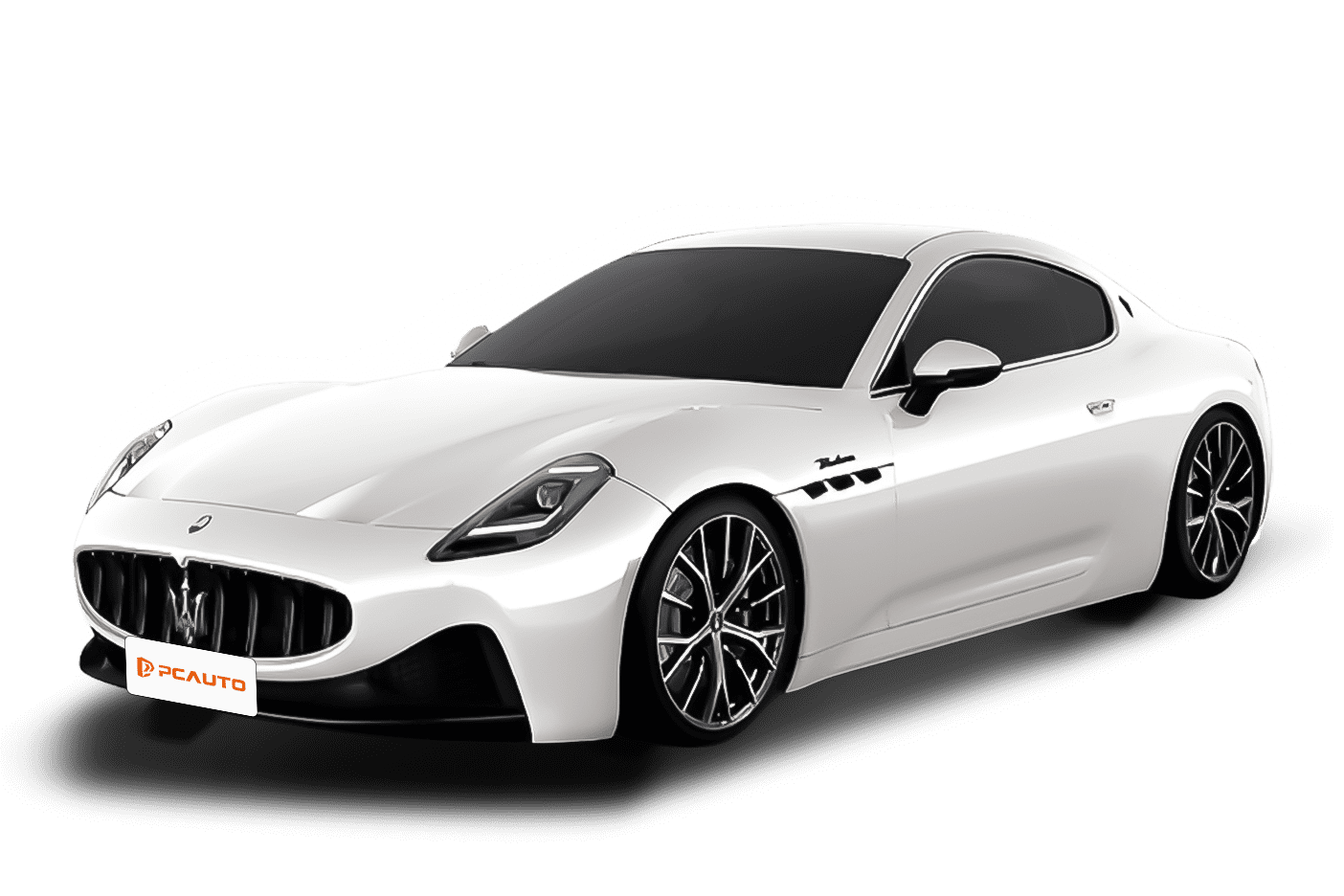
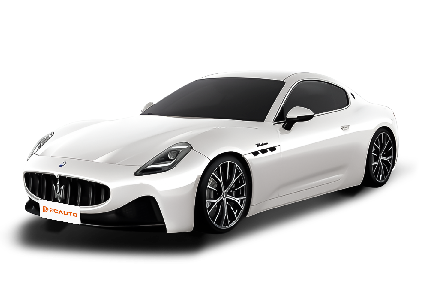
2024 Maserati GranTurismo Modena is a luxurious GT that combines 490PS performance, all-wheel drive, and practical space, defining a new experience for luxury two-door cars with a balanced performance suitable for daily driving.

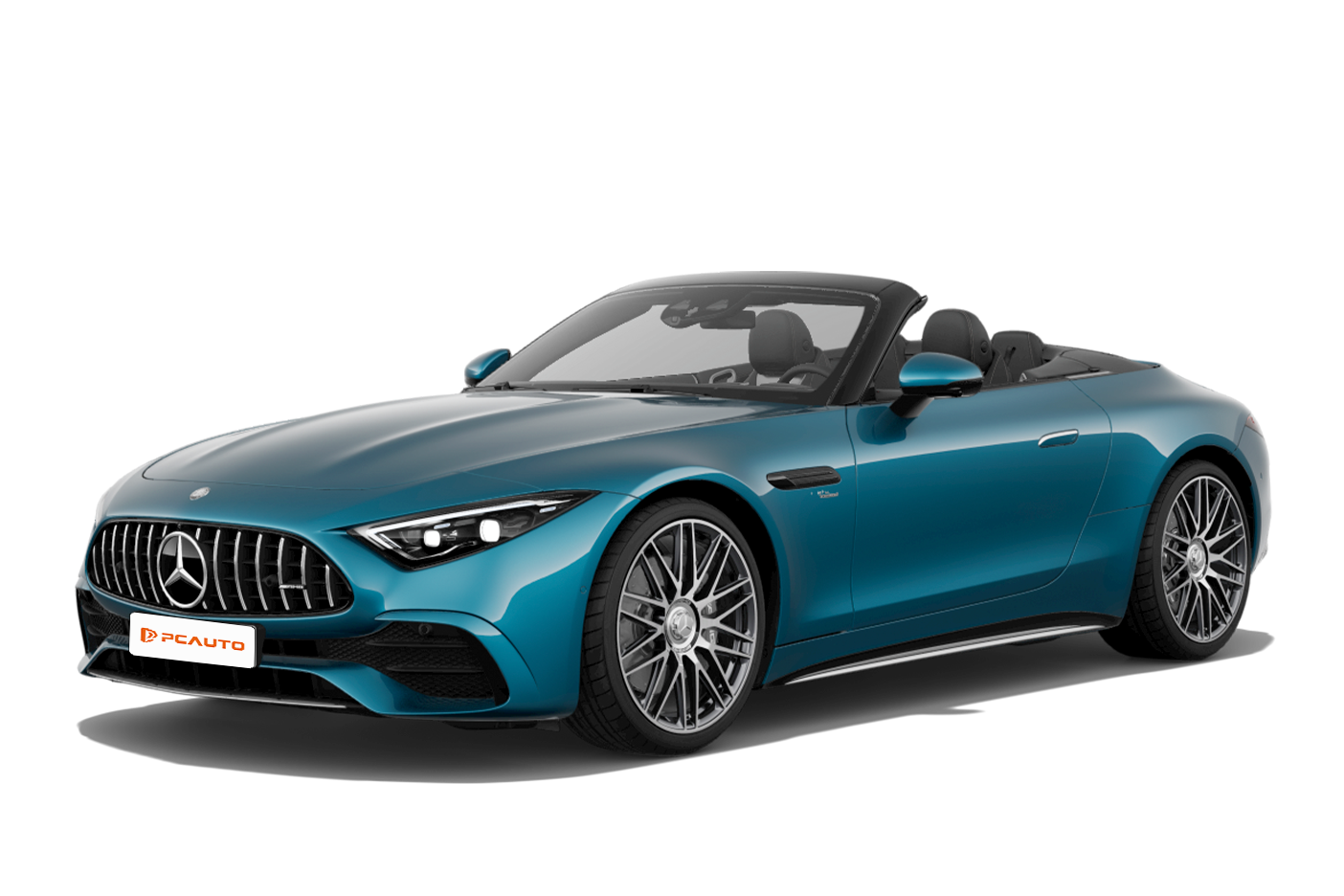
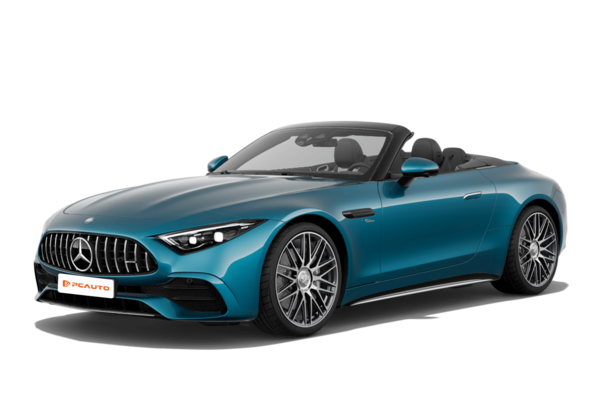
2025 Mercedes-Benz AMG SL-Class 63S E Performance achieves a super strong output of 816PS with a 4.0T V8 + plug-in hybrid system, balancing 2.9-second 0-100 km/h performance and short-distance pure electric commuting, setting a benchmark for luxury hybrid GT sports cars.

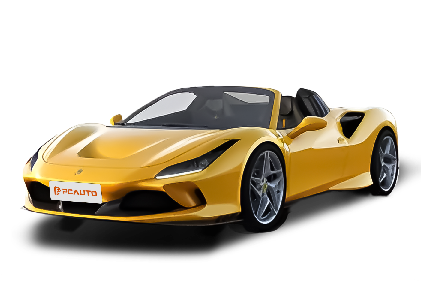
2020 Ferrari F8 Spider is a track-level supercar with 720 horsepower strong power and a hardtop convertible, balancing everyday practicality with track passion, featuring an eye-catching aerodynamic design.

2019 Ferrari Monza SP2 V12 is an Icona series limited-edition convertible supercar, featuring a roofless Barchetta design + 810-horsepower V12 engine, embodying pure racing genes and retro aesthetics.