

Subaru WRX Review

 Share
Share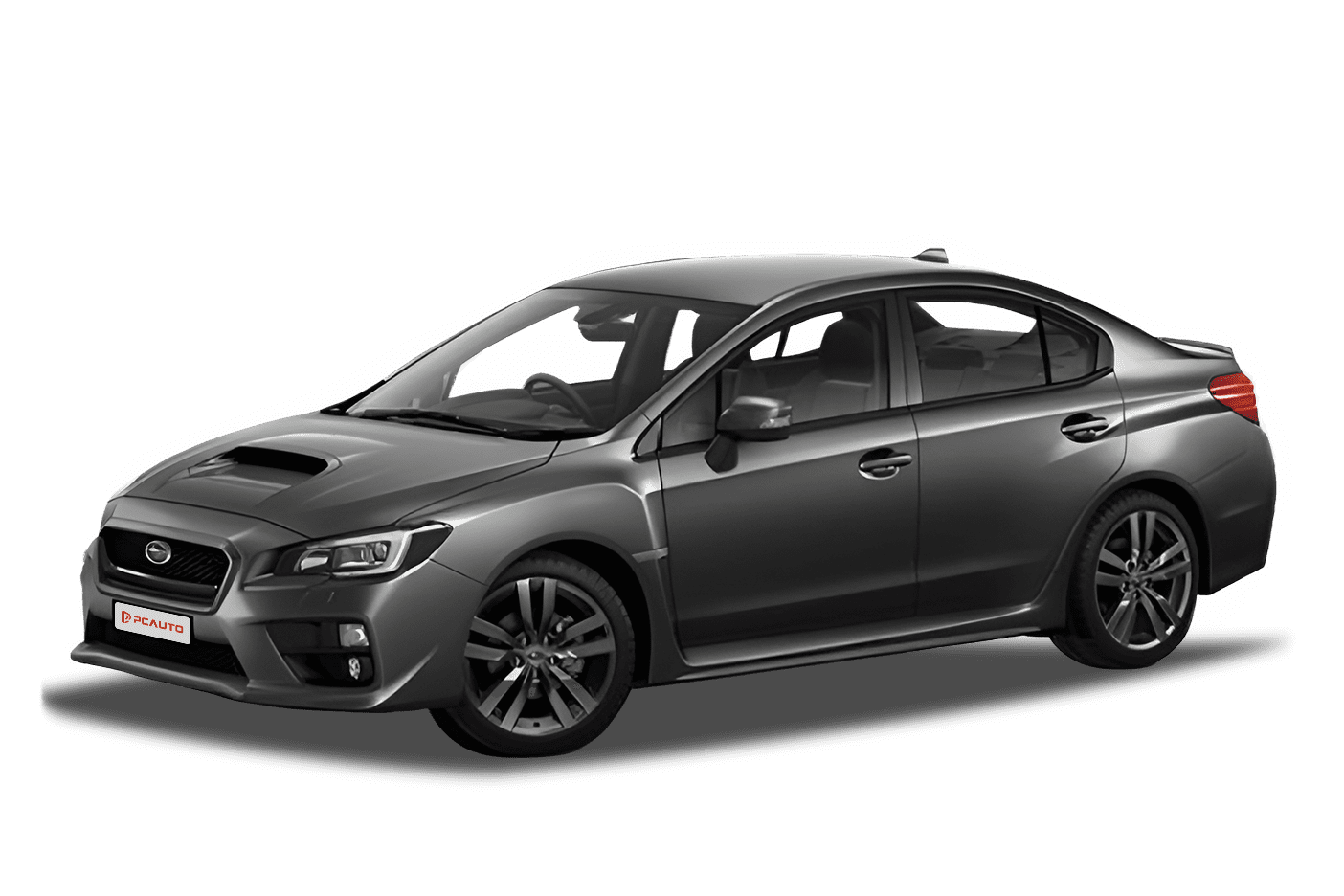
 Segment
 Body Type
 Capacity(L)
 Engine Power(PS)
 Transmission
 Driven Wheels
In Malaysia's C-segment performance car market, consumers often struggle between "everyday practicality" and "driving passion" — either overly tame family sedans or hardcore performance cars like the WRX STI with a high entry threshold. The 2017 Subaru WRX 2.0 CVT seems to fill this gap perfectly, offering a relatively affordable price tag (RM 257,249), retaining Subaru's signature AWD system, while integrating a more beginner-friendly CVT transmission. The main purpose of this test drive is to verify whether it can strike a balance between "daily commuting" and "occasional fun driving."
From the exterior, the 2017 WRX 2.0 CVT continues the athletic design typical of performance cars. The front face features a large honeycomb grille, paired with sharp LED headlights on both sides, boasting high recognition; the raised lines on the hood clearly hint at the power of the turbocharged engine underneath. The body side lines are smooth, with 17-inch alloy wheels paired with 235/45 R17 tires, ensuring grip while avoiding the road-specific requirements associated with the STI's 18-inch wheels. At the rear, a small spoiler and dual exhausts on both sides further emphasize its sporty sense, while the LED taillights provide clear recognition when lit at night. The overall design is not overly flashy, but it clearly reflects the car's performance orientation at a glance.
Sitting inside, the interior leans toward practicality, without overly flashy designs. The dashboard is made of soft-touch materials, with a decent texture, complemented by silver trim accents that prevent monotony. The 10-way power-adjustable driver's seat comes with a memory function, making it easy to find a comfortable driving position quickly; the front passenger seat is manually adjustable in four directions, which is sufficient for daily use. The size of the central control screen is moderate, and its operation logic is straightforward. Although it lacks the smart features of newer cars, it covers practical basics like Bluetooth connectivity and a reverse camera. The multifunction steering wheel comes standard with paddle shifters, and behind it, you can spot the traditional mechanical handbrake, retaining a touch of driving fun. Regarding space, the 2650mm wheelbase is mainstream within the C-segment, providing ample headroom and legroom in the front row, and easily accommodating two adults in the back without feeling cramped. The center floor has a slight hump, but it does not cause significant inconvenience. The trunk has a capacity of 460L, which is sufficient for family shopping or packing for a short trip. The rear seats also support a 60:40 split-fold feature to expand cargo space.
When the car is started, the low growl of the 2.0T turbocharged engine feels refined. It is not overly noisy but effectively conveys a sense of power. Official data shows that the engine delivers a maximum horsepower of 268PS, with maximum torque sustained between 2400-5200rpm. In real-world driving, power response in the low RPM range is very keen; a light touch on the accelerator during take-off delivers a noticeable push-back sensation. When switched to sport mode, throttle sensitivity is further enhanced. Pressing the accelerator deeply, the CVT transmission mimics shift logic well—allowing quick adjustments through the paddle shifters—and provides ample confidence for overtaking. Even though it's a CVT transmission, there’s no obvious slippage during aggressive driving. With the AWD system, the car maintains excellent stability when cornering even at slightly higher speeds, with minimal body roll.
In terms of chassis, the front MacPherson and rear double-wishbone independent suspension is tuned for a sporty feel, but it's not overly stiff. While driving on urban asphalt roads, it effectively filters out minor bumps without making passengers feel uncomfortable. When encountering speed bumps or uneven roads, the suspension quickly absorbs vibrations, and the vehicle's body posture is well maintained. The steering wheel is precise with minimal play, and its medium-weight feel makes it easy to control during everyday driving while also providing the driver with clear road feedback on curves. Regarding noise control, wind and tire noise at high speeds are within an acceptable range. Engine noise becomes more pronounced after 3000rpm but does not impact in-cabin conversations. Fuel consumption performance is average; the official combined fuel consumption is 8.5L/100km. From our test drive, urban driving conditions yielded around 9-10L/100km, while highway conditions reduced it to around 7.5L/100km. For a 2.0T AWD vehicle, this level of fuel consumption is reasonable.
Compared to competitors in the same class, the core advantages of the 2017 WRX 2.0 CVT are evident: Firstly, Subaru's signature AWD system offers stability on slippery roads or mountain drives, which two-wheel-drive competitors cannot match. Secondly, its relatively affordable price is nearly 60,000 MYR cheaper than the STI, while retaining most of the performance experience. Additionally, it has decent daily practicality, with space and configurations that meet family needs, unlike purely performance-focused cars that sacrifice practicality. However, it does have some shortcomings, such as its interior lacking the technological feel of some newer brands, and the CVT transmission's driving fun falling short of the STI's 6MT manual transmission.
Overall, the 2017 Subaru WRX 2.0 CVT is an "all-rounder" performance car. It is suitable for those who want the driving excitement of a performance car while also needing daily family transportation—such as young families around 30 years old or driving enthusiasts who enjoy occasional mountain drives but do not want to compromise on practicality. If you are pursuing extreme track performance, the STI would be a better choice, but if you're looking to balance performance and daily usability, the WRX 2.0 CVT is undoubtedly a more pragmatic option. This car proves with its performance that a sports car can also understand daily life.
Subaru WRX Car Compare
Subaru WRX Loan Calculator
More Subaru Reviews
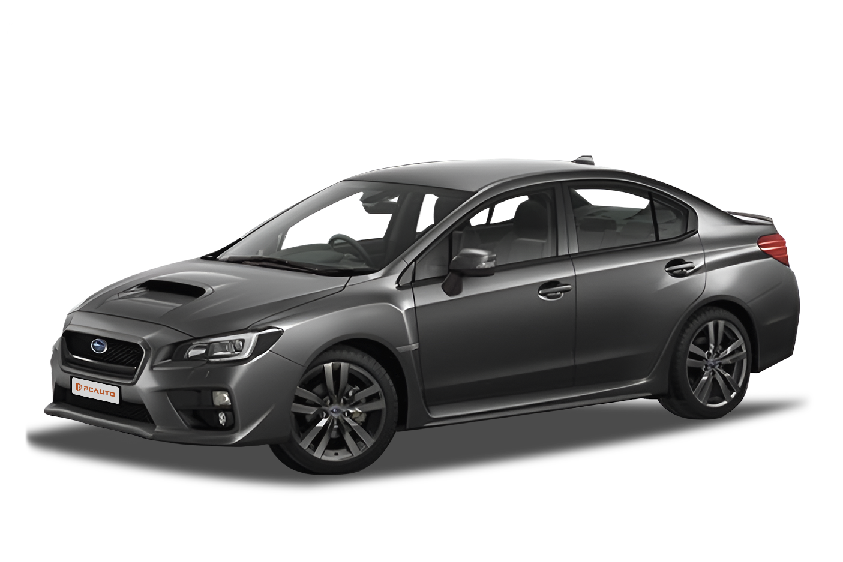
Cars With Similar Price And Features
3
Rank in Sedan
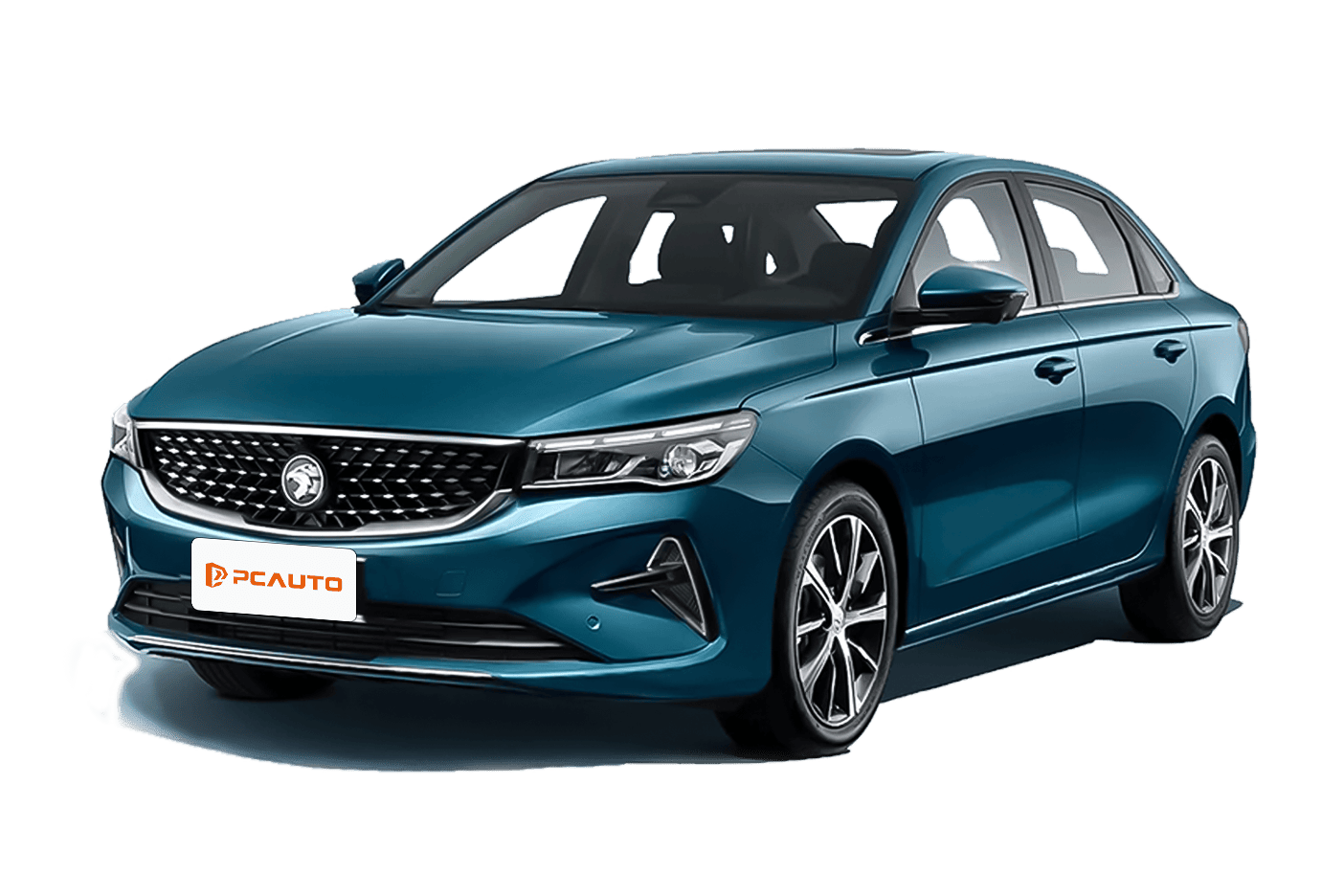
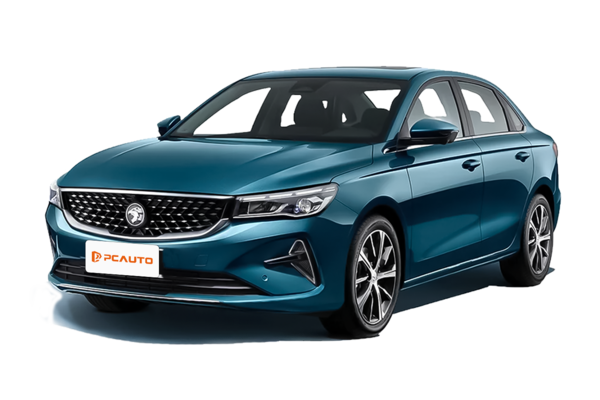
2024 Proton S70 1.5T Executive is an affordable entry-level family C-segment sedan with practical space and lively performance, balancing elegant design with basic safety features.
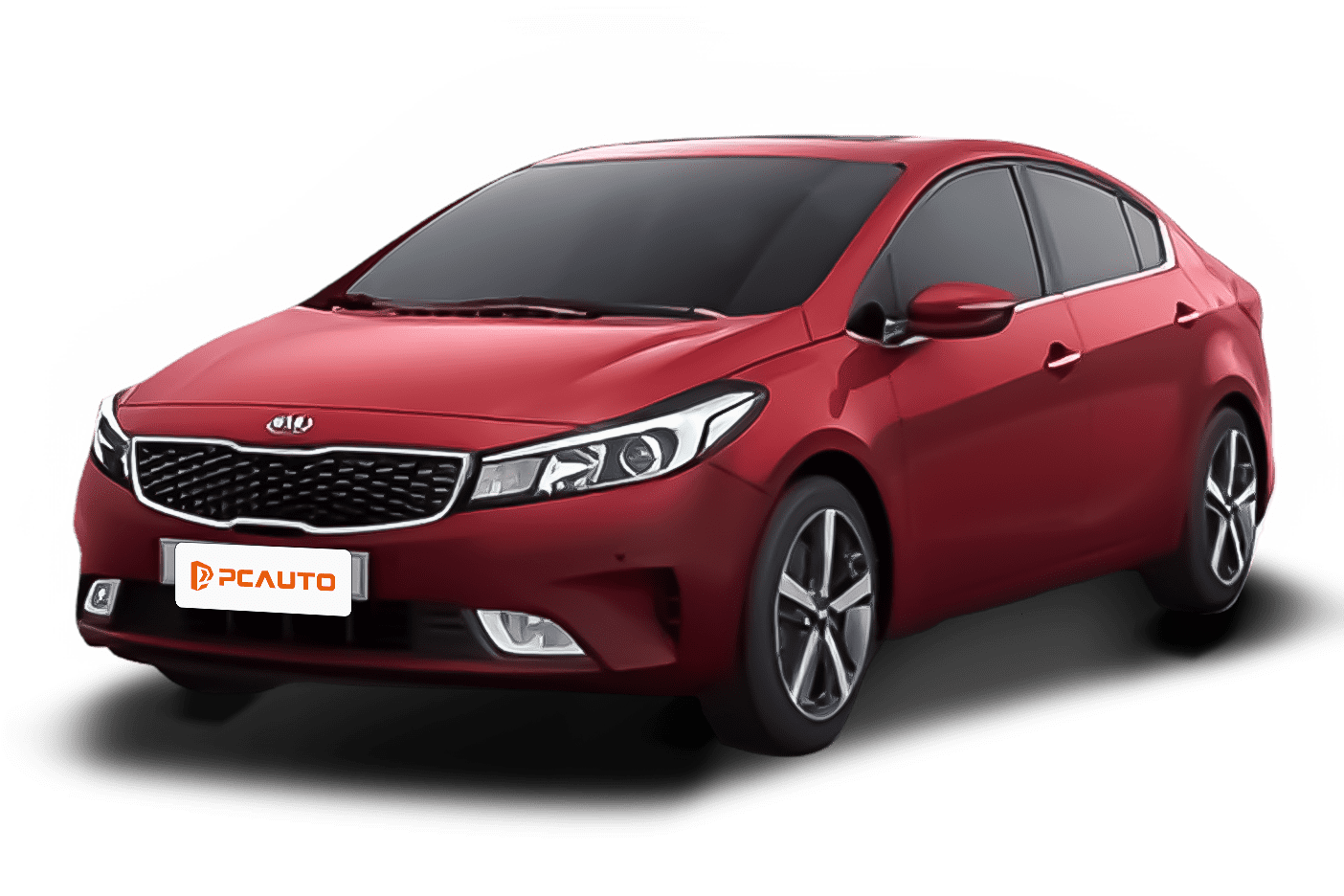
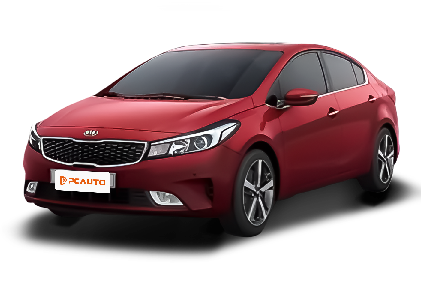
2020 Kia Cerato 1.6 SX is a high-value family sedan that retains core features at a lower price, offering practical space, reliable safety, and balancing the needs of commuting and family travel.
7
Rank in Sedan
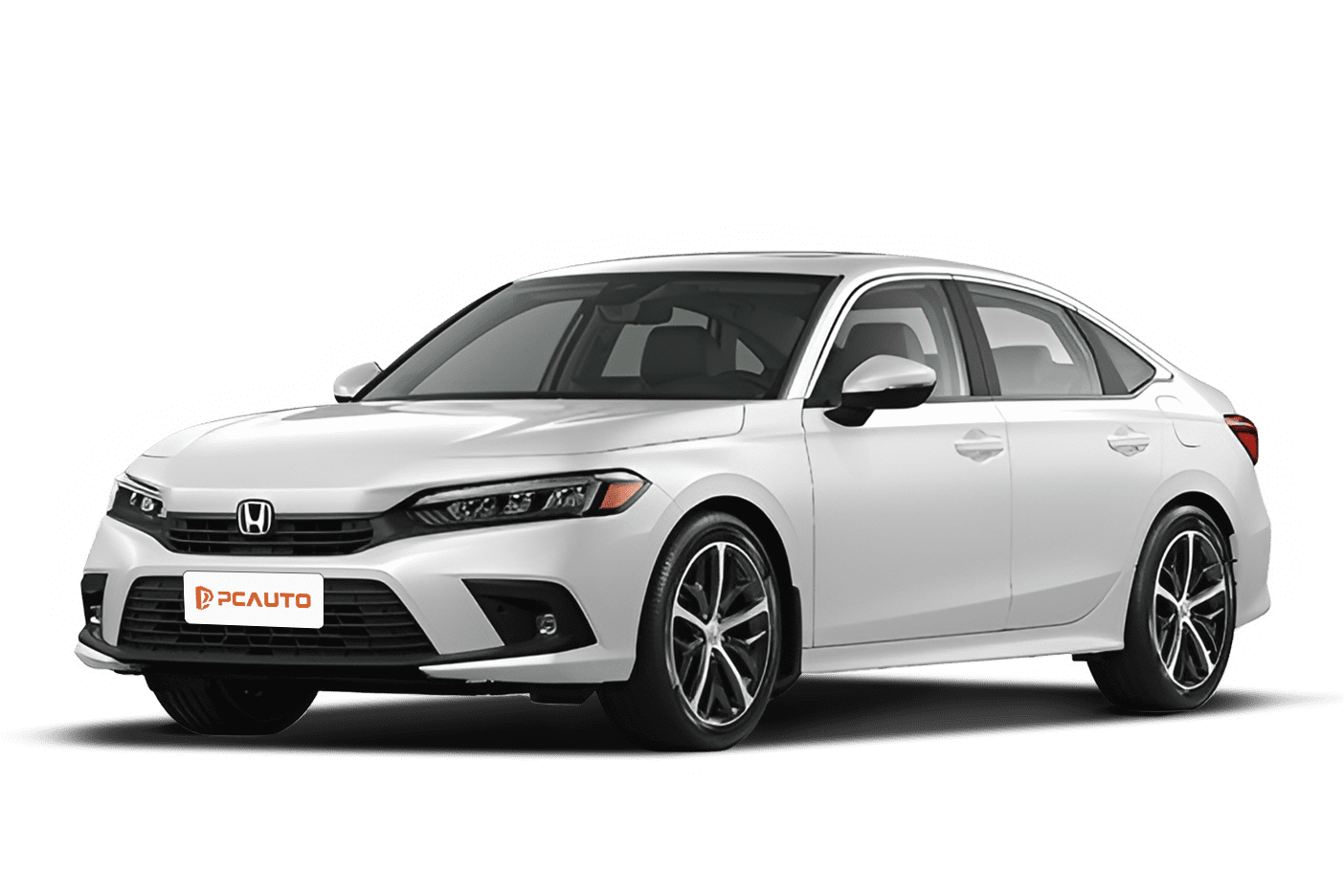
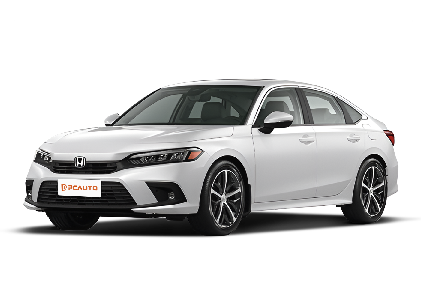
2025 Honda Civic 1.5L E is an entry-level family sedan that combines 1.5T power, a full set of active safety features, and practical space, suitable for city commuting and family outings.
25
Rank in Sedan
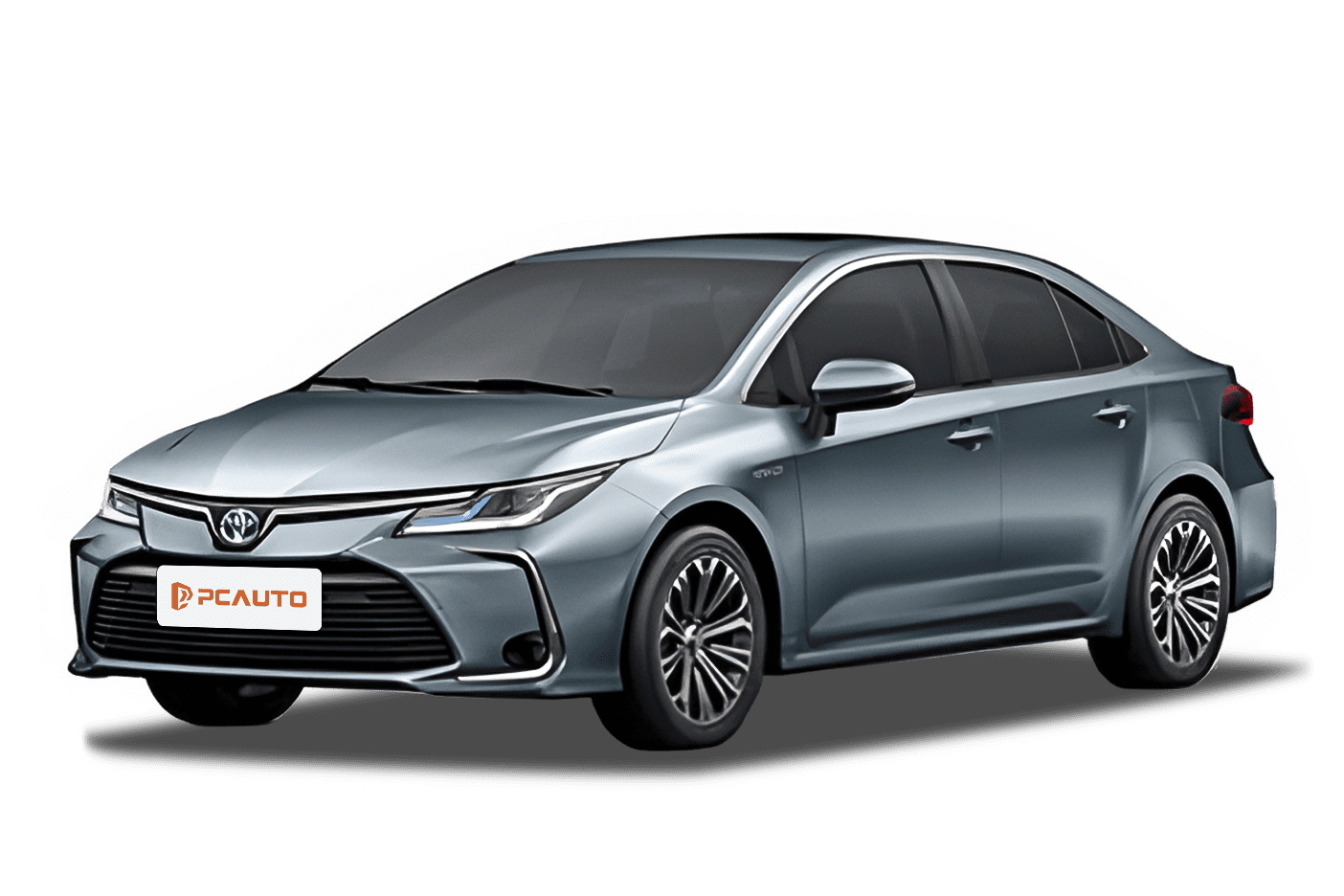
2025 Toyota Corolla GR Sport features a sporty design, upgraded intelligent configurations, and high cost performance, balancing practicality for family use and driving pleasure, making it an ideal choice for young families.