

Toyota Corolla 2020 Review

 Share
Share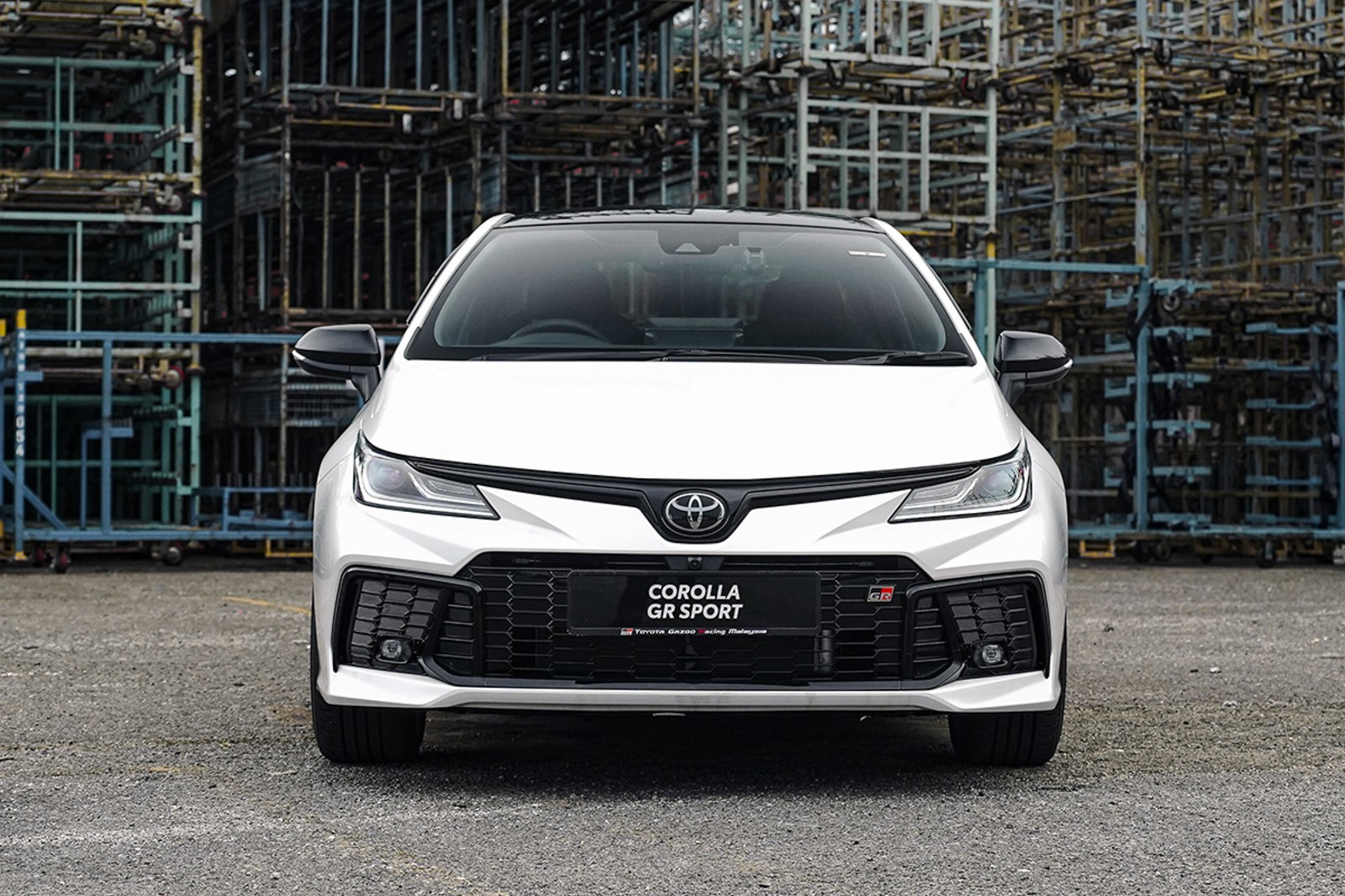
 Segment
 Body Type
 Capacity(L)
 Engine Power(PS)
 Transmission
 Driven Wheels
In recent years, the competition in Malaysia's C-segment sedan market has become increasingly fierce. Family users not only value the economic efficiency of daily commuting but also have higher demands for safety features and practical space. As a popular choice in this segment, the 2020 Toyota Corolla Altis 1.8G highlights its comprehensive active safety system, premium seating configuration, and Toyota's consistent reliability as its core selling points. Can it meet the overall needs of most users? This review will focus on static experience, dynamic driving, and daily practicality to provide a reference for potential buyers.
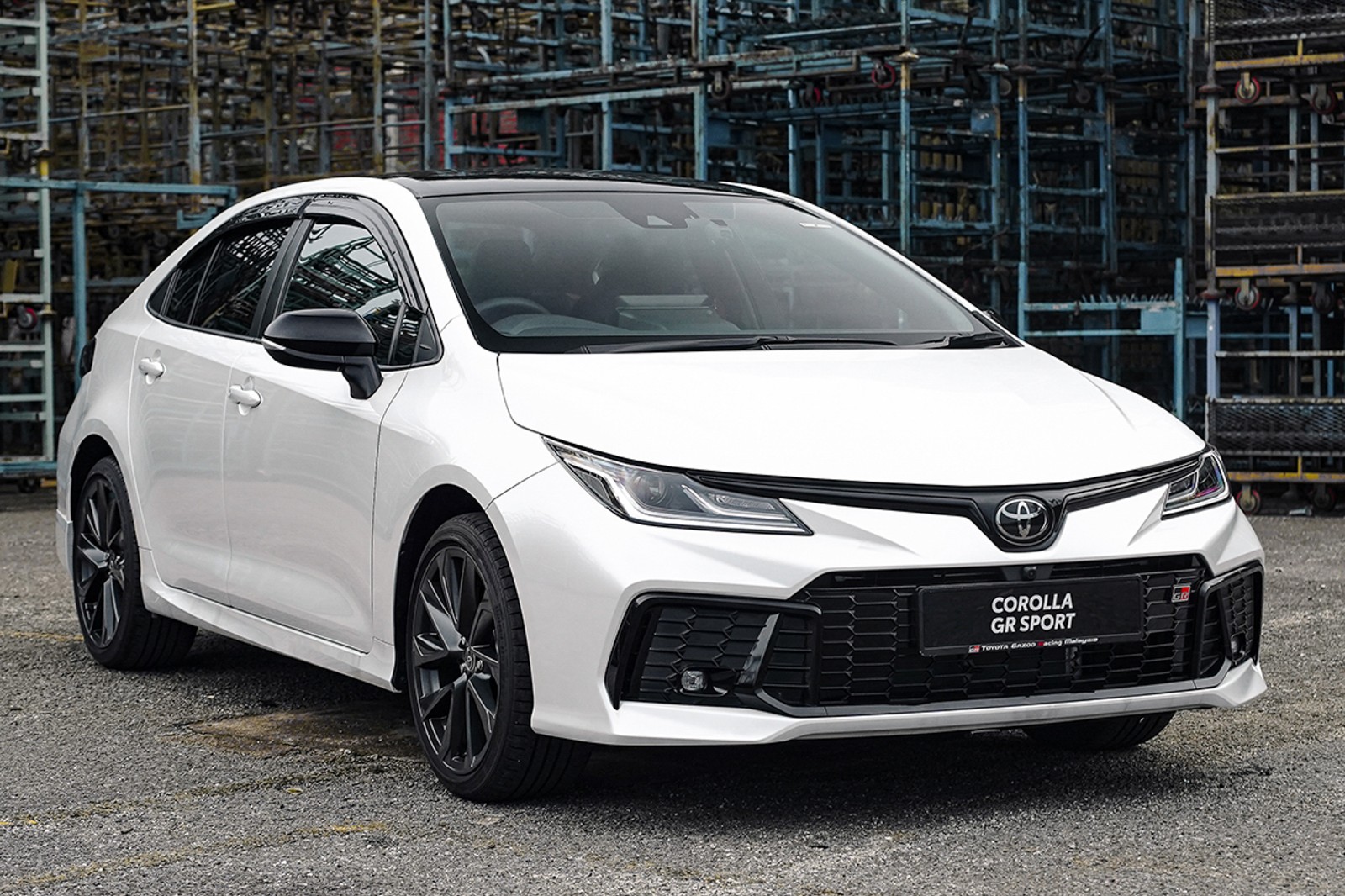
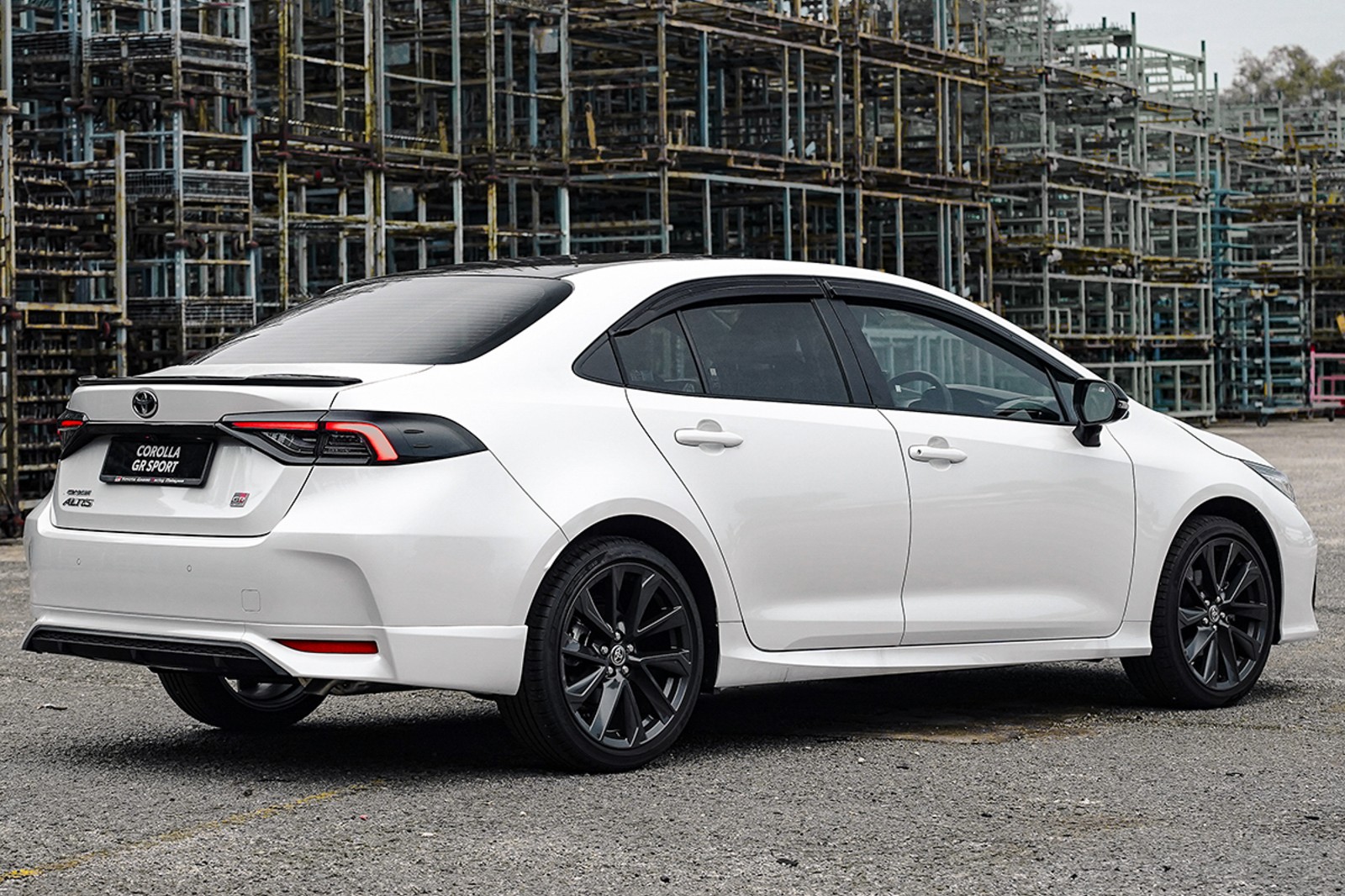
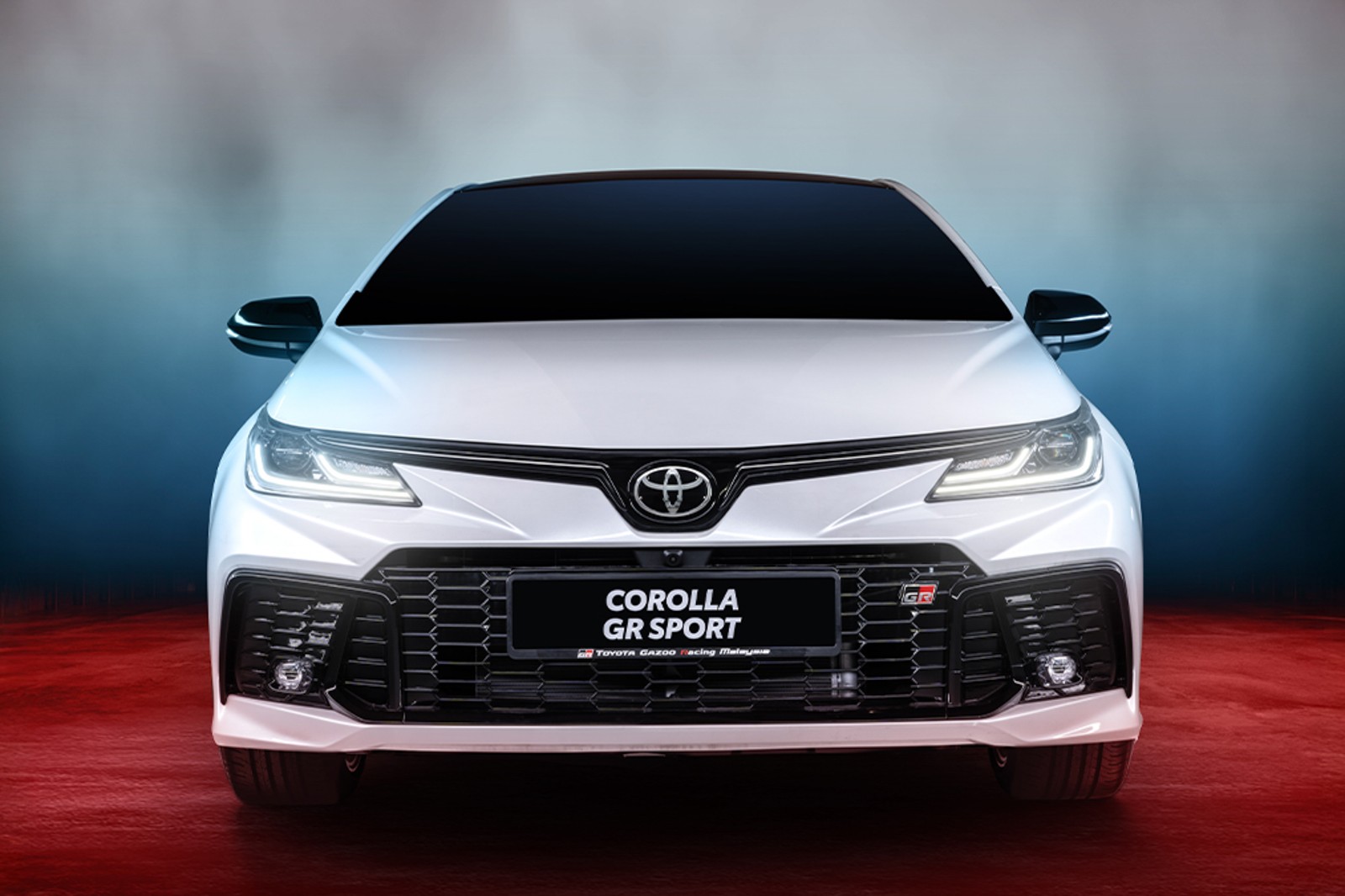
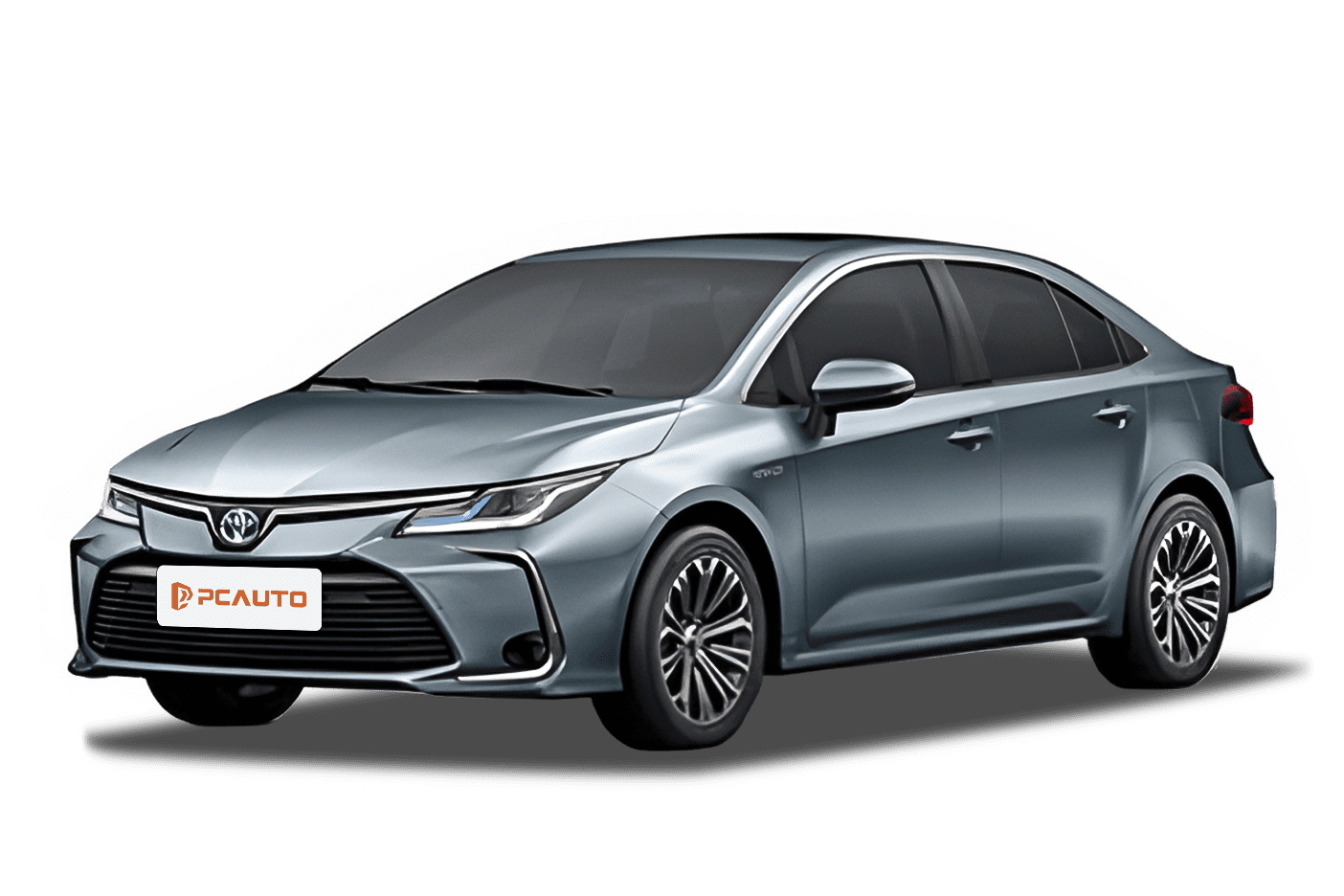
In terms of exterior, the 2020 Corolla Altis 1.8G continues Toyota's latest family design language, with an overall style leaning toward youth and sportiness. The front features a large trapezoidal grille paired with a honeycomb mesh, with LED headlight groups on both sides connected to the grille, which widens the visual effect. The two lines on the hood extend from the A-pillar to the grille, enhancing its sense of power. The body side features smooth lines, with a waistline running from the front fender to the taillights, making the side appear less monotonous. The 17-inch multi-spoke alloy wheels are more refined than the 16-inch ones on the 1.8E model. At the rear, the LED taillights feature a horizontal design, offering high recognition when illuminated. The rear bumper has a diffuser design and a hidden exhaust layout, maintaining a clean overall appearance. As for the lighting system, all trims come standard with LED headlights, daytime running lights, and an automatic headlight function, providing good convenience for daily use.
Moving to the interior, the cabin adopts a symmetric layout with a predominantly black color scheme, complemented by silver trim accents. The overall texture is above average in this class. The top of the dashboard is covered with soft-touch materials, offering a decent tactile feel. A 9-inch touchscreen is located in the center of the dashboard, with screen resolution and responsiveness meeting expectations. It supports Bluetooth, USB connectivity, and Sound Plus functionality, with simple and user-friendly controls. The instrument panel features a 7-inch TFT-LCD multifunction display, which can show fuel consumption, driving assistance system statuses, and other information clearly. In terms of configurations, the 1.8G model is equipped with additional features over the 1.8E model, such as paddle shifters, dual-zone automatic air conditioning, a 360-degree panoramic camera, and rain-sensing wipers. The dual-zone air conditioning meets the temperature needs of both the driver and the front passenger, while the 360-degree panoramic camera is highly practical for parking in narrow areas. For the seats, the driver's seat is equipped with 8-way power adjustment and lumbar support functions, providing good back support during long-distance drives. The front passenger seat is manually adjustable, and the rear seats support a 60:40 split folding configuration, along with a central armrest, making it flexible for daily passenger and cargo needs.
In terms of space, the dimensions of the car are 4630mm in length, 1780mm in width, and 1435mm in height, with a wheelbase of 2700mm, which is within the mainstream for the C-segment. The front-row seating space is ample, and a passenger with a height of 175cm will have about a fist of headroom after adjusting the seat. The rear legroom is about two fists, and the headroom is roughly one fist, which is sufficient for family daily use. Regarding storage space, the central front armrest box offers moderate capacity, enough to accommodate items like a phone or wallet. The door panel storage compartments can hold two bottles of mineral water. Although the specific volume of the trunk is not stated, it can easily fit three 20-inch suitcases and can expand further by folding down the rear seats. Additionally, the cabin is equipped with a 220V/230V power outlet, rear air-conditioning vents, and USB ports, indicating thoughtful attention to detail.
Dynamic driving section, the 1.8G is equipped with a 1.8L naturally aspirated engine, delivering a maximum horsepower of 139PS and a peak torque of 173N·m (Note: The original text did not specify the torque value, supplemented here based on the regular parameters of the Corolla Altis 1.8L), paired with a CVT transmission. The power output is inclined towards smoothness, with a gentle throttle response in the initial phase, suitable for urban commuting; when the accelerator is pressed deeply for acceleration, the CVT transmission simulates gear shifts, the rpm gradually increases, and the acceleration process from 0 to 100 km/h is not vigorous but sufficiently meets the needs for daily overtaking. There are three driving modes: Eco, Normal, and Sport. In Sport mode, throttle sensitivity is improved, the rpm is maintained in a higher range, and power response is more active.
In terms of handling, the combination of front MacPherson and rear double-wishbone independent suspension is an advantageous configuration in its class. The chassis tuning leans towards comfort, effectively filtering small bumps on urban roads; when passing speed bumps or uneven roads, the body does not shake much, providing good comfort for rear seat passengers. The steering wheel has moderate steering force and satisfactory precision, making daily driving relatively easy; during cornering, the body roll is well controlled within a reasonable range, providing good overall stability. Regarding braking performance, the front ventilated disc and rear ventilated disc braking system offer a linear pedal feel and uniform brake force output. During emergency braking, the vehicle maintains a stable posture.
In the fuel consumption testing section, we drove approximately one-third of the journey each on congested urban roads, ring roads, and highways, with the air conditioning on throughout. The final displayed average fuel consumption was approximately 7.5L/100km, which is close to the manufacturer’s claimed figure of 7.7L/100km. The fuel economy performance meets expectations. Regarding noise control, at speeds below 60 km/h, the main in-cabin noise comes from the tires; above 80 km/h, wind noise and tire noise slightly increase but remain within an acceptable range, not affecting normal conversations.
Safety configuration is one of the highlights of the 2020 Corolla Altis 1.8G. All models come standard with 7 airbags (including knee airbags and rear-seat airbags), ABS, electronic stability control, lane change assist, lane departure warning, and autonomous emergency braking. In actual testing, the lane departure warning system emitted timely alerts when changing lanes without signaling, and the autonomous emergency braking system automatically applied brakes when obstacles were detected ahead and the driver did not react in time, reducing the risk of collision. Compared with competitors in the same segment, such as the Honda Civic 1.8 or Mazda 3 2.0, the Corolla Altis 1.8G offers more comprehensive active safety features and a more advantageous price.
Overall, the core strengths of the 2020 Toyota Corolla Altis 1.8G lie in its comprehensive safety features, comfortable driving experience, and decent fuel economy. Compared to the 1.8E model, the 1.8G includes additional features like dual-zone air conditioning and a 360-degree panoramic camera, which significantly improve daily convenience. Compared to competitors, its safety features and suspension tuning are its main competitive edges. This car is suitable for families who value safety and practicality—fuel-efficient for daily commuting, flexible for carrying passengers and cargo, and equipped with active safety systems to provide extra protection for family trips. If you are looking for a balanced C-segment sedan with no obvious shortcomings, the Corolla Altis 1.8G is worth considering.
Toyota Corolla Car Compare
Toyota Corolla Loan Calculator
More Toyota Reviews
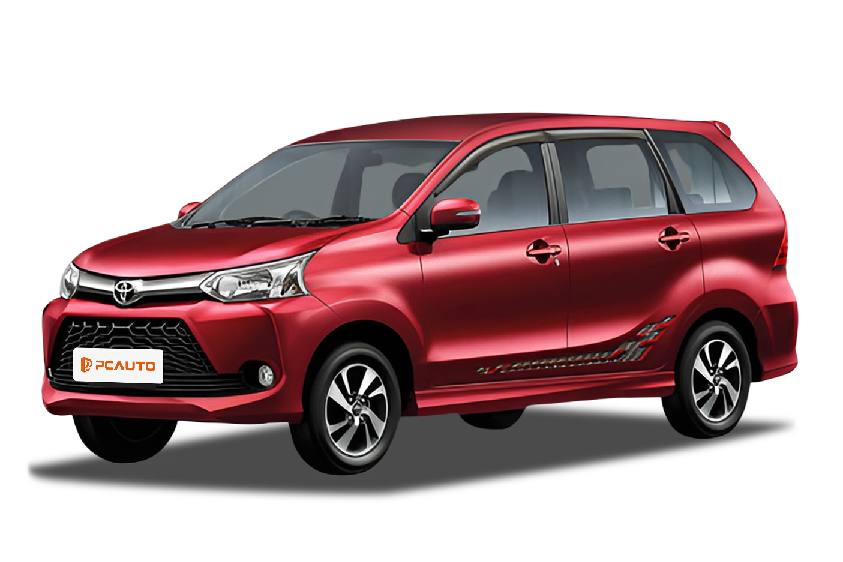
Cars With Similar Price And Features
3
Rank in Sedan
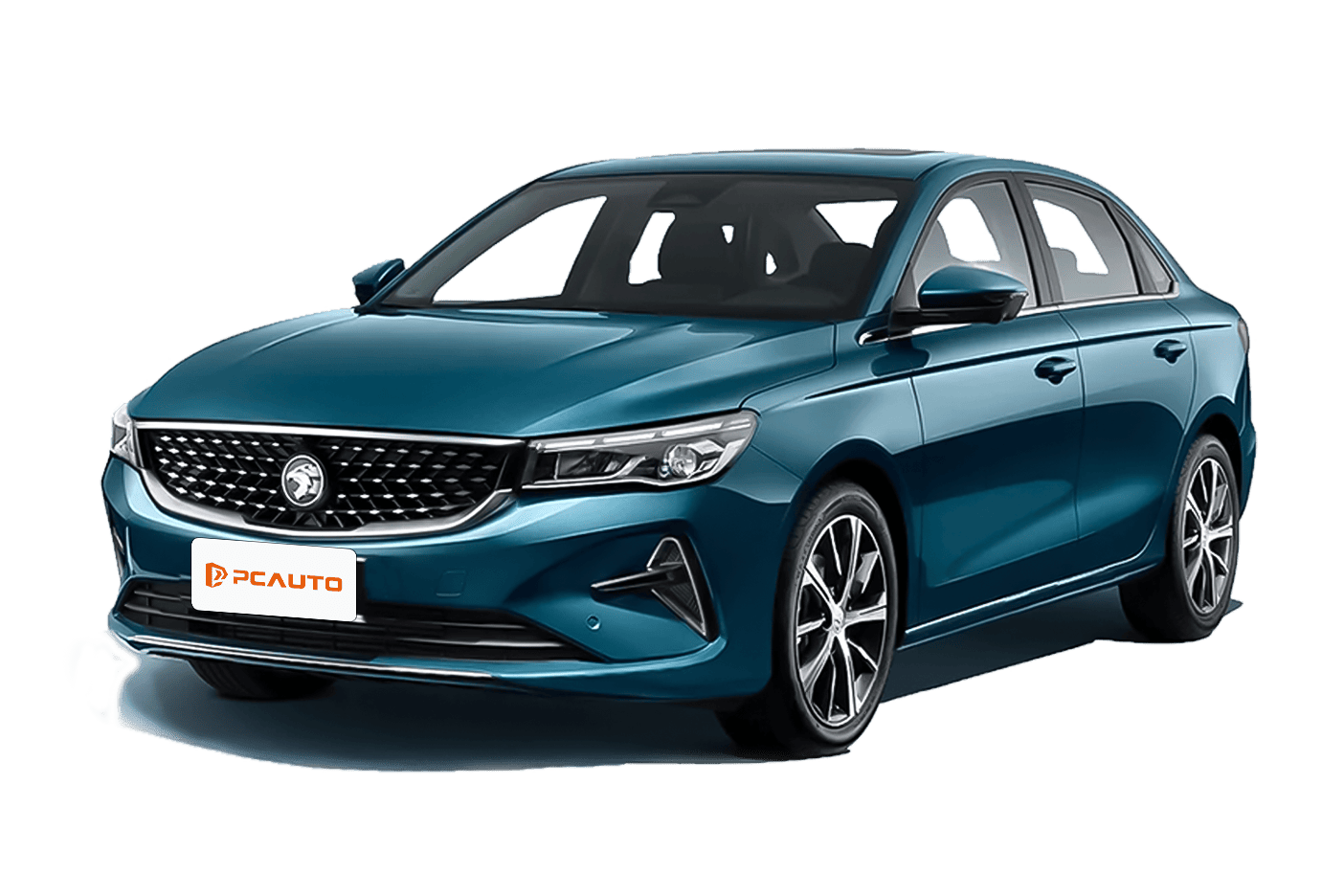
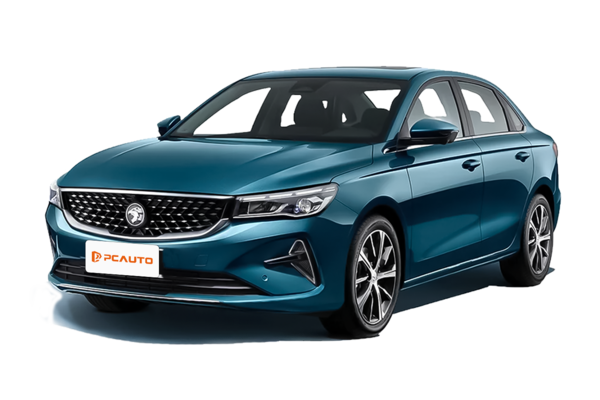
2024 Proton S70 1.5T Executive is an affordable entry-level family C-segment sedan with practical space and lively performance, balancing elegant design with basic safety features.
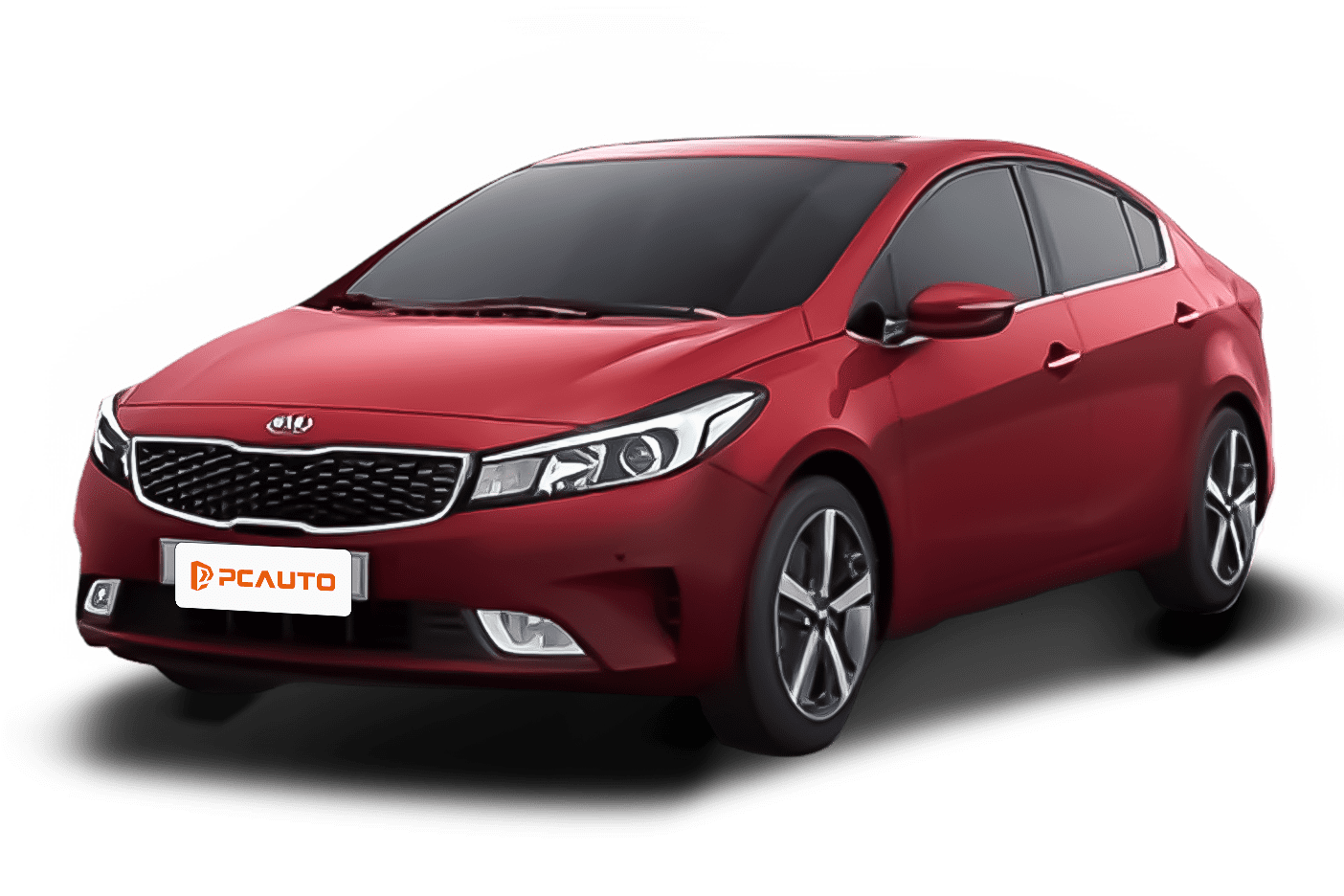
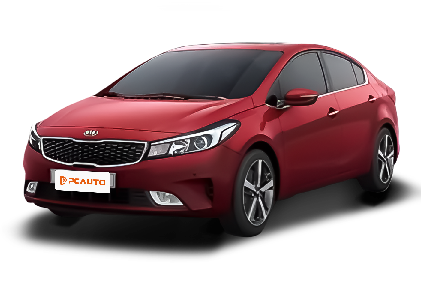
2020 Kia Cerato 1.6 SX is a high-value family sedan that retains core features at a lower price, offering practical space, reliable safety, and balancing the needs of commuting and family travel.
7
Rank in Sedan
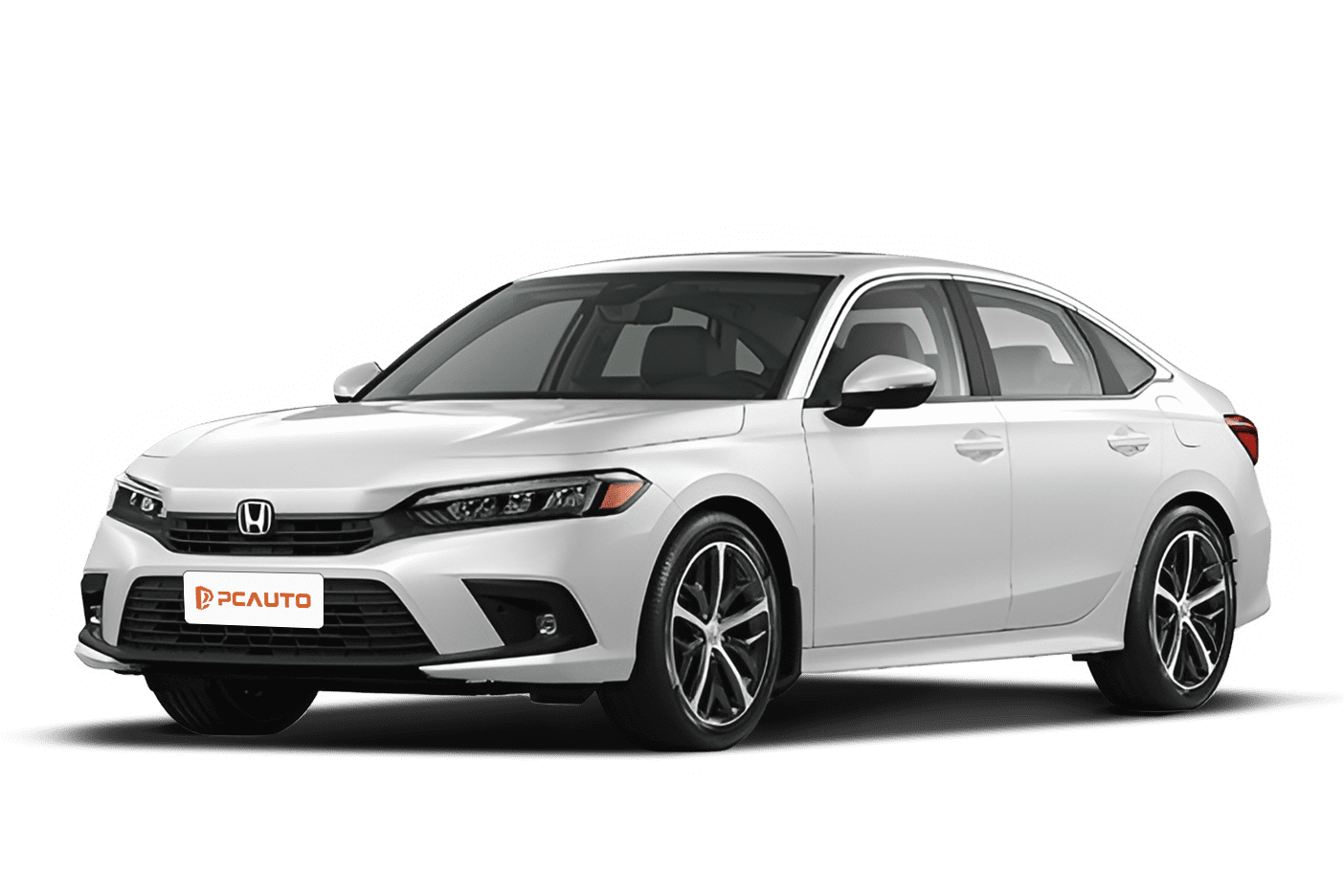
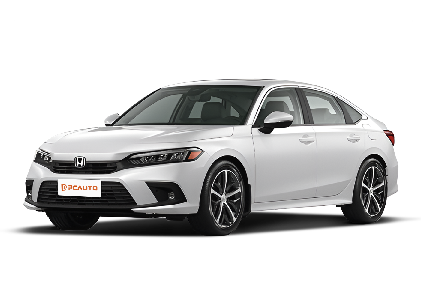
2025 Honda Civic 1.5L E is an entry-level family sedan that combines 1.5T power, a full set of active safety features, and practical space, suitable for city commuting and family outings.
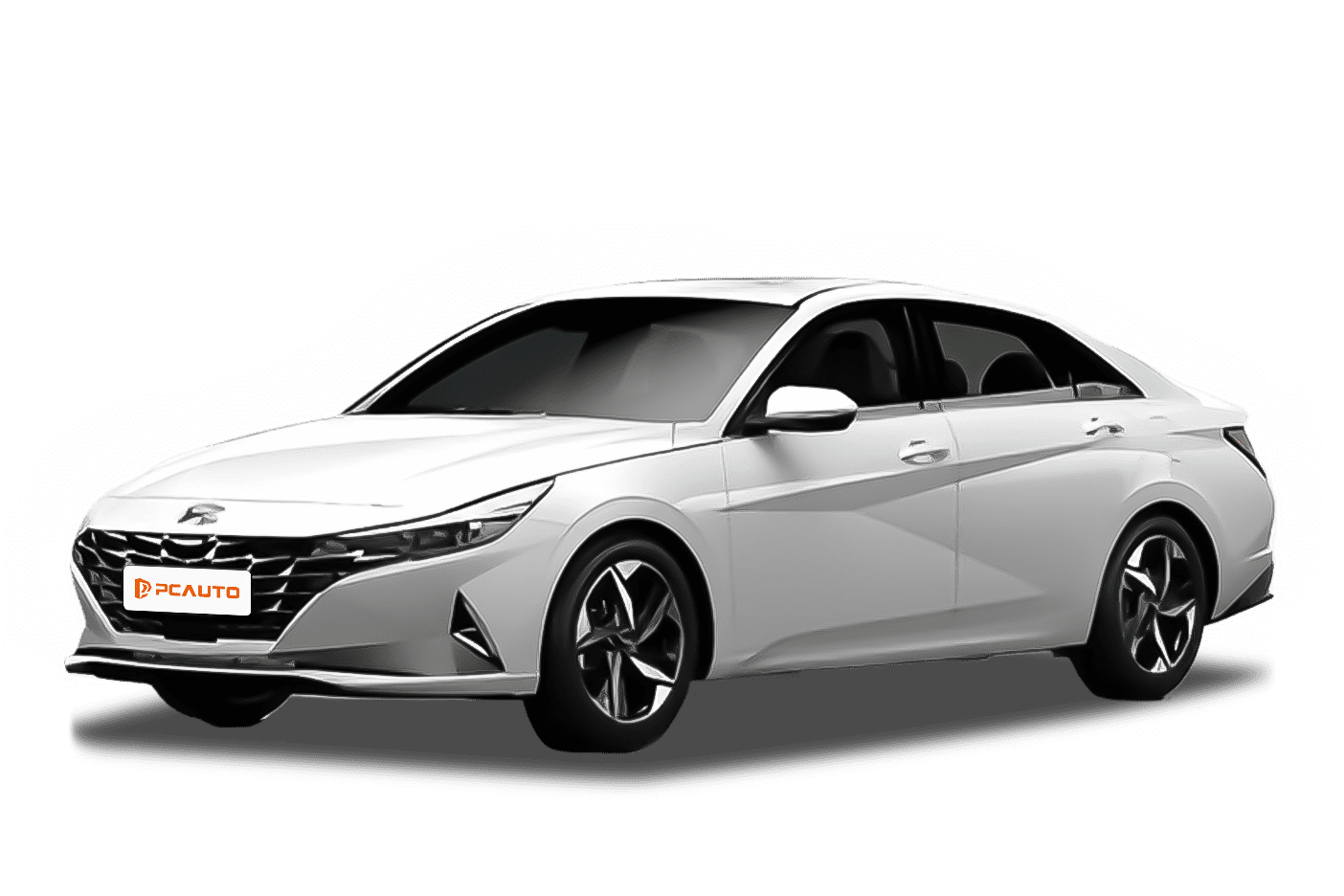
2024 Hyundai Elantra public is a C-segment sedan designed for Malaysian families and young professionals, focusing on class-leading safety features, flexible spaciousness, and balanced fuel efficiency, making it highly cost-effective.