

Toyota RAV4 Review

 Share
Share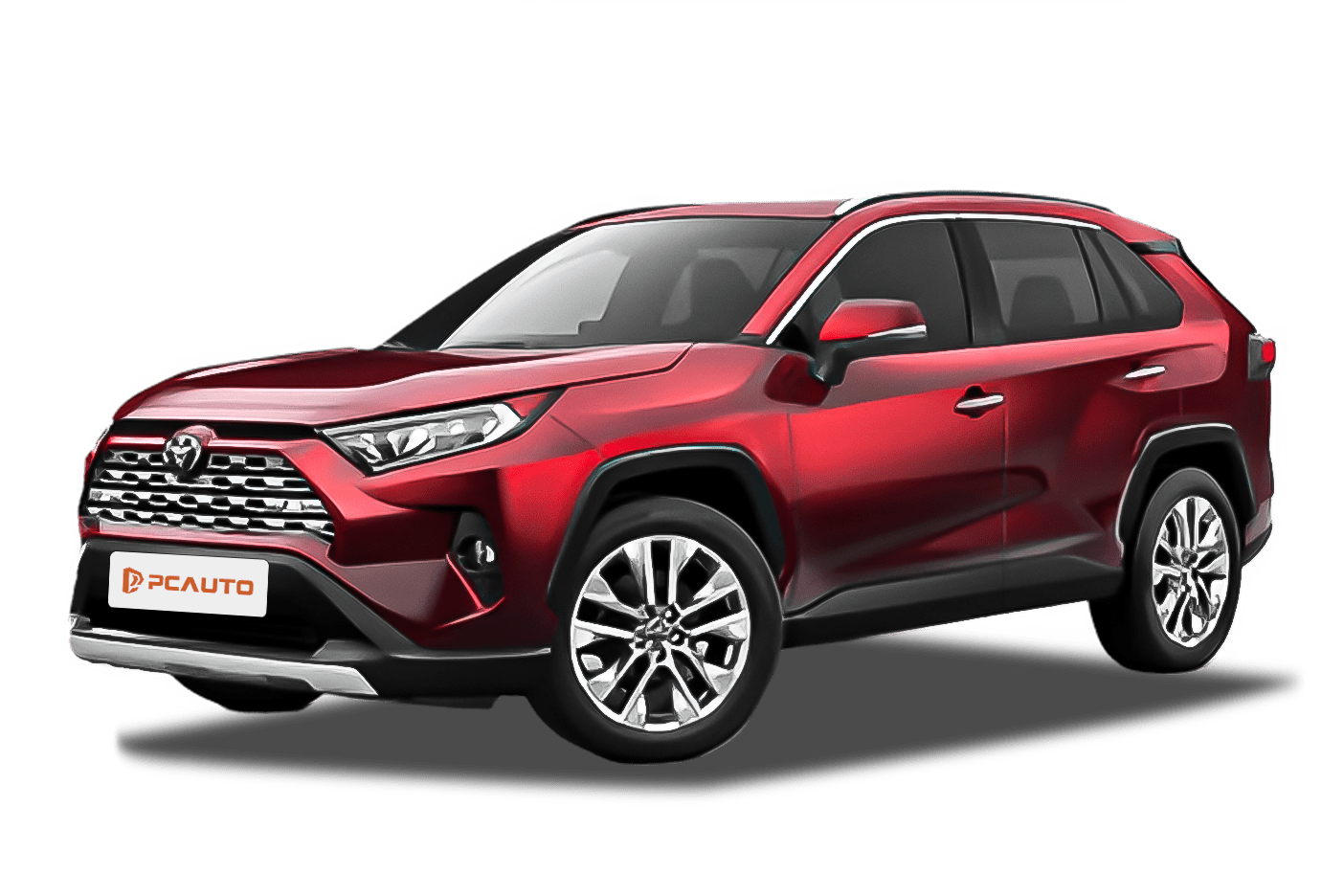
 Segment
 Body Type
 Capacity(L)
 Engine Power(PS)
 Transmission
 Driven Wheels
In recent years, the competition in Malaysia's C-segment SUV market has become increasingly fierce. Consumers not only demand practicality in space but also value safety features and fuel efficiency. As a popular choice in this market segment, the 2020 Toyota RAV4 2.0L attracts the attention of many family users with its balanced performance and Toyota’s consistent reliability. In this test drive, we primarily focused on its daily practicality, whether its power performance meets the needs of family users, and the cost-performance advantage of the 2.0L version compared to the 2.5L model of the same series.
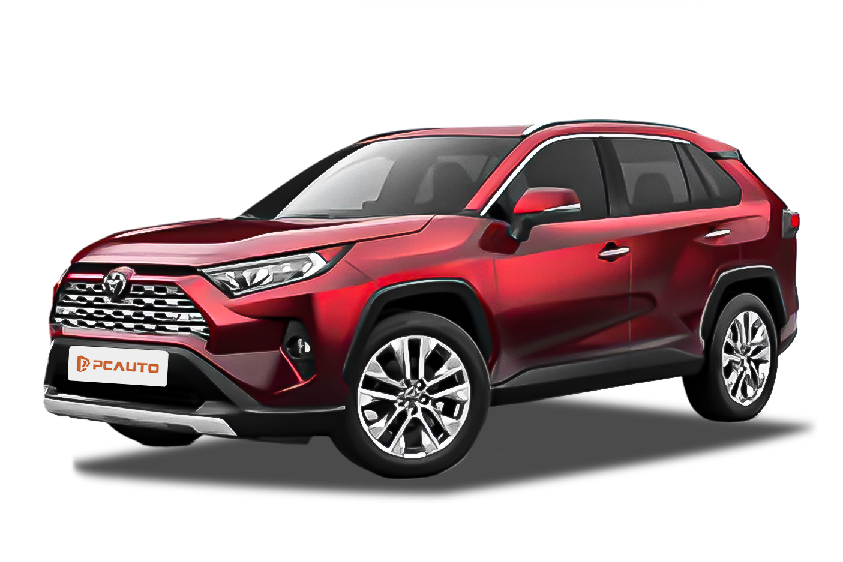
From the exterior, the 2020 RAV4 2.0L continues Toyota's new-generation rugged design style. The trapezoidal front grille, paired with wide chrome trim, connects to the sharp LED headlights on both sides, giving it a high degree of recognition. The side profile features straight, slightly muscular lines, and the 18-inch wheels paired with 225/60R18 tires are proportionally balanced. At the rear, the LED taillights are arranged horizontally, and the silver skid plate under the rear bumper enhances the SUV’s off-road vibe. The overall design caters to the aesthetic preferences of family users without being overly dull.
Inside the cabin, the interior features black as the main color, and the dashboard layout is simple and practical. Although there are no excessive luxury embellishments, the materials used are solid, and most frequently-touched areas are covered in soft materials. The 7-inch touchscreen on the center console operates smoothly and supports basic multimedia functions, with physical buttons retained below for convenient blind operation while driving. In terms of configuration, dual-zone automatic air conditioning for the front row, rain-sensing wipers, and keyless entry are all standard, maximizing practicality. The driver’s seat is equipped with 8-way power adjustment, along with lumbar support and memory functions, ensuring comfort during extended driving. The front passenger seat is manually adjustable, and the rear seats support a 60:40 split fold and reclining backrests, offering flexibility for both passenger and cargo needs.
In terms of space, the 4600mm length and 2690mm wheelbase (though not explicitly provided in user data, this is the actual model specification) ensure ample passenger space. The front row offers about one fist and two fingers of headroom, while in the rear, a 175cm tall passenger would still have about two fists of legroom and one fist of headroom, making it comfortable even when accommodating five passengers. For storage, the door pockets in both the front and rear can hold large bottles, and the central armrest box and glove compartment provide sufficient space for everyday items. The trunk offers generous standard capacity, which can be further expanded by folding down the rear seats to meet the needs of family trips or transporting items.
For powertrain, the 2020 RAV4 2.0L is equipped with a 2.0L naturally aspirated engine, delivering a maximum power of 173PS and a peak torque of 203N·m (torque figure not specified in user-provided data but is the actual model specification). It is paired with a CVT transmission. The power response when starting is smooth, with no obvious lag. During daily city commutes, the acceleration is adequate for starting at traffic lights and overtaking. When switched to Sport mode, the throttle response becomes slightly more sensitive. However, due to the engine displacement, sufficient distance should be reserved for overtaking at high speeds. The smoothness of the CVT transmission is commendable, as there is virtually no noticeable shift shock, aligning well with the car’s positioning as a family vehicle.
In terms of handling, the steering wheel is precise with minimal play, making daily driving very easy to get used to. The suspension system is tuned for comfort, effectively filtering out most vibrations when driving over speed bumps or rough roads, ensuring that the riding experience for rear passengers is decent. Body roll is well-controlled during cornering, and it doesn't give a loose or unsettled feeling. Braking performance is smooth, the brake pedal feels linear, and it inspires confidence.
During the fuel consumption test, we drove approximately 50km each in congested urban areas and highway conditions, resulting in an average fuel consumption of about 7.2L/100km. Although slightly higher than the official claimed figure of 4.8L/100km (likely derived under optimal combined conditions), this result is considered above average within the same class of fuel-powered SUVs. As for noise control, at speeds below 80km/h, interior noise is not noticeable, with tire and wind noise staying within an acceptable range; at speeds exceeding 100km/h, wind noise increases slightly but does not affect normal conversations.
Compared to the 2.5L model of the same series, the 2020 RAV4 2.0L has a power deficit (the 2.5L offers 207PS), but it's roughly 19,000 MYR cheaper. The only differences lie in the transmission and engine, while core safety features like 7 airbags, lane departure warning, and forward collision warning are standard across both models, giving the 2.0L version a clear advantage in terms of cost-effectiveness. Overall, the 2020 RAV4 2.0L is more suitable for families that value practicality and affordability. It can easily handle daily commutes and weekend getaways. If higher performance is desired and the budget allows, the 2.5L version would be a better choice.
In conclusion, the 2020 Toyota RAV4 2.0L is a well-balanced and well-rounded family SUV, offering practical space, comprehensive features, and fuel efficiency. Combined with Toyota's reliable brand reputation, it is undoubtedly one of the top models to consider in the C-segment SUV market.
Toyota RAV4 Car Compare
Toyota RAV4 Loan Calculator
Cars With Similar Price And Features
8
Rank in SUV
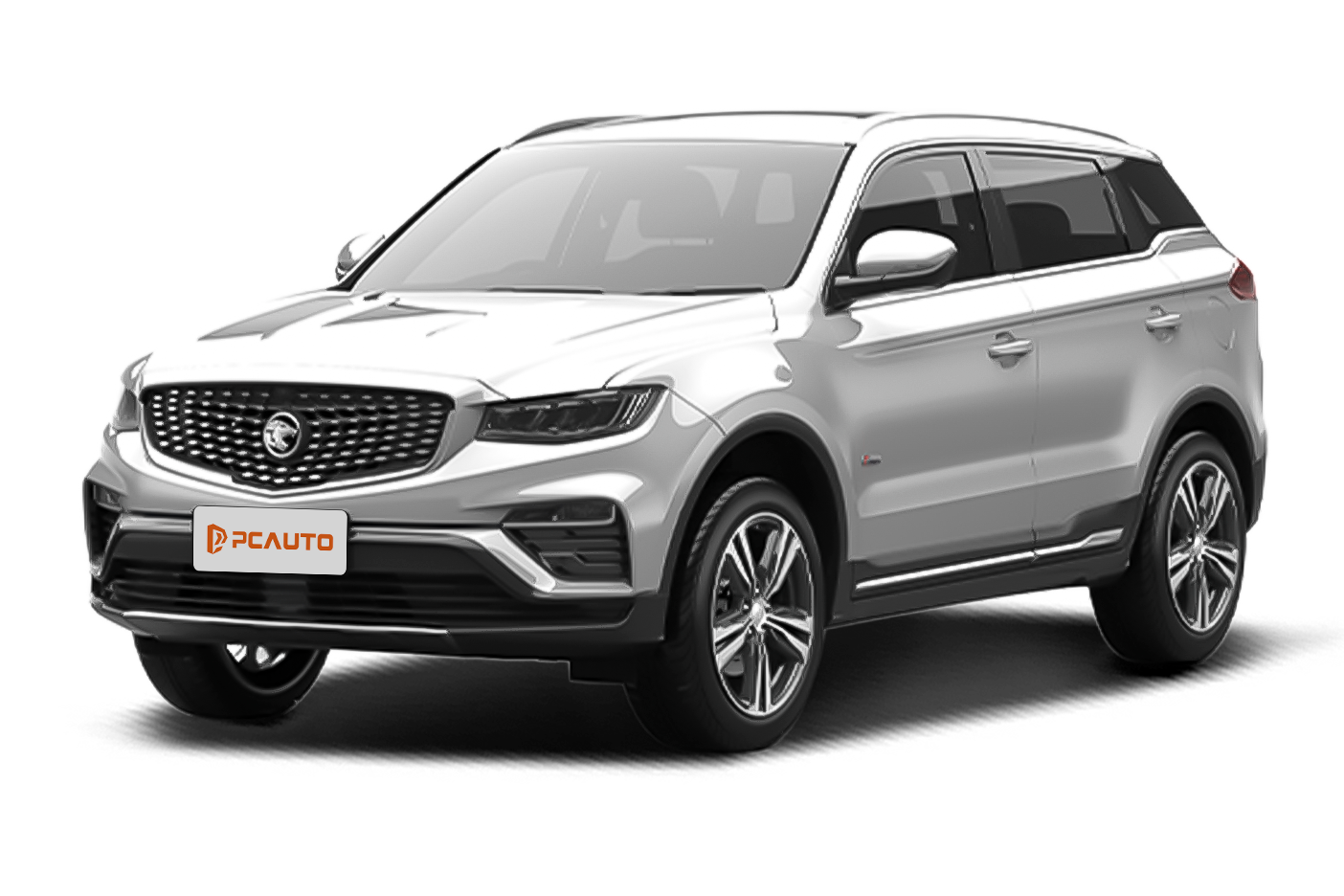
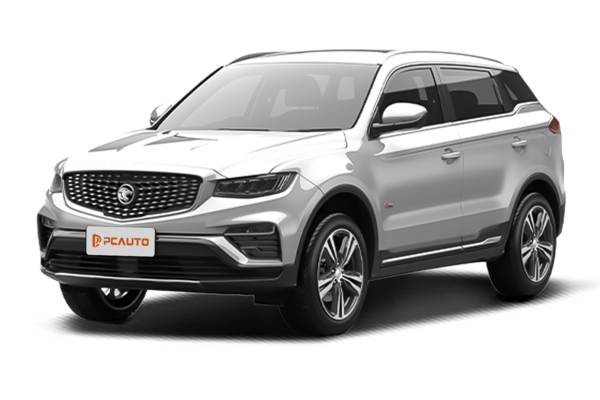
2026 Proton X70 1.5 TGDi Executive focuses on upgrading to a four-cylinder engine, practical configurations, and affordable pricing. It balances family commute practicality with value for money, making it a sensible choice among similarly priced C-segment SUVs.
10
Rank in SUV
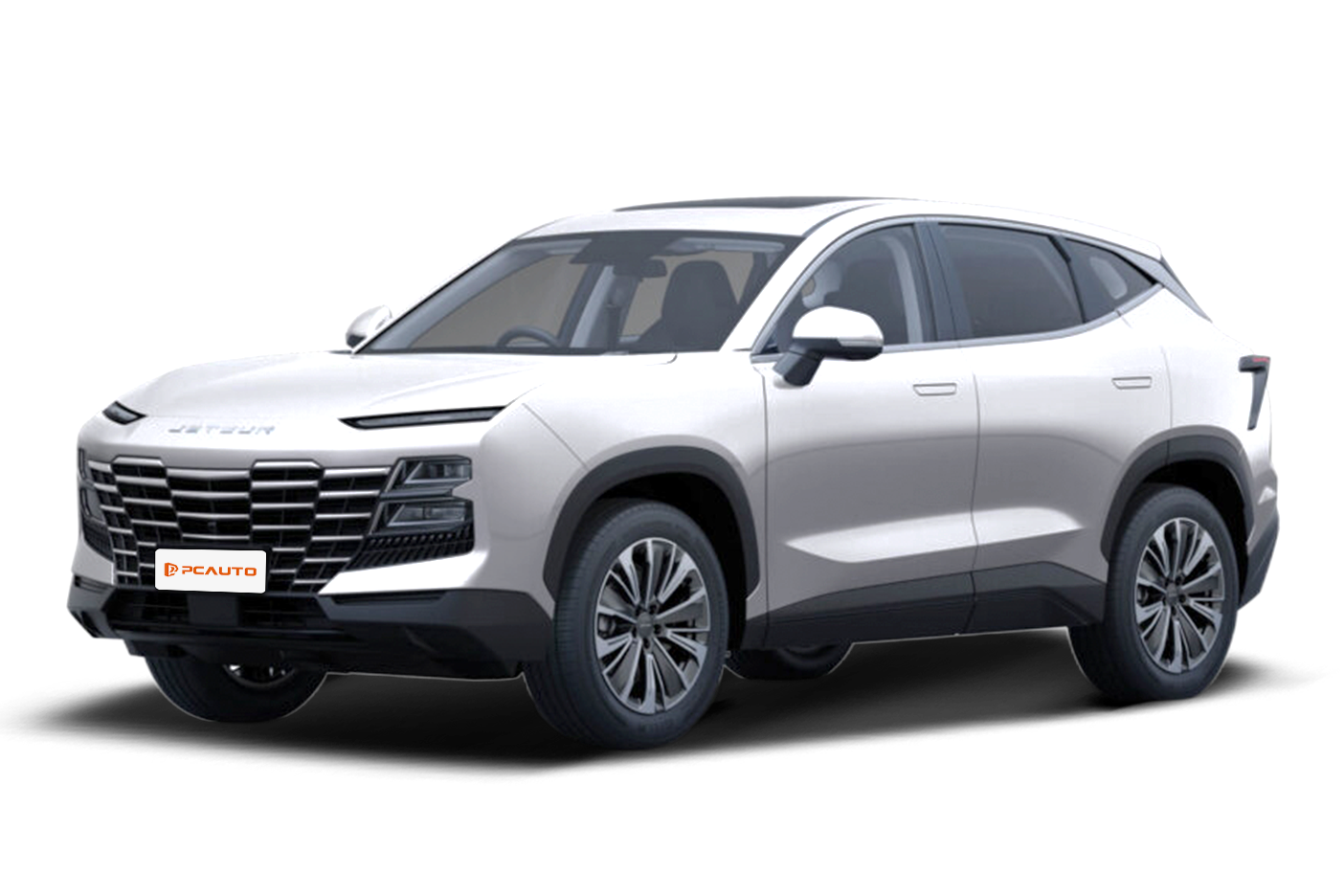
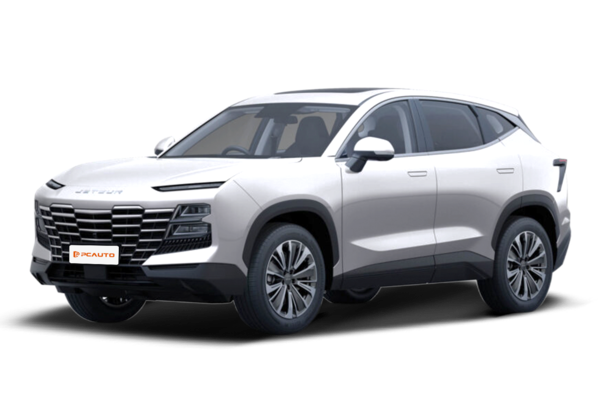
Jetour Dashing 1.5 TCI Comfort 2025 features a 2720mm long wheelbase and a 10.25-inch dual screen as its core, focusing on balanced cost performance to meet family practical needs.
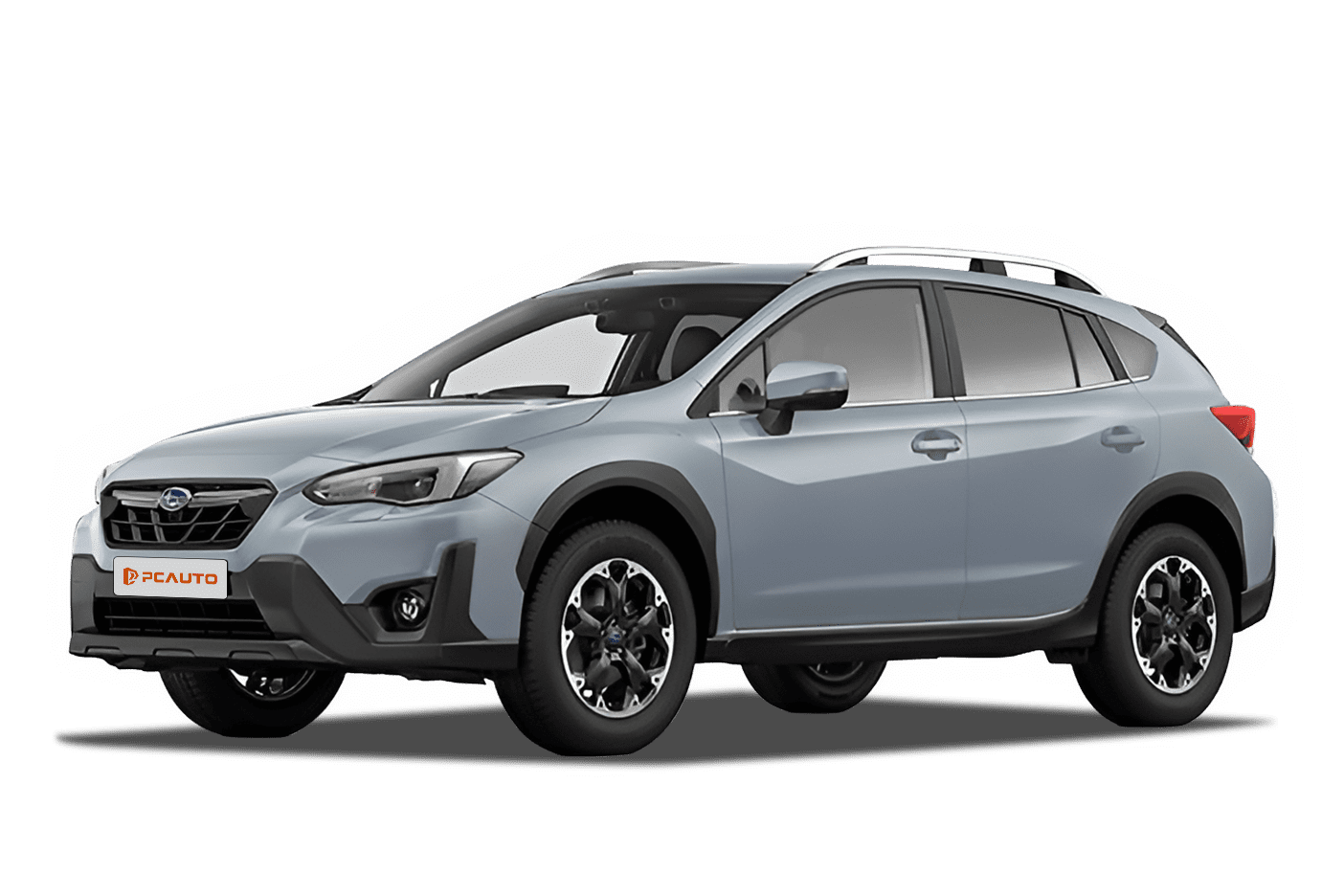
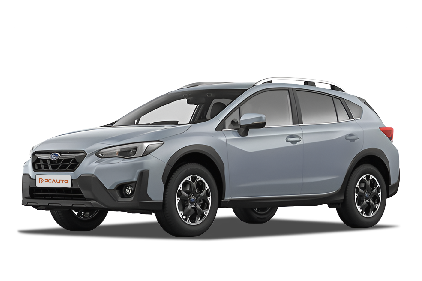
The 2021 Subaru XV 2.0i is a model targeting the C-segment crossover market, equipped with standard all-wheel drive and high safety features, balancing off-road capability and handling, with practical space.

2021 Hyundai Kona 2.0 Standard, as a high-value entry-level compact SUV, retains essential safety and practical features with an affordable price, meeting the daily commuting and loading needs of families.