

Volvo EX30 Review

 Share
Share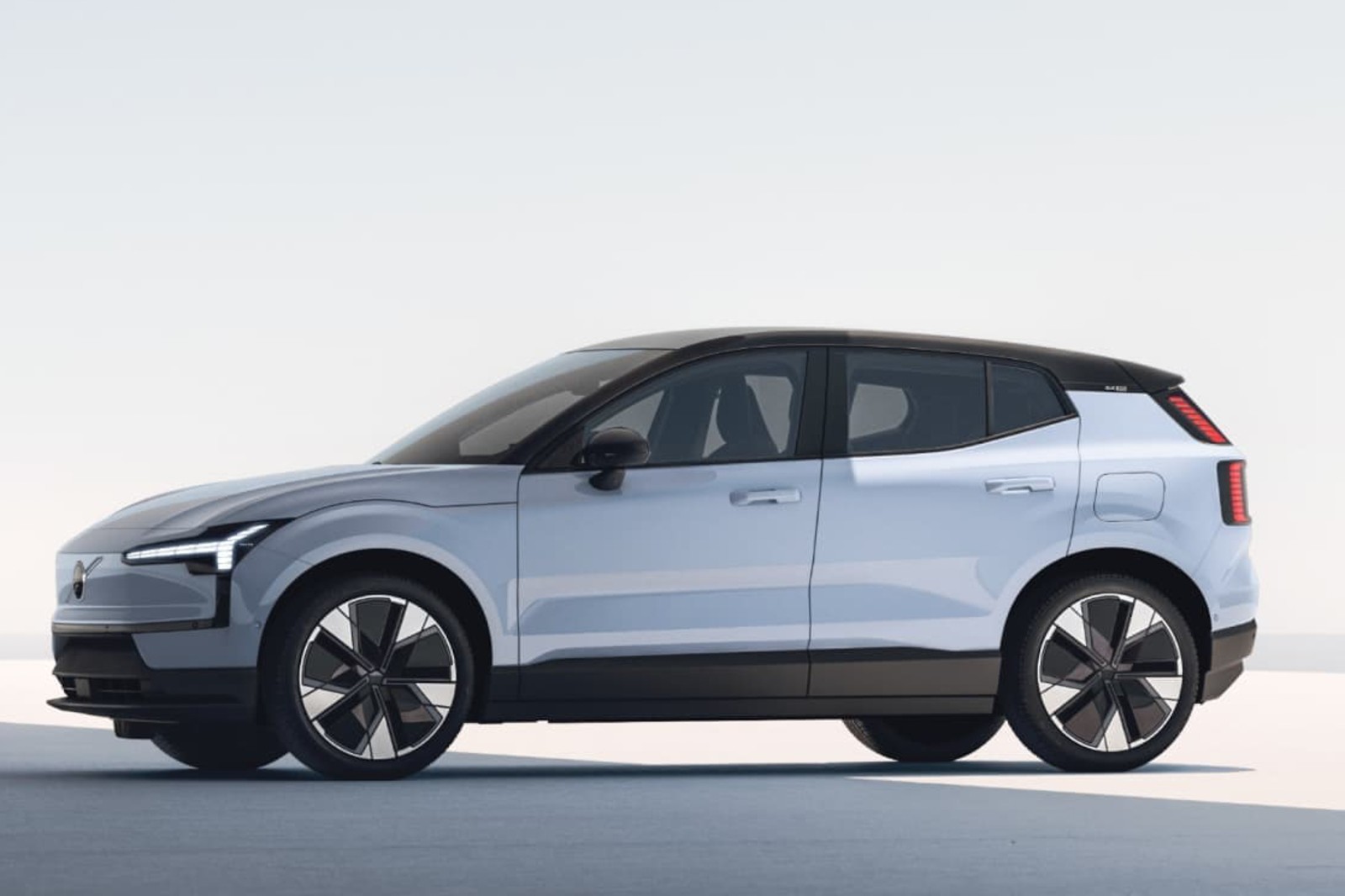
 Segment
 Body Type
 Motor Output(kW)
 Motor Torque(Nm)
 EV Range(km)
 Battery Capacity(kWh)
In Malaysia's electric vehicle market in 2024, C-Segment SUVs have become the focus of attention for many families and young buyers—offering enough space for daily use, a size suitable for city driving, and meeting environmental demands. The Volvo EX30, as the brand's entry-level pure electric SUV, has attracted a group of users looking to switch to electric vehicles right after its launch thanks to Volvo's signature safety features, compact body design, and relatively practical pricing. This time, we focus on testing the EX30 Plus version to see whether its actual performance can meet the core needs of Malaysian consumers, particularly in terms of space, range, and daily driving experience.
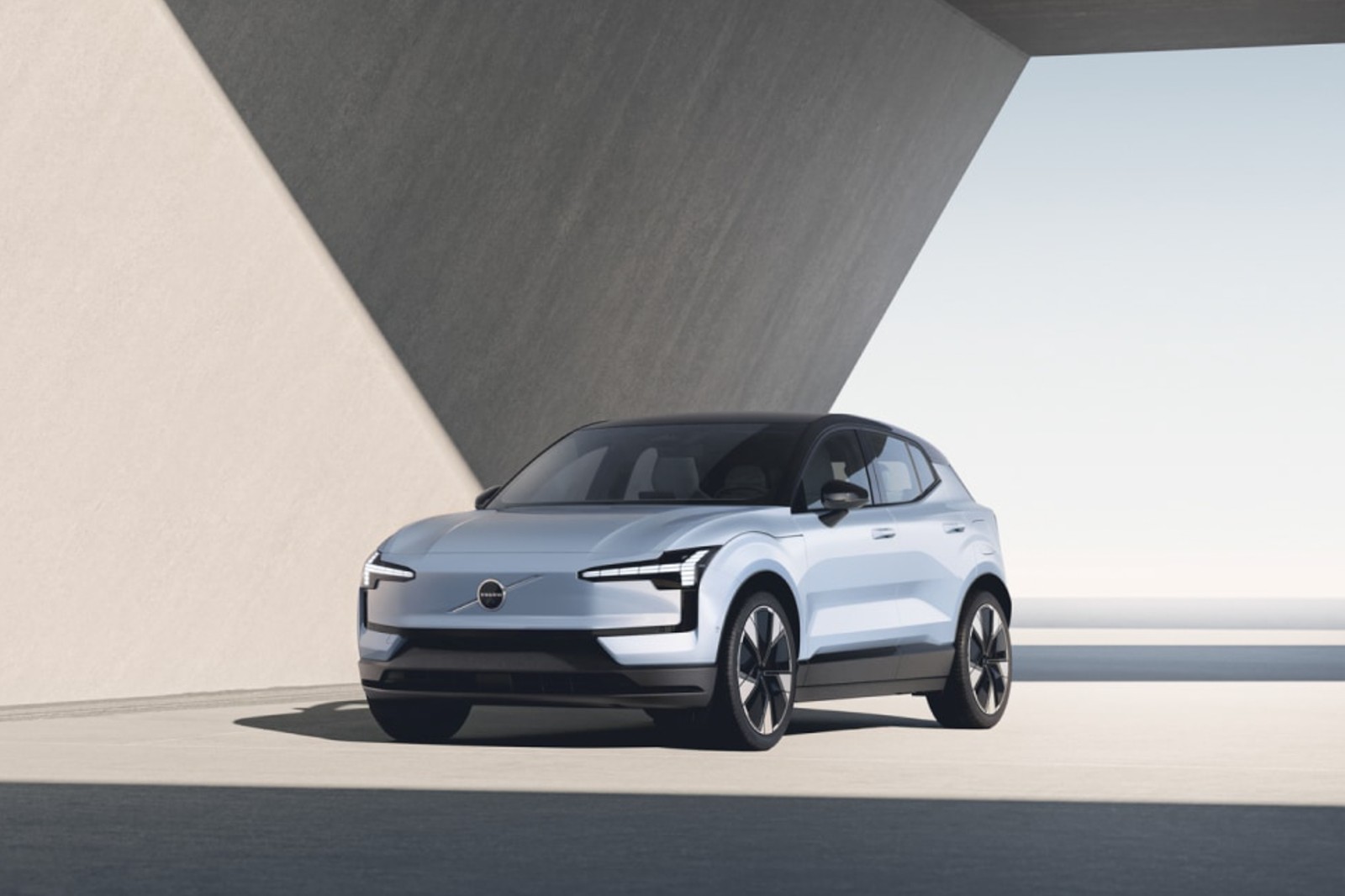
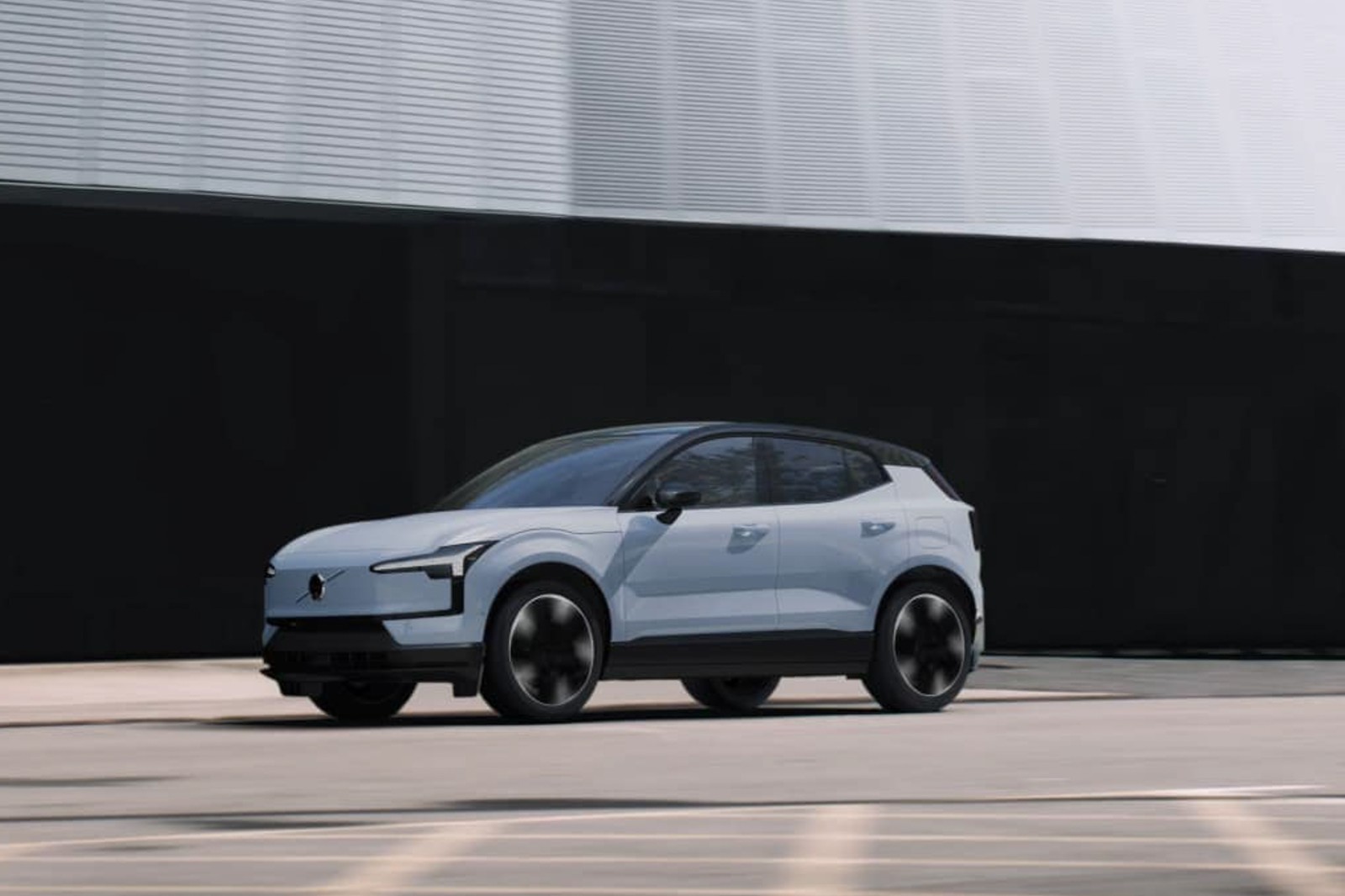
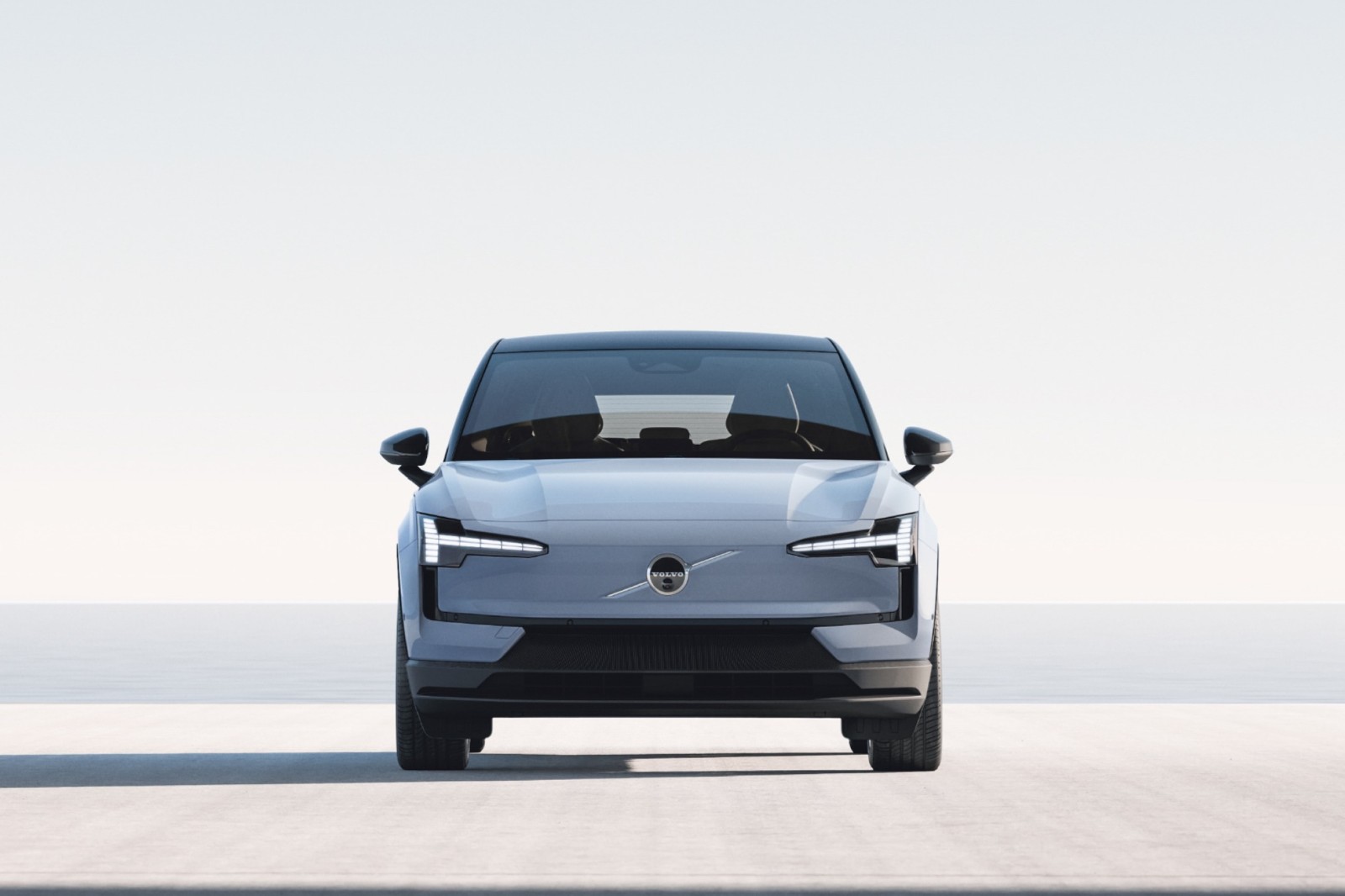
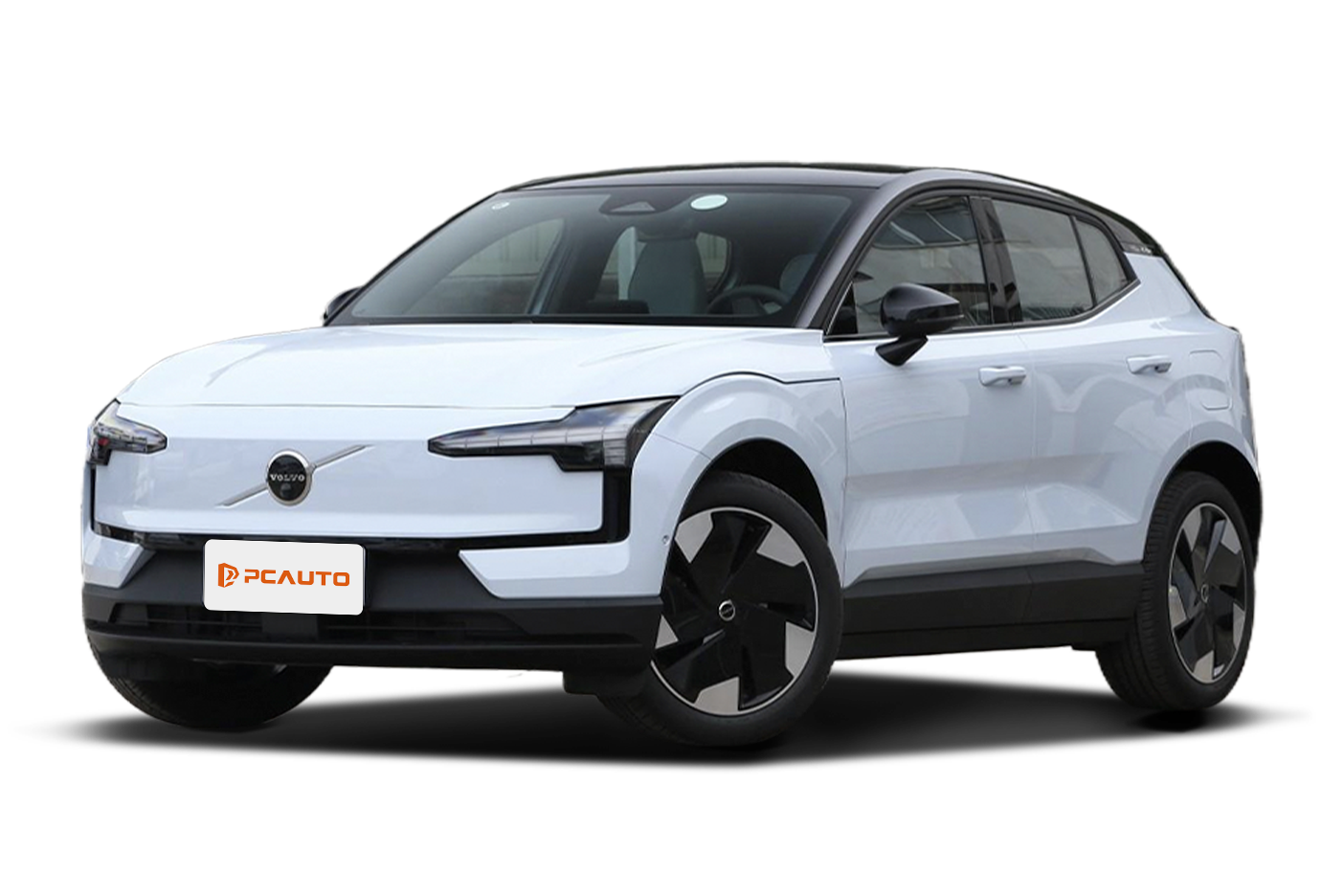
The exterior of the EX30 Plus continues Volvo's family-oriented minimalist style, but with younger details. The closed grille at the front, paired with the iconic "Thor's Hammer" LED daytime running lights, offers high recognition; the side profile has compact lines, and the dimensions of 4,233mm in length and 1,838mm in width ensure flexibility when parking or turning in narrow urban streets; the rear "Viking's Axe" LED taillights are a classic Volvo design, providing clear illumination and improving nighttime driving safety. Overall, it lacks overly exaggerated designs, making it an understated and universally appealing choice.
Stepping inside, the first thing you notice is the 12.3-inch vertical central control screen, where almost all functions are operated via the screen, leaving very few physical buttons and making the dashboard look very simple. The screen performs smoothly, and commonly used functions such as navigation and air conditioning adjustments can be found quickly. In terms of materials, the EX30 Plus uses many environmentally friendly materials. While the touch feels less refined compared to luxury brand leathers, there is no noticeable sense of cheapness. The seats are manually adjustable, but the driver's seat comes with a 4-way electric lumbar support, providing relief for the lower back during long drives; rear air conditioning vents and power sockets are standard, adding convenience for rear passengers. The 2,650mm wheelbase performance is average; a passenger of 175cm sitting in the rear seat still has about a fist's distance of legroom, which is sufficient for daily family use. However, if three adults sit together, the legroom in the middle position may feel slightly cramped. The trunk has a capacity of 318L, which can accommodate two 20-inch suitcases without issue. Folding down the rear seats can further expand the space to accommodate larger items occasionally.
In terms of power, the EX30 Plus is equipped with a rear-mounted permanent magnet synchronous motor delivering a maximum horsepower of 272 PS and a peak torque of 343 Nm, with an official 0-100km/h acceleration time of 5.3 seconds. During actual driving, the power response during startup and at low speeds is very immediate, and you can feel a noticeable pushback when pressing the accelerator, making overtaking or lane changes in the city very easy. Switching to Sport mode results in more aggressive power delivery, but for daily commuting, Comfort mode is sufficient and ensures more stable range performance. The chassis is tuned for comfort; the suspension effectively absorbs most small bumps on the road, such as seams on highways or speed bumps in urban areas, with minimal vibrations transmitted to the cabin. When going through corners, the vehicle's body roll is well-controlled, and despite the high center of gravity typical of SUVs, there is no significant swaying, providing decent stability.
We tested the range under mixed road conditions: 60% city roads and 40% highways, with air conditioning and music on throughout the trip. The final range achievement rate was approximately 85%—the official range is 476 km, while the actual range achieved was around 405 km. The energy consumption was roughly 16.8 kWh per 100 km, which is basically consistent with the official figure of 17 kWh, performing as expected. The fast charging time is 0.46 hours (about 28 minutes) to charge from 10% to 80%, making it very convenient for recharging at highway service areas. It takes 8 hours to fully charge using a slow charger, which is suitable for charging at home overnight with a charging station. Noise control is well done, with almost no motor noise at speeds below 60 km/h. At highway speeds of 100 km/h, wind noise and tire noise become slightly noticeable but do not affect normal conversation. The energy recovery system has three adjustable levels. The highest level has a more noticeable drag feel, which allows for one-pedal driving after getting used to it, reducing energy consumption. The lowest level is close to the coasting feel of a fuel vehicle, making it suitable for users transitioning from traditional fuel vehicles.
Overall, the core strengths of the 2024 Volvo EX30 Plus are very clear: Volvo's safety features come standard across all models, including automatic emergency braking, lane departure warning, and ACC cruise control, which provide users with a strong sense of security. Its range performance is stable, and fast charging is quick, meeting the needs of daily commutes and short trips. The interior design is simple and practical, and the space is sufficient for family use. Compared to other C-segment electric SUVs in the same class, such as the MG ZS EV or BYD Atto 3, the EX30 Plus does have brand premium pricing, but it stands out in safety features and driving quality. Its pricing is also relatively reasonable—an official price of RM188,888 places it in the mid-range level among joint venture electric SUVs.
The target customer group for this vehicle is very clear: first, it is ideal for families who prioritize safety, as Volvo's safety standards provide enough protection for loved ones. Second, it caters to young urban commuters, with its compact body and agile driving experience suited for city roads. Finally, it appeals to users who value environmental sustainability and technological features, as its all-electric powertrain and smart central control system meet those needs. For users with higher performance requirements for acceleration, the Ultra Twin Performance version is worth considering, although it comes at a higher price. For those on a budget, the Plus version already offers features that cover most daily needs, making it a cost-effective choice.
In summary, the 2024 Volvo EX30 Plus is a well-balanced compact electric SUV with no particularly significant drawbacks. It meets the core needs of Malaysian consumers in terms of safety, range, and space, making it a practical choice for families or young urban professionals looking to switch to electric vehicles.
Volvo EX30 Car Compare
Volvo EX30 Loan Calculator
Cars With Similar Price And Features

1
Rank in SUV
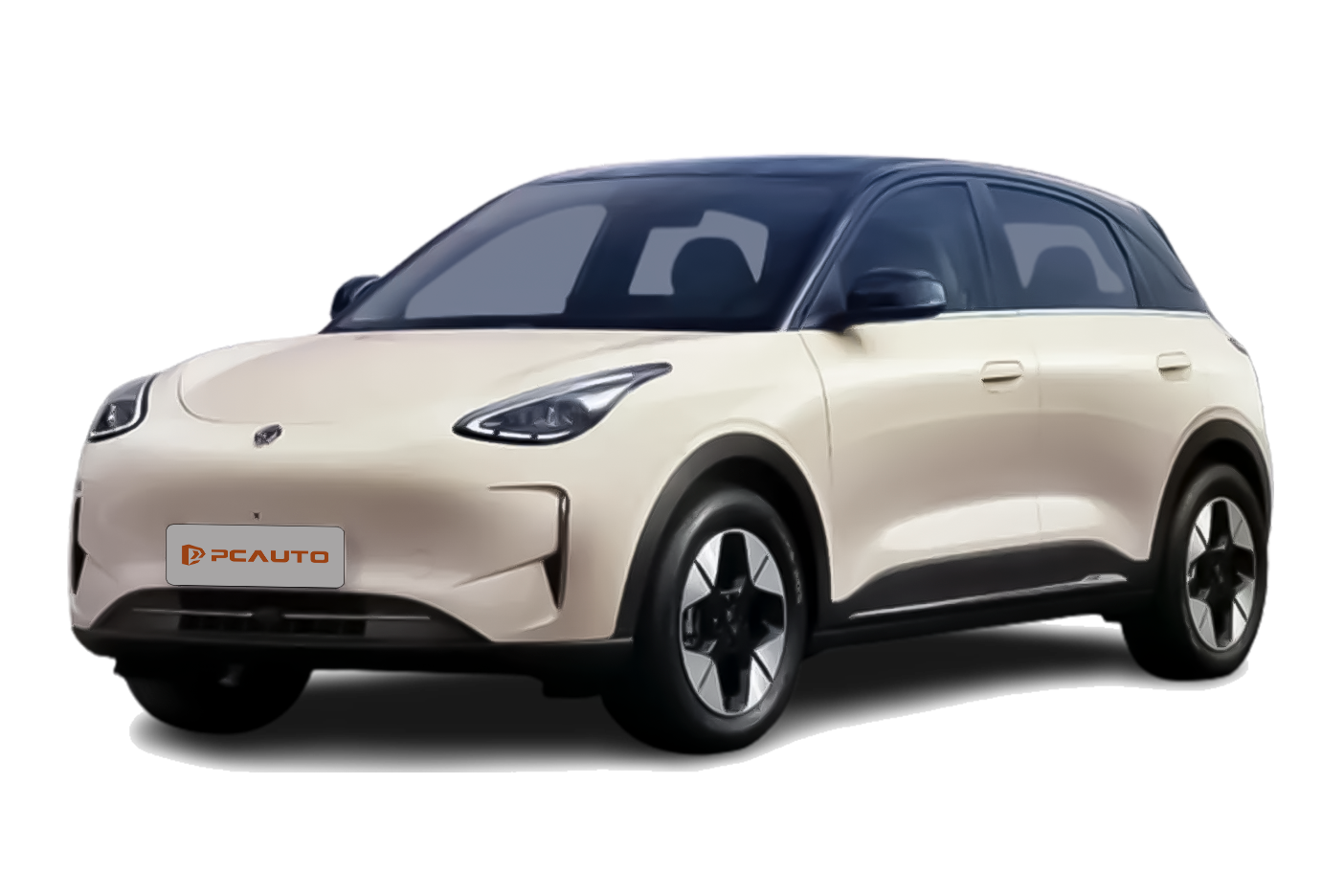
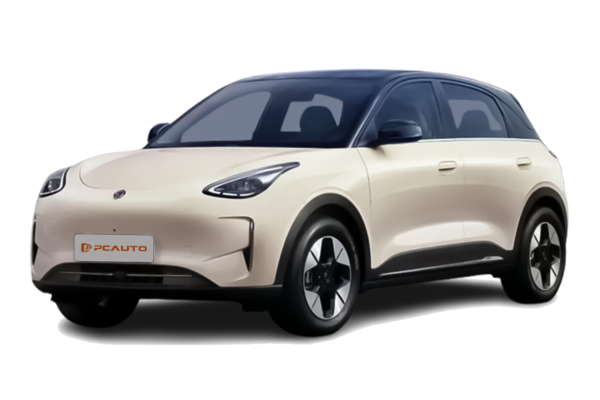
2025 Proton e.Mas 5 Prime is Proton's first entry-level pure electric C-Segment model, priced from 56,800 MYR to target the sub-100,000 MYR market, balancing practical features with commuting range.
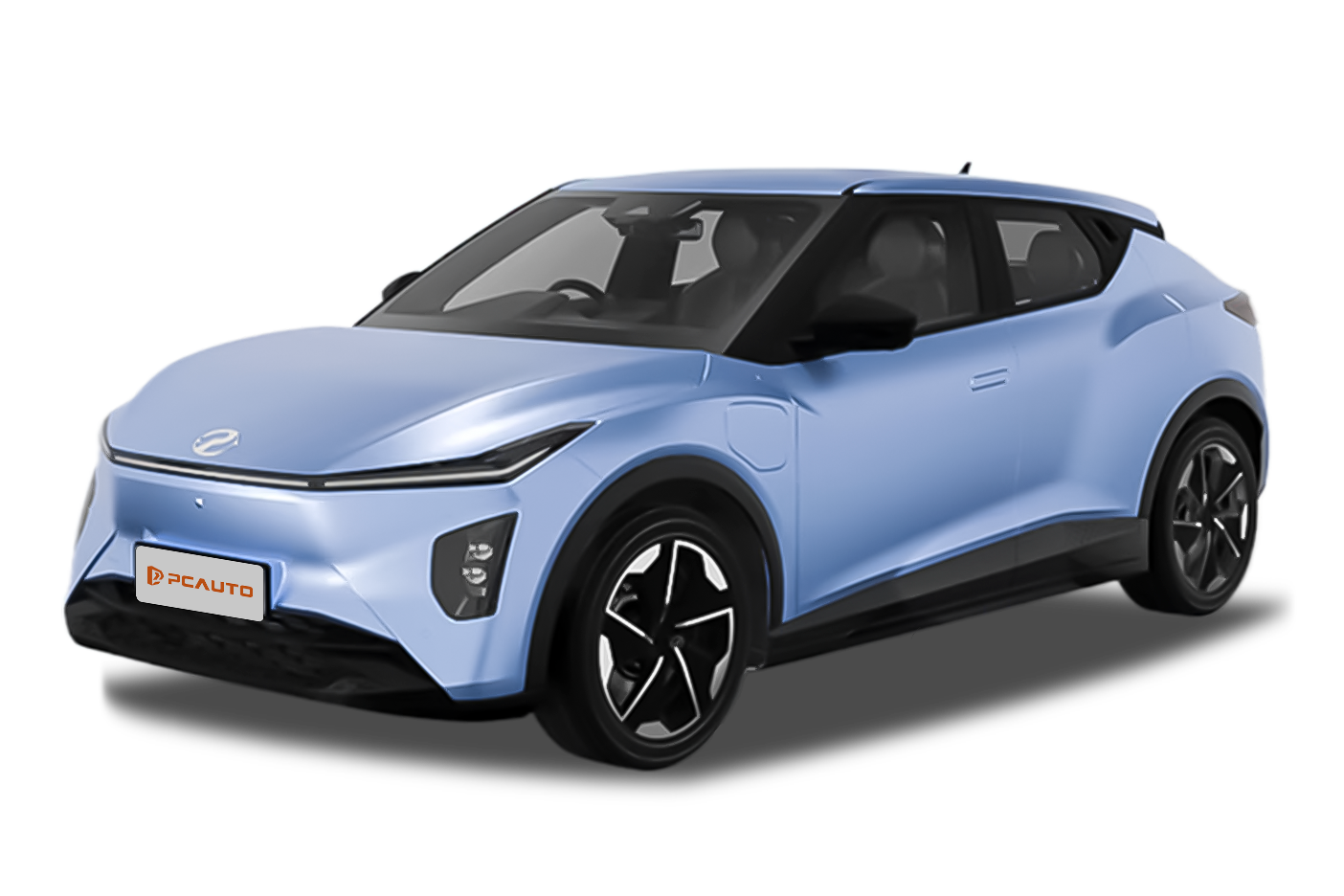
The 2025 Perodua QV-E is an affordably priced, practically ranged class-C pure electric vehicle, precisely tailored for family users and young commuters with its high safety features, spacious interior, and agile driving dynamics.
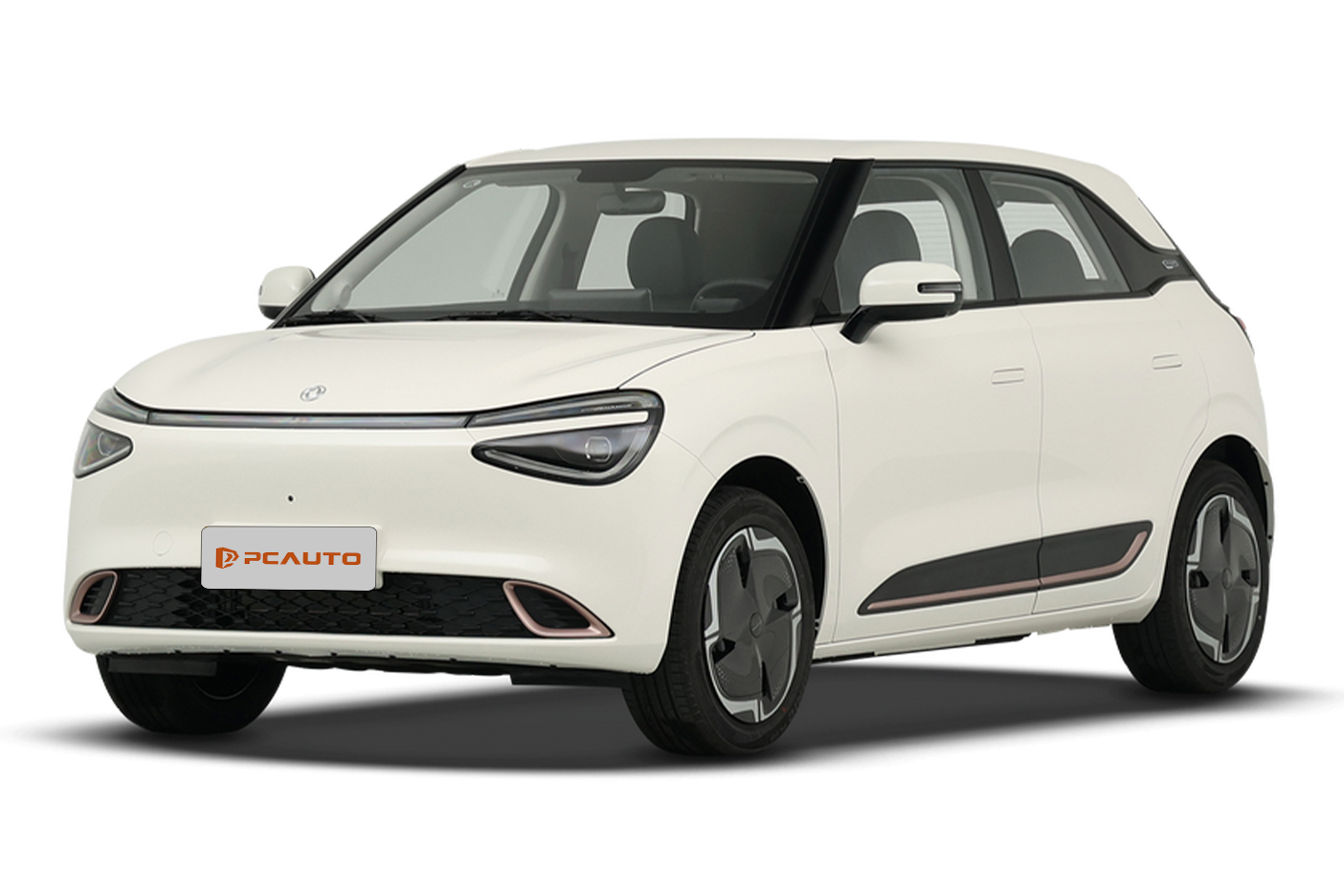
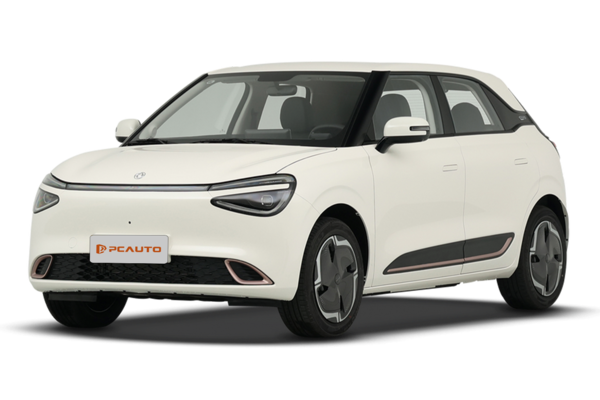
2024 DFSK Box E2 is a household pure electric vehicle in Malaysia priced at around 100,000 Ringgit, featuring a 330 km range, 12.8-inch large screen, and practical space as its main selling points, catering to both commuting and family needs.
30
Rank in SUV
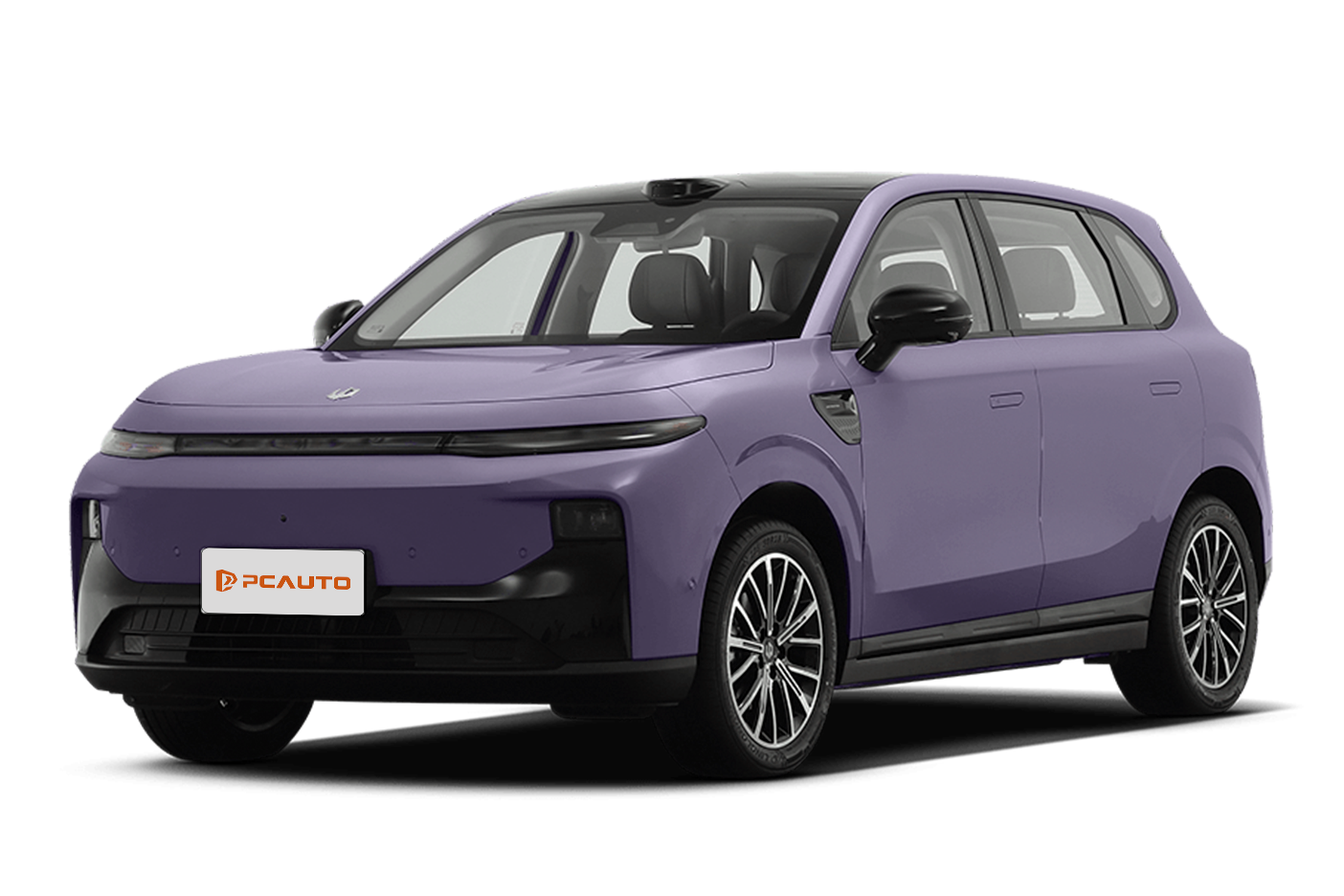
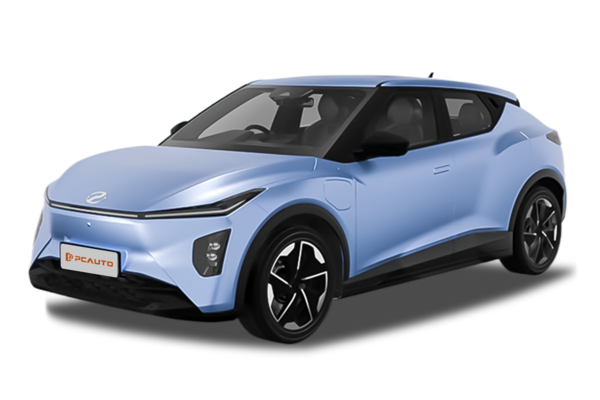
2025 Leapmotor B10 LIFE is a 100,000-level pure electric C-class SUV, equipped with standard L2 assisted driving and other practical features. It offers spacious interior and solid range, making it a go-to choice for family users.