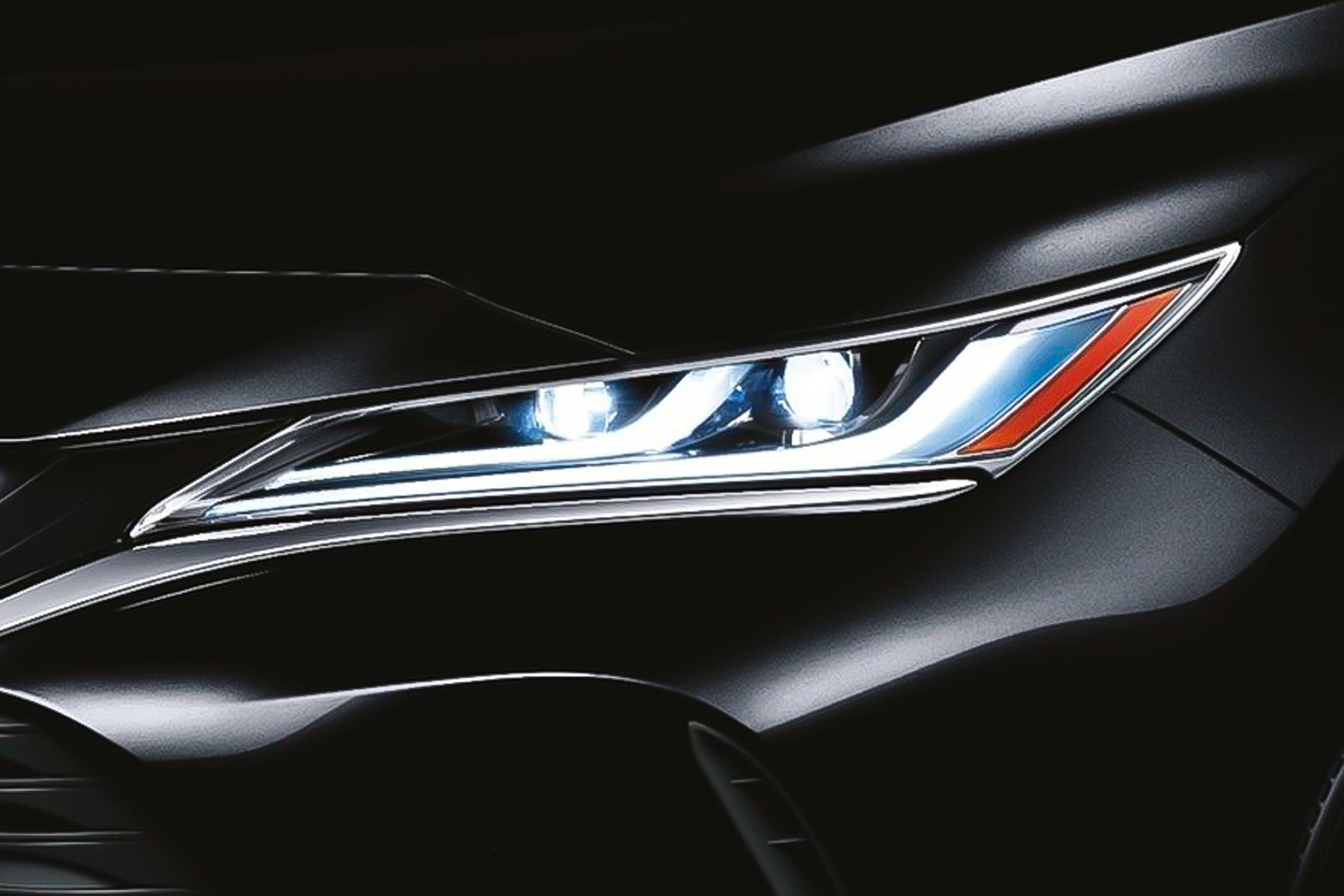
Reference Only. Update Soon
2021 Toyota Harrier 2.0 Luxury
No.18 in Best SUVPrice
RM 249,707
Select a Vehicle Variant
2023 Toyota Harrier 2.0 Luxury RM 274,000
Summary
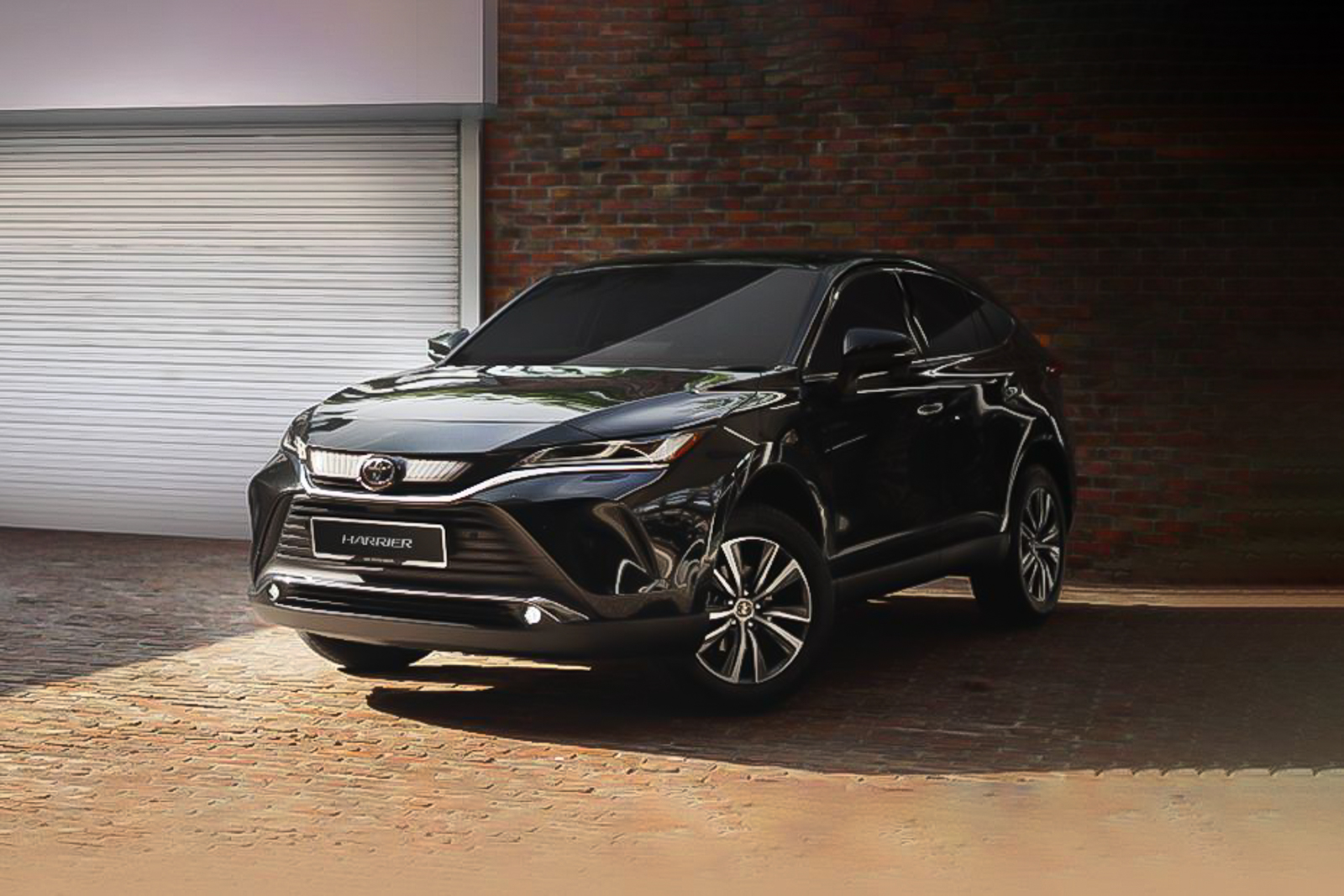
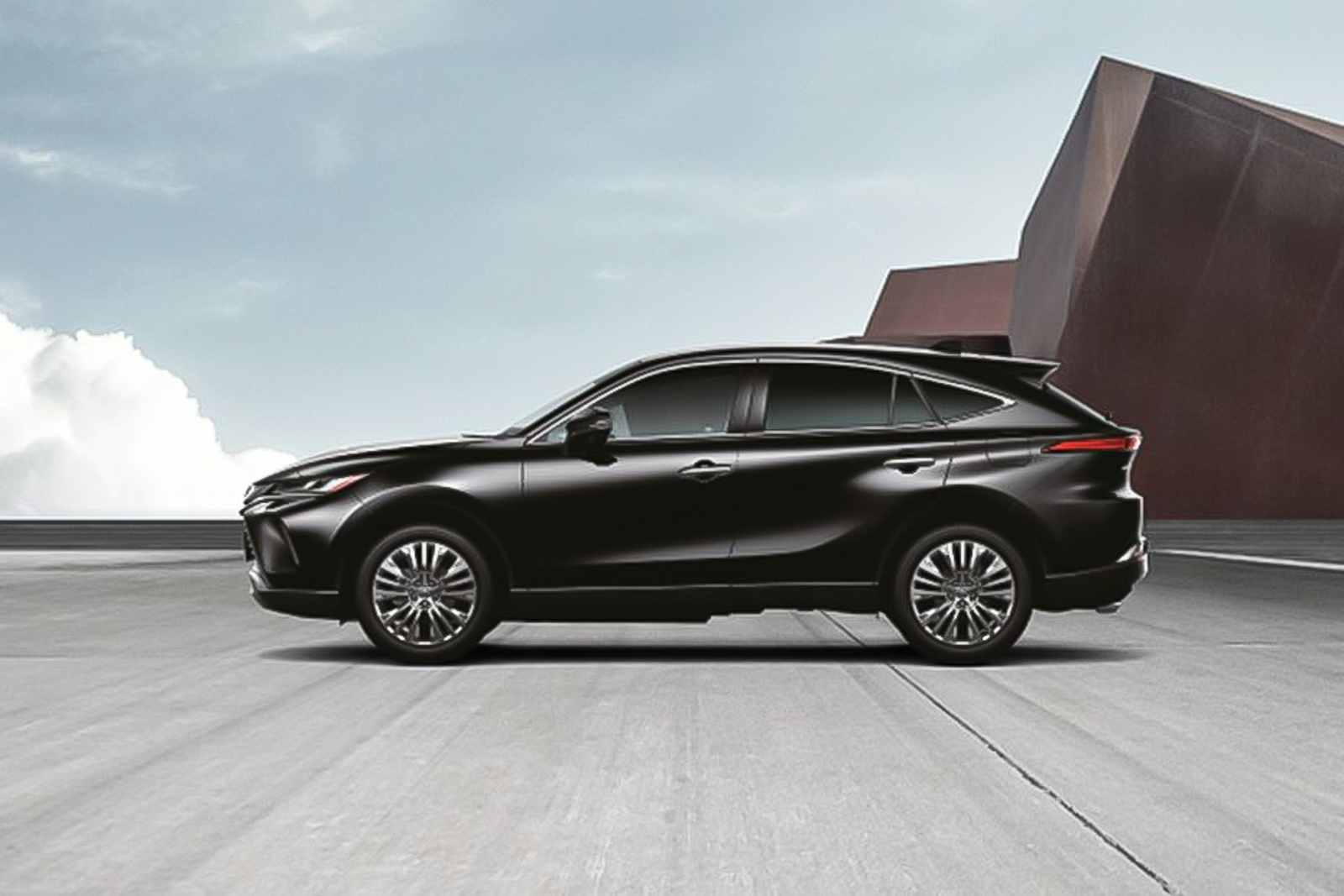
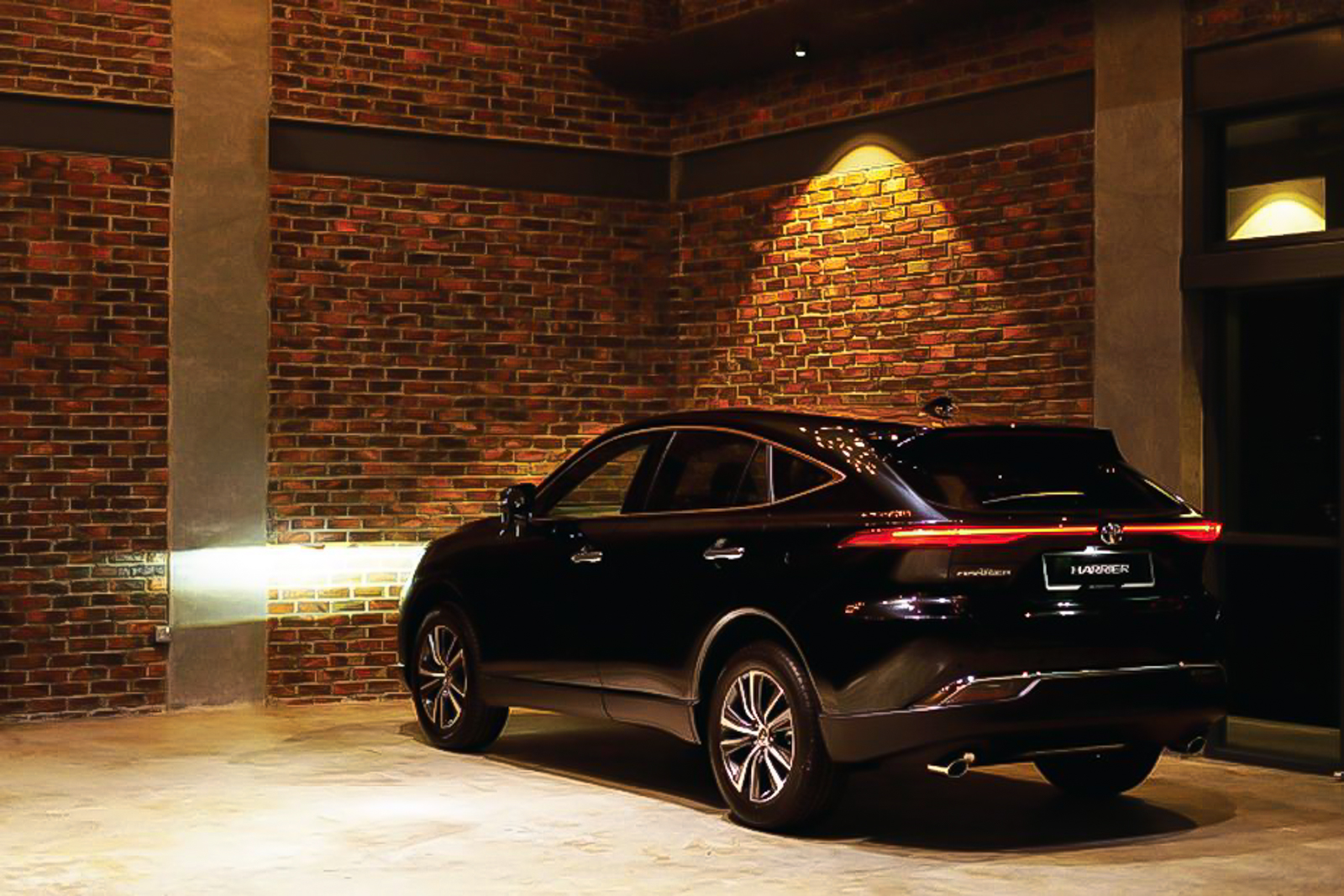
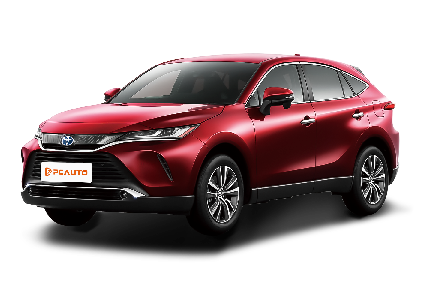
Launched in 2021, the 2021 Toyota Harrier 2.0 Luxury is a standout D-Segment SUV that combines practicality and performance at an attractive price of RM 249,707. With seating for 5 passengers, it’s ideal for families or those who prioritize cabin space. Its dimensions (4740mm long, 1855mm wide, and 1660mm tall) ensure a comfortable ride with ample legroom and headroom, while still being agile enough for city driving.
Under the hood, the 2021 Toyota Harrier 2.0 Luxury delivers a spirited drive with a top speed of -km/h, making highway cruising effortless. The generous 1987cc engine capacity ensures strong acceleration and fuel efficiency, striking a great balance for daily commutes and longer trips. Whether you’re looking for a spacious family car or a reliable daily driver, the 2021 Toyota Harrier 2.0 Luxury offers a compelling package with modern styling, solid performance, and smart value—all in one well-rounded vehicle.
Under the hood, the 2021 Toyota Harrier 2.0 Luxury delivers a spirited drive with a top speed of -km/h, making highway cruising effortless. The generous 1987cc engine capacity ensures strong acceleration and fuel efficiency, striking a great balance for daily commutes and longer trips. Whether you’re looking for a spacious family car or a reliable daily driver, the 2021 Toyota Harrier 2.0 Luxury offers a compelling package with modern styling, solid performance, and smart value—all in one well-rounded vehicle.
Core Specs

Segment
D-Segment

Engine Capacity(cc)
1987

Transmission
CVT

Fuel Comsumption (L/100km)
8.3

Fuel Tank(litres)
55

Top Speed(km/h)
-

Seats
5

Length(mm)
4740

Width(mm)
1855

Height(mm)
1660

Wheelbase(mm)
2690

Boot Volume(L)
-
Other Variants
Price
RM 249,707
Body
4740×1855×1660
Engine Power(PS)
173
Engine Torque(Nm)
-
TRANSMISSION
CVT
Fuel Consumption
8.3
Toyota Harrier Dealers
Related Q&A
View More >Q
What is the price of Harrier car 2023?
The 2023 Toyota Harrier is priced roughly between RM200,000 and RM250,000 in the local market, with the exact figure depending on trim levels and optional packages. The base model comes with a 2.0-liter naturally aspirated engine, while higher-spec variants get a 2.5-liter hybrid system – both paired with a CVT gearbox, focusing on comfortable driving and fuel efficiency. This midsize SUV is known for its sleek coupe-like exterior and premium interior. Standard features across the range include LED headlamps, a power tailgate, and Toyota's TSS safety suite, which includes active systems like pre-collision warning and lane-keeping assist. The hybrid version also offers an E-Four electronic all-wheel-drive option. It's worth noting that rivals like the Honda CR-V and Mazda CX-5 have lower starting prices, but the Harrier differentiates itself with a larger body and imported status. It also leads in residual value in the used car market. Before buying, it’s advisable to compare promotions from different dealers – some might offer free maintenance packages or low-interest financing deals.
 MountainClimberAthleteNov 19, 2025
Q
How much is a Toyota Harrier 2023?
The 2023 Toyota Harrier is priced locally between approximately RM200,000 and RM250,000, varying by trim level and configuration. Exact prices may fluctuate depending on dealer promotions or optional accessories. The vehicle offers two powertrain options: a 2.0-liter naturally aspirated engine and a 2.5-liter hybrid system. The hybrid variant stands out for its fuel efficiency, making it ideal for eco-conscious buyers. The Harrier has gained popularity for its sleek exterior design, spacious interior, and generous tech features – like the standard Toyota Safety Sense suite, which includes pre-collision safety, lane departure alert, and other functions. Notably, it shares a platform with the Lexus NX, resulting in a solid driving experience. Recent fluctuations in the Japanese Yen exchange rate could impact import vehicle pricing, so it’s advisable to compare quotes from multiple authorized dealers before purchasing. Keep an eye out for promotional offers or low-interest financing deals too. Besides the Harrier, competitors in the same price range include the Honda CR-V and Mazda CX-5, each with distinct strengths in space, power, or handling.
 BeachBumSurferNov 19, 2025
Q
What kind of engine is in the 2018 Toyota Harrier?
The 2018 Toyota Harrier offers two engine options depending on the market: a 2.0-liter inline-four naturally aspirated engine (3ZR-FAE) and a 2.5-liter inline-four hybrid system (2AR-FXE). The 2.0-liter engine delivers around 150 horsepower, paired with a CVT transmission, focusing on smoothness and fuel efficiency. The hybrid version combines a 178-horsepower gasoline engine with an electric motor, resulting in a combined output of 197 horsepower and using an E-CVT transmission, making it better suited for users seeking low fuel consumption and a quiet driving experience. Both engines feature Toyota's proven Dual VVT-i variable valve timing technology, optimizing power response and combustion efficiency. As a mid-to-high-end SUV under Toyota, the Harrier's powertrain is tuned for comfort, ideal for city roads and long-distance driving. Notably, the hybrid version is equipped with a nickel-metal hydride battery pack, whose reliability has been market-tested for years with relatively low maintenance costs, while the naturally aspirated version continues Toyota's tradition of engine durability, suitable for consumers valuing practicality. When choosing, consider your daily driving mileage and preferences: the hybrid version offers more significant fuel savings in traffic congestion, while the naturally aspirated version has a slight advantage in later maintenance.
 MoonlightNightCalmNov 18, 2025
Q
What is the mileage of Harrier 2018?
The fuel economy of the 2018 Harrier varies by drivetrain and powertrain setup. The 2.0L naturally aspirated front-wheel-drive version has an official combined fuel consumption of approximately 6.8L/100km, while the 2.0T turbocharged all-wheel-drive variant comes in around 7.3L/100km. Actual fuel usage may fluctuate slightly depending on driving habits and road conditions. This midsize SUV features Toyota's proven powertrain, striking a balance between power delivery and fuel efficiency, with its Dynamic Force engine technology achieving energy saving performance through optimized combustion efficiency. If fuel economy is a priority, it's advisable to regularly maintain tire pressure, avoid sudden acceleration and hard braking, and make proper use of the ECO driving mode. Among same level models, hybrid versions typically offer better fuel economy figures but require weighing the difference in purchase costs. It's worth noting that vehicle load and air conditioning usage frequency also significantly impact real-world fuel consumption, so owners are recommended to refer to official data while evaluating based on their own usage scenarios.
 WolfFangNov 18, 2025
Q
What is the fuel consumption of the Harrier 2018?
The fuel economy of the 2018 Harrier varies depending on the drivetrain and powertrain configuration. The 2.0L naturally aspirated front-wheel drive version has a combined fuel consumption of approximately 6.8L/100km, while the 2.0L turbocharged all-wheel drive version is slightly higher at around 7.3L/100km. Actual fuel consumption can be affected by driving habits, road conditions, and maintenance status. This vehicle features optimized engine technology and a lightweight body design, which help improve fuel efficiency, and it also comes with an ECO driving mode to further reduce fuel consumption. In daily driving, maintaining smooth acceleration, using cruise control properly, and regularly replacing the air filter can all improve fuel efficiency. It's worth noting that hybrid models are generally more fuel-efficient than traditional gasoline-powered vehicles. If energy conservation is a priority, the hybrid version may be a better choice, but it's necessary to balance the purchase cost with long-term fuel savings.
 SteelHeartNov 18, 2025
Q
What is the ground clearance of Harrier 2021?
The 2021 Toyota Harrier offers a ground clearance of approximately 190mm in the Malaysian market, a design that balances urban driving comfort with light off-road needs, making it suitable for the country's diverse road conditions. As a mid-size SUV, the Harrier's ride height sits between sedans and traditional off-roaders, ensuring chassis safety when tackling speed bumps or rough surfaces while maintaining a lower center of gravity for improved high-speed stability. It's worth noting that ground clearance can vary slightly based on vehicle load or optional components like sport kits, so owners should regularly check the chassis height to ensure optimal performance. Rivals in the same segment, such as the Honda CR-V or Mazda CX-5, typically have ground clearance ranging from 185mm to 210mm. The Harrier's setup leans more toward on-road driving refinement, though adding a chassis skid plate is advisable for frequent gravel road use. Malaysia's rainy climate also benefits from the higher ground clearance, enhancing water-wading capability, but drivers should note the manufacturer's specified maximum wading depth of 500mm and avoid risky attempts in deep water.
 CleNov 4, 2025
Q
What size tyres are available in Harrier 2021?
The 2021 Toyota Harrier offers different tire sizes in the Malaysian market depending on the trim level. The common spec is 225/60 R18, a size that balances comfort and road adaptability, perfectly matching the Harrier's urban SUV positioning. Some higher-end variants might come with 235/55 R19 for better handling performance. When choosing tires, always check the original factory specifications labeled inside the door jamb or fuel filler cap—it's crucial for ensuring driving safety and optimal performance. Malaysia's tropical climate means frequent rain, so prioritizing all-season tires or high-performance tires with effective rain grooves is recommended, like popular models such as Michelin Primacy 4 or Goodyear EfficientGrip. These tires deliver more stable performance on wet roads. If owners want to upgrade tire sizes, caution is advised—a diameter change exceeding 3% of the original spec could affect odometer accuracy and even cause abnormal wear to the suspension system. It's best to consult a professional tire shop and use a tire size calculator for comparison. Regularly checking tire pressure (including the spare) and tread wear is especially important for extending tire life, and for SUVs like the Harrier, monthly checks are recommended.
 BleNov 4, 2025
Q
What is the TYRE pressure for Harrier 2021?
The standard tire pressure recommendation for the 2021 Toyota Harrier is typically 230 kPa (about 33 psi) for both front and rear tires. However, the exact figures might vary slightly depending on the vehicle's trim level, tire size, or load conditions. It's best to check your owner's manual or the tire pressure label on the driver's door jamb for the most accurate info. With Malaysia's hot weather, tire pressure tends to rise a bit as temperatures go up, so just inflate to the standard value when the tires are cold—no need to adjust right after driving when they're hot. Regularly checking tire pressure not only boosts fuel efficiency and handling stability but also extends tire life. Aim to check at least once a month, and definitely before long road trips. If you often carry heavy loads or have a full car, you can bump up the rear tire pressure by 10-20 kPa to handle the extra weight, but never exceed the maximum pressure marked on the tire sidewall. Digital tire pressure gauges are more accurate than the old-school mechanical ones, and those free pressure checks at gas stations or tire shops are worth taking advantage of too.
 FrostbiteNov 4, 2025
Q
What is the acceleration of the Harrier 2021?
The 2021 Toyota Harrier in Malaysia comes with a 2.0-liter naturally aspirated petrol engine that does 0-100 km/h in around 10 seconds. The hybrid version, though, pairs a 2.5-liter engine with an electric motor to cut that time to about 8 seconds—though actual performance can vary slightly based on driving mode, road conditions, and vehicle load. For Malaysian drivers, the Harrier's acceleration is more than enough for daily city commutes and highway cruising. The hybrid model especially benefits from the electric motor's instant torque, making take-offs feel peppy. It’s worth remembering that acceleration isn’t just about engine power; transmission tuning, weight distribution, and tire grip play big roles too. The Harrier’s CVT delivers smooth power delivery, while the TNGA platform’s low center of gravity helps with stability. If you’re after more performance, we’d suggest test-driving both powertrain options. Also, keep an eye on local Malaysian automotive media for real-world test data—those reviews usually factor in how our tropical climate and local fuel quality affect the car’s performance.
 SilentseaNov 4, 2025
Q
How much oil does a Harrier 2021 take?
The 2021 Toyota Harrier has an oil capacity of approximately 4.6 liters for the 2.0-liter naturally aspirated engine, while the 2.5-liter hybrid system requires around 5.7 liters. The exact amount should be confirmed with the owner's manual, as different engine models and whether the oil filter is replaced can affect the quantity. It's recommended to use fully synthetic oil meeting Toyota Genuine oil standards, such as 0W-20 or 5W-30. These low-viscosity oils are suitable for Malaysia's tropical climate and help improve fuel efficiency. Regular oil changes every 10,000 kilometers or 6 months are crucial for maintaining engine life, especially in Malaysia's hot and humid environment where oil tends to oxidize and deteriorate quickly. It's important to note that overfilling with oil can cause abnormal crankcase pressure and damage engine components, so after an oil change, always check the oil level with the dipstick to ensure it's between the MIN and MAX marks. If the vehicle is frequently driven in areas with poor road conditions like Sabah or Sarawak, consider shortening the maintenance interval to 8,000 kilometers and regularly check the oil condition.
 BlackoutNov 4, 2025
Popular Cars
Model Year
Car Compare
Car Photo
Model List
Toyota Harrier is a D-Segment SUV car launched by Toyota. PCauto has cataloged various variants of this car produced from 2018 to 2023.You can compare differences in detail at the parameter table.
Among the 2 variants of Toyota Harrier, prices range from the affordable RM 274,000 to the most expensive RM 277,000.You can find different horsepower versions ranging from 173PS to 173PS.
Toyota Harrier offers 2.0L engines and CVT transmission. Check the spec sheet for more details.
2 Models on Sale
2023
2021
2018