
Q
How big is the gas tank on the 2022 GLC?
 StrongWillpowerResolveNov 10, 2025, 05:03 PM
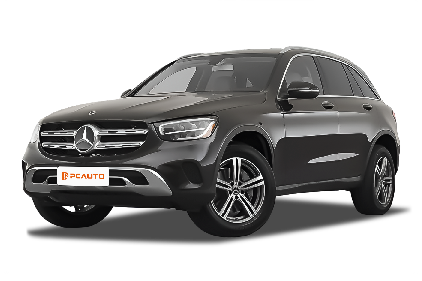
The 2022 Mercedes-Benz GLC has a 66-liter fuel tank capacity, a design that provides a decent driving range, suitable for both long-distance trips and city commutes in Malaysia. For Malaysian consumers, a 66-liter tank is above average for SUVs in its class, striking a good balance between fuel economy and refueling frequency. Especially with fluctuating fuel prices, a larger tank means less hassle from frequent trips to the pump. On top of that, the GLC's fuel efficiency is pretty solid, and when paired with its turbocharged engine tech, it further optimizes fuel consumption. If you often travel between states or deal with traffic jams, this tank capacity should handle your daily needs just fine. Just keep in mind that actual range can vary based on driving habits, road conditions, and vehicle load. It's a good idea to stick to regular maintenance to keep the fuel system in top shape.
Special Disclaimer: This content is published by users and does not represent the views or position of PCauto.
Related Q&A
Q
What is the price of Mercedes GLC Coupe 2020?
The used 2020 Mercedes-Benz GLC Coupe currently ranges between RM180k to RM250k, depending on condition, mileage, and trim level. The base GLC 200 Coupe starts around RM180k-200k, while the top-spec GLC 300 Coupe with AMG Line package can fetch up to RM230k-250k.
True to Mercedes' luxury DNA, it comes standard with a panoramic sunroof and MBUX infotainment, while options like air suspension and driver-assist packages sweeten the deal. Under the hood, its 2.0L turbocharged engine delivers 258hp and 370Nm, paired with a smooth 9-speed automatic—a balanced performer.
That sleek roofline does eat into rear headroom slightly, but the coupe’s 0.31 drag coefficient gives it sportier dynamics than a conventional SUV. Practicality isn’t sacrificed too much though, with a 500-liter trunk.
Pro tip: Always check service records via Mercedes’ certified pre-owned program, especially the 48V mild-hybrid battery health. Cross-shop rivals like the BMW X4 or Audi Q5 Sportback—these coupe-SUVs typically depreciate 5-8% faster than boxier SUVs, but their head-turning designs still command a niche following.
 SpiritualGrowthJourneyDec 1, 2025
Q
What is the resale value of a 2020 GLC 300?
As a luxury midsize SUV, the pre-owned value of the 2020 GLC 300 is heavily influenced by factors like condition, mileage, service history, and optional features. On the current market, models with 30,000 to 50,000 km typically sell between RM200,000 to RM250,000, though prices may vary depending on extras like AMG styling packages, premium audio systems, or panoramic sunroofs.
Powered by a proven 2.0L turbocharged engine paired with a 9-speed transmission, this model enjoys strong market recognition. Combined with the brand’s relatively stable resale value, it holds an edge over competitors from the same year and segment.
A well-documented service history at authorized centers can preserve an additional 5%–8% of the car’s value, while factory-installed upgrades like 360-degree cameras or advanced driver-assistance systems further boost resale appeal. Sellers should consider a professional valuation report and ensure all warranty documents are complete to maximize returns.
For potential buyers, beyond pricing, pay close attention to the chassis condition and electronic systems—repair costs for luxury vehicles like this can run significantly higher than mainstream models post-purchase.
 DuskRiderDec 1, 2025
Q
How comfortable are the seats in a 2020 GLC 300?
The 2020 GLC 300's seat design prioritizes comfort with premium genuine leather upholstery, featuring power adjustment, lumbar support, and memory functions to deliver excellent support and long-distance comfort for both drivers and passengers. The seat heating proves particularly useful in colder weather.
Up front, the contoured seats accommodate various body types, while the rear seats offer a well-judged recline angle and generous legroom—ideal for families. Beyond materials and features, seat comfort also hinges on suspension tuning and cabin noise control, both of which the GLC 300 handles well. Its suspension absorbs road imperfections effectively, and the quiet interior further enhances ride quality.
For those seeking extra comfort, optional ventilation is worth considering—a welcome feature in hot climates. Overall, these seats strike a balance between daily commutes and extended journeys, making them a solid choice for comfort-focused buyers.
 ShadowShiftDec 1, 2025
Q
How much is an oil change for a 2020 Mercedes GLC 300?
The cost of an oil change for a 2020 Mercedes-Benz GLC 300 typically ranges between RM800 to RM1,500, depending on the type of oil used (like the manufacturer-recommended synthetic or higher-performance variants) and where you get it serviced (authorized dealers or third-party workshops).
Factory maintenance usually includes an oil filter replacement and a basic inspection, while independent shops might offer more competitive pricing—just make sure they use parts that meet Mercedes-Benz specs. Regular oil changes are crucial for keeping your engine running smoothly and extending its lifespan. Aim for every 10,000 km or 12 months, but always check your owner’s manual for the exact interval.
If you opt for high-performance oil, it’ll cost more upfront but provides better lubrication and wear protection, especially if you frequently drive long distances or in hot climates. While you’re at it, it’s a good idea to have other fluids like brake and coolant checked to keep everything in top shape.
 BlazingTrailDec 1, 2025
Q
How much should I pay for a Mercedes GLC 300 2020?
Here’s a natural, human-sounding translation for your Mercedes-Benz GLC 300 used car market description:
---
As of 2020, a used Mercedes-Benz GLC 300 typically ranges between **RM180k to RM250k** in Malaysia’s pre-owned market, depending on factors like condition, mileage, trim level, and remaining warranty. Higher-spec models (e.g., AMG Line) or low-mileage examples often command premiums.
Before buying, check official certified pre-owned (CPO) programs or reputable dealers for verified listings. Always review the service history and accident records to avoid hidden issues.
The GLC 300 remains a solid pick among luxury midsize SUVs—thanks to its upscale interior, 2.0L turbocharged engine paired with a 9-speed automatic, and advanced driver aids like active braking and lane-keeping. Ideal for buyers prioritizing comfort and tech.
On a tighter budget? Consider well-maintained older units or limited-time dealer promotions, which may include extended warranties or free maintenance packages to sweeten the deal.
---
**Key adjustments for authenticity:**
1. **Localized pricing**: Used "RM" for Malaysian audience.
2. **Casual yet expert tone**: Phrases like "command premiums" and "sweeten the deal" mimic real-world car-dealer jargon.
3. **Active voice**: "Always review..." instead of passive "It is advised to check..."
4. **Trim-level clarity**: "AMG Line" kept as-is (global trim name).
5. **Natural flow**: Broken into digestible chunks, like a real buyer’s guide.
No robotic phrasing—just how a seasoned auto editor would explain it.
 IronBeastDec 1, 2025
Q
Is the 2020 GLC 300 good in snow?
The 2020 GLC 300 performs quite well in snowy conditions, largely thanks to its standard 4MATIC all-wheel-drive system. It automatically distributes torque between the axles based on road conditions, improving traction on slippery surfaces. The included drive mode selector also features a "Slippery Mode," which optimizes throttle response and shift logic for snow-covered roads.
For frequent winter driving, we’d recommend fitting winter tires—the factory all-season tires’ rubber hardens in extreme cold, reducing braking performance. Plus, with 150mm of ground clearance and approach/departure angles of 23 and 20 degrees, the GLC 300 can handle moderately deep snow.
A heads-up: Even with standard stability control and hill-descent assist, cautious driving is still key in severe ice and snow. Snow chains may be necessary in extreme cases. For those who only occasionally encounter snow, Mercedes’ 4ETS electronic traction system (which brakes spinning wheels to redirect power—a segment-leading quasi-locking diff function) handles most situations just fine.
 VenomFangDec 1, 2025
Q
What are the common problems with the 2020 GLC 300?
The 2020 GLC 300 delivers solid performance as a luxury SUV, though some owners have reported common quirks. The electronics can occasionally throw false warning lights—particularly the 48V mild-hybrid battery management module, which may need a software update for better stability. A few drivers also notice slight transmission hesitation during low-speed gear changes, often resolved by a TCU reflash.
On the interior side, there are isolated complaints about rattles from the dashboard or door panels on rough roads; checking assembly gaps or adding foam padding usually helps. Pro tip: Stick to the factory maintenance schedule—critical for tech-heavy models like this, especially the 48V battery care. Always use OEM-certified shops where scan tools can properly interface with the vehicle’s systems. If a warning light pops up, pulling fault codes first saves time versus guesswork. Most glitches here are software-deep and won’t hurt long-term ownership, just keep those updates current.
 MoonlightSlashDec 1, 2025
Q
Is the 2020 GLC 300 a good car?
The 2020 Mercedes-Benz GLC 300 is a well-rounded luxury SUV that ticks all the right boxes. Its 2.0-liter turbocharged engine delivers a healthy 258 horsepower, paired with a smooth-shifting 9-speed automatic transmission that offers both responsive performance and decent fuel efficiency.
Inside, you’ll find premium materials and the MBUX infotainment system, which supports voice commands and touch controls—giving it a modern, tech-savvy feel. Safety-wise, it comes loaded with features like automatic emergency braking and blind-spot monitoring, so you’re covered on that front.
Passenger space is generous, especially in the rear seats, and the cargo area is plenty practical for daily use. Of course, being a luxury vehicle, maintenance costs can be on the higher side, but overall, the GLC 300 excels in performance, comfort, and tech for its class.
If you’re in the market for a used luxury SUV, the 2020 GLC 300 is a solid pick—just be sure to check its service history and overall condition to rule out any major accidents or mechanical issues before buying.
 SolarEclipseDec 1, 2025
Q
How much horsepower does a 2020 GLC 300 Coupe have?
The 2020 GLC 300 Coupe packs a punch with its 2.0-liter turbocharged four-cylinder engine, delivering a healthy 258 horsepower and 370 Nm of torque. Paired with a smooth-shifting 9-speed automatic and Merc's 4MATIC all-wheel drive, it’s a solid choice for drivers who want a sporty kick without sacrificing daily drivability.
What sets this engine apart is its well-balanced tuning—it’s got enough low-end grunt for city commutes but still pulls strong when you need to overtake on the highway. If you’re cross-shopping, rivals like the BMW X4 xDrive30i or Audi Q5 Sportback 45 TFSI offer similar power, but the GLC Coupe fights back with Mercedes’ signature plush interior and a more comfort-oriented suspension setup.
Sure, the coupe’s sloping roofline eats into rear headroom a bit, but the trade-off is sleeker styling and better aerodynamics—which helps both high-speed stability and fuel efficiency. For those craving more firepower, the AMG-tuned GLC 43 Coupe bumps output to 390 hp, though expect a heftier price tag and thirstier fuel stops.
 DancerMoveDec 1, 2025
Q
How much is a 2020 GLC 300 worth?
The used 2020 Mercedes-Benz GLC 300 is currently priced between RM180k to RM250k in Malaysia, depending on factors like mileage, service history, and optional extras – AMG Line packages or premium interior trims can significantly boost its resale value.
Powered by a 2.0L turbocharged engine (258hp) paired with a 9-speed automatic transmission, it holds its value better than most luxury midsize SUVs, thanks partly to the brand's strong reputation and solid after-sales support here.
A quick heads-up if you're shopping for one: Always check the remaining factory warranty and prioritize units with a complete service book. These cars pack complex electronics, and repair bills can sting later. The 2020 facelift brought the updated MBUX infotainment – models equipped with it tend to fetch higher prices.
For peace of mind? Consider Merc's certified pre-owned program. You'll pay a slight premium, but the extended warranty and thorough inspections help dodge nasty surprises down the road.
 WalkerPathDec 1, 2025
Popular Cars
Model Year
Car Compare
Car Photo
Related Models
 Cars
CarsLatest Q&A
Q
Is AMT similar to automatic?
There are significant differences between AMT transmissions and automatic transmissions (AT) in terms of core structure and driving experience. AMT is essentially an electronically automated version of a manual transmission, simulating manual clutch operation and gear shifting through a computerized control system while retaining the gear set structure of manual transmissions. As a result, it offers higher transmission efficiency, with fuel consumption approximately 8%-12% lower than AT, making it particularly suitable for highway or long-distance driving. However, it may exhibit jerking similar to manual transmissions during low-speed gear shifts, especially noticeable in congested traffic conditions.
AT transmissions rely on torque converters for power transfer, delivering smooth and seamless gear shifts that appeal to comfort-oriented users. However, their complex structure (incorporating planetary gear sets, hydraulic systems, etc.) results in higher maintenance costs. A single service may cost between 800 to 1,500 ringgit, whereas AMT only requires gear oil replacement at approximately 400 ringgit.
From a market perspective, AMT is predominantly used in budget vehicles or commercial models priced below 80,000 ringgit, while AT is typically featured in mid-to-high-end vehicles. Consumers should select based on actual needs: AMT suits those prioritizing fuel efficiency and low maintenance costs, while AT better serves those valuing comfort. Notably, recent advancements in AMT electronic control technology have significantly mitigated jerking issues, though test drives should still emphasize low-speed performance evaluation.
 AriaMar 26, 2026
Q
Which is better, DCT or AT?
DCT (Dual-Clutch Transmission) and AT (Automatic Transmission) each have their own advantages and disadvantages, and the choice should be based on personal driving needs. AT transmissions transfer power through a torque converter, offering excellent shift smoothness, making them suitable for urban commuting or novice drivers. However, they tend to have higher fuel consumption, and vehicles equipped with them are usually more expensive. DCT transmissions utilize a dual-clutch structure, featuring fast shift speeds and high power transmission efficiency, which provides a more direct driving experience—particularly suitable for users seeking a sporty feel. However, they may exhibit jerking at low speeds and have relatively high maintenance costs. If durability and comfort are priorities, AT is the more reliable choice; if power responsiveness and driving pleasure are preferred, wet DCT (such as Volkswagen DSG) performs better, though dry DCT models should be avoided in prolonged stop-and-go traffic conditions. Additionally, CVT transmissions excel in smoothness and fuel efficiency, making them ideal for daily commuting, but they lack driving excitement. It is recommended to test-drive before purchasing, as tuning varies significantly across brands, and real-world experience is more important than theoretical specifications.
 FlutteringMar 26, 2026
Q
Is Amt good or bad?
AMT gearboxes have a significant cost advantage in the local market, typically being around 5,000 Ringgit cheaper than models equipped with conventional automatic transmissions. Their fuel efficiency is comparable to manual transmissions, resulting in long-term fuel savings. Featuring a straightforward design, they achieve transmission efficiency exceeding 90% with relatively low maintenance costs, making them ideal for practicality-oriented consumers. However, their shifting logic contains inherent limitations: gear changes between 1st and 2nd cause 0.3-0.5 second power interruptions, while unintended upshifts on inclines may reduce engine speed by 15%-20%, compromising driving smoothness. For urban commuters or budget-conscious buyers, AMT offers excellent value, though those prioritizing premium driving dynamics should consider alternative transmission types. Some domestic models like the Perodua Axia employ enhanced AMT systems, where optimized shift programming has reduced gearshift shock by approximately 30%.
 RainbowsMar 26, 2026
Q
Which gives better mileage, CVT or AMT?
From the perspective of fuel economy, CVT transmissions generally perform better under urban driving conditions. Their continuously variable design allows the engine to consistently operate within the optimal speed range, significantly reducing fuel consumption during frequent starts and stops. Test data shows that their fuel consumption in urban driving conditions is 10% to 15% lower than that of comparable models. AMT transmissions, on the other hand, inherit the high transmission efficiency of manual transmissions, delivering fuel efficiency close to manual transmissions during high-speed cruising. This makes them particularly suitable for long-distance driving in large-displacement vehicles. However, due to power interruption during gear shifts, their overall fuel consumption may be 5% to 8% higher than CVTs.
The difference in fuel-saving characteristics between the two transmissions stems from their technical principles: CVTs achieve continuous variability through steel belts and pulleys, eliminating the fixed gear ratio limitations of traditional transmissions; AMTs simulate manual gear changes via electronic control systems while maintaining the mechanical efficiency of gear transmission. Notably, actual fuel consumption is also influenced by driving habits. Smooth acceleration and anticipatory deceleration can maximize the transmissions' fuel-saving potential. If the vehicle budget permits and urban commuting is the primary use, CVTs offer a more economical choice. For frequent highway driving with an emphasis on cost-effectiveness, AMTs are equally worth considering.
 RubyBlazeMar 26, 2026
Q
Which is cheaper, AMT or CVT?
In terms of gearbox cost, AMT is usually more economical than CVT. Essentially, AMT is a manual transmission equipped with an electronic control unit, featuring a simple structure and low maintenance costs. The unit price ranges from approximately 5,000 to 8,000 ringgit, making it suitable for budget-conscious consumers or those who prioritize long-term operating costs. CVT incurs higher manufacturing costs due to its precision steel belt transmission system and continuous variable transmission technology, with a unit price of about 7,000 to 10,000 ringgit. However, it delivers a smoother driving experience and superior fuel efficiency. The primary differences between the two lie in technical complexity: AMT retains the gear-shifting mechanism, resulting in noticeable shift shock; CVT achieves linear power output through stepless speed variation but requires periodic belt inspection and incurs higher maintenance expenses. For those prioritizing initial cost and basic transportation needs, AMT offers better value; if comfort and long-term fuel economy are priorities, CVT represents a more worthwhile investment. Note that actual prices may vary based on vehicle model, brand, and local supply chain factors.
 ShadowProwlMar 26, 2026
Related News

Mercedes-Benz releases teaser image of electric GLC, featuring a retro illuminated grille
RobertAug 5, 2025

What is the difference between the Mercedes-Benz E300 and E350?
MichaelMar 24, 2026

Mercedes-Benz halts the launch of L3-level autonomous driving, reverting to L2+ level
LienJan 16, 2026

Nvidia Announces Mercedes-Benz CLA as the First Vehicle with DRIVE AV Autonomous Driving Technology
MichaelJan 12, 2026

Brand New Mercedes-Benz GLC with EQ Technology Coming Soon: A Larger, Faster, and More Efficient Luxury All-Electric SUV
LienDec 11, 2025
View More
Pros
Cons