
2026 Mazda 3 Liftback Latest Pricing: On-the-Road Cost, Monthly Instalments and 1.5L vs 2.0L Differences
 AshleyFeb 27, 2026, 11:45 AM
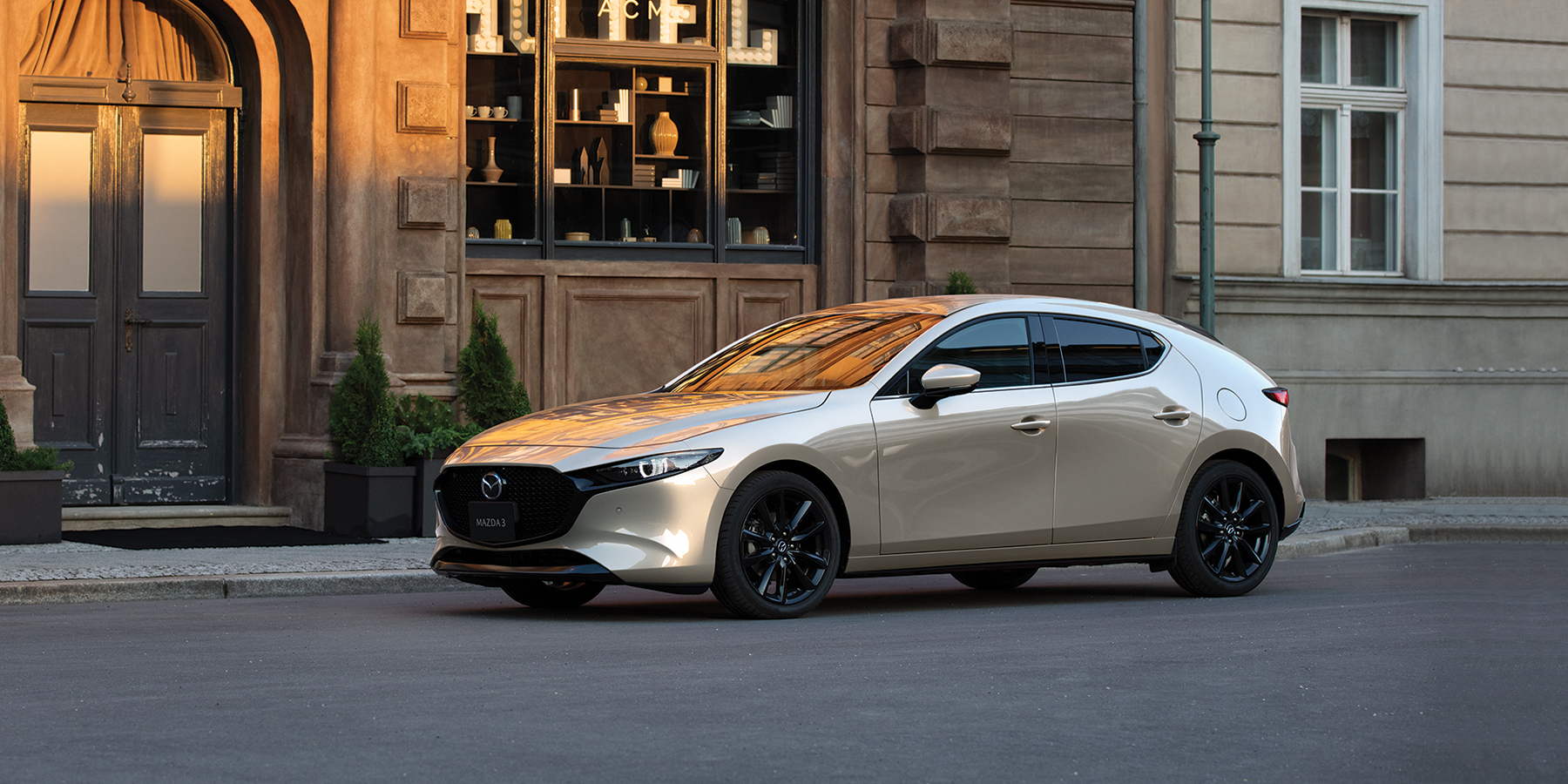
[PCauto]In the C-segment hatchback space, the Mazda 3 Liftback remains one of the more design-led and driver-focused options available. Its combination of sharp styling and well-balanced handling continues to appeal to buyers who prioritise aesthetics and driving engagement.
However, beyond the styling and dynamics, the key considerations remain straightforward: how much does a 2026 Mazda 3 Liftback cost on the road? What does the on-the-road (OTR) figure include? What are the expected monthly instalments under prevailing loan conditions? And how does the 1.5L compare with the 2.0L variants?
Here’s a detailed breakdown.
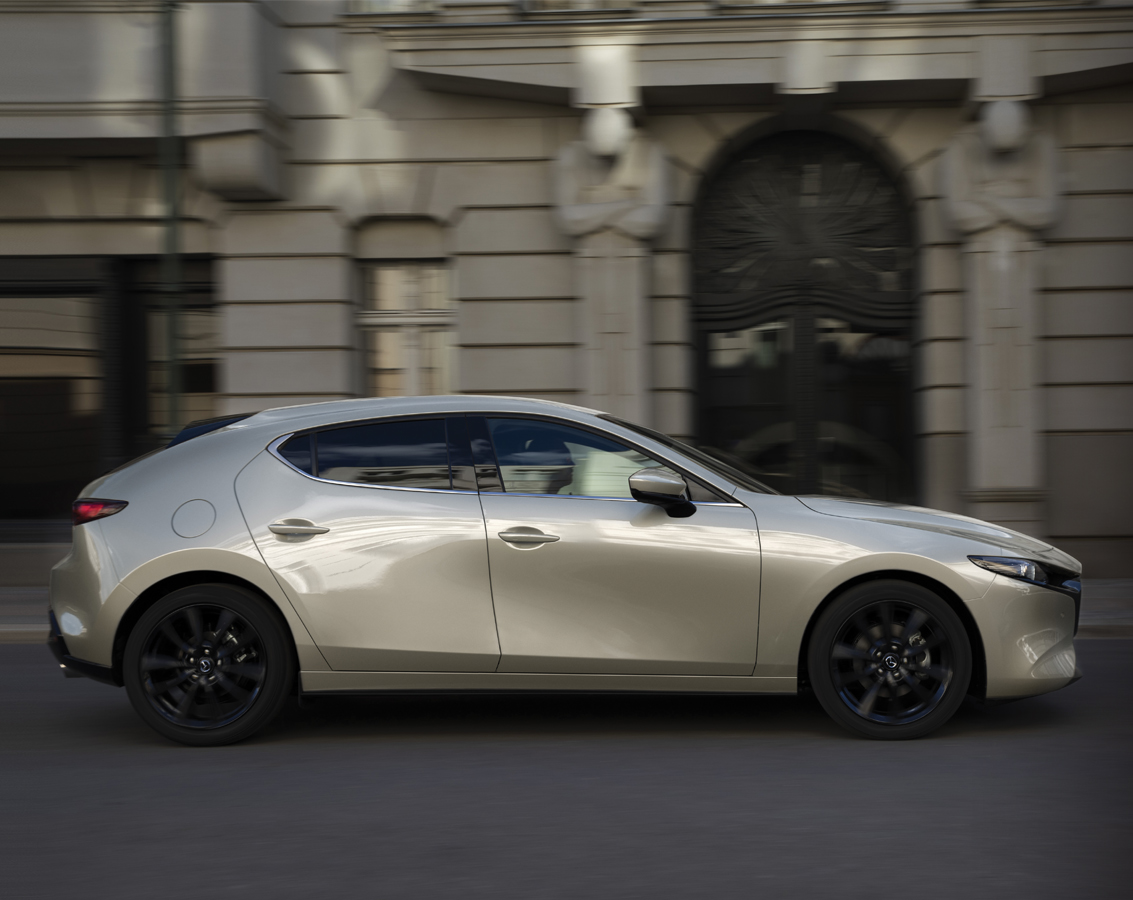
Official Pricing vs On-the-Road (OTR) Cost
It is important to distinguish between MSRP and OTR pricing. The manufacturer’s suggested retail price does not include insurance, road tax, registration and related ownership costs.
2026 Mazda 3 Liftback – OTR (without insurance)
| Variant | OTR (w/o insurance) |
| Mazda 3 Liftback 1.5L High Plus (with ADAS) | RM118,900 – RM119,620 |
| Mazda 3 Liftback 2.0L (High / High Plus / Ignite Edition) | RM165,000 – RM174,000 |
The current line-up consists of the 1.5L High Plus and the 2.0L range (High, High Plus and Ignite Edition). These represent the full hierarchy of the current variant structure.
Estimated OTR Including Insurance
The final on-the-road cost will vary based on insurance premiums, which depend on coverage level and No Claim Discount (NCD). As a general guide:
· 1.5L High Plus: RM118,900 – RM119,620 (w/o insurance) + insurance, road tax and registration
· 2.0L range: RM165,000 – RM174,000 (w/o insurance) + insurance, road tax and registration
Monthly Instalments: Loan Scenarios Compared
Using typical early-2026 new vehicle loan conditions (interest rates between 2.4%–2.8%, downpayments of 10% or 20%, and tenure of 5 or 9 years), the following estimates are based on a 2.6% interest rate.
Calculation basis:
· 1.5L High Plus OTR (w/o insurance): RM119,000
· 2.0L range mid-point OTR (w/o insurance): RM169,500
Estimated Monthly Instalments (2.6% interest)
| Variant | 10% DP (5 yrs) | 20% DP (5 yrs) | 10% DP (9 yrs) | 20% DP (9 yrs) |
| 1.5L High Plus | ~RM1,935 | ~RM1,720 | ~RM1,270 | ~RM1,130 |
| 2.0L range | ~RM2,750 | ~RM2,445 | ~RM1,800 | ~RM1,595 |
Actual rates and approval conditions may vary between financial institutions and dealership campaigns.
Current Financing Promotions (Campaign-Dependent)
Authorised dealers may offer promotional packages, including:
· Interest rates from 2.4% per annum (subject to approval)
· Downpayment options from 5%
· Trade-in rebates of up to RM3,000
· Selected first-year zero-interest campaigns for the 2.0L Ignite Edition (principal repayment only during the first 12 months)
These are promotional initiatives and not standardised national policies.
1.5L vs 2.0L: Key Differences
The pricing gap between the two powertrains is significant, and the distinction lies primarily in performance and equipment levels.
Powertrain Comparison
| Specification | 1.5 SkyActiv-G | 2.0 SkyActiv-G |
| Maximum Power | 118 PS @ 6,000 rpm | 162 PS |
| Peak Torque | 153 Nm @ 4,000 rpm | 213 Nm |
| Claimed Fuel Consumption | 5.8 L/100 km | 6.2 L/100 km |
The 1.5L High Plus delivers adequate performance for daily urban commuting, with slightly better fuel efficiency.
The 2.0L variants offer stronger mid-range performance and more effortless highway cruising capability, making them more suitable for drivers who prioritise responsiveness.
Equipment Differences
Beyond performance, equipment differentiation plays a major role.
Safety
· The 1.5L High Plus features the standard ADAS suite.
· The 2.0L variants are equipped with the full i-Activsense active safety suite, including adaptive cruise control, lane keep assist, autonomous emergency braking and blind spot monitoring.
Comfort & Convenience
· 2.0L Ignite Edition: 10-speaker Bose audio system
· 2.0L High / High Plus: 8-speaker Mazda audio system
· 1.5L High Plus: 6-speaker system
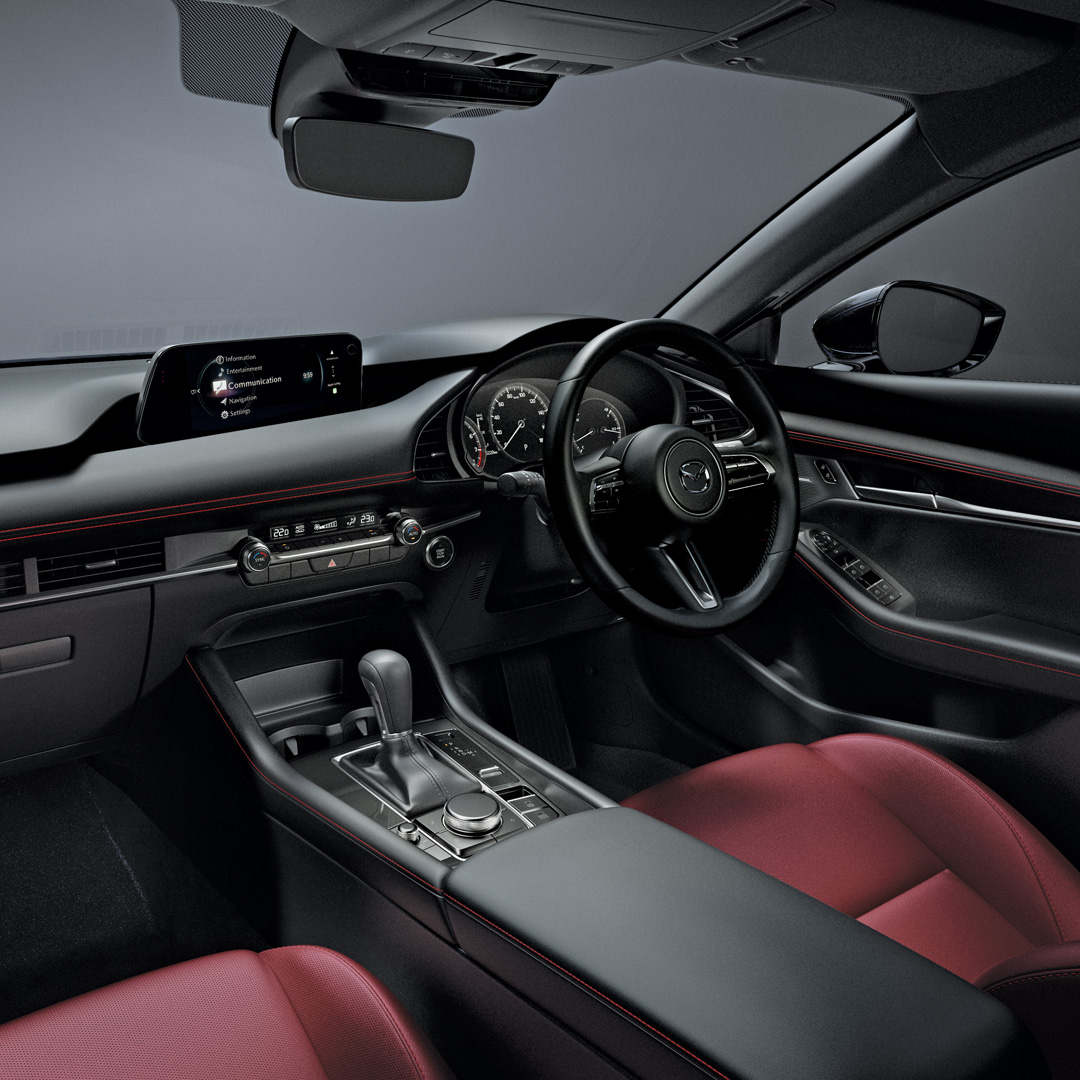
The 2.0L range also includes leather upholstery, powered tailgate and dual-zone automatic climate control, whereas the 1.5L High Plus retains fabric seats and a manual tailgate.
Exterior
The 1.5L High Plus is equipped with 18-inch grey alloy wheels, visually aligning it with the 2.0L variants. Earlier 1.5L variants were fitted with 16-inch wheels.
Ownership Considerations
SST
The Mazda 3 Liftback is a fully imported (CBU Japan) model and is subject to the standard 10% Sales and Service Tax (SST), with no exemptions applicable.
Resale Value
Market data indicates:
· Approximately 60% value retention after three years
· Around 50% retention after five years
The 2.0L variants generally command 2–3% stronger resale performance compared to the 1.5L, with the Ignite Edition typically leading.
Maintenance Costs
Mazda continues to provide a 5-year / 100,000 km free maintenance package for new vehicles. This covers scheduled servicing labour, parts and lubricants within the warranty period.
Consumables not included:
· Brake pads: RM400–600 per set
· Tyres: RM600–1,000 per unit (brand dependent)
· Battery: RM500–800
For most owners, scheduled servicing costs during the first five years are effectively negligible.
Conclusion
The 2026 Mazda 3 Liftback line-up remains clearly structured:
· 1.5L High Plus (with ADAS): Lower entry point, suitable for urban-focused buyers prioritising fuel efficiency and manageable ownership costs.
· 2.0L High / High Plus: Enhanced performance and broader equipment specification.
· 2.0L Ignite Edition: The most feature-complete variant, particularly for buyers who prioritise premium audio and additional comfort features.
From a cost perspective, OTR pricing and monthly instalments remain within segment norms. When combined with the five-year free maintenance package, overall ownership costs remain competitive.
If any infringement occurs, please contact us for deletion







Popular Cars
Model Year
Car Compare
Car Photo