
Spend 100,000 more to buy Mazda CX-80, or buy CX-8?
 Kevin WongMar 12, 2026, 03:05 PM
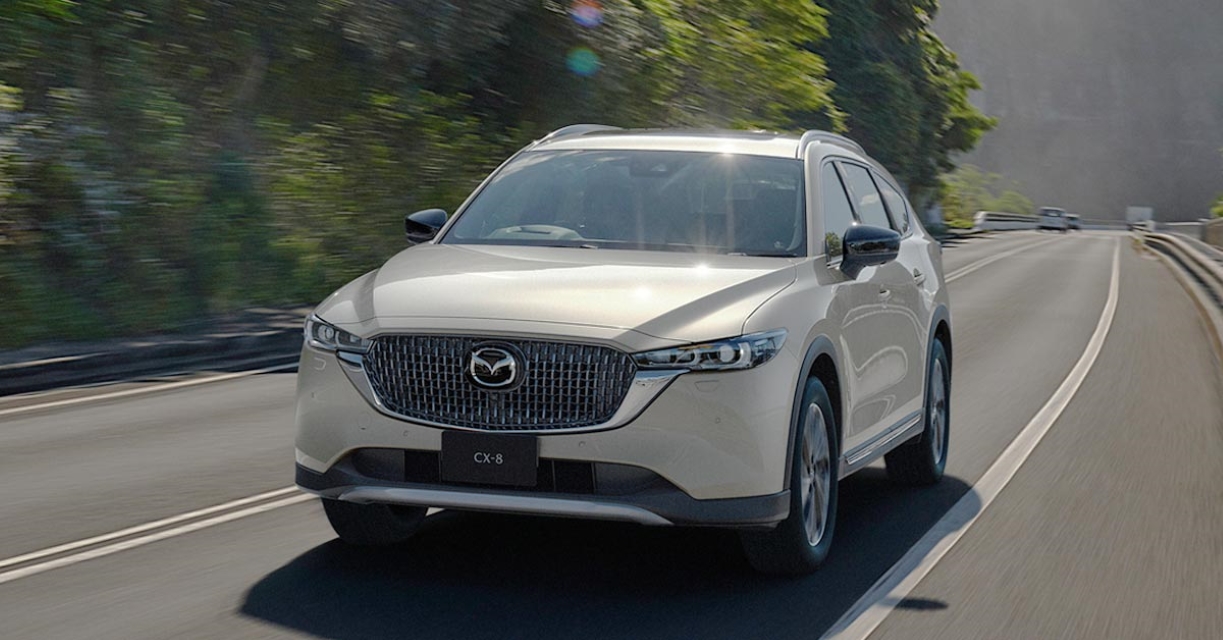
[PCauto] As Mazda aggressively pushes its premium strategy forward, the highly anticipated all-new flagship three-row SUV Mazda CX-80 officially entered the market in the second half of 2025.
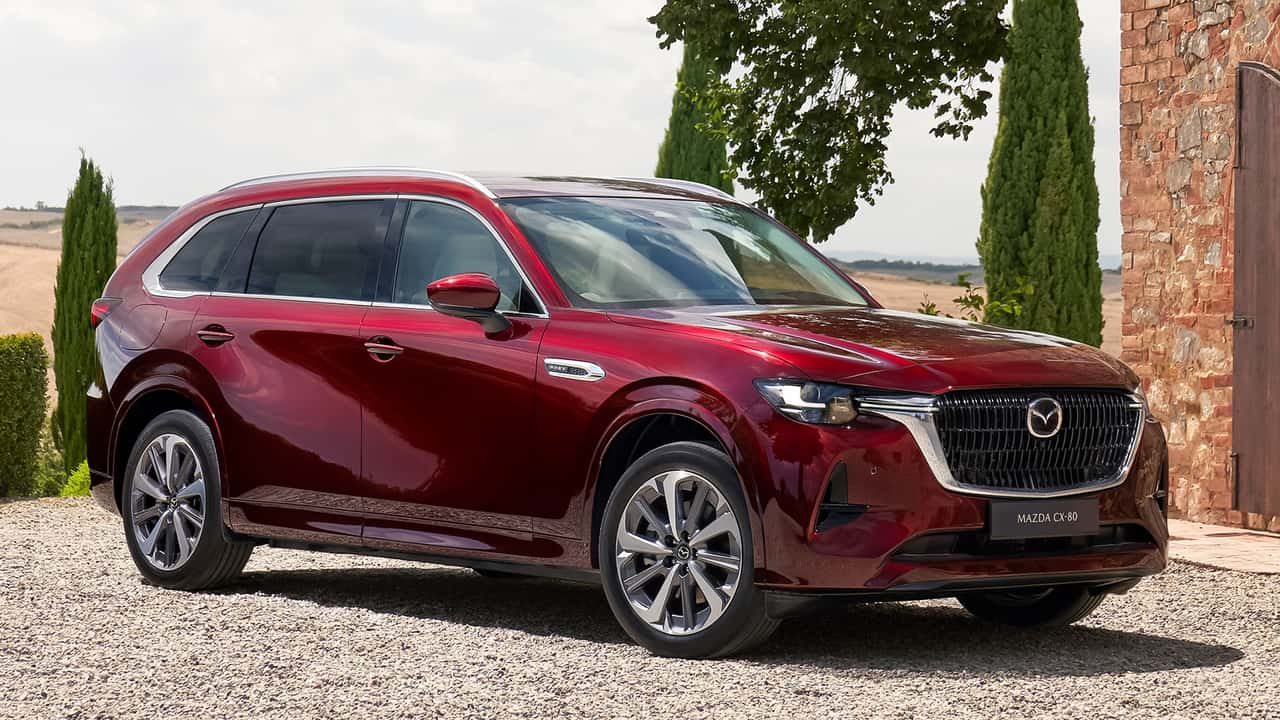
As the latest member of the Large Architecture longitudinal rear-wheel drive platform, the appearance of the CX-80 not only elevates Mazda's technological benchmarks in the family car market, but also directly disrupts the existing landscape of three-row SUVs.
On one side, there's the all-new flagship Mazda CX-80, with a newly reduced starting price of approximately RM 331,610, while on the other side, the current Mazda CX-8, priced from just RM 165,360, is in the phase of stock clearance.
Longitudinal Rear-Wheel Drive vs Transverse Front-Wheel Drive
The fundamental difference between the Mazda CX-80 and the current CX-8 lies in their underlying architectures.
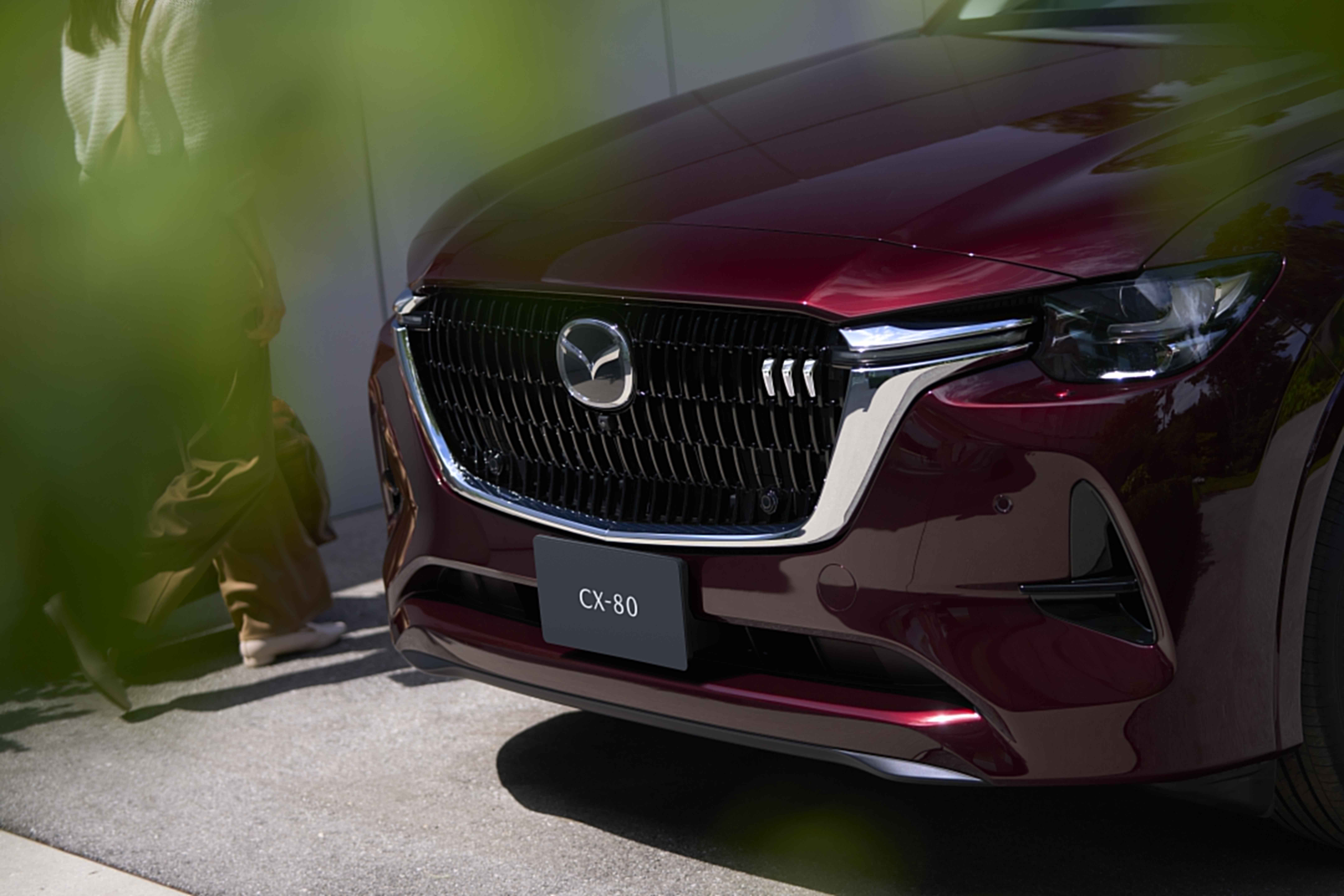
The CX-80 adopts the same longitudinal engine, rear-wheel drive (or i-Activ AWD full-time four-wheel drive) platform as the CX-60, primarily featuring a 2.5 L PHEV plug-in hybrid system, with some markets also offering a 3.3 L inline-six-cylinder engine option.
This powertrain combination (taking the 2.5 L PHEV as an example) can deliver a combined power output of 328 PS and peak torque of 500 Nm. Coupled with an 8-speed automatic gearbox without a hydraulic torque converter, its driving experience and power response indeed showcase its confidence in challenging luxury brands.
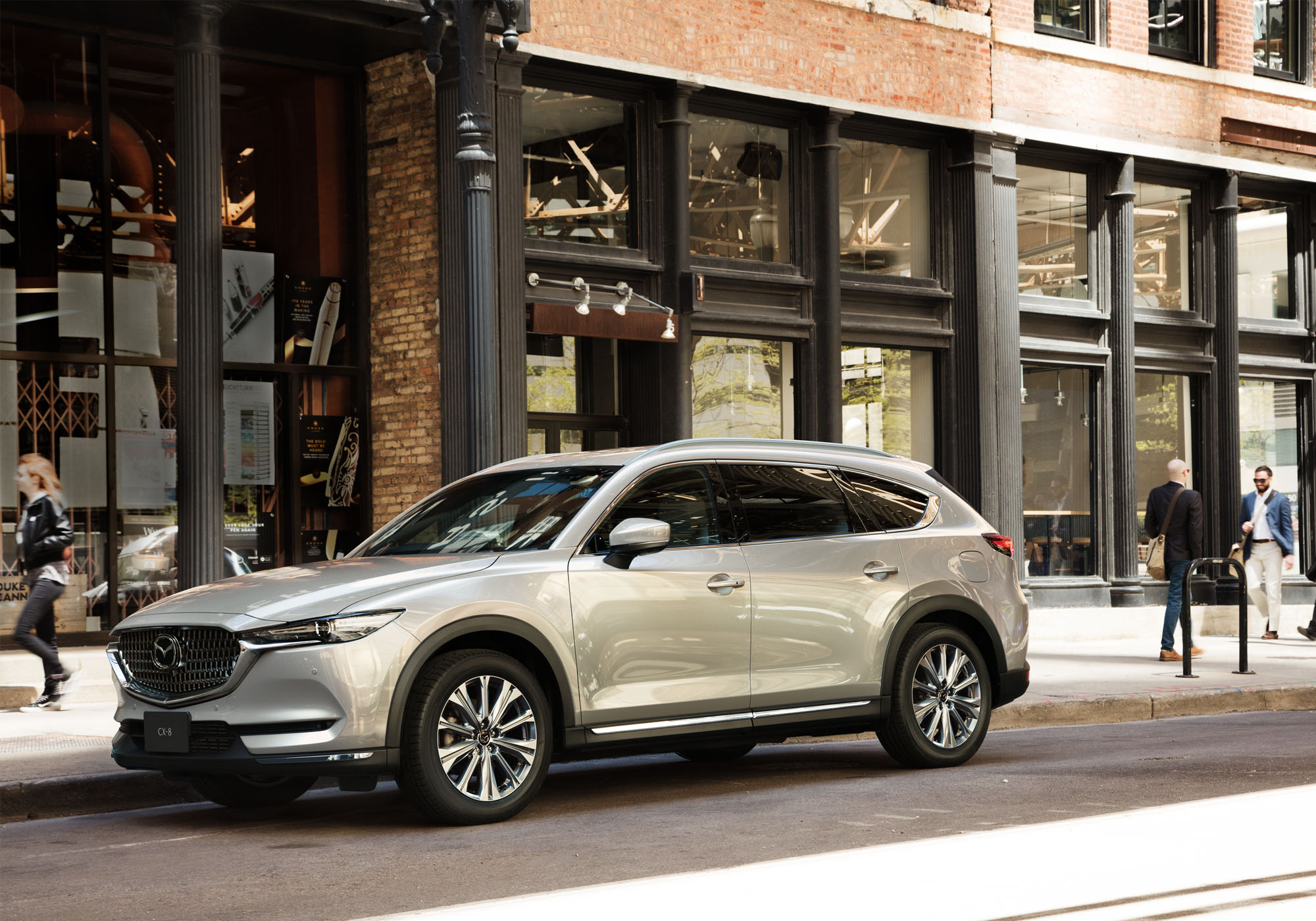
In contrast, the current CX-8, which is based on the CX-5 platform with an extended transverse front-wheel-drive architecture, appears quite conventional.
Although the 2.5 L Skyactiv-G naturally aspirated engine and the 2.5 T turbocharged engine cannot match the performance parameters of PHEV, they excel in extremely mature technology, low failure rates, and the 6-speed automatic transmission's sophisticated shift logic, which remains a benchmark standard for its class.
Is 3120mm really more spacious?
On the spec sheet, the CX-80 boasts a wheelbase of up to 3,120 mm, 190 mm longer than the CX-8’s 2,930 mm. You'd expect the cabin to be much roomier. It's not.
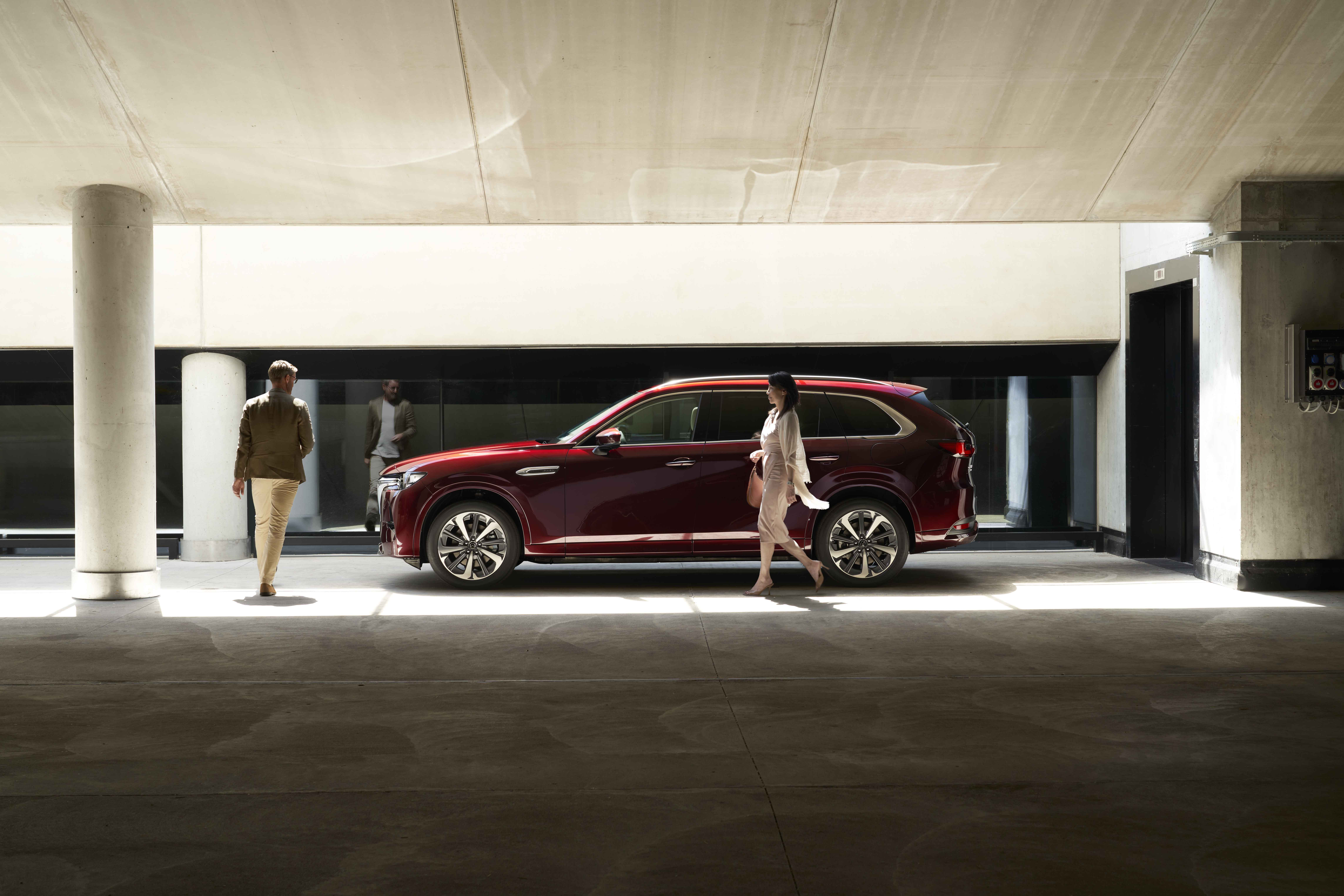
Due to the CX-80's longitudinal powertrain layout, to balance the weight distribution and accommodate the large displacement engine and longitudinal gearbox, the “L113” (the distance from the front wheel hub to the firewall) is significantly extended, occupying part of the cabin’s longitudinal space.
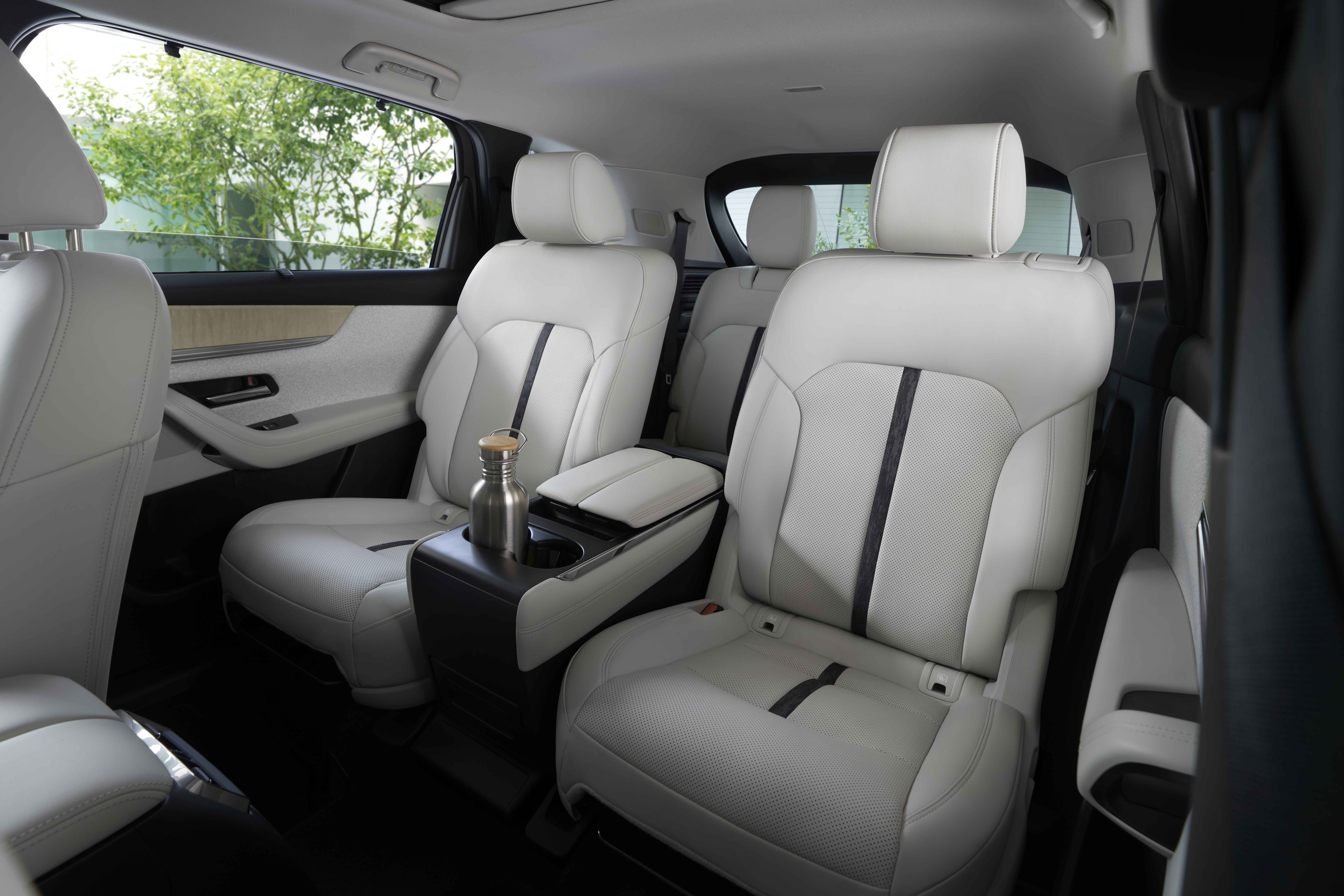
The third-row seating space in the CX-80 is not as spacious as expected. Compared with the CX-8, which adopts a transverse layout and maximizes space efficiency, its advantage is marginal at best.
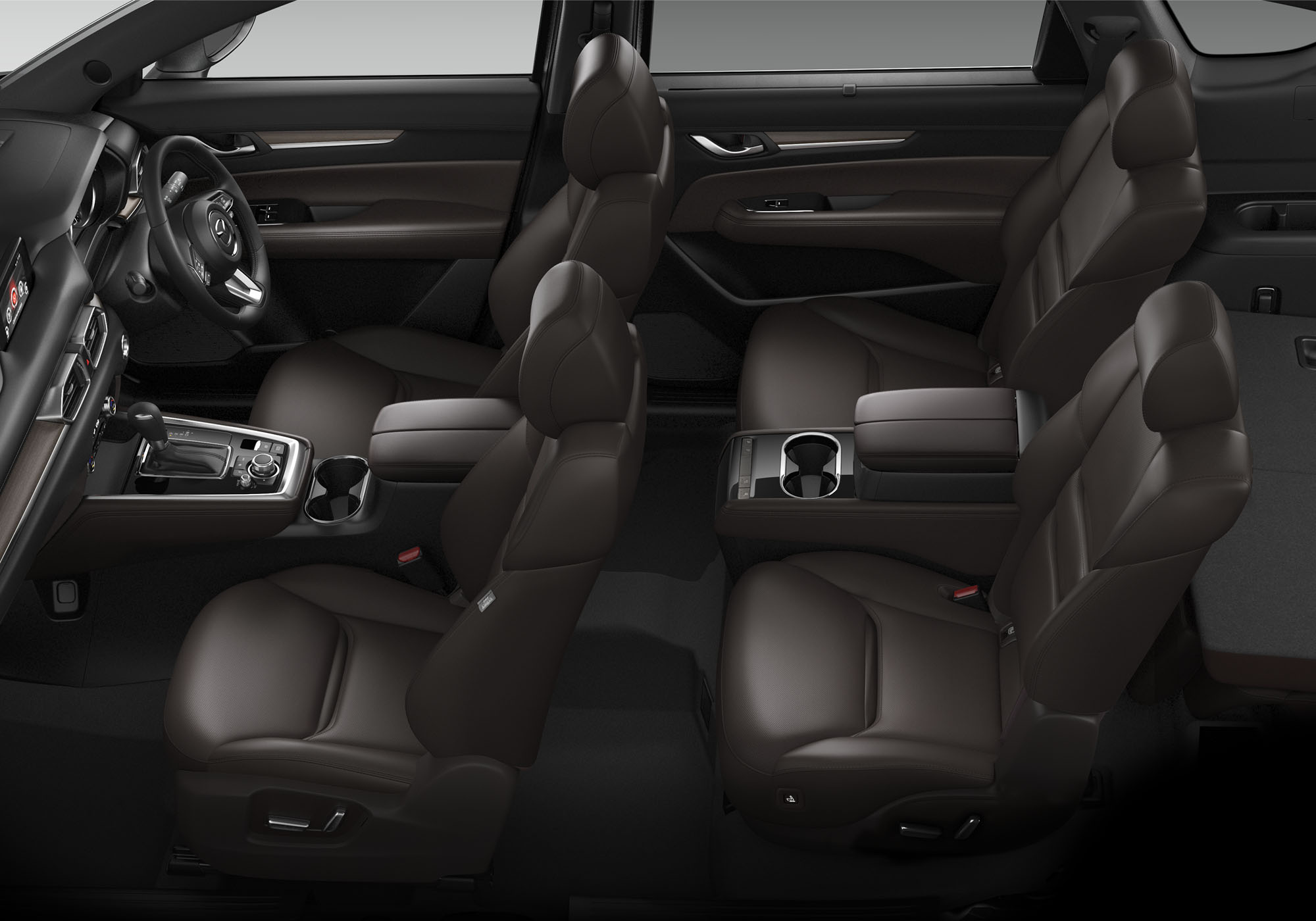
For families who need to travel with all seats filled, the CX-8's clever 2-2-2 six-seat layout delivers real practicality. That's something the plusher, more luxury-focused CX-80 sacrifices.
Does PHEV really save fuel?
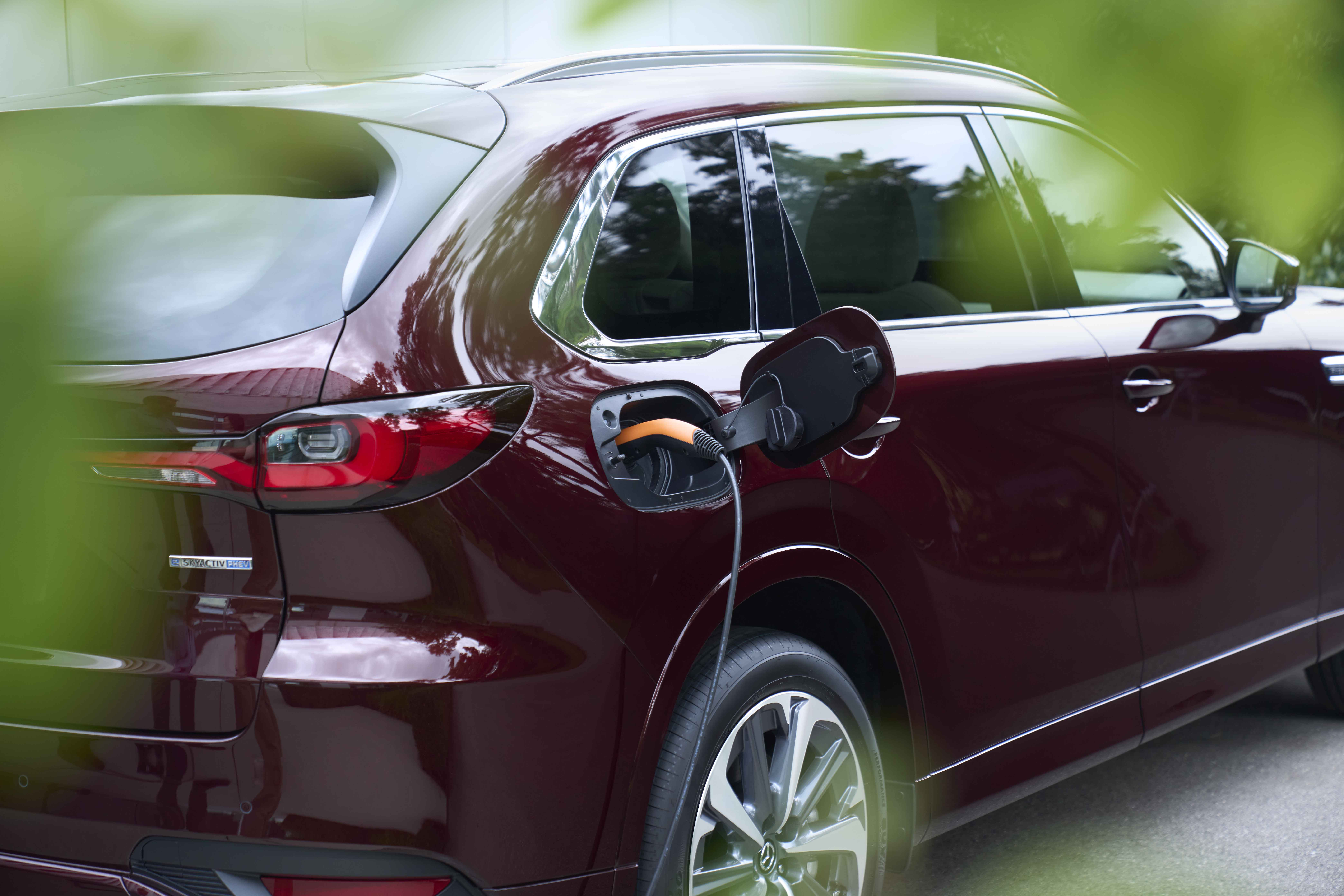
Addressing the commonly concerned issue of fuel consumption, the two cars take completely different approaches. The CX-80 PHEV demonstrates impressive energy efficiency when fully charged, making it very suitable for urban commuting users who have home charging conditions.
But once the battery runs out, hauling that hefty body in depleted mode takes a serious toll on fuel economy.
In contrast, the CX-8's 2.5L naturally aspirated version, even without the support of hybrid power, still stands as the preferred choice for practical users due to its stability during long-distance cruising and the simplicity of its later maintenance.
Especially when compared to the CX-80 PHEV’s complex battery pack and electric motor system, the CX-8’s simpler structure results in significantly lower repair costs once the warranty expires.
Pay RM 110,000 more for luxury? Worth it or not?
Currently, the CX-80 PHEV is sold in the form of full import (CBU) with a starting price of around RM 331,610. In comparison, the locally assembled (CKD) CX-8, after official price adjustments and terminal discounts, sees its entry-level version drop to around RM 165,000, while the top-spec 2.2D diesel or 2.5T models only require about RM 220,000.
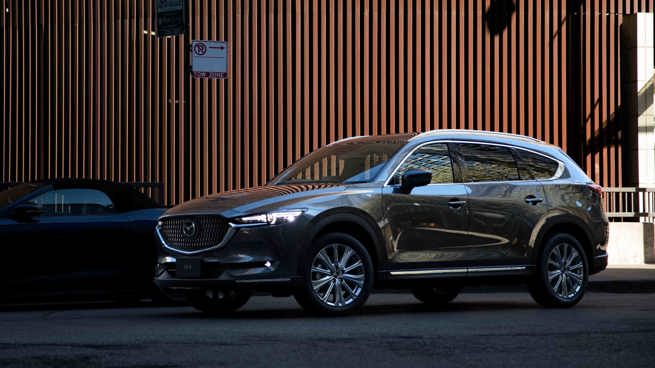 The price difference of up to RM110,000 to RM160,000 is enough to make most families think twice.
The RM110,000 premium is for Mazda to just barely enter the luxury segment. For practical families, the CX-8 remains the more sensible and restrained choice.
If any infringement occurs, please contact us for deletion







Popular Cars
Model Year
Car Compare
Car Photo