
BYD Adjusts Strategy in Europe: Lessons Learned, New Approach
 JohnApr 24, 2025, 11:03 AM
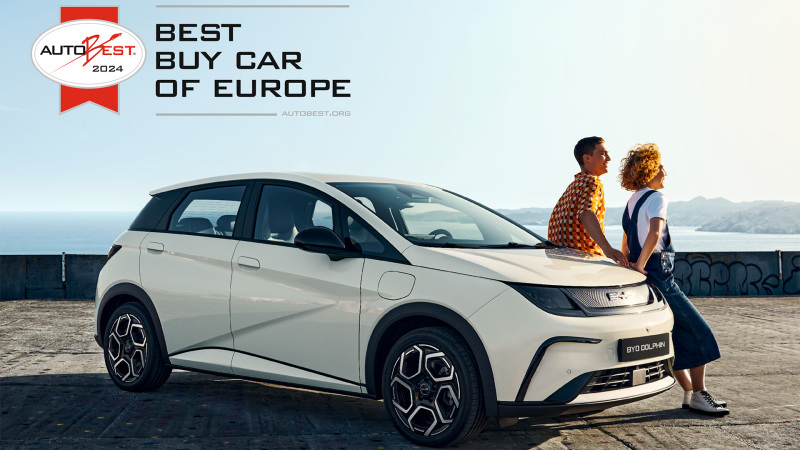
【PCauto】 As a global leader in new energy vehicles, BYD has set the goal of "becoming the number one electric car brand in Europe by 2030" since its entry into the European market in 2023. However, the initial market expansion effect is far from expected.
Between 2023 and 2024, although China's automobiles gradually increased their influence in 28 European countries (including the EU, UK, Norway, and Switzerland), BYD's performance was not satisfactory.
In 2024, BYD registered 50,265 new vehicles in 28 European countries, despite a year-on-year increase of 216%, ranking at the forefront of Chinese brands, still didn't achieve its goal.
In Germany, the largest automobile market in Europe, BYD sold less than 2,900 vehicles in 2024. Compared with the German automobile market's total annual sales of 2.8 million vehicles, BYD's share is extremely low, and its sales decreased by 30.2% from 2023.
Across Europe, BYD captured just 2.8% share of the EV market with 57,000 sales. The former European CEO Michael Shu (Schulek) predicted that before BYD's start of production at the Hungarian factory, it is expected to capture at least 5% share of the EV market, but the actual captured share is much lower than this figure.
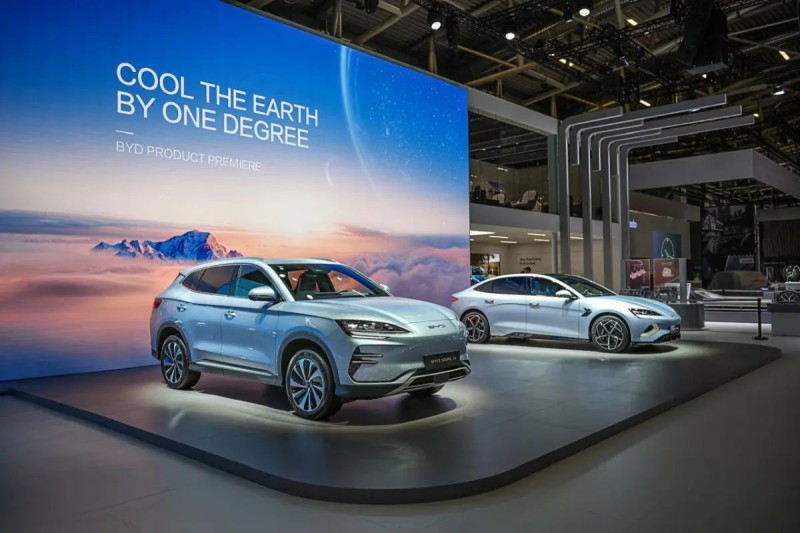
The main reason is the structural defects of the dealer network. In Germany, the largest automobile market in Europe, BYD had only 27 dealers in 2024, all of which were concentrated in big cities such as Berlin and Munich and did not cover small and medium cities and suburban markets, which led to a narrow channel for consumers to buy vehicles.
Secondly, there was a critical shortage of localized management talent. Early leadership lacked deep understanding of European market policies, consumer habits, and cultural nuances. For instance, they ineffectively applied China's "NEV" (New Energy Vehicle) terminology in Germany, where consumers were unfamiliar with the acronym, diminishing its marketing attraction.
Finally, the mismatch between product strategy and market demand. Across continental Europe (excluding Nordic countries), many consumers remained hesitant about buying pure EVs. BYD's initial all-electric lineup missed the market window for plug-in hybrids, which could have served as a transitional solution.
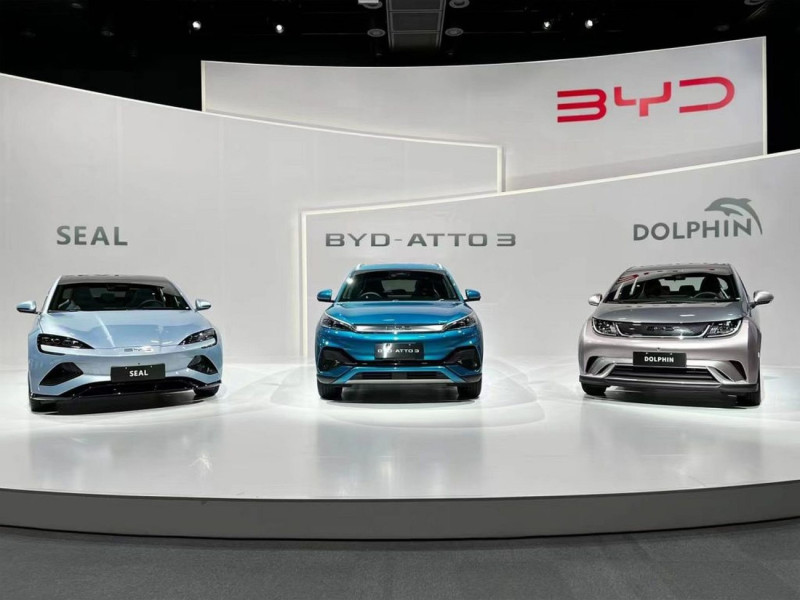
In response to the above issues, BYD is beginning a strategic adjustment
First, it's aiming to improve its dealership network. With Germany as its core market, BYD plans to increase the number of dealerships from 27 to 120, expanding to more cities.
As Maria Grazia Davino, the former Stellantis executive in charge of the German business, said: "In the German market, the lack of infrastructure is a fatal flaw, we must first address this issue."
Second, BYD is aggressively recruiting top talent from European automakers (particularly Stellantis) with competitive salaries and career growth incentives. Alfredo Altavilla, former Fiat-Chrysler executive and now BYD's Europe Special Advisor, has hired key management personnel from Stellantis' Italian and Spanish divisions.
Third, in December 2024, BYD officially announced that plug-in hybrid vehicles will be the core product for the European market. Meanwhile, all new models will be launched with both electric and hybrid versions. This decision is made for countries like Germany and France which encourage new energy but have yet to complete their charging infrastructure. Hybrid models can satisfy environmental demands while also reducing range anxiety. Altavilla emphasizes: "Educating consumers takes time, so the product must first cater to their practical choices."
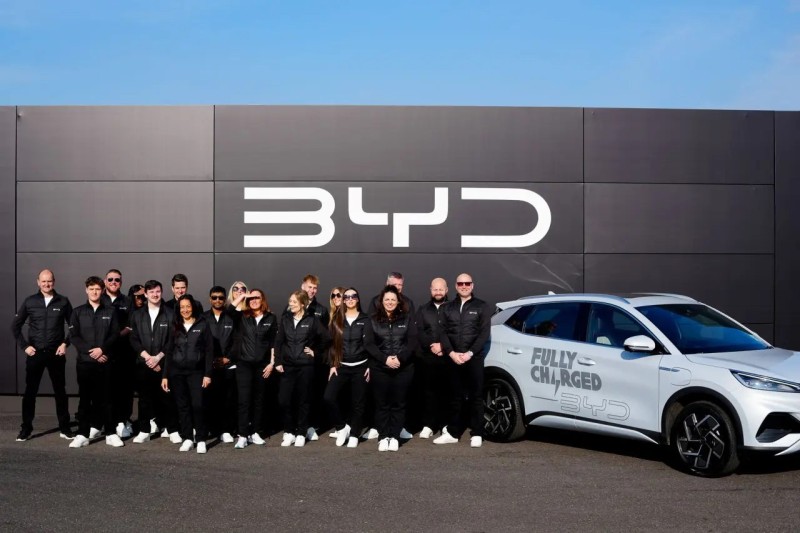
The strategic adjustments quickly show a satisfactory result, with BYD's sales (including the UK's) in the first quarter of 2025 soaring by more than 300% from 8,500 units to 37,000 units.
The sales growth is not only the result of improved channels and products, but also reflects BYD's deeper understanding of the European market. Europe is not a single market, but a fragmented market composed of over 40 countries with different languages, regulations, and consumption habits.
Despite the first victory after the strategic adjustment, BYD still needs to face other challenges
Chinese automakers including Chery, Geely, and XPeng have followed closely into the European market, where price wars are beginning to emerge.
On the other hand, traditional automakers like Volkswagen and BMW are accelerating their electrification transitions, attempting to make use of their brand loyalty among consumers to defend their market positions.
Furthermore, challenges such as the EU's strcit new regulations on battery carbon footprints and consumers' preference for local brands will require BYD to address through long-term localized operations.
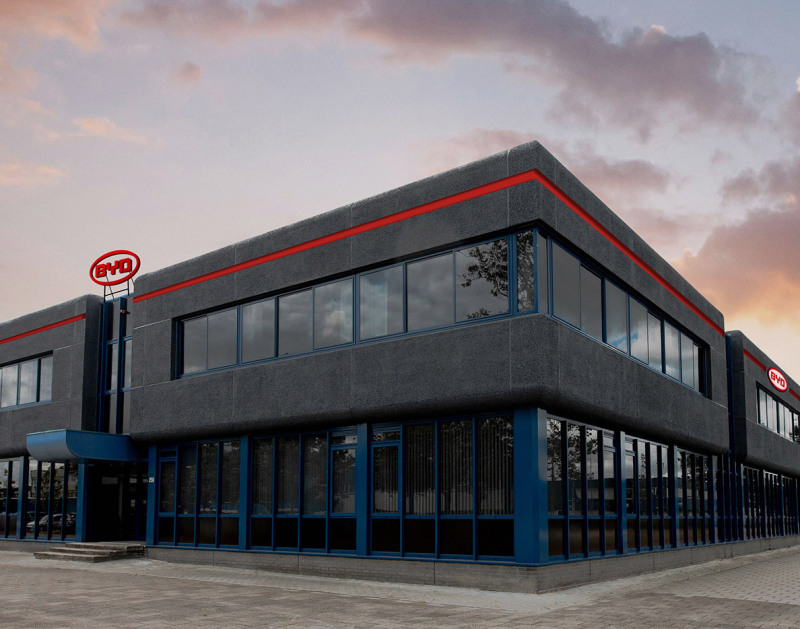
The restart of BYD in Europe reflects the typical dilemmas of Chinese automakers going globalization.
In the Chinese automobile market, Chinese automakers have won with advantages such as rapid iteration of models and cost control.
However, in other countries and regions, they must yield to local practices, from product definition to channel construction to management team, all of which require breaking the past mindset of Chinese auto manufacturers.
If any infringement occurs, please contact us for deletion








Popular Cars
Model Year
Car Compare
Car Photo