
BYD Seal 06 Series Upgrade, offering the BYD DiSus-C intelligent chassis control system
 AshleyJan 19, 2026, 05:04 PM
BYD Seal 06 Series Upgrade Information Released in Advance
Pure Electric, Plug-in Hybrid, and Performance Edition Simultaneously Optimized for Range, Energy Efficiency, and Chassis Tuning
Adaptable to All Scenarios, Attracts Market Attention
【PCauto】The upgrade information for the BYD Seal 06 series has been released! This time, the pure electric EV version, the DM-i plug-in hybrid version, and the performance fastback Seal 06 GT version have all been included.
The core focus is on improving range and energy efficiency, while also refining the chassis and powertrain systems.
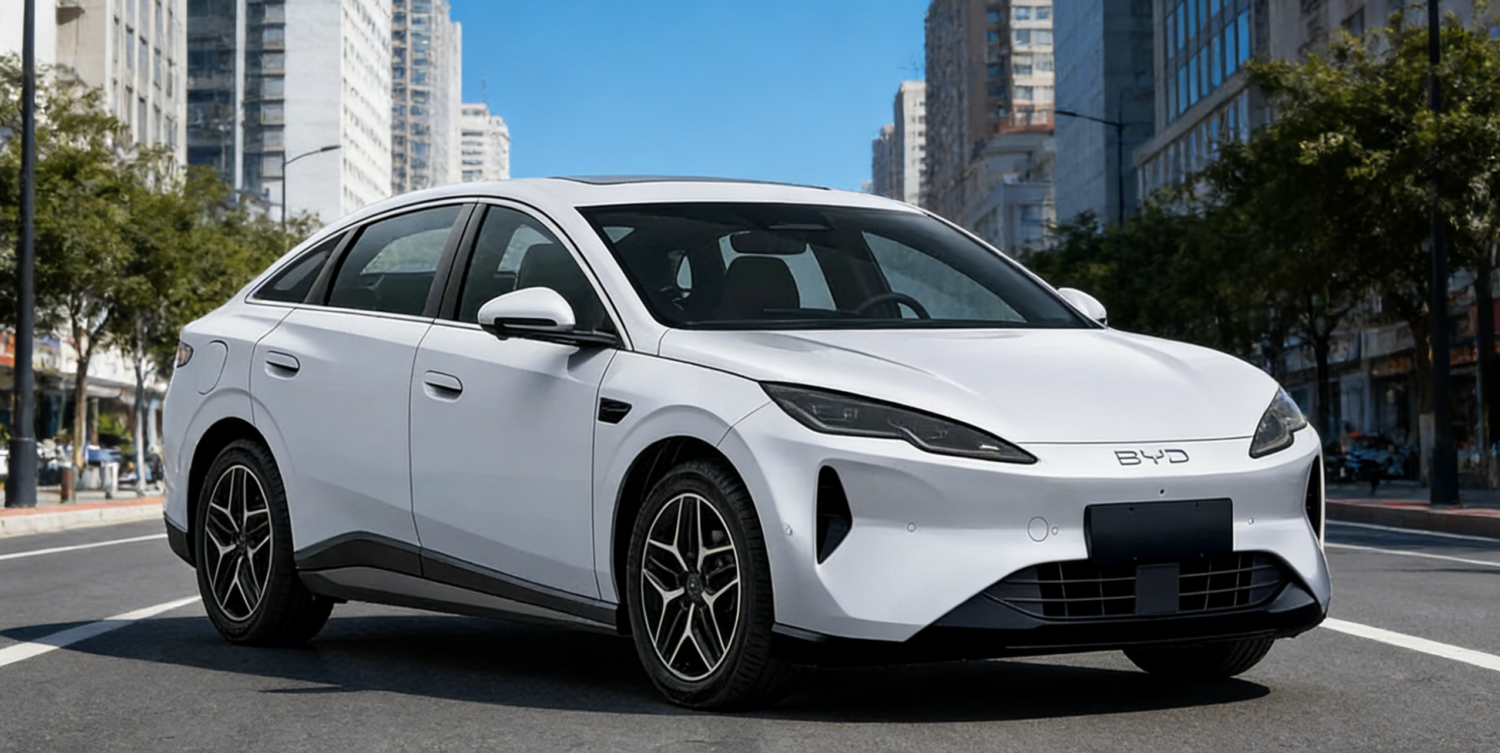
The Seal 06 series comprises three versions: EV, DM-i, and high-performance GT
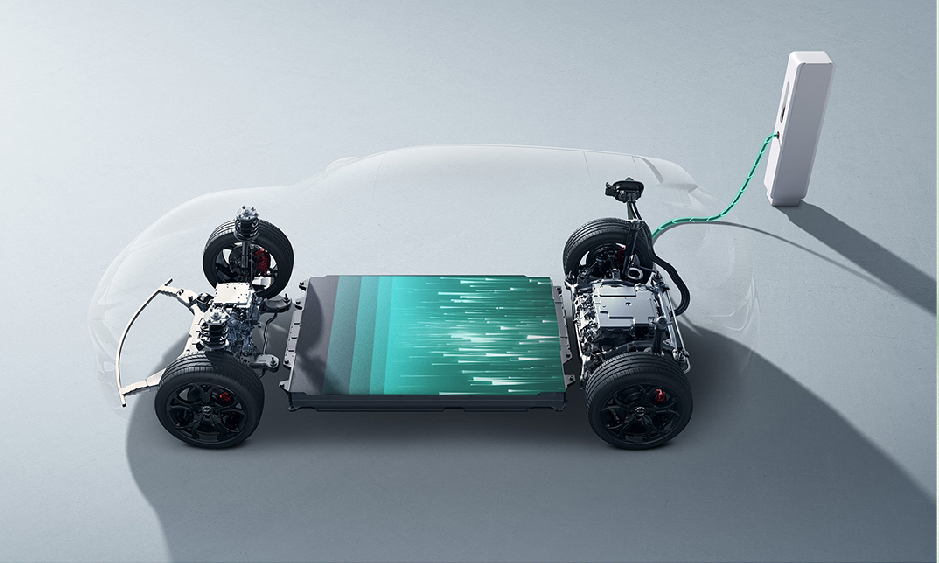
Let's talk about the EV version first. It is built on the e-platform 3.0 Evo and features a rear-wheel drive layout.
After the upgrade, the CLTC pure electric range has increased from the current 470 km to 545 km. The model offers two options for the rear motor, with power outputs of 110 kW and 160 kW, corresponding to 46.08 kWh and 56.64 kWh lithium iron phosphate blade batteries.
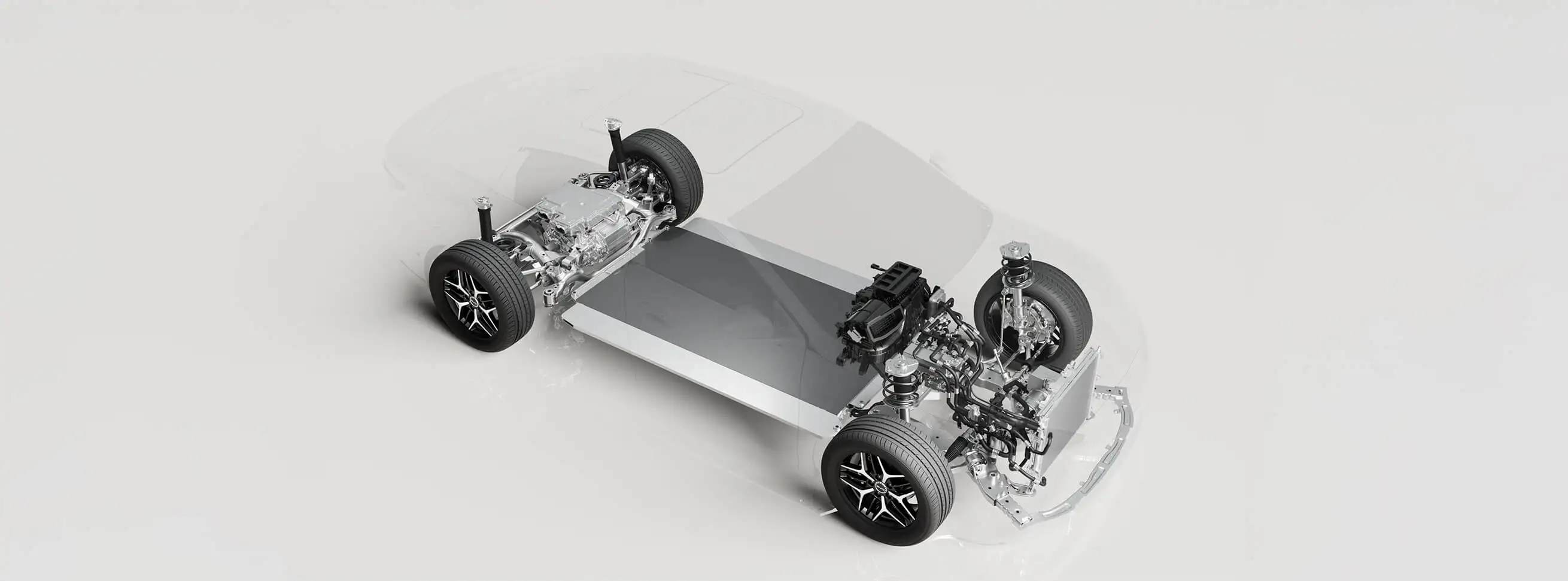
Most importantly, the power consumption per 100 km is kept very low. Fast charging takes just over half an hour to replenish most of the battery, so daily charging is highly convenient.
And the actual driving experience is also very practical. The low-power version accelerates smoothly and linearly; the high-power version is different, with particularly direct power response, and the mid-to-late acceleration does not weaken too much.
Moreover, the operation of the motor is very quiet, and even when driving on the highway, the noise control inside the car is better than that of many models in the same class.
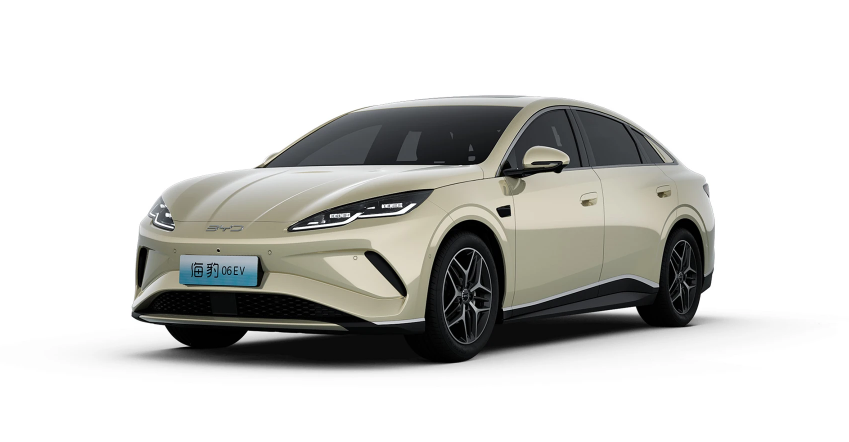
Looking at the DM-i plug-in hybrid version, it is equipped with BYD's fifth-generation DM technology, which centers around a dedicated 1.5L high-efficiency engine for plug-in hybrids, the EHS hybrid system, and a power blade battery.
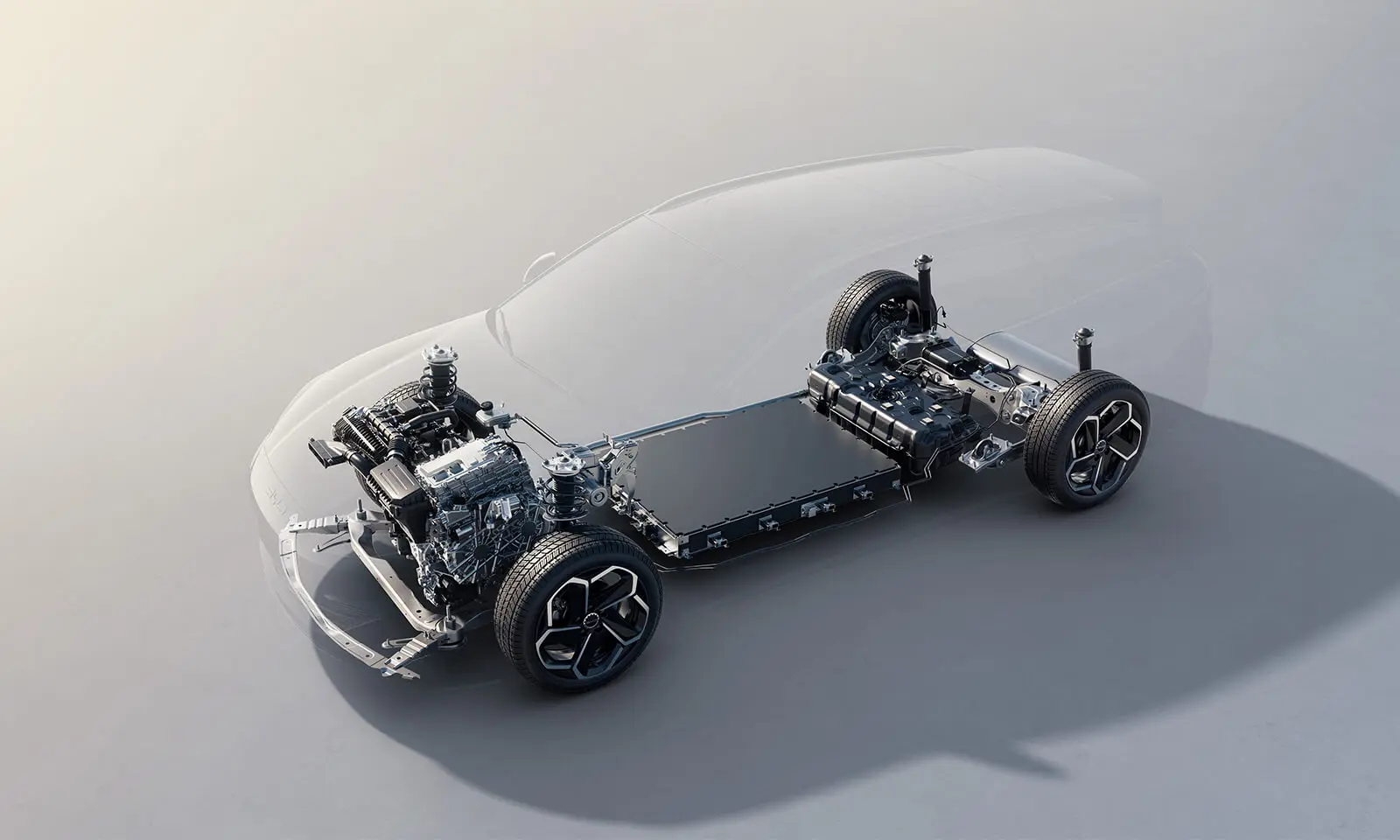
With this setup, its fuel consumption when running out of electricity is as low as 3.15L per 100 kilometers, and its comprehensive range with a full tank and full charge can directly reach 2,000 kilometers. Its pure electric range has also slightly improved compared to the previous version.
Surprisingly, while driving, the sense of jolting during the transition between fuel and electricity is almost negligible. When stuck in low-speed traffic, it can rely solely on electric drive, avoiding the awkward engine idle vibration and unnecessary fuel consumption; when cruising at high speed, the engine intervention is particularly smooth, and the energy consumption performance is quite stable.
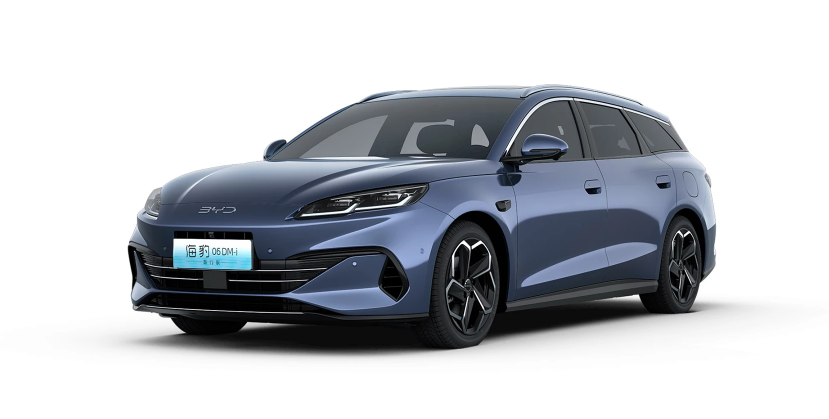
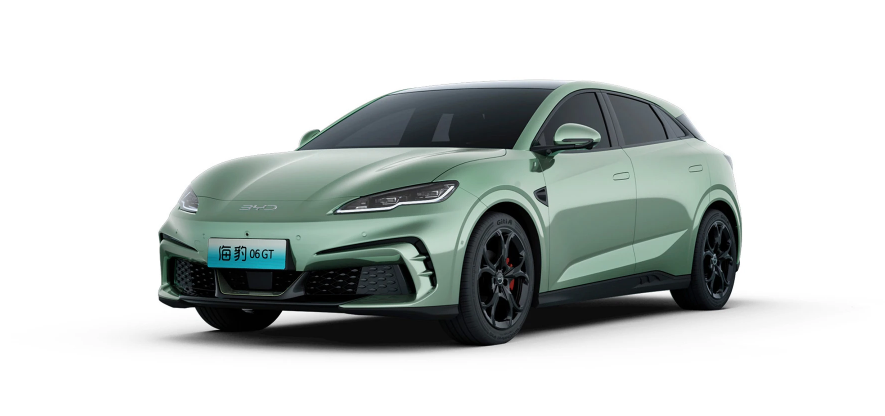
Next is the performance version, Seal 06 GT, which uses a rear permanent magnet synchronous motor. The current version has a maximum power of 160 kW and 218 horsepower, with a maximum torque of 310 Nm.
It accelerates from 0 to 100 km/h in 7.5 seconds, with a top speed of 200 km/h and power consumption of about 13 kWh per 100 kilometers, achieving a pretty good balance between power and energy consumption.
No need to say much about the actual driving experience, the chassis has strong support, the body roll is well controlled when cornering, and the steering feel is precise, offering a lot of driving pleasure.
Furthermore, its power output is not overly aggressive. For daily commuting, you can switch to a gentle mode, which softens the power response and ensures a balance between performance and comfort, achieving both performance and practicality.
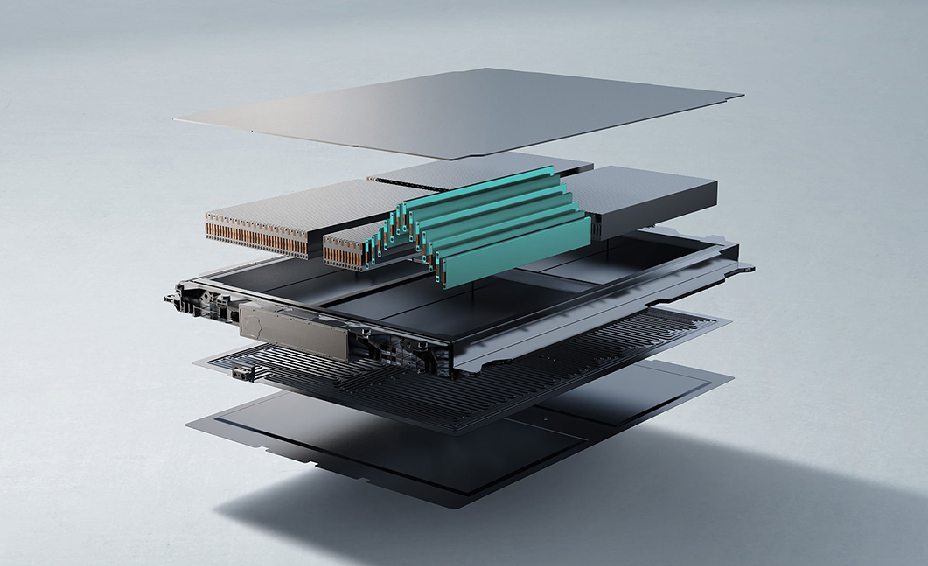
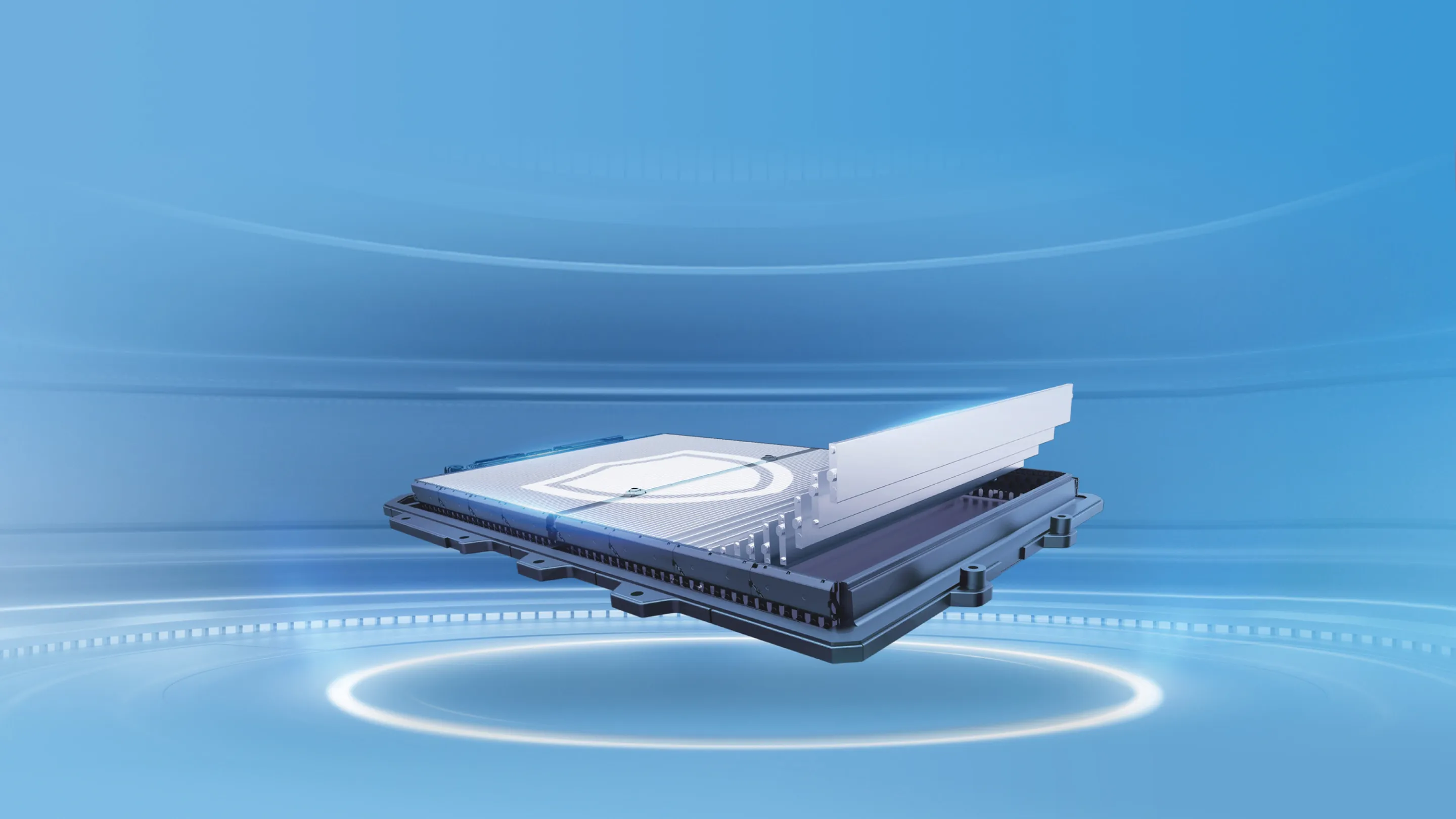
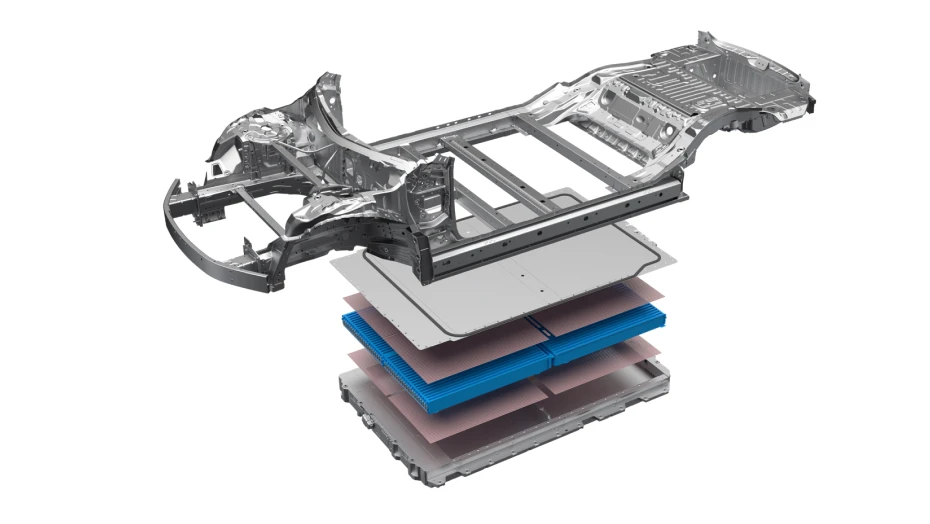
After discussing the three versions of the Seal 06, it is worth mentioning that all models are equipped with safe and reliable blade batteries, paired with a CTB internal-skeleton safety structure, which significantly enhances chassis rigidity.
The battery system features liquid cooling and low-temperature heating management, ensuring that the range will not drastically drop in extreme temperatures, and it can adapt to temperature variations across different terrains with no issues at all.
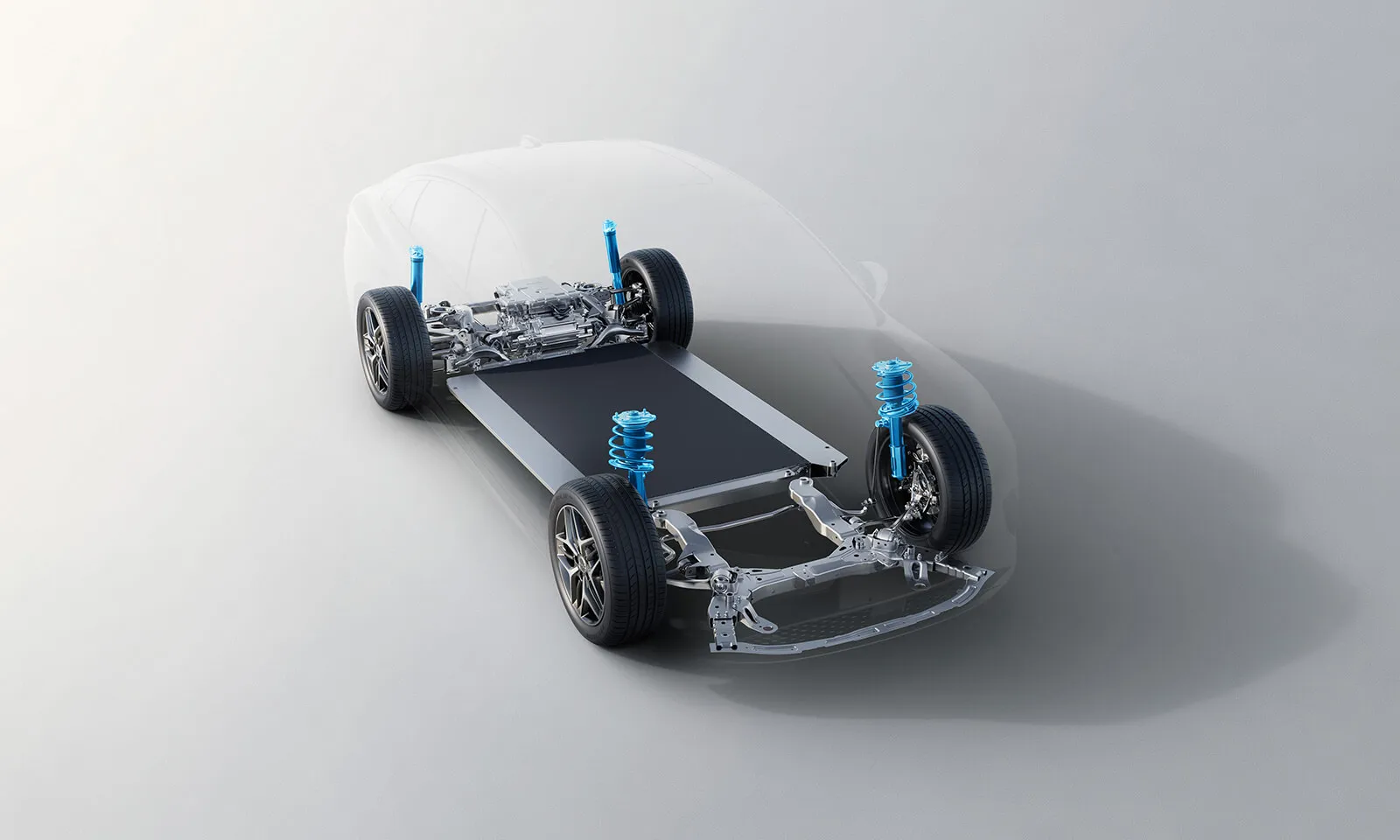
Even more impressive is the standard BYD DiSus-C intelligent chassis control system, which can adjust the chassis hardness with millisecond-level response speed.
Whether it’s smooth paved roads or rugged and bumpy terrains, it can thoroughly filter out road impacts, significantly reducing body vibrations.
That being said, BYD has always insisted on self-developing an integrated system of battery, motor, and power electronics control system to continuously improve the operational efficiency of the vehicle and lay a solid technical foundation for all-scenario driving performance.
This time, the entire series covers three power types in one go, and is also paired with multiple configuration versions to precisely meet the needs of different consumer groups worldwide.
Seal 06 is a global model
Seal 06 accommodates both left-hand drive and right-hand drive layouts, making it suitable for driving habits in different countries. Previously showcased at various international auto shows and in overseas market deployments, this car has demonstrated strong environmental adaptability.
With this latest upgrade, its driving performance has been further optimized in detail, ensuring stable and reliable performance in both standard road conditions and extreme climate environments. This all-scenario robust capability is one of the core reasons it continues to attract global market attention.
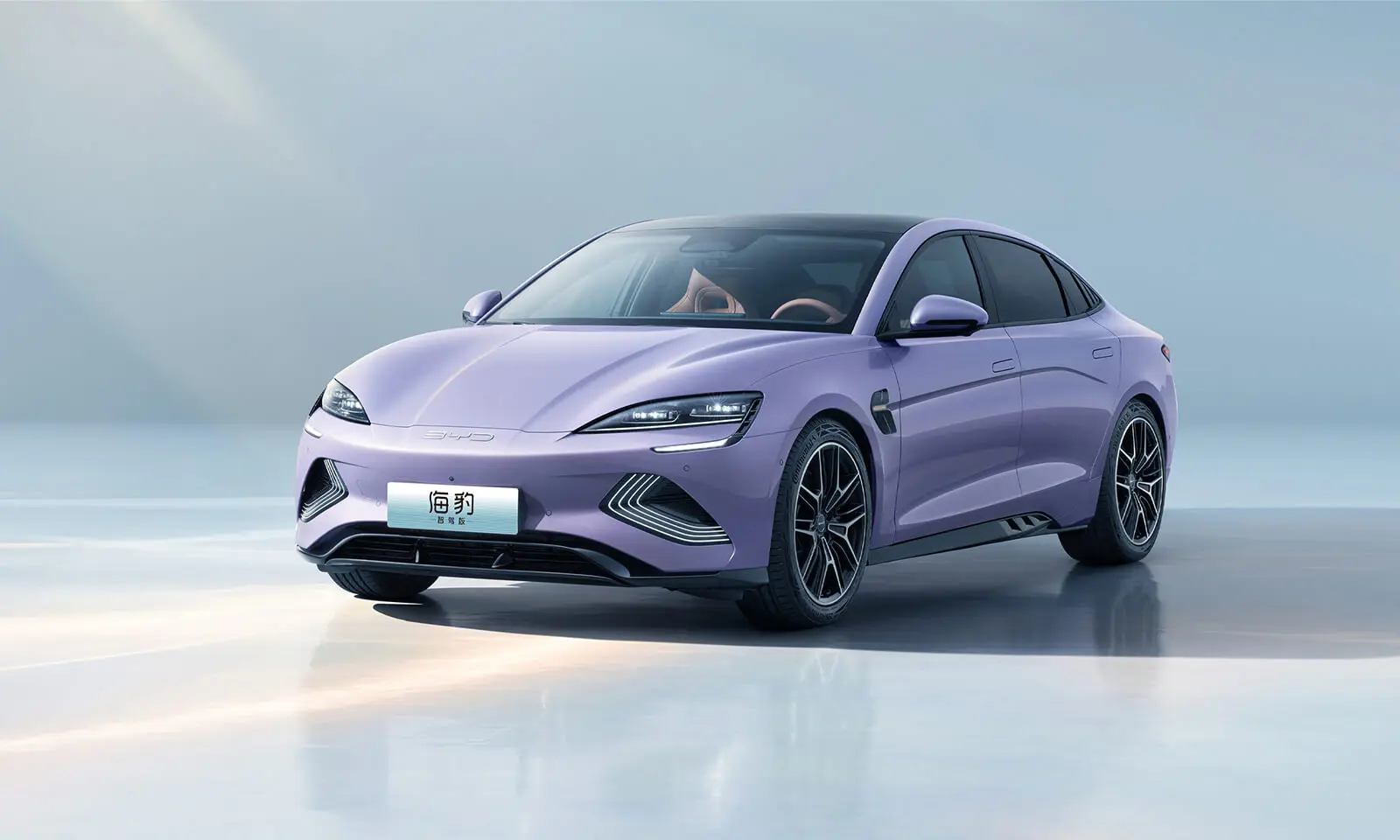
Global demand for new energy vehicles has been rising, and consumers have increasingly higher requirements for vehicles' actual driving performance, adaptability, and stability. The Seal 06 series, with its diversified power layout, all-scenario adaptation capabilities, and substantial technical optimizations, is expected to further strengthen BYD's competitiveness in the global new energy vehicle market.
The brand has not yet officially announced the complete specifications of the model. Once it is released simultaneously in Southeast Asia, how well its actual driving performance will be received by the market is truly worth looking forward to.
If any infringement occurs, please contact us for deletion










Popular Cars
Model Year
Car Compare
Car Photo