
BYD to unveil new technologies on March 5, 2026 – pure EV range to exceed 1,000 km
 WilliamMar 04, 2026, 02:59 PM
On March 2, 2026, BYD confirmed via the Shenzhen Stock Exchange that it will host a major technology launch event in Shenzhen on March 5.
This isn’t about a new model debut. Instead, BYD is preparing to showcase a suite of near-production core technologies – including a pure EV boasting a CLTC range of over 1,000 km, an upgraded Megawatt Flash Charging 2.0 system, and the next-generation DM 6.0 Super Hybrid platform.
Here’s a closer look at what’s coming.
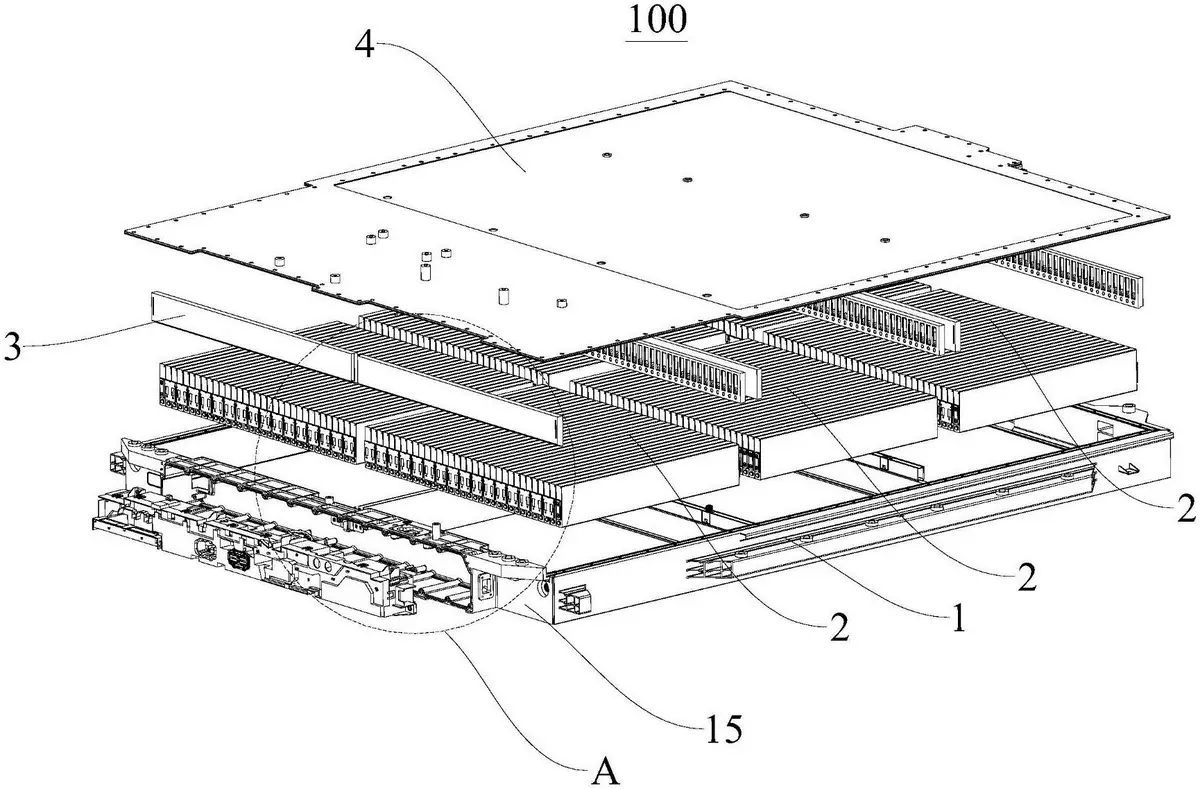
Second-generation Blade Battery: The 1,000 km CLTC Milestone
The headline figure is clear – a CLTC-rated range exceeding 1,000 km from a production EV.
At the centre of this is BYD’s second-generation Blade Battery. It remains LFP-based, but now adopts a lithium manganese iron phosphate (LMFP) cathode paired with a silicon-carbon anode. This combination aims to raise energy density while preserving LFP’s well-known thermal stability and safety advantages.
Key technical highlights:
· Cell energy density: 190–210 Wh/kg (around 30% higher than Gen 1)
· Battery pack capacity: up to 120 kWh
· CLTC range: over 1,000 km
· Capacity retention at -20°C: above 85%
Structurally, the pack adopts CTB 2.0 (Cell-to-Body) integration, where the battery becomes part of the vehicle’s body structure. This improves torsional rigidity while optimising packaging efficiency.
In terms of safety, the battery has reportedly passed China’s GB 38031-2025 standard, including a 400 kN compression test and a 70 km/h underbody scraping test, while maintaining its no-fire, no-explosion performance.
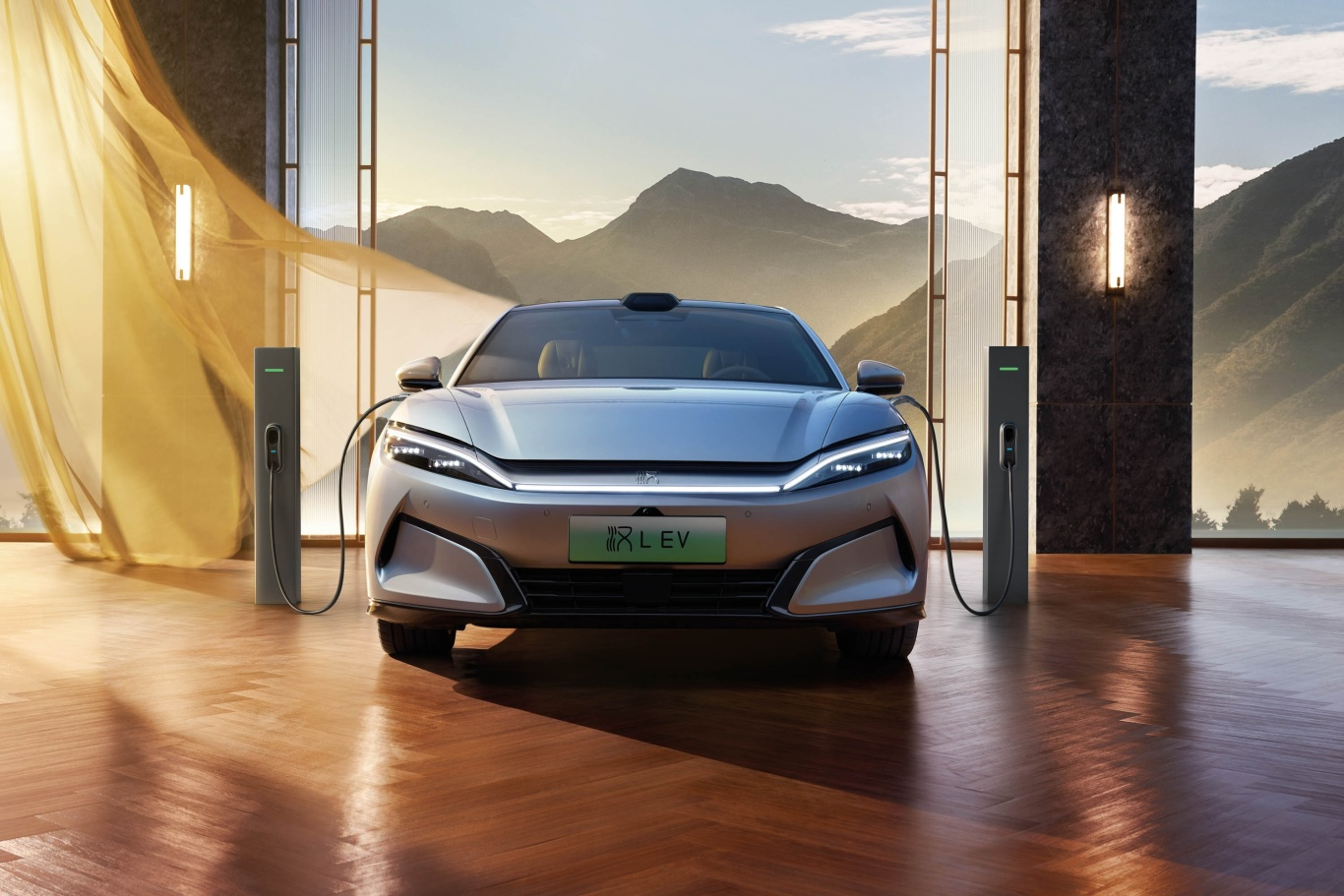
The pure electric version of the Yangwang U7, listed with a maximum range of 1,006 km, has surfaced in MIIT regulatory filings as a production model already linked to this technology.
Megawatt Flash Charging 2.0: Breaking the 1,500 kW Barrier
If 1,000 km addresses range anxiety, Megawatt Flash Charging 2.0 targets charging anxiety head-on.
BYD’s published performance data is, on paper, staggering:
· Peak charging power: 1,500 kW
· Five-minute charge: 400–500 km of range added
· 10%–80% state of charge: approximately 12 minutes
· Architecture: built on a system-wide 1,000V high-voltage platform
The system supports 400V, 800V and 1,000V architectures, enhancing compatibility across different vehicle classes. The charging gun features liquid cooling and weighs just 2 kg, while a low-temperature pre-heating module is said to improve charging efficiency by around 50% at -10°C.
Infrastructure expansion is part of the strategy. BYD plans to deploy 15,000 flash charging stations across China in 2026 through a mix of proprietary builds and partnerships.
That said, 1,500 kW is a peak figure. The real-world usability will depend on the charging curve and how long the system can sustain high output. BYD’s decision to acknowledge this nuance adds credibility to the claim – ultra-high voltage plus ultra-high power is clearly the direction of travel, but sustained performance will be the true benchmark.
DM 6.0: Sixth-generation Super Hybrid evolution
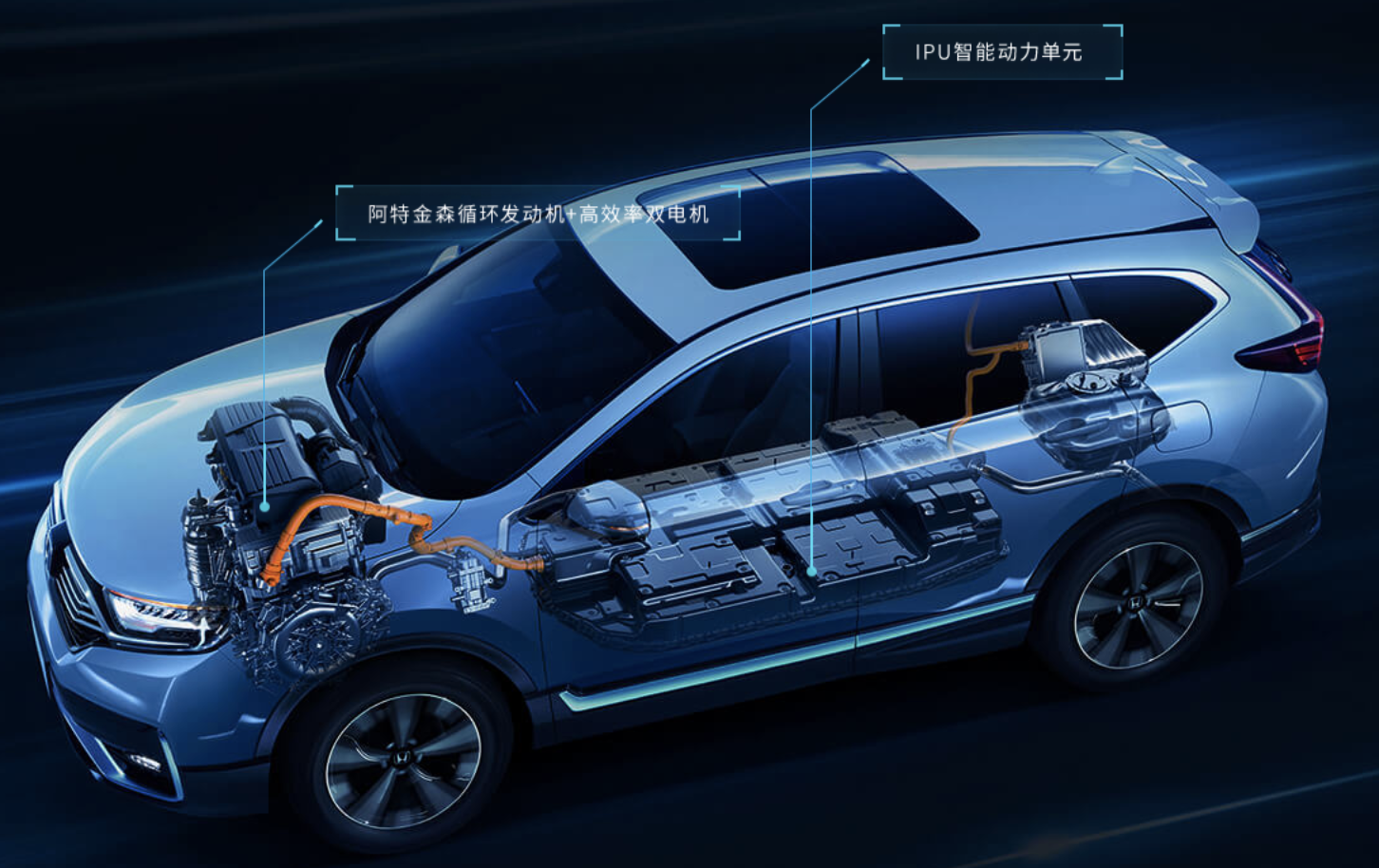
On the hybrid front, BYD is rolling out its sixth-generation DM-i system, evolving from the fifth-generation architecture with improvements in combustion efficiency, e-drive design and intelligent energy management.
Core specifications include:
· Engine thermal efficiency: over 48%
· CLTC fuel consumption (charge-sustaining): 1.8–2.4 L/100 km
· Pure EV range: 250–350 km
· Combined range: up to 2,300 km
· E-drive voltage architecture: 900–1,000V
· Motor speed: up to 30,000 rpm
· Single motor output: 240 kW
A new AI Energy Management system can reportedly anticipate road conditions up to 50 km in advance, dynamically optimising power distribution.
Rather than pursuing extreme EV-only capability, DM 6.0 continues BYD’s established hybrid philosophy – short-distance commuting in EV mode, long-distance efficiency via a highly optimised petrol-electric system. The objective remains clear: reduce total cost of ownership without compromising performance.
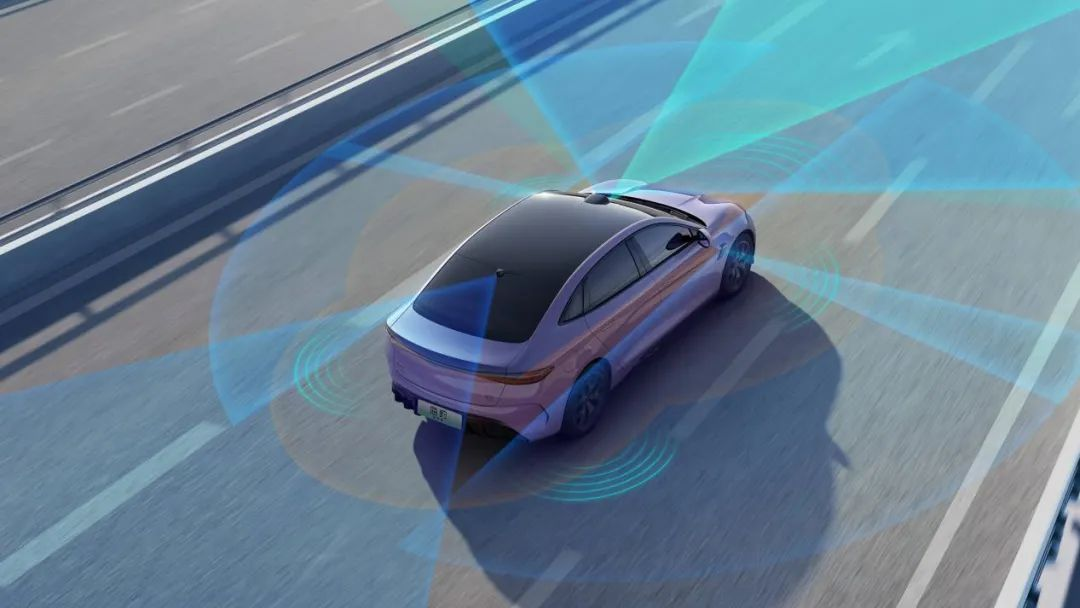
DiPilot 5.0 – also known as the “God’s Eye” (Tianshen Zhiyan) 5.0
BYD has also upgraded its advanced driver assistance system to DiPilot 5.0, also referred to as the “God’s Eye” (Tianshen Zhiyan) 5.0.
The system adopts an end-to-end large model combined with a World Model architecture, reducing traditional module separation and enabling direct perception-to-decision-to-control outputs.
Hardware tiers are structured as follows:
· Flagship version: three LiDAR units + dual Nvidia Orin-X chips, supporting Urban NOA
· Mid-to-high variant: single LiDAR, supporting Highway + Urban NOA
· Entry-level version: vision-only solution, supporting Highway NOA + automated parking
Safety capability claims include:
· AEB for stationary vehicles at up to 135 km/h
· AES obstacle avoidance at up to 130 km/h
· Pedestrian recognition rate of 99.2%
The broader strategy is evident: advanced intelligent driving is no longer confined to flagship models. Through tiered hardware configurations, BYD intends to distribute ADAS capability across a wider price band.
System-wide 1,000V Platform + SiC Power Modules
Underpinning all of the above is BYD’s system-wide 1,000V high-voltage architecture paired with its in-house silicon carbide (SiC) power modules.
BYD claims:
· Electronic control efficiency: over 99%
· Energy loss reduction: approximately 70%
· Operating temperature range: -40°C to 60°C
· Full intelligent thermal management system
Beyond enabling megawatt-class charging, the high-voltage platform improves overall energy conversion efficiency and dynamic response.
“Technology for All”
Throughout its previews, BYD has repeatedly emphasised one theme: “Technology for All.”
According to its roadmap:
· RMB 150,000-class models may offer Megawatt Flash Charging and higher-level ADAS configurations
· RMB 200,000-class models may feature the second-generation Blade Battery or DM 6.0
· DiPilot 5.0 will be available across the broader lineup
The importance of this March 5 event lies not in a single breakthrough, but in a coordinated, platform-level evolution.
· A 1,000 km CLTC range lowers the psychological barrier to EV adoption
· Megawatt-level charging compresses refuelling time to near-ICE convenience
· DM 6.0 reduces real-world running costs
· DiPilot 5.0 expands access to advanced driving assistance
When battery chemistry, high-voltage architecture, hybrid systems and ADAS are upgraded simultaneously, it signals more than incremental improvement. It suggests that BYD’s underlying vehicle platform is entering a new technological phase.
If any infringement occurs, please contact us for deletion










Popular Cars
Model Year
Car Compare
Car Photo