
Chery launched a car that can drive on water, JETOUR Zongheng G700 unveiled
 MichaelOct 22, 2025, 11:40 AM
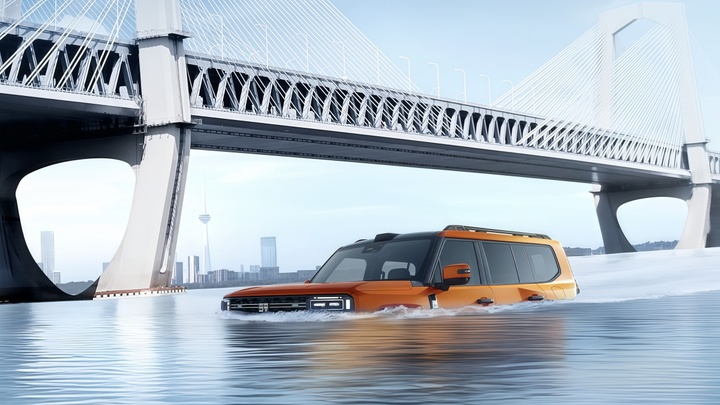
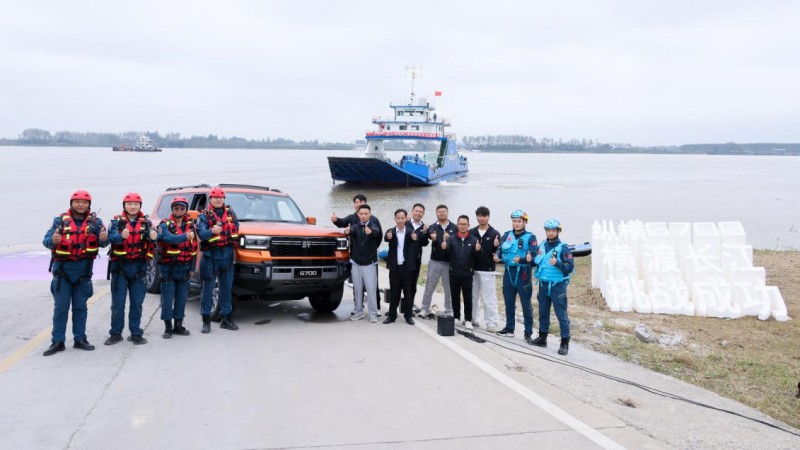
[PCauto] The Zongheng G700, under Chery's sub-brand JETOUR, recently achieved a monumental feat in automotive history, becoming the first off-road vehicle to successfully cross the Yangtze River.
Compared to BYD's Yangwang U8, the JETOUR Zongheng G700 demonstrates more advanced capabilities for water traversal.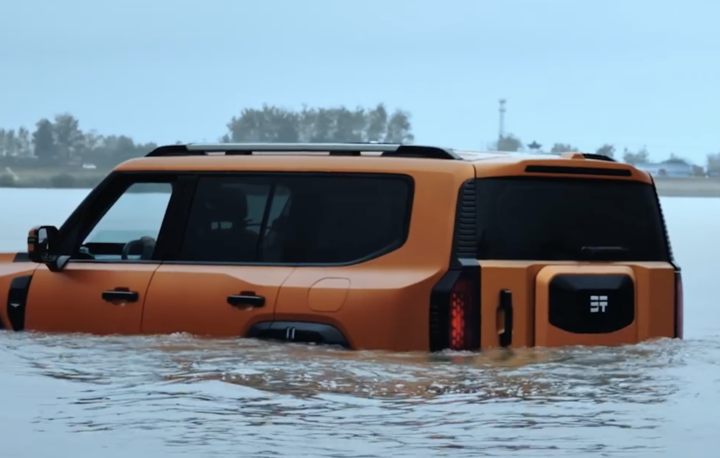 The crossing covered a total distance of 1,480 meters. The JETOUR Zongheng G700 completed the challenge in 22 minutes, maintaining a steady speed of approximately 7 km/h across a section of the river that is about 1.2 kilometers wide.
In the Yangtze River, where water depths range from 15 to 20 meters and current speeds reach 5-10 km/h with significant turbulence and whirlpools, the G700 demonstrated remarkable stability throughout the entire journey.
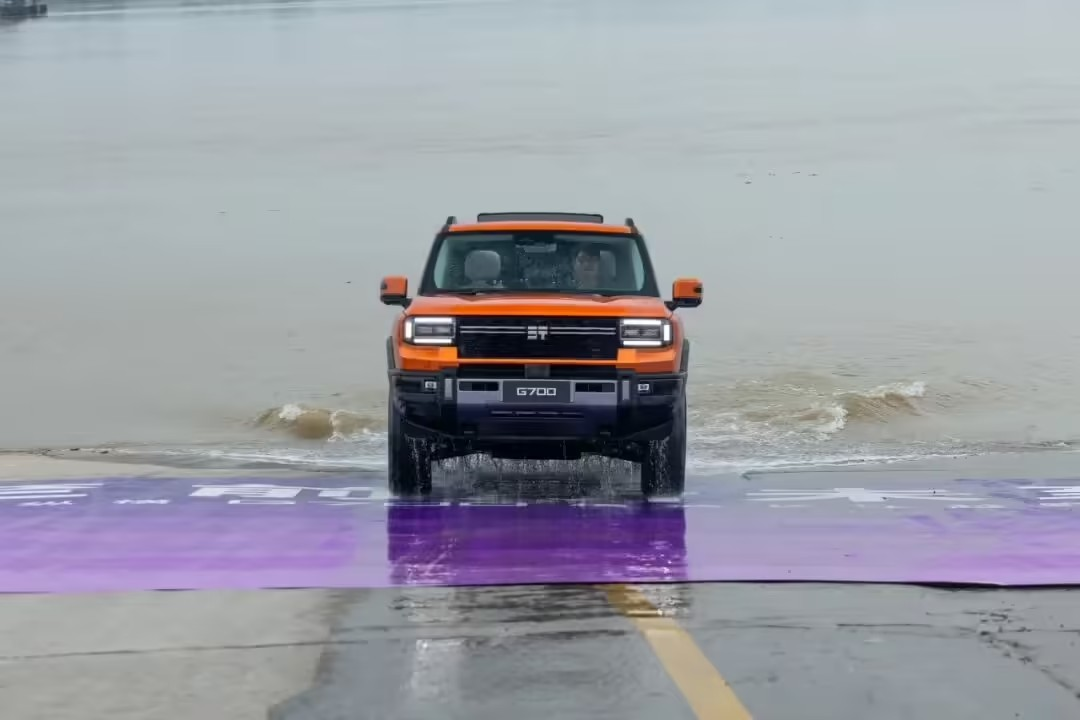
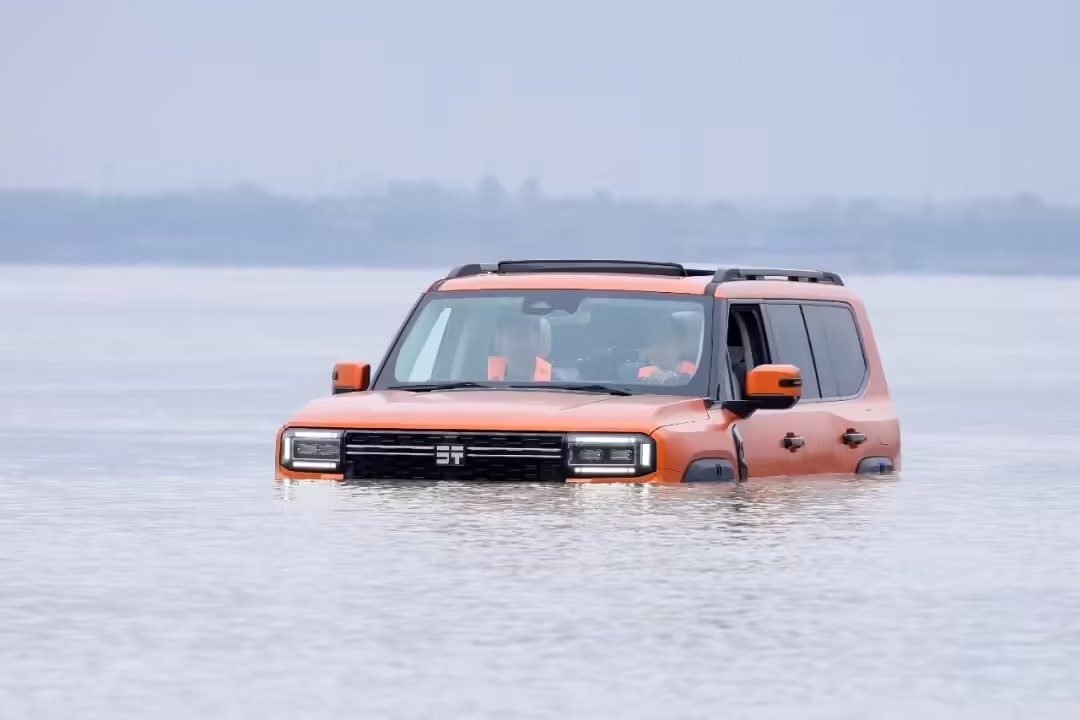 The JETOUR Zongheng G700 boasts a rugged, monolithic ("boxy") design inspired by the Himalayas, featuring a rectangular blacked-out grille and layered LED daytime running lights. It measures 5198 mm long, 2050 mm wide, and 1956 mm high, with a wheelbase of 2870 mm.
The interior fuses luxury with cutting-edge technology, featuring a 35.4-inch panoramic display, a 15.6-inch central touchscreen, and rear-seat entertainment screens. It is available in 5- or 6-seat layouts. The high-end trim is equipped with a Lexicon premium audio system and Huawei's Qiankun Intelligent Driving (ADS 4) system.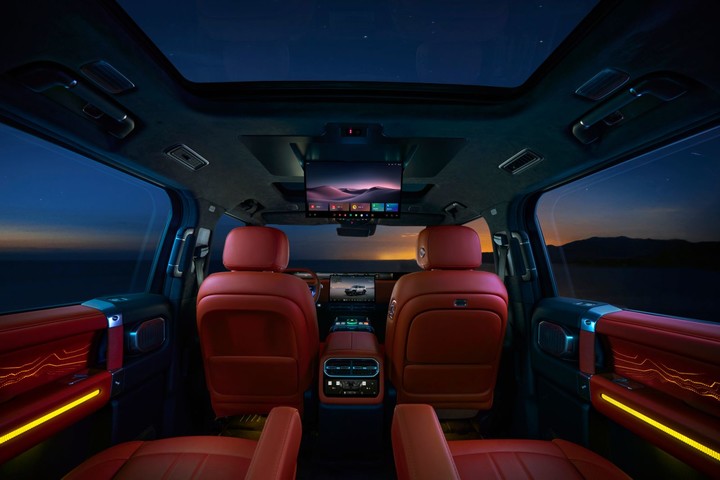
The JETOUR Zongheng G700 incorporates submersion-resistant design for both its body and powertrain
To ensure safety in aquatic environments, the G700 boasts an IP68 rating. Its seamless unitary body construction, coupled with an active sealing system, enables the passenger compartment to withstand water pressure of 20 kilopascals, equivalent to the pressure at a depth of 2 meters underwater, thereby effectively preventing water ingress.
The body sealing technology of the JETOUR Zongheng G700 is designed to the stringent IP68 rating, ensuring reliability in aquatic environments through multiple advanced technologies and meticulous craftsmanship.
It features a seamless unitary body construction with flawless paintwork, combined with an active sealing system that automatically activates upon immersion.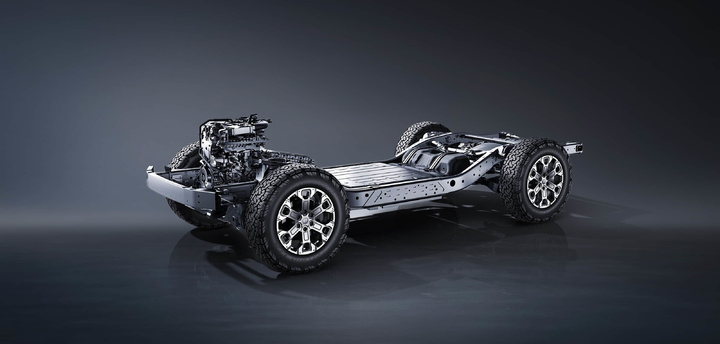 The four-door frame is equipped with triple-layer EPDM sealing strips, which automatically expand when exposed to water to enhance airtightness. Meanwhile, the chassis drainage holes instantly close to prevent leakage.
The passenger cabin has been optimized to withstand 20 kPa of water pressure, equivalent to the pressure at a depth of 2 meters underwater, effectively preventing water penetration.
The entire vehicle's sheet metal undergoes a three-step sealing process, utilizing aerospace-grade aluminum beams and high-strength steel for 99% of the materials. This increases deformation resistance by 30%, further enhancing sealing durability.
This ship-grade protection design has been validated during the Yangtze River crossing test, where the vehicle maintained its integrity at depths of 15-20 meters and under turbulent conditions, requiring no maintenance for continued normal operation.
Similarly, the G700 engine's waterproofing process is also based on the IP68 protection standard. The engine can operate normally after being submerged in 1.2 meters of water without requiring additional maintenance. The assembly process introduces reinforced sealing strips and waterproof coatings to prevent moisture intrusion during water traversal or navigation.
During the Yangtze River crossing test, which took place in waters with a depth of 15-20 meters, the vehicle completed its journey on the surface, and the engine started without any issue afterward.
JETOUR Zongheng G700 is specifically equipped with turbine thrusters
Unlike the Yangwang U8, which uses its wheels for water propulsion, the JETOUR Zongheng G700 is equipped with turbine thrusters on both sides of the rear. Each has a power output of 15kW and can reach a peak of 18kW, providing a combined thrust of 3000N, equivalent to the power level of a 7- to 8-person speedboat.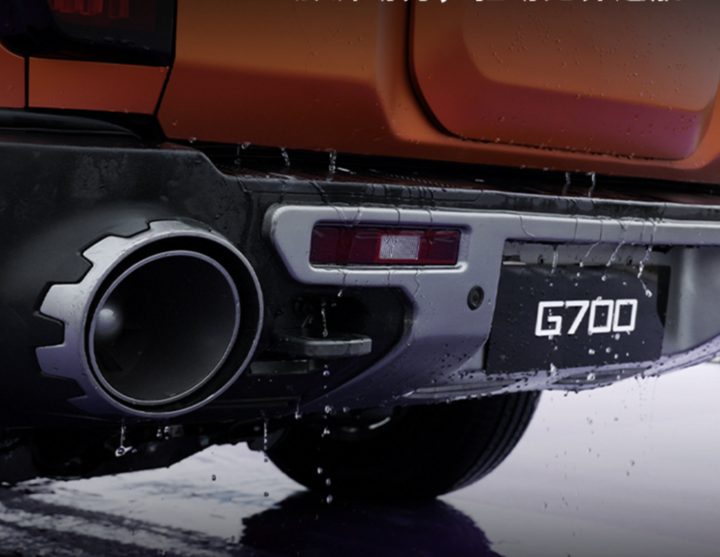 The propulsion system is powered independently by a 40.8kWh battery, separate from the hybrid system used for land driving, ensuring that navigation does not interfere with regular driving.
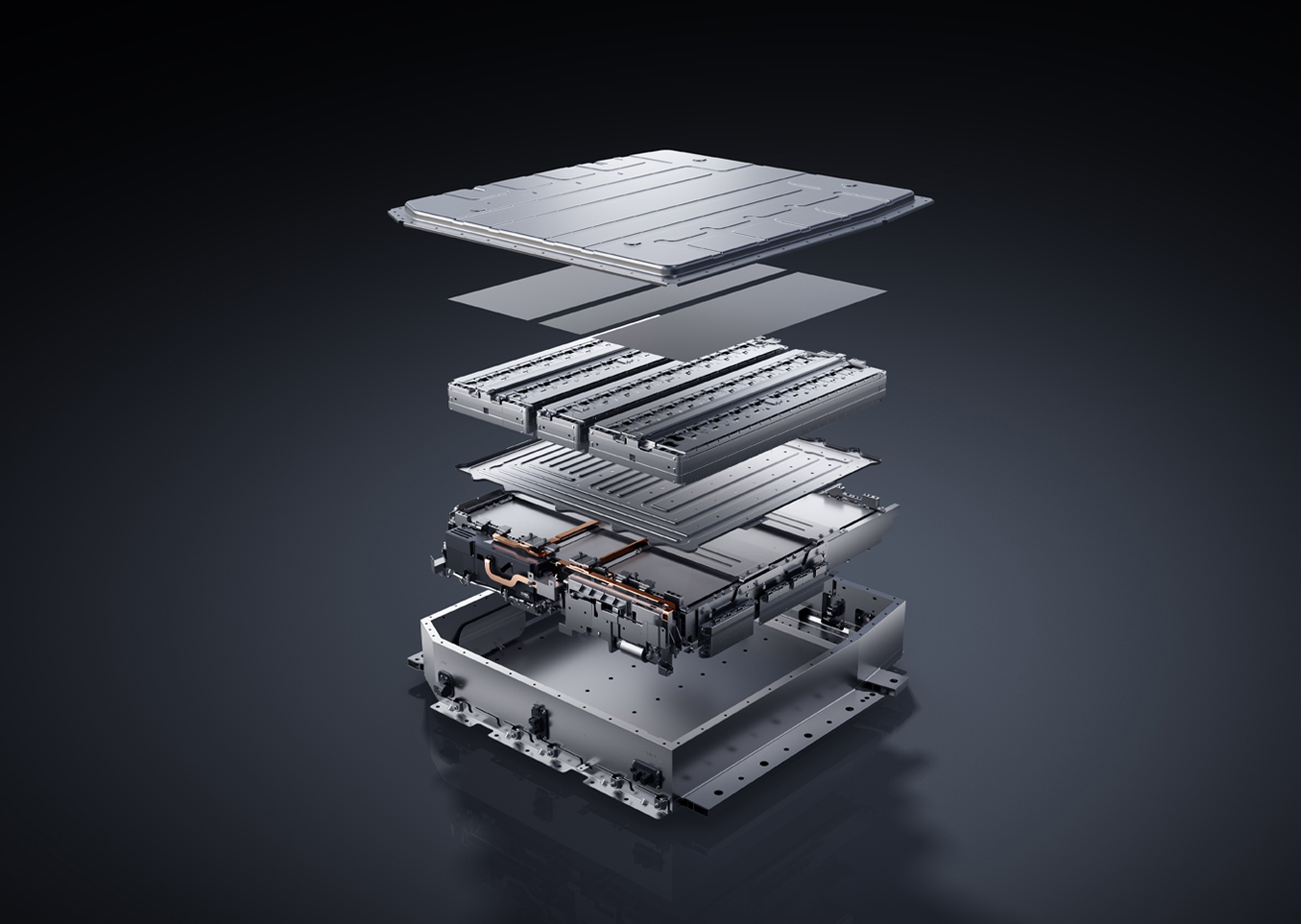
Stability control relies on a 6-axis gyroscope, which gathers 100 data points per second and corrects for turbulence disturbances within 0.5 seconds to ensure a precise trajectory. This performance was validated during the Yangtze River crossing test, with the vehicle's body tilt successfully contained within 5 degrees.
Regarding power performance, the JETOUR Zongheng G700 is equipped with the CDM-O hybrid system, including a dedicated 2.0T engine. The powertrain has a combined power output of 665 kW and a combined torque of 1,135 N·m, enabling a 0-100 km/h acceleration time of just 4.6 seconds.
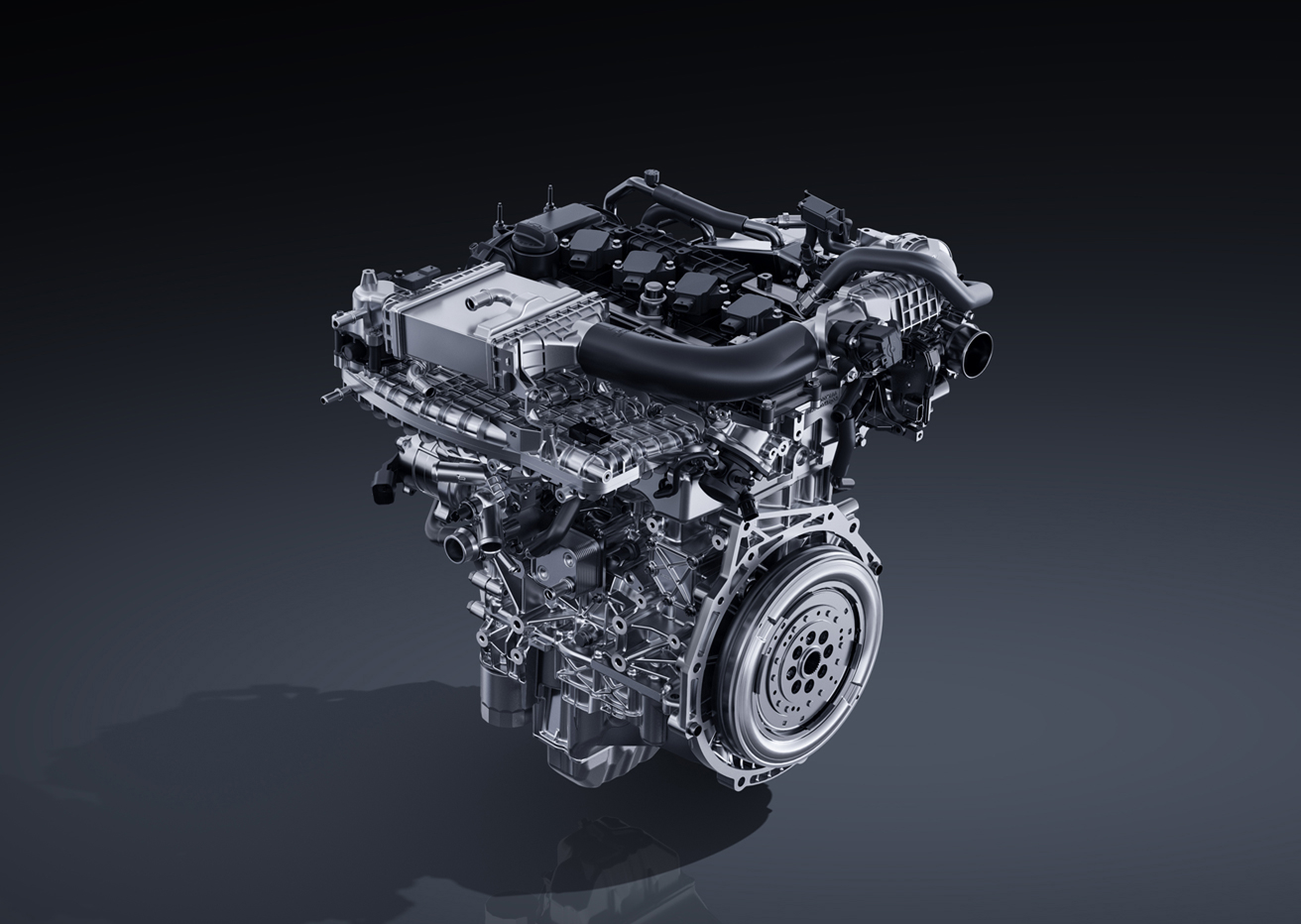
The vehicle has a pure electric range of up to 150 kilometers and a combined range of 1400 kilometers with a full tank and full charge. It supports fast charging, achieving 30% to 80% charge in just 10 minutes.
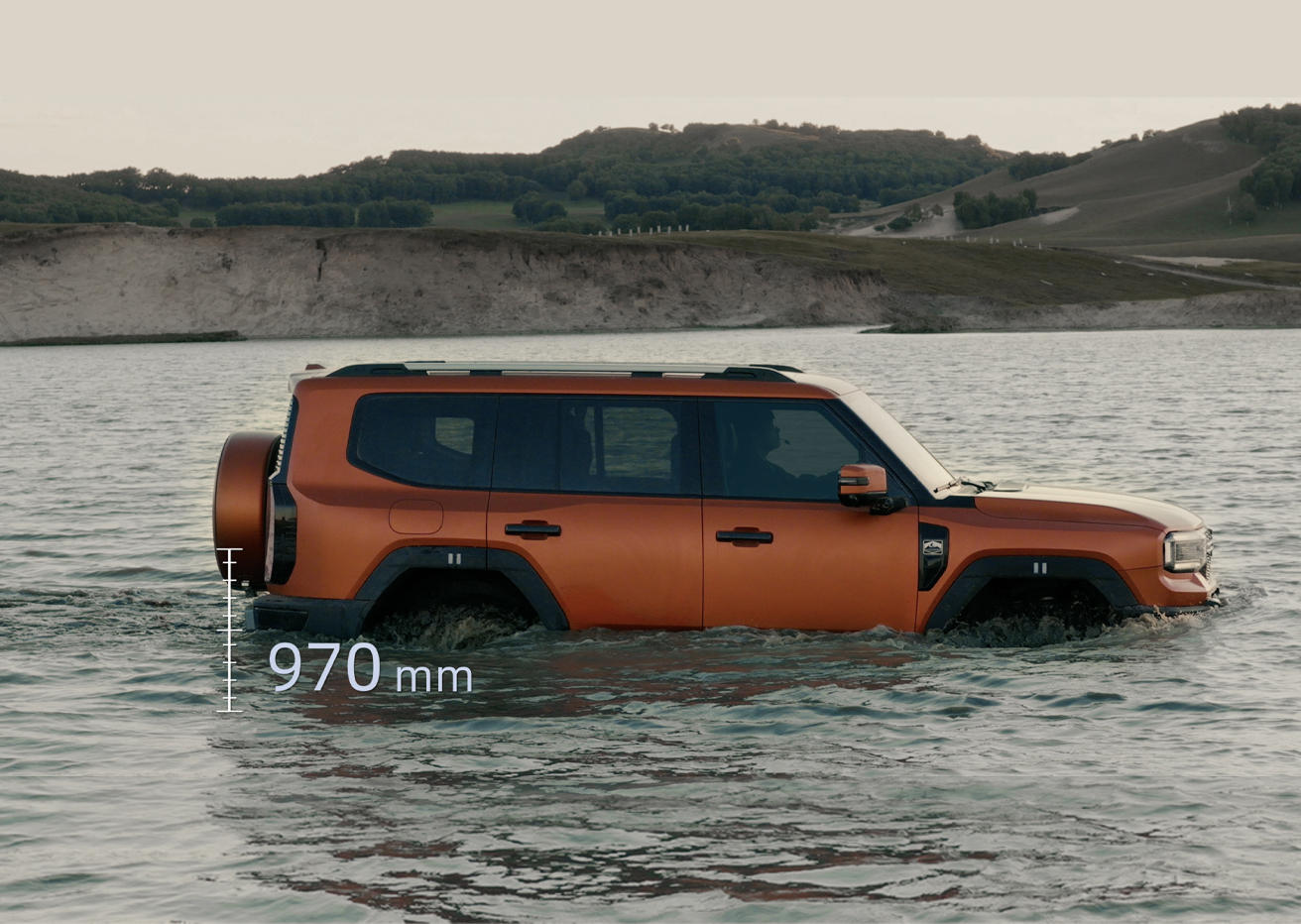
In terms of off-road capabilities, the G700 boasts a wading depth of 970mm, three differential locks, a CDC variable suspension system, and supports features such as in-place turning and flexible hill descent control. It has an approach angle of 35 degrees, a departure angle of 28 degrees, a break-over angle of 21 degrees, and a ground clearance adjustable to 320mm in air suspension mode. 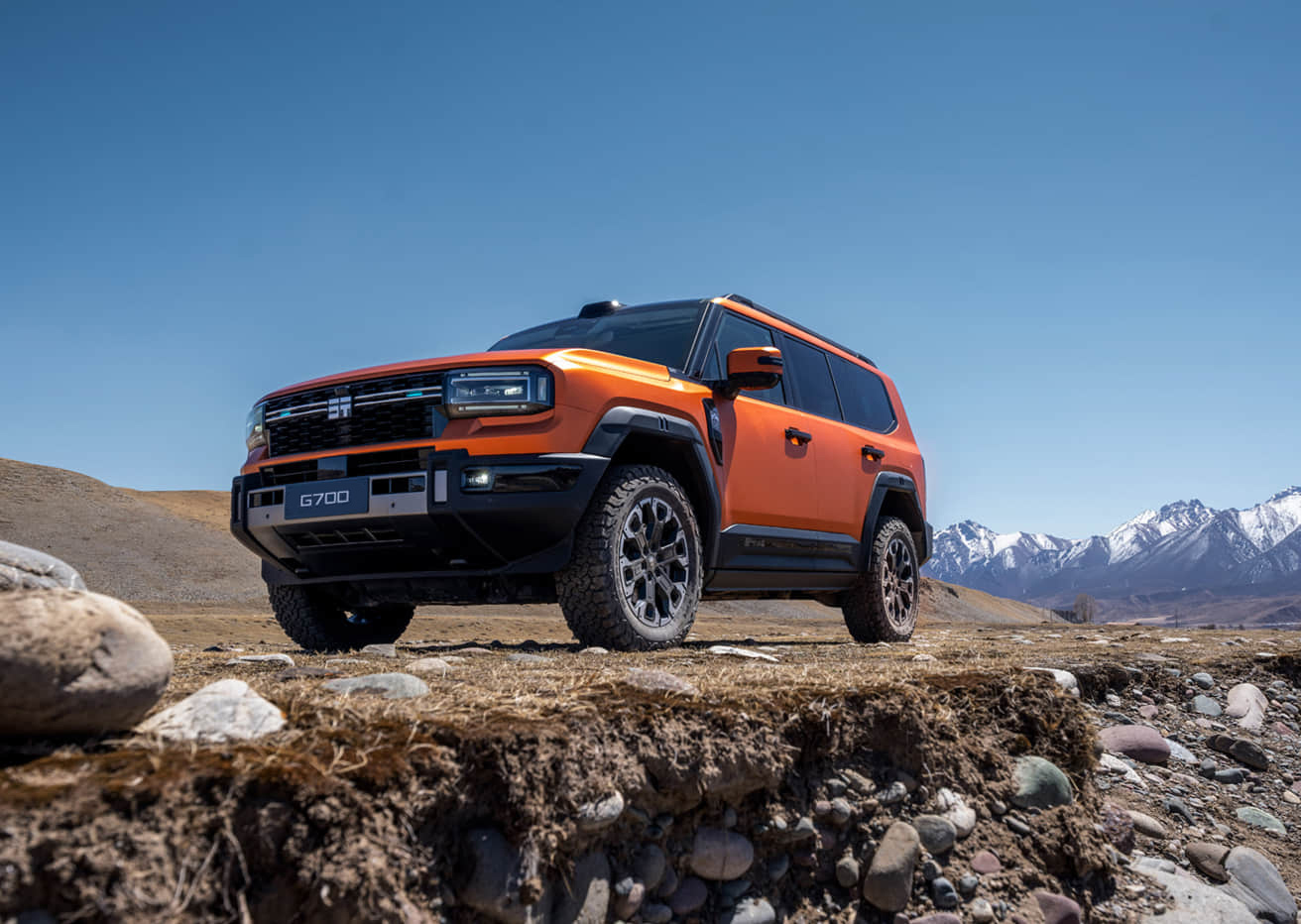
Also capable of navigating in water, the JETOUR Zongheng G700's technology is more advanced than the Yangwang U8
Compared to the Yangwang U8, the JETOUR Zongheng G700 demonstrates significant differences in technical principles and practical scenarios.
For instance, BYD Yangwang U8 uses a four-motor system, enabling an emergency floating function by paddling through the wheels, with a water speed of less than 3 kilometers per hour, a maximum duration of 30 minutes, and mandatory inspection after each use.
The propulsion system of the G700 is designed specifically for active navigation, supporting continuous operation for over 1 hour without additional maintenance. It is more suitable for water crossings and exploration scenarios.
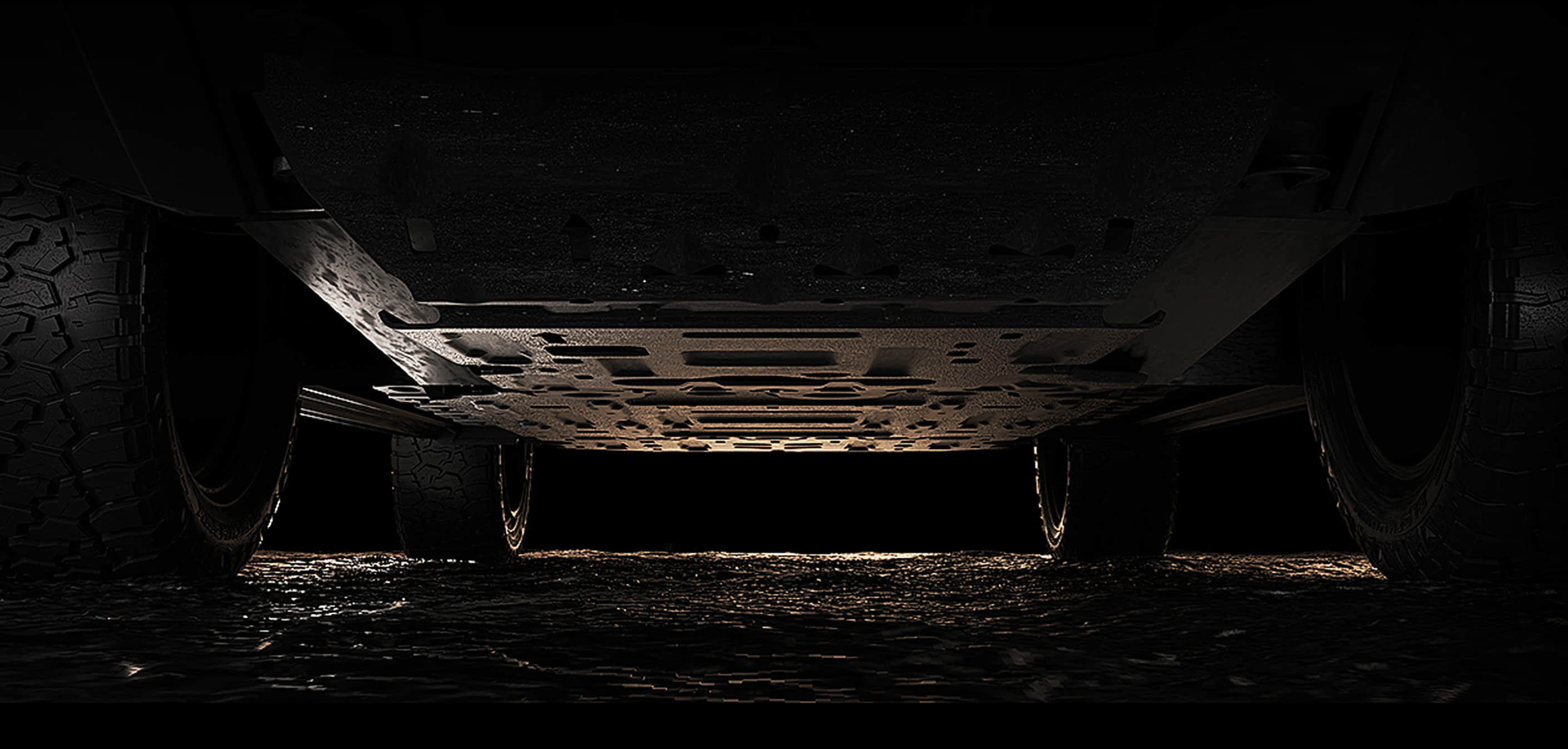
For enthusiasts pursuing extreme off-roading, the water navigation capabilities of the JETOUR Zongheng G700 are undoubtedly highly appealing. Its technology integrates Chery's shipbuilding expertise (Chery owns a subsidiary specializing in shipbuilding) and brings together three core technologies: propulsion system, submarine-grade sealing protection, and intelligent posture control, delivering true amphibious capability. This technical approach differs from the traditional off-road vehicles' emergency floating solutions.
If any infringement occurs, please contact us for deletion



Popular Cars
Model Year
Car Compare
Car Photo