
Crown Sport vs Harrier: Both priced at RM300,000, which is the better choice?
 WilliamFeb 12, 2026, 08:00 AM
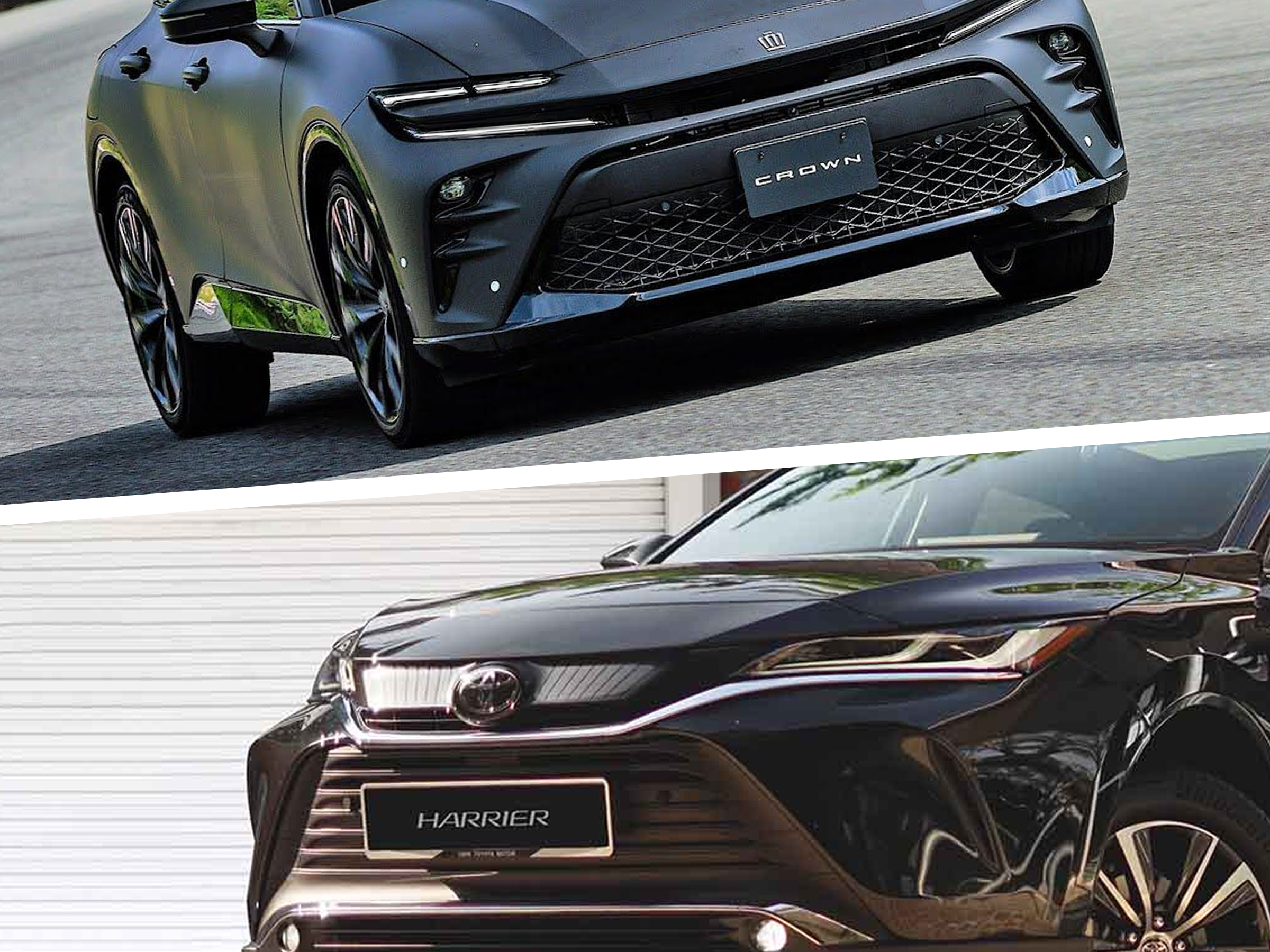
【PCauto】With a budget in the region of RM 300k, you’re spoilt for choice—from the Mazda CX-60 and Lexus NX to entry-level German SUVs.
But if you narrow the scope to Toyota, then there are only two options left.
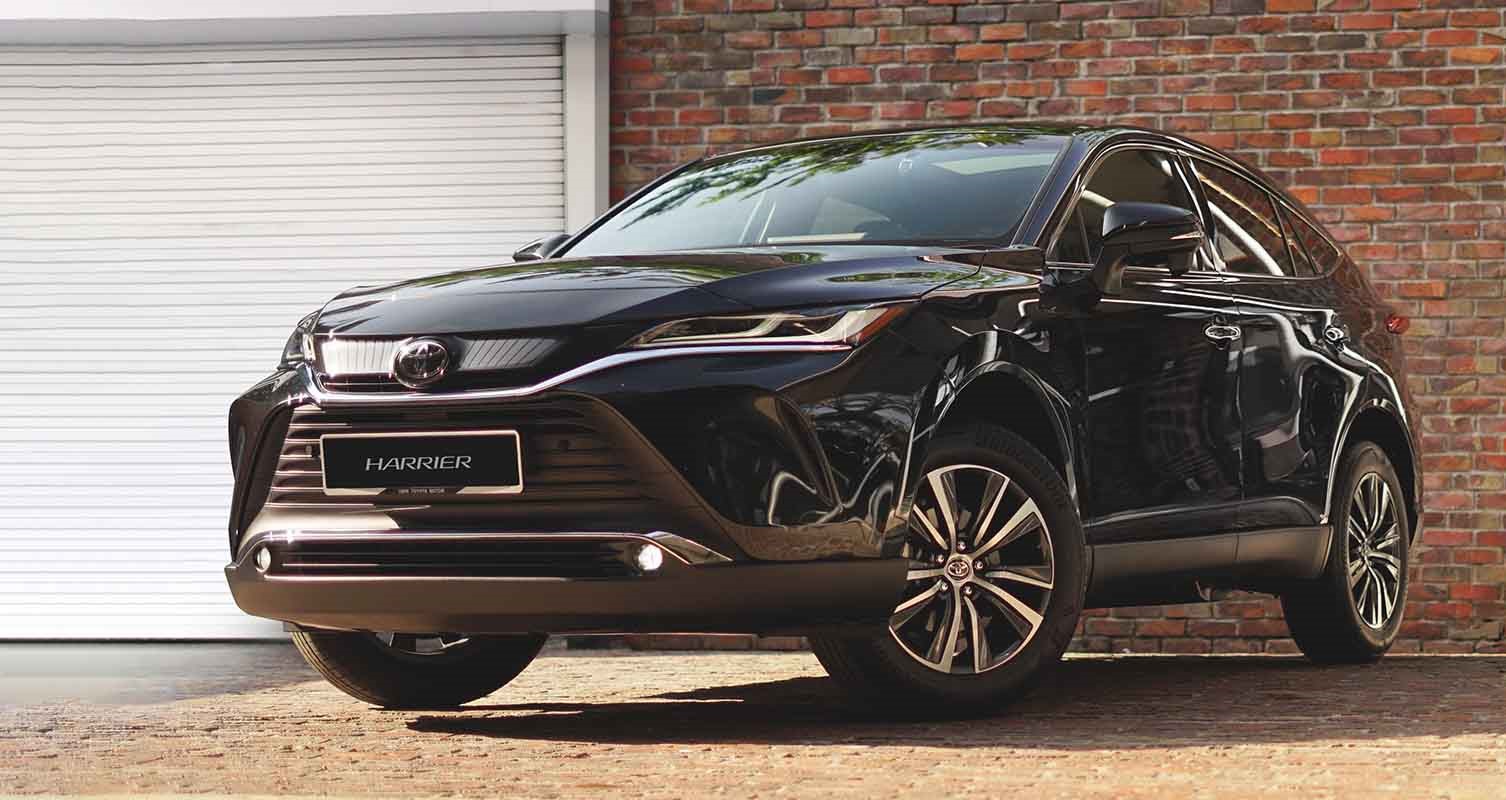
The Harrier stands as Toyota’s most established urban luxury SUV, with a stable image and complete functionality.
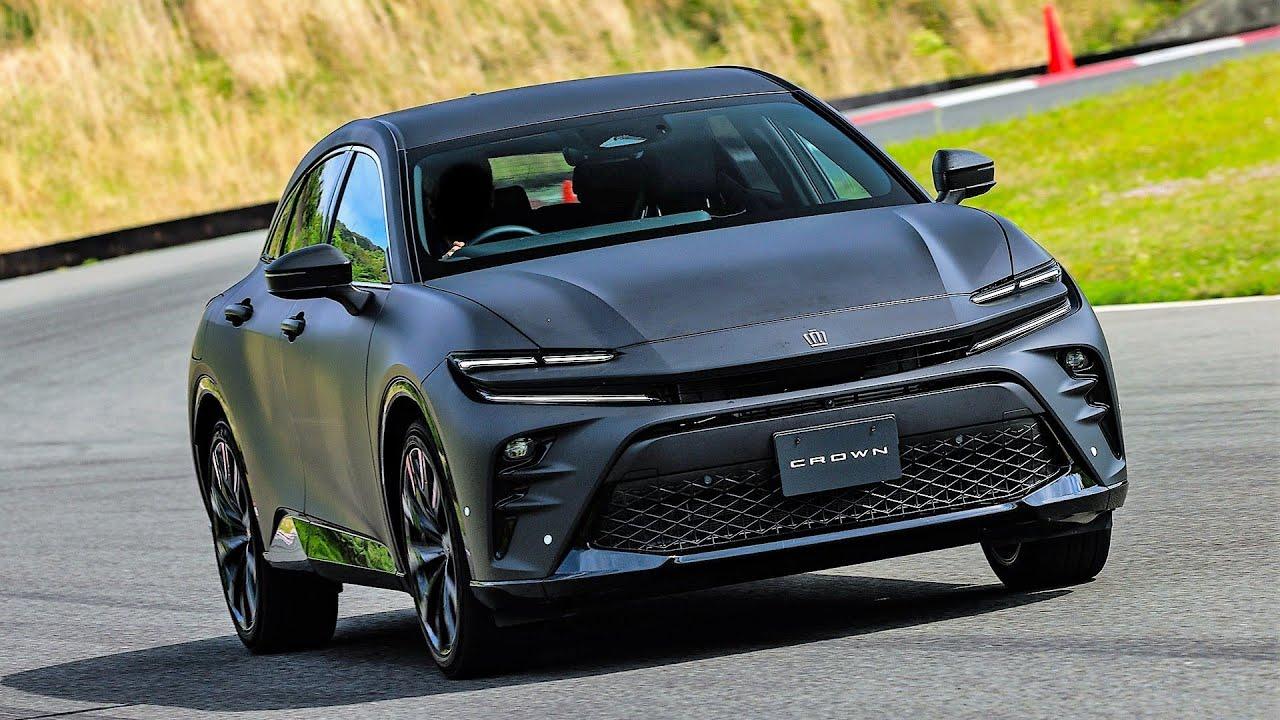
In contrast, the Crown Sport is completely different; it is not one of Toyota's mainstream models. Instead, it serves as a bold showcase for design and technology within the Crown family.
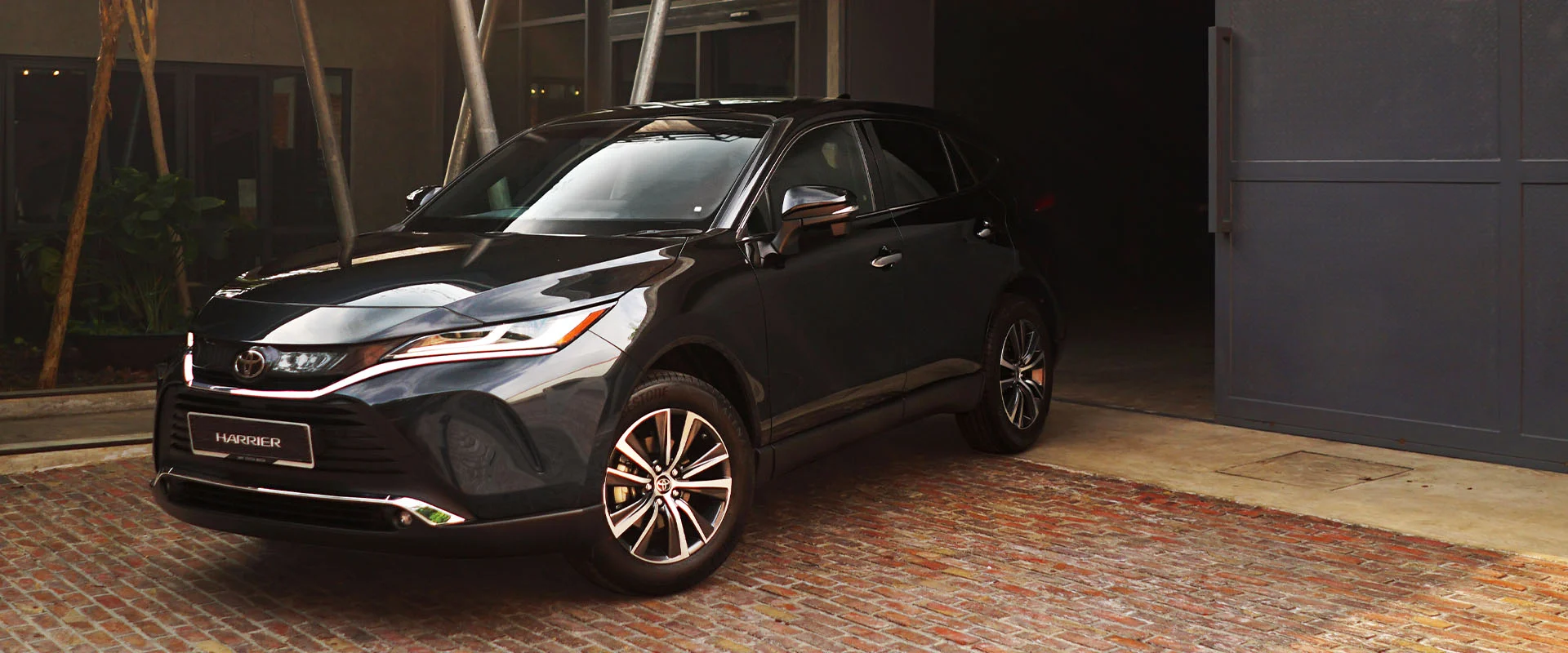
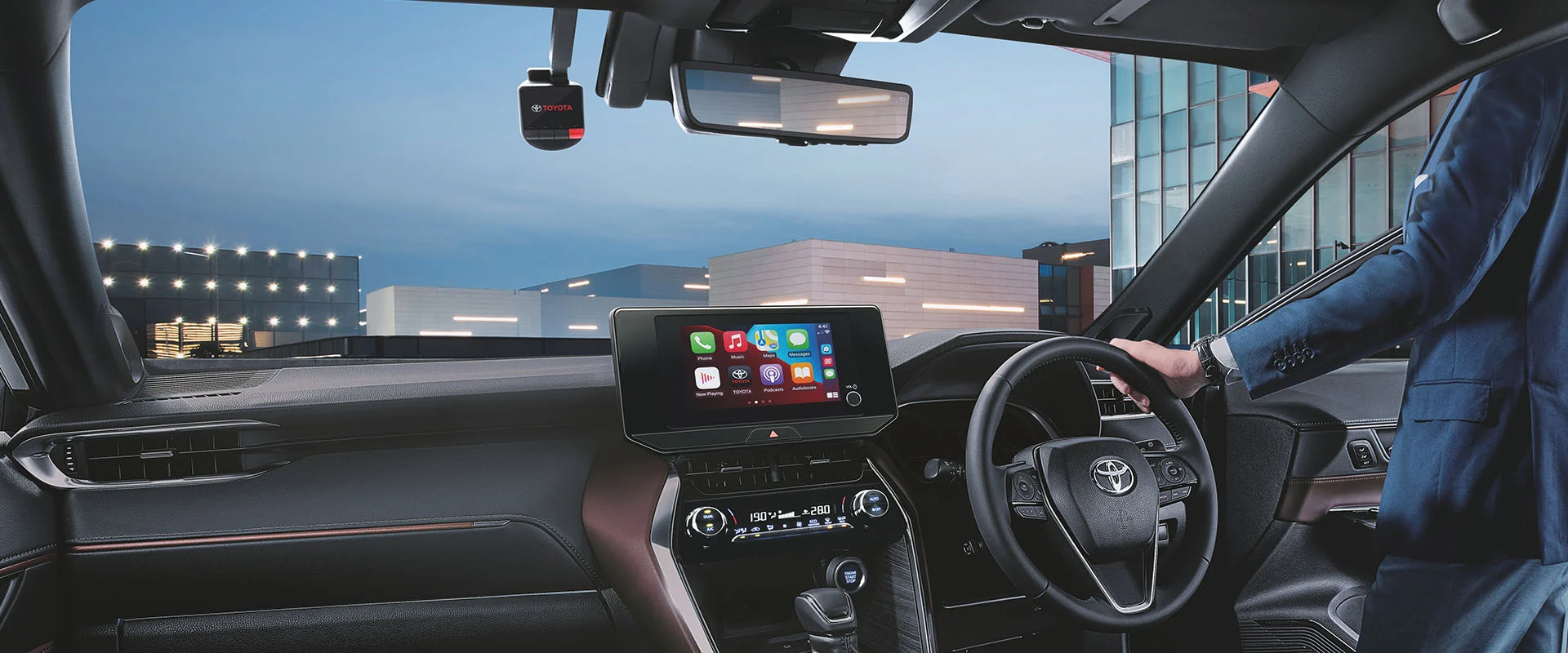
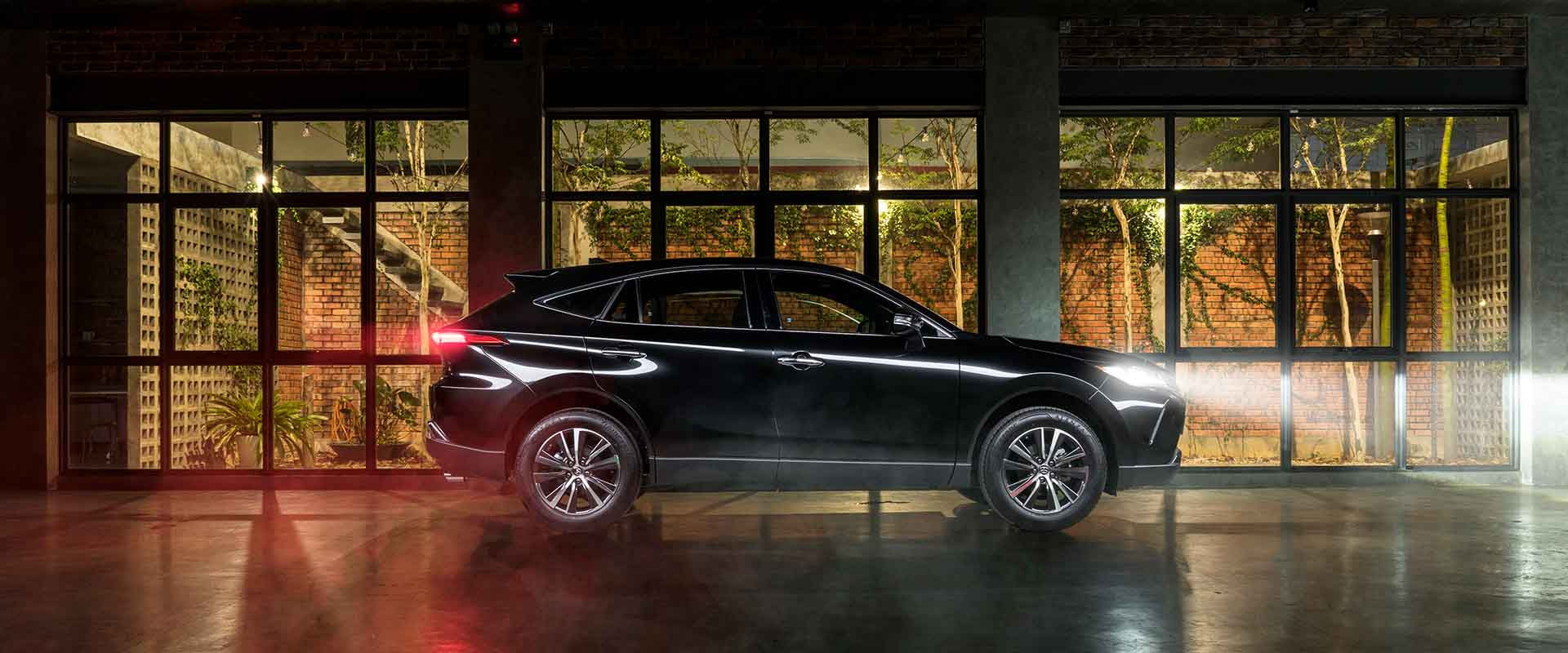
The Harrier follows a very clear design philosophy. Its body lines are smooth and restrained, with stretched proportions and no exaggerated creases. The sweeping, driver-focused centre console and large leather-wrapped surfaces create a serene and premium cabin ambiance.
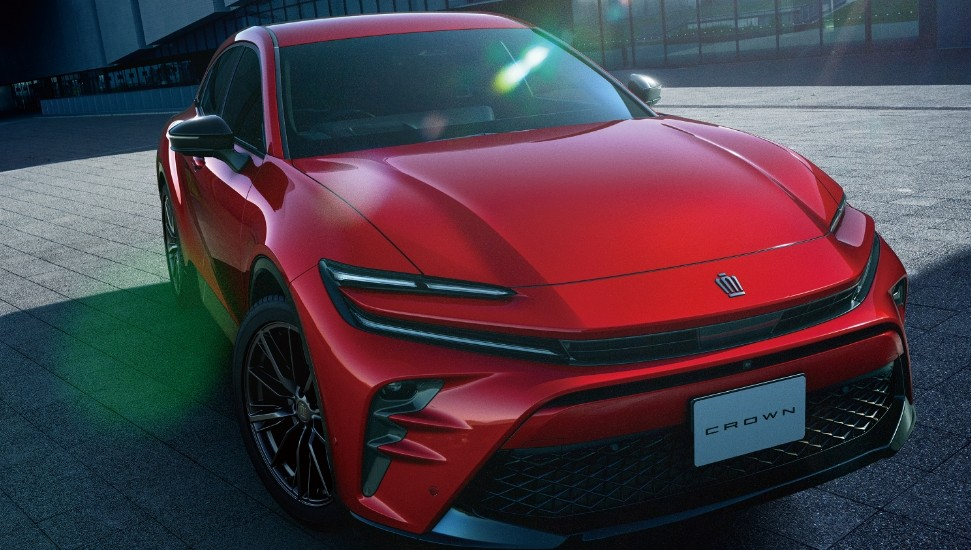
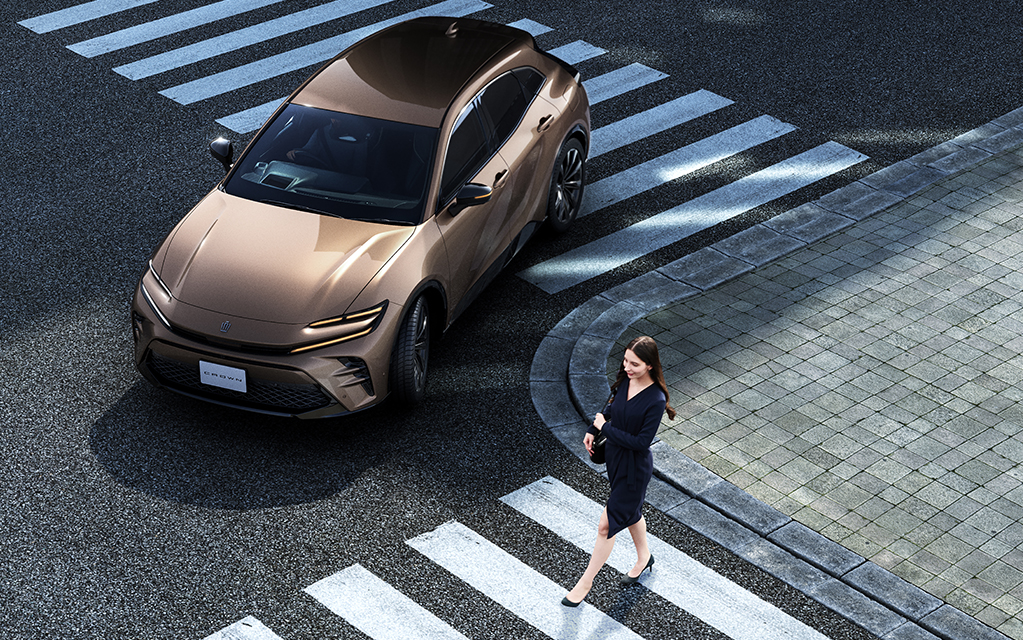
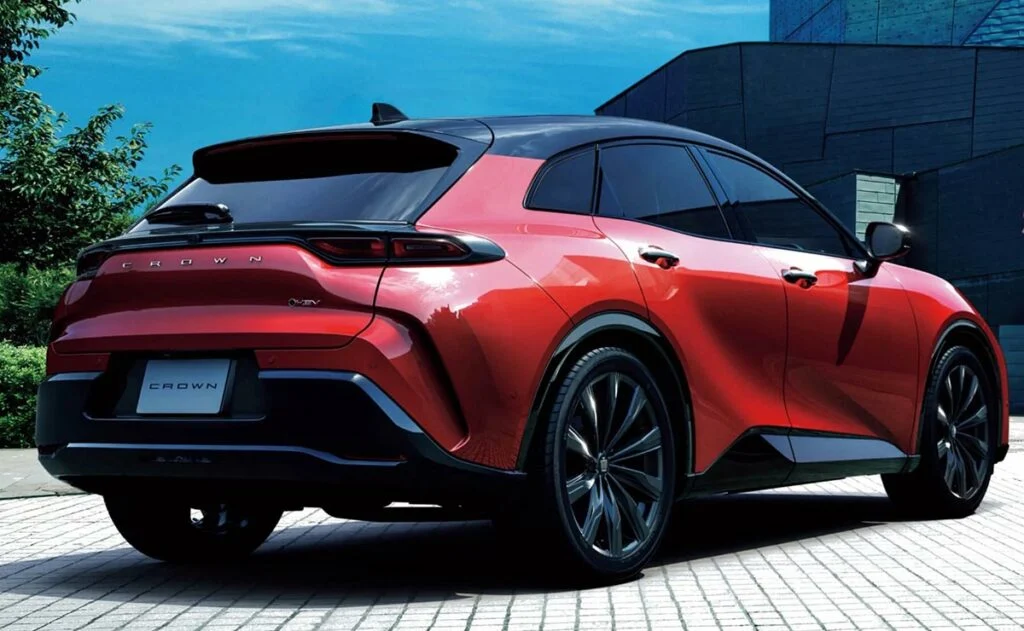
The Crown Sport takes an almost entirely different approach. With its wide body, highly aggressive front-end design, exaggerated front and rear fenders, and 21-inch wheels, it unapologetically draws attention visually.
Many people at first glance think not of a traditional Toyota, but of something akin to the Ferrari Purosangue, with performance-oriented SUV proportions and stance.
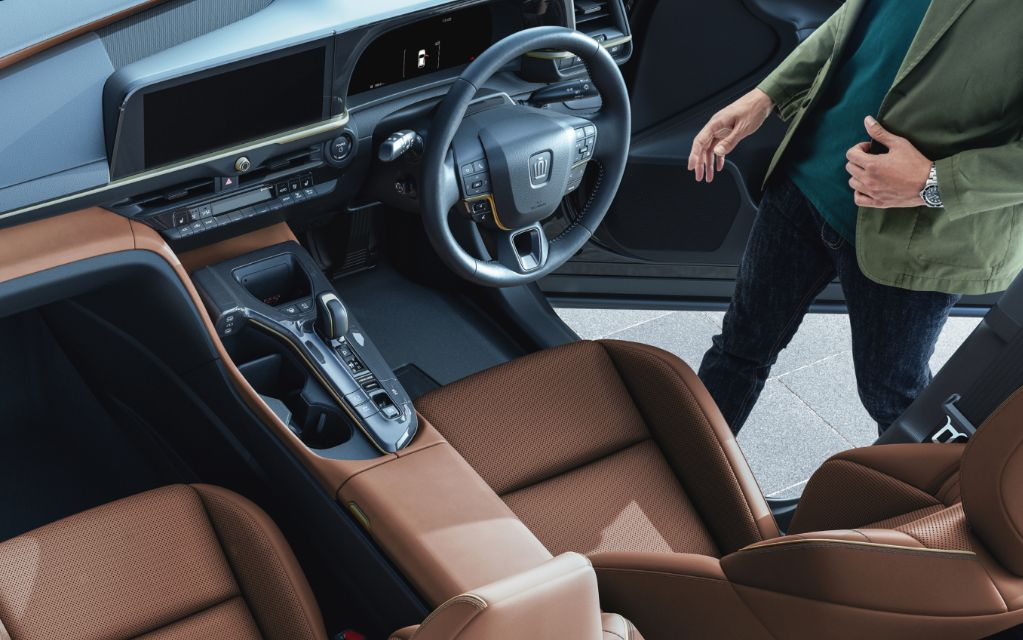
If the Harrier belongs in front of a luxury hotel or country club, the Crown Sport is made for making a statement on city streets.
Despite their contrasting styles, both models share the TNGA-K platform foundation, diverging primarily in their tuning.
The Harrier, available through official channels, is powered by a 2.0-litre naturally aspirated engine paired with a Direct Shift-CVT transmission. The power delivery is linear, the throttle response is gentle, and the system's presence is not strong, making it more tailored for quiet driving.
In the reconstituted (Recon) parallel import market, the mainstream Crown Sport variant features Toyota’s 2.5-litre hybrid powertrain (A25A-FXS) with E-Four all-wheel drive.
The acceleration response when the electric motor engages and the mid-range acceleration are noticeably more direct than the Harrier. More importantly, it is equipped with a Dynamic Rear Steering (DRS) system, which is uncommon among SUVs in the same price range. Therefore, the Crown Sport offers better turning radius and rear-end tracking performance.
When practicality is the priority, the Harrier’s advantages come to the fore.
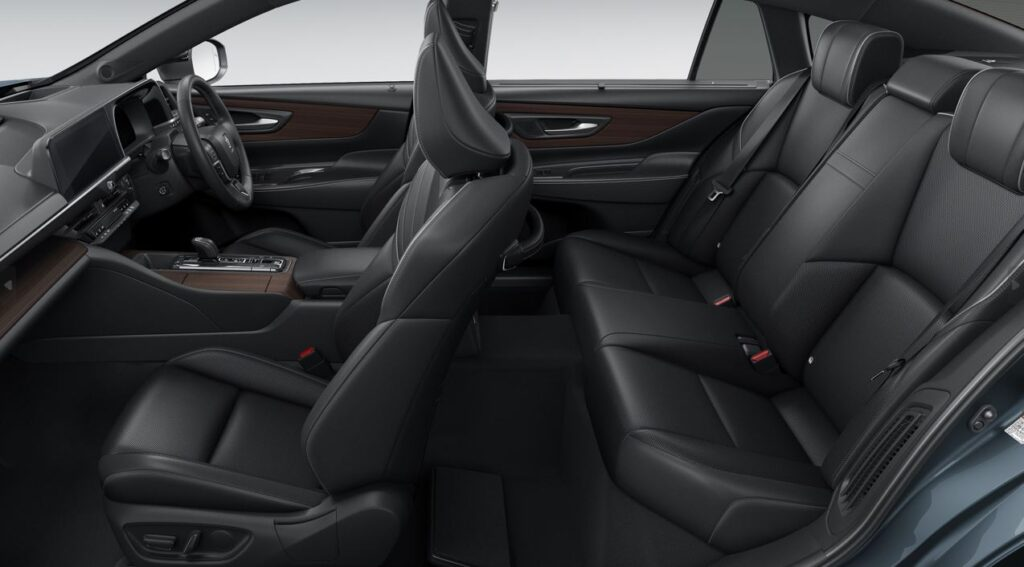
Its rear headroom is more spacious, the window areas are larger, offering better visibility for passengers; the boot has a regular opening, and its height and depth are more user-friendly, making it easier to load prams or large suitcases without tricky manoeuvres.
Additionally, with Harrier's consistently comfort-oriented suspension setup, it is easier to maintain a quiet and smooth ride on long trips.
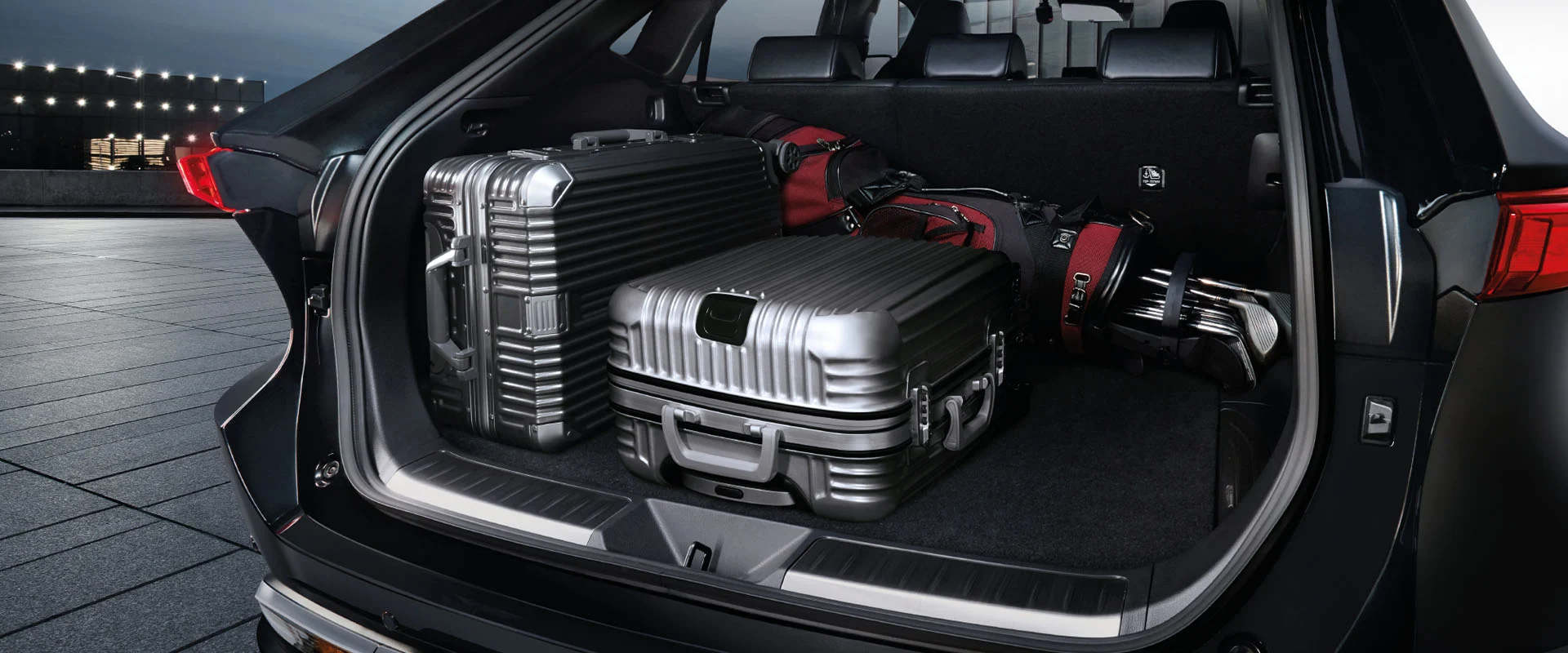
The Crown Sport’s challenge lies not in absolute dimensions, but in how its design prioritises style over space efficiency. The coupe-style roof makes the rear headroom more cramped, and the trunk lines have been compromised for visual tension. The chassis feedback is also tighter, maintaining more road feel than the Harrier.
As it is officially imported by UMW Toyota, the Harrier comes with a five-year manufacturer’s warranty, a nationwide service network, and a stable supply of parts. Because of this, it remains a solid choice in the second-hand market, with a clear resale value trend.
The Crown Sport, however, is currently only available through parallel import (Recon) channels. This means the warranty is handled by a third party, and some exclusive parts (such as 21-inch tires, exterior components, specific electronic modules) require waiting periods, with higher costs as well.
If you're looking for a family SUV that offers worry-free, long-term usage, the Harrier is definitely the choice. It may not be thrilling, but it is a profoundly dependable companion built for the long haul.
If you desire something that stands out from the crowd, with greater emphasis on design flair, driving engagement, and novel technology, then the Crown Sport presents a compelling and distinctive alternative within this price bracket.
If any infringement occurs, please contact us for deletion
Trending News

The all-new Lexus ES announces pre-sale on March 20: Say goodbye to pure gasoline engines and launch a pure electric version
Lexus's bestseller sedan, the ES, ushers in a major overhaul, officially confirmed to start pre-sales on March 20. The new car has not only undergone significant size extensions based on the GA-K platform but has also made a complete transformation in its powertrain logic — abandoning purely fuel-powered engines in favor of the ES 300h hybrid and the brand-new ES 350e/500e fully electric versions, officially joining the luxury electric sedan market competition.

The Lexus ES 200: Laughed Out of Existence
With the official debut of the eighth-generation Lexus ES in the global market, we quickly realized that the once entry-level model ES 200 has completely disappeared. Now only the ES 350h, ES 350e, and ES 500e remain, and for this reason, the Lexus ES 200 was launched with a two-tone body in the Chinese market as a commemorative edition.

Toyota recalls over 3 million vehicles worldwide, including Camry, Land Cruiser, and Lexus
According to the latest news, Toyota has officially launched a large-scale global recall involving approximately 3.3 million vehicles due to a defect in the reverse assist system software, which may cause the screen to freeze at critical moments.

Before buying the Chery Omoda 5, you must know some issues
Chery Omoda 5, as a key model for the Chinese brand Chery to enter Malaysia's B-Segment SUV market, has attracted considerable attention since its launch with its impressive features, enticing warranty policies, and market promotions. However, despite the hype, various issues reported by real owners are gradually emerging.

Toyota Land Cruiser FJ confirmed to launch in Thailand on March 21, expected to start from RM137k
For those obsessed with the rugged DNA of the Land Cruiser but deterred by the high price tags of the 300 Series or 250 Series, this compact off-road vehicle built on the IMV 0 platform is undoubtedly the most anticipated surprise of the year.









Popular Cars
Model Year
Car Compare
Car Photo