
Toyota is dissatisfied with Daihatsu's e-Smart Hybrid technology: The engine noise is too loud during high-speed operation
 JamesFeb 04, 2026, 03:41 PM
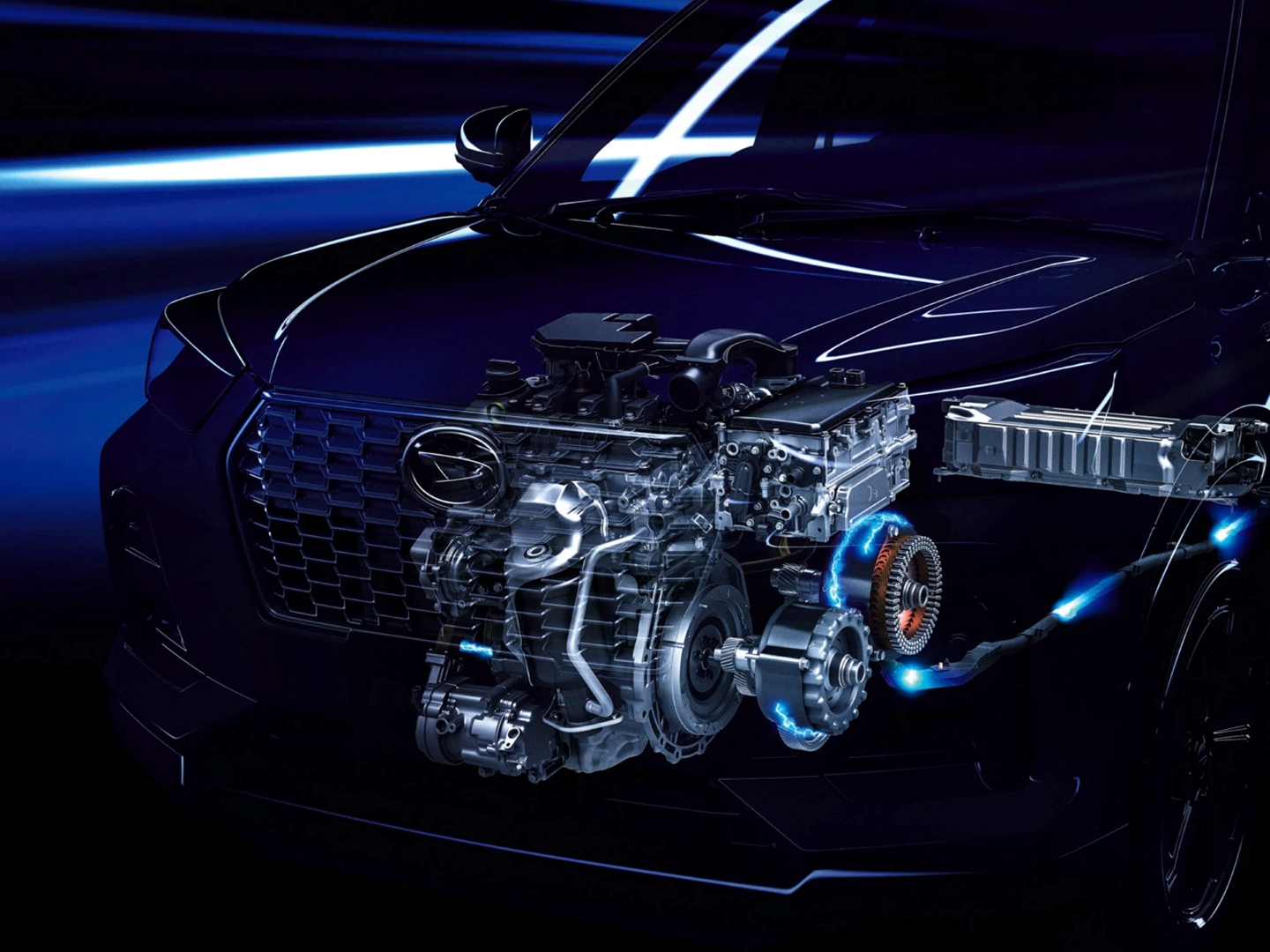
【PCauto】As a brand with deep roots in regional markets, the technical partnership between Toyota and Daihatsu has long been seen as crucial for reducing hybrid costs in entry-level models. However, reports have emerged that Toyota is dissatisfied with Daihatsu's e-Smart Hybrid technology. At the heart of this disagreement lies a deeper conflict over technical philosophy and market positioning.
The original purpose of the e-Smart Hybrid was to provide a low-cost hybrid solution for small-sized models. This series hybrid system drives the wheels directly via the electric motor, with the engine acting solely as a generator. In congested urban areas with low speeds, it delivers a smooth and quiet driving experience reminiscent of an EV – a key factor in its initial appeal to consumers.
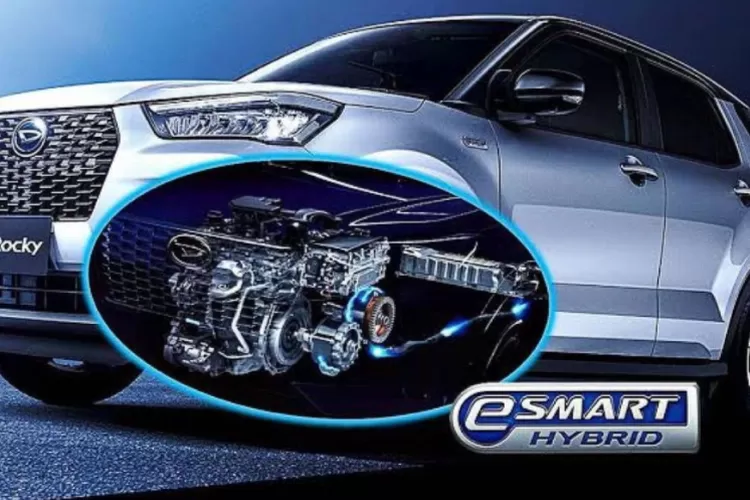
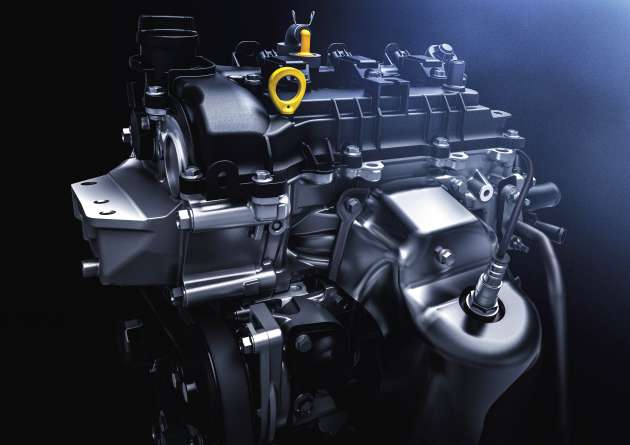
However, issues emerge during high-speed cruising. The engine needs to maintain high RPMs to generate electricity, leading to higher-than-expected noise levels and fuel consumption figures that are merely on par with efficient petrol-powered rivals in the same segment.
For Toyota, whose core competitiveness lies in its hybrid technology, such performance falls short of expectations. After all, its self-developed THS system has long achieved efficient energy distribution across different speeds and loads, delivering consistent fuel efficiency whether in city traffic or on the open highway.
Toyota’s THS system employs a planetary gearset to seamlessly integrate the engine and motor, giving it an edge in both technical sophistication and versatility across driving conditions.
In contrast, the e-Smart Hybrid appears more as a compromise solution tailored for specific scenarios. In aiming for cost control, its simplified architecture comes at the expense of the well-rounded performance expected of a full hybrid system.
Although models equipped with e-Smart Hybrid can attract consumers with prices slightly higher than gasoline versions, criticism over its lack of a decisive fuel economy advantage leaves the e-Smart Hybrid in an awkward spot. It can neither match the all-scenario efficiency of THS models, nor convincingly justify a price premium for an enhanced experience.
In the Southeast Asian market, consumers are highly price-sensitive when it comes to small cars. Here, the cost-effectiveness of a hybrid system is a key determinant of a model’s competitiveness.
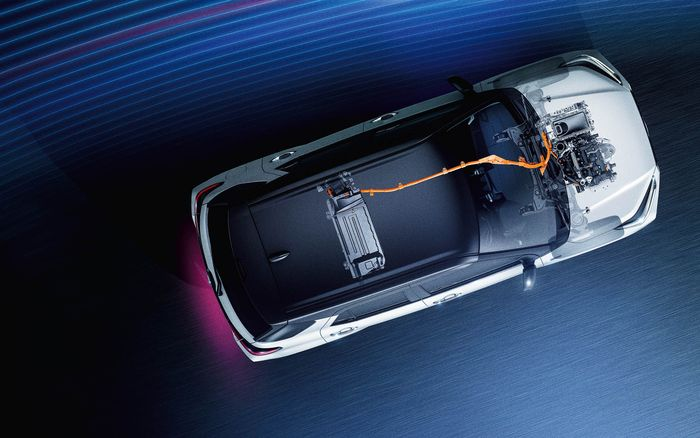
Daihatsu, as the core arm of Toyota Group responsible for small car development, was supposed to be the key to balancing cost and technology. However, Toyota’s expressed dissatisfaction has sparked external speculation regarding future adjustments: Will future models revert to the THS architecture, or will the e-Smart Hybrid's high-speed performance be substantially improved?
Whichever path is chosen, Toyota must strike a balance between “brand technological consistency” and “cost-effectiveness in the entry-level market.” Lowering the cost of the THS system for A0-segment cars could squeeze profit margins. On the other hand, persisting with the e-Smart Hybrid risks diluting Toyota’s hard-earned reputation in hybrid technology.
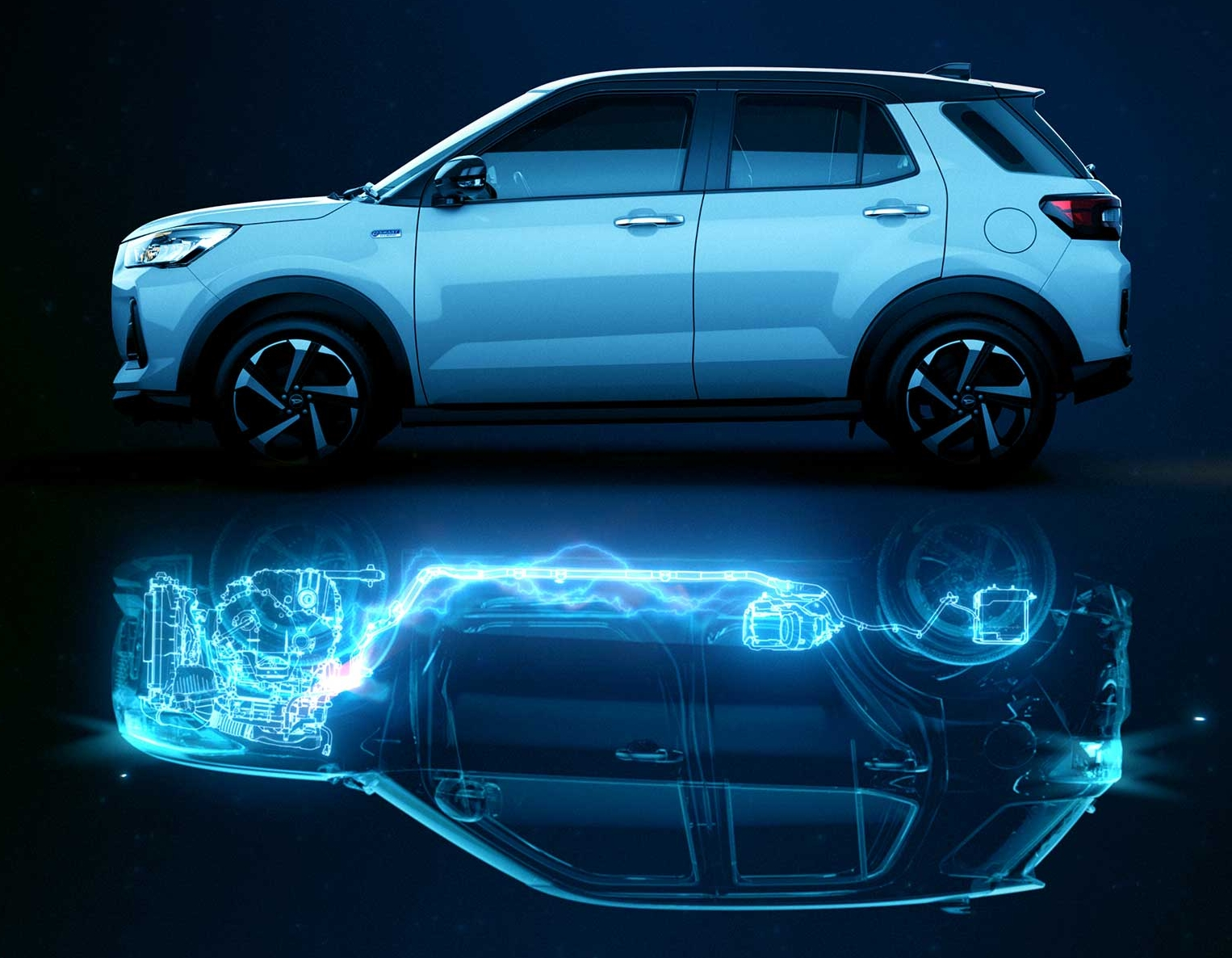
It is worth noting that Toyota’s obsession with technical perfection is well recognised within the industry. Since the first Prius, the THS system has always been defined by its "high efficiency in all scenarios" as a core label. This engineering philosophy pushes Toyota’s requirements for any hybrid solution well beyond mere functional adequacy.
In contrast, the design logic of the e-Smart Hybrid leans more towards "solving the problem of availability" rather than "demonstrating technological superiority," which might be the core of the disagreement between the two sides. Toyota requires a hybrid solution that reflects the brand's technology, rather than merely meeting regulations or serving as an entry-level transitional product.
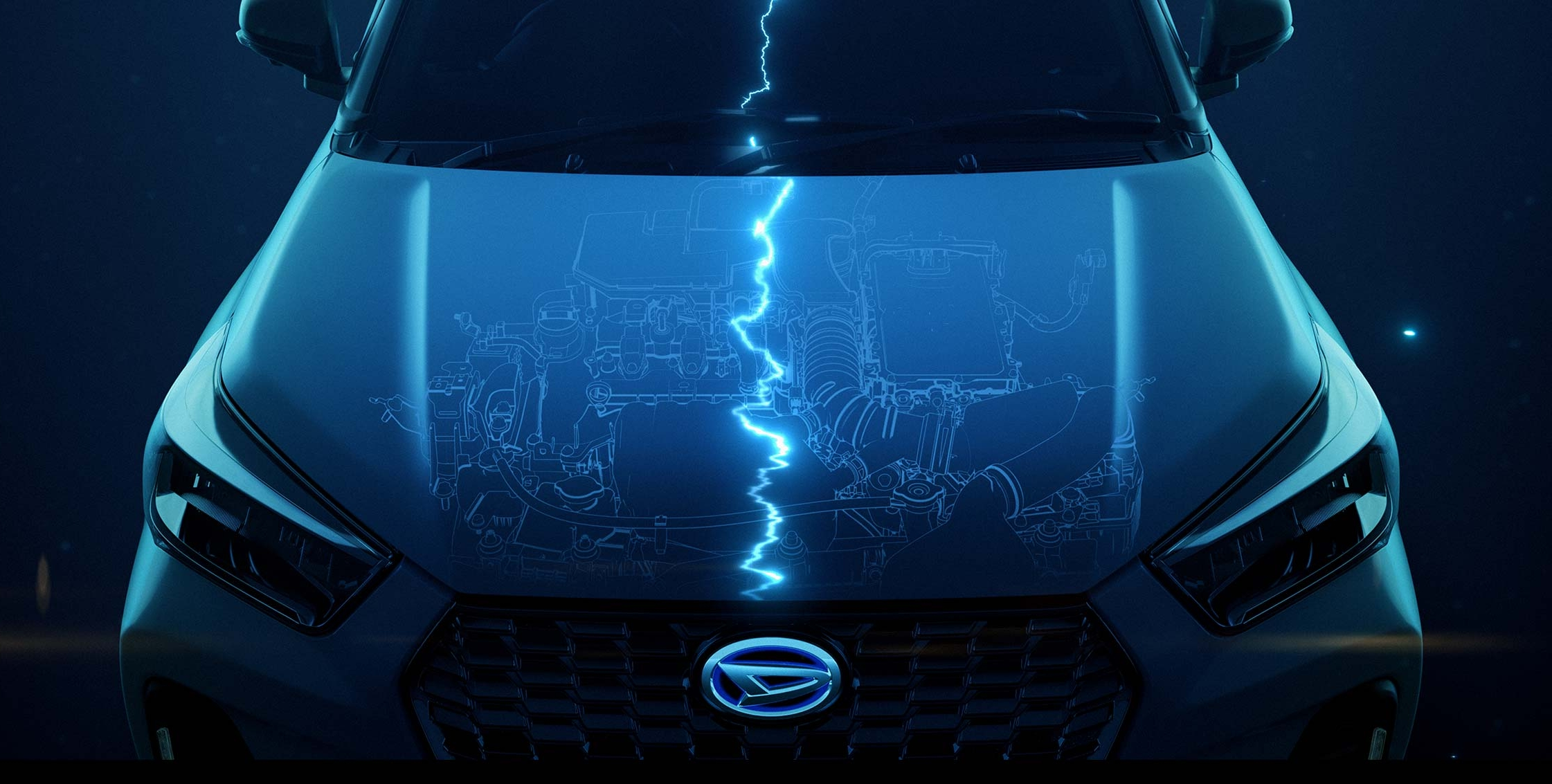
As emission regulations tighten gradually across Southeast Asian countries, hybridization of small vehicles has become an irreversible trend. How Toyota and Daihatsu adjust their technical collaboration in the future will not only impact their product planning but also set the direction for the hybrid technology path in regional markets.
For consumers, the real-world experience behind the hybrid badge ultimately dictates their willingness to pay a premium. This is the benchmark Toyota refuses to lower.
If any infringement occurs, please contact us for deletion
Trending News

The all-new Lexus ES announces pre-sale on March 20: Say goodbye to pure gasoline engines and launch a pure electric version
Lexus's bestseller sedan, the ES, ushers in a major overhaul, officially confirmed to start pre-sales on March 20. The new car has not only undergone significant size extensions based on the GA-K platform but has also made a complete transformation in its powertrain logic — abandoning purely fuel-powered engines in favor of the ES 300h hybrid and the brand-new ES 350e/500e fully electric versions, officially joining the luxury electric sedan market competition.

Before buying the Chery Omoda 5, you must know some issues
Chery Omoda 5, as a key model for the Chinese brand Chery to enter Malaysia's B-Segment SUV market, has attracted considerable attention since its launch with its impressive features, enticing warranty policies, and market promotions. However, despite the hype, various issues reported by real owners are gradually emerging.

Toyota Land Cruiser FJ confirmed to launch in Thailand on March 21, expected to start from RM137k
For those obsessed with the rugged DNA of the Land Cruiser but deterred by the high price tags of the 300 Series or 250 Series, this compact off-road vehicle built on the IMV 0 platform is undoubtedly the most anticipated surprise of the year.

BYD to unveil new technologies on March 5, 2026 – pure EV range to exceed 1,000 km
This isn’t about a new model debut. Instead, BYD is preparing to showcase a suite of near-production core technologies – including a pure EV boasting a CLTC range of over 1,000 km, an upgraded Megawatt Flash Charging 2.0 system, and the next-generation DM 6.0 Super Hybrid platform.

The Lexus ES 200: Laughed Out of Existence
With the official debut of the eighth-generation Lexus ES in the global market, we quickly realized that the once entry-level model ES 200 has completely disappeared. Now only the ES 350h, ES 350e, and ES 500e remain, and for this reason, the Lexus ES 200 was launched with a two-tone body in the Chinese market as a commemorative edition.










Popular Cars
Model Year
Car Compare
Car Photo