
Decided on the e.MAS 7 PHEV but still unsure? Then take a look at its Chinese prototype.
 LienJan 15, 2026, 05:33 PM
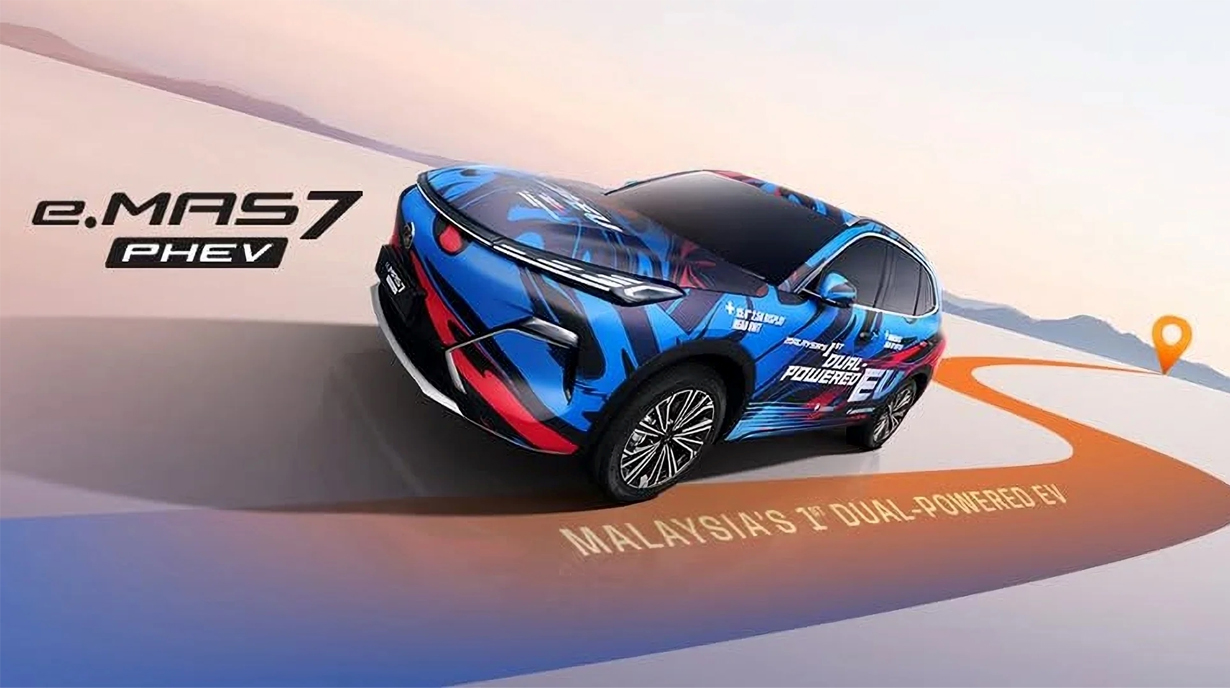
【PCauto】Proton's first e.MAS 7 PHEV has commenced its pre-sales, with an official pre-sale price ranging from RM 110,000 to RM 130,000 and a symbolic deposit of just RM 99. It must be said that its pricing is highly competitive in the current plug-in hybrid electric vehicle (PHEV) market.
However, we also observed an interesting phenomenon. Although many prospective car owners have eagerly placed their deposits, when asked what makes this car special, most of them are actually quite unsure beyond mentioning the spacious interior and Proton's brand reputation in Malaysia.
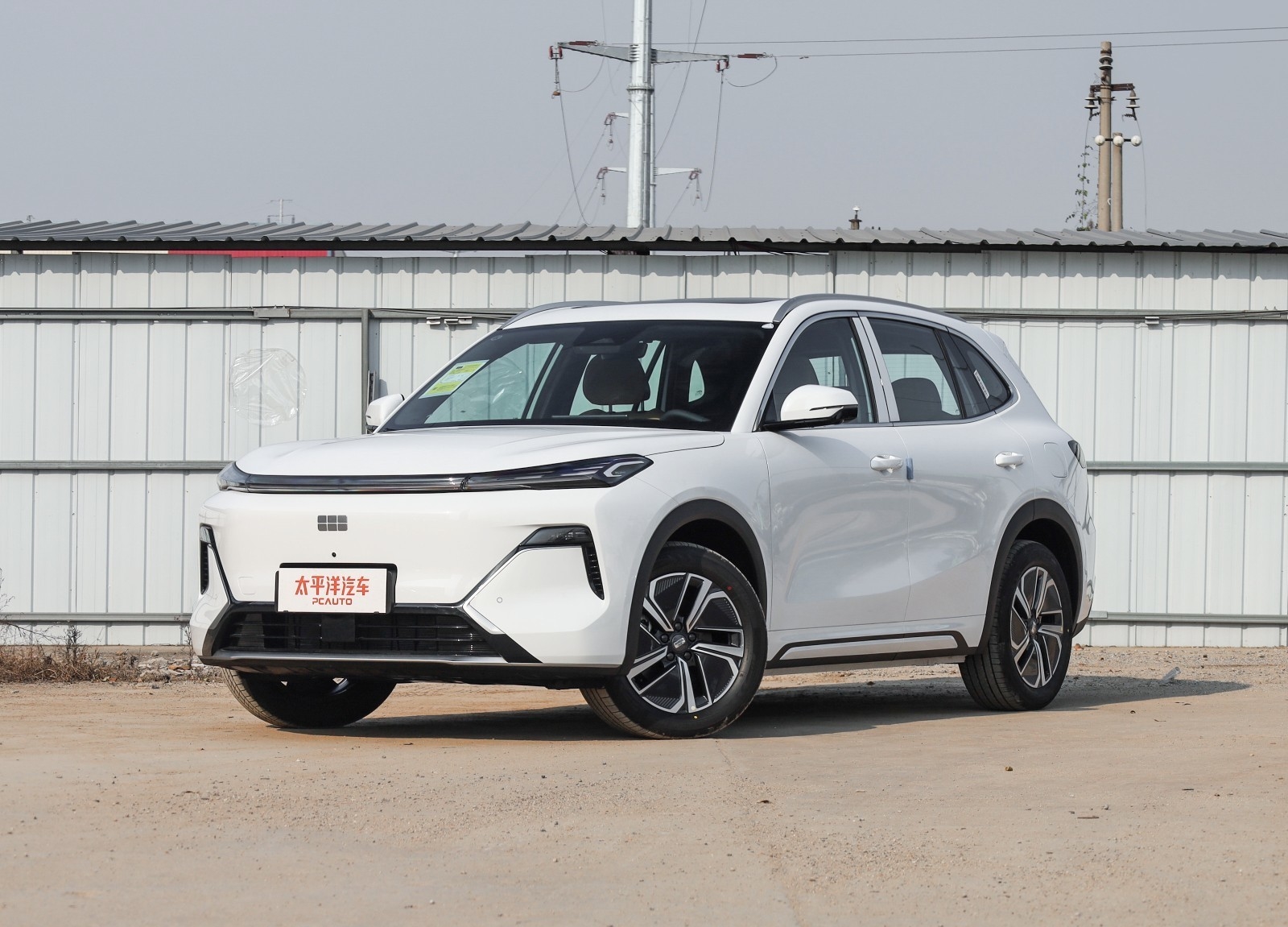
For now, we cannot find all the answers because the e.MAS 7 PHEV is still a new model. But if we take a look at its Chinese twin, the Geely Galaxy Starship 7 EM-i, then it becomes much easier to understand.
Proton e.MAS 7 PHEV VS Geely Galaxy Starship 7 EM-i
Firstly, it should be clarified that both Malaysia's e.MAS 7 PHEV and China's Galaxy Starship 7 utilise the GEA (Global Intelligent New Energy Architecture). This is not merely a chassis; it is a global architecture developed by Geely specifically for new energy vehicles.
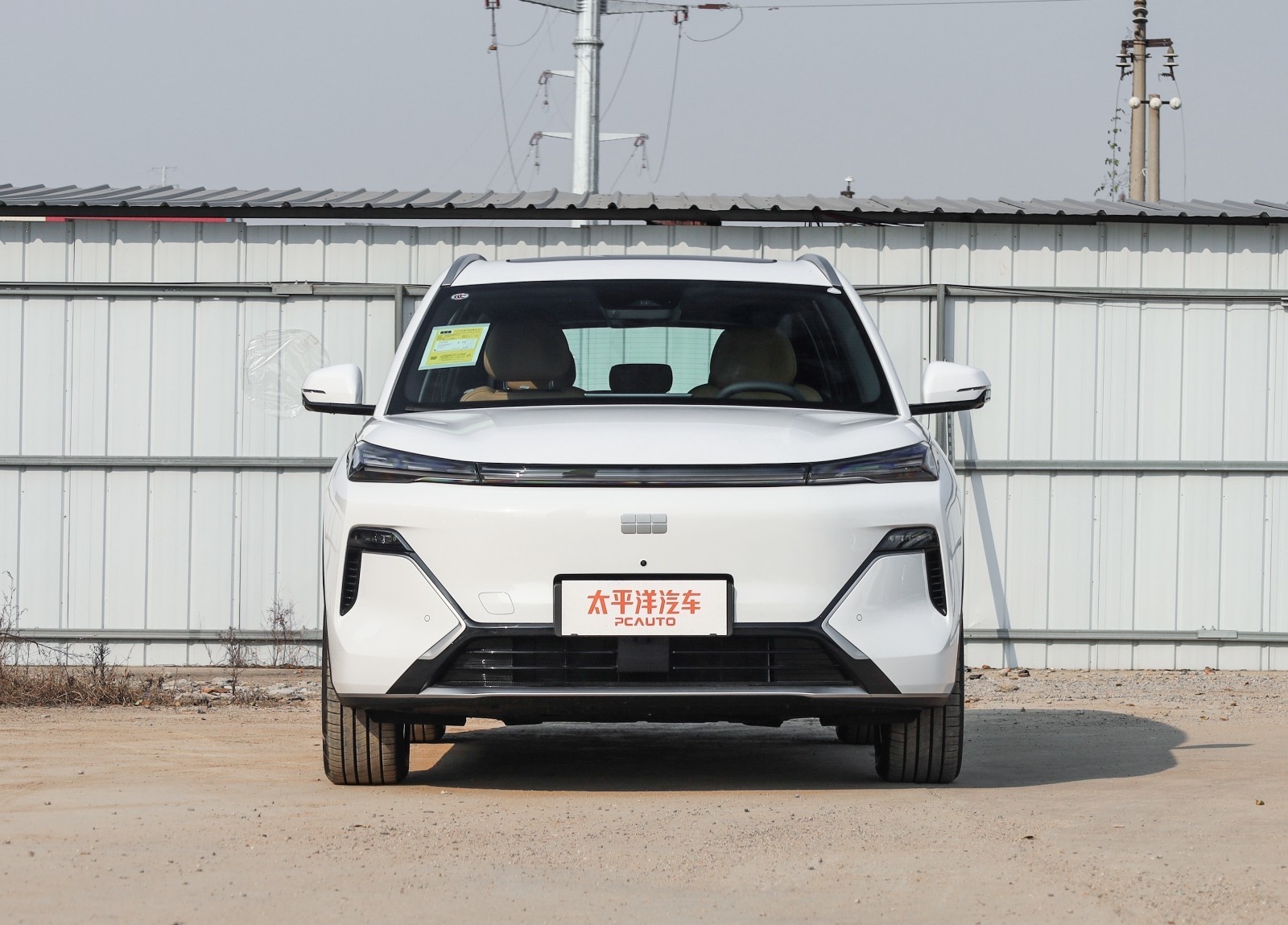
Externally, the two models share an almost identical design. The "Galaxy Ripple" design language gives the car a sleek and aerodynamically efficient silhouette.
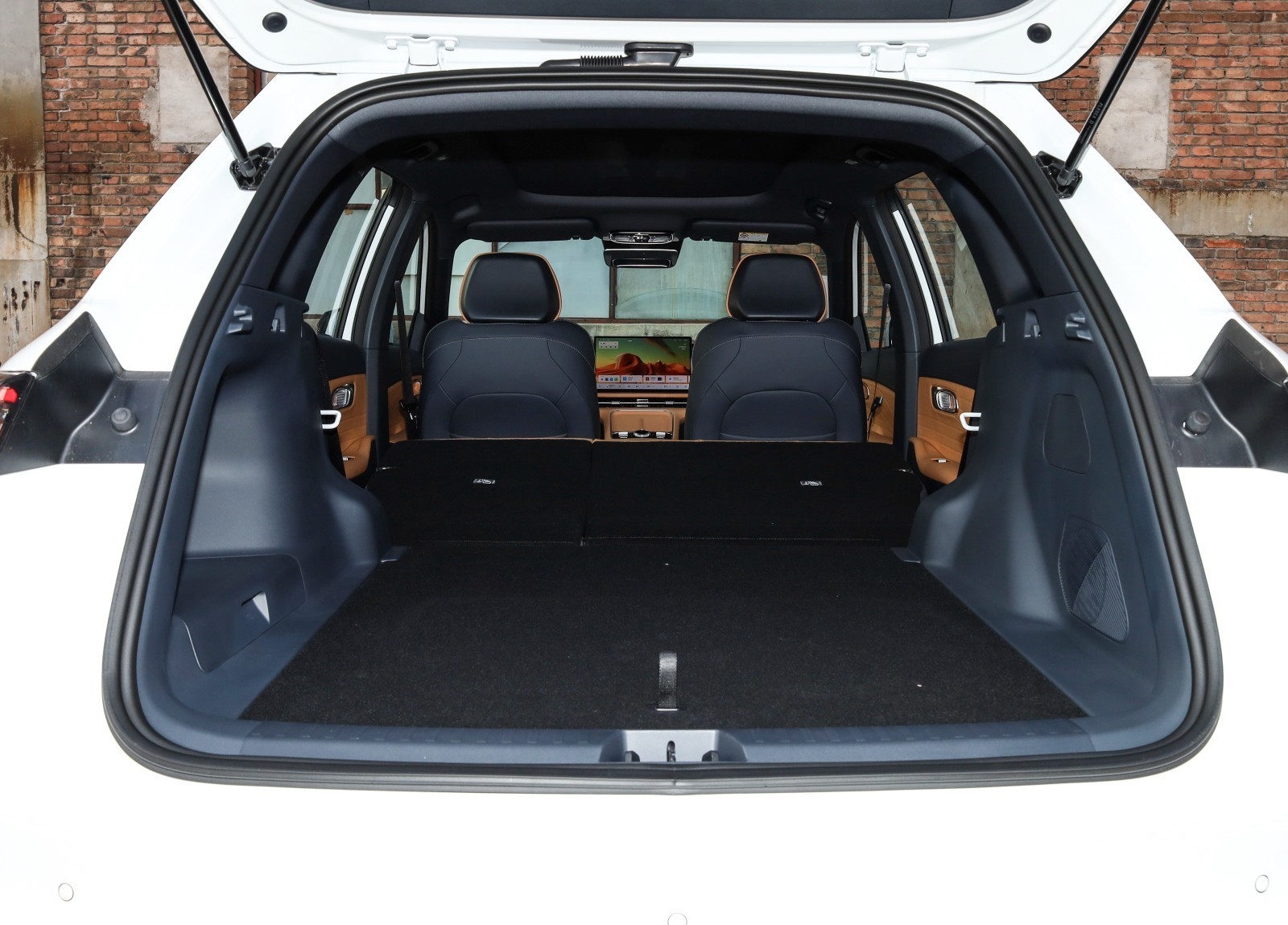
Inside the cabin, the Starship 7 has consistently received praise for its exceptional space efficiency. Its interior features 34 storage spaces, including a drawer under the rear seats, a passage space under the center console, and a 51L hidden space under the trunk that, with adjustable dividers, is even claimed to expand up to 100L.
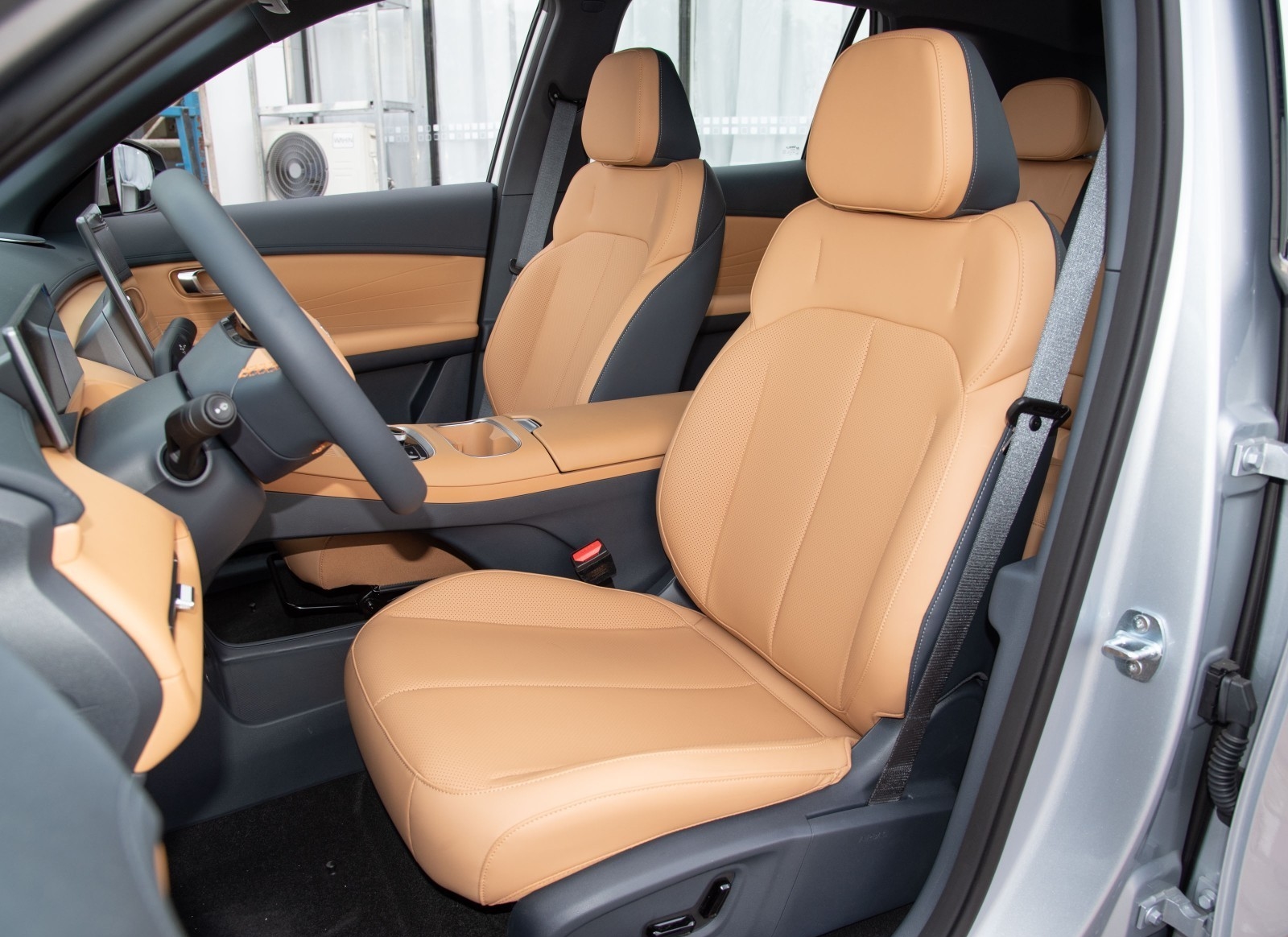
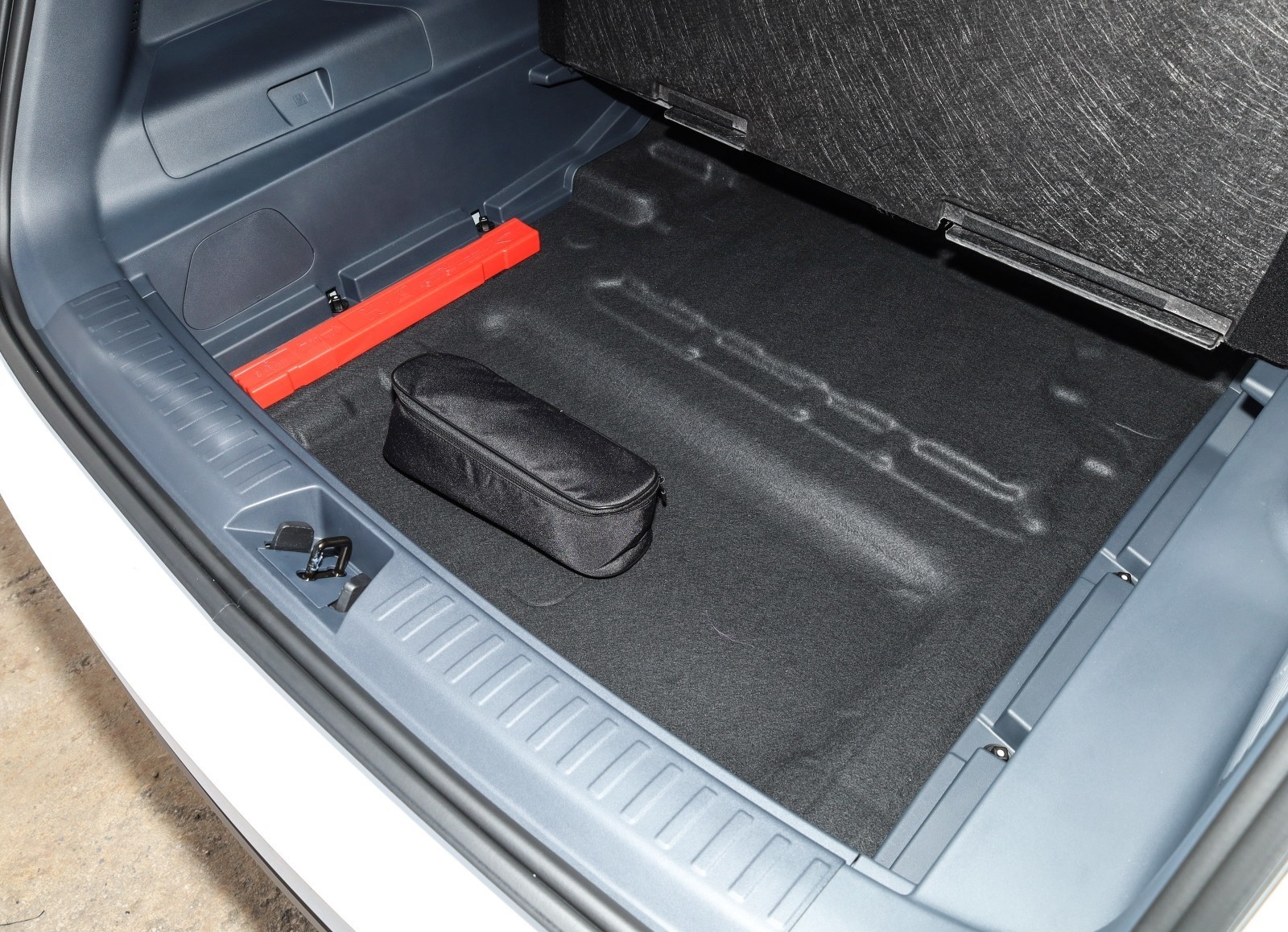
To achieve 34 storage spaces, the designers have utilised every corner, such as the storage compartment in the door handle and the hidden card slot located below the lower-left side of the steering wheel.
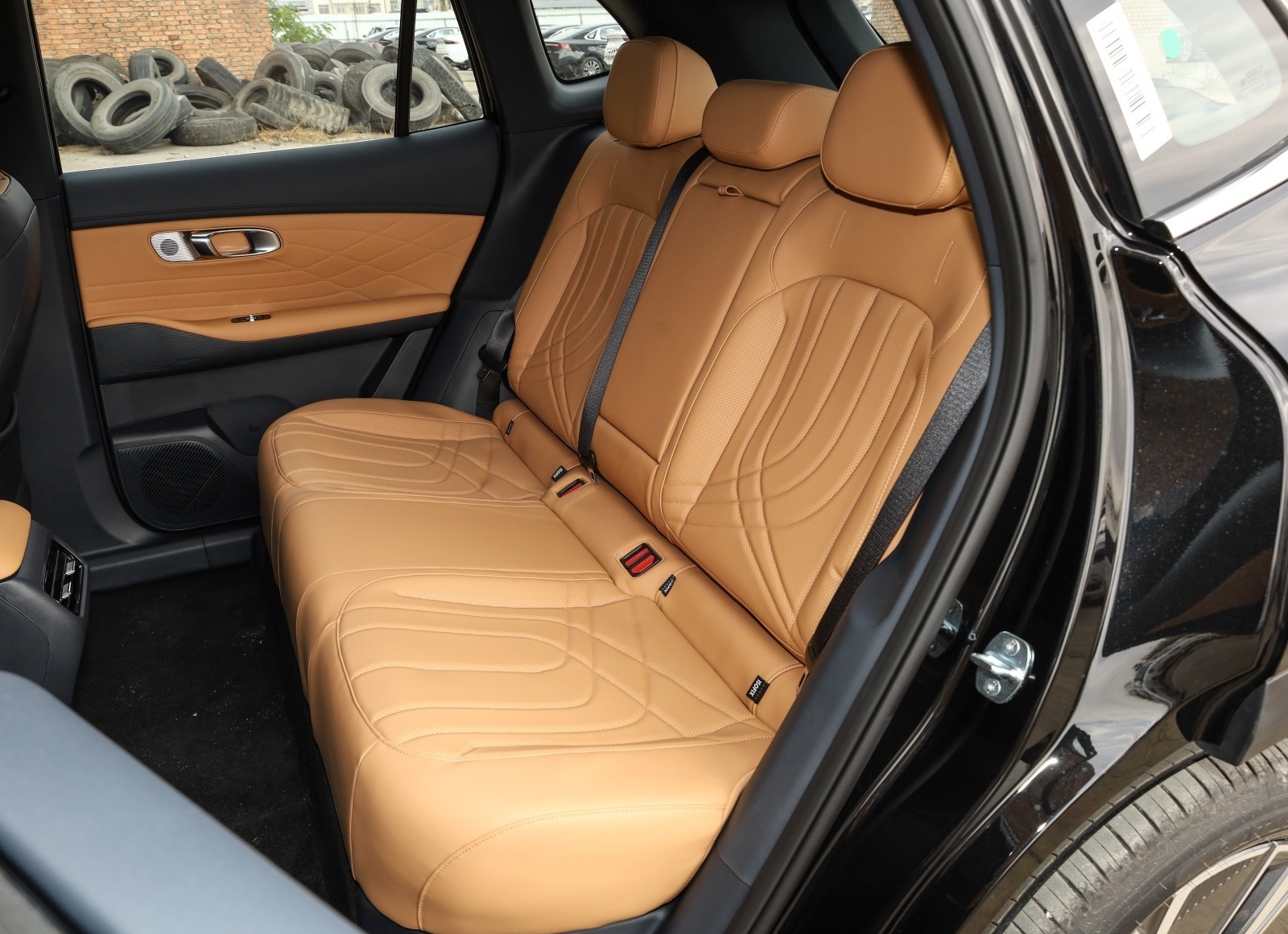
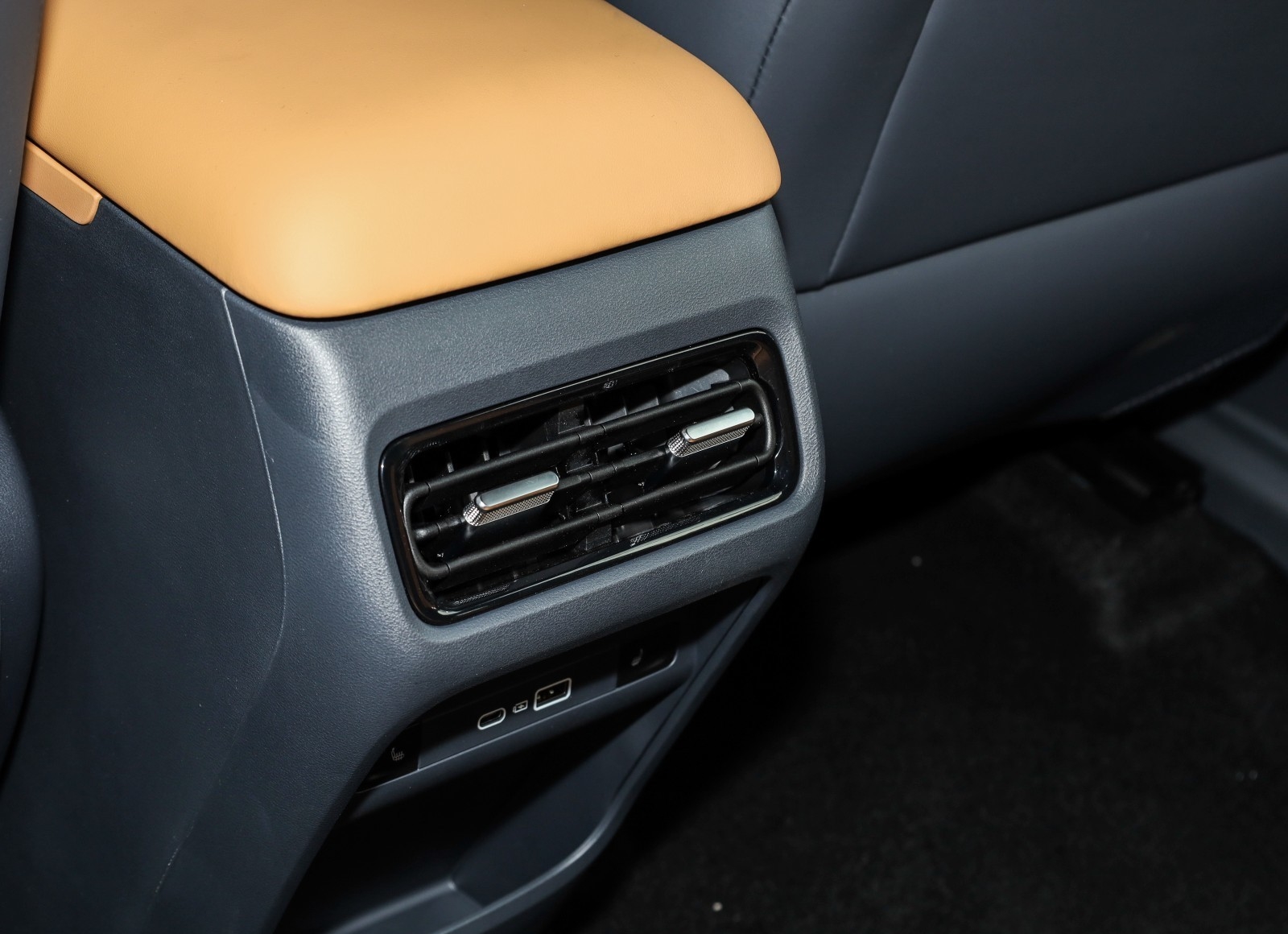
When you fold the rear seats completely flat, the volume instantly soars to 2065L, and under normal conditions, the base volume is also 528L.
Similar to the Starship 7 EM-i and e.MAS 7, the cabin is equipped with a combination of a 15.4-inch floating central control screen and a 10.2-inch full-LCD instrument display. The number of speakers in the car reaches 6. Similarly, the Starship 7 EM-i also offers an optional upgrade to a maximum of 16 speakers.
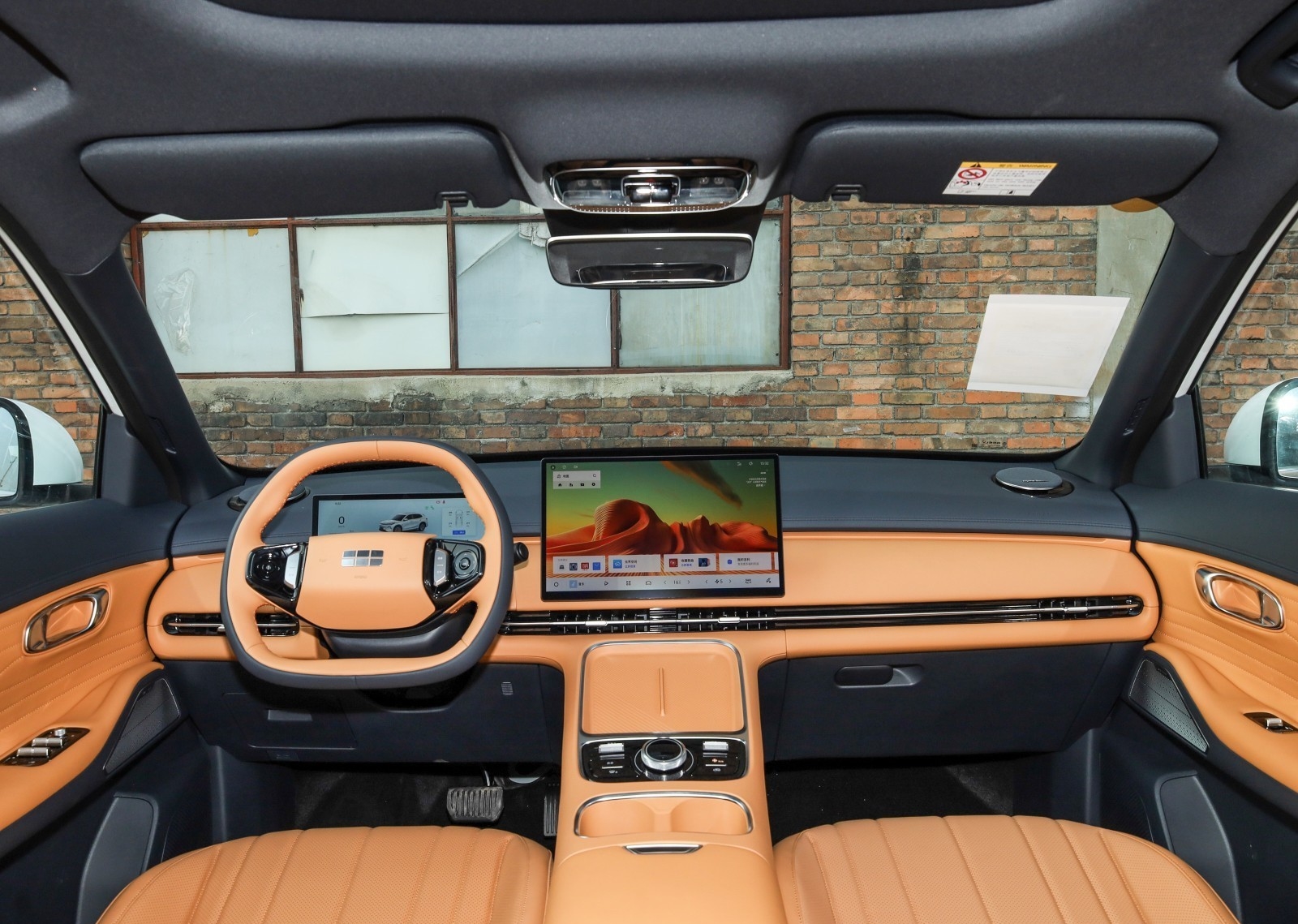
Among the key features catering to family users, the Starship 7 comes standard with:
· Front seat heating/ventilation
· Second-row backrest electric adjustment
· Heat pump air conditioning system
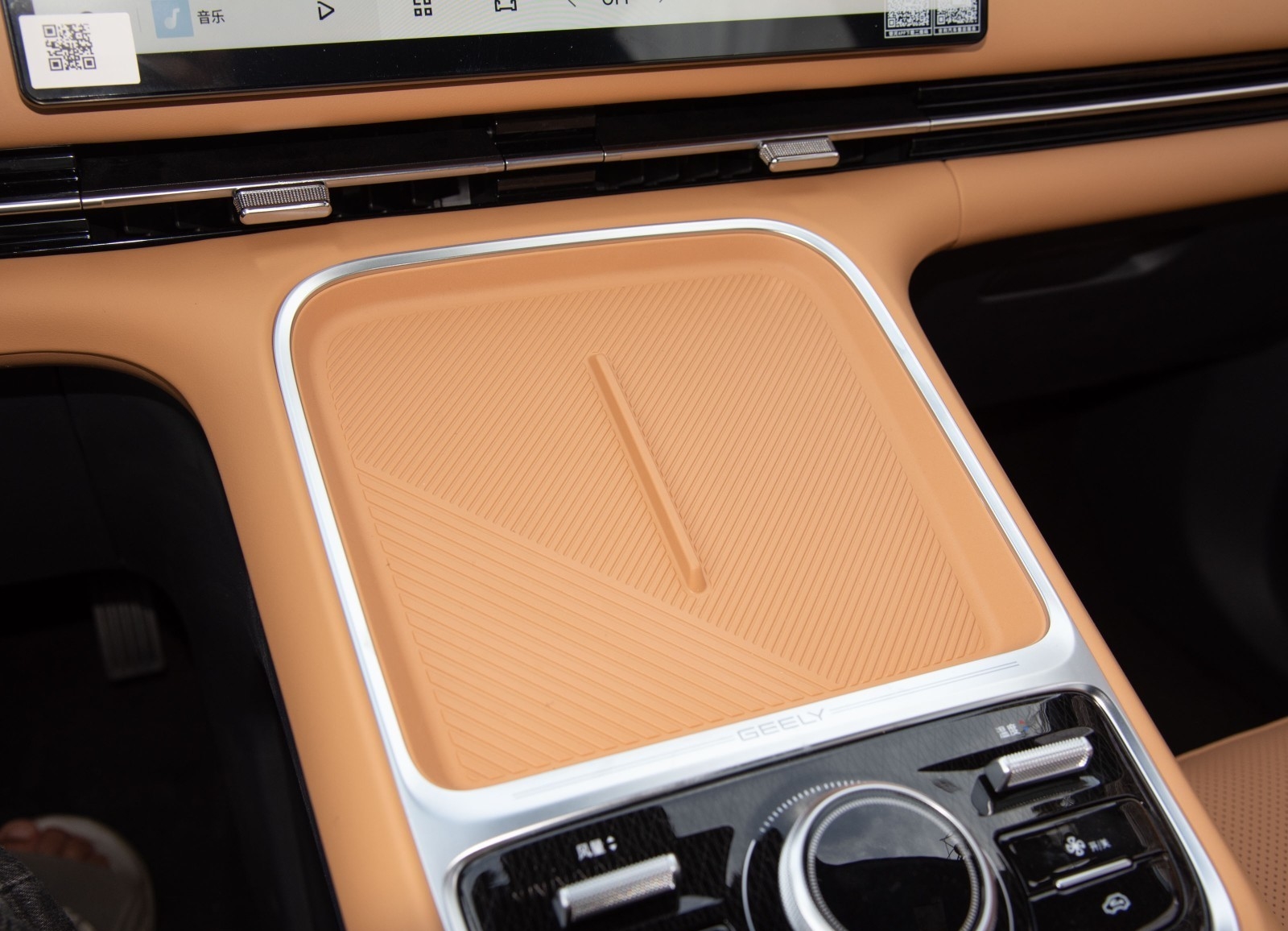
· Wireless mobile phone charging (up to 50W)
The Starship 7 EM-i has achieved a five-star rating in China's C-NCAP test, largely due to its Level 2 intelligent driving assistance system. The e.MAS 7 PHEV is also equipped with this system, which specifically includes:
Full-speed adaptive cruise control (operating range 0-150km/h)
Lane Keeping Assist (achieved through front windshield camera + millimeter-wave radar)
Automatic Emergency Braking (recognizes pedestrians, bicycles, and crossing vehicles)
Parking Assist (supports automatic parking into perpendicular, parallel, and slanted spaces)
Thor EM-i Hybrid System
The Starship 7 EM-i and e.MAS 7 PHEV are equipped with Geely's latest generation Thor EM-i (Thunder God Super Hybrid) system.
At its core is a 1.5L naturally aspirated engine, capable of generating up to 82kW of power, paired with a 175kW electric motor, achieving 0-100km/h in just 7.5 seconds.
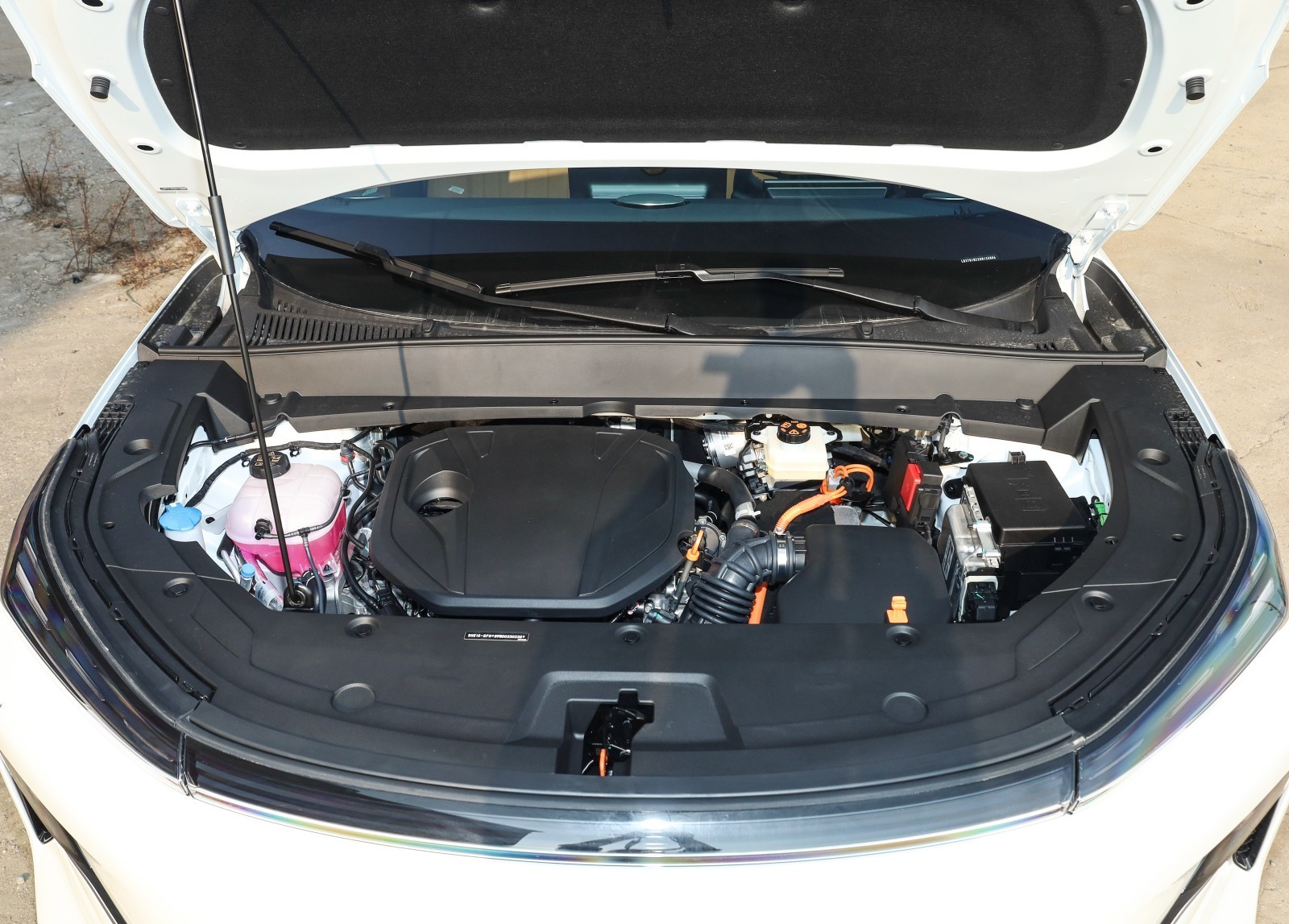
The engine thermal efficiency reaches 46.5%, which is a world-class achievement in the internal combustion engine field. In large-scale tests conducted by Chinese media, even in Depleted Battery mode, this car's fuel consumption can still stabilize at around 3.7L/100km.
The Starship 7 EM-i is equipped with Geely's Aegis Short Blade Battery, which has a capacity of 19.09kWh, supporting 200 kilometers of pure electric driving.
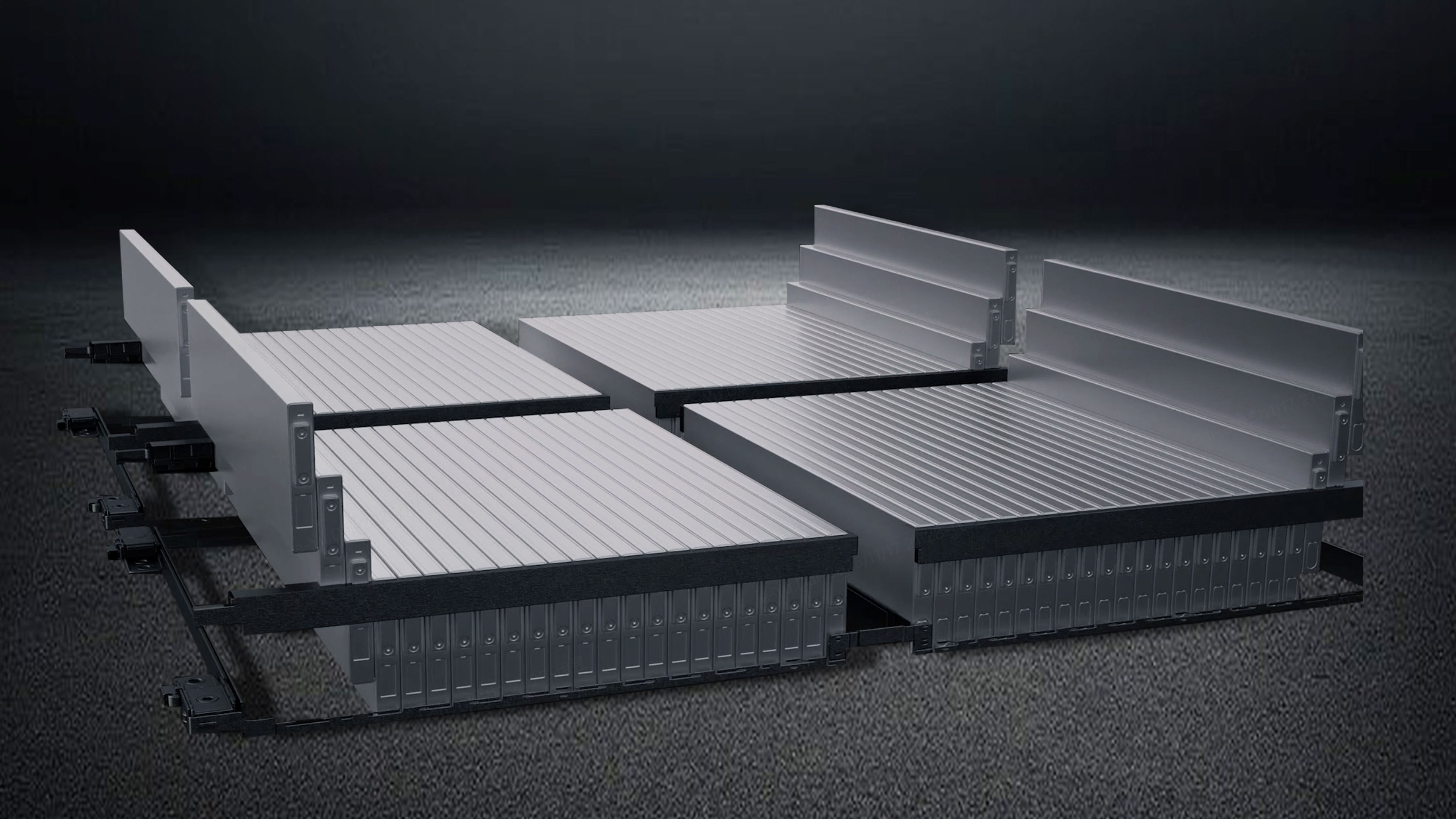
Structurally, the Short Blade Battery is more mechanically rational compared to the Blade Battery available in the market.
The design of the Blade Battery results in lower internal resistance within the battery, which reduces heat generation during charging and discharging, directly improving its lifespan.
In laboratory tests, this battery has undergone an 8-needle puncture test without emitting smoke or catching fire. It even passed the Infantry Rifle Bullet Penetration test.
Geely claims that its cycle life can reach 3,500 times, equivalent to a driving distance of 1,000,000 km.
How does the Starship 7 EM-i feel to drive?
Although the electric variant of the e.MAS 7 achieves 0-100km/h acceleration in just 6.9 seconds, in real-world driving, the hybrid version delivers more explosive acceleration during the initial phase. However, while the pure electric version has stronger sustained power, it requires pressing the accelerator beyond one-third of its travel to unleash its full potential.
Many users transitioning from fuel vehicles to the e.MAS 7 may feel that the electric car's power delivery is too direct, which can easily make passengers feel nauseous.
Under the Thor EM-i system of the Starship 7 EM-i, the electric motor integration is tuned to be extremely smooth. It doesn't aim to give you the violent thrust that pins you to your seat instantly. Instead, it uses the E-DHT gearbox to seamlessly blend the outputs of the engine and the motor, making its acceleration feel more like that of a large-displacement naturally aspirated engine.
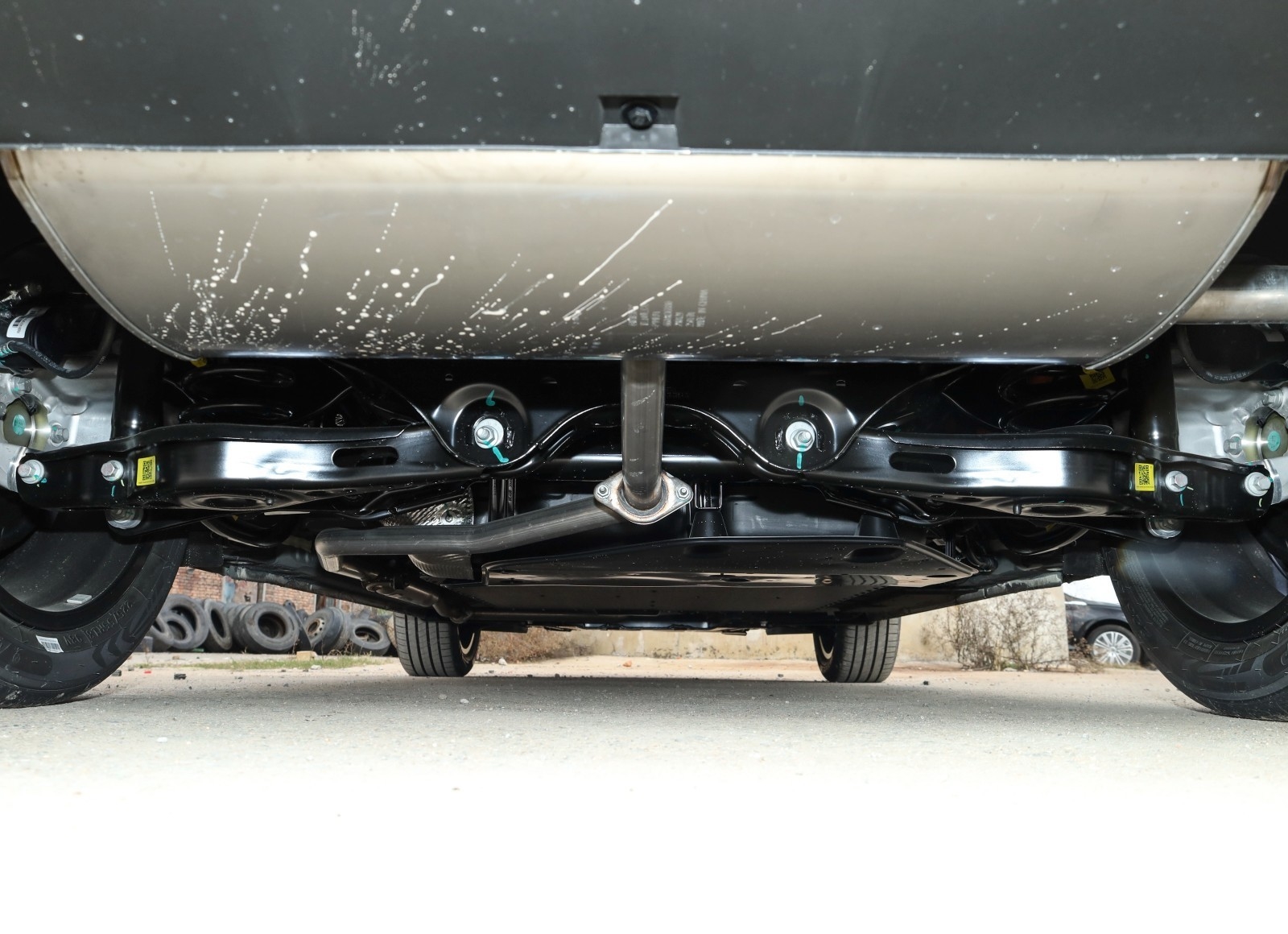
The suspension system of the Starship 7 EM-i has been deliberately enhanced for improved shock absorption. Although it shares the same front MacPherson and rear multi-link suspension, the Starship 7 EM-i employs larger hydraulic bushings to bring the rear-seat riding experience closer to that of an MPV.
During high-speed cornering, the CTB integrated battery architecture of the e.MAS 7 demonstrates its advantage, reducing body roll by 15% compared to the hybrid version. This difference is akin to comparing an ES300h to a Model Y; the former emphasizes "smoothing out the road," while the latter focuses on "driver and car harmony."
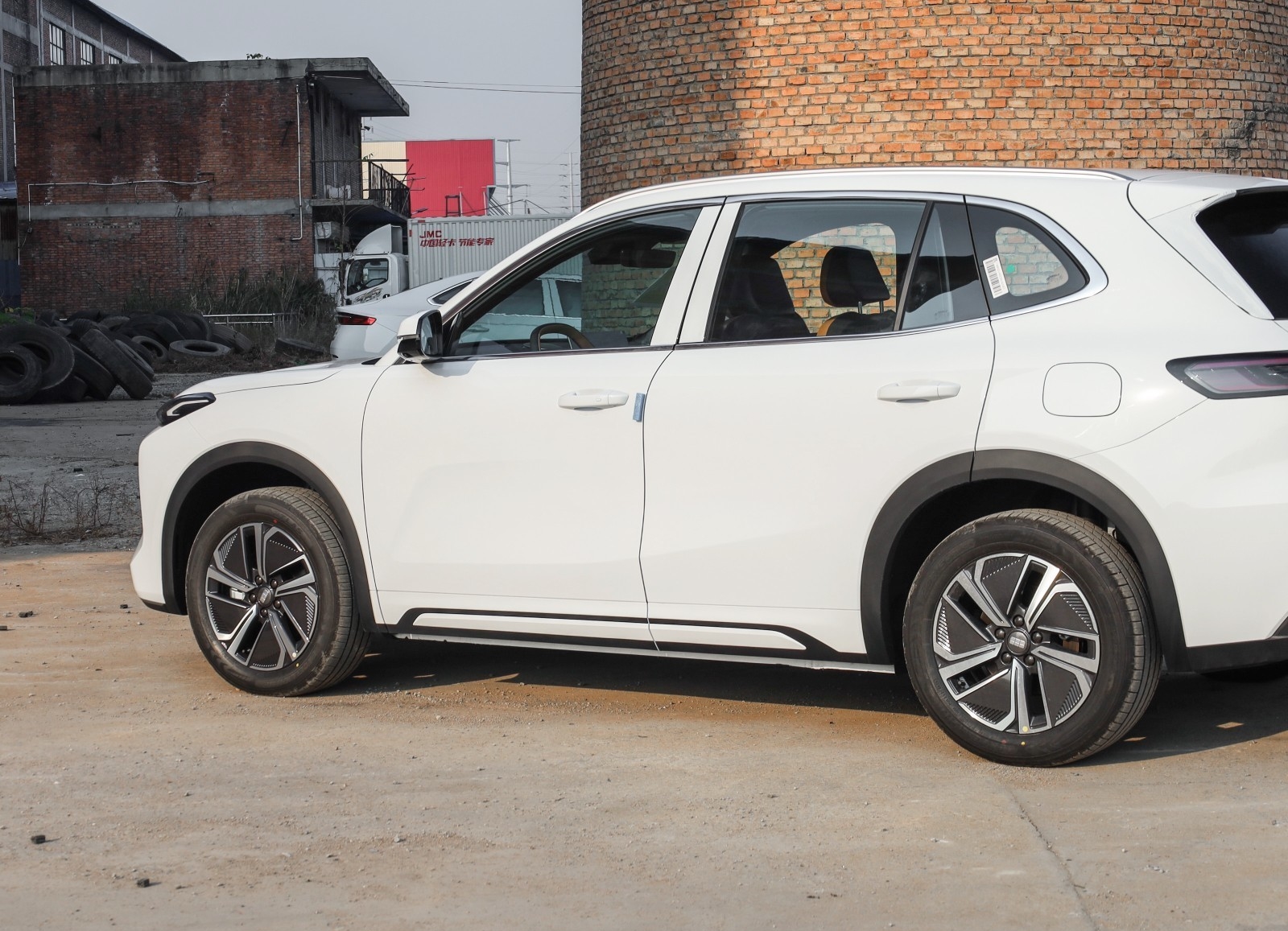
Interestingly, during testing of the Starship 7 EM-i, many testers found that it felt quieter at high speeds compared to the pure electric version.
It is believed that the low-frequency noise of the engine... helps to mask part of the wind noise. Additionally, Geely has provided extra soundproofing treatment for the engine bay, which actually enhances the overall quietness.
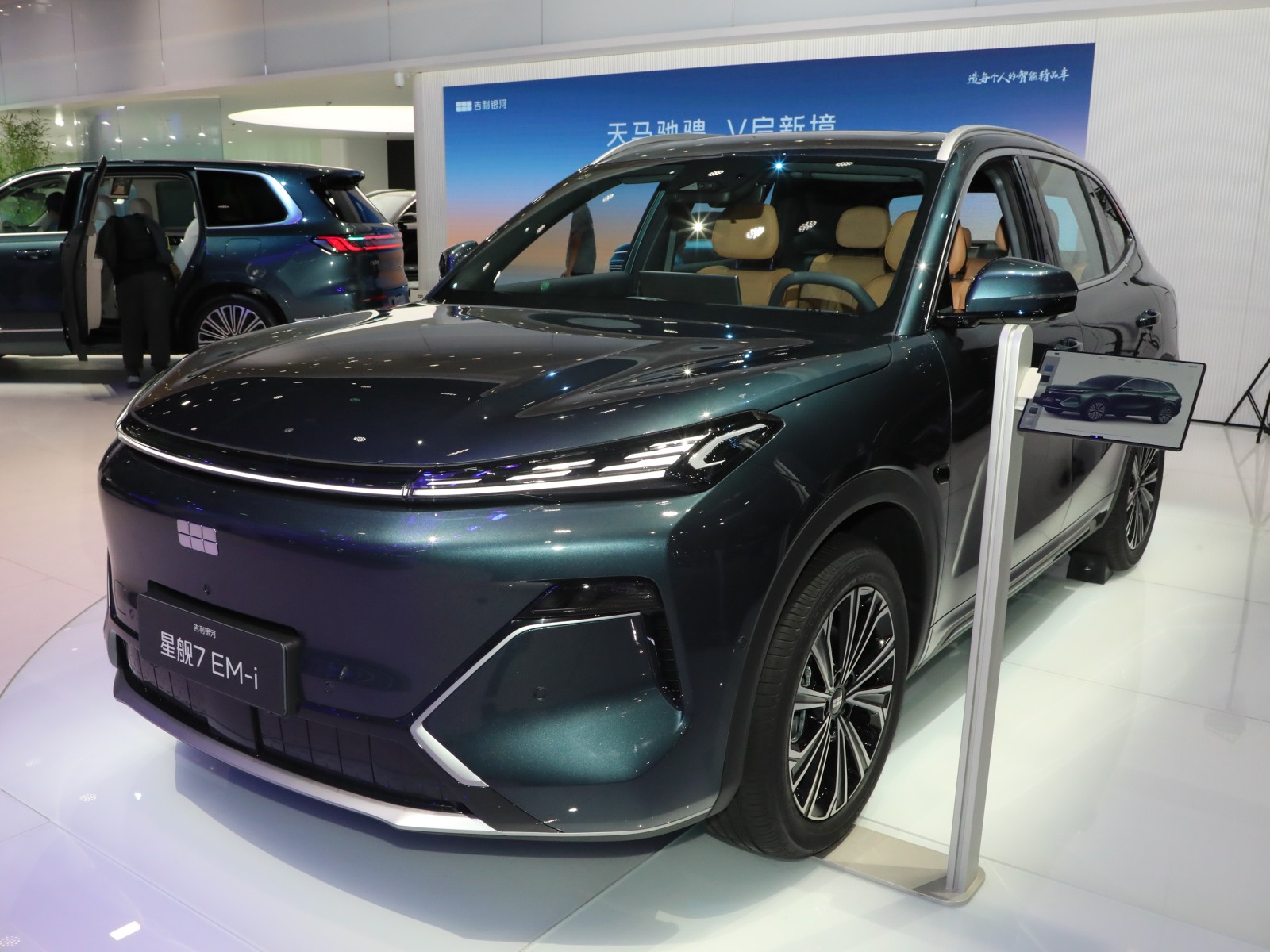
Currently, Proton has confirmed that the first 5,000 customers will enjoy an RM500 booking rebate. The e.MAS 7 PHEV is scheduled for official delivery starting February 2026, and by then we will have the opportunity to personally experience this PHEV technology from Geely.
In fact, I am more looking forward to the feature of using the PHEV to run the air conditioning for an extended period while parked. When working outdoors, one can stay in the car and enjoy the air conditioning without worrying about the battery depleting, because the e.MAS 7 PHEV can be refuelled anytime.
If any infringement occurs, please contact us for deletion





Popular Cars
Model Year
Car Compare
Car Photo