
Proton e.MAS 7 Low-power version adapted to Singapore's Category A Certificate of Entitlement to reduce car purchase costs
 WilliamJan 13, 2026, 11:14 AM
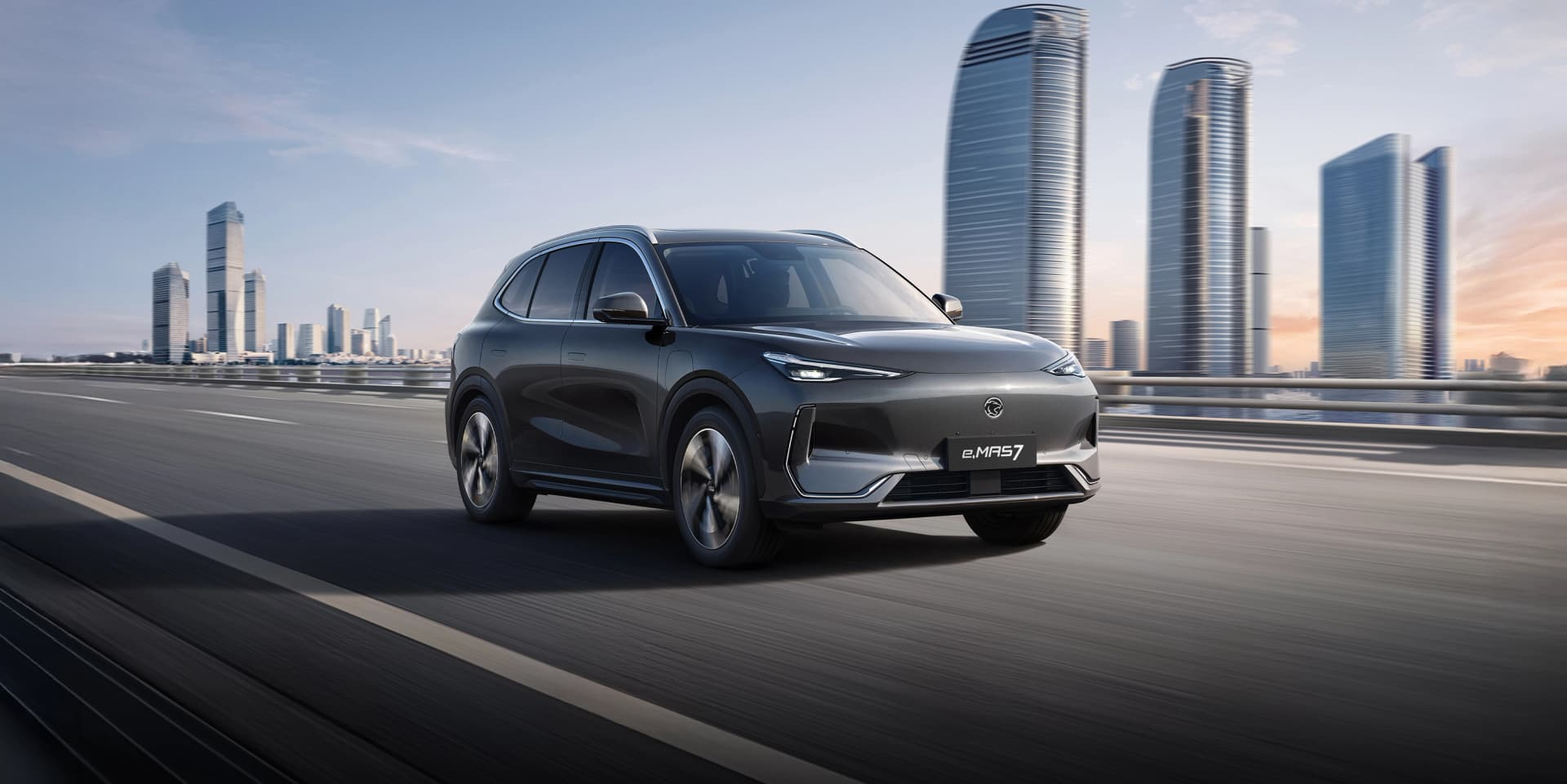
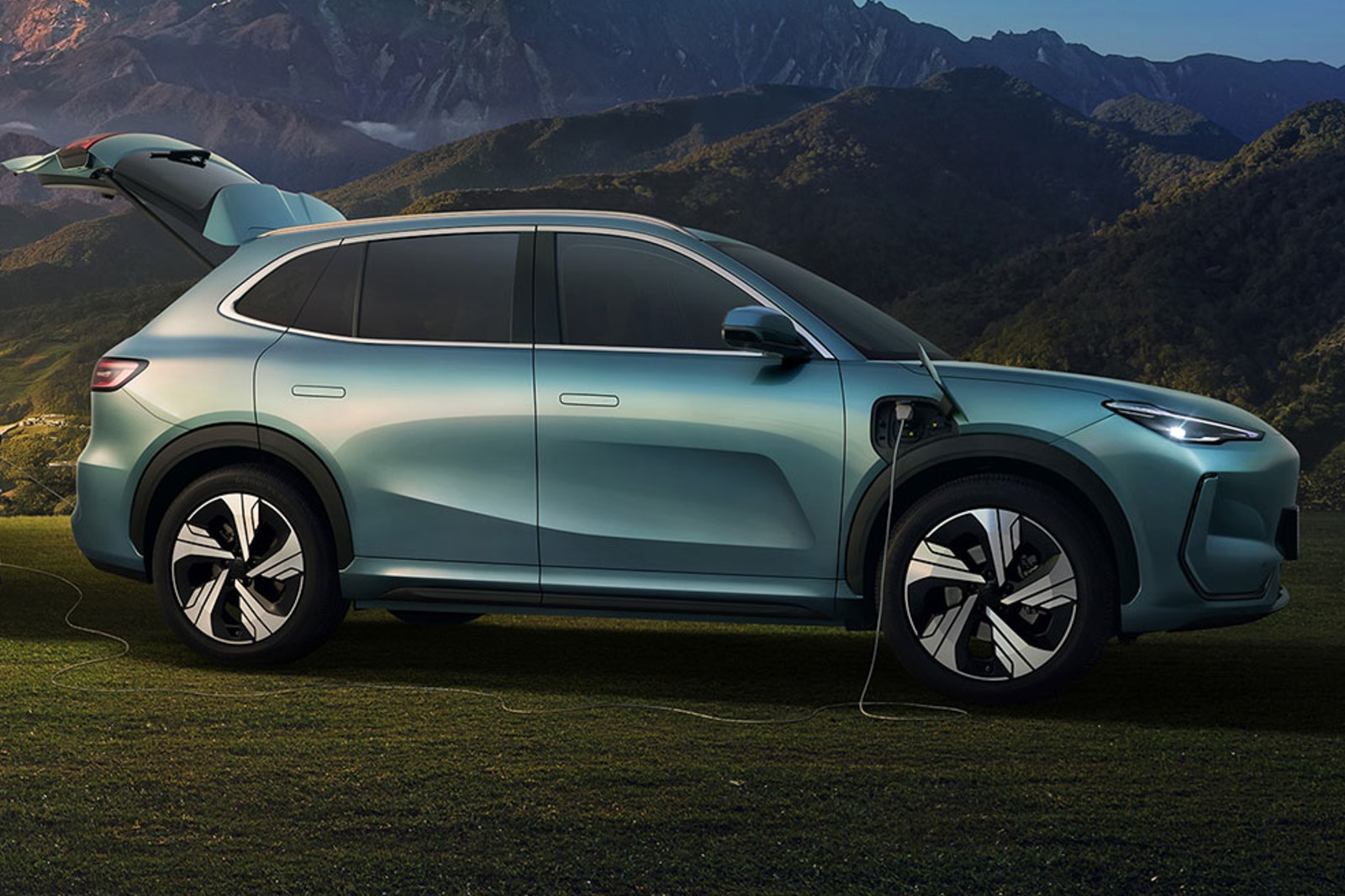
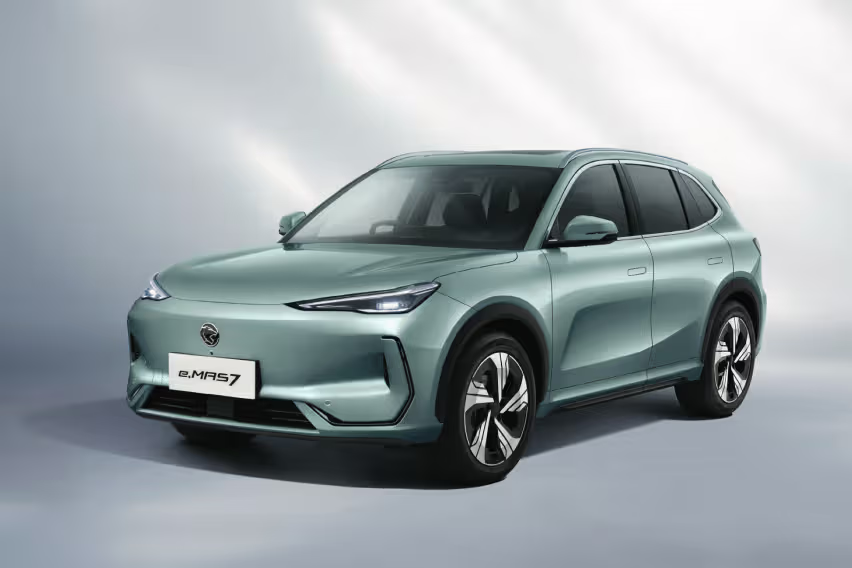 【Pcauto】Recently, the low-power version of the Proton e.MAS 7 was unveiled at the Singapore Motor Show. This model, with a rated power of 100 kW (136 hp), has been specially developed for Singapore's unique Certificate of Entitlement (COE) system.
By reducing the generator power from the current 160 kW (218 hp) to 100 kW, the e.MAS 7 successfully meets the standards of Category A COE in Singapore, offering local consumers a new option with lower purchasing costs.
Singapore's COE system is characterized by strict categorization, with Category A targeting small-displacement petrol cars and low-power electric vehicles, while Category B covers higher-performance models.
| Category | Detail Rules |
|---|---|
| A | Non-fully electric cars with engines up to 1,600cc and Maximum Power Output up to 97kW (130bhp); and fully electric cars with Maximum Power Output up to 110kW (147bhp) |
| B | Non-fully electric cars with engines above 1,600cc or Maximum Power Output above 97kW (130bhp); and fully electric cars with Maximum Power Output above 110kW (147bhp) |
Data from early 2026 shows that the price of a Category A COE is 102,009 SGD (approximately 322,000 MYR), while Category B reaches 119,100 SGD (approximately 376,000 MYR), with a price difference of nearly 18,000 SGD (approximately 56,000 MYR).
For consumers, this price difference directly affects the total cost of car ownership. Opting for a Category A vehicle ownership certificate to purchase the low-power version can lead to significant savings.
Proton's CEO Edmund Lim Meng Thong stated in an interview that the development of this low-power model is a direct response to overseas regulatory requirements and consumer demand, highlighting Proton's flexibility in product adaptation.
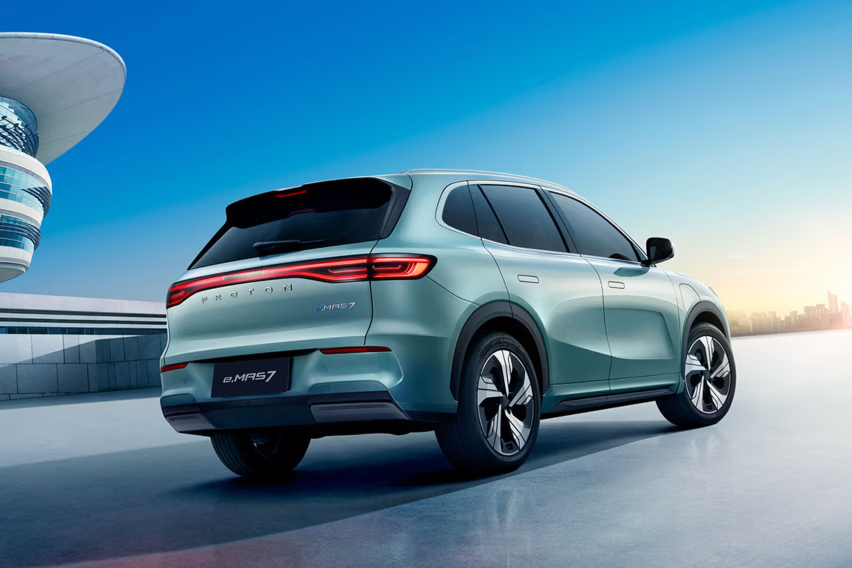
However, it is worth noting for e.MAS 7's entry into Singapore that this low-power e.MAS 7 is not merely a simplified or "stripped-down" version but represents a significant element of Proton's overseas market strategic layout.
As a Malaysia-based automaker, Proton has increased its investment in export markets in recent years. In 2026, the company aims to strengthen its existing markets and expand into new countries, planning to drive export sales growth through a dual-track approach of fuel-powered and electric vehicles.
The foray into the Singapore market is a concrete implementation of this new strategy.
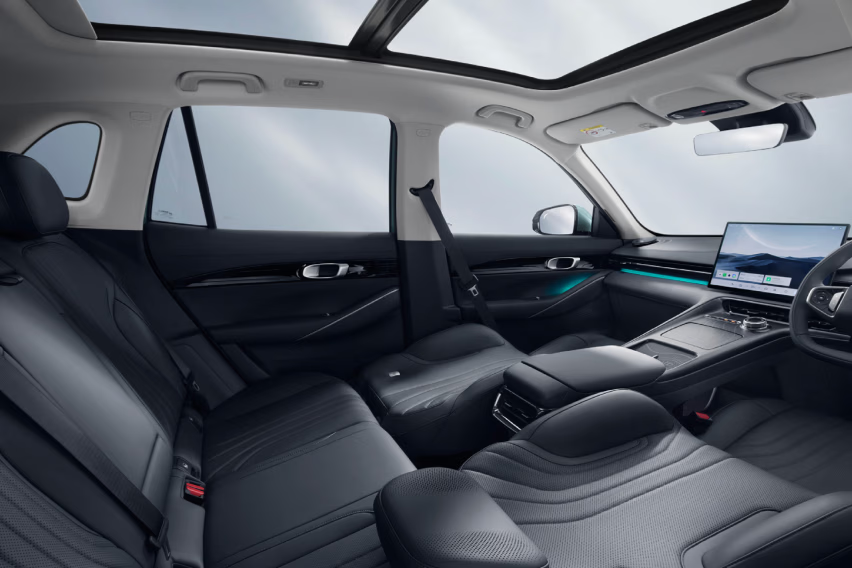
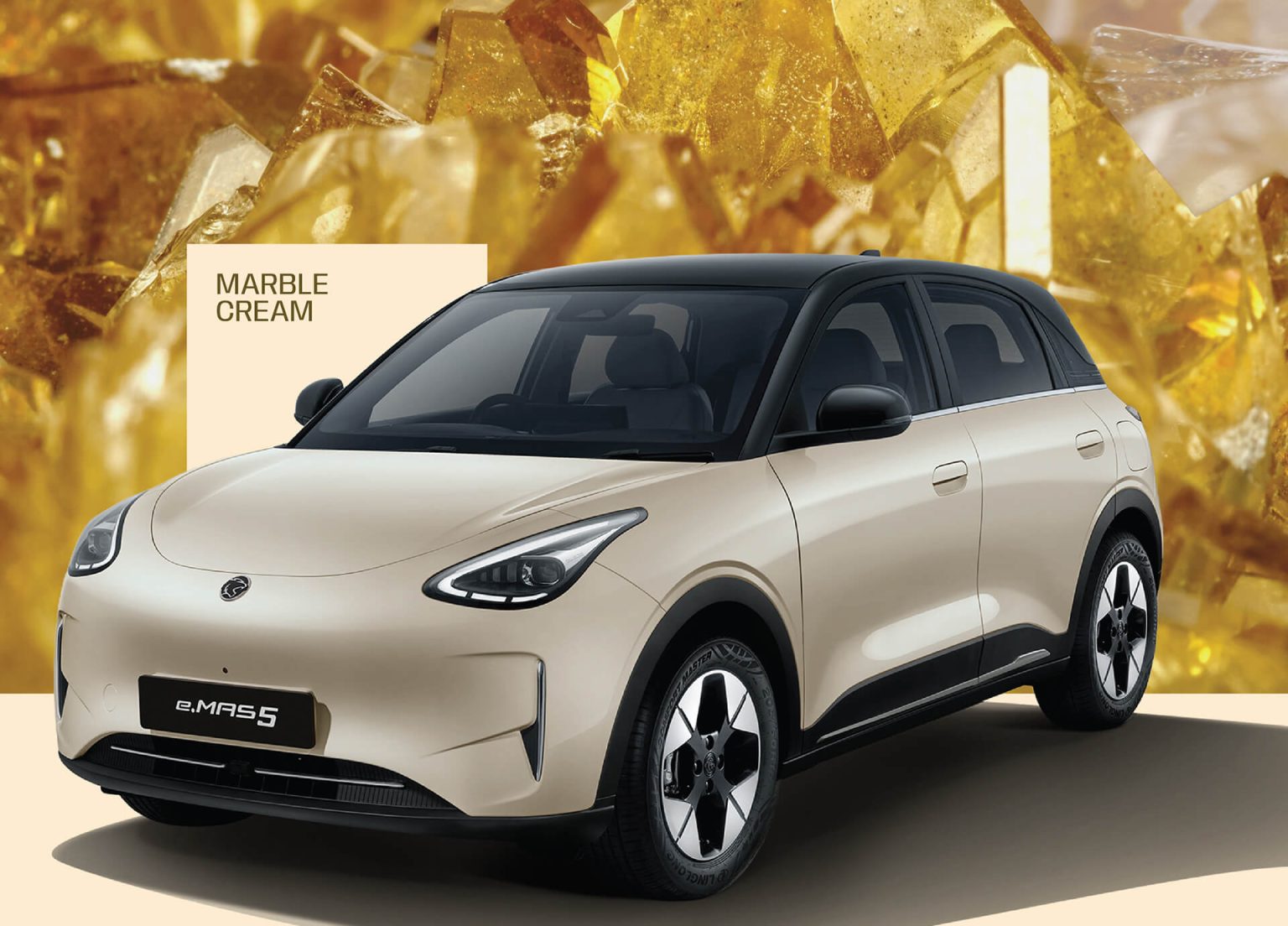
In fact, Proton's efforts in the electric vehicle sector have already borne initial results. Just a few weeks ago, the first batch of e.MAS 5 vehicles was delivered in Malaysia, with orders exceeding 14,600 units by the end of 2025, clearly indicating its market popularity.
This model is also planned to launch in Singapore in the second half of 2026, forming a product matrix alongside the low-power e.MAS 7. Such a step-by-step market expansion strategy not only ensures stable performance in the domestic market but also lays a solid foundation for the promotion in overseas markets.
From the example of the Singapore market, it is not difficult to see that Proton is paving a path of product innovation driven by market demand. The launch of the low-power e.MAS 7 is an adaptation to Singapore's Certificate of Entitlement system, and it further reflects Proton's thoughts in its globalization journey.
For automakers planning to expand into overseas markets, this ability to accurately adapt to market needs may be more valuable than mere technical specifications.
As we enter 2026, Proton's subsequent performance in Singapore and even broader overseas markets is worth continuous attention.
If any infringement occurs, please contact us for deletion





Popular Cars
Model Year
Car Compare
Car Photo