
From 1990 to 2026, a Retrospective Look at 30 years of Toyota Estima Design Evolution
 WilliamFeb 15, 2026, 09:00 AM
Toyota Estima is an MPV that is hard to categorize simply. It is neither a strictly defined family utility vehicle nor has it ever fully integrated into the mainstream luxury MPV category. For more than thirty years, Estima has existed in a restrained yet highly independent manner. Its core characteristic lies in a complete set of design and engineering logic built around its egg-shaped exterior.
This article will review the evolution of the Estima model, which is also a revisit of an era's changes in the imagination of family travel, aesthetics, and technology.
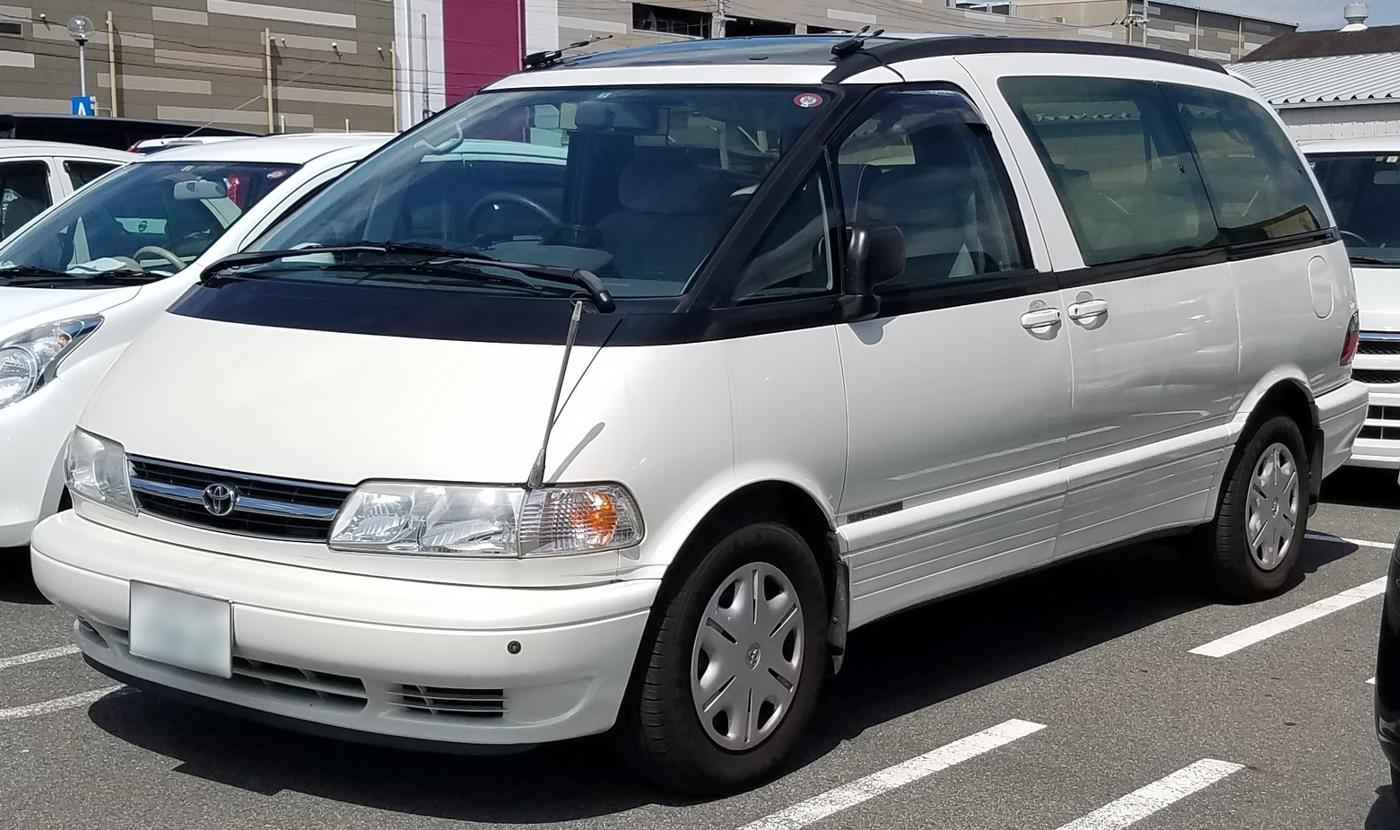
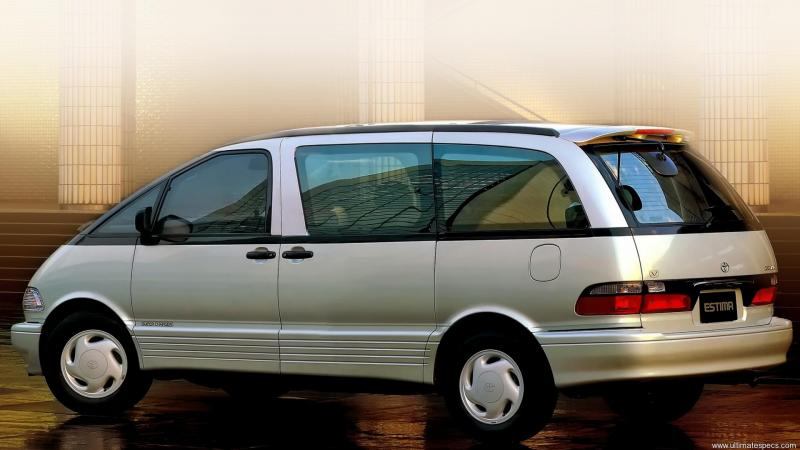
[PCauto] In 1990,Toyota Estima officially entered the market. At that time, the MPV field was still dominated by boxy models that emphasized loading efficiency, making the Estima appear out of the ordinary.
- The body outline is rounded, and the overall proportions are closer to an elongated streamlined shape. This design was not just for aesthetic novelty but directly served aerodynamics and spatial layout.
- The mid-engine and rear-wheel-drive configuration allowed the front of the vehicle to be compressed, the passenger cabin to be moved forward, and the entire vehicle to achieve a more optimal internal space within limited dimensions. This engineering approach was uncommon in the MPV field and destined Estima to not be a compromising product from its inception.
In the early 1990s, Estima was not competing in a mature niche market. While family users had a demand for space, there was no clear consensus on aesthetics.
Toyota chose to use integrated curved surfaces and large areas of glass to diminish the bulkiness of the vehicle, making an MPV look lighter and closer to a passenger car. This egg-shaped design gradually gained high recognition in the East Asian market, giving Estima emotional resonance in addition to its functionality.
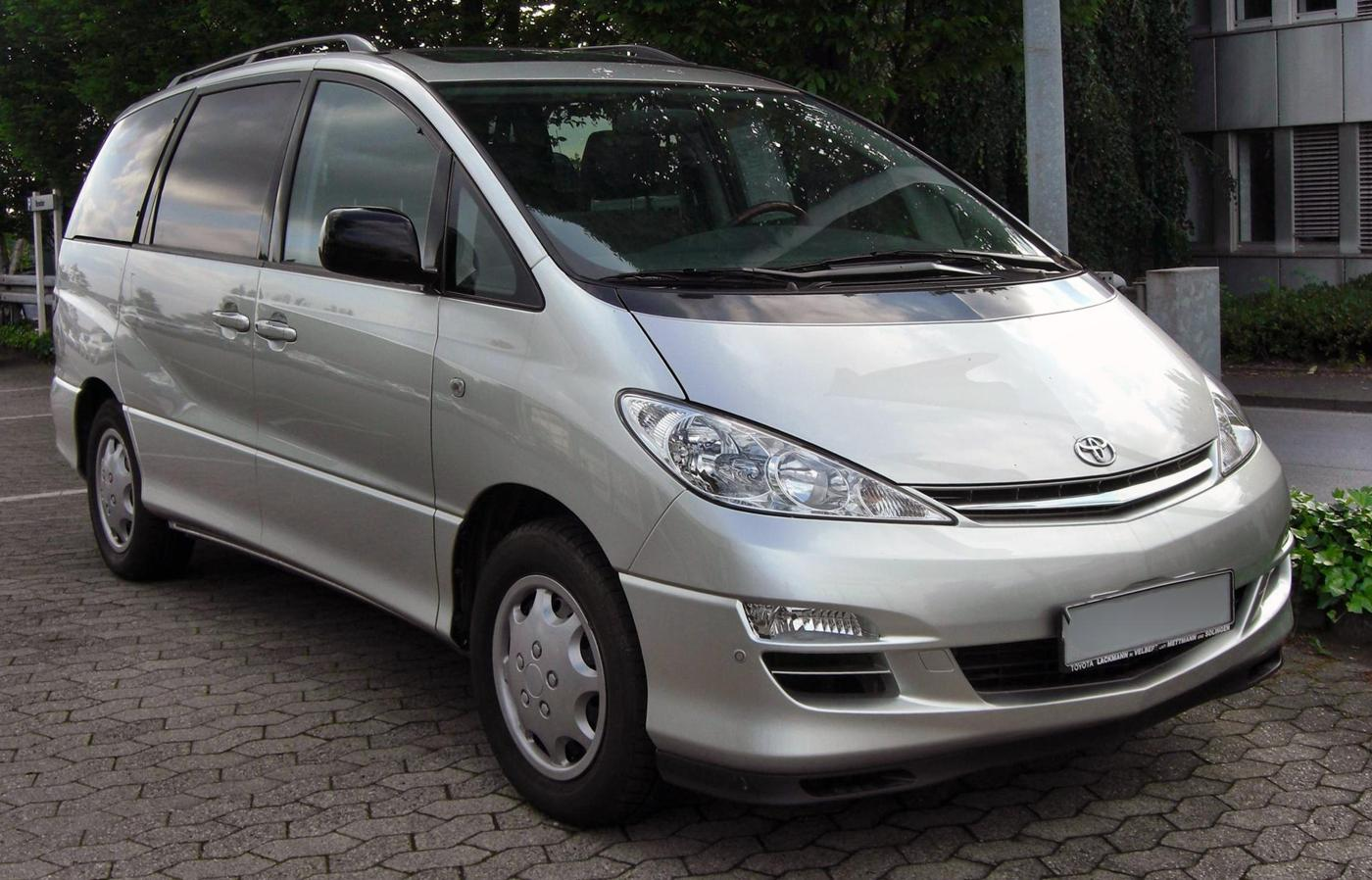
Later, after entering the 21st century, the second-generation Estima saw significant structural changes. The mid-engine design was abandoned, and the platform shifted to a front-engine front-wheel-drive and all-wheel-drive layout. This adjustment was largely made considering safety regulations, cost control, and global market adaptability.
Compared to the radical first generation, this generation of Estima seems more restrained, yet it did not fully conform to traditional boxy designs. The side profile still maintains continuous flowing lines, and the transition between the roof and body remains smooth. Meanwhile, the launch of the Estima Hybrid made it one of the first MPVs in the world to achieve mass production of hybrid technology, continuing its pioneering role in terms of technology.
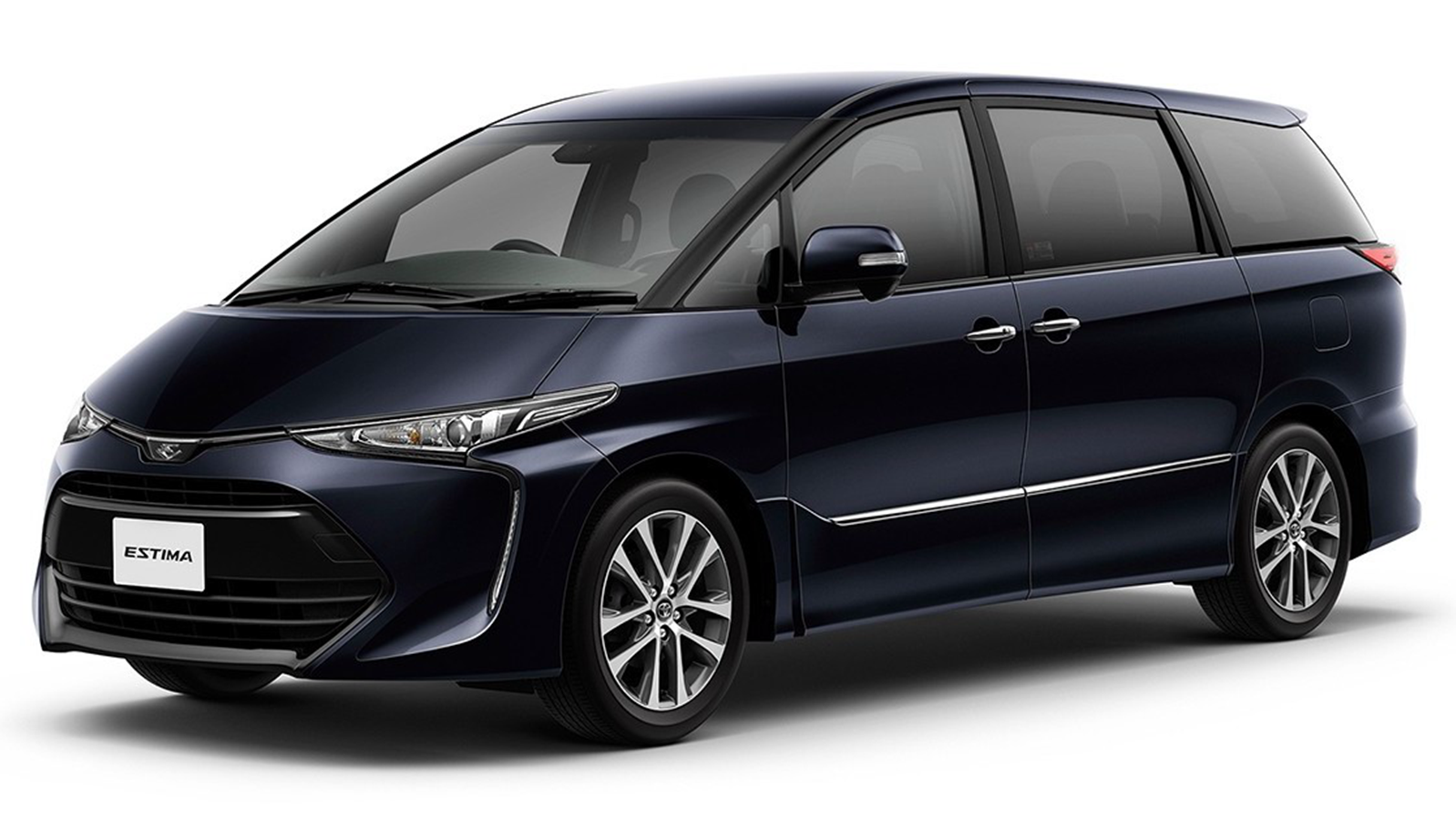
By the time the third generation was launched, it was evident that the Estima had entered a mature phase. The exterior design no longer emphasized experimental elements but instead leaned toward catering to a broader range of family users.
- The front proportions appeared more stable, and the detailed treatments became more rational, while the overall design still adhered to a low-drag orientation.
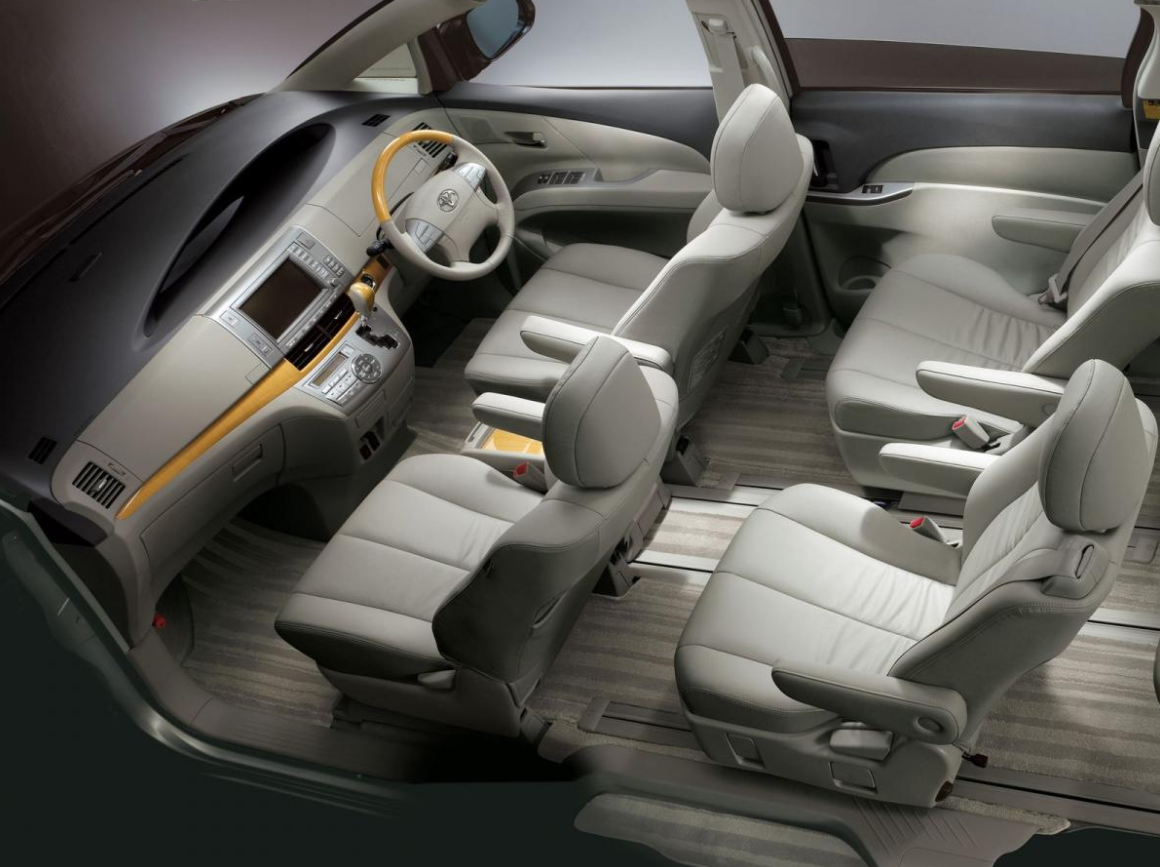
- The organization of interior space became the focus of this generation, with large sliding track seats and a flexible third-row stowage, enabling the Estima to fully realize the practical aspects envisioned in its early concepts.
At this stage, the Estima no longer aimed to challenge aesthetic boundaries but sought to refine user experience within the existing design framework.
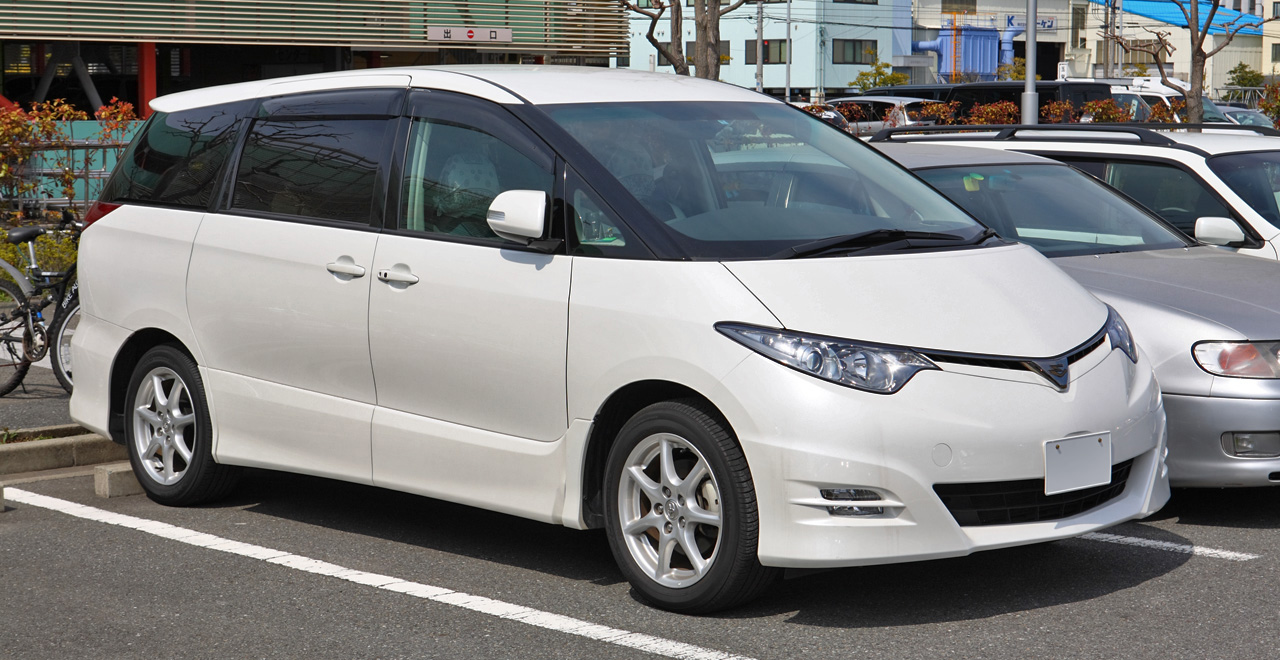
However, the Estima was discontinued in 2019. This does not mean that its egg-shape design lost its value, but rather that the market focus shifted.
At that time, popular SUVs and Toyota’s more premium MPV lineup squeezed the Estima’s position in the middle. From a product perspective, it was not a failure but rather a vehicle that no longer aligned with the efficiency logic of the time.
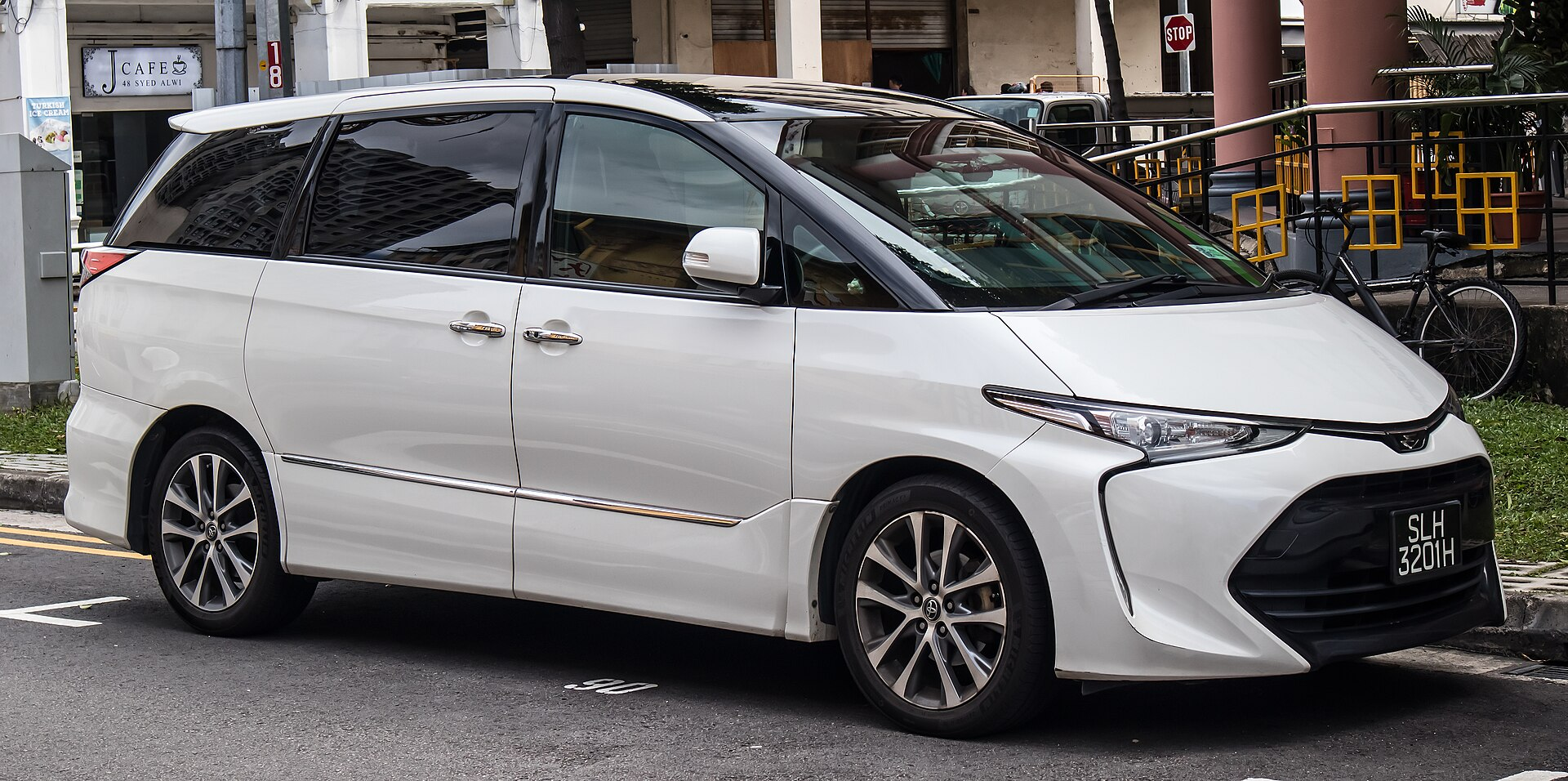
In recent years, discussions about the comeback of the Estima have resurfaced. The concept of building it on the TNGA-K platform, possibly with PHEV or even fully electric powertrains, suggests that the egg-shaped design may find new relevance in the era of new energy.
The way electrification liberates space layouts aligns logically with the integrated design approach that the early Estima pursued. If it were to be relaunched in the future, it would not be a nostalgic revival but rather a reinterpretation of its original design philosophy.
Looking back over thirty years, the Toyota Estima has always revolved around the same core question: Does a family car have to be a function-first tool?
It has provided different answers in a continuous and restrained manner. The egg-shaped is not merely a design label, but a way of integrating engineering, space, and aesthetics.
Because of this, even many years after production ceased, the Estima is still repeatedly mentioned and continues to hold value for reinterpretation.
If any infringement occurs, please contact us for deletion










Popular Cars
Model Year
Car Compare
Car Photo