
Geely EX2 vs Wuling Bingo: From Range to Space, From Power to Comfort
 AshleyNov 24, 2025, 04:35 PM
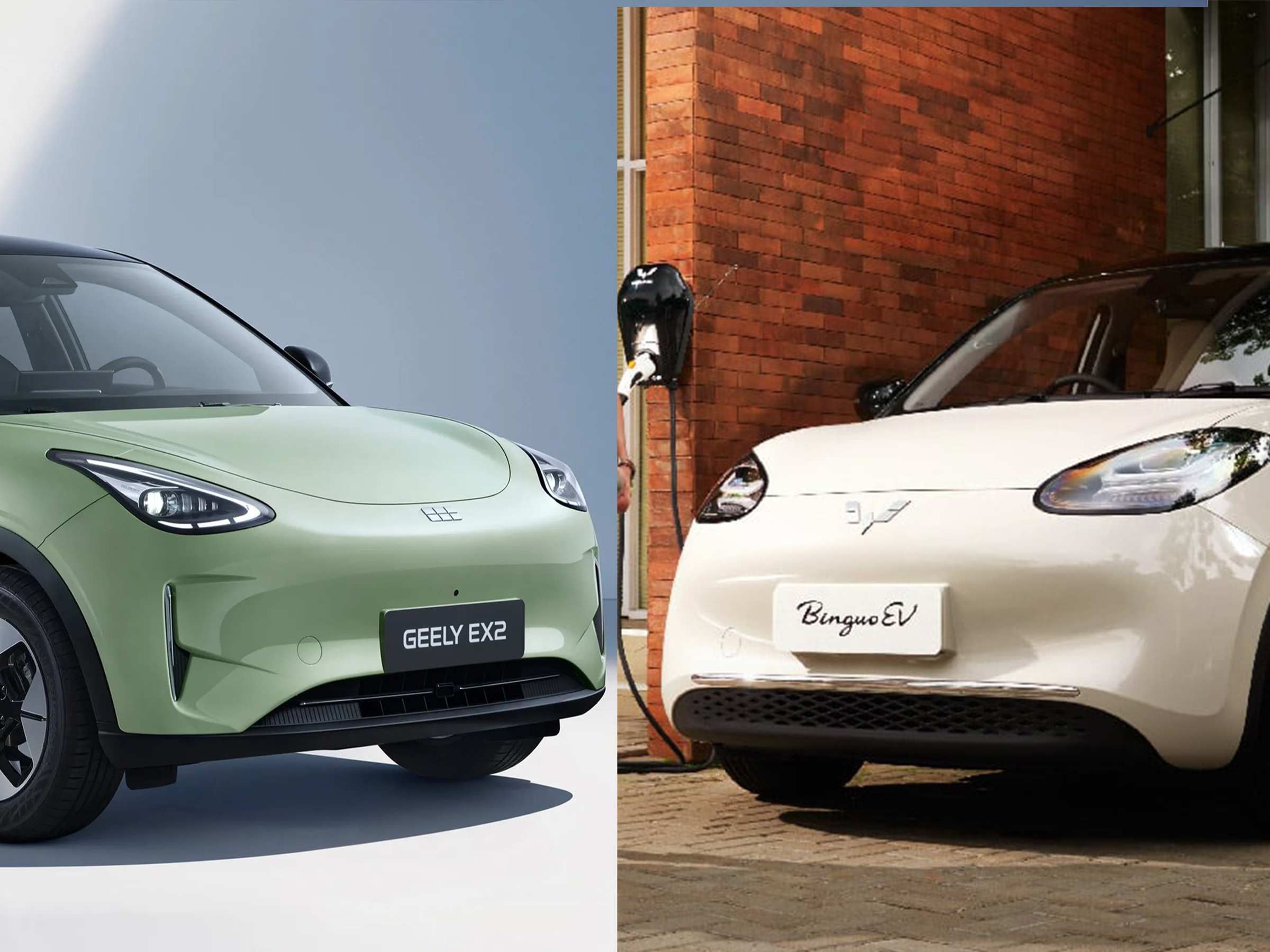
【PCauto】In the competitive small electric vehicle segment, Geely EX2 (called Geely Xingyuan in China) is frequently compared to Wuling Bingo. To be honest, these two are direct competitors.
While their pricing and positioning are closely aligned—both are primarily designed for urban commuting, as a secondary family vehicle, or for short-distance travel—a closer examination reveals distinctly different design philosophies. Each car embodies its own unique vision.
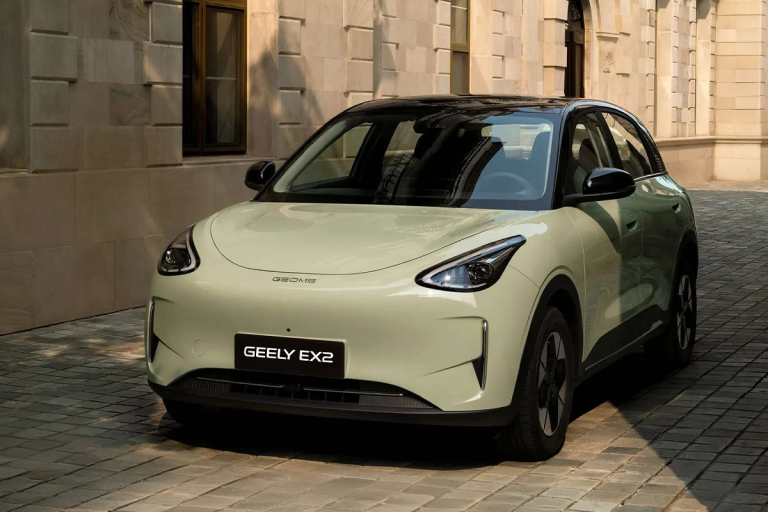
Let’s begin with the Geely EX2. Geely’s philosophy is that a compact car should offer more than mere commuting capability—it should also deliver driving enjoyment. This is why the EX2 features a rear-wheel-drive architecture, tuned for a sportier feel, and incorporates intelligent vehicle systems designed to appeal to younger drivers.
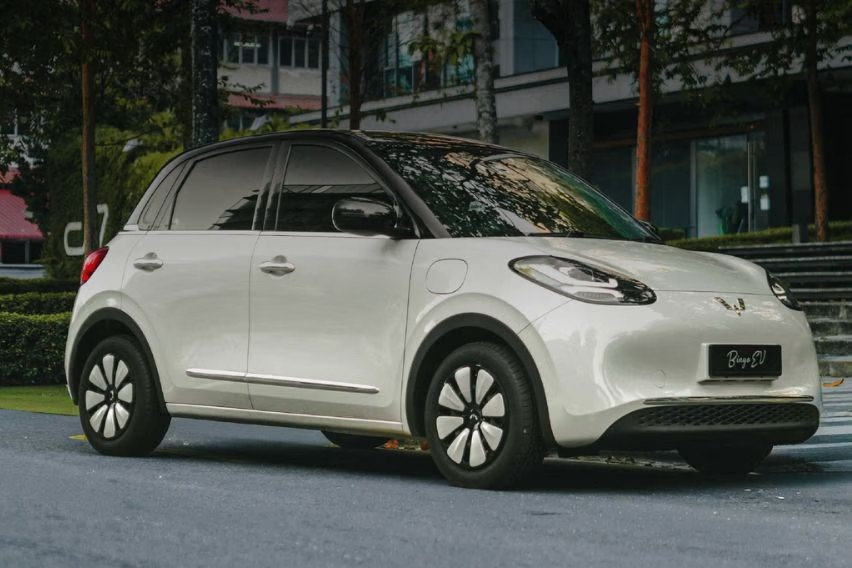
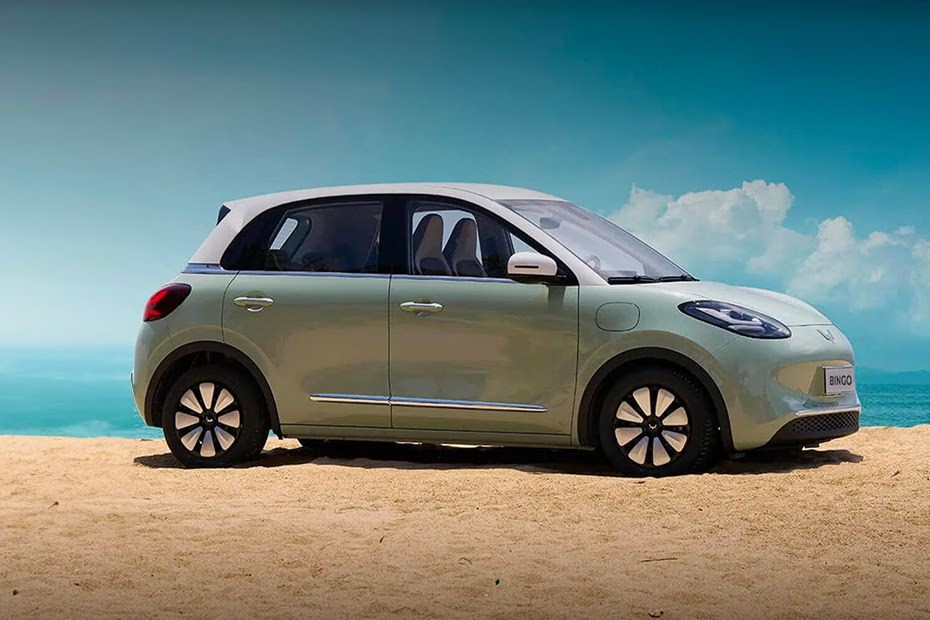
The Wuling Bingo, conversely, adopts a fundamentally different strategy. It focuses squarely on the essential needs of young families: a spacious interior, flexible cabin layout, dependable range, and accessible pricing. By concentrating its resources on practicality, the Bingo positions itself as a highly versatile and user-friendly vehicle suitable for a broad audience.
EX2 Wants to Make Driving Enjoyable, Bingo Aims to Be Practical
At first glance, the EX2 and Bingo might appear as conventional small EVs with little to distinguish them, aside from the Geely EX2’s slightly larger dimensions.
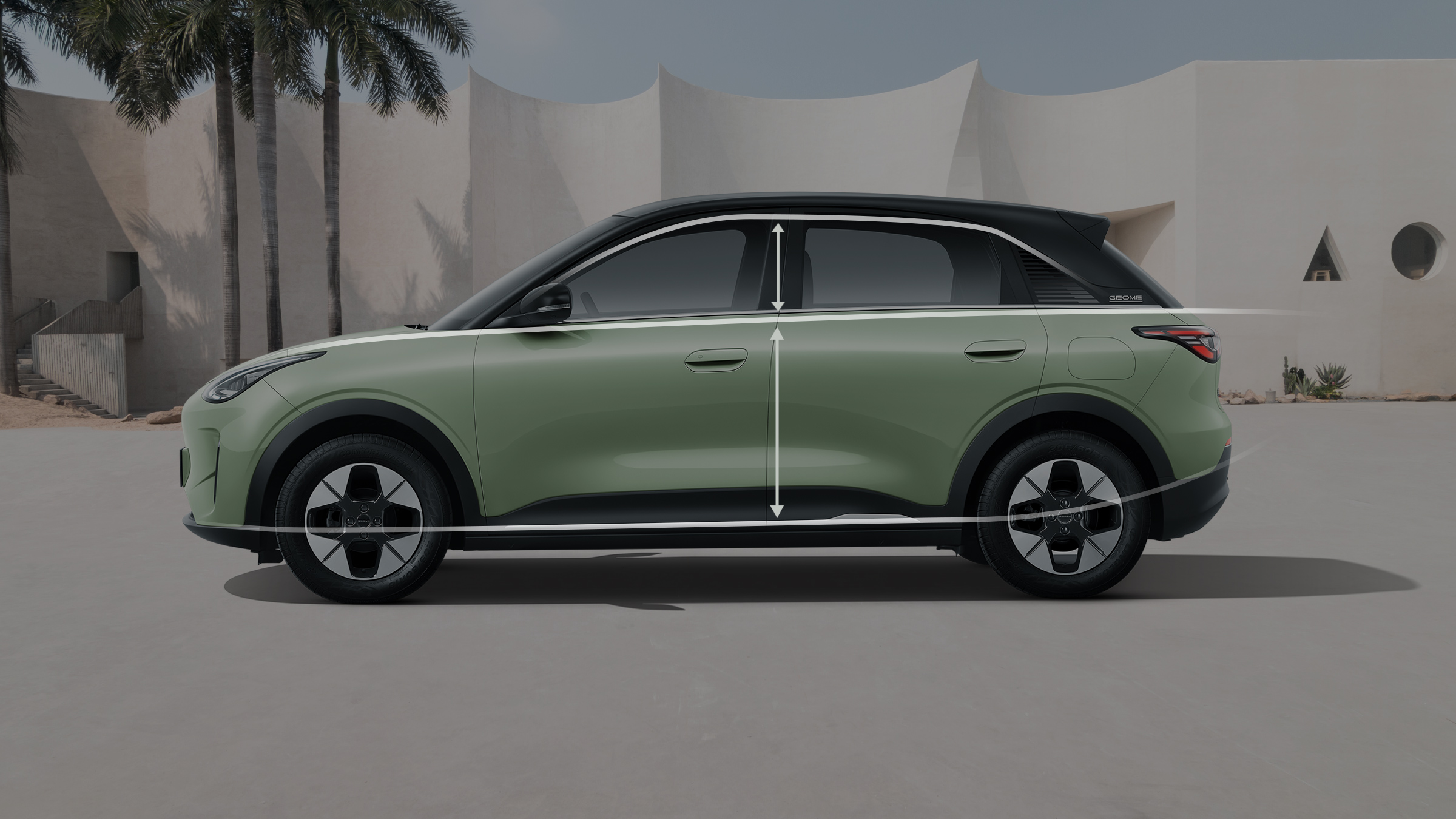
Geely EX2 Dimensions:
Length: 4135mm
Width: 1805mm
Height: 1570mm
Wheelbase: 2650mm
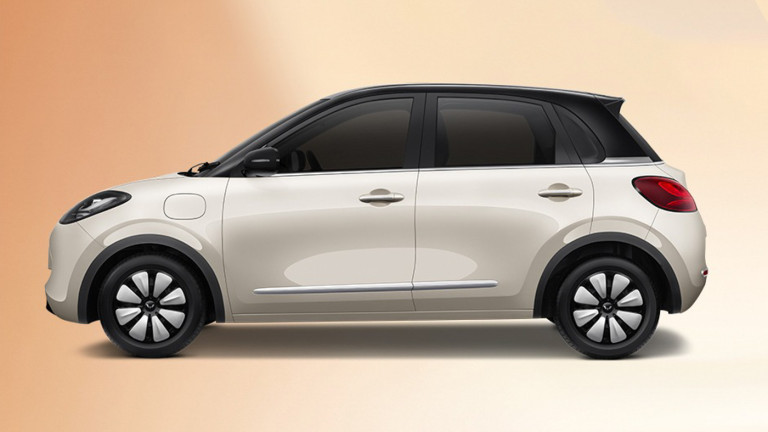
Wuling Bingo Body Dimensions:
Length: 3950mm
Width: 1708mm
Height: 1580mm
Wheelbase: 2560mm
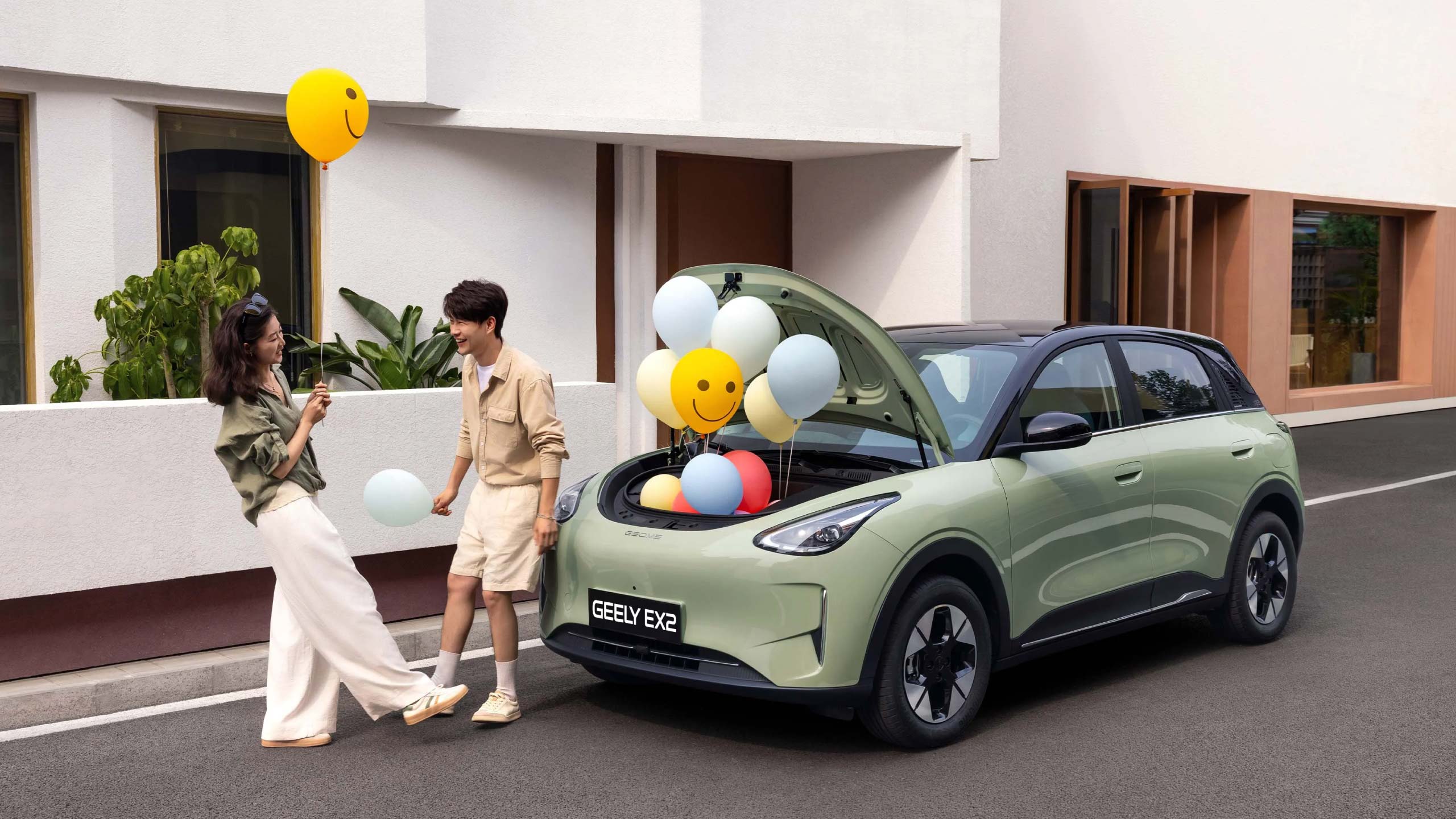
Geely took a distinctive approach with the EX2, prioritizing an engaging "driving feel" above all. This commitment is reflected in many details:
· Placing the motor on the rear axle for more direct power delivery;
· Making the body proportions more compact to reduce visual and operational bulkiness;
· Strengthening the suspension to retain road feedback.
While each of these features might not be groundbreaking on its own, their combination in an A0-class EV is noteworthy.
The EX2’s objective is clear: to make the act of driving itself a source of pleasure, rather than treating the car as a simple point-A-to-point-B conveyance.
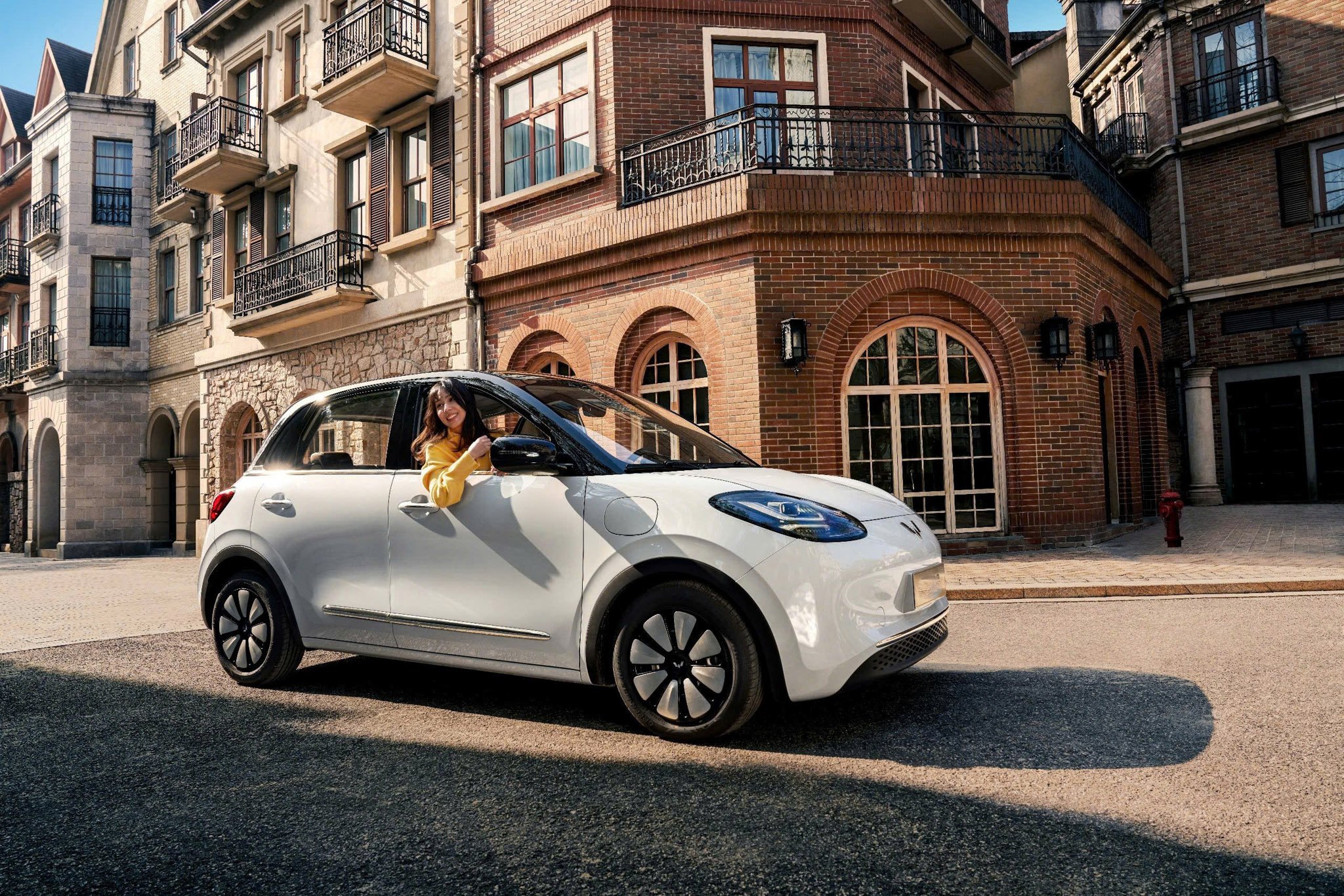
Wuling’s engineers, however, started from a completely different premise. For them, a small car is neither a toy nor a performance machine. The priority is maximizing convenience within a compact footprint. Accordingly, the Bingo’s interior is designed for efficiency, with abundant storage compartments, rear seatbacks angled for comfort, and plush seating.
Wuling’s rationale is not to inspire a passion for driving, but to minimize daily inconveniences and compromises, aligning the vehicle closely with real-world family needs.
Understanding this, the differences between the two cars in size, power, range, and even comfort all become logical.
Space and Comfort: EX2's Refined Compactness vs. Bingo's Flexible Practicality
The cabin of the Geely EX2 is designed around a clear "driver-first" ethos. Its 2,650 mm wheelbase is generous for a vehicle in this class, yet the emphasis remains on front-rear weight distribution and an optimal driving posture, rather than on maximizing passenger space.
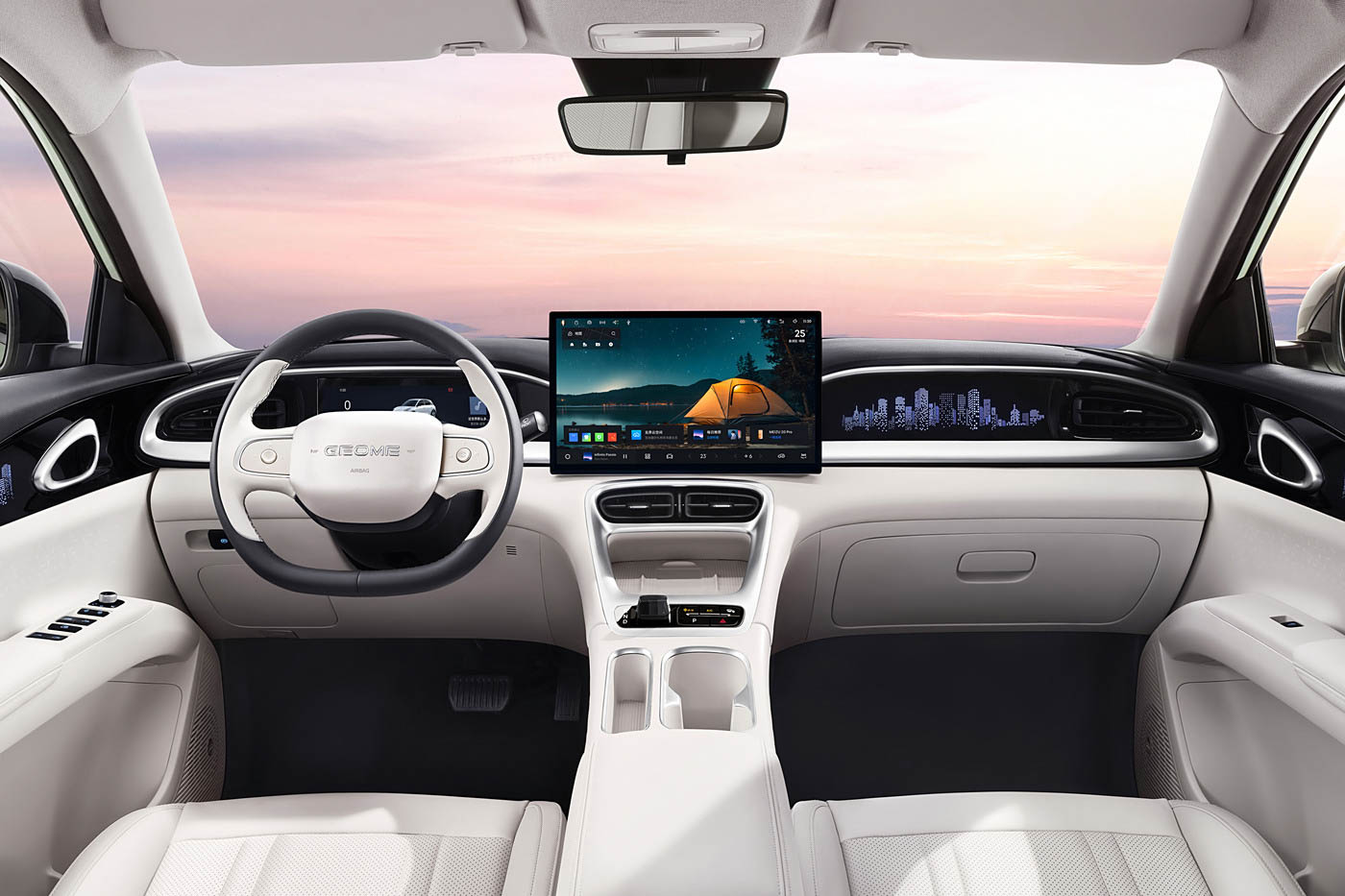
The front seats have good wrap-around support, the driver's seat is low, and the coordination between the steering wheel and pedals allows the driver to easily control the vehicle.
The rear seats accommodate adults of approximately 1.7 meters in height adequately for daily commutes, though legroom is somewhat constrained. The trunk capacity is 375 L, and with the front trunk of about 70 Liters, it is sufficient for short weekend trips and grocery shopping.
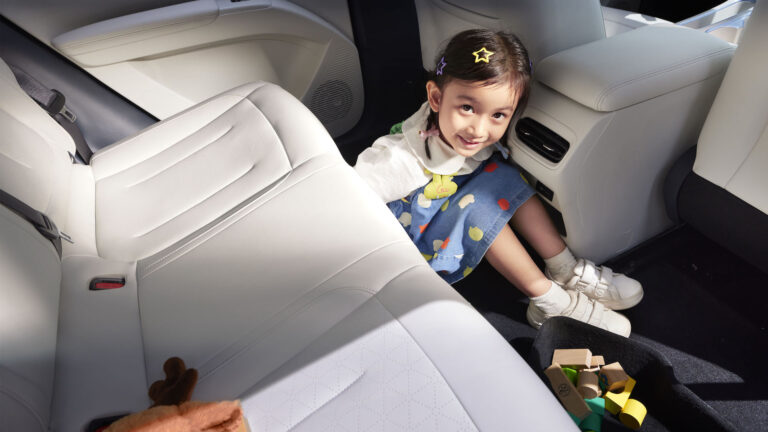
In contrast, the Wuling Bingo’s design is unequivocally oriented toward family and practicality. The Bingo Plus variant has a 2,610 mm wheelbase, slightly shorter than the EX2’s. However, thanks to a taller roof and wider body, rear-seat headroom and shoulder room are notably improved.
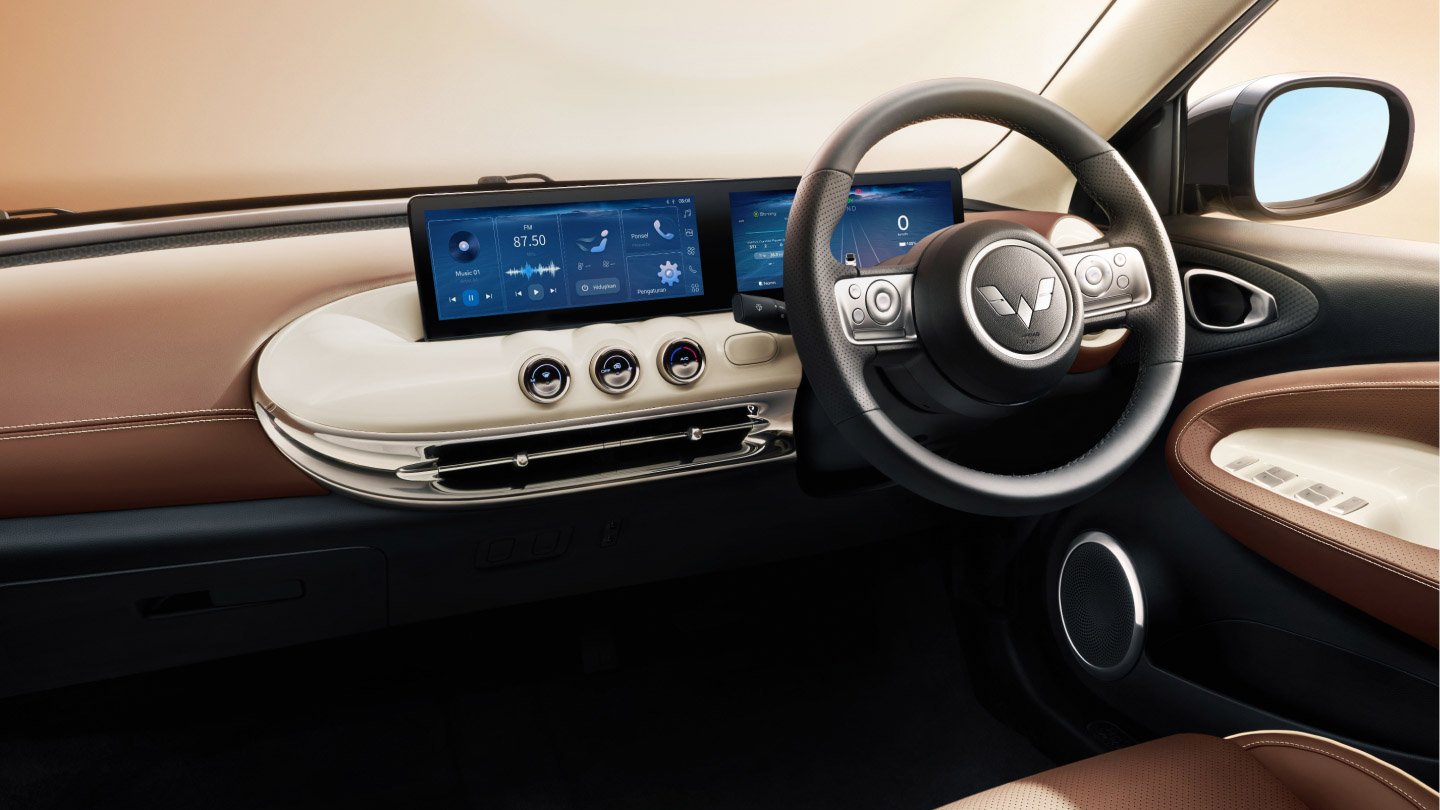
The rear seats can be folded down, enabling the trunk area to adapt from handling daily shopping to accommodating larger items when needed.
The Bingo provides 23 dedicated storage spaces, located under the seats, in the door panels, the center armrest, and the glovebox, ensuring virtually every available area is put to practical use.
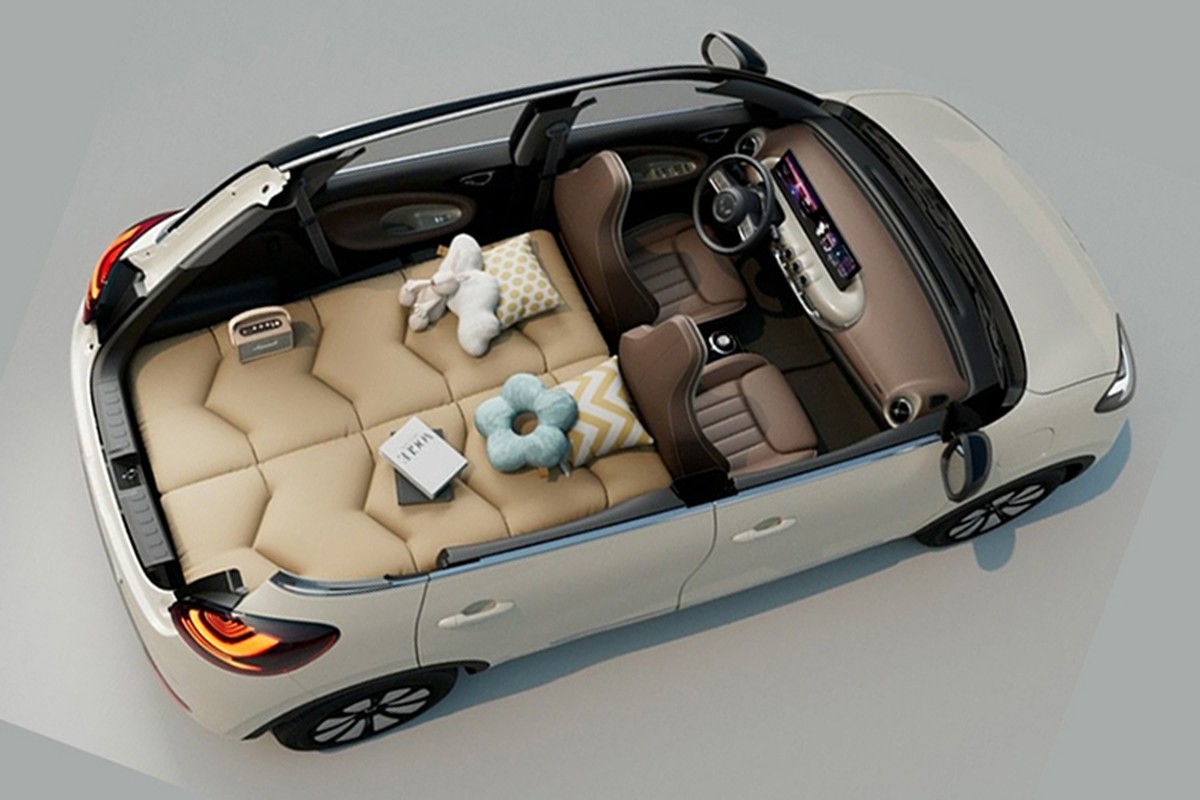
In terms of space and comfort, the strength of the Bingo lies in its flexibility, abundant storage, and superior comfort for long journeys.
The EX2, meanwhile, excels in delivering an engaging driving experience for those in the front row, fostering a stronger sense of connection between driver and machine. The choice ultimately hinges on whether driving enjoyment or everyday utility holds greater value for the buyer.
Big Differences in Performance: EX2 Focuses on Sportiness, Bingo Prioritizes Practicality
A vehicle’s proportions define its stance, while its powertrain layout dictates the driving experience. The differing powertrain approaches of the Geely EX2 and Wuling Bingo clearly highlight their respective priorities.
The EX2 employs a rear-mounted permanent magnet synchronous motor, delivering 85 kW of maximum power and 180 N·m of torque.
Drivers of the EX2 often note that its standout attribute is its handling, not outright power. This is a direct result of its rear-wheel-drive configuration.
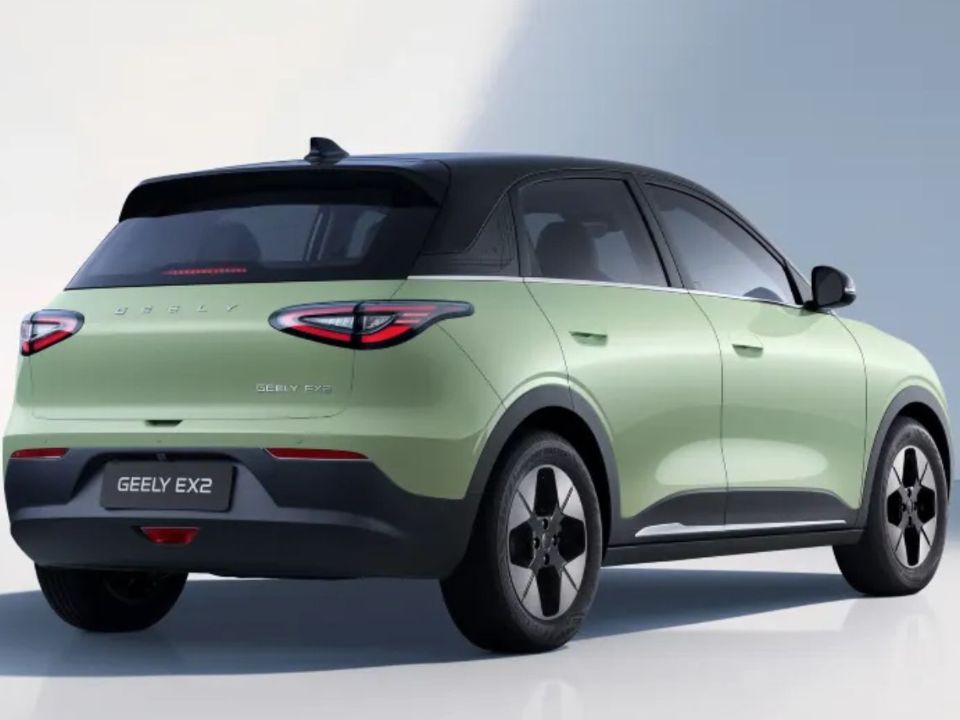
With the rear wheels providing propulsion and the front wheels dedicated to steering, cornering feels particularly sharp and precise. The steering is communicative, free from heaviness or vagueness, delivering a driving sensation reminiscent of traditional internal combustion vehicles.
This characteristic is especially beneficial in urban environments. The EX2 feels agile during lane changes, facilitates easy U-turns on narrow streets, and offers responsive speed control. Its appeal lies not in straight-line acceleration alone, but in the overall agility and precision it brings to city driving.
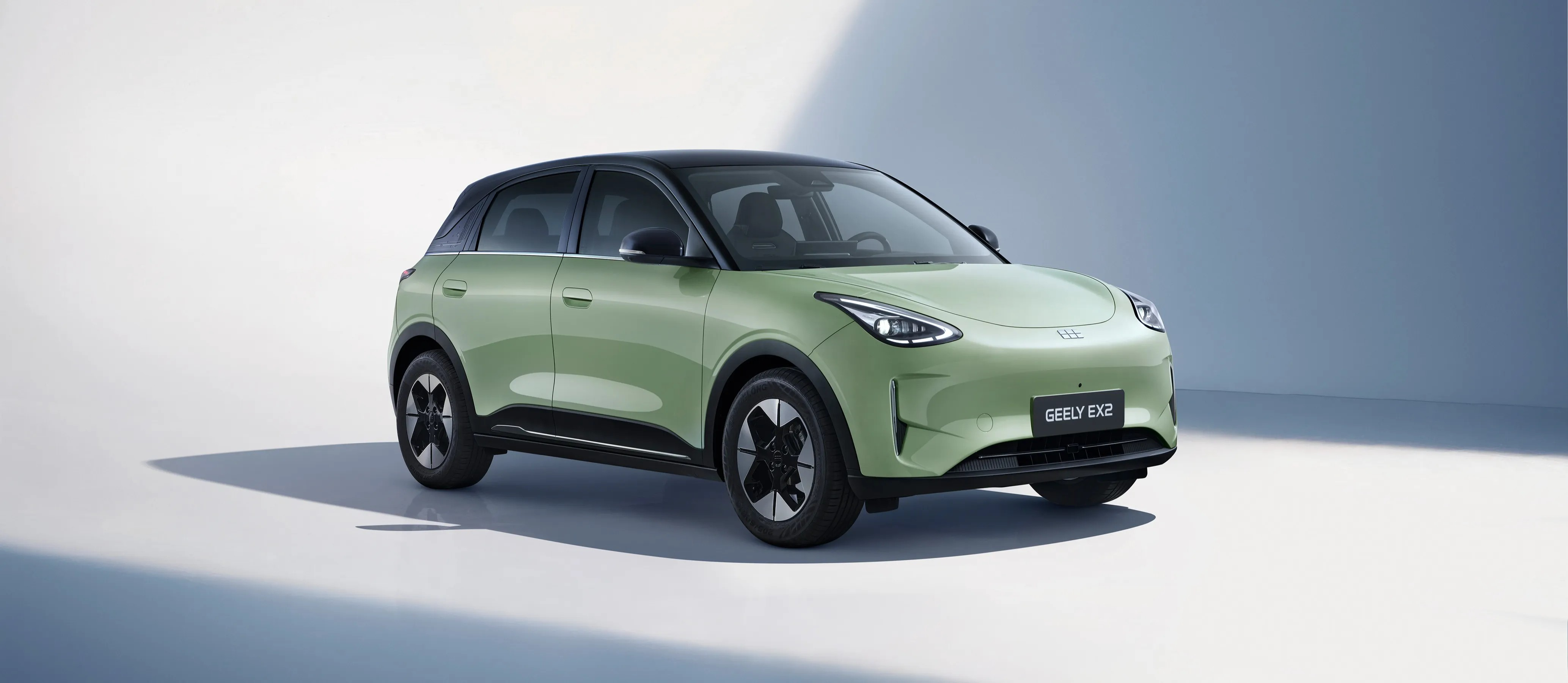
The EX2 offers two battery versions: 30.12kWh (CLTC range 310km) and 40.16kWh (CLTC 410km).
This combination is particularly practical for urban scenarios—quick acceleration and effortless in traffic jams.
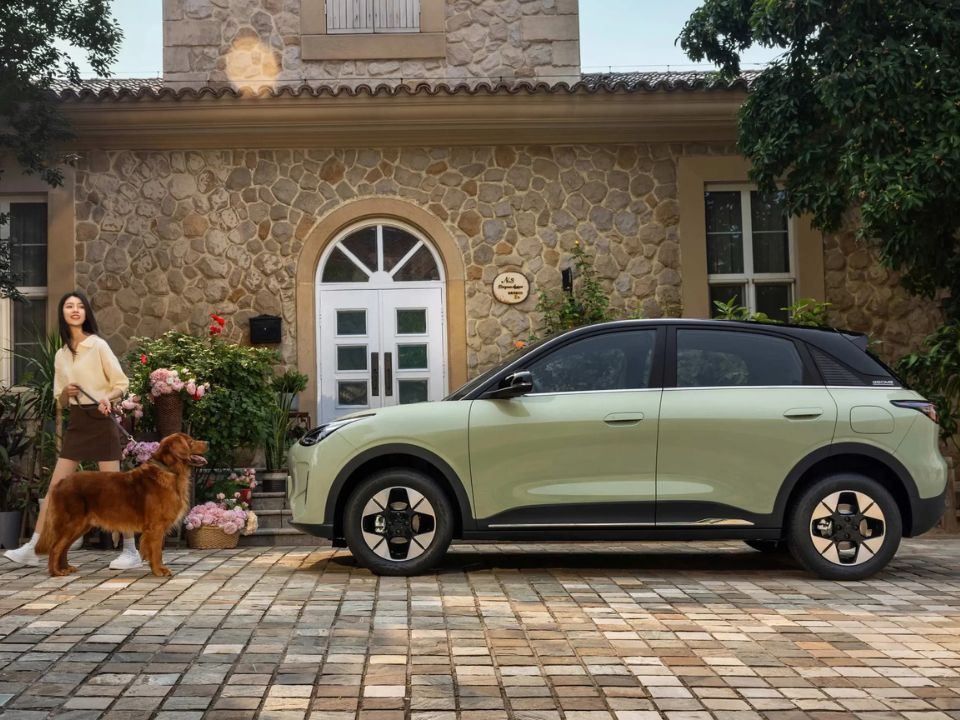
In contrast, the Bingo adopts a conventional yet highly practical front-mounted motor, 68kW power, and 180N·m torque, with a range of 333 kilometers (CLTC). The front-wheel-drive design makes driving more stable. Honestly, this design is better suited for daily family use and can handle both short and long trips.
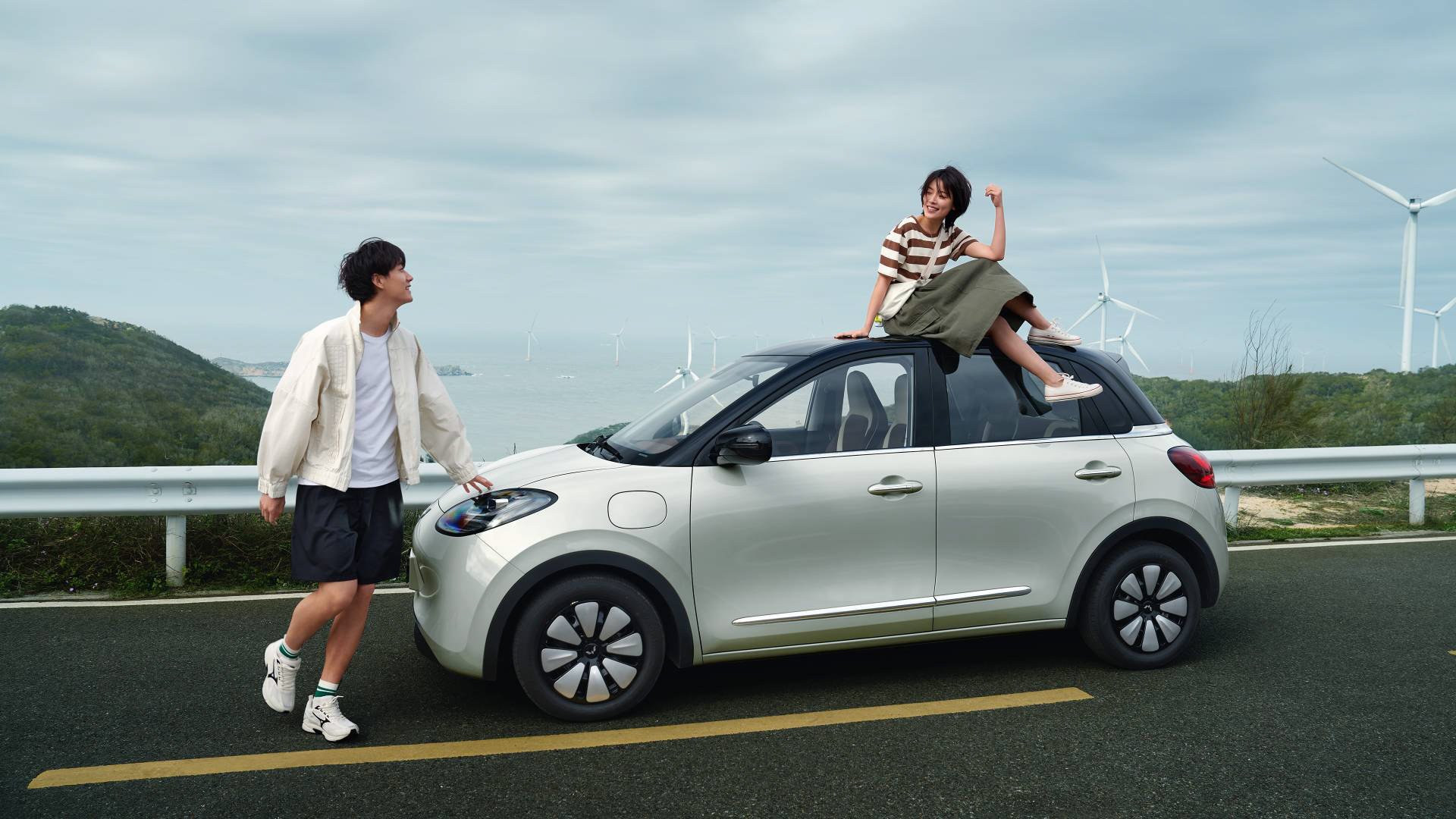
In the Bingo, drivers need not concern themselves with steering feedback or rear-end dynamics, as the car manages all aspects of driving with inherent stability.
This is not a compromise, but a deliberate advantage for its target audience. For family use, stability and ease of handling are key. Even if you accelerate or turn suddenly, it will gently correct itself without requiring the extra driving skills of a rear-wheel-drive car.
Choose EX2 or Bingo?
The EX2 remains faithful to its "driver-first" philosophy. Its 2650mm wheelbase is competitive within the segment, but the focus is clearly on enhancing the driving experience, not merely maximizing interior volume.
The front seats provide excellent support, the driving position is low and engaged, and the placement of the steering wheel and pedals is ergonomically sound.
Bingo is entirely oriented towards family practicality. Bingo Plus has a wheelbase of 2610mm, which is slightly shorter than the EX2, but with a higher roof and wider body, the headroom and shoulder space in the rear are actually better. The rear seats can be folded down, making it feel highly versatile and suitable for a wide range of drivers.
Therefore, when deciding between these two vehicles, your choice should align with your specific priorities:
· If you seek a small electric car that transcends basic transportation, offering engaging urban dynamics and a connected driving experience, the Geely EX2 is the more compelling option.
· If your needs lean toward an economical, practical, and family-focused vehicle that prioritizes day-to-day convenience and usability, the Wuling Bingo is the prudent choice.
If any infringement occurs, please contact us for deletion










Popular Cars
Model Year
Car Compare
Car Photo