
Kazutoshi Mizuno Stands Firm: GT-R Breaks Away from Skyline System to Become an Independent Global Performance Brand
 MichaelFeb 16, 2026, 05:00 PM
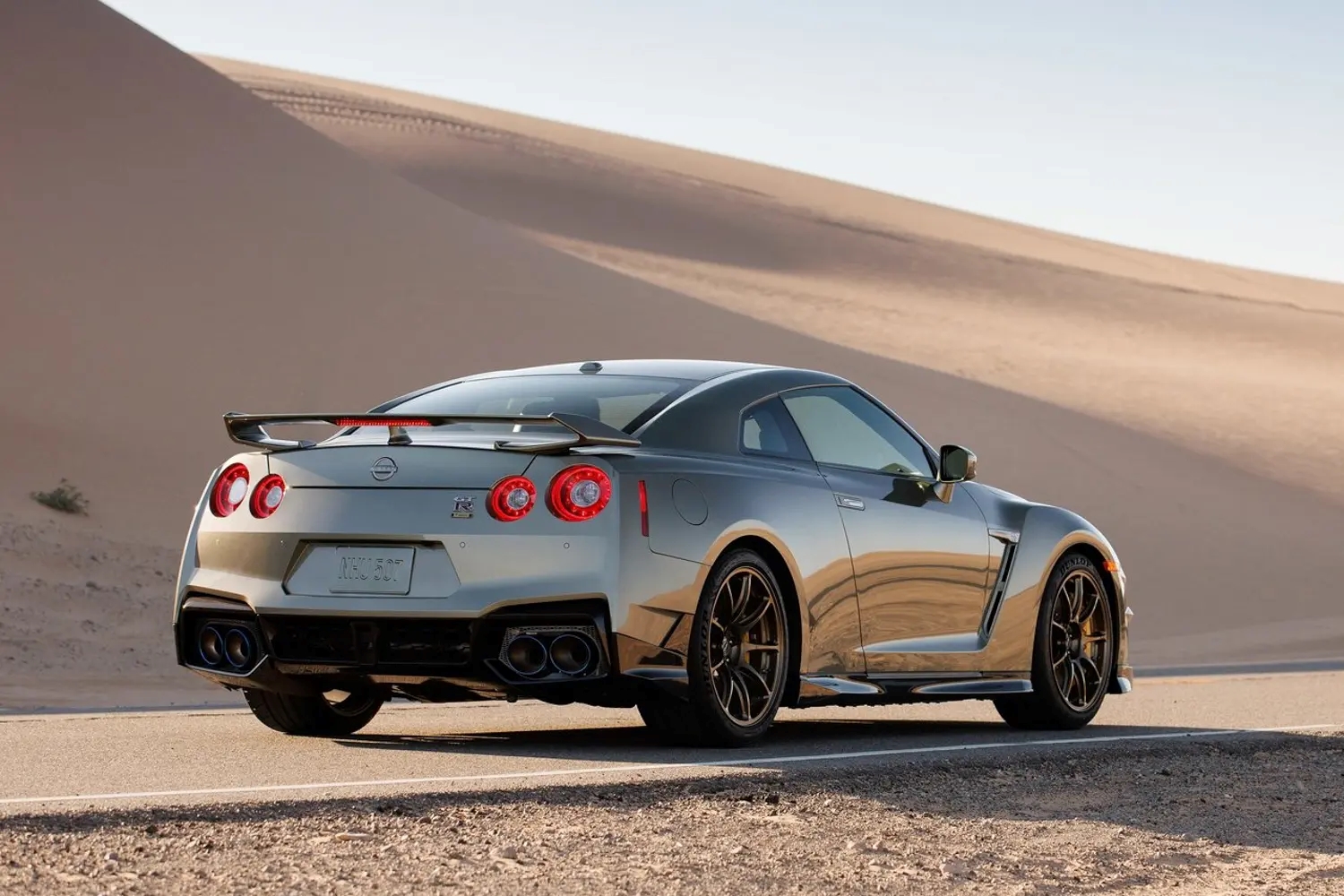
[PCauto] In the early 2000s, when Kazutoshi Mizuno assumed leadership of the GT-R R35 project, fierce internal debate at Nissan nearly halted the transformation of this legendary model.
At the time, the GT-R had existed for decades as the high-performance variant of the Skyline series. From the R32 to the R34, it was the "Godzilla" in the hearts of Japanese performance car enthusiasts, but in global markets, it was still perceived primarily as a high-performance sedan.
It was Mizuno’s relentless insistence that shattered this convention. He insisted that the GT-R must break away from the Skyline system and become an independent global performance brand.
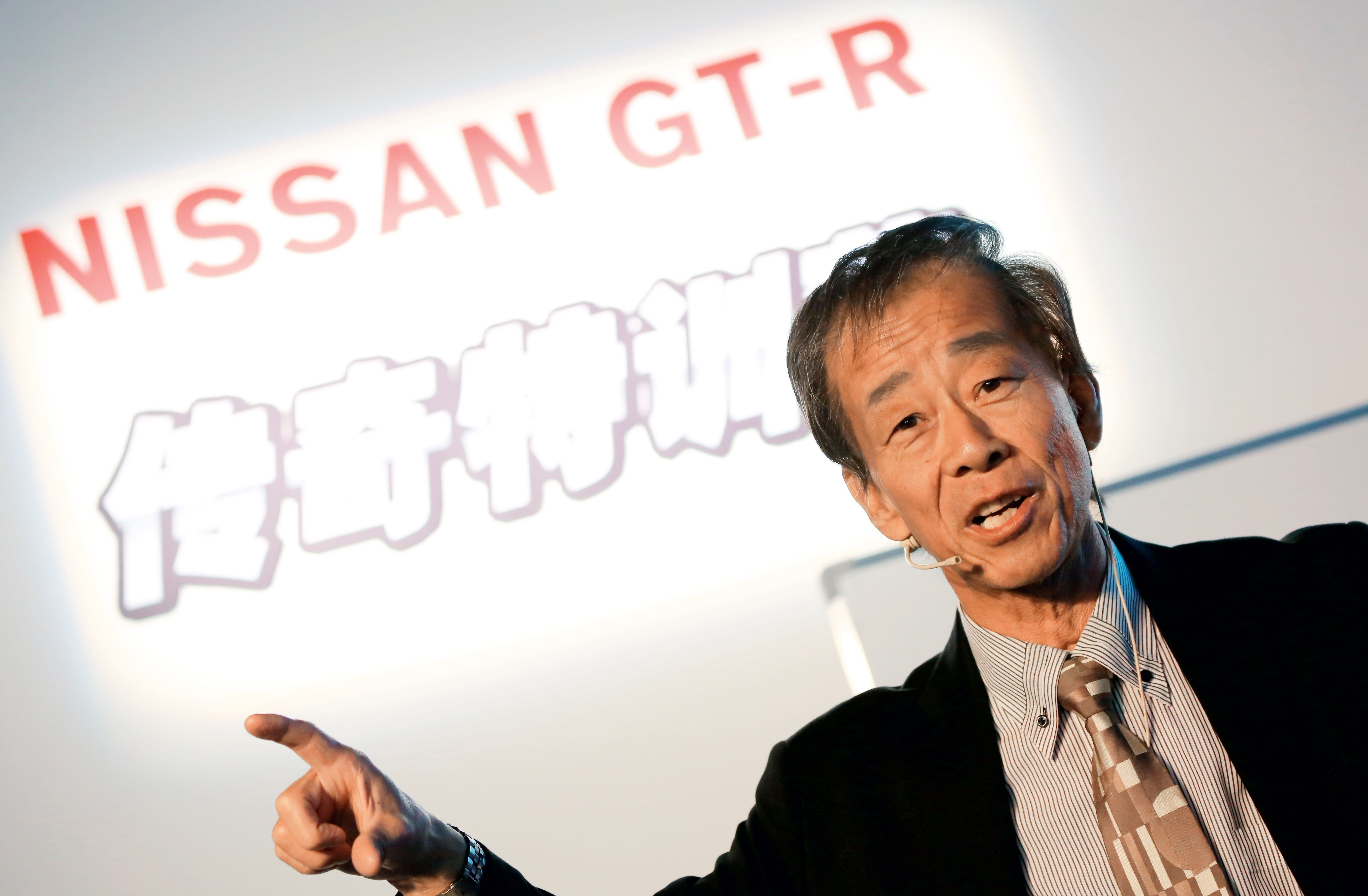
"If it remains the Skyline GT-R, it will forever be a darling of the Japanese market, never sharing the global stage with names like Porsche 911 or Ferrari."
The chief engineer's words eventually convinced the management, and the R35 thus became the first GT-R without the Skyline suffix, aiming directly at the ranks of world-class performance cars.
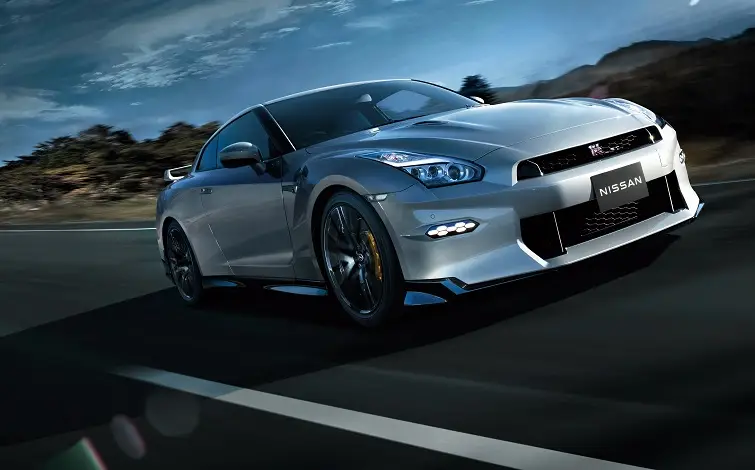
This shift in positioning was more than a marketing move; it became the guiding engineering philosophy for the entire development process. Kazutoshi Mizuno openly embraced the identity of a "pragmatist." He rejected blind faith in traditional doctrines, was unshackled by the dogma of rear-wheel-drive purity, did not idolise the linearity of naturally aspirated engines, and remained indifferent to the emotional pull of exhaust notes.
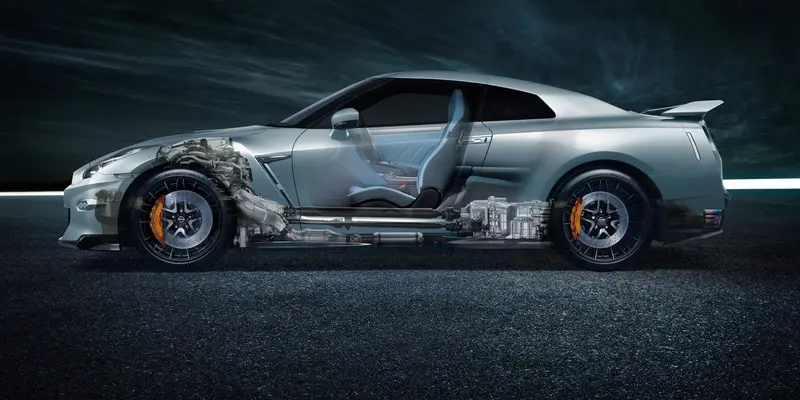
Thus, the R35’s development ethos was distilled to a singular goal: to enable any driver, in any condition, to access its peak performance consistently. To realise this goal, the engineering team pursued balanced design with near-obsessive rigor. The front-mounted 3.8-litre twin-turbo V6 VR38DETT engine, coupled with a rear-mounted transaxle and the ATTESA E-TS Pro all-wheel-drive system, achieves a near-perfect 50:50 front-rear weight distribution. This setup endows the car with immense corner-exit traction, allowing even less-experienced drivers to confidently explore its limits on track.
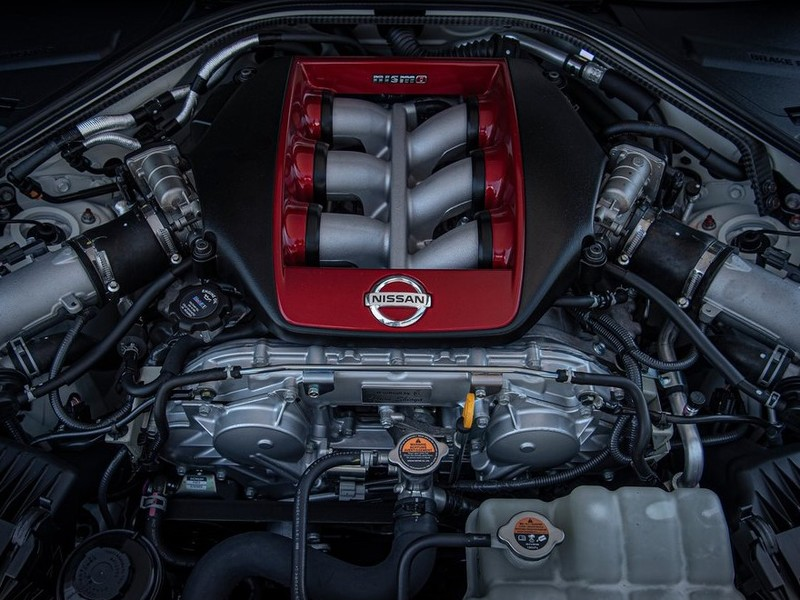
The VR38DETT engine embodies this pragmatism. The true hallmark of this hand-assembled power unit lies not in its aggressive paper specifications, but in its high-load durability and outright reliability.
Mizuno demanded individual hand-assembly by a dedicated master technician for each engine to ensure precision and stability even under extreme operating conditions. After all, for a performance car that aims to accelerate repeatedly, frequent mechanical failures are unacceptable.
This pragmatic spirit also extends to the tuning strategy. The development team took the real-world lap time around the Nürburgring Nordschleife as its sole benchmark, rather than laboratory data or subjective feelings. When the R35’s initial claimed lap times neared those of the Porsche 911 Turbo, many dismissed the claims as promotional hyperbole. However, subsequent independent tests consistently verified these figures, silencing the skeptics.
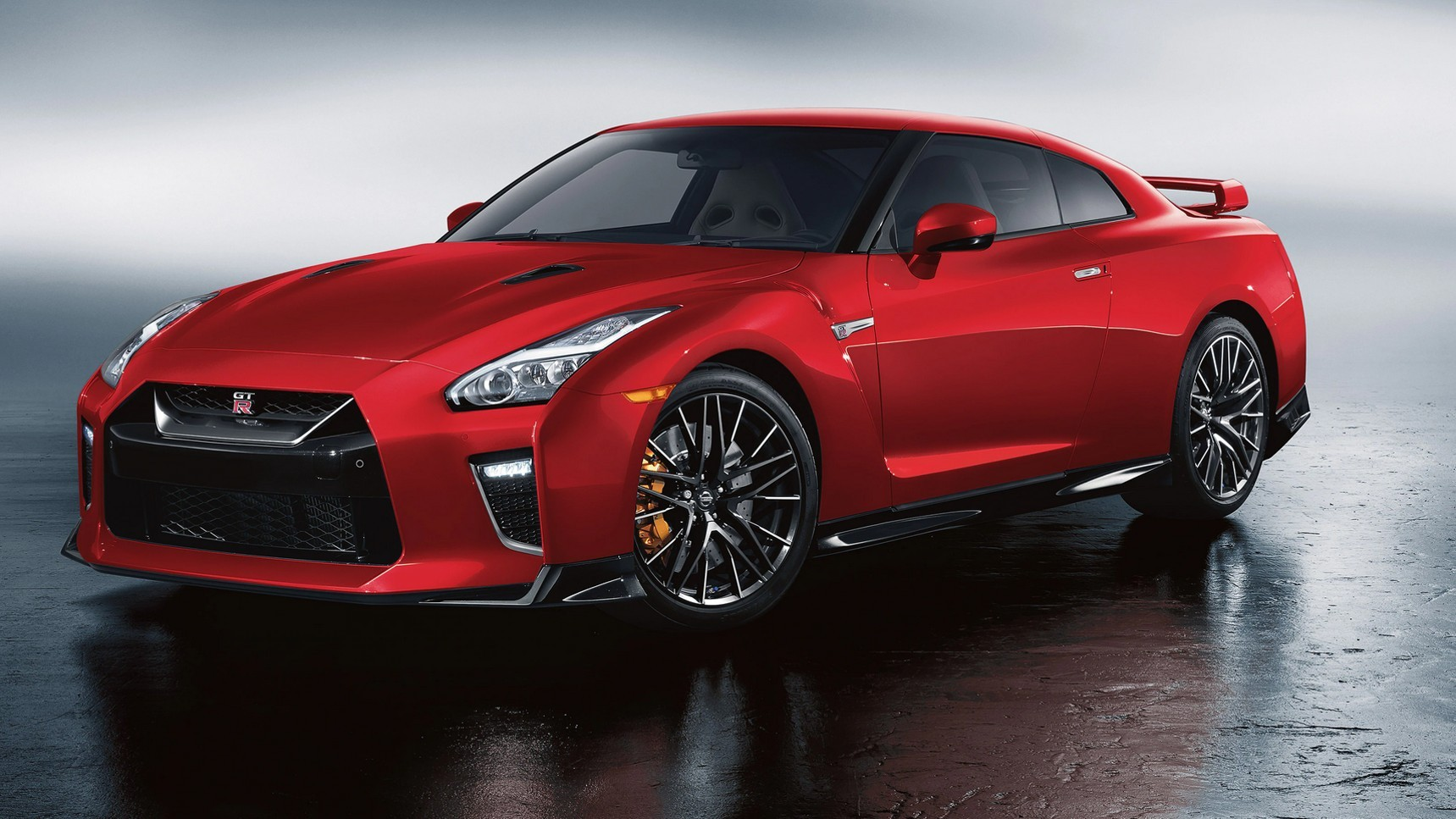
The success of the R35 has completely changed the industry's evaluation logic for performance cars. It proves that Japan's automotive industry does not need to rely on sentimentality or cost performance but could challenge the traditional European powerhouses in the top-tier performance arena through engineering alone.
Kazutoshi Mizuno described himself as an unemotional engineer, and this characteristic precisely shaped the uniqueness of the R35. It lacks the elegance of a Ferrari and the flamboyance of a Lamborghini, yet it delivers stable, almost cold-blooded performance in any environment. Enthusiasts call it a performance beast, but this is by no means derogatory. Its “monstrous” quality lies precisely in this ability to translate extreme engineering into an accessible, confidence-inspiring drive.
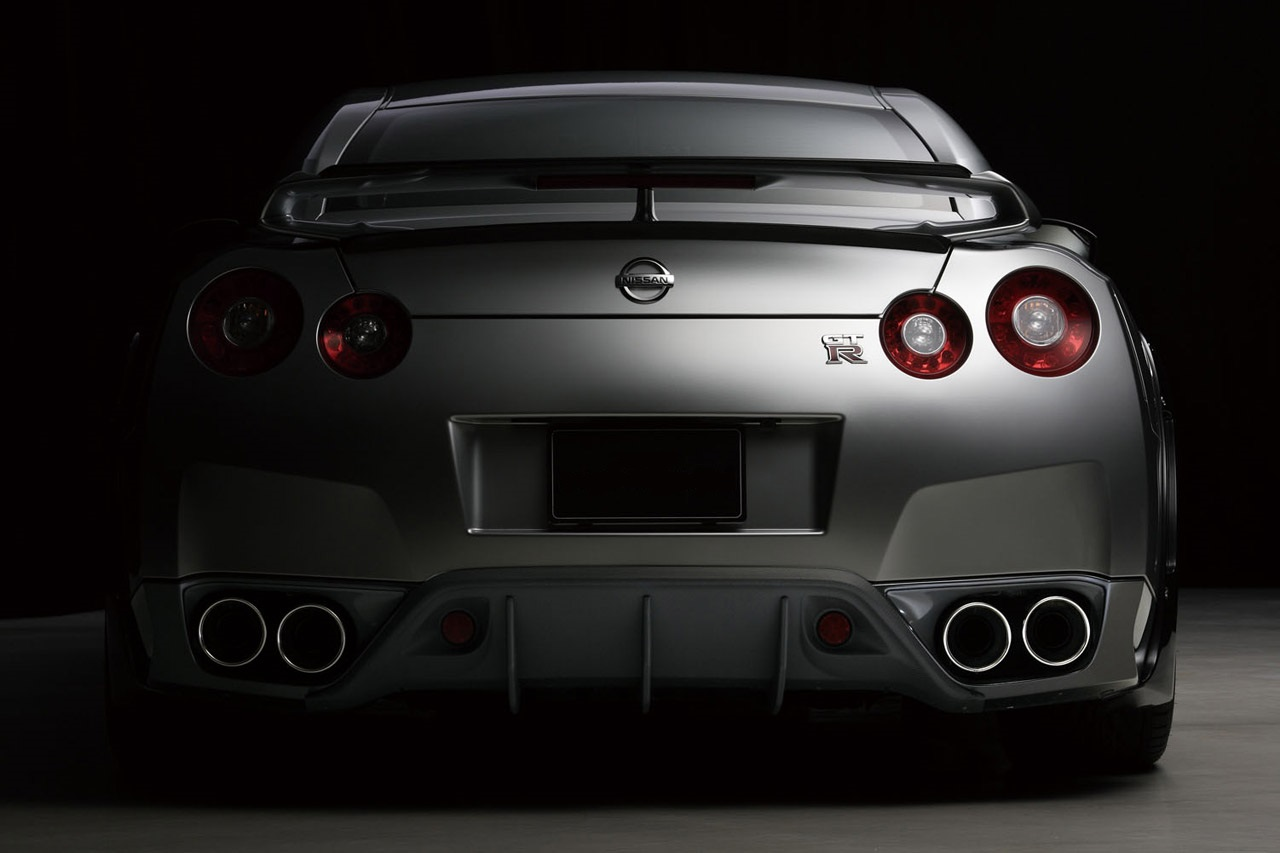
Since its release in 2007, the R35 has never undergone a true generational change but has instead been consistently optimized and iterated: quicker gearbox response, increased body rigidity, refined suspension tuning, and incremental power bumps... This strategy has ensured it remains at the forefront of performance cars, affirming Kazutoshi Mizuno's original development intent. The GT-R was conceived not as a trendy toy, but as a reliable performance instrument built to endure.
Today, the debate is settled. The R35 stands not as a Skyline derivative, but as an icon of Japanese performance engineering—a legendary model that definitively rewrote the rulebook by prioritising practicality over sentiment.
If any infringement occurs, please contact us for deletion








Popular Cars
Model Year
Car Compare
Car Photo