
When the battery capacity decays to 80%, apart from shorter range, what other impacts will there be?
 AshleyJan 21, 2026, 12:07 PM
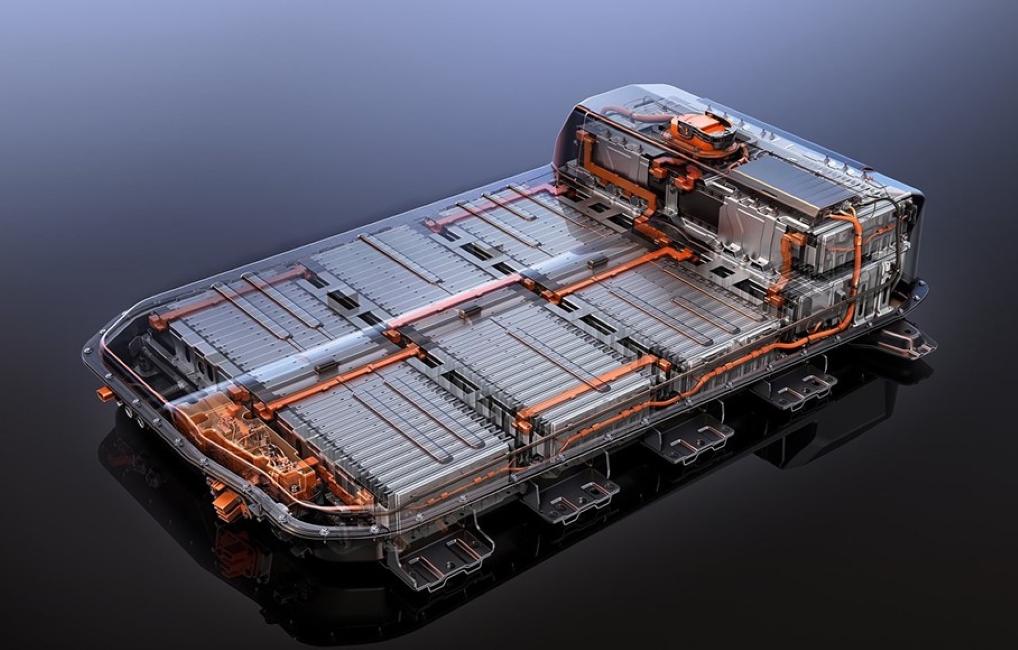
【PCauto】Nearly all car manufacturers specify a clear threshold of 70% or 80% in their battery warranty terms.
Offering a warranty when the battery still retains 80% of its capacity—could this be too conservative on the part of the manufacturer?
Indeed, the industry generally regards around 80% State of Health (SOH) as the end of a battery’s first lifecycle. It's not because the battery can no longer be used from that point, but because, starting from this stage, the overall user experience of the vehicle is no longer equivalent to that of a brand-new car.
Battery capacity degradation also slows down charging speed
Many people interpret the 80% figure quite literally: if the car originally had a range of 500 kilometers, it would now be reduced to 400 kilometers. In reality, however, range is the easiest metric to quantify, yet it is also the least representative of the overall changes.
When battery capacity drops to 80%, the charging speed is also affected. You can still use fast-charging stations, and the power output stated in the vehicle specifications remains unchanged, but the time required to charge from 20% to 80% starts to noticeably increase. This time gap becomes more pronounced with more powerful DC fast chargers.
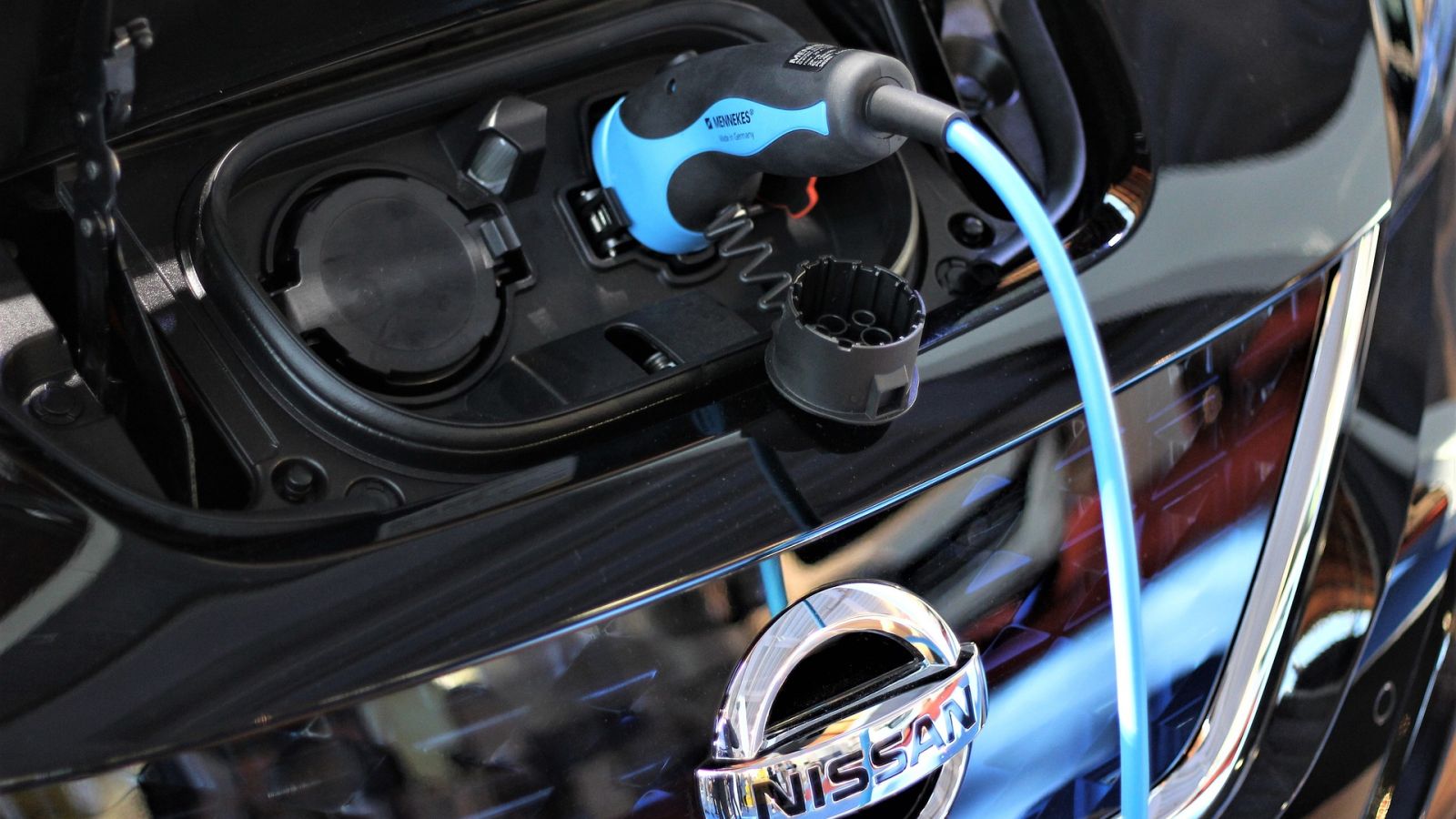
An ageing battery becomes less capable of safely absorbing high power levels over short periods.
Over time, the internal structure of the battery that stores lithium ions gradually degrades, with some lithium ions becoming inactive or trapped, and the surface of the negative electrode no longer as smooth as that of a new battery.
In other words, after battery capacity declines, its tolerance for high-rate charging decreases accordingly. If you continue to use high-power charging, lithium ions may not intercalate into the electrode material in time, instead plating (precipitating) as metallic lithium on the surface. This will further accelerate degradation and even pose safety risks.
To mitigate these risks, when the battery ages to a certain level, the battery management system will preemptively lower the charging power, extend the constant-voltage stage, and make the charging process more conservative.
This means that charging from a low state to 80% will no longer take merely 15 minutes as the manufacturer might claim.
The prediction of remaining battery power becomes inaccurate
Next is the decline in the reliability of the battery's state of charge indication.
In a new car, the battery power display is typically quite stable, allowing drivers to plan their journeys confidently based on the indicated range.
However, as battery health deteriorates, the rate of energy consumption becomes more erratic: the last 20% depletes more quickly, and the estimated remaining range fluctuates more noticeably.
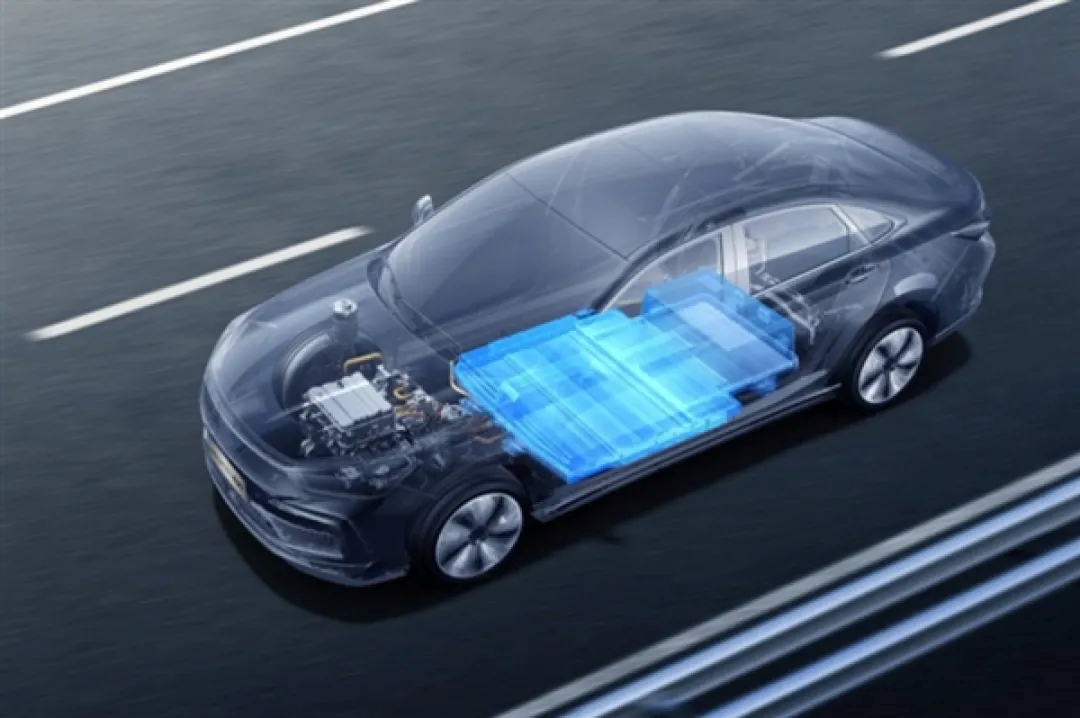
This is because the remaining battery power is not a directly measured value; it is estimated by the battery management system based on the voltage of each battery cell.
For example, a battery cell might output 4.8V when fully charged, dropping to only 4.1V when nearly depleted. The battery management system would then divide the range from 4.8V to 4.1V into percentages to estimate its power level.
When the battery ages, the relationship between voltage and actual available capacity changes. Previously, the cell might still output power at 4.3V, but now it can't. At this point, the system cannot accurately predict how much power is left in the entire battery pack.
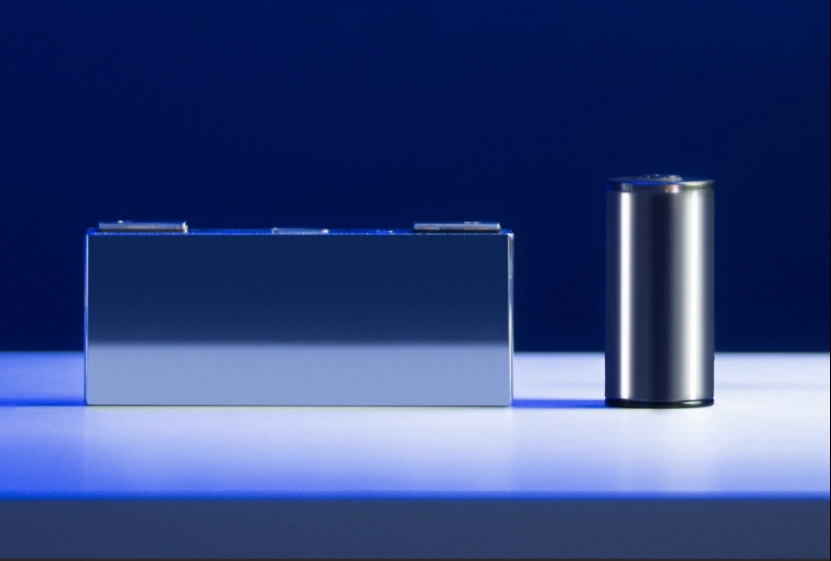
More critically, an electric car’s battery pack comprises numerous cells, each ageing at a different rate, which makes estimation models based on new batteries less accurate.
To avoid misjudgment, the battery management system often reserves a larger safety buffer and displays the remaining power more conservatively. This leads to the phenomenon where the "last 20% drops particularly fast."
The car's power will weaken
The changes in power performance are more subtle. They are not reflected in the listed parameters but are felt in driving experiences. Acceleration no longer feels instant; high-speed responses become more hesitant. There is also a noticeable difference in 0-100 km/h acceleration times between full charge and half charge states.

The vehicle’s power capability hasn’t vanished, nor have the motor’s specifications changed. The real change is that the power output of the battery has been limited.
As the battery ages, its internal resistance increases, making the voltage drop more pronounced during high-current discharge, and the battery heating becomes more evident.
If the motor continues to draw more power, the burden on the battery increases rapidly. As a result, the battery management system will limit the energy output of the battery, especially when the battery level is low, in high-temperature environments, or after continuous high loads.
For the driver, this change does not manifest as a reduction in power but as acceleration feeling less crisp. The difference between full and half charge states becomes more pronounced, and the car's overall character becomes more subdued.
Starting from 80%, your car will feel very different
Once battery capacity degrades to around 80%, your overall driving experience will noticeably diminish.
You will rely more on fixed charging conditions, have fewer spontaneous long-distance trips, and become more accustomed to leaving yourself extra buffer.
The car remains usable and may still suffice for urban commuting, but it gradually transitions from an all-round vehicle to one primarily suited for city journeys.
Therefore, the 80% threshold has never been a clear cut-off line. It doesn’t mean scrapping or immediate loss of utility. This is also why retired power batteries are still used as energy storage systems or backup power sources (Tesla does this), but they are no longer suitable for fully meeting the requirements of an entire vehicle.
So many automotive companies have proposed that they will offer replacement services as soon as battery capacity degrades to 80%.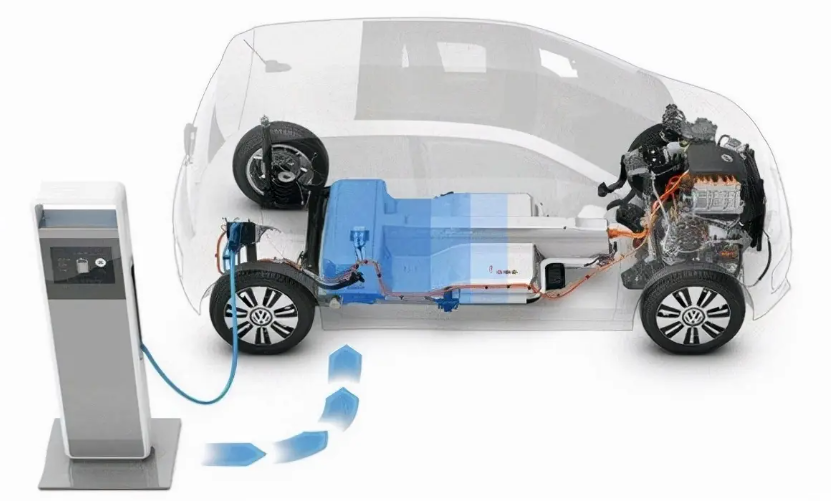
Detailed reports from various organisations suggest that battery degradation in electric vehicles may not be as rapid as some fear—and indeed, some owners might drive for decades without the battery necessarily falling to 80% SOH.
But consider this: if your petrol car’s fuel tank and engine capacity were to shrink a little each year, would you accept it?
If any infringement occurs, please contact us for deletion
Trending News

The Lexus ES 200: Laughed Out of Existence
With the official debut of the eighth-generation Lexus ES in the global market, we quickly realized that the once entry-level model ES 200 has completely disappeared. Now only the ES 350h, ES 350e, and ES 500e remain, and for this reason, the Lexus ES 200 was launched with a two-tone body in the Chinese market as a commemorative edition.

Toyota recalls over 3 million vehicles worldwide, including Camry, Land Cruiser, and Lexus
According to the latest news, Toyota has officially launched a large-scale global recall involving approximately 3.3 million vehicles due to a defect in the reverse assist system software, which may cause the screen to freeze at critical moments.

Before buying a Mitsubishi Xpander, you must know these 5 common issues
Although the overall mechanical quality of Mitsubishi Xpander is widely recognized as economical and durable, according to extensive feedback from owners, Xpander may encounter the following 5 problems.

BYD Sealion 7 Common Issues: Must-Read Before Buying
BYD Sealion 7 is a highly mature product, with most of its exposed issues being "minor flaws" in software adaptation and craftsmanship details. With iterations of OTA updates and the accumulation of experience in electronic fault diagnostics within the after-sales service network, these problems are expected to improve in the future.

Which behaviors will kill your hybrid battery? Leaving it unable to start overnight
Although manufacturers claim that the design lifespan of hybrid batteries usually matches the lifespan of the vehicle, approximately 8 to 10 years or 200,000 kilometers, in actual use, many car owners experience premature battery degradation or even failure. So, what daily behaviors could kill your hybrid battery?










Popular Cars
Model Year
Car Compare
Car Photo