
Leapmotor B10 launched, priced from RM99,800, offers better value for money than BYD Atto 3
 JamesDec 10, 2025, 05:48 PM
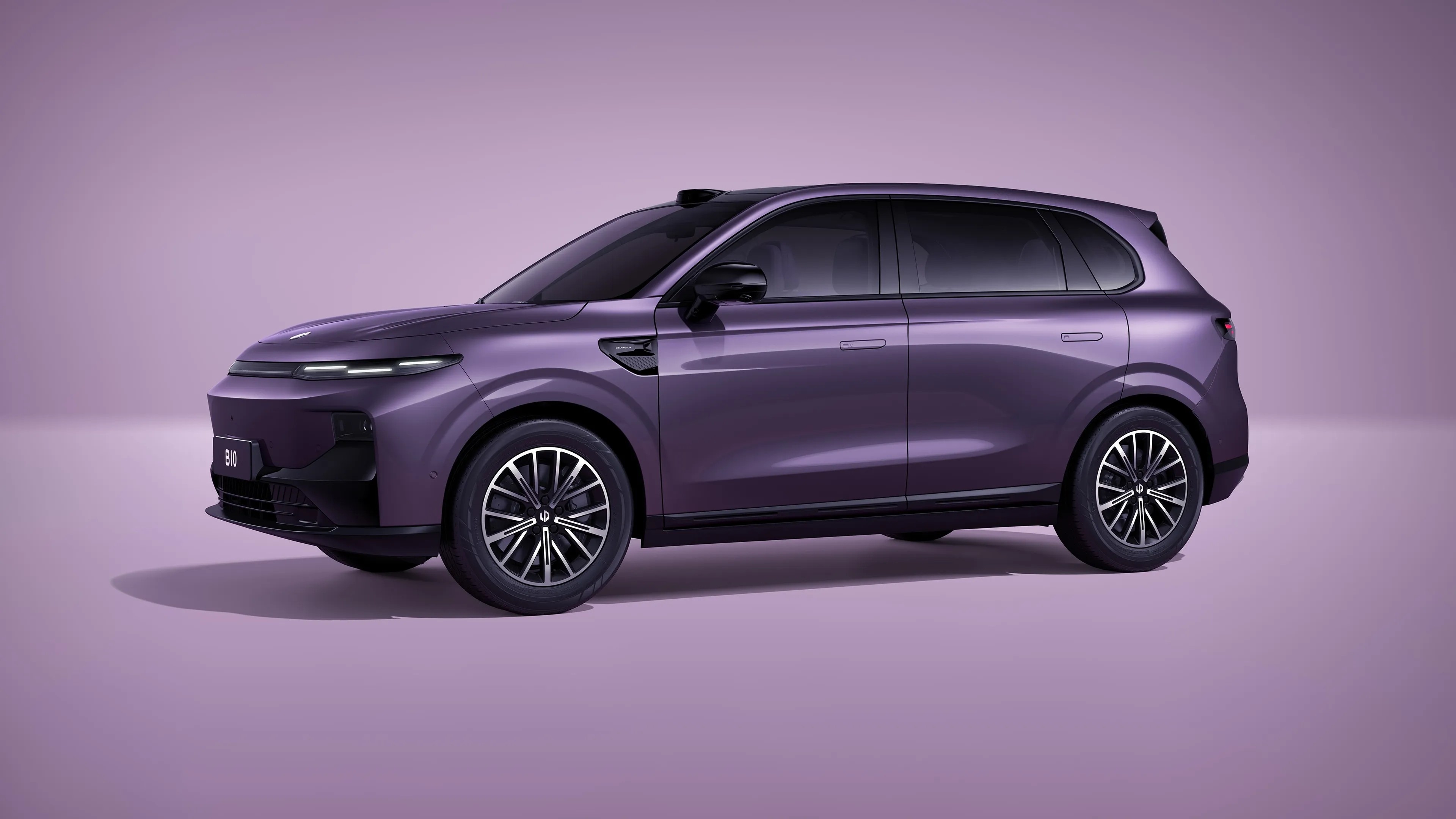
【PCauto】Stellantis Malaysia recently officially launched the all-new C-segment electric SUV Leapmotor B10.
This compact EV SUV is positioned below the Leapmotor C10, primarily offering families a new-energy travel option that balances practicality, technology, and range.
The new car is available in two variants:
the B10 LIFE priced at RM107,800
and the B10 DESIGN priced at RM118,800.
As part of the launch promotion, the first 200 owners can enjoy discounts of RM8,000 and RM9,000 respectively, making the entry-level LIFE model priced at only RM99,800.

How does the Leapmotor B10 look?
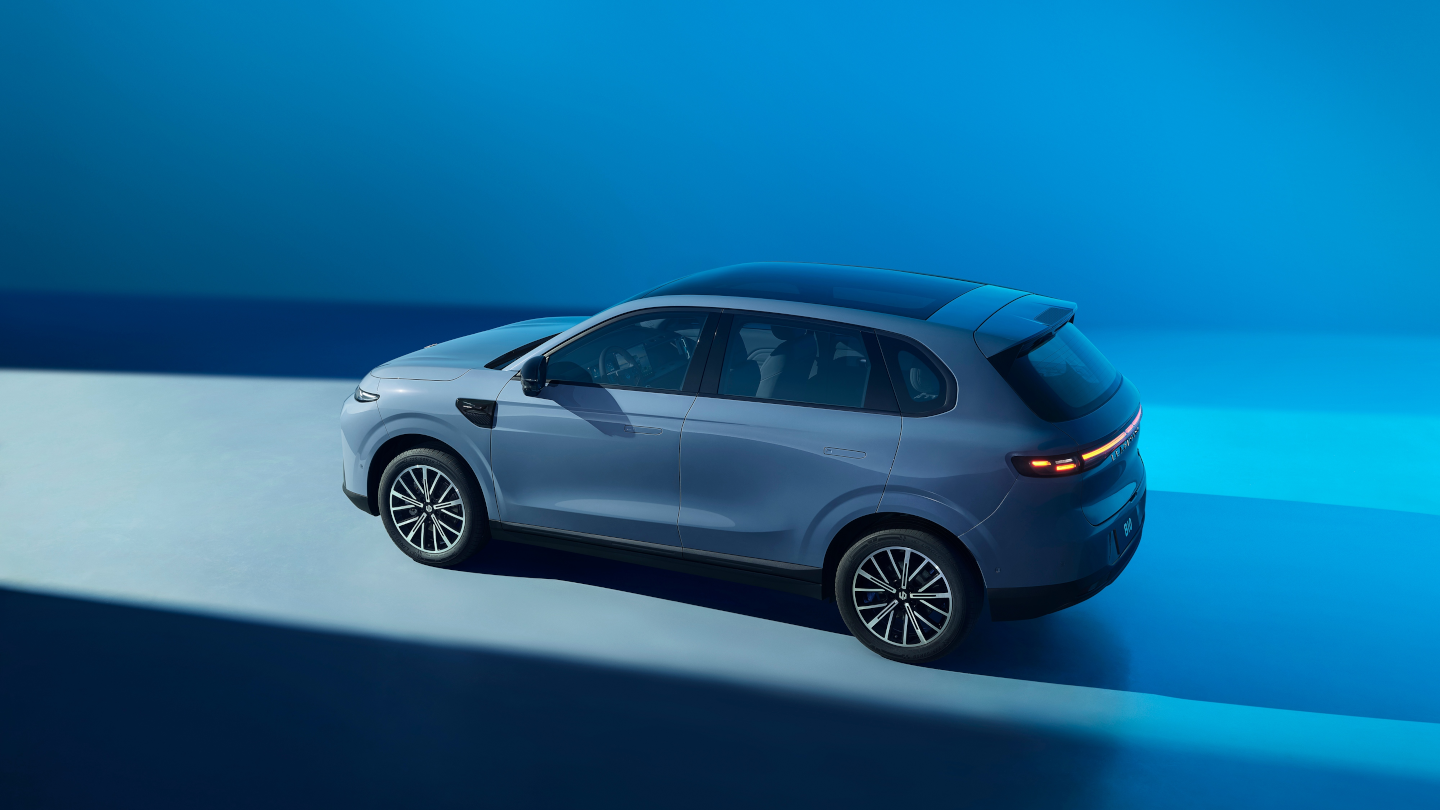
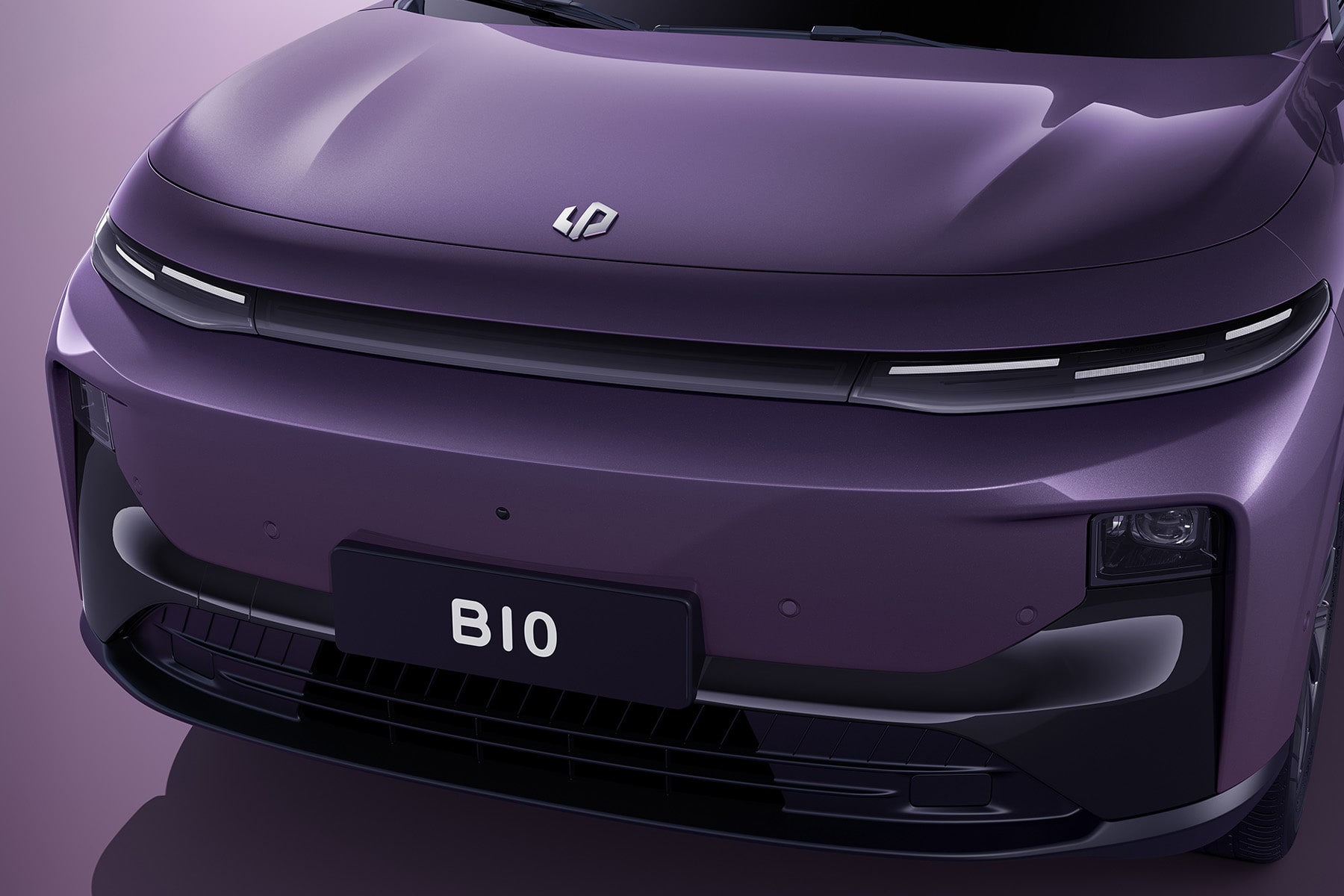
The Leapmotor B10 continues the family design language of the C10, with compact and streamlined proportions. The front features full LED headlights with a separate cluster of checkerboard-style daytime running lights (DRLs). Combined with hidden door handles and 18-inch 'Star Sports' alloy wheels, it achieves a drag coefficient of just 0.265.
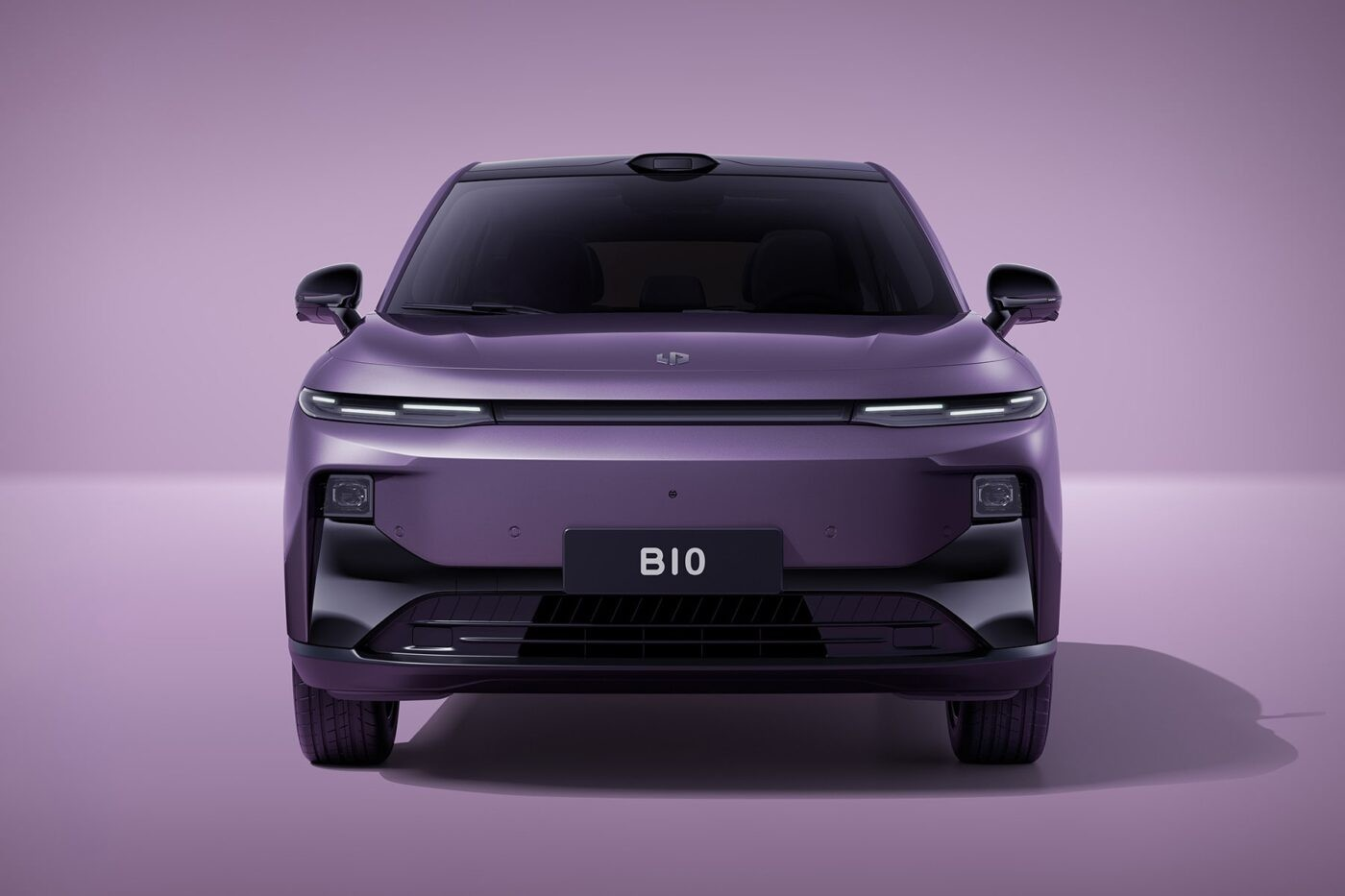
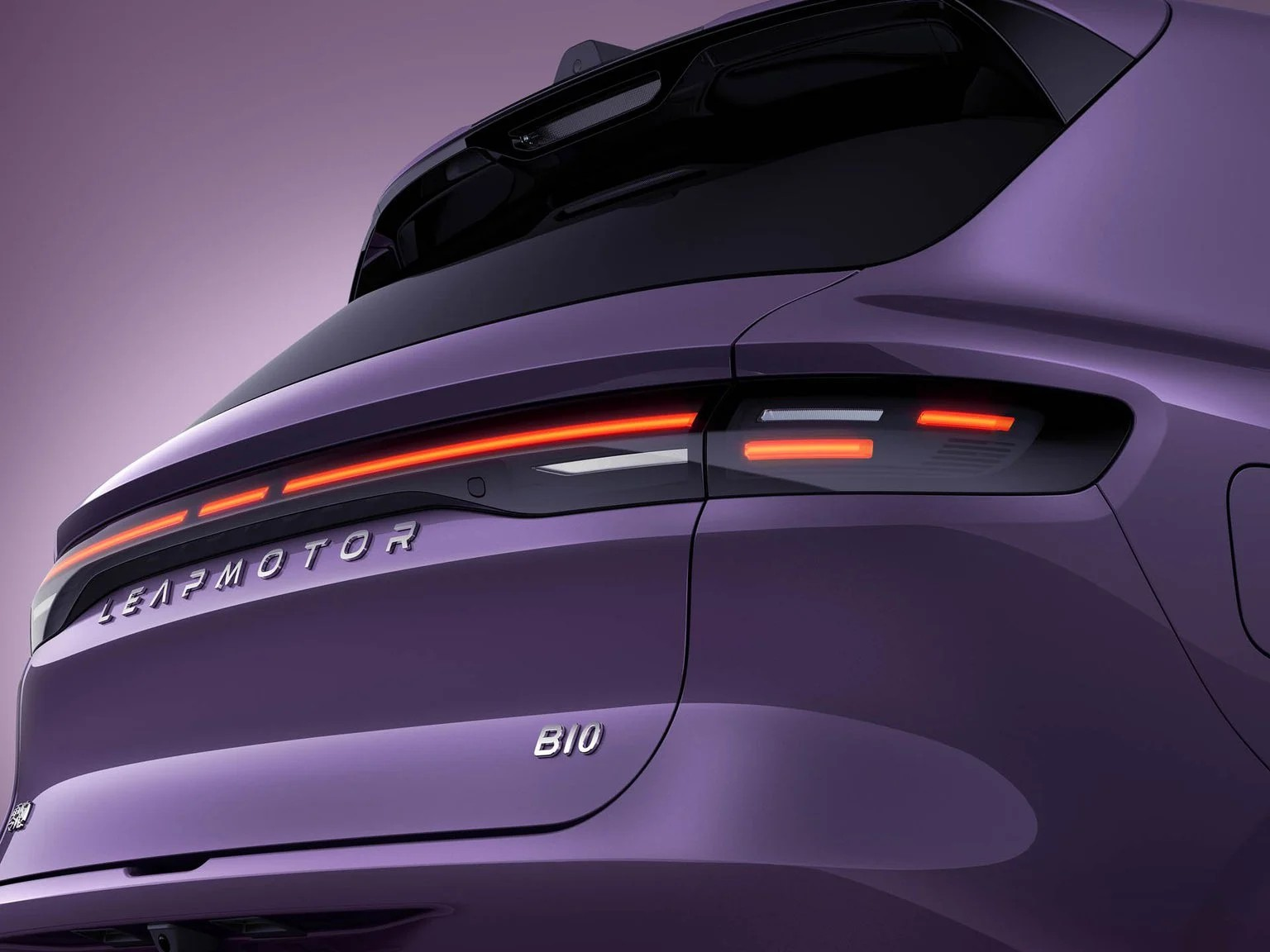
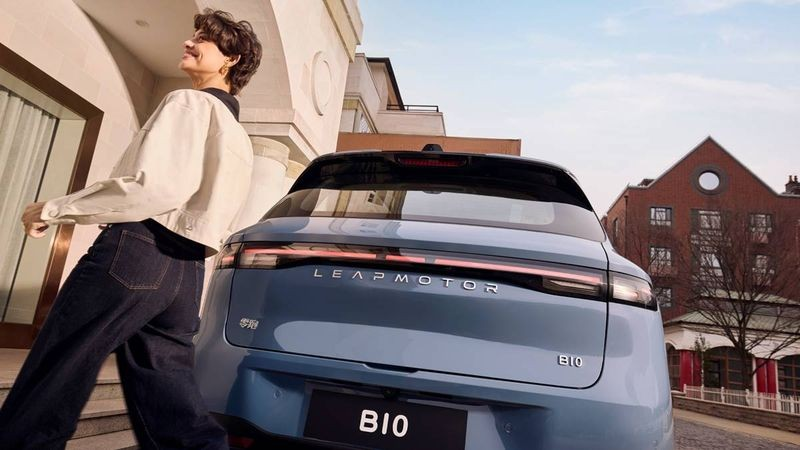
The rear features a full-width LED light bar that incorporates the 'Wing Star' logo for enhanced recognition. The new car is available in five colors: Dawn Purple, Starry Night Blue, Tundra Grey, Metallic Black, and Pearly White. Among these, the LIFE version offers only black and white color options.
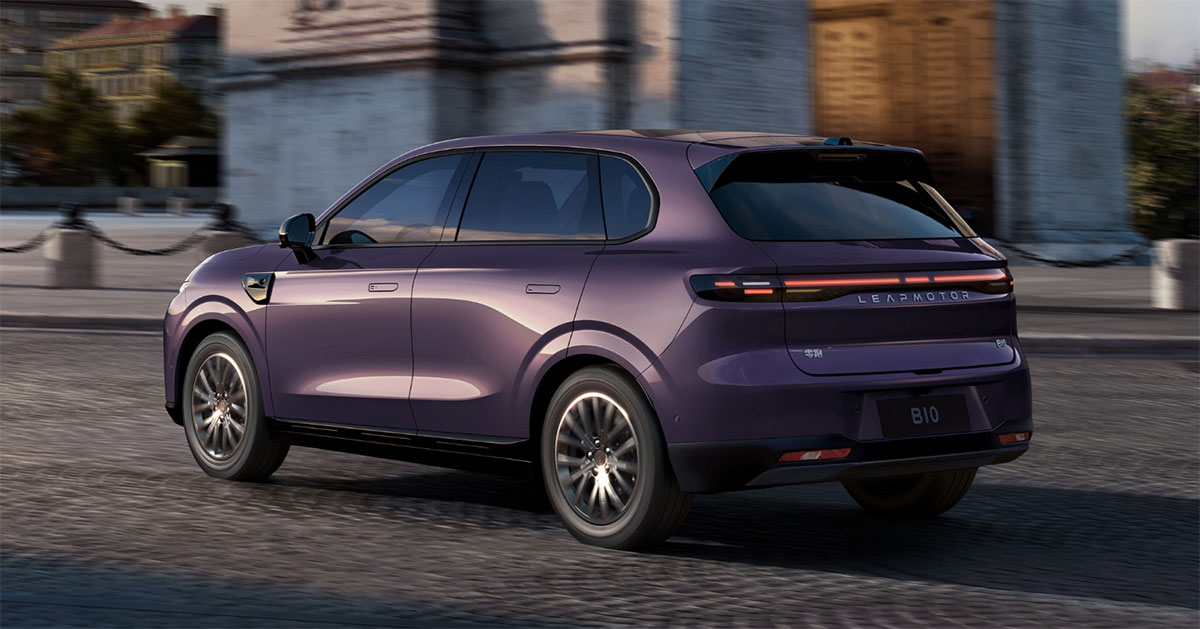
In terms of dimensions, the B10 measures 4,515 mm long, 1,885 mm wide, and 1,655 mm high, with a 2,735 mm wheelbase and 170 mm ground clearance. It is comparable to same-class SUVs such as the BYD Atto 3, MG S5 EV, and Proton e.MAS 7.
What is the interior design of the Leapmotor B10 like?
Inside, the B10 features a floating center console design with open storage, a 14.6-inch infotainment touchscreen, and an 8.8-inch digital instrument cluster. It runs the Leap OS 4.0 Plus system and is scheduled to receive an OTA update in January 2026 to enable Apple CarPlay and Android Auto.

The interior uses primarily eco-friendly leather and fabric materials. The Design version offers Oeko-Tex standard silicone-based leather seats with heating and ventilation functions.
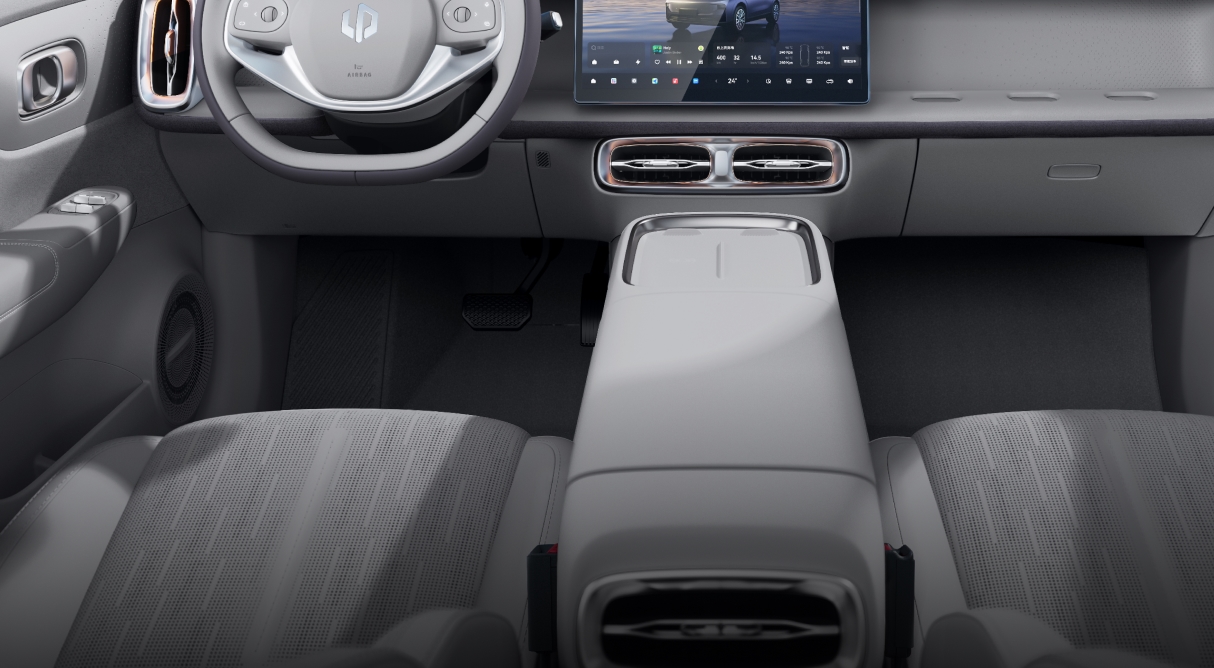
A panoramic sunroof, power-adjustable seats, a multifunction steering wheel, a wireless charging pad, and a 360° panoramic camera system are either standard or available on the Design variant.
The B10 offers 22 interior storage spaces, a boot capacity of 430 liters (expandable to 1,700 liters), and an additional 25 liters in the front trunk (frunk), catering to both daily needs and long-distance travel.

In terms of safety, the B10 has earned a five-star Euro NCAP rating and comes with seven airbags plus SEA Level 2 semi-autonomous driving features, including:
· Adaptive Cruise Control (ACC), Lane-Centering Control (LCC), Intelligent Speed Assist (ISA)
· Lane Keeping Assist (LKA), Emergency Lane Keeping Assist (ELKA), Forward Collision Warning (FCW), Autonomous Emergency Braking (AEB/AEBS)
· Blind Spot Detection (BSD), Door Open Warning (DOW), Lane Departure Warning (LDW), Hands-Off Detection (HOD)
· Rear Collision Warning (RCW), Rear Cross Traffic Alert and Braking (RCTA+RCTB), Traffic Jam Assistance (TJA)
· Driver Drowsiness and Distraction Warning (DDAW/ADDW)
This suite of features gives the B10 a significant safety advantage among EVs in its class.
How are the power and range of the Leapmotor B10?
Both the LIFE and DESIGN variants are equipped with a rear-mounted single motor, delivering 218 hp (160 kW) and 240 Nm of torque. It accelerates from 0-100 km/h in 8.0 seconds and has a top speed of 170 km/h. Their main differences lie in battery capacity and range:
· B10 LIFE:
56.2 kWh LFP battery
WLTP range: 361 km
AC charging: 11 kW
DC fast charging: 140 kW (30%-80% in <20 min)
· B10 DESIGN:
67.1 kWh LFP battery
WLTP range: 434 km
AC charging: 11 kW
DC fast charging: 168 kW (30%-80% in <20 min)
Both variants support 3.3 kW Vehicle-to-Load (V2L) functionality for powering external devices. The vehicle is based on the LEAP 3.5 architecture and a Cell-to-Chassis 2.0+ platform, featuring a 50:50 weight distribution and high torsional rigidity. It also incorporates intelligent AI battery monitoring along with liquid cooling and thermal management systems, balancing efficiency and durability.
The B10 comes with a 6-year/150,000 km vehicle warranty and an 8-year/160,000 km battery warranty, with service intervals of 1 year or 20,000 km. The first 200 owners enjoy a launch discount: RM8,000 off for the LIFE version and RM9,000 off for the DESIGN version.
Which offers better value for money: Leapmotor B10 or Atto 3?
The pricing of the Leapmotor B10 is noteworthy. Even the most expensive B10 DESIGN is cheaper than the Atto 3 Ultra.
| Model | Price in Malaysia (OTR) | Promotion / Discounted Price |
| Leapmotor B10 LIFE | RM107,800 | RM99,800 (First 200) |
| Leapmotor B10 DESIGN | RM118,800 | RM109,800 (First 200) |
| BYD Atto 3 | RM149,800 (Original Price) | RM123,800–124,500 (Recent Adjusted Price) |
Furthermore, the B10 offers a high level of standard equipment:
| Project | Leapmotor B10 | BYD Atto 3 |
| Body Dimensions | 4,515 × 1,885 × 1,655 mm, Wheelbase 2,735 mm | 4,455 × 1,875 × 1,615 mm, Wheelbase 2,720 mm |
| Space / Practicality | Slightly larger dimensions and wheelbase generally translate to better space perception than some competitors, suiting family use. Ample interior storage and a flexible layout enhance practicality. | The space is slightly more compact in comparison, but the boot capacity and daily practical configurations of Atto 3 are also good, making it a relatively mature choice among entry-level EV SUVs. |
| Configuration / Comfort | The DESIGN variant adds higher-end features (leather seats with ventilation/heating, upgraded audio, etc.). The focus remains on value and practicality. | Atto 3 comes with mature configurations, including a rotating touchscreen, panoramic sunroof, power seats, and relatively comprehensive comfort and convenience features. |
| Safety and Driving Assistance | Leapmotor claims a comprehensive safety and assistance suite (per published data), aimed at ensuring family travel security. | Atto 3 provides features including AEB, blind-spot monitoring, lane-keeping assistance, and other safety and driver-assistance functions, making it a relatively comprehensive solution in its class. |
| Drive / Powertrain | Rear-wheel drive single motor, 218 hp / 240 Nm, 0–100 km/h ≈ 8.0 seconds | Front-wheel drive single motor, about 203–204 hp / 310 Nm, 0–100 km/h about 7.3–7.9 seconds |
| Battery / Range | 56.2 kWh (WLTP 361 km) 67.1 kWh (WLTP 434 km); supports 140–168 kW DC fast charging; equipped with V2L function | 49.92 kWh (WLTP 345 km) 60.48 kWh (WLTP 420 km); DC fast charging about 70–80 kW, supports V2L function |
The Atto 3 has long been recognized for its high value. However, this comparison shows the Leapmotor B10 emerges as a formidable competitor. The primary challenge for the B10 remains brand recognition, where BYD currently holds a stronger position.
If any infringement occurs, please contact us for deletion










Popular Cars
Model Year
Car Compare
Car Photo