
Mercedes cancels planned electric car program, due to the slow popularity of Mercedes electric cars
 Kevin WongMar 11, 2024, 05:31 AM
Ola Källenius, Chairman of the Board of Directors and CEO of Mercedes-Benz AG, said at the annual general meeting that the company has adjusted its previously set goal: it no longer plans to fully switch to electric vehicle sales in major markets by 2030.
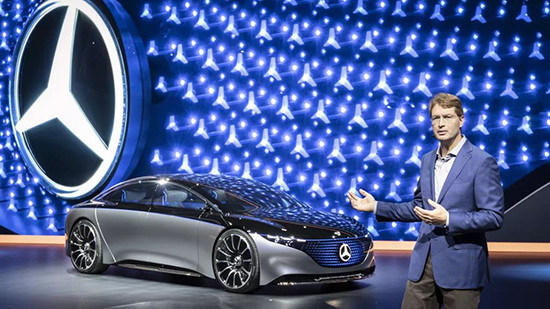
Previously, Mercedes-Benz AG, the parent company of Mercedes-Benz, had set a goal to complete its electrification transformation by 2030, with six years remaining until the target. Mercedes-Benz has now decided to abandon this goal during this timeframe, and one significant reason may be the slower-than-expected adoption rate of Mercedes-Benz electric vehicles.
Currently, in the Thai market, the primary Mercedes-Benz all-electric model available is the EQB. In other markets, such as China, Mercedes-Benz has a more comprehensive lineup of all-electric vehicles, which covers both sedans and SUVs. However, the progress of Mercedes-Benz electric vehicles in the market has not met the company's expectations.
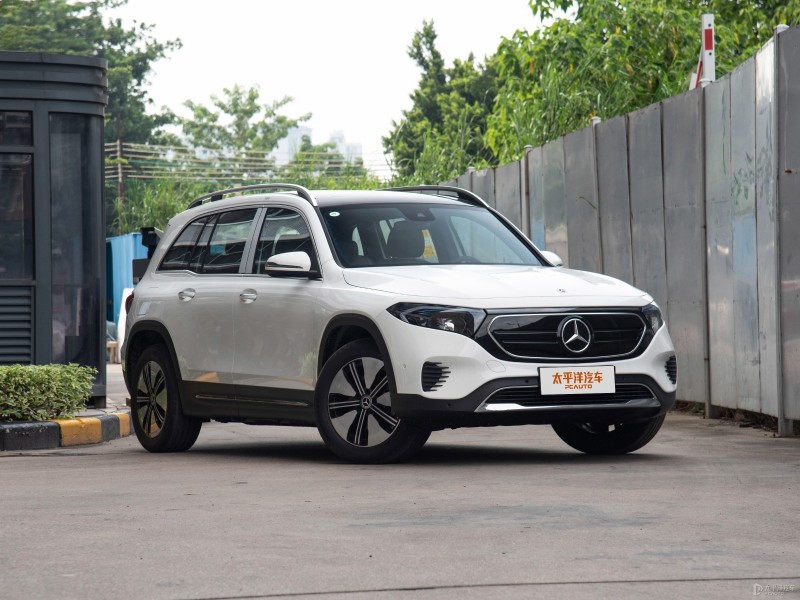
It is worth noting that while Mercedes-Benz has canceled its initial electric vehicle plans, there hasn't been any simultaneous announcement of new plans. It remains uncertain how Mercedes-Benz will strategize in the pure electric vehicle sector in the future or whether it will expedite the transition to electrification. This question currently appears quite unknown.
Interestingly, Ola Källenius has presented a new plan for conventional fuel vehicles. He stated that Mercedes-Benz is prepared to continue producing internal combustion engine (ICE) vehicles and plans to update the technology over the next decade. He mentioned that the company's current plan is to introduce an entirely new lineup of internal combustion engine vehicles by 2027 to ensure the sustainability of ICE vehicles into the 2030s.
Data shows that in the European market, electric vehicles accounted for only 11% of Mercedes-Benz's sales in 2023. Including hybrid vehicle sales, the proportion rises to 19%. Globally, Mercedes-Benz achieved a cumulative sales volume of 2.492 million vehicles in 2023, representing a year-on-year growth of 1.5%. Pure electric vehicle sales reached 240,000 units, showing a remarkable year-on-year increase of 61%.
(Author: Kevin Wong)
If any infringement occurs, please contact us for deletion









Popular Cars
Model Year
Car Compare
Car Photo