
Often need to drive on rough roads, why is it recommended to set the tire pressure a bit higher?
 RobertFeb 20, 2026, 07:00 AM
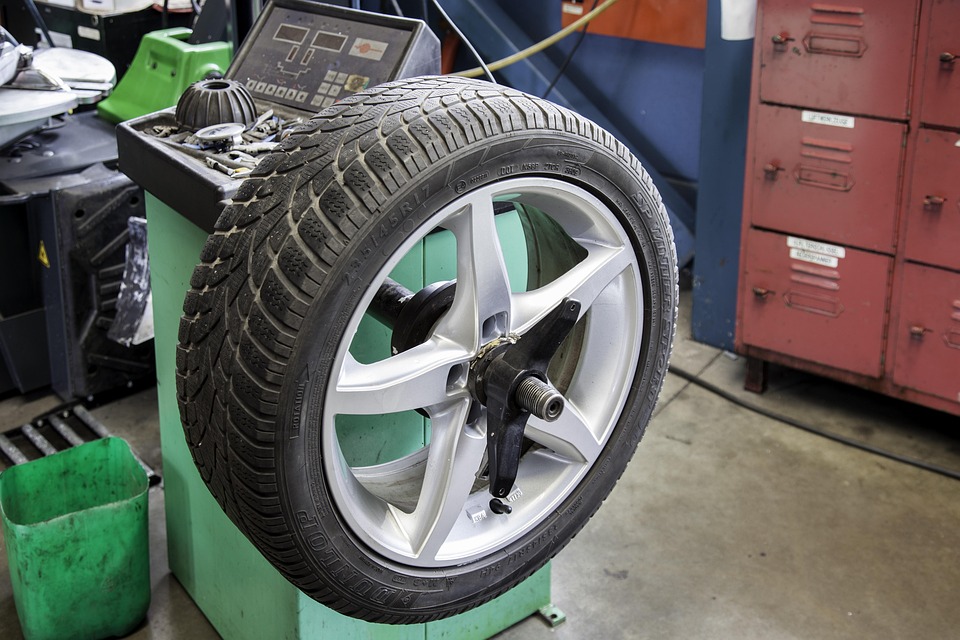
[PCauto] For many drivers, tyre pressure can be a point of confusion. Conventional wisdom is divided: some advocate higher pressure for fuel efficiency, while others prefer lower pressure for ride comfort.
However, if you frequently navigate construction zones, country gravel roads, or face pothole-ridden and damaged surfaces, seasoned drivers might offer a counter-intuitive tip: slightly increase your tyre pressure.
How Do Tyres Get Damaged on Poor Roads?
Why sacrifice comfort for higher pressure? To understand this, we must first examine how tyres sustain damage on poor roads.
When a vehicle strikes a deep pothole or kerb at speed, the tyres are subjected to a massive instantaneous impact force. An under-inflated tyre behaves like a half-filled water balloon, deforming excessively and unpredictably under impact.
As the tyre compresses to its limit, the softer sidewall can get pinched between the rigid wheel rim and the road obstacle. This pinching action can shear or rupture the internal cord plies—the tyre's structural skeleton. Once these structural cords are compromised, the sidewall can bulge outward—a condition known as a ‘sidewall bubble’ that renders the tyre unusable.
Increasing tyre pressure significantly enhances sidewall stiffness. The high-pressure air provides stronger support, reducing tyre deformation during impacts and effectively preventing the rim from bottoming out and damaging the sidewall.
The Risks Extend Beyond the Tyres
When tyre pressure is too low to adequately cushion the vehicle over a deep pothole, the impact force is transmitted directly to the wheel rim. In minor cases, this can cause the rim to become deformed, leading to abnormal vibration while driving.
In severe cases, it can crack or fracture aluminium alloy rims—a critical safety hazard.
Increasing pressure by 0.2 to 0.3 bar creates a firmer, more resilient cushion of air around each rim. This enhanced cushion absorbs and disperses impact forces before they can be transmitted to the rim itself.
Does Higher Pressure Increase Blowout Risk?
This is a common myth. In reality, blowouts in modern tyres due to over-inflation are exceptionally rare.
The maximum pressure (‘Max Press’) marked on a tyre’s sidewall is typically 3.5 bar or higher, whereas the recommended operating pressure (usually 2.5 to 2.8 bar) remains well within this safety margin.
Conversely, under-inflation is a primary cause of blowouts, as it leads to excessive flexing of the tyre sidewall, generating heat and ultimately causing structural failure.
What About Traction and Grip?
Theoretically, increasing tyre pressure reduces the contact patch—the area where the tyre meets the road. However, on gravel roads or muddy and uneven terrains, avoiding blowouts and wheel damage is the primary concern.
A minor reduction in ultimate grip is a worthwhile trade-off for the vastly improved resistance to impact damage when travelling at low speeds on rough surfaces.
What is the Recommended Adjustment?
If you know the upcoming journey will be challenging, you can refer to the following standards:
Locate the manufacturer’s recommended cold tyre pressure, typically found on a sticker inside the driver’s door jamb (B-pillar) or inside the fuel filler flap.
A safe and effective adjustment is to increase pressure by 10–15% above this baseline. For example, if the standard cold pressure is 2.3 bar, inflate to approximately 2.5 or 2.6 bar.
Once the challenging terrain is behind you and before embarking on extended highway driving, check and adjust the pressures back to the standard specification. This ensures optimal fuel efficiency, ride comfort, and tyre wear.
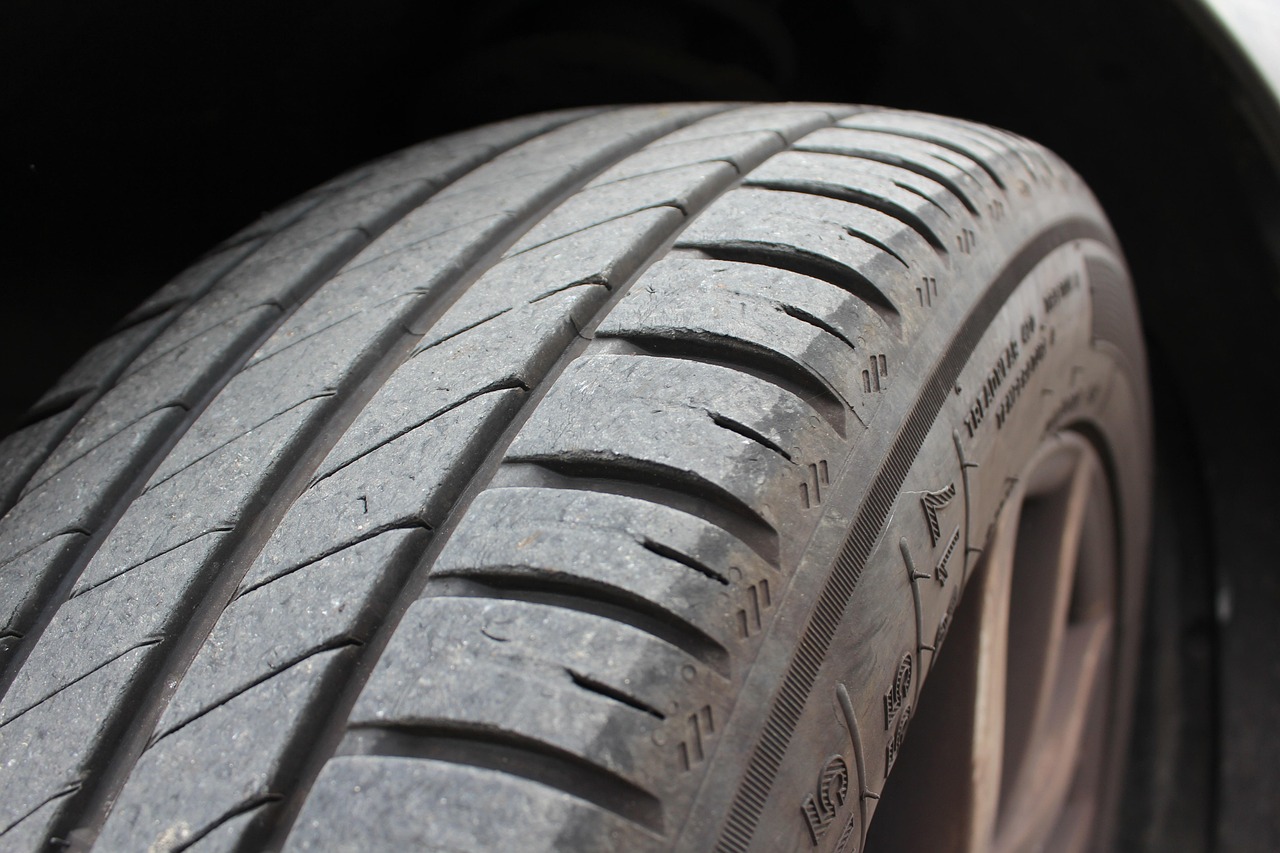
On smooth asphalt, lower pressure offers comfort; on rugged, broken roads, higher pressure is your tyre's best armour.
Sacrificing a marginal amount of ride plushness is a small price to pay for significantly enhancing the safety and durability of your tyres and wheels. So, before venturing onto rough roads, remember this simple adjustment: give your tyres a little extra pressure. It’s a small step for a much safer journey.
If any infringement occurs, please contact us for deletion









Popular Cars
Model Year
Car Compare
Car Photo