
Rumor: Toyota and Mazda collaborate to develop the next-generation MX-5 and GR86
 AshleySep 30, 2025, 05:45 PM
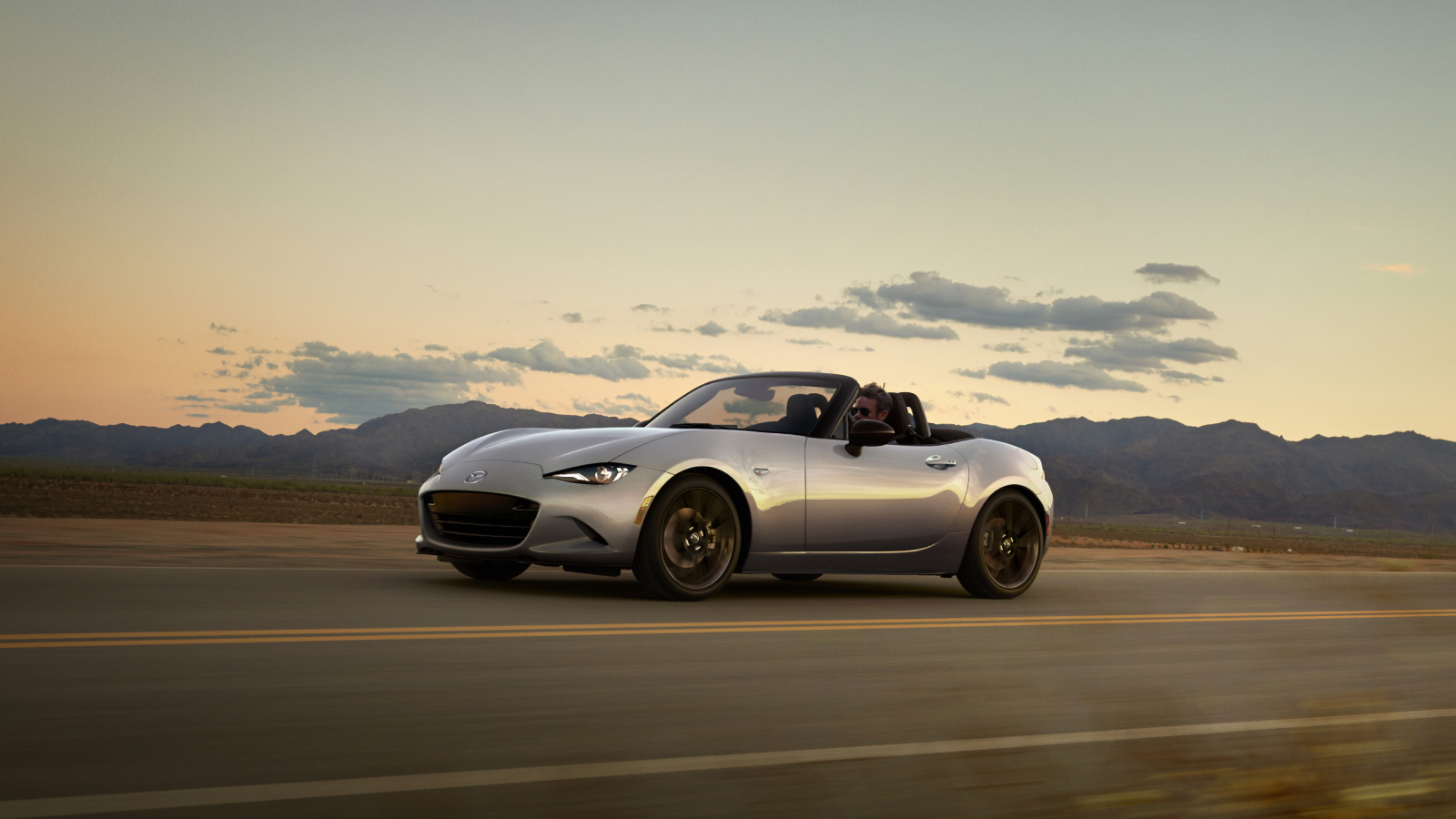
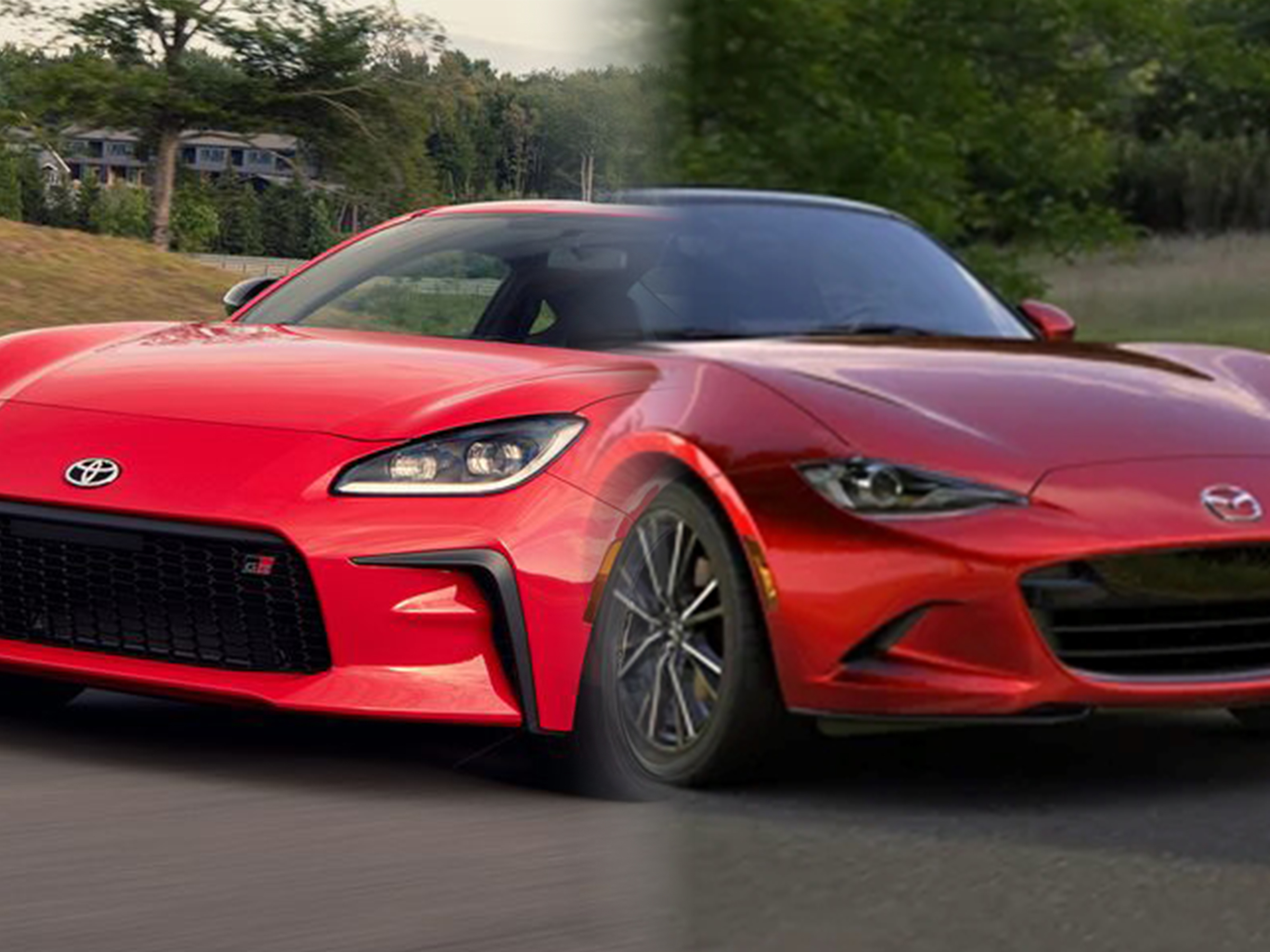 [PCauto] According to Japan's veteran automotive magazine "Best Car," Toyota and Mazda are exploring a joint development of the next-generation Mazda MX-5 or Toyota GR86.
Toyota and Mazda's collaboration has a solid foundation
In 2015, Toyota and Mazda established a strategic partnership, which was further elevated to a capital alliance in 2017. This collaboration extends beyond mutual vehicle supply—such as Mazda providing the MX-2 to Toyota and Toyota supplying commercial vans to Mazda—to include deep cooperation in electric vehicles, software-defined vehicles, and advanced safety technologies.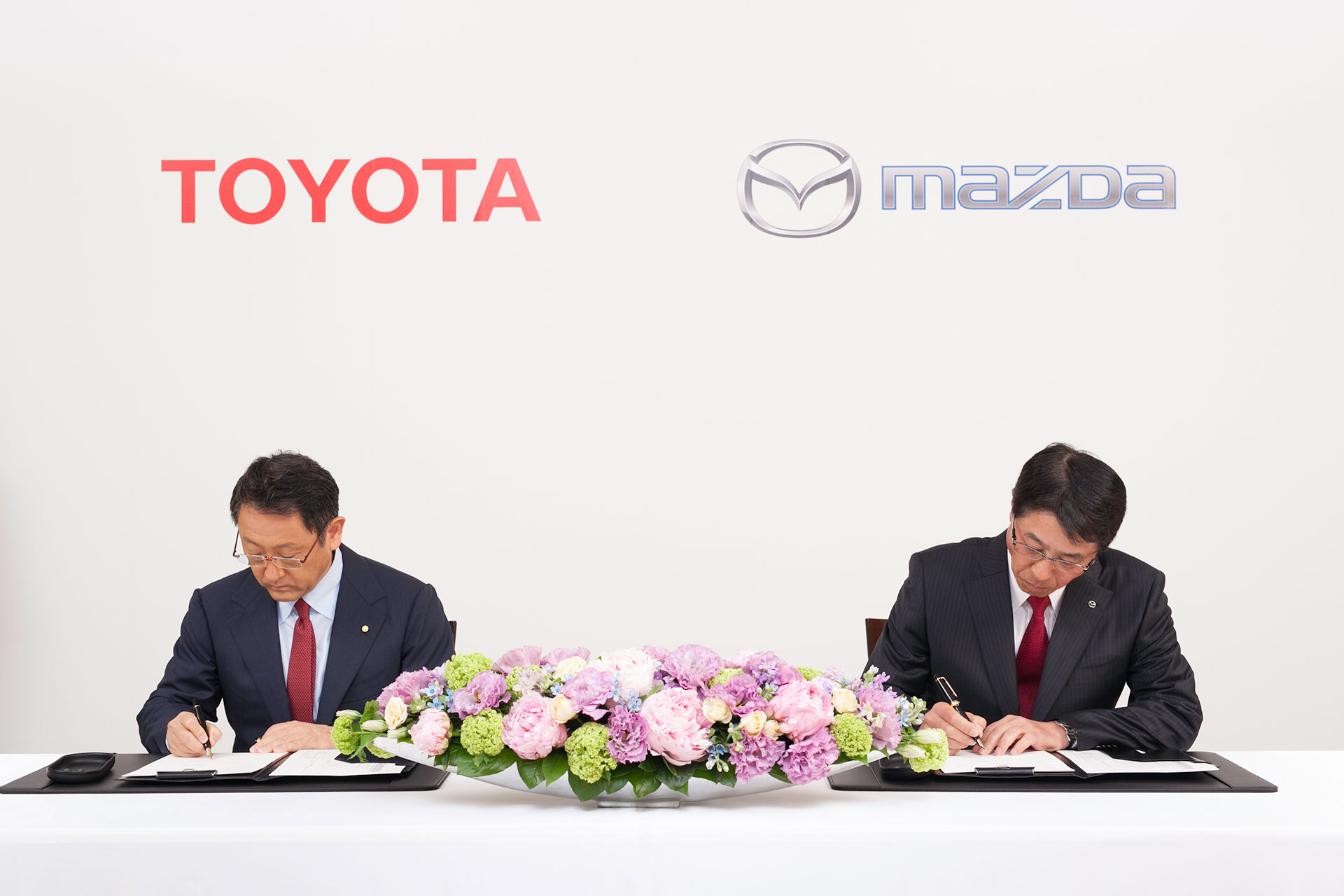
Why collaborate now?
The direct motivation for the collaboration lies in the current survival crisis of small sports cars. The limited target market and low sales volume make developing a unique platform for such vehicles prohibitively expensive for any automaker, as the costs cannot be effectively recouped.
Take the GR86 as an example. Its platform, shared with the Subaru BRZ, has served two generations. However, Subaru has scaled back its performance car investments due to stricter emissions laws and diminished market interest. Compounding these challenges, the failure of both models to meet the latest European safety regulations has led to the decision to withdraw them from the market.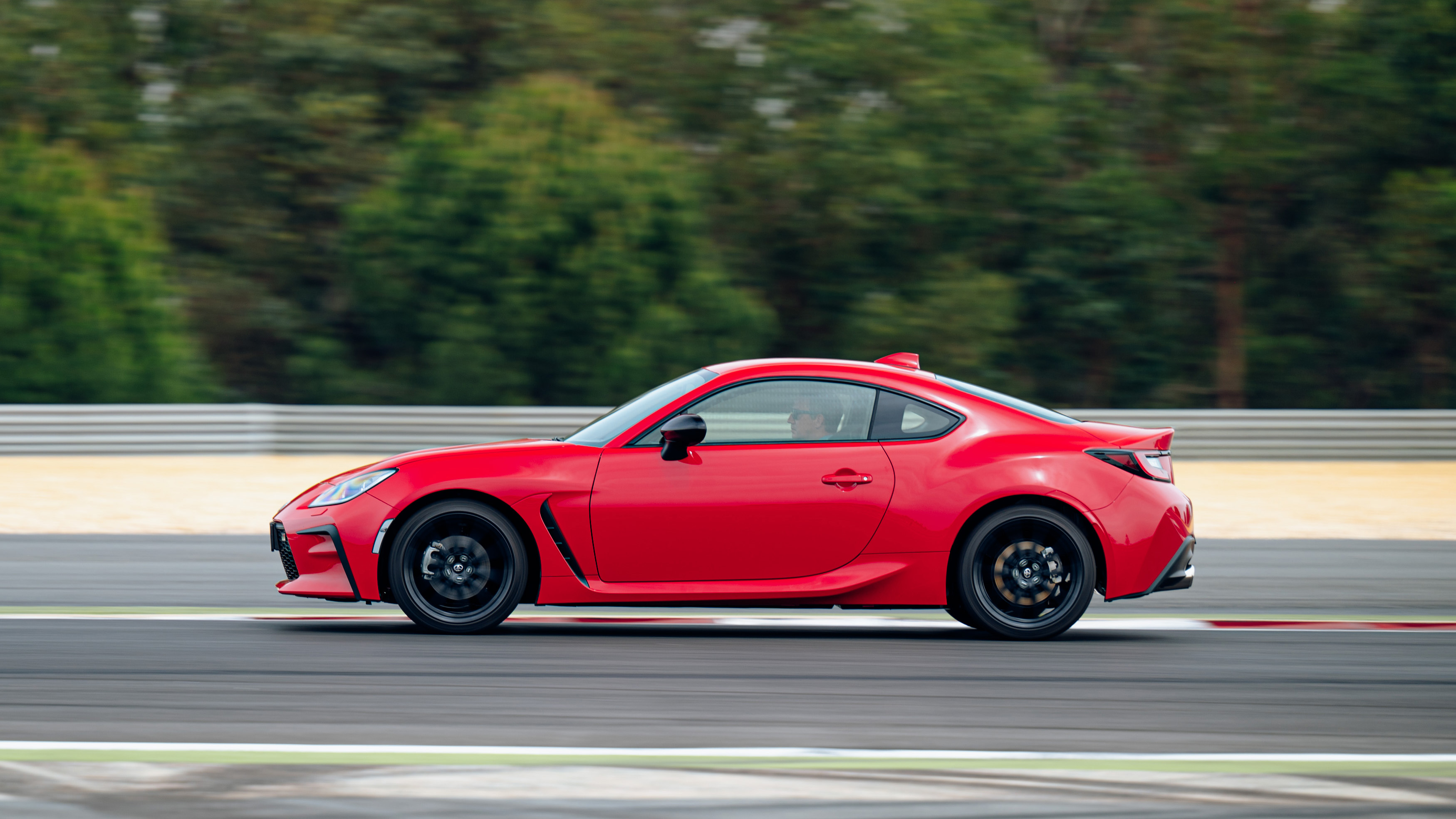
While the MX-5 maintains its title as the world's best-selling roadster (with over 1 million units sold since its 1989 debut), the cost of developing a dedicated new platform for electrification remains prohibitively high.
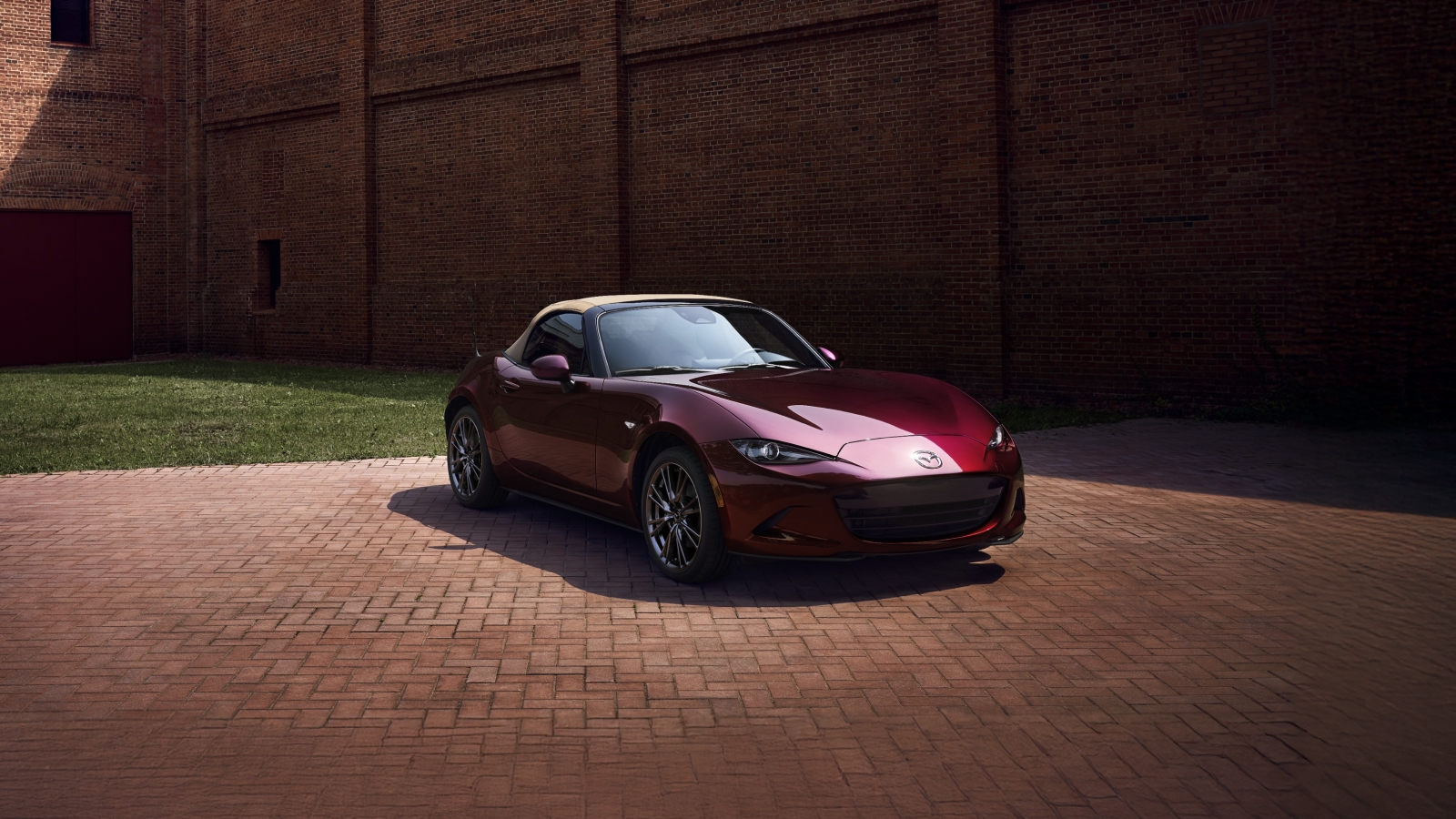
Successful cases in the past have already provided the answer: Toyota's joint development with BMW for the Supra (based on the Z4 platform) and the collaboration with Subaru on the BRZ/GR86 are prime examples of how collaboration has ensured the continuity of legendary vehicles.
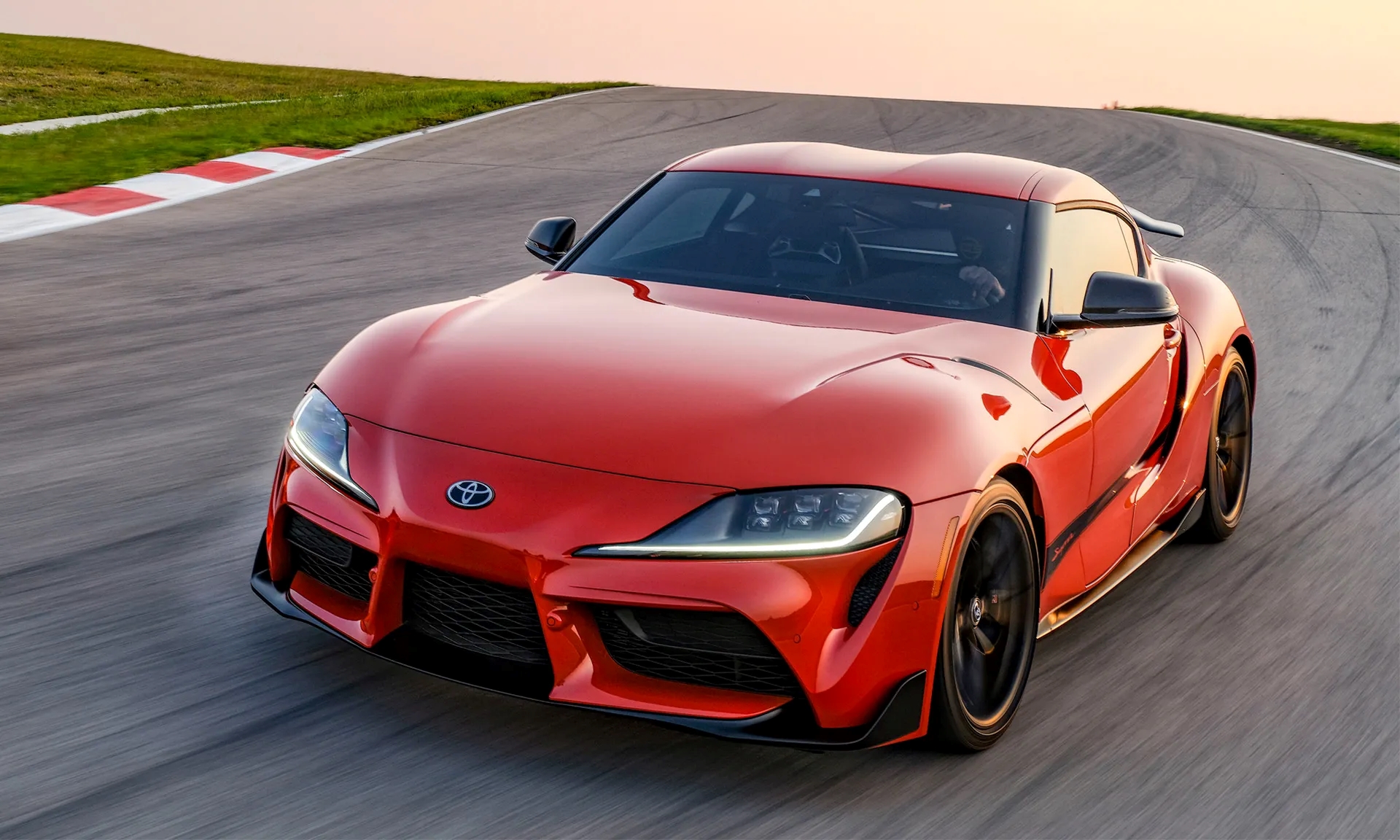
Mazda itself also has similar experience. In 2017, the MX-5 collaborated with Fiat to launch the 124 Spider. Despite sharing a platform, the two cars possess different powertrains and calibrations, showcasing the versatility of a unified architecture in spawning models with diverse driving personalities.
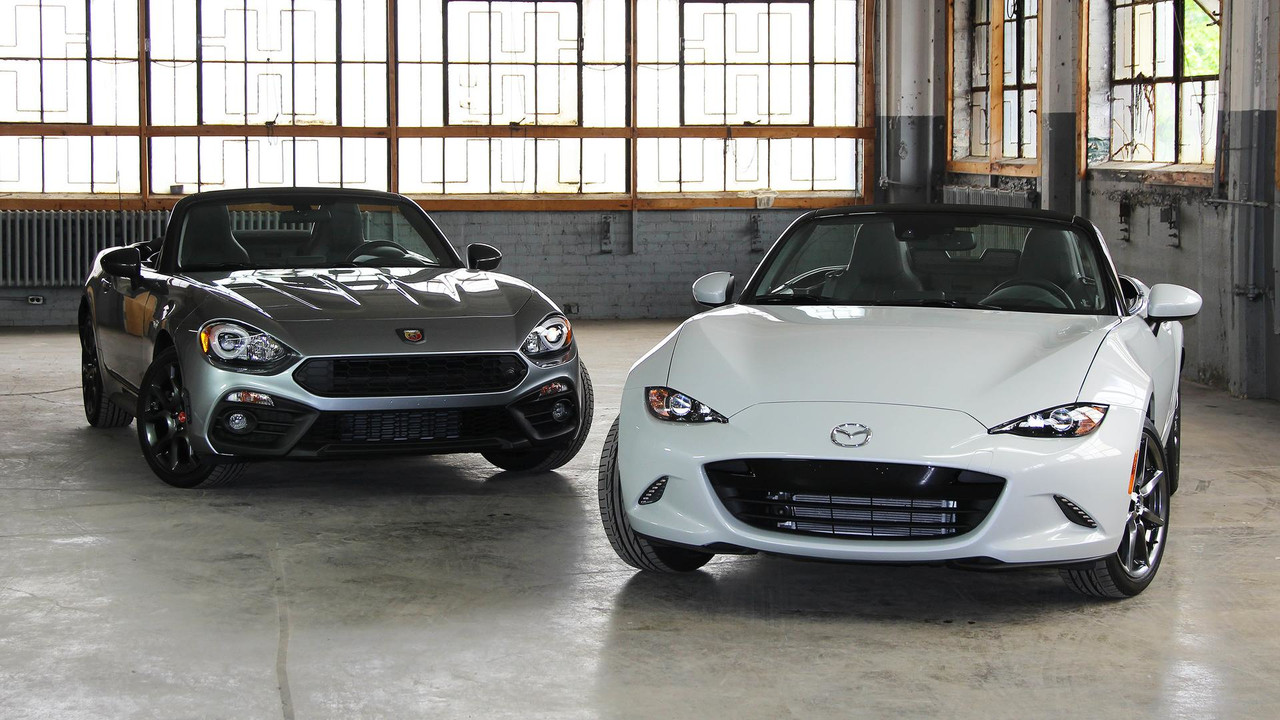
Division of Responsibilities in the Collaboration
According to "Best Car," the collaboration has entered a substantial phase of advancement : senior engineers from Mazda have been stationed at Toyota's headquarters in Toyota City, collaborating on the development of the next-generation model based on the current ND-generation MX-5.
Toyota has invested heavily to revise the lightweight platform of the MX-5, making it suitable for two distinct models.
Production will be handled at Mazda's Hiroshima plant, while Toyota will provide financial support to upgrade the facility and expand its capacity. This arrangement underpins Toyota's decision to have Mazda produce the GR86 under the partnership.
The powertrains of the MX-5 and GR86 may differ
The platform itself will be an evolved version of the ND-generation MX-5, benchmarked against the ultra-lightweight 990S model, which weighs just 990 kilograms. Its outstanding agility and handling are the core advantages Toyota values. Specifically:
• MX-5: Will retain its iconic two-seater layout, continuing its brand DNA of "lightweight and pure handling";
• GR86: The platform will be slightly extended to accommodate a 2+2 seating configuration, increasing practicality while maintaining the essence of a rear-wheel-drive sports car.
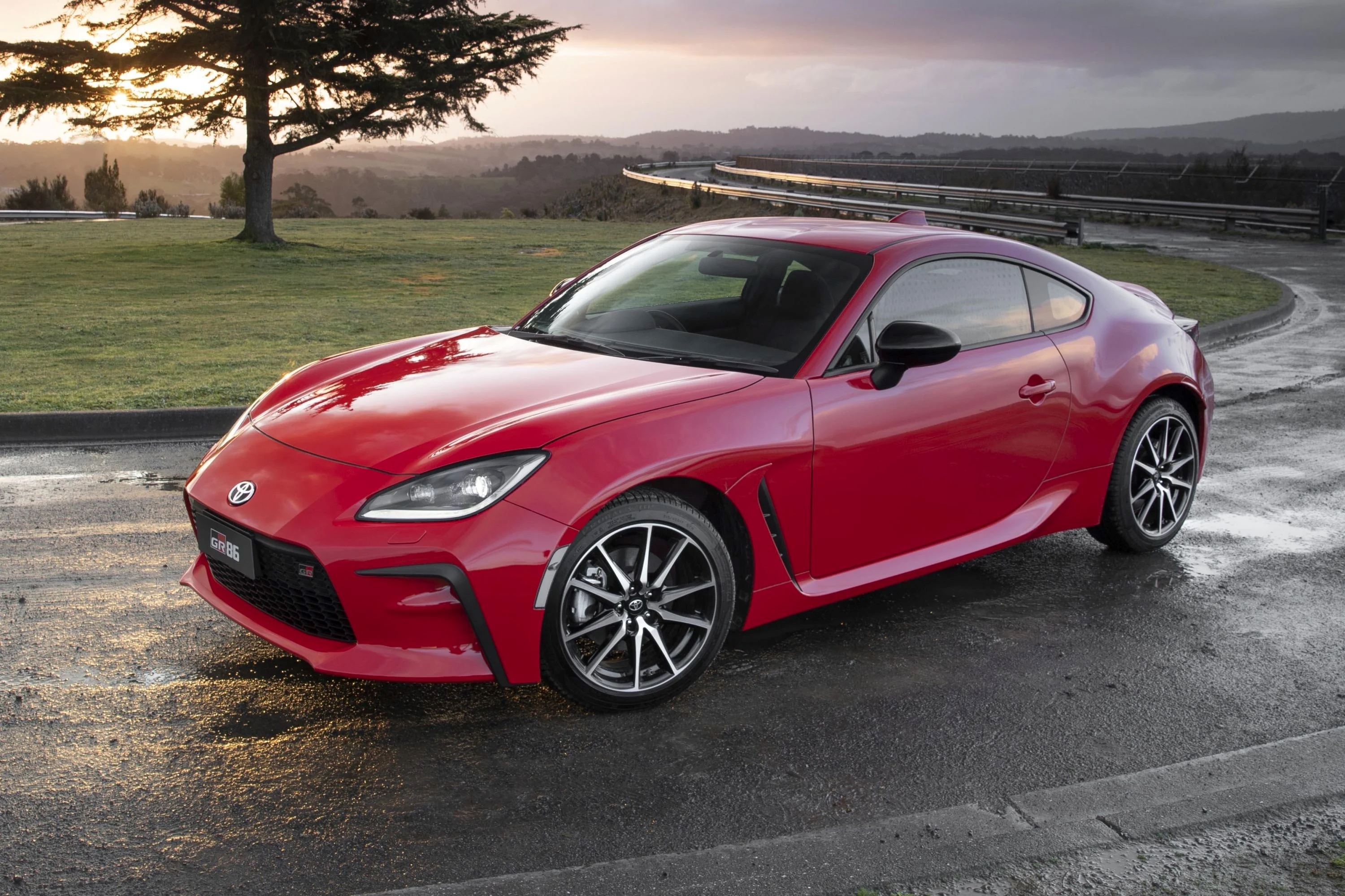
The difference in powertrains is key to maintaining the individuality of the two models.
Toyota plans to equip the GR86 with a naturally aspirated 2.0-liter four-cylinder engine, supplemented by a hybrid assist system, with an output exceeding 200 horsepower.
Mazda will make improvements based on the current 2.0-liter SkyActiv G engine and may also incorporate hybrid technology, aiming for an output close to Toyota's version.
While there was earlier speculation about the next MX-5 transitioning to a 2.5L SkyActiv Z-derived engine for "right-sizing," the focus has now shifted under the current partnership. The priority is now on adapting the ND platform to maintain cohesive driving dynamics across both vehicles.
This collaboration means that Toyota's existing partnership with Subaru may come to an end.
For fans of the MX-5 and GR86, the new-generation models possibly arriving in 2028 ,represent their last expectations for affordable sports cars.
In an era dominated by electrification and vehicle upsizing, this pure driving pleasure becomes even more precious. And that is precisely why these two Japanese manufacturers have joined forces.
If any infringement occurs, please contact us for deletion







Popular Cars
Model Year
Car Compare
Car Photo