
The redesigned Toyota bZ4X returns to Malaysia:Minor tweaks won't break the stalemate, long behind the competitive market.
 LienJan 09, 2026, 04:30 PM
The redesigned Toyota bZ4X Re-enters Malaysian Market
Its power and charging capabilities lag behind competitors like the XPeng G6
Conservative Innovations Struggle in a Competitive Market, Challenging Future Prospects
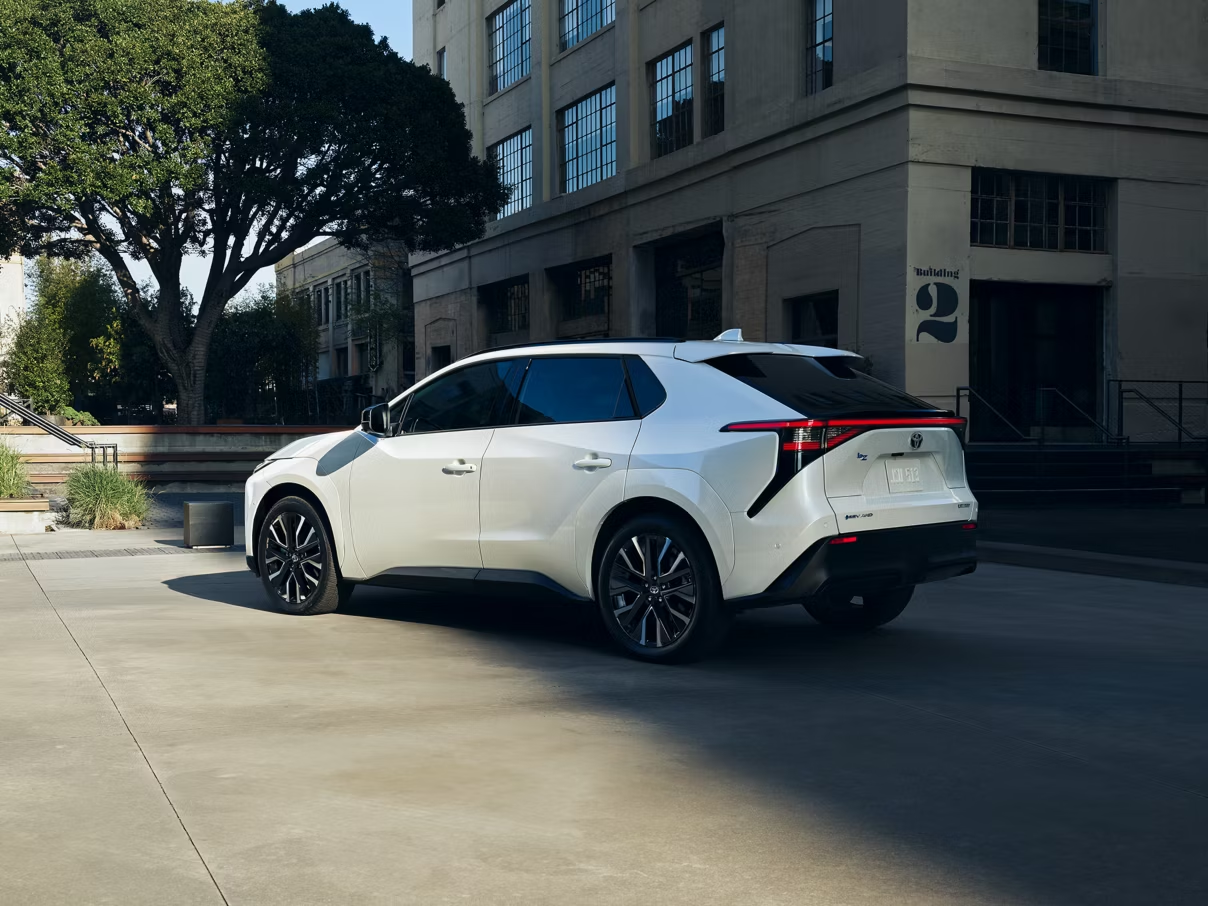
[PCauto] The Toyota bZ4X, which underwent a facelift last year, has now finally confirmed its re-entry into the Malaysian market. This pure-electric SUV was previously criticized in the market for its insufficient range and slow charging speed.
The updated version represents only a minor upgrade, which completely fails to keep up with the update pace of electric models in Malaysia.
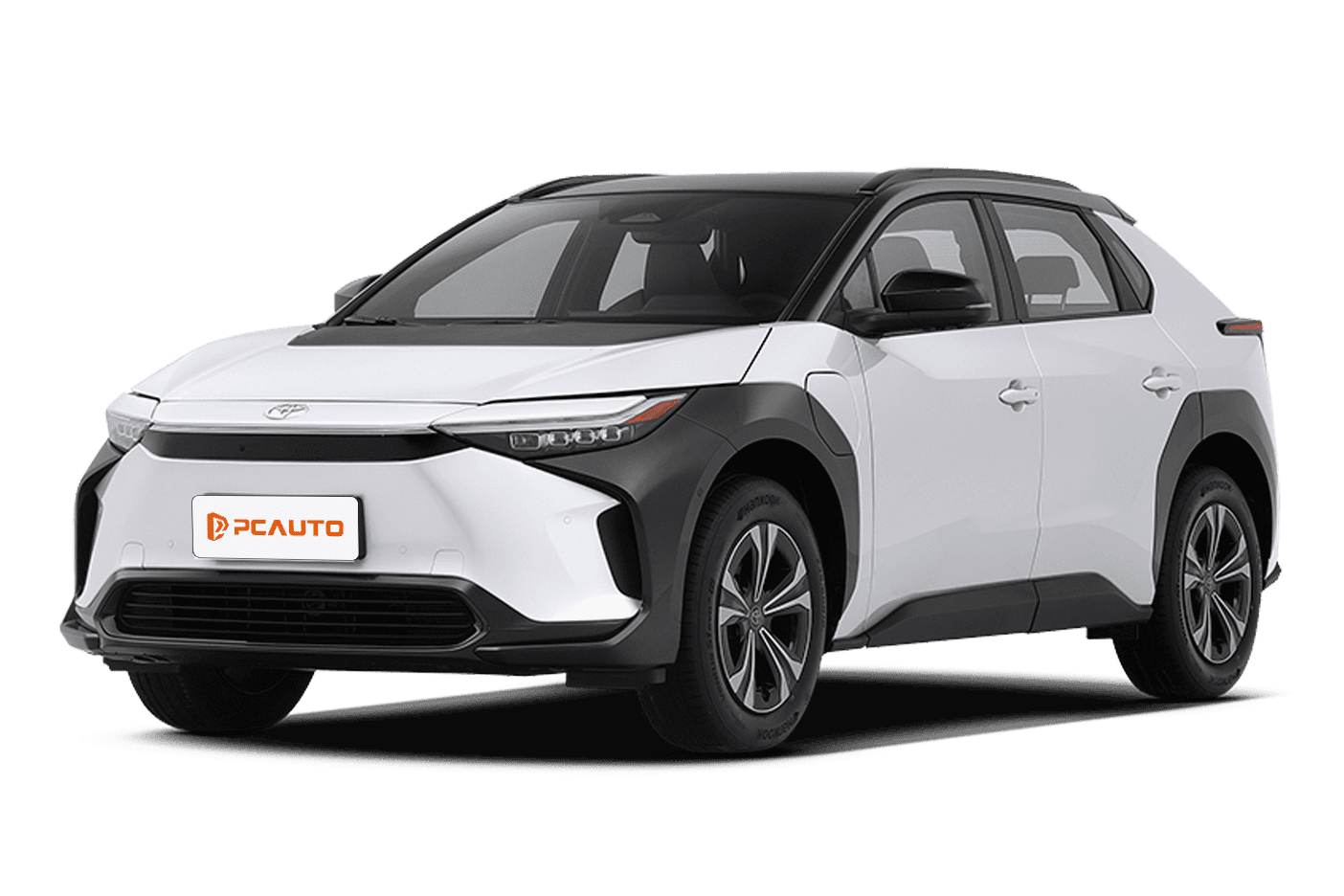
It’s worth noting that the pre-facelift bZ4X struggled with weak performance and low fast-charging efficiency, resulting in mediocre sales in multiple global markets.
It was initially expected that the facelift would address these issues, but it turns out that the changes were merely surface-level improvements. Facing the highly competitive Malaysian market, such updates clearly lack sincerity.
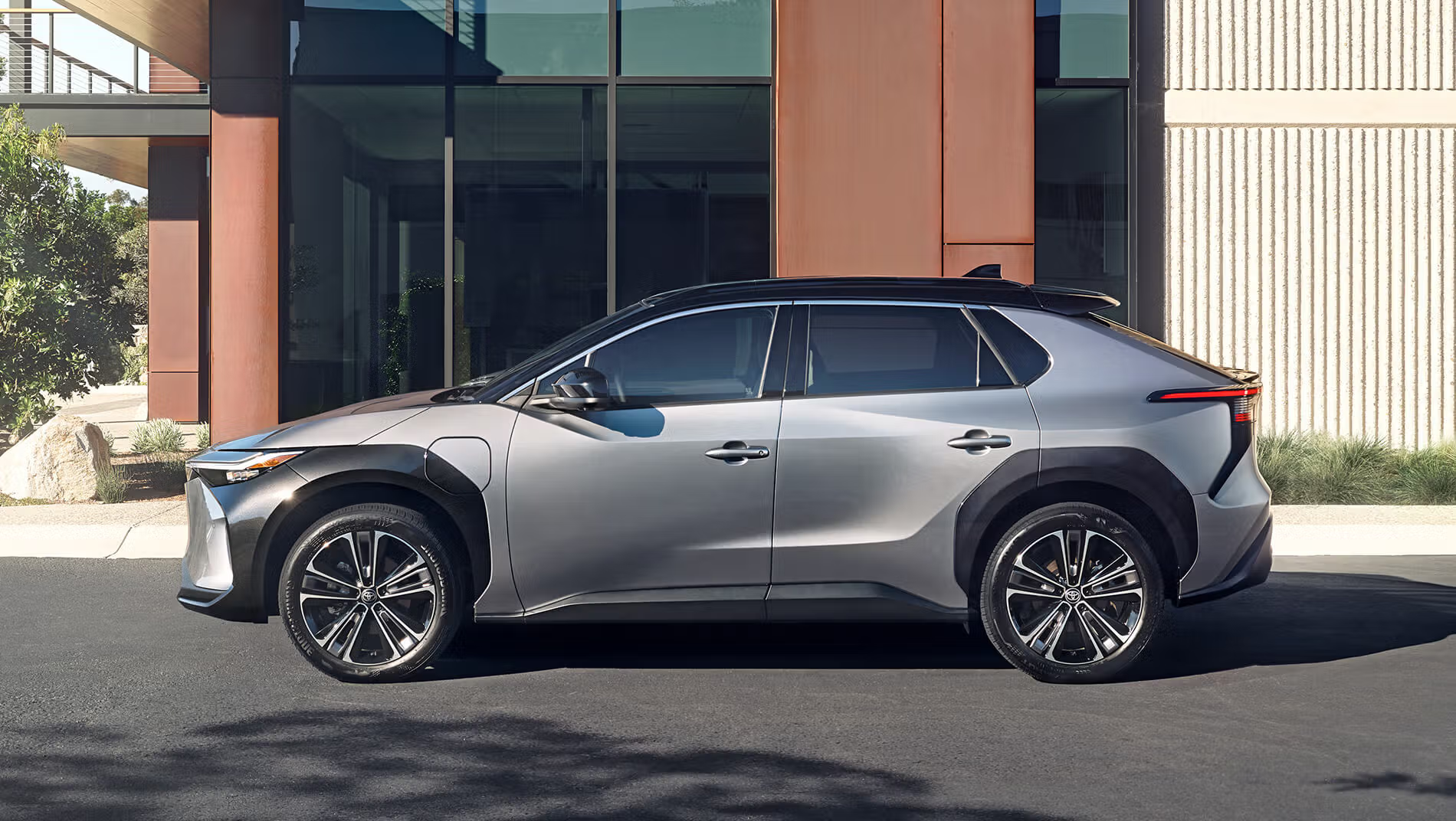
As a mid-size SUV built on the e-TNGA pure electric platform, the size specifications of the bZ4X are indeed suitable for urban road conditions in Malaysia. With a length of 4690mm and a width of 1860mm, it maneuvers easily in the city, while the 2850mm wheelbase ensures sufficient rear-seat space for family trips.
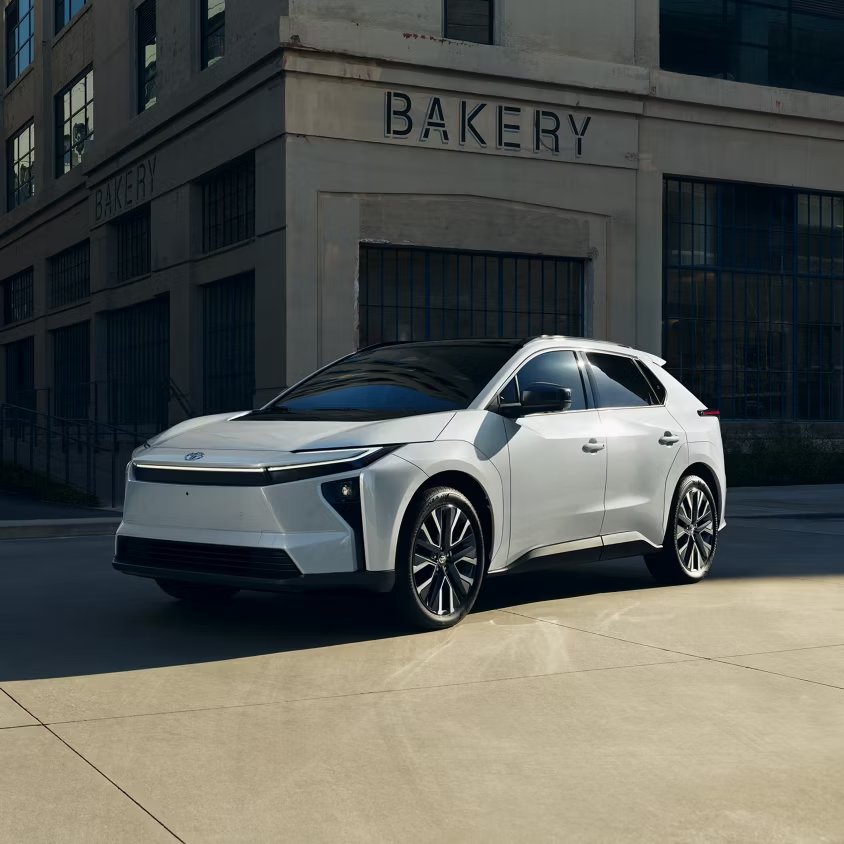
However, in a market where pure electric SUVs are competing for space, the spatial performance of this car can only be described as satisfactory.
It does not match the local adaptation advantages of the Proton e.MAS 7, nor does it compare to the space utilization of the XPeng G6 coupe SUV.
The two primary features it originally emphasized—urban maneuverability and family practicality—no longer hold much advantage in the face of strong competition.
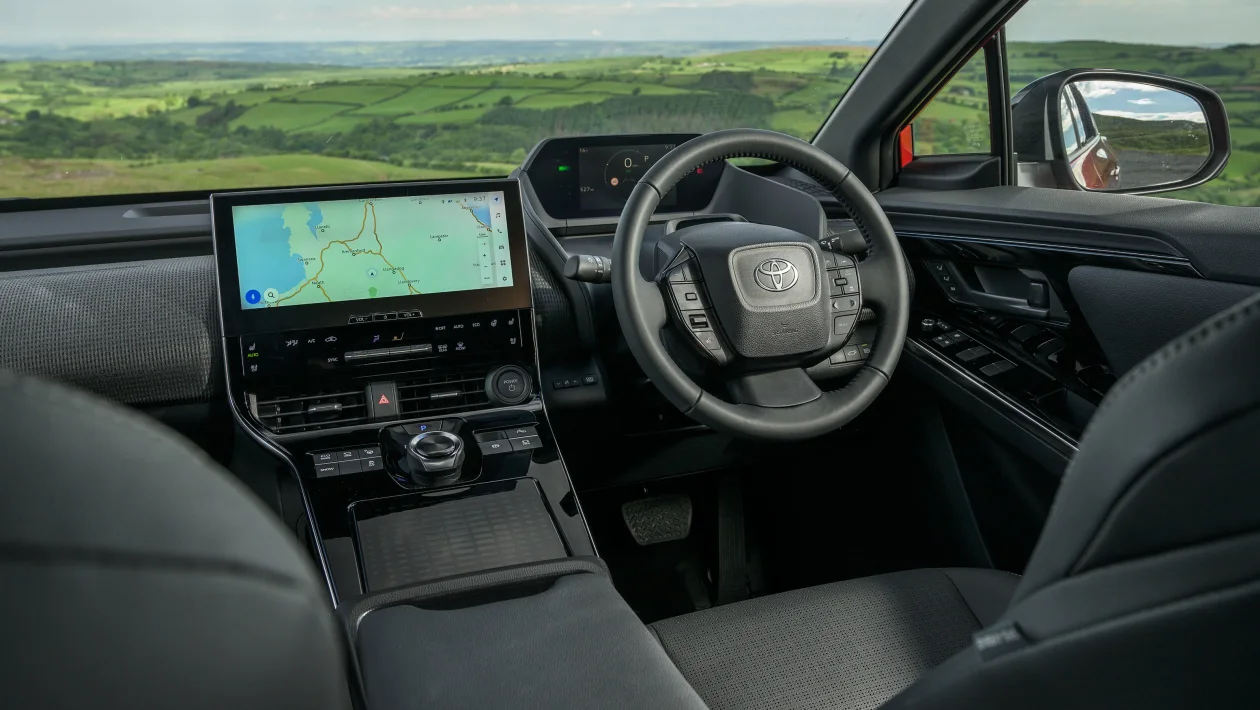
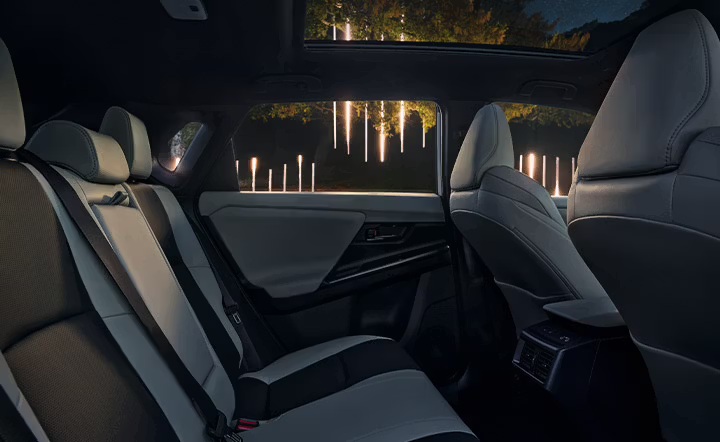 Since we are talking about pure electric vehicles, range is always an unavoidable topic. In this regard, the bZ4X is clearly well-prepared. The new car comes with two battery capacity versions:
- 71.4 kWh Standard Range Version
- 72.8 kWh Long Range Version
Referring to the WLTP standard in other global markets, the range is highly likely to fall within the 400-500 km range.
Judging from the endurance level of the bZ4X, whether for daily commuting or short to medium distance road trips, it can basically meet the needs of most users, alleviating the concern of range anxiety to some extent.
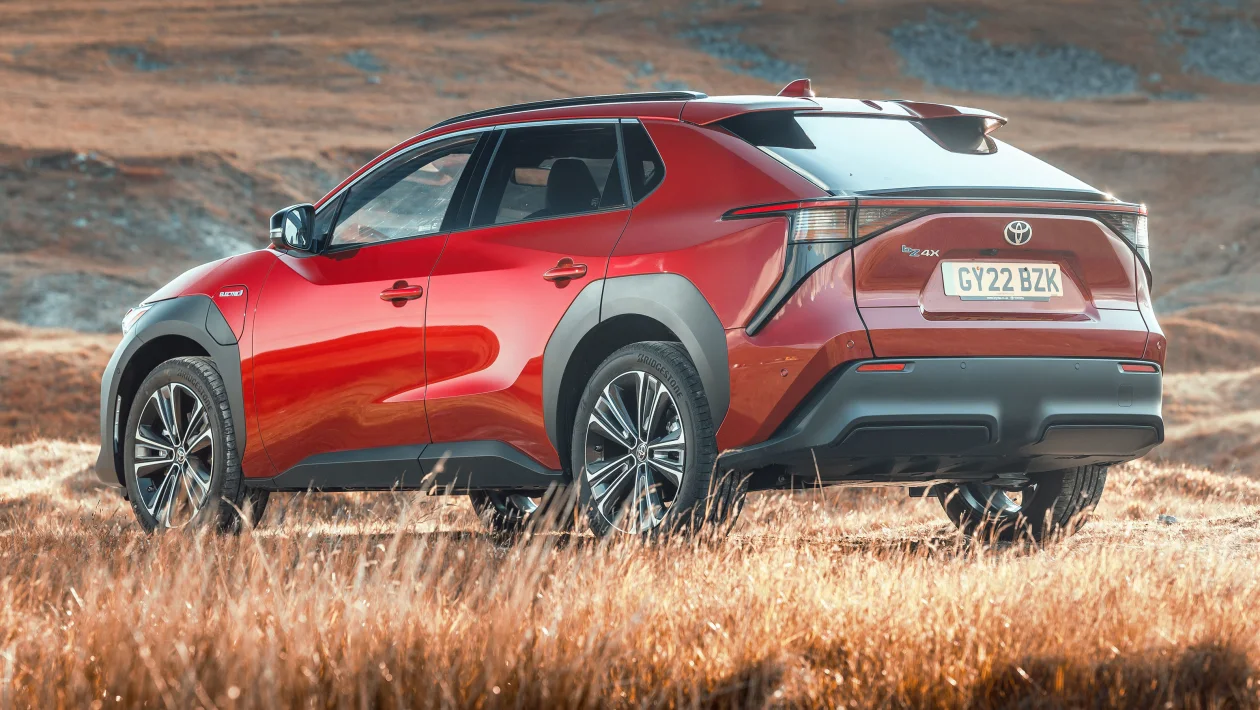
However, the performance gap is quite obvious. The power parameters of the bZ4X front-wheel drive version at 150 kW (approximately 204 horsepower) and the all-wheel drive version at 160 kW (approximately 217 horsepower) seem adequate for daily commuting, but when compared to the two versions of the XPeng G6 at 190 kW (approximately 255 horsepower) and 210 kW (approximately 282 horsepower), the performance difference is very significant.
The XPeng G6's 0-100 km/h acceleration can reach as fast as 6.2 seconds, with rapid starts and effortless overtaking, perfectly adapting to Malaysia's mountainous and sloping road conditions.
Even though the bZ4X emphasizes smoothness and stability, it cannot hide its sluggish power response. This kind of conservative tuning approach will likely dissatisfy young consumers who pursue driving dynamics, and it will be less competitive in performance-focused markets.
Additionally, the inherent inefficiency in energy replenishment is a fatal drawback of the bZ4X.
Even after the facelift, this car still only supports a maximum of 100 kW DC fast charging, taking about 40 minutes to charge from low power to 80%. Such speed is already lagging behind in the current pure electric market.
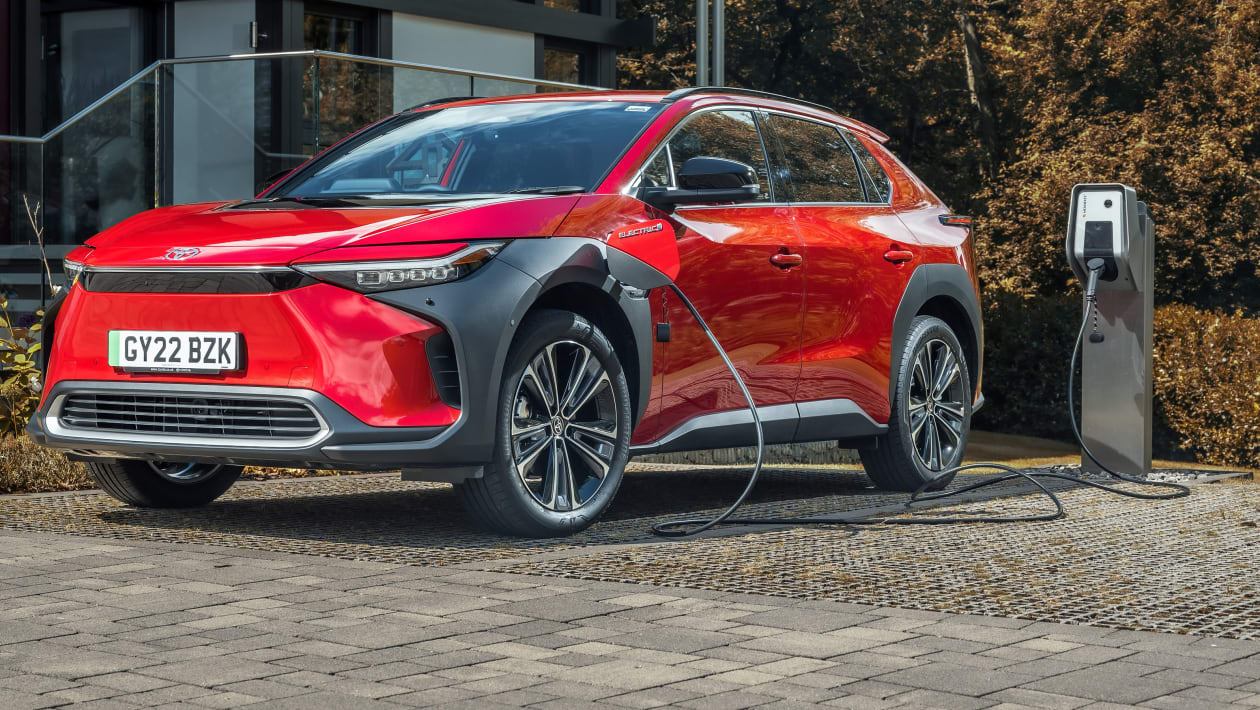
In contrast, the XPeng G6 is equipped with an 800V high-voltage platform, and the long-range model supports fast charging power of up to 280 kW, charging from 10% to 80% in just 20 minutes, offering a very fast charging speed.
More importantly, while the bZ4X’s 11 kW household AC slow charging only meets basic usage demands, the XPeng G6 is already equipped with a higher power home charging solution.
The gap in energy replenishment experience between the two just happens to address the core concerns of Malaysian users regarding charging convenience, significantly diminishing the practical value of the bZ4X.
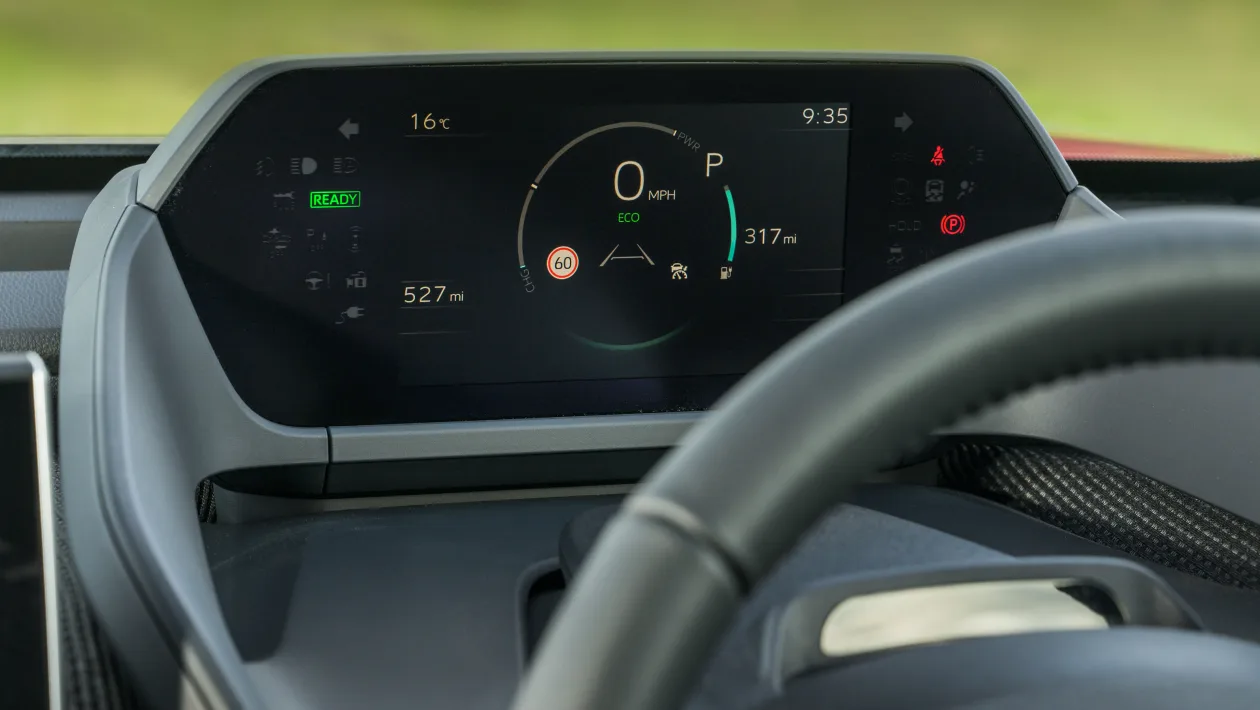
After discussing the product itself, let's take a look at the current competitive landscape of electric vehicles in Malaysia. The Malaysian pure electric market is no longer at a stage where launching a product guarantees successful sales.
In 2024, the total registration of pure electric vehicle models reached 21,789 units, a year-on-year increase of over 60%, but the penetration rate is still less than 8%. Behind such numbers lies intense competition between Chinese brands, local brands, and leading overseas brands.
BYD and Chery are competing for mid-market share through significant price cuts; Proton e.MAS 7 has become a best-selling model in the market by leveraging the advantages of localized production; Xpeng G6 competes with a high cost-performance ratio at a price of 165,800 MYR and has also initiated a localization production plan to pave the way for long-term market dominance.
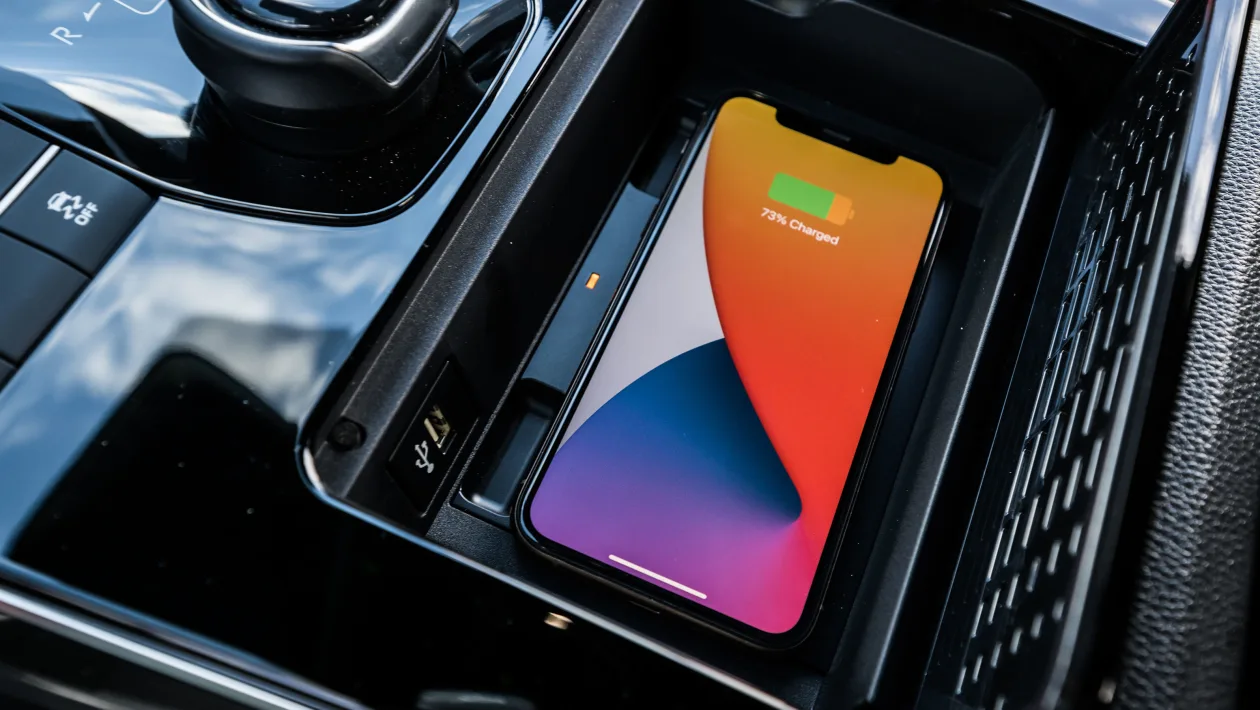
In contrast, the bZ4X neither has the cost-lowering advantage of localized production like Xpeng and Proton nor the brand premium support to justify its pricing like BYD and Tesla. Moreover, it lags behind competitors in the three key areas of power, range, and charging.
Toyota’s brand legacy has long ceased to be an advantage in the pure electric market, where users place greater emphasis on the hard strengths of products. The practicality touted by the bZ4X has already been covered, or even surpassed, by competitors' products.
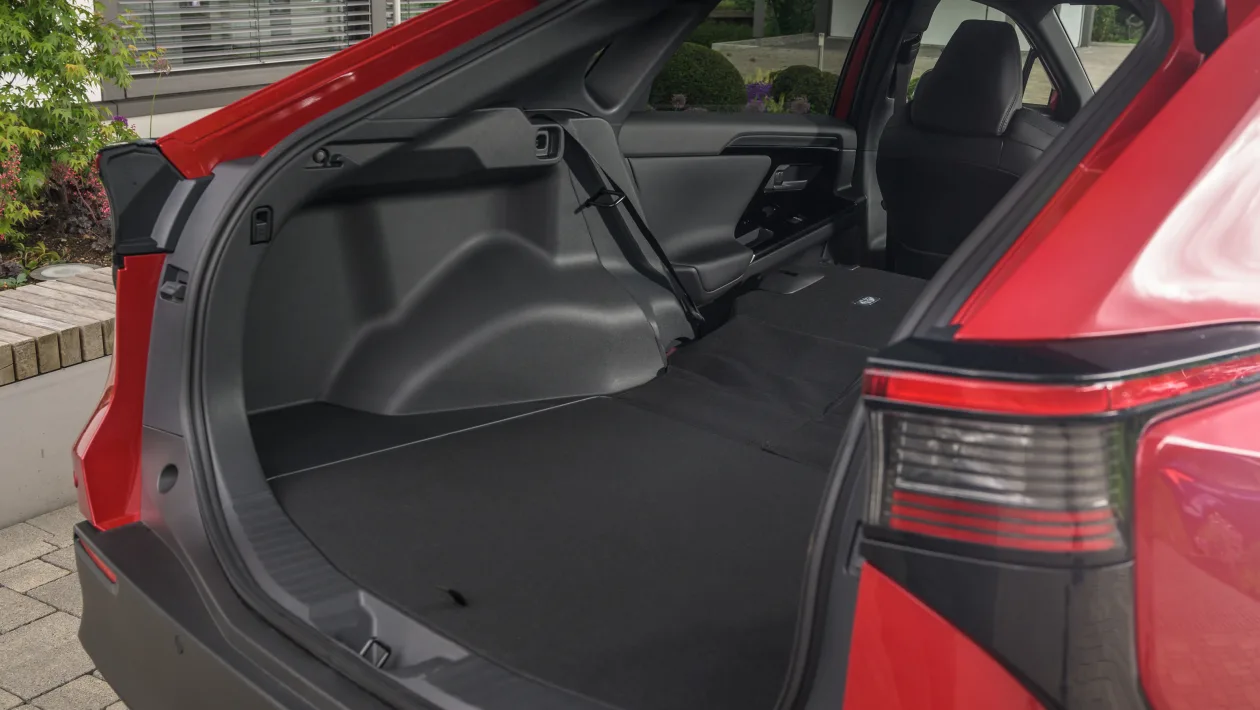
If the bZ4X does not adopt a sufficiently competitive pricing strategy, solely relying on its current product strength, it is likely to be overlooked in the intense market competition.
After all, consumers in Malaysia now have plenty of choices.
- Looking for cost-effectiveness: BYD, Chery;
- Looking for excellent smart features: Xpeng G6;
- Trusting local brands: Proton e.MAS 7;
- Looking for premium brands: Tesla.
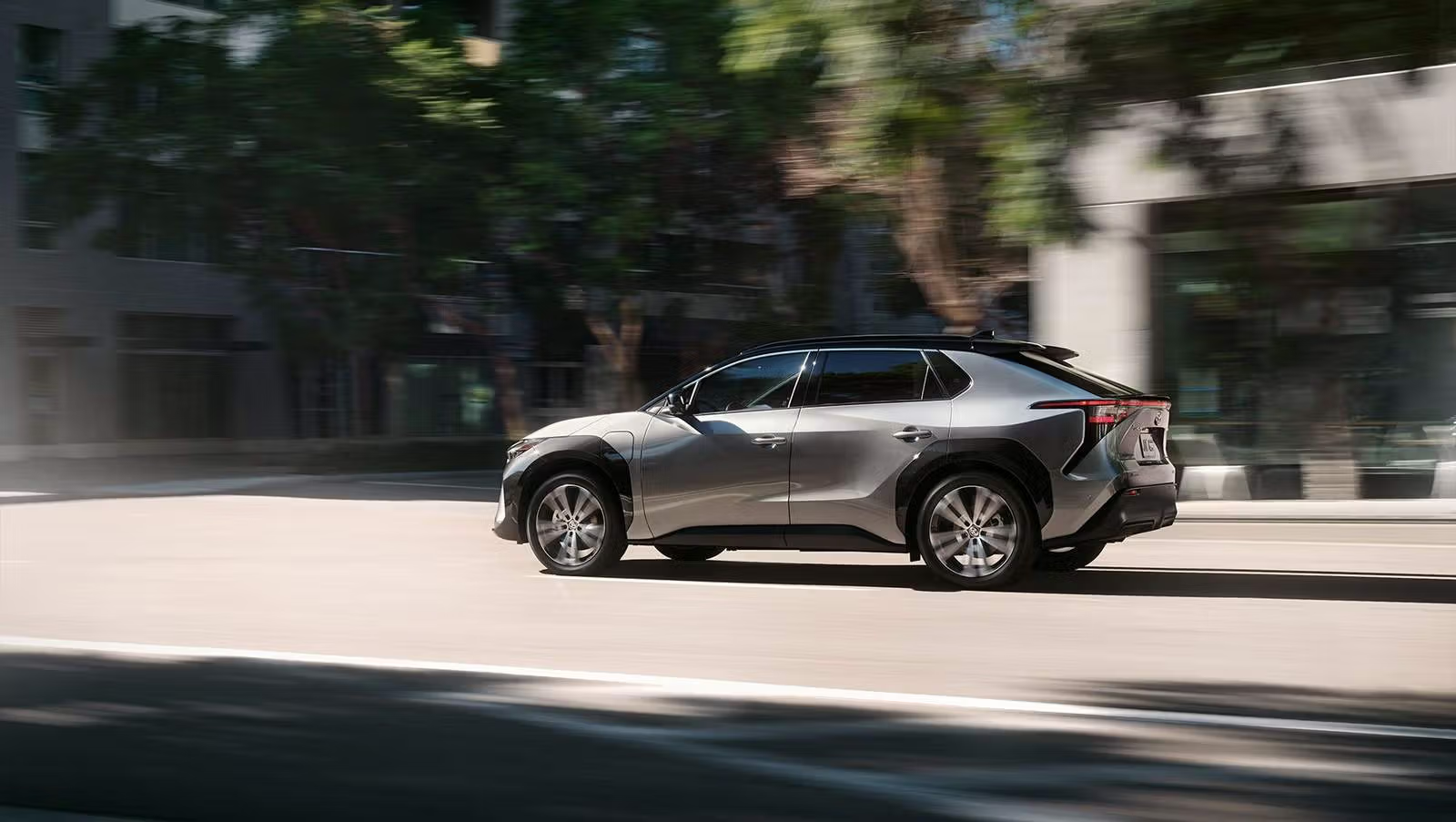
Toyota's conservative style has caused the bZ4X facelift to miss the opportunity to catch up.
It failed to address the core issues of the pre-facelift model and did not keep up with the pace of fierce market competition, ultimately making it a qualified but lackluster product.
Under the harsh rule of the pure electric market where not making progress means falling behind, if the bZ4X cannot quickly adjust its strategy and address the product's shortcomings, it might not only fail to attract new users, but even consumers who originally liked the Toyota brand could be swayed by the sincere offerings of other brands.
Ultimately, it might only become an insignificant player in the Malaysian pure electric market.
If any infringement occurs, please contact us for deletion
Trending News

2026 Toyota Hilux Travo released, the brand-new exterior and interior are highly anticipated
If you're considering buying a Hilux, honestly, the comprehensive innovations in the ninth generation are worth waiting for. While the current model might still have some advantages in terms of reliability and price, the new model offers significant changes in terms of exterior and interior luxury, tech features, and powertrain options.

Perodua Traz VS Ativa, which one is more worth buying?
Traz, as a newly launched mid-sized SUV, offers more spacious room and mainstream power compared to small SUVs, but its pricing appears slightly higher than that of Ativa. Ativa, on the other hand, is Perodua's long-time best-selling small SUV with more affordable pricing and a balanced combination of power and tech features.

Perodua Myvi and Bezza may undergo major upgrades in 2026
After the update, the Bezza will no longer be just a low-cost alternative but a core model in the Perodua system with greater market competitiveness and brand premium potential. The upgrade of the Myvi is not to be unconventional but to strengthen the brand and market, ensuring that the Myvi continues to maintain its irreplaceable position in the new round of product competition.

Which one is better, Honda City or Toyota Vios?
When choosing a compact sedan, Honda City and Toyota Vios are often two options that make people weigh repeatedly. You might be attracted to the dynamic design of the Vios but also be captivated by the City.

Perodua Traz VS Toyota Yaris Cross, where does the Traz fall short?
Before the official launch of the Perodua Traz, market expectations were actually very high because it shares the same DNGA platform as the Toyota Yaris Cross. However, sharing the same platform does not equate to the same experience, and the Traz's final performance has indeed been disappointing. Perhaps it is precisely because of the delayed launch that it has almost no competitiveness in the current competitive environment.








Popular Cars
Model Year
Car Compare
Car Photo