
It's been a year - why hasn't Nissan collapsed yet?
 JohnJan 12, 2026, 02:08 PM
[PCauto] A year ago, Nissan internally assessed that, without a turnaround in its business conditions, its cash flow would only be sufficient to sustain operations for about another year.
As 2026 begins, a year has passed with no turnaround in sight for Nissan. Its cooperation talks with Honda have collapsed, global sales continue to slide, and profitability remains elusive. To bolster its cash position, Nissan sold its global headquarters in Yokohama by the end of 2025.

Nissan’s Global Sales Continued to Decline in 2025
According to Nissan's latest financial report (FY25 first half), global retail sales totaled 1.48 million units, a decline of 7.3% year-on-year, with drops in the Chinese, Japanese, and European markets. North America was one of the few markets that did not decline, but it was unable to offset the overall downturn. This resulted in Nissan dropping out of the global top 10 sales rankings for the first time in 16 years.
The sales situation did not improve throughout the second half of 2025. According to third-party data, by November 2025, Nissan's cumulative sales stood at approximately 2.93 million units, down about 4.1% year-on-year, with September and October declines ranging from roughly 3.6% to 4.8%.
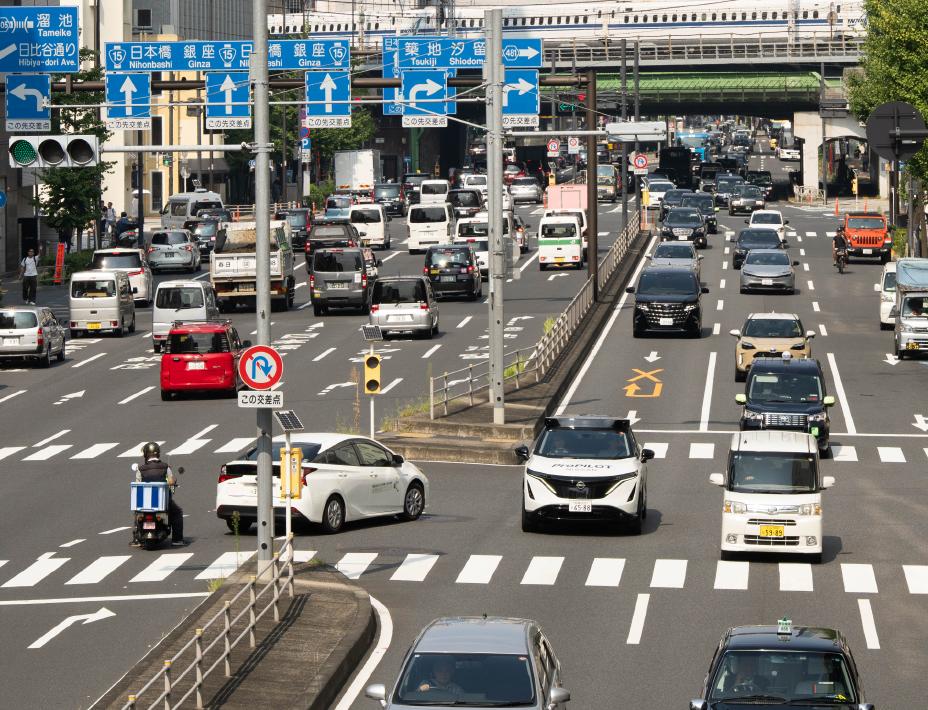
But Nissan Still Holds a Cash Flow of 1 Trillion Yen
By any measure, this does not resemble a company in recovery. Surprisingly, however, Nissan has not encountered the dire challenges it anticipated a year ago.
The latest financial report (FY25 H1) shows that as of the end of September 2025, Nissan's automotive business net cash stood at 990.9 billion yen, close to 1 trillion yen. Simultaneously, CFO Papin stated in the report that Nissan's net cash is projected to exceed ¥1 trillion by the end of FY25 (March 2026).
In other words, Nissan's automotive business still holds close to ¥1 trillion in net cash, sufficient to cover nearly two years of R&D, plant operations, and supply chain expenses.

How Did Nissan Manage to Keep This 1 Trillion Yen in Cash?
This 1 trillion yen was not earned by Nissan, but saved.
Actively Reducing Car Production
In FY25 H1, while Nissan's global retail sales fell by 7.3% year-on-year, its global production contracted by 10.8%.
This indicates that Nissan intentionally reduced production at a faster rate than sales declined. For a manufacturer, lower production may worsen short-term metrics but directly reduces fixed costs and inventory carrying costs.
Reducing Vehicle Inventory
This is related to Nissan's production reduction. In the first half of 2025, Nissan's global inventory decreased by about 90,000 vehicles year-on-year. The company also emphasized more refined management of dealer inventory.
In other words, faced with declining sales, Nissan avoided artificially propping up numbers by forcing inventory onto dealers and instead proactively slowed wholesale shipments. This inventory reduction prevented cash from being heavily tied up.
No Participation in Price Wars in Core Markets
From a regional performance perspective, North America and China are Nissan's most important markets, and also the ones where price cuts can most easily drive sales.
The outcome is telling: Nissan's North American sales achieved modest growth in FY25 H1, and the Chinese market showed gradual stabilization in H2. However, there were no signs of the short-term sales spikes or sharp profit erosion characteristic of price wars.
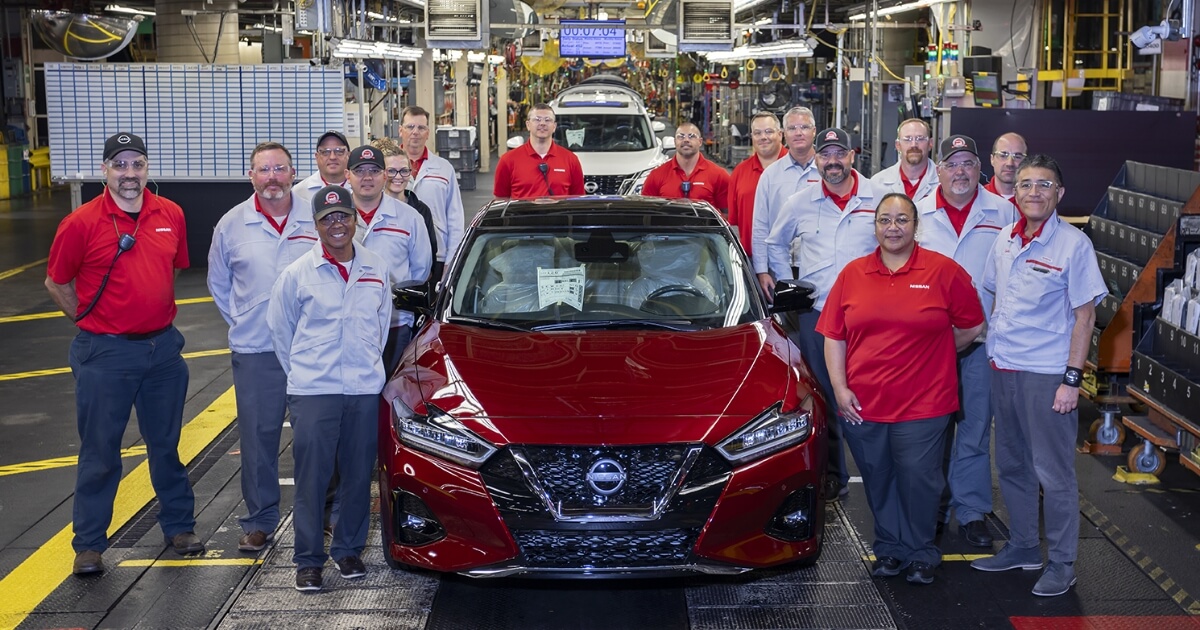
Nissan's Strategy Reduced Cash Consumption
Under Nissan's strategy, in the first half of FY25, Nissan achieved a reduction of 80 billion yen in fixed costs, significantly reducing its cash consumption rate.
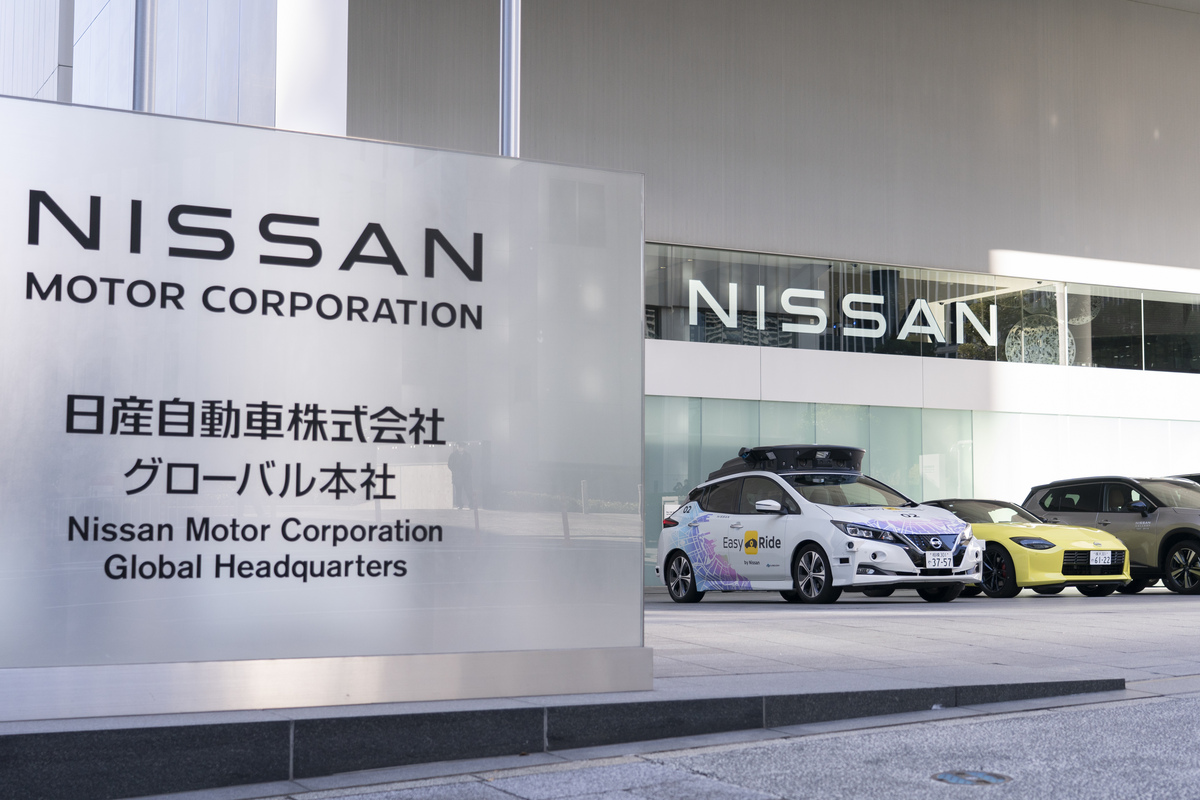
Secondly, Nissan sold and leased back its global headquarters in Yokohama in a ¥97 billion transaction. This sale-leaseback is expected to generate ¥73.9 billion in income over subsequent fiscal years, further bolstering its cash reserves.
During the same period, Nissan expanded its unused credit limit to 2.33 trillion yen and maintained a total liquidity level of 3.6 trillion yen, further reducing short-term liquidity risks.
Nissan avoided many decisions that could have quickly depleted cash this year, which is why nearly 1 trillion yen in net cash from its automotive business was preserved.
Rogue Becomes an Important Lifeline for Nissan
Earlier, we discussed how North America is one of the few markets where Nissan is still growing, achieving approximately 2% growth in the first half of 2025.
In fact, North American sales growth is not driven by technological breakthroughs or entirely new models, but by a long-established core product: the Rogue, with a starting price of $29,090.
The Rogue accounts for 38% of Nissan's U.S. sales and has previously achieved annual sales nearing 250,000 units, contributing an annual operating profit of approximately ¥100-120 billion.
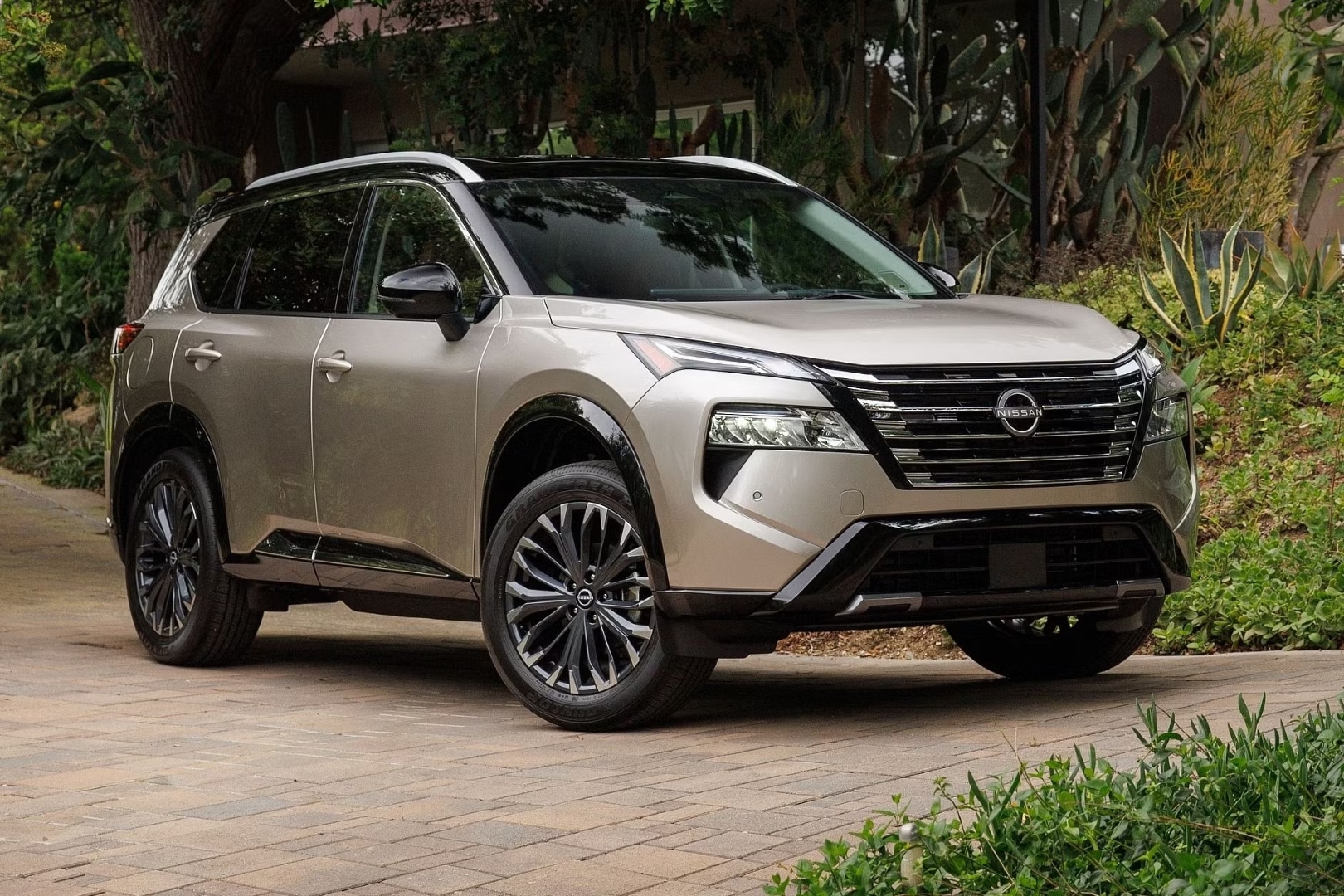
The Rogue is a highly localized midsize SUV with long-standing U.S. production, a mature supply chain, and a proven manufacturing system. Its highlights include a reliable 1.5T VC-Turbo engine, a stable all-wheel-drive system, and durability long-verified by North American users.
You won’t see the Rogue undergoing drastic redesigns, rapidly adding features, or offering quick discounts in a short period. It doesn’t sell quickly, but it sells steadily.

To further boost Rogue's sales, Nissan decided to launch e-POWER and PHEV versions of the Rogue this year.
Benefiting from cost reductions in the third-generation e-POWER system, and with the PHEV variant adopting the existing Mitsubishi Outlander PHEV technology, the WLTP-rated pure-electric range can reach up to 80 km. As long as the hybrid version of the Rogue reaches a 30% market share by 2026, an additional profit of approximately 10-20 billion yen per year can be generated.
Launch of Nissan N7 in China in Collaboration with Dongfeng
As a market equally critical as North America, China has seen sustained sales declines in recent years. To counter this trend, Nissan and its local joint venture partner, Dongfeng Motor Group, have jointly launched the Nissan N7.
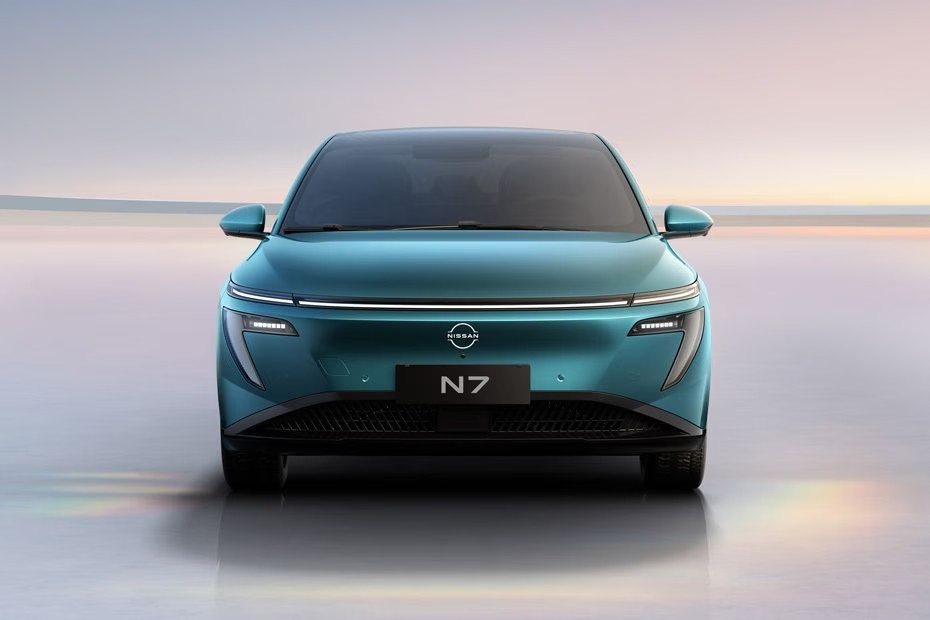
The Nissan N7 is a very practical pure electric sedan. Unlike concept cars that focus on advanced technology or high prices, the development of the N7 is entirely based on the needs of Chinese families. It employs a new chassis architecture, emphasizing intelligence and comfort, and is tailored specifically for local family daily use. With a starting price of ¥119,900, it falls within the acceptable range for mainstream local families.
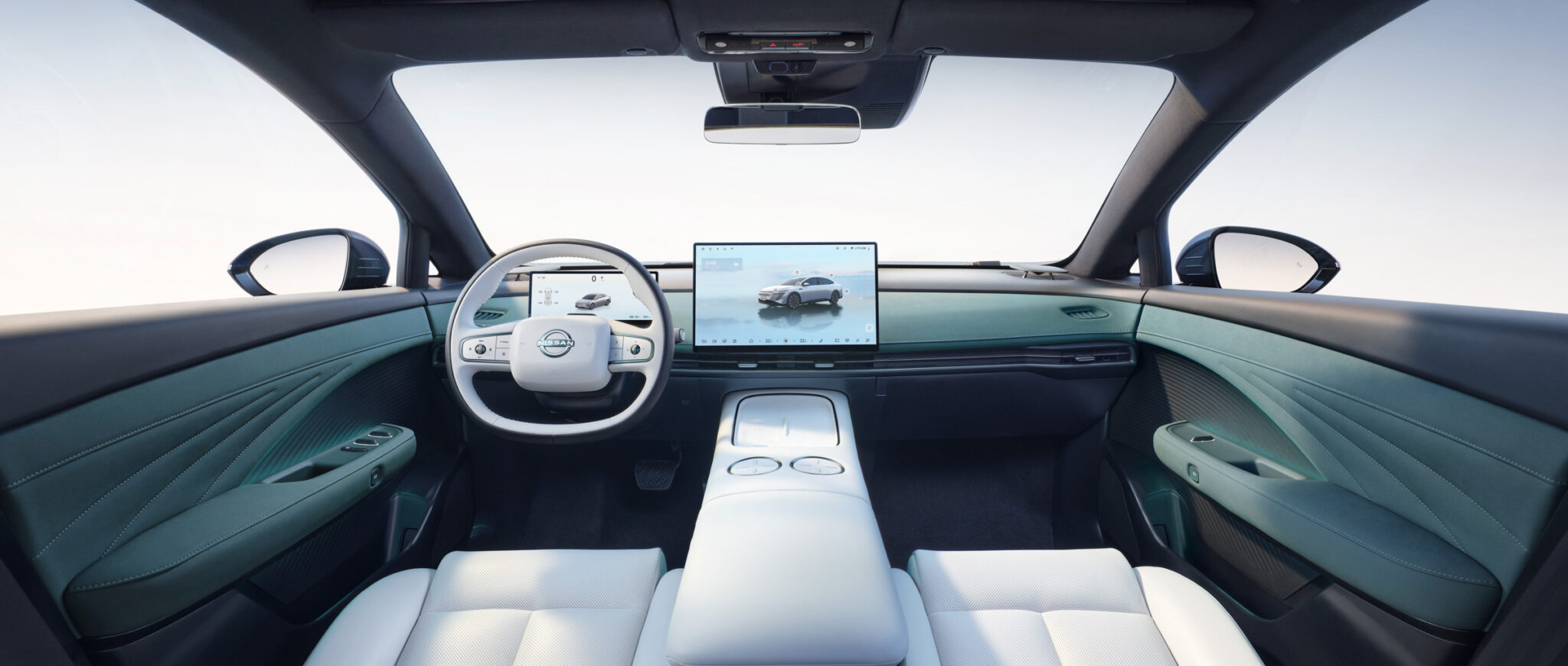
The N7 offers multiple battery versions, with the long-range model capable of a range of 625 kilometers (CLTC). The spacious interior is equipped with an intelligent driving assistance system and advanced chips, balancing comfort and technology. These attributes make the N7 a relatable and accessible product for local consumers, with a low entry barrier, requiring little market education, and exerting minimal pressure for deep discounting.

Post-launch market performance validated the soundness of Nissan's product strategy. Within weeks, the N7 garnered tens of thousands of orders, with sales surpassing 10,000 units within just 45 days of the start of deliveries.
Although its sales figures lag behind certain local Chinese electric vehicle brands, amid Nissan's current pressures in the Chinese market, it is sufficient to stabilize the channels and prevent Nissan from increasing losses due to inventory backlogs and price wars.
Nissan Places Its Growth Expectations in Emerging Markets
In response to the consumption characteristics of emerging markets, transitioning from "feature phones to smartphones" (similar to the mobile phone market), Nissan prioritizes high-value fuel SUVs.
For instance, Nissan has introduced the India-produced Nissan Magnite to Southeast Asia. Thanks to local Indian production, the per-unit cost is 15% lower than imported models, contributing to an 8% year-on-year sales increase in the region during FY25 H1.
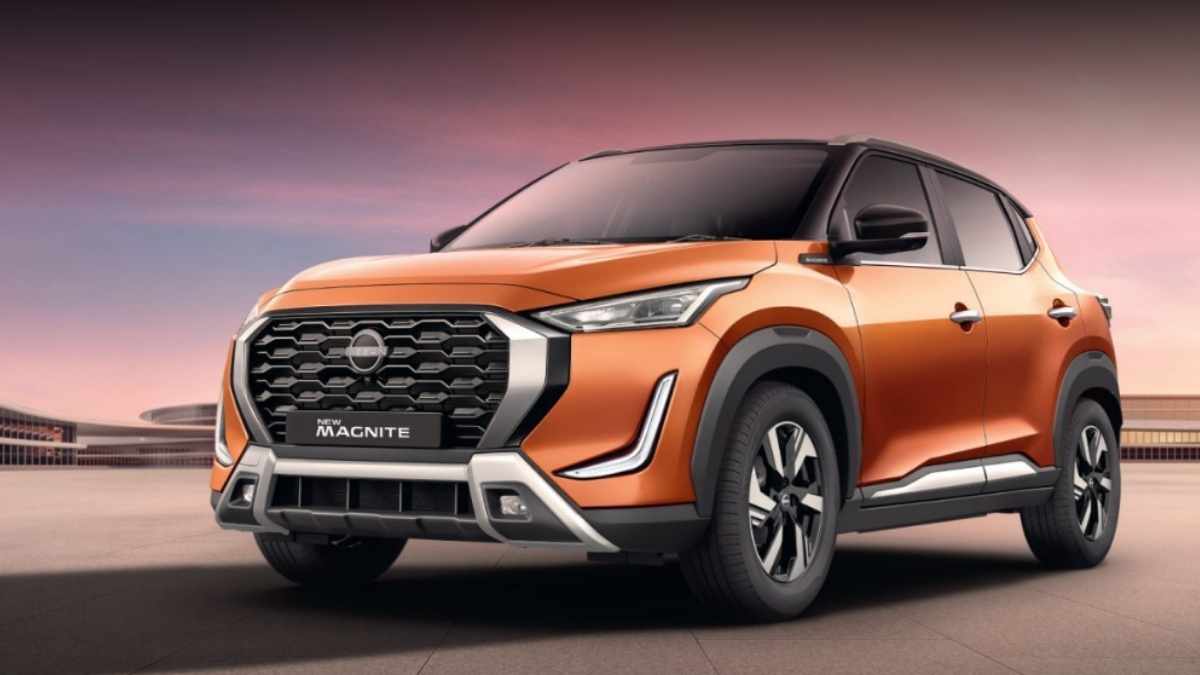
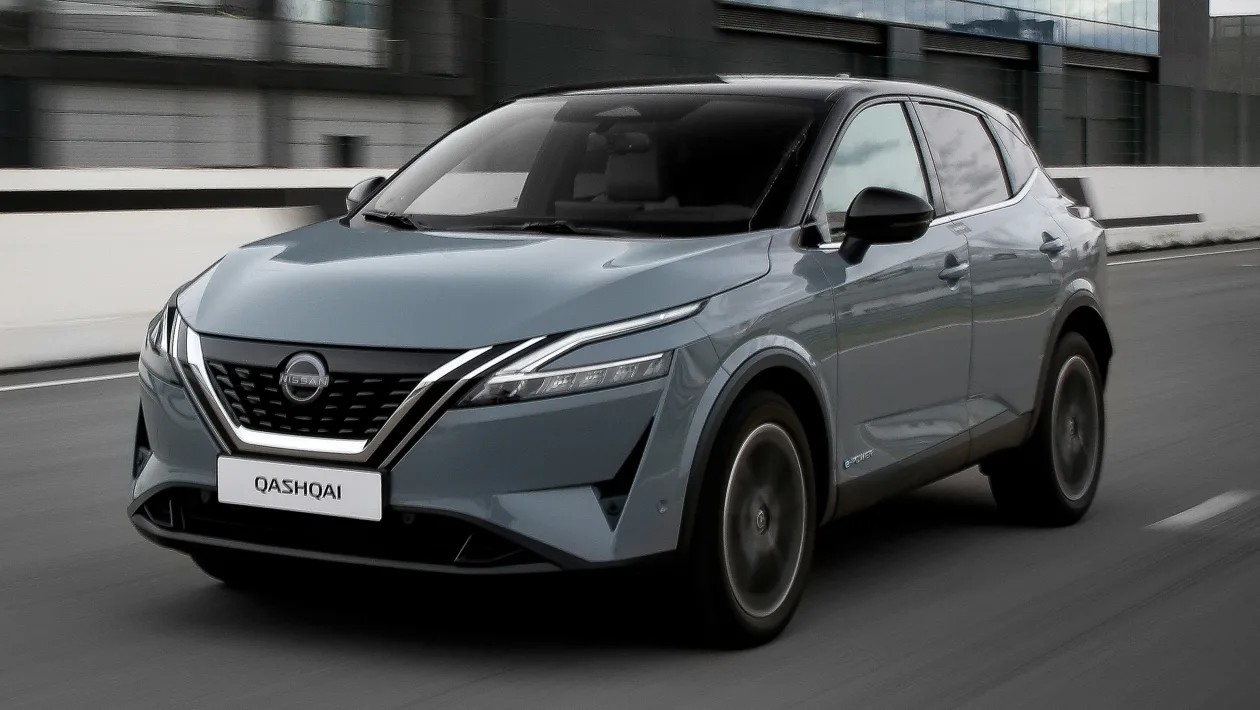
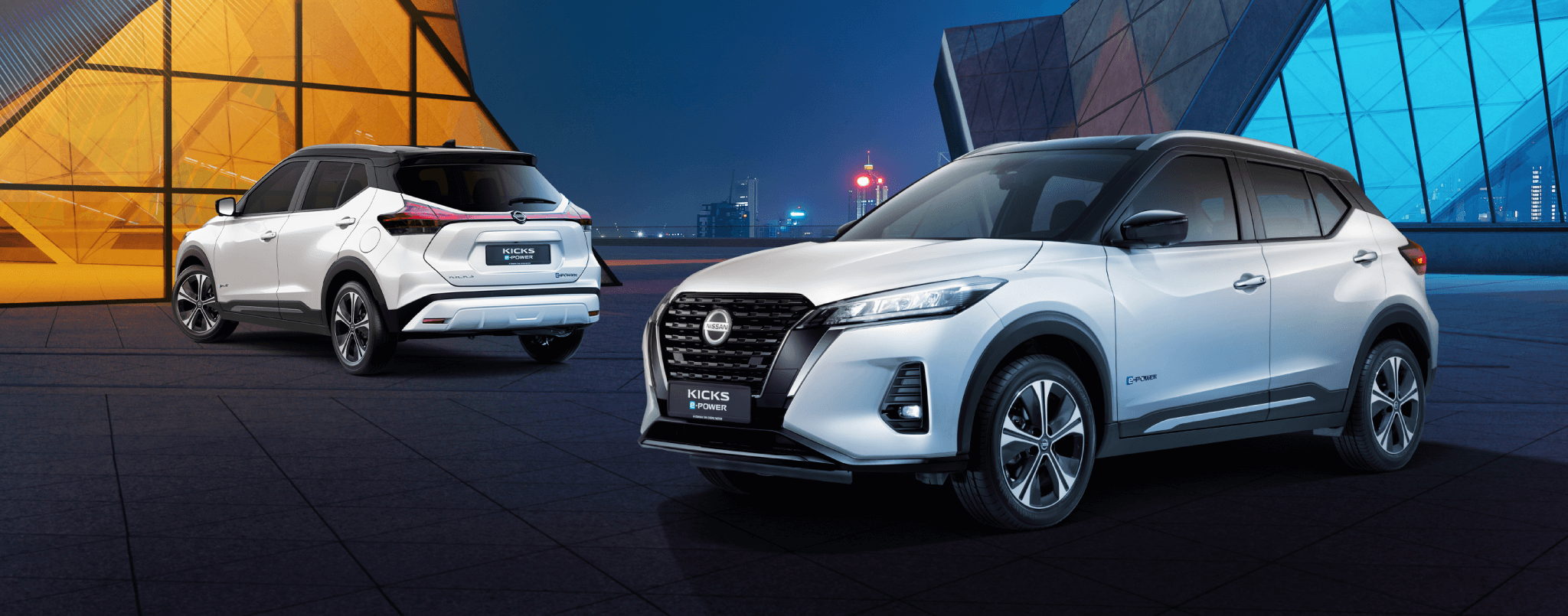
Concurrently, Nissan will gradually introduce e-POWER models in emerging markets, such as the Nissan Kicks e-POWER and Nissan Serena e-POWER. The third-generation e-POWER technology will also be extended to other models, including the all-new Qashqai e-POWER, already announced for a 2026 launch in Australia.
What Kind of Nissan Will We See in the Future?
Currently, Nissan is accelerating its electrification efforts, especially in Southeast Asia, where demand for electric vehicles is gradually increasing. Nissan will introduce the Nissan N7 from China.
To facilitate N7 exports, Nissan has formed a joint venture with Dongfeng Motor Group (60% Nissan-owned) to handle export operations, including customs clearance and logistics. This is expected to reduce delivery times from China to Southeast Asia from 3 months to about 1.5 months.
At the same time, leveraging Nissan's decades of dealership networks in Southeast Asia (such as core dealers in Thailand and Indonesia), they will provide after-sales support for new models like the N7.
In addition, Nissan will actively introduce third-generation e-POWER hybrid technology, including the already released Kicks e-POWER.
The popular compact sedan, the Versa/Almera, will not be discontinued. It will receive a comprehensive facelift featuring a new 1.0T engine that balances power and fuel efficiency, making it particularly suitable for daily commuting. If you like pickups, you can look forward to the all-new evolution of the Frontier/Navara in 2026. It will not only feature design upgrades but also add new onboard entertainment and driver assistance features to compete with the Toyota Hilux.

Even though Nissan is executing a contraction strategy, its transformation in emerging markets is still significant.Nissan originally possessed electric vehicle technology (like the Leaf) and intelligent driving technology (like ProPilot) earlier than Toyota and Honda.
However, over the past decade, it has been slow to deploy these technologies at scale in the market. If Nissan manages to sustain itself, its electrified models have the potential to become trusted products.
If any infringement occurs, please contact us for deletion









Popular Cars
Model Year
Car Compare
Car Photo