
The report shows that China's global market share of automobiles will surpass Japan's in 2025.
 WilliamJan 12, 2026, 10:50 AM
【PCauto】Joint analysis from Nikkei Asia and S&P Global Mobility indicates that Chinese car brands are rapidly developing in the global market and are likely to surpass the long-dominant Japanese brands in global market share for the first time in 2025.
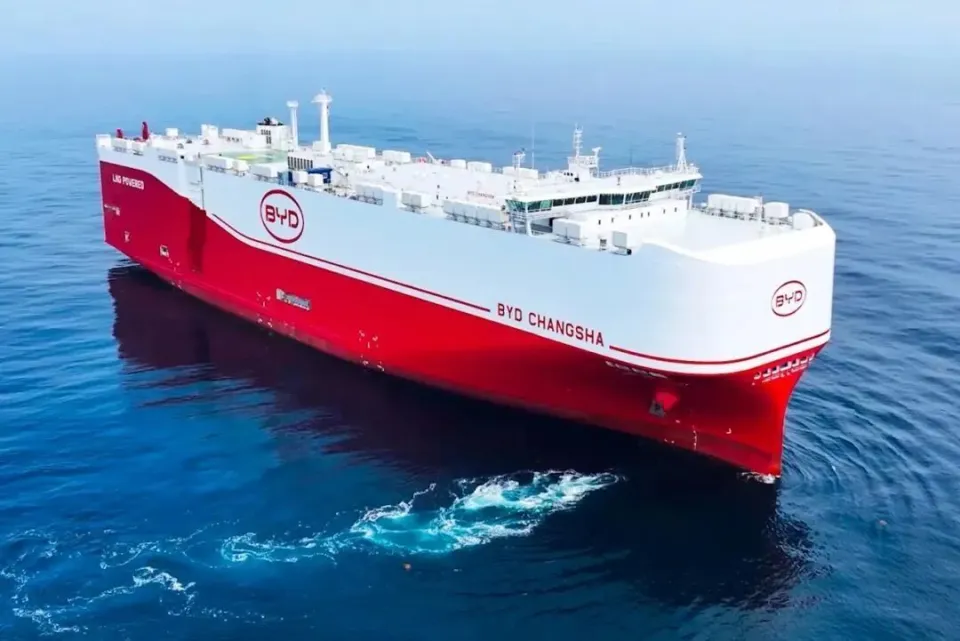
To begin, let's review the data on China's vehicle exports over the past three years:
- In 2023, China exported 4.911 million vehicles, becoming the world's largest vehicle exporter for the first time;
- In 2024, China exported 5.859 million vehicles, a year-on-year growth of 19.3%;
- In the first half of 2025, China exported 3.083 million vehicles, a year-on-year growth of 10.4%.
In 2023, the market share of new energy vehicles in China surpassed 30%. Bolstered by policy support and technological advancements, this share is highly likely to reach 50% by 2025. Capitalizing on this robust domestic foundation, Chinese brands are accelerating the global rollout of their NEVs, competing on both price and product strength.
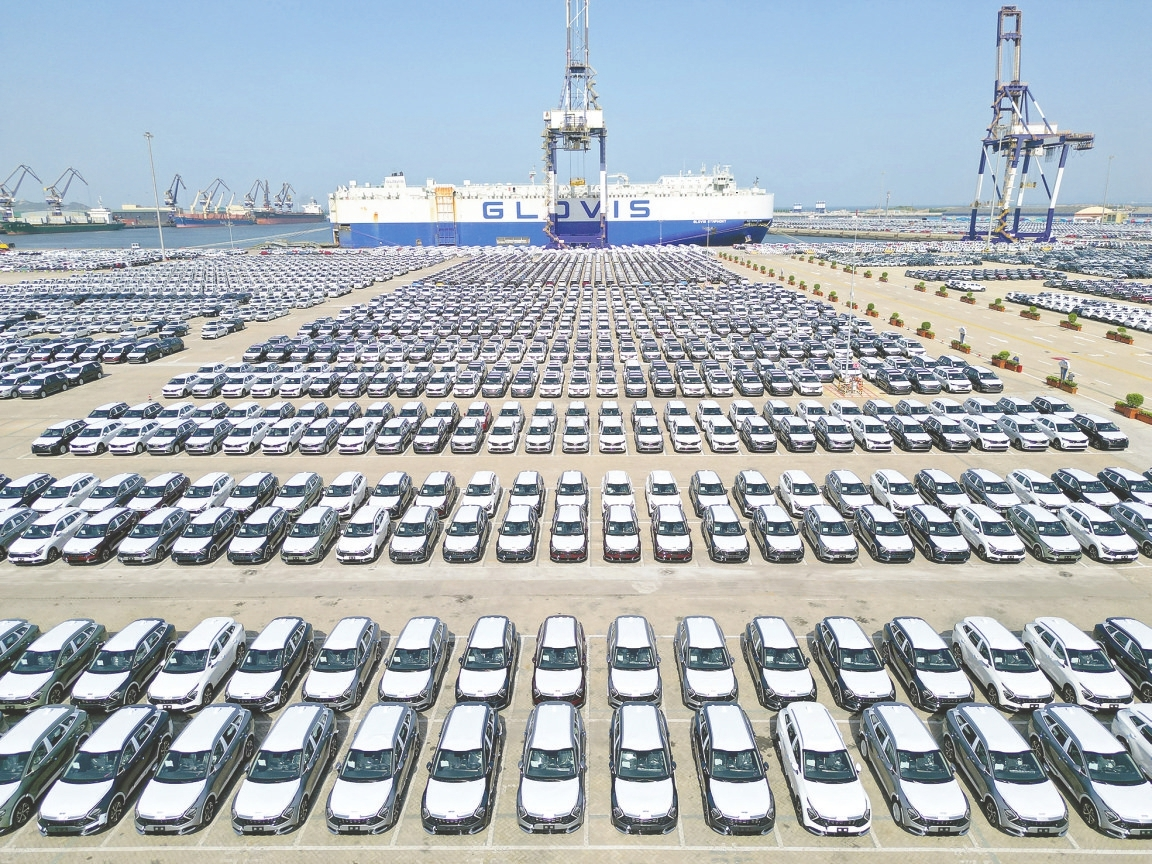
Southeast Asia Becomes the Key Battleground for Chinese and Japanese Automakers
Southeast Asia has now become a core competitive region for Chinese and Japanese automakers. Markets like the Philippines and Indonesia are gaining significant momentum, while Singapore and Vietnam have steadily become key focal points for both automakers, owing to their distinct market characteristics and policy orientations.
From competition in the high-end segment to market share battles driven by NEV policies, while Southeast Asian countries differ in market size and competitive focus, they have all been integrated into the strategic roadmaps of Chinese and Japanese automakers, collectively forming the core battleground. Among them, Thailand and Malaysia are the two important markets in this competition.
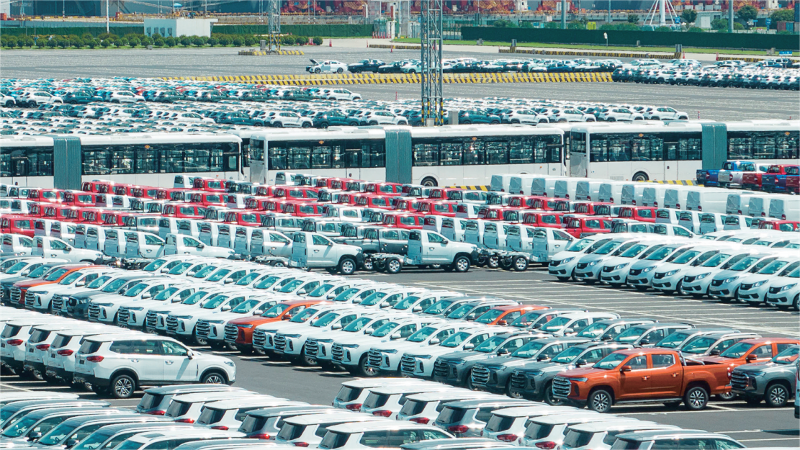
In Thailand, Japanese automakers once commanded over 90% market share—a near-monopoly. However, according to the Federation of Thai Industries (FTI), by early 2024 the share of Japanese automakers had dropped to around 80%, while Chinese brands, capitalizing on several popular EV models, saw their share grow by 10 percentage points.
In the first half of 2025, Chinese new energy vehicles accounted for over 70% of the market share in Thailand. Brands such as BYD, SAIC's MG, and Great Wall have all broken into the top ten in Thai vehicle sales. Chinese automakers are also planning to establish local manufacturing plants in Thailand—a move that not only reduces costs but also mitigates trade risks.
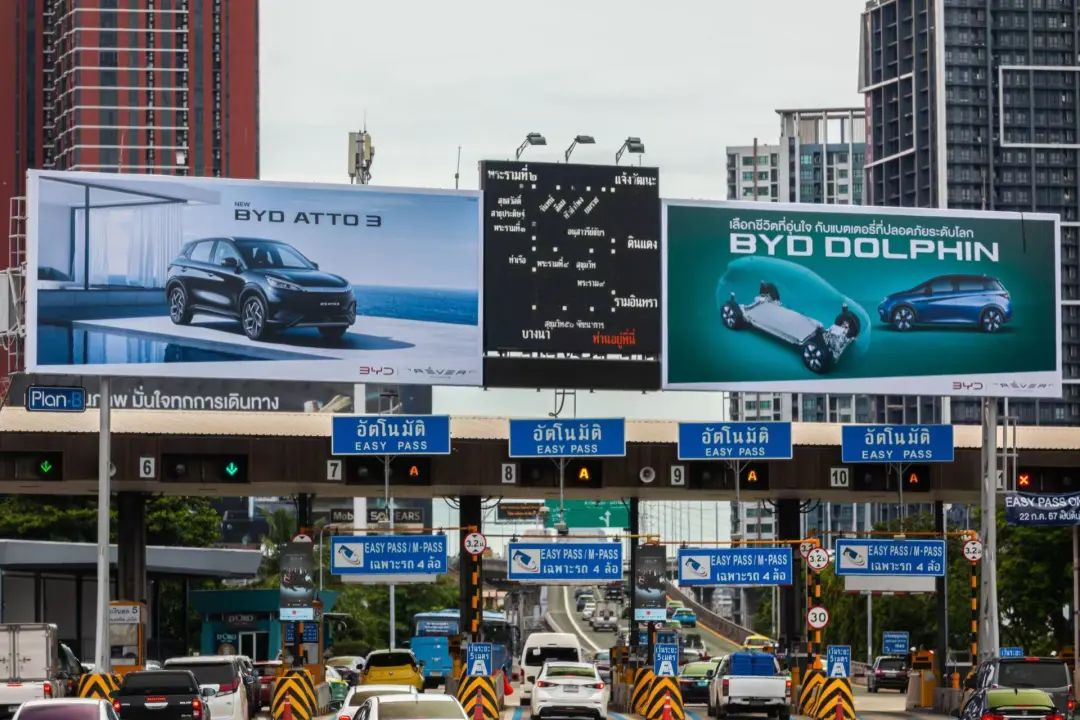
In Malaysia, Chinese automakers primarily focus on models priced between RM 65,000 and RM 98,000, targeting consumers who prioritize cost-effectiveness and intelligent technology.
Malaysia has extended tax exemptions for imported and locally assembled EVs until end-2025, allows tax deductions for home charging station installation, and will significantly reduce EV road taxes starting in 2026. These policies collectively bolster the position of Chinese brands.
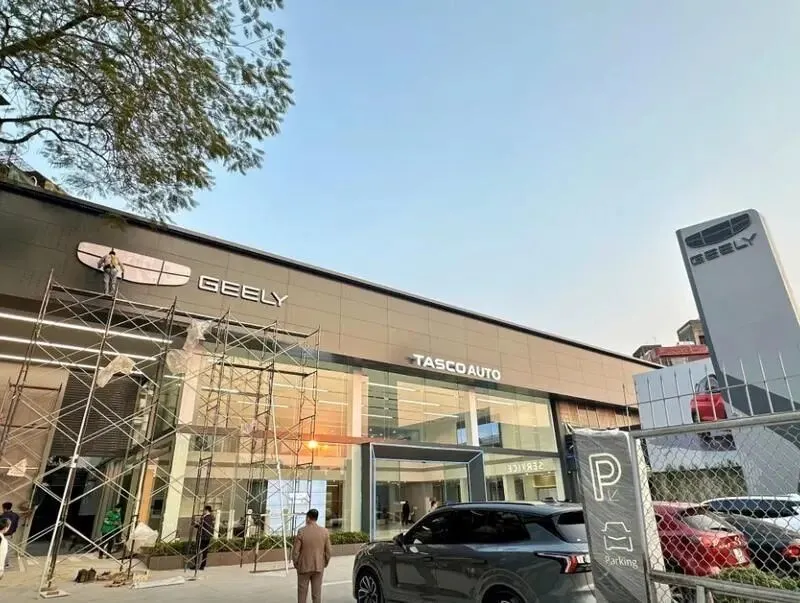
Consequently, S&P Global Mobility forecasts a rapid increase in the market share of Chinese brands across Southeast Asia in the coming years.

The market share of Japanese cars in Southeast Asia is declining
Currently, young consumers make up a high proportion of the Southeast Asian market, with nearly 60% of the population under the age of 30. Young people have particularly strong demand for intelligent connectivity and electrification—areas where Japanese automakers lag.
This is particularly evident in the Thai market. Xpeng Motors has introduced a right-hand-drive version of its X9 model, equipped with an intelligent cockpit system supporting Thai-language interaction, integration of popular local travel and lifestyle apps, and an 800V high-voltage fast-charging platform—catering to the local demand for convenient and intelligent mobility.
In contrast, Japanese models of the same class, such as the Toyota Alphard, still rely mainly on fuel engines and only feature a basic LCD screen on the center console. They lack advanced driving assistance functions and cannot achieve in-depth intelligent connectivity. Even though features such as wireless charging were later added, they were criticized by consumers for their poor practicality.
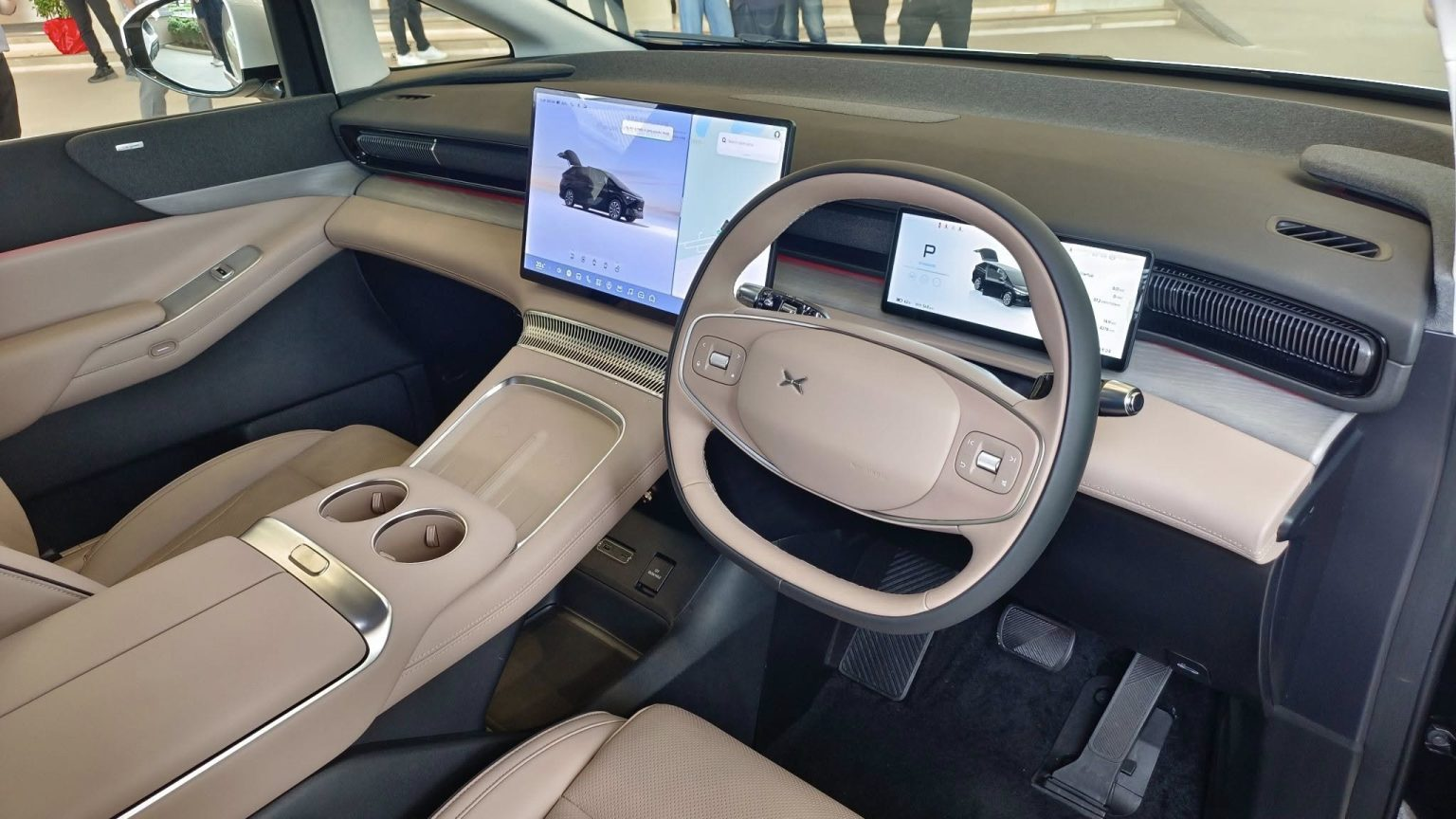
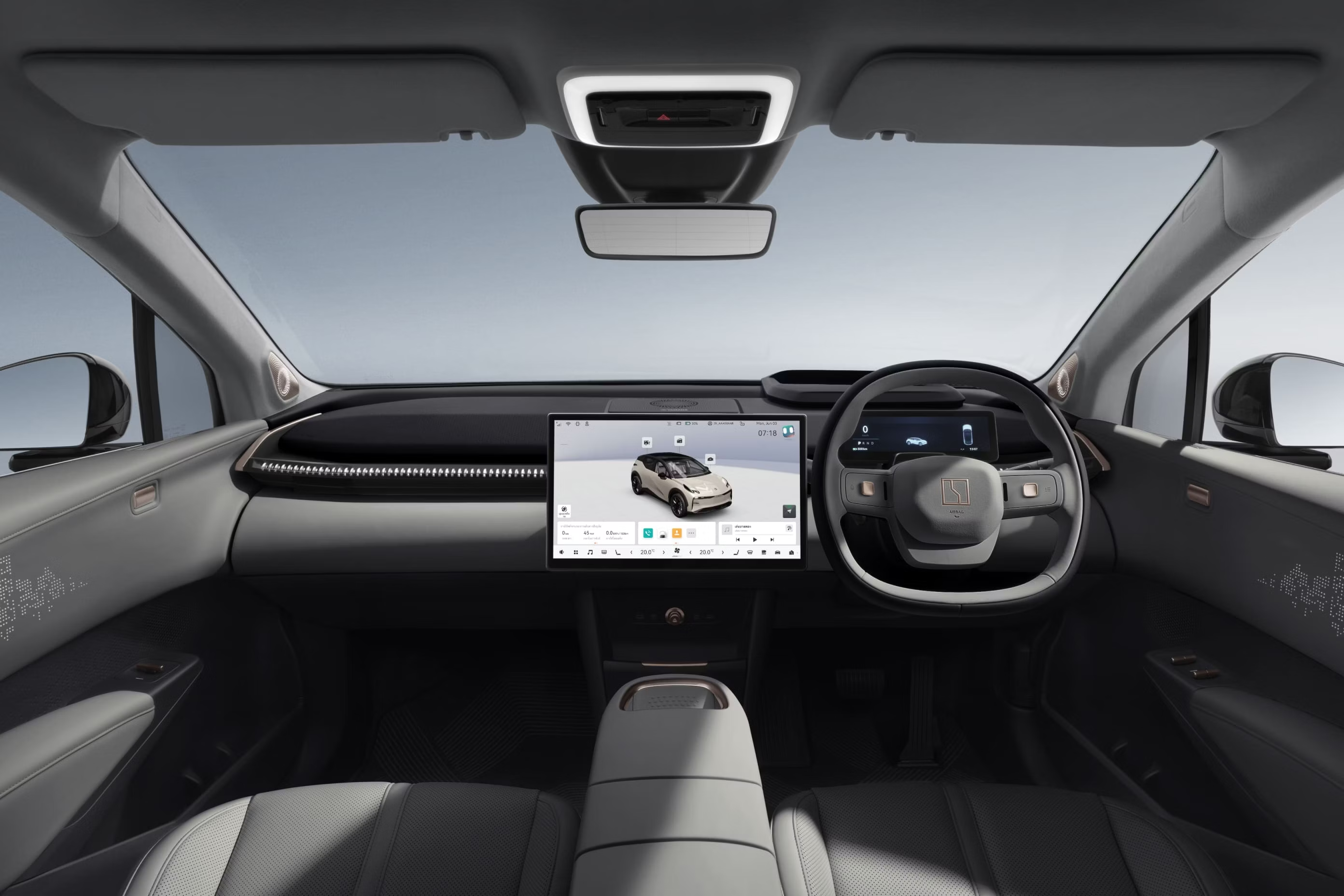
Additionally, Chinese automakers can deliver vehicles with more generous configurations at more competitive price points.
Taking the RM 65,000 to RM 98,000 price bracket in Malaysia as an example, BYD offers tailored models equipped with lithium iron phosphate (LFP) batteries, intelligent vehicle systems, and practical features such as automatic parking.
In comparison, rival Japanese models in the same segment, such as the Honda Fit, utilize only traditional internal combustion engines and offer basic configurations like manual air conditioning and fabric seats, with virtually no intelligent features.
More importantly, BYD leverages its mature supply chain advantages to ensure high configurations while keeping the terminal price at around RM 95,000, far lower than the cost of configuration upgrades for Japanese vehicles of the same class. Its cost-effectiveness advantage is extremely prominent.

Moreover, the automotive industry policies in many Southeast Asian countries are transitioning toward electrification. Thailand has clearly set a target for NEVs to comprise 30% of its total vehicle production by 2030, vigorously promoting their development through subsidies, tax breaks, and other policies. Malaysia has also introduced several incentives for the purchase and use of electric vehicles.
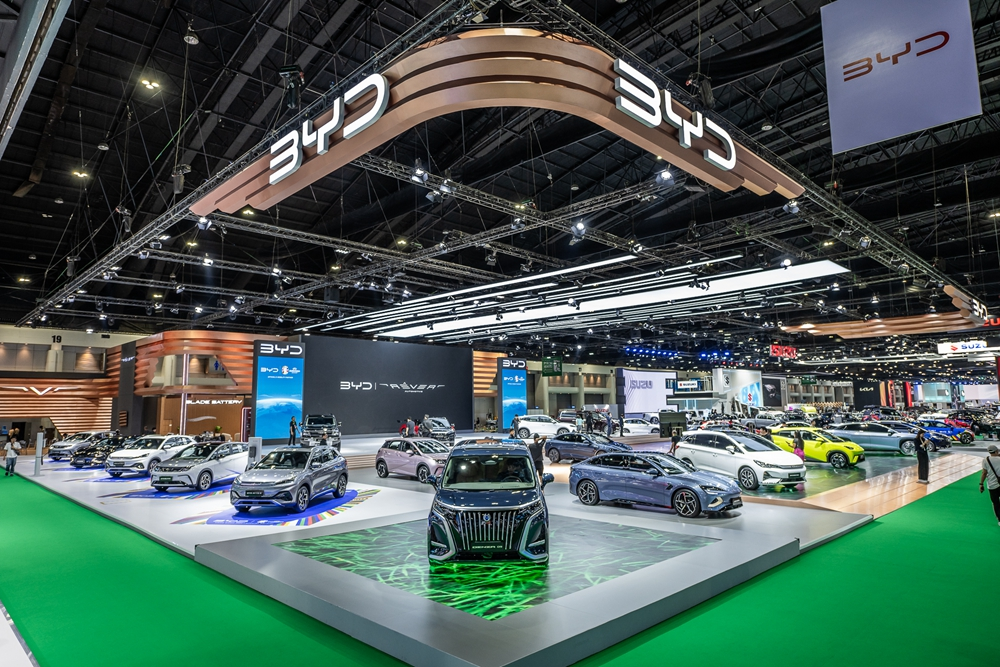
The market share of Chinese carmakers in other global regions is also growing
In Europe, the EU has imposed an anti-subsidy tax on Chinese exported electric vehicles of up to 35.3%, in addition to the original 10% base tariff, resulting in a maximum tariff rate of 45.3%. This was once thought to severely impact the overseas expansion of Chinese electric vehicles.
However, according to Dataforce, from January to October 2025, sales of Chinese automakers in Europe surged 93% year-on-year to 621,900 units, with full-year sales projected to surpass 700,000 units. Of these, the market share in October alone doubled year-on-year, rising to approximately 6.8%, compared to just 3.4% during the same period in 2024.
Earlier, in the first quarter of 2025, the registration volume of Chinese-branded vehicles in Europe hit a record high of 150,000 units, up 78% year-on-year, with market share rising to 4.5%.


Among them, SAIC MG Motor became the Chinese brand with the highest sales in the European market, with 23,896 units sold, a year-on-year increase of 35%, ranking 17th in total sales, surpassing Fiat and Nissan.
BYD Auto sales also increased by 208% year-on-year, ranking 20th with 17,514 units, surpassing Volkswagen Syad and BMW MINI brands.
It is worth mentioning that, as plug-in hybrid models were not affected by the countervailing duties, Chinese car companies have focused on introducing plug-in hybrid models. In Q1 2025, PHEV sales in Europe skyrocketed 368% year-on-year. By August, the PHEV market share had risen to 25%, up from just 4% in August 2024. From January to October, PHEV sales soared 673% year-on-year, claiming a 25% market share.
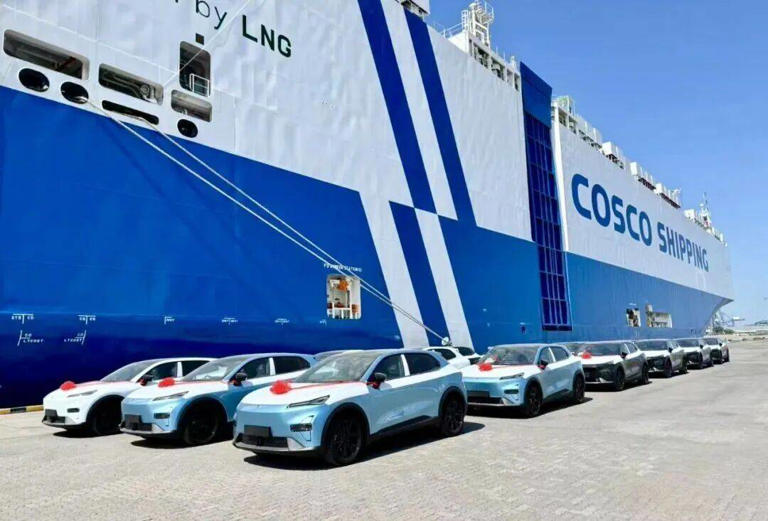
In order to maintain long-term growth in Europe, Chinese car companies are accelerating their strategic layout in the region, transitioning from pure product exports to directly engaging in local production.
- BYD's Hungary plant will start production in 2026, with a capacity to cover the Central and Eastern European as well as Western European markets.
- Chery's first European vehicle production base, jointly established with Spain's EV Motors, has already commenced production with a target annual production capacity of 150,000 units by 2029; Leapmotor plans to achieve rapid production using Stellantis' factory in Spain.
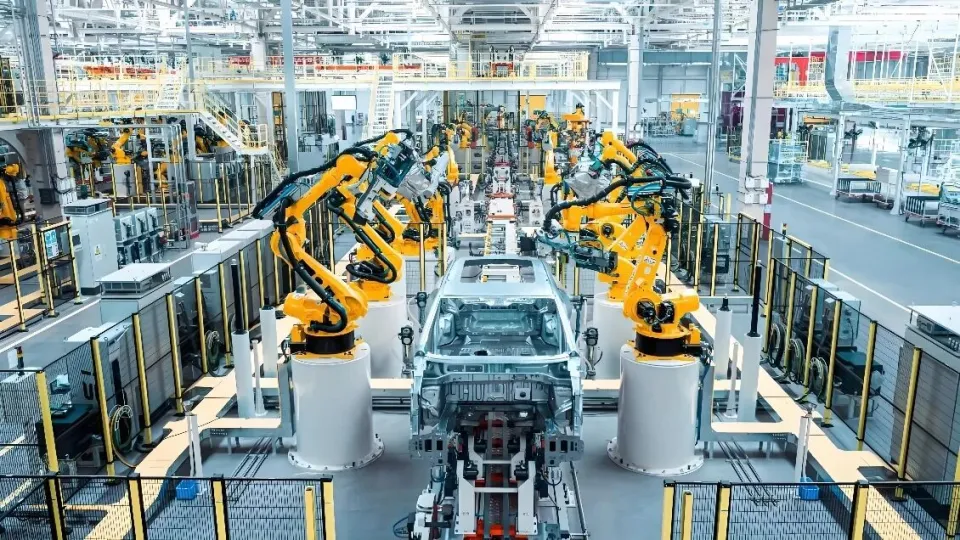
Beyond Europe, the African market has emerged as a key new growth driver for Chinese vehicle exports, fueled by strong demand for cost-effective models.
Chinese automakers have achieved rapid sales and market share growth with products highly adapted to local demand and strategic overseas expansion.
In terms of performance in specific regional markets, South Africa, as the largest automotive market in Africa, has seen a steady increase in the market share of Chinese car brands.

According to JATO Dynamics, Chinese automakers sold nearly 30,000 internal combustion engine (ICE) vehicles in South Africa in H1 2025, with their market share rising to approximately 16%, up from 10% in H1 2024.
In contrast, traditional Japanese car brands like Toyota saw a market share decline of nearly 15% during the same period, making it the traditional car brand with the most significant sales drop in the local market.

With successive breakthroughs in various regional markets worldwide, Chinese car manufacturers are constantly increasing their global sales and market share.
According to Nikkei Asia's compilation of data from the first 11 months of 2025, global sales of Chinese automakers are projected to reach approximately 27 million units in 2025, a 17% year-on-year increase. Meanwhile, Japanese car manufacturers' overall sales are expected to remain flat compared to the previous year, at around 25 million units. This indicates that Chinese car manufacturers are highly likely to surpass Japan in global car sales.
If any infringement occurs, please contact us for deletion








Popular Cars
Model Year
Car Compare
Car Photo