
Porsche Tests Second-Gen Cayenne Electric, Aims to Rival Model X
 JohnJul 16, 2025, 03:12 PM
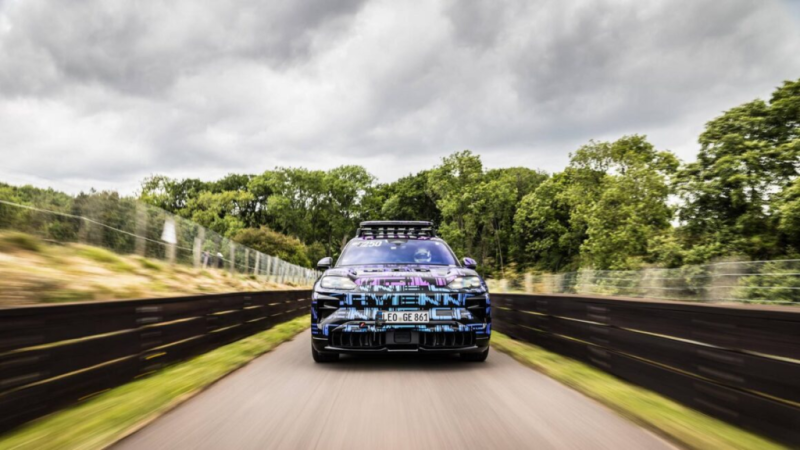
【PCauto】Porsche is putting the second-generation Cayenne Electric through its final round of tests in some of the world’s toughest conditions.
Built on the Premium Platform Electric (PPE), this all-new SUV is set to launch in 2026. It’s Porsche’s answer to the high-end electric SUV segment, where the Tesla Model X has long held the spotlight.
Recent tests tell us a lot. The Cayenne Electric broke performance records at the Shelsley Walsh track in the UK, and handled towing trials with ease. From what we've seen so far, a serious new player is about to shake up the luxury EV market.
Performance Validation: From Track to the Real World
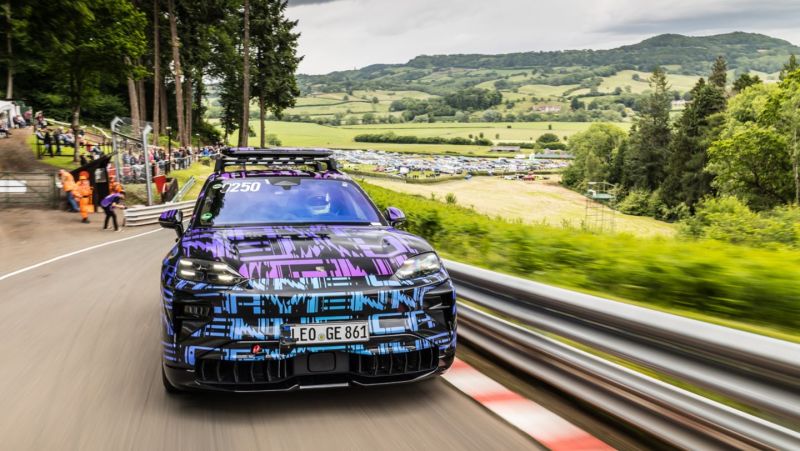
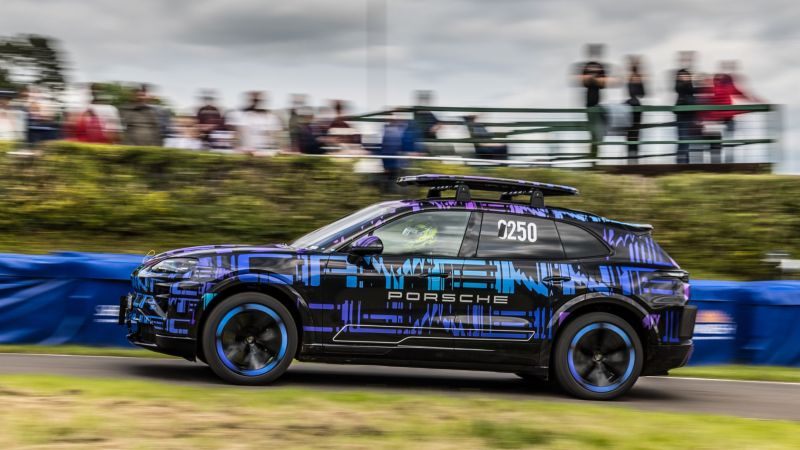
Porsche recently pushed the limits at the historic Shelsley Walsh hill climb, one of the oldest motorsport venues in the world. Formula E driver Gabriela Jílková drove a near-production Cayenne Electric prototype and finished the 914 meter course with a maximum gradient of 16.7 percent in just 31.28 seconds. She beat the previous SUV class record by a full 4 seconds.
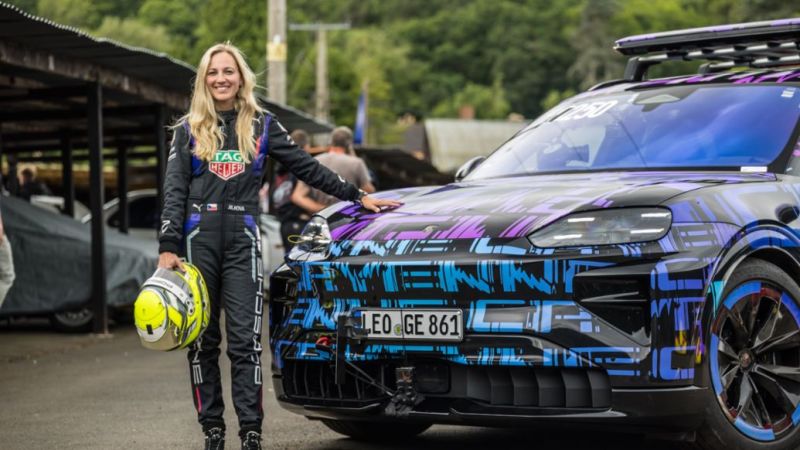
What really stands out is how the car performs off the line. Even with standard summer tires, it went from 0 to 60 feet, or 18.3 meters, in just 1.94 seconds. That puts it on par with the acceleration of a Formula car.
This level of performance comes from Porsche’s newly developed electric torque vectoring system. It controls the power going to each of the four wheels with precision down to the millisecond.

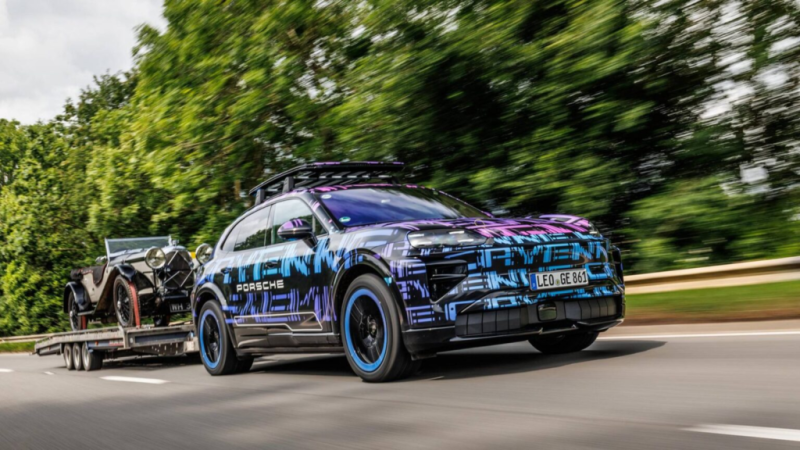
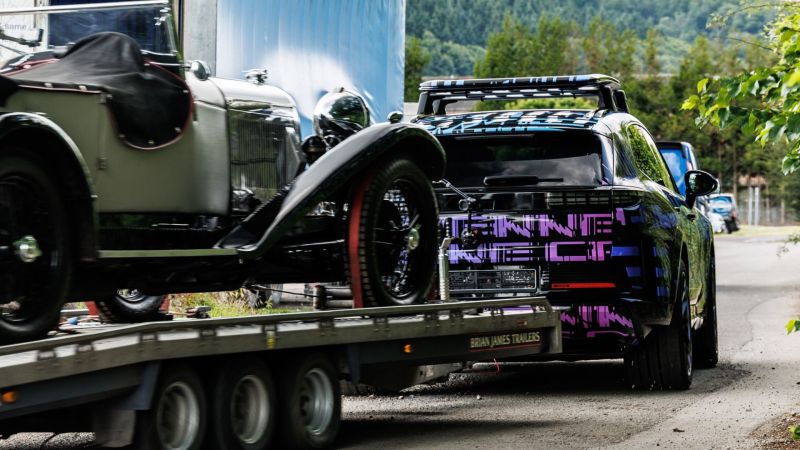
Engineering validation goes far beyond track testing. In a real-world demo led by well-known automotive host Richard Hammond, a camouflaged prototype towed a 1923 vintage car weighing 3 tons across the tough terrain of Herefordshire in the UK.
The vehicle stayed incredibly stable the entire time. Even on wet roads and steep hills, it held steady. Thanks to the electric system’s smooth and consistent torque delivery, there was none of the jerky pull you often get with fuel-powered cars during towing.
Porsche has confirmed that the production model will keep a maximum towing capacity of 3.5 tons. This matches the current fuel-powered Cayenne and solves one of the key concerns about electric SUVs in everyday use.
Core Breakthroughs in the Next-Gen Cayenne Electric
1. Revolutionary Chassis System
The test vehicle features Porsche Active Ride, a major breakthrough in chassis technology. This system uses four independent electric hydraulic pumps to adjust the damping and support of each shock absorber in real time.
On the Shelsley Walsh track, it showed impressive results. When the car took a high-speed turn with a 16% incline, the system increased stiffness on the outer suspension by 40% and softened the inner suspension just enough. This helped control body roll caused by lateral forces up to 1.2G.
In off-road mode, the system can raise the ride height by 80 millimeters. Paired with a specially designed electric all-wheel-drive, it greatly improves the vehicle’s ability to handle tough terrain.
2. High-Performance Electric Drive System
The new model keeps the 800V electrical system from the Macan Electric but with major upgrades. It uses permanent magnet synchronous motors on both front and rear axles. New silicon carbide inverters boost energy conversion efficiency to 97%.
The exact battery capacity is still under wraps. But the engineering team says the energy density is 15% higher than the first-generation PPE platform. Thanks to an innovative heat pump and an eight-valve thermal management system, the car kept 85% of its range even when tested at minus 20 degrees Celsius.
For charging, it supports 270kW ultra-fast charging. That means it can go from 10% to 80% in just 22 minutes, based on WLTP standards.
3. Power Grading Strategy
Porsche is developing three power versions for the second-generation Cayenne Electric based on test vehicle setups.
The base model has dual motors producing 380 kW (517 horsepower) and can accelerate from 0 to 100 km/h in about 4.5 seconds.
The 4S version boosts power to 420 kW (571 horsepower) and adds a track mode.
The Turbo model reaches a peak power of 470 kW (639 horsepower). It features a torque-vectoring rear axle and aims directly at the Tesla Model X Plaid.
Testing Team Validates Reliability Across Four Extreme Global Environments
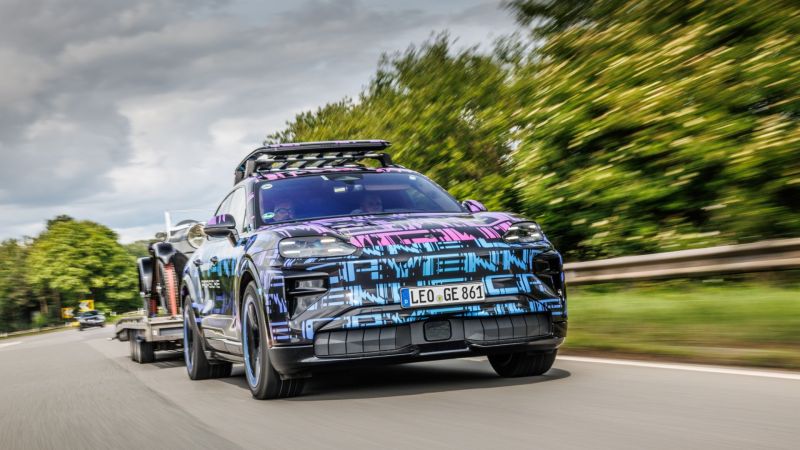
Though the second-generation Cayenne Electric is hidden under heavy geometric camouflage, the test vehicle features many aerodynamic elements to improve cooling and keep performance stable.
At the front, it uses a split headlight design similar to the all-electric Macan but with larger units. The active air intake system adjusts the grille opening based on cooling needs.
The side keeps Cayenne’s signature wide fenders and sloping roofline. Meanwhile, the drag coefficient has been cut to 0.29, which is an 8 percent improvement over the current gasoline model.
The Cayenne Electric testing team proved the battery’s thermal management works well even in extreme cold. At minus 35 degrees Celsius in the Arctic Circle, the battery started successfully every time. On the hot side, they ran continuous uphill tests at 50 degrees Celsius. Throughout, the battery temperature stayed below the safe limit of 35 degrees.
To keep performance steady, the team ran off-road tests in the Alps at 3,000 meters above sea level. They checked how the electric motor handles power loss at high altitude. They also did a 24-hour endurance run at the Nürburgring. During that test, motor temperature stayed within five degrees up or down.
Cayenne Electric Will Join Gasoline and PHEV Models in Porsche Lineup
As testing moves forward, the second-generation Cayenne Electric is setting a new benchmark for luxury electric SUVs. It combines track-level performance with real-world towing ability. This approach answers the concerns some high-end buyers have about electric vehicles making performance compromises.
Michael Schätzle, Porsche’s Vice President of Product Line, explained their strategy in a recent interview. He said the Cayenne Electric won’t replace existing models. Instead, it will complement the gasoline and plug-in hybrid versions in the lineup.
If any infringement occurs, please contact us for deletion










Popular Cars
Model Year
Car Compare
Car Photo