
Toyota Zenix and Veloz, what are the differences between these two MPVs and the Sienna?
 JohnJan 29, 2026, 02:24 PM
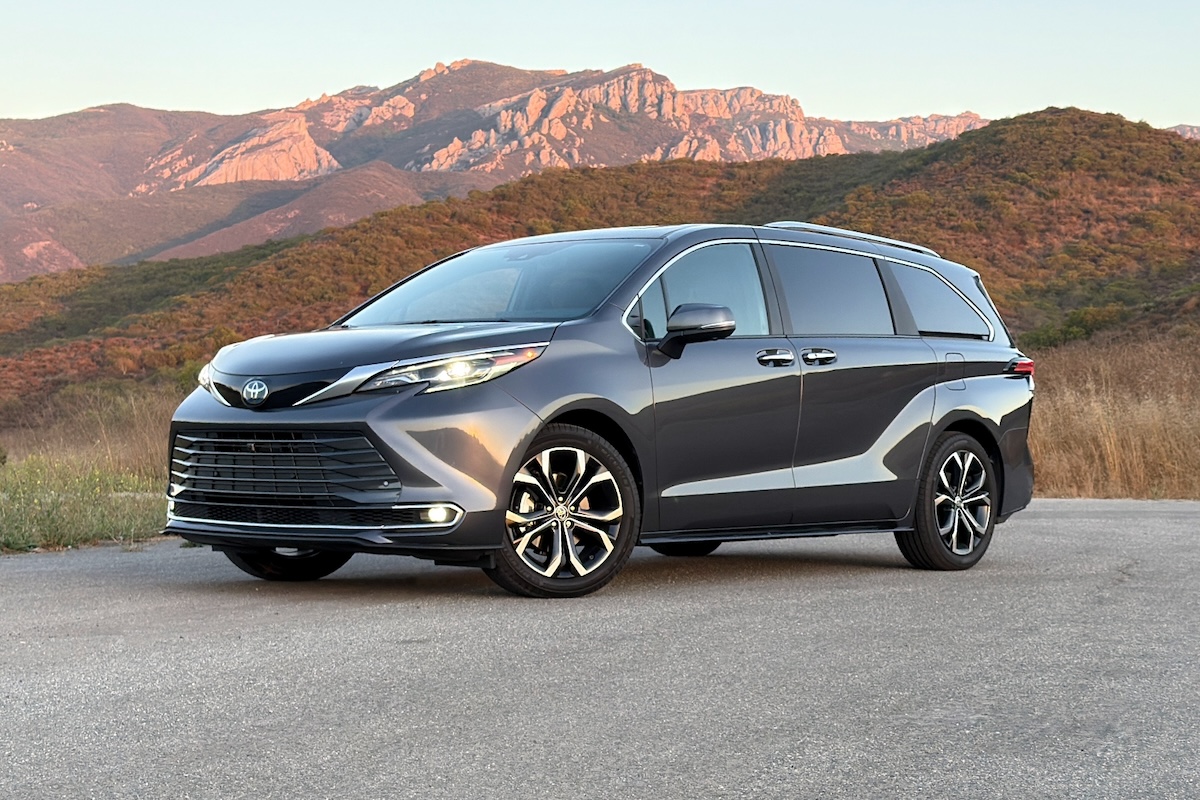
【PCauto】In the Southeast Asian market, it is almost impossible to discuss MPVs without mentioning Toyota — from the Veloz, commonly seen on roads and in neighbourhoods, to the Zenix, which gained popularity rapidly after its launch.
Since the Veloz and Zenix are already strong in product strength, why are there still people willing to spend a fortune importing the Sienna across the ocean?
From sufficiency to true practicality
Many people think that MPVs only need to have ample space, but those who truly understand the needs of a family know that the comfort of long-distance travel depends on the performance synergy between the platform architecture and the powertrain. The differences in mechanical structures among these three vehicles directly determine the differences in their driving quality.
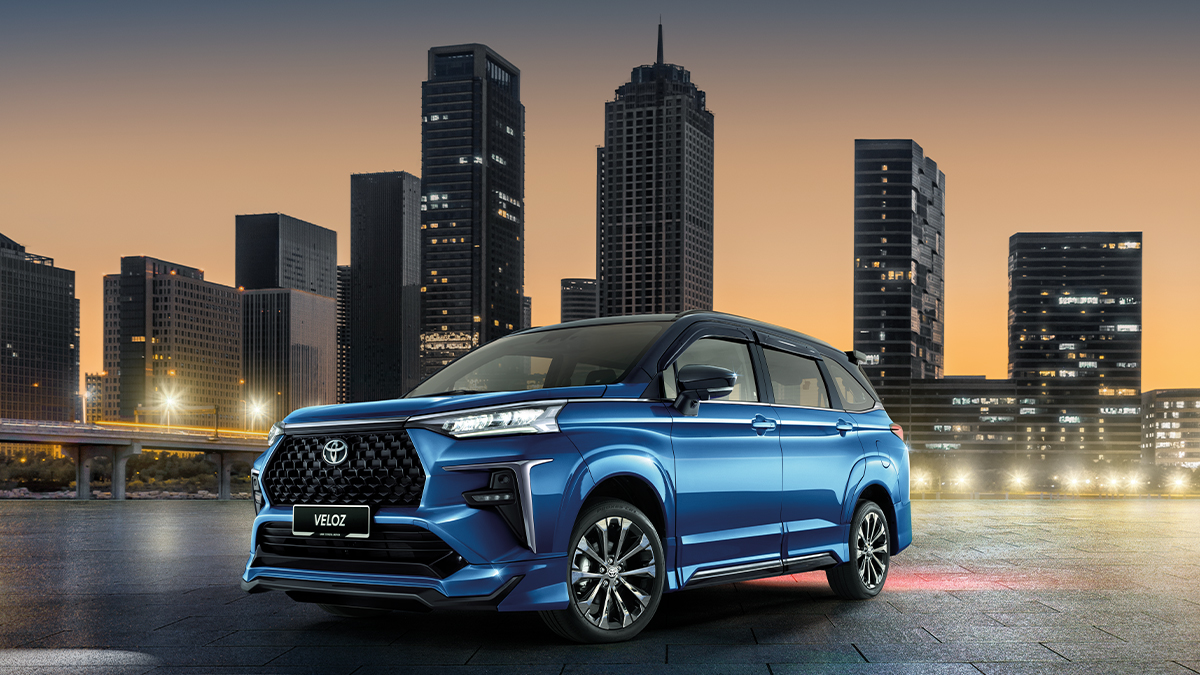
The Toyota Veloz is built on the DNGA platform, specifically developed for emerging markets. Despite the "G" in its name, it remains essentially an optimised version of a compact car platform.
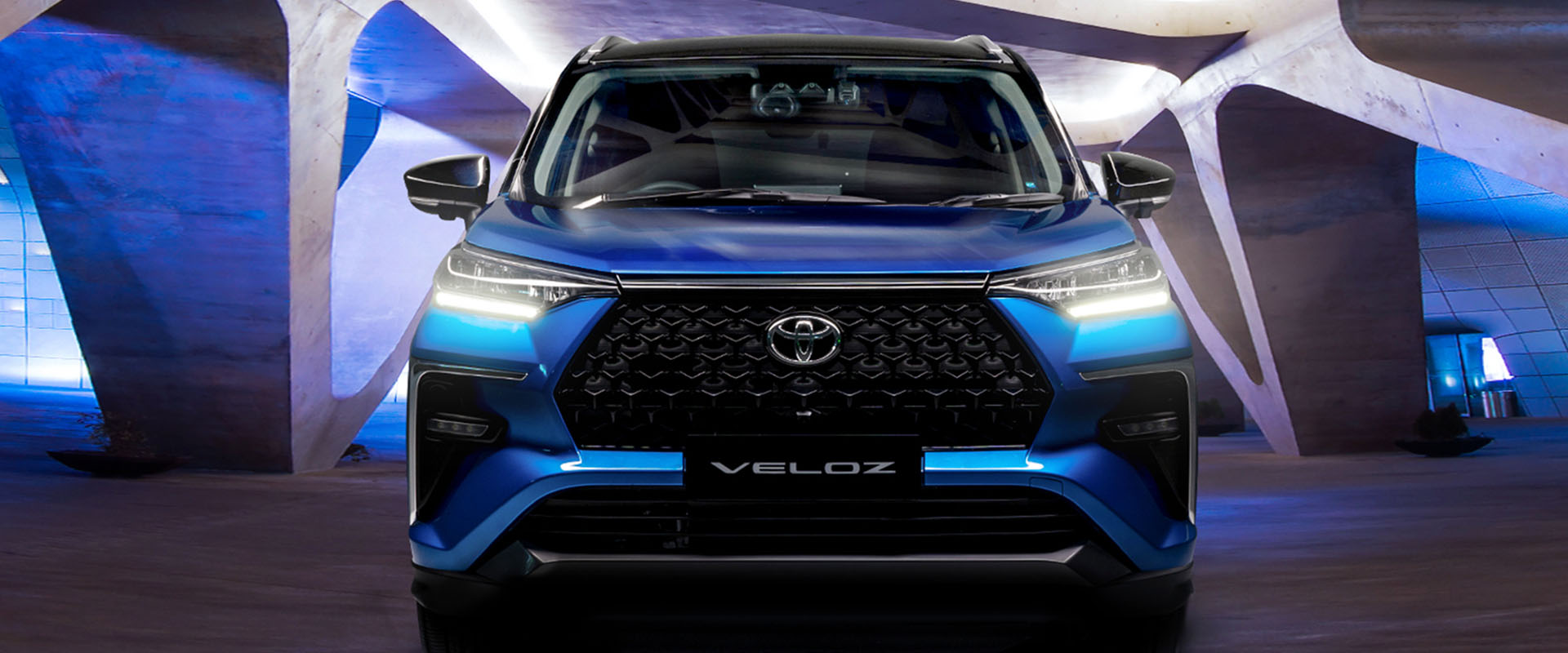
It comes with a front MacPherson strut independent suspension and a rear torsion beam non-independent suspension, paired with a 1.5-litre naturally aspirated engine and a CVT gearbox. When driving unloaded on urban roads, it feels light and agile, making it easy to handle congested areas.
However, its shortcomings are also quite evident. When fully loaded with seven people and encountering an incline, the roar of the small-displacement engine is directly transmitted into the cabin, fully exposing the issue of insufficient power reserves.
It is undoubtedly a competent family utility vehicle. The chassis feels substantial, and its power output is precisely aligned with its entry-level positioning: it meets basic needs but offers no ease of comfort.
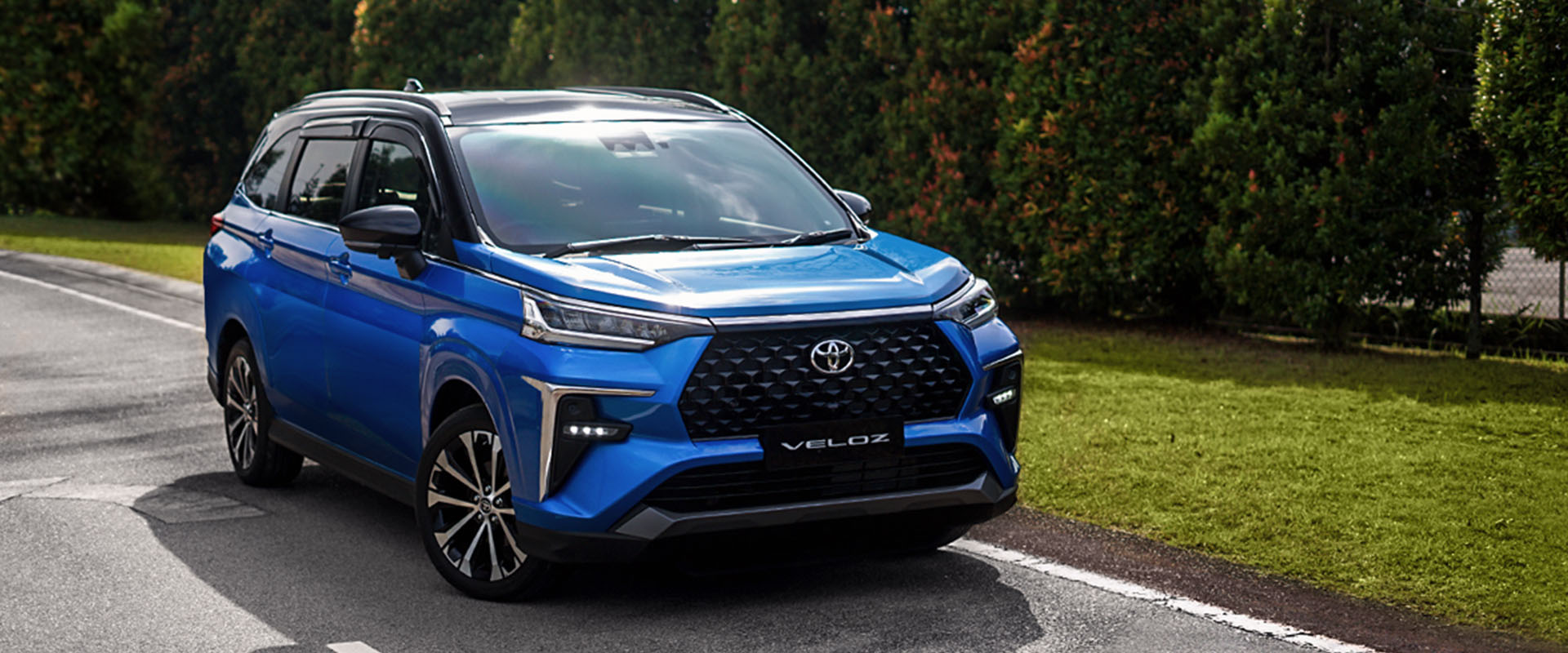
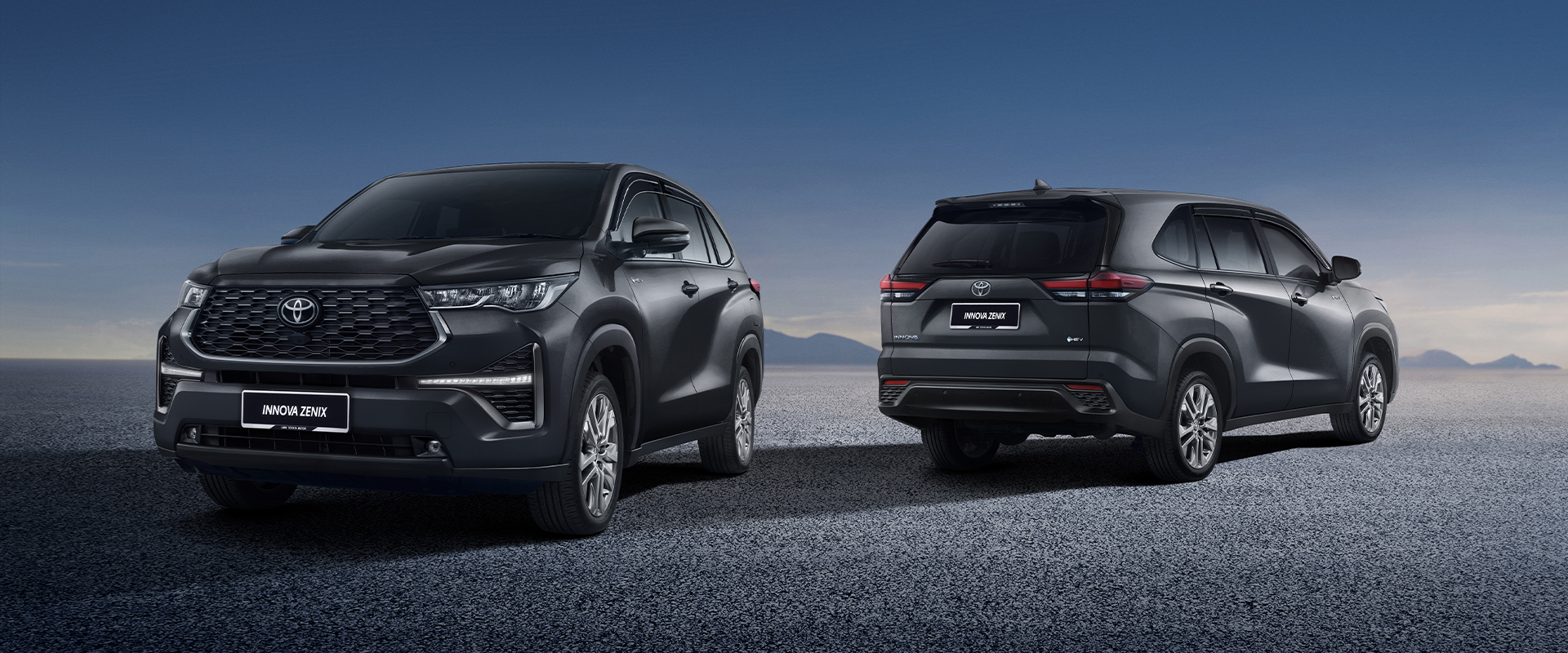
Moving to the Toyota Zenix, one can immediately sense a qualitative leap. It adopts the globally aligned TNGA-C platform, featuring a lower centre of gravity and significantly enhanced body rigidity, delivering a distinctly solid driving experience.
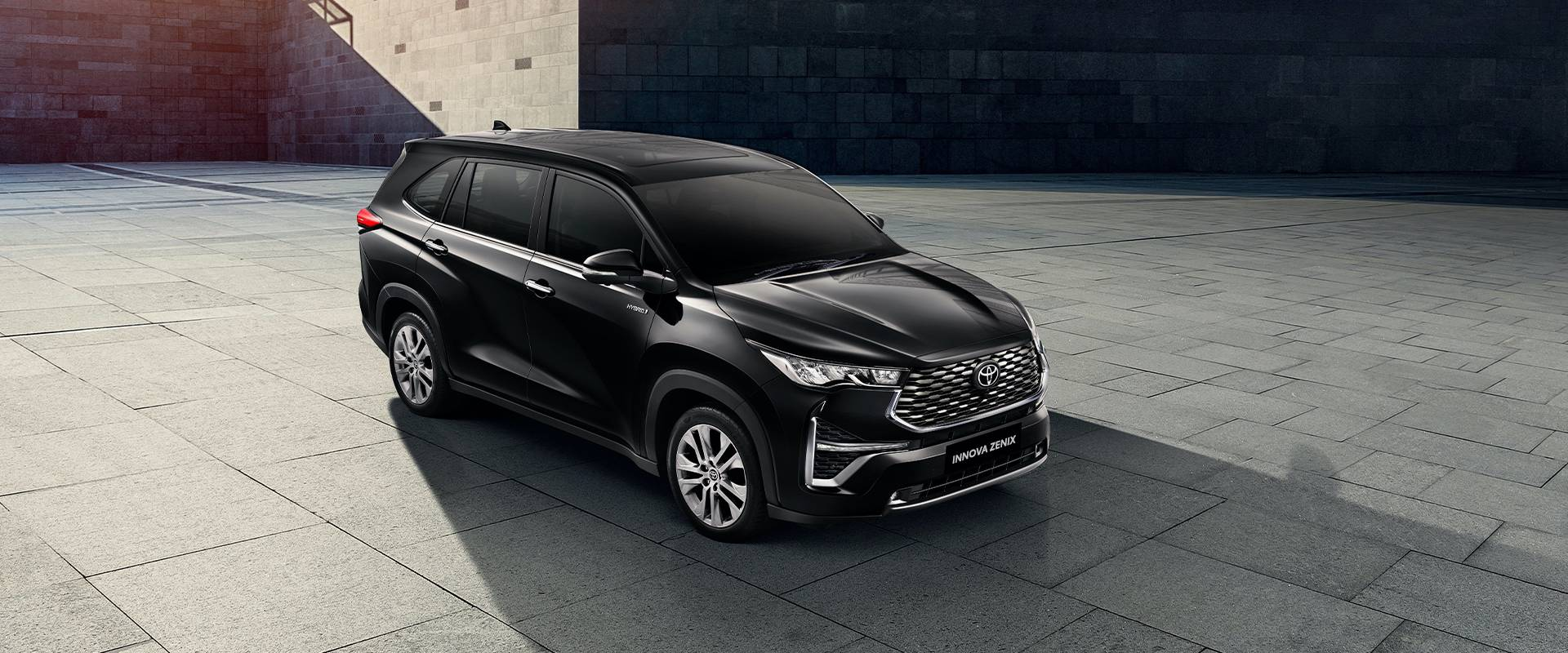
Zenix is equipped with Toyota’s flagship fifth-generation hybrid system, with a combined output of up to 186 hp. It achieves EV-like smooth and quiet acceleration from a standstill and provides more confidence for highway overtaking, completely avoiding the awkward sluggishness during acceleration.
Compared with the Veloz, the Zenix’s chassis provides better shock absorption, eliminating the thin and bouncy feel on uneven roads. Instead, it exhibits a certain level of grounded stability. Whether in the fuel version or the hybrid version, it is an ideal partner for family cross-city long-distance travel.
As for the Toyota Sienna, its mechanical performance has been elevated to a higher dimension. It adopts the TNGA-K advanced vehicle platform shared with the Lexus RX and Toyota Highlander, featuring a wider track and a more complex rear independent suspension design. This fundamentally mitigates road bumps, ensuring body stability even when driving on unpaved roads.
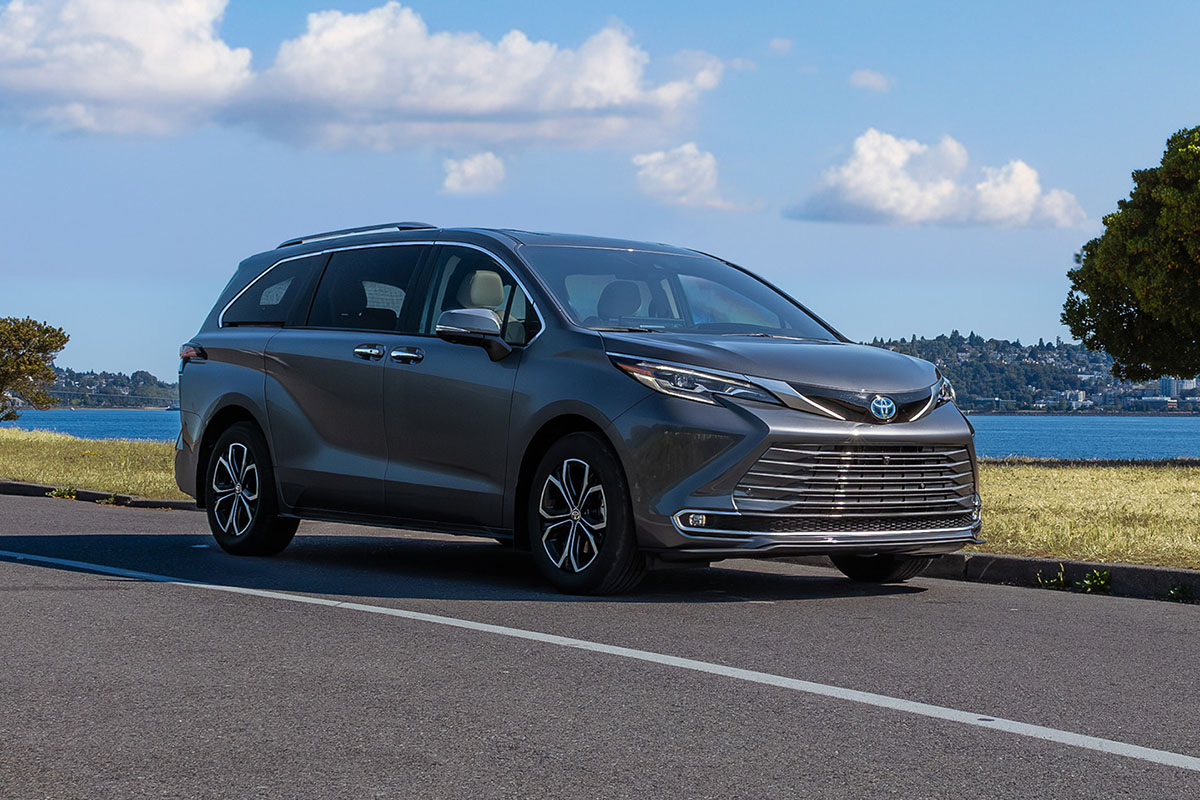
Despite its large size, the standard 2.5-litre hybrid system paired with the E-CVT transmission provides exceptionally smooth power delivery for this "big guy".
The power logic of the Sienna does not aim for explosive force but maintains a composed state at a speed of 110 km/h, with low RPM and low noise. This sense of weightiness and stability originating from the deep structure of the chassis is precisely the core competitiveness of this flagship MPV.
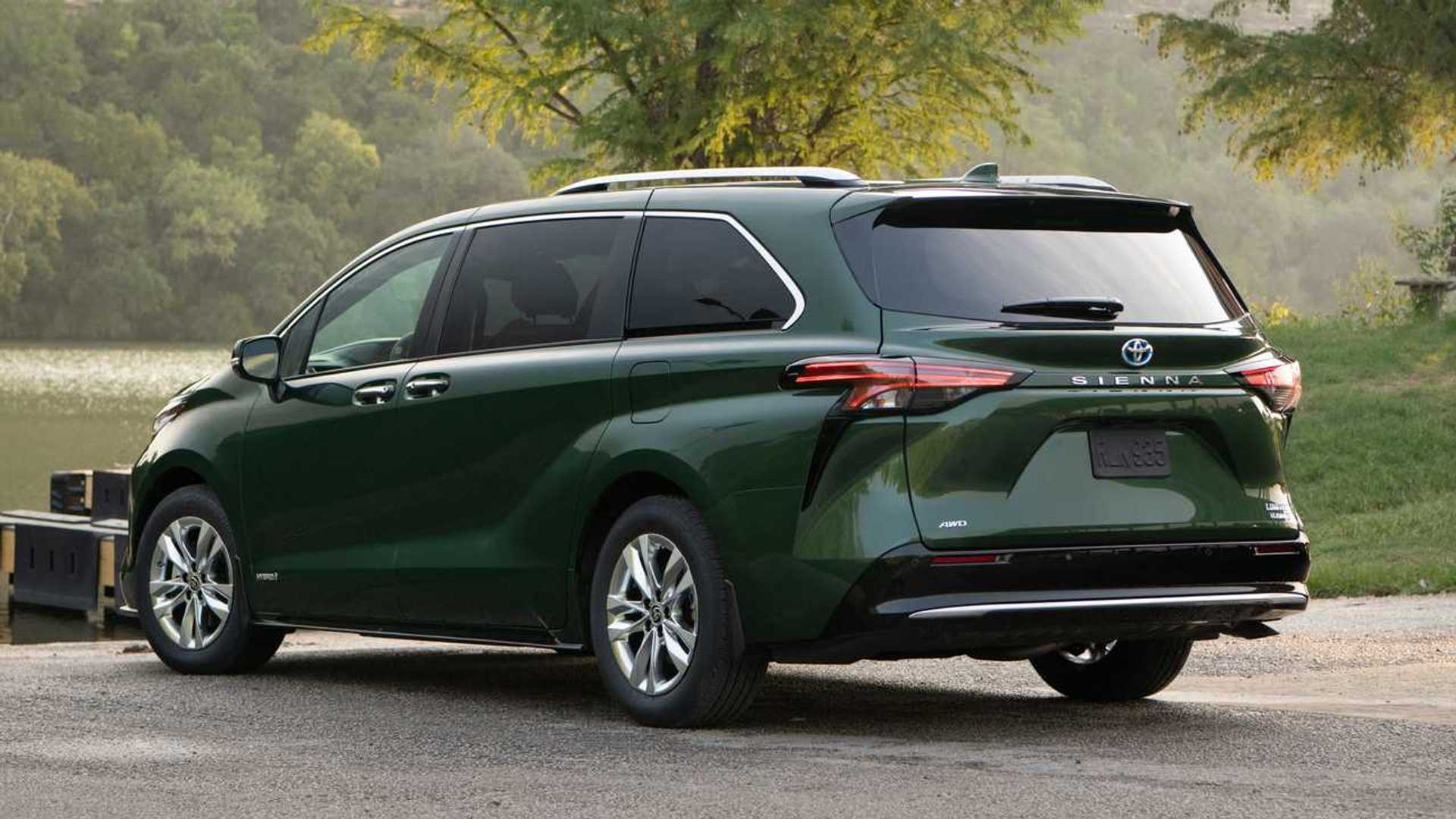
Sienna offers more space
By analyzing the size data of Veloz, Zenix, and Sienna, it can be seen that there is an insurmountable gap in terms of space utilization and passenger comfort.
The Toyota Veloz is 4475 mm long with a wheelbase of 2750 mm, which is fairly standard in the compact MPV segment. Its advantage does not lie in absolute spaciousness but rather in flexibility. Its relatively short body allows it to navigate crowded streets and park in narrow spots found in old shopping districts with ease.
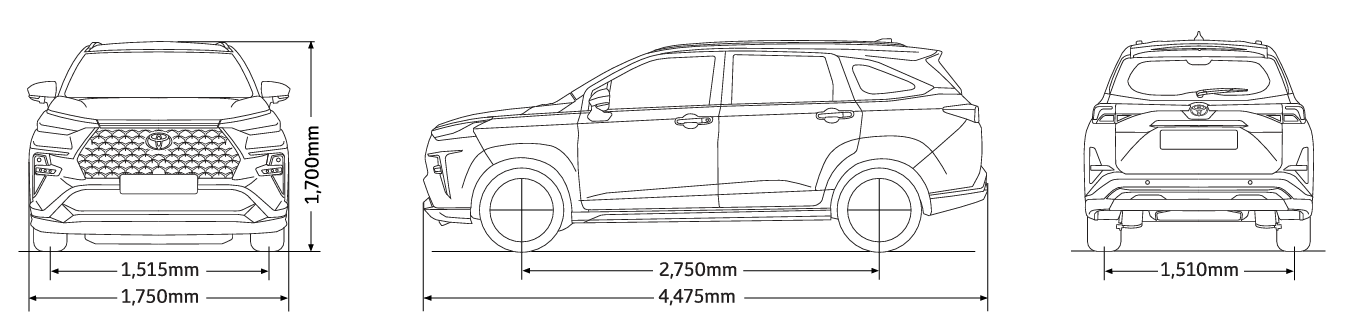
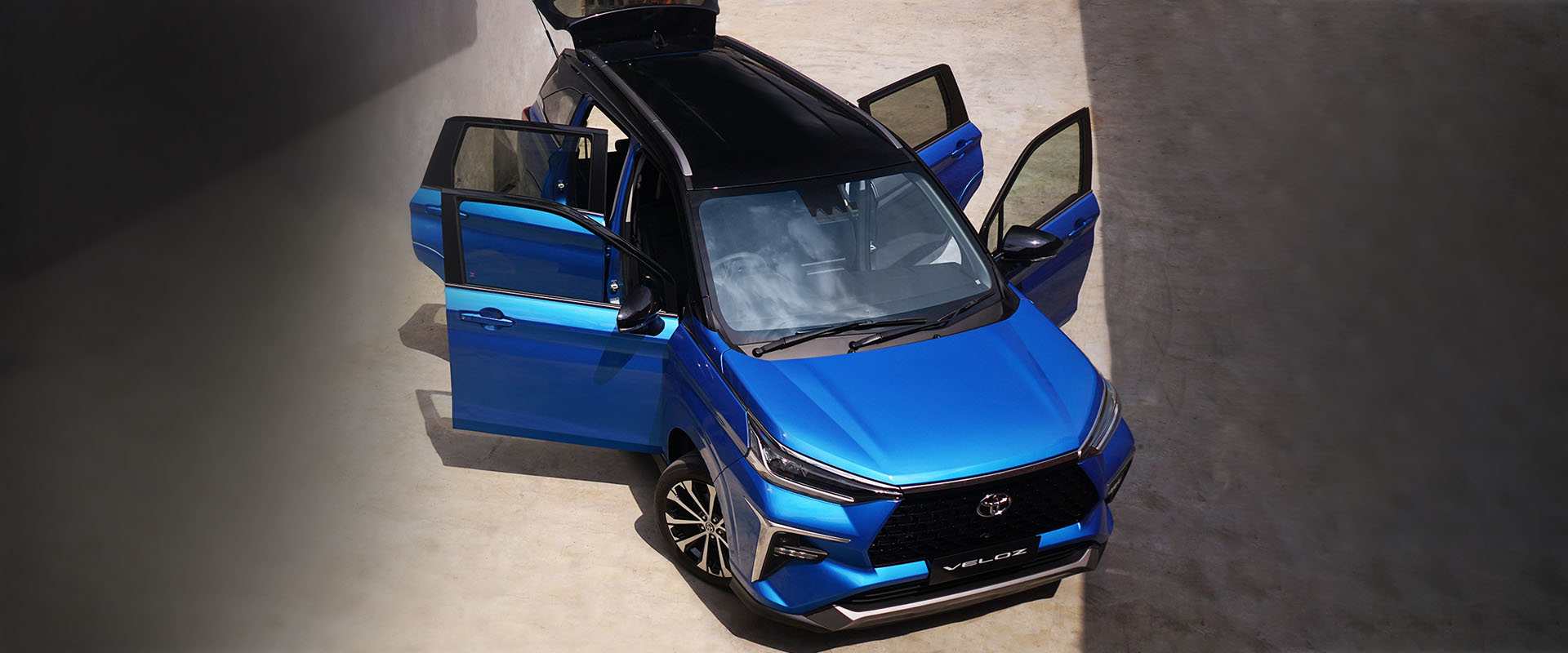
However, physical limitations cannot be avoided. When the third-row seats are activated, the trunk space is almost completely taken up, leaving room for only a few backpacks.
This seven-seat layout in a compact body suits daily outings with four, and occasional short trips with seven in an urban family context.
The dimensions of the Toyota Zenix have been significantly upgraded, with the length increased to 4760 mm and a wheelbase of 2850 mm, firmly placing it in the category of large five-seater or standard seven-seater vehicles.
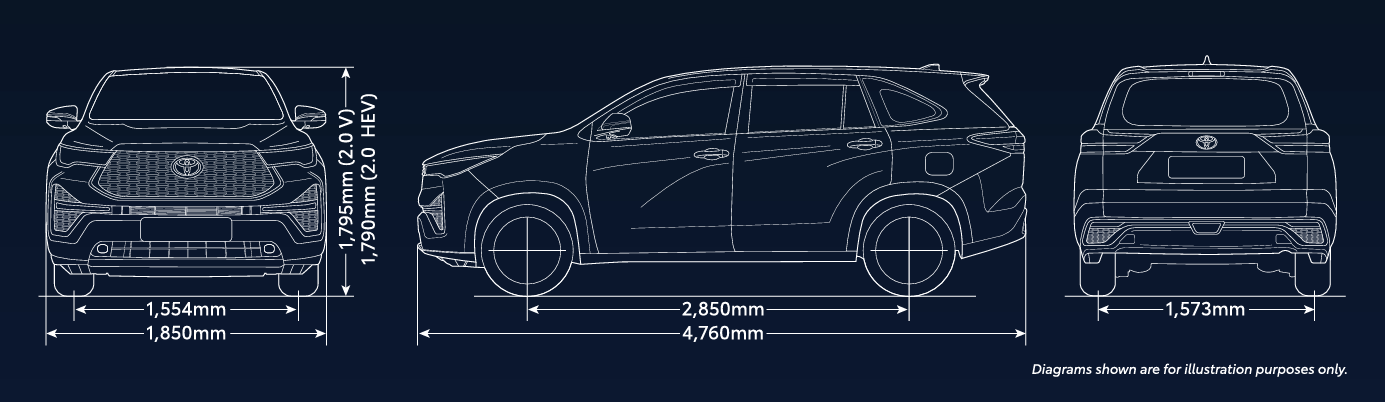
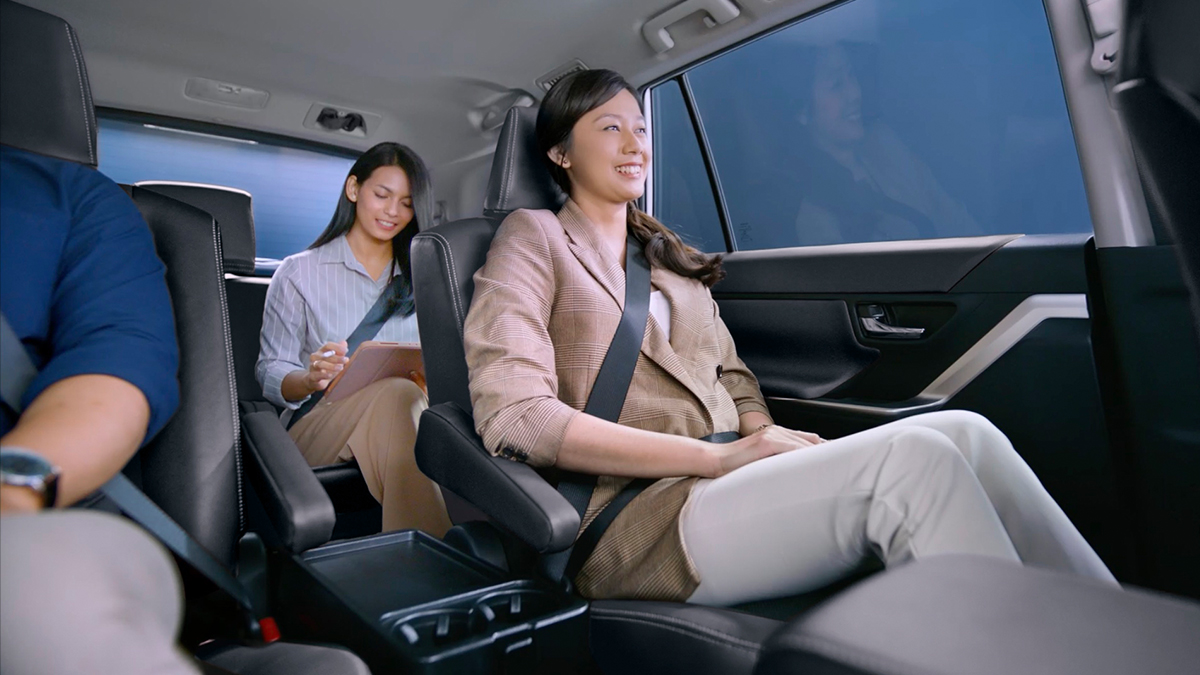
Compared to the Veloz, the Zenix not only increases legroom but also further expands the longitudinal depth. Second-row passengers can easily achieve a semi-reclining posture similar to a business-class seat. More importantly, even with all three rows of seats deployed, the trunk can still retain some cargo space.
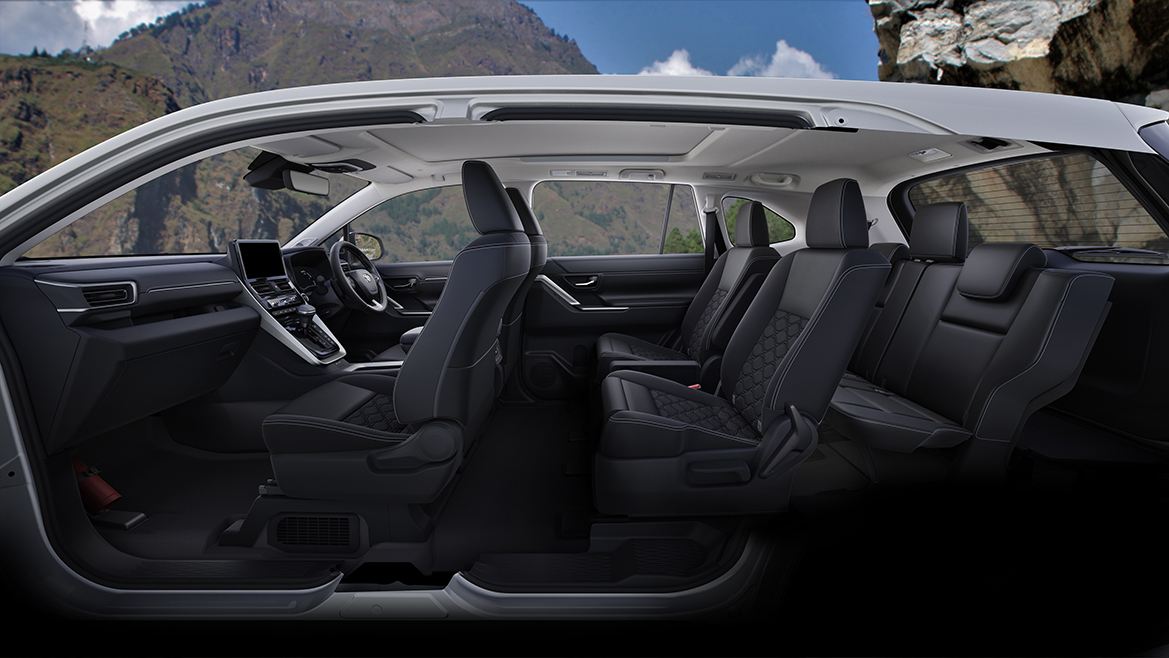
However, the Toyota Sienna—with its 5175 mm length and 3061 mm wheelbase—effectively ends this space competition. With a width of 1994mm, it offers unparalleled lateral comfort. Passengers in the second and third rows won’t feel squeezed shoulder to shoulder, as each individual can enjoy their own independent seating space.
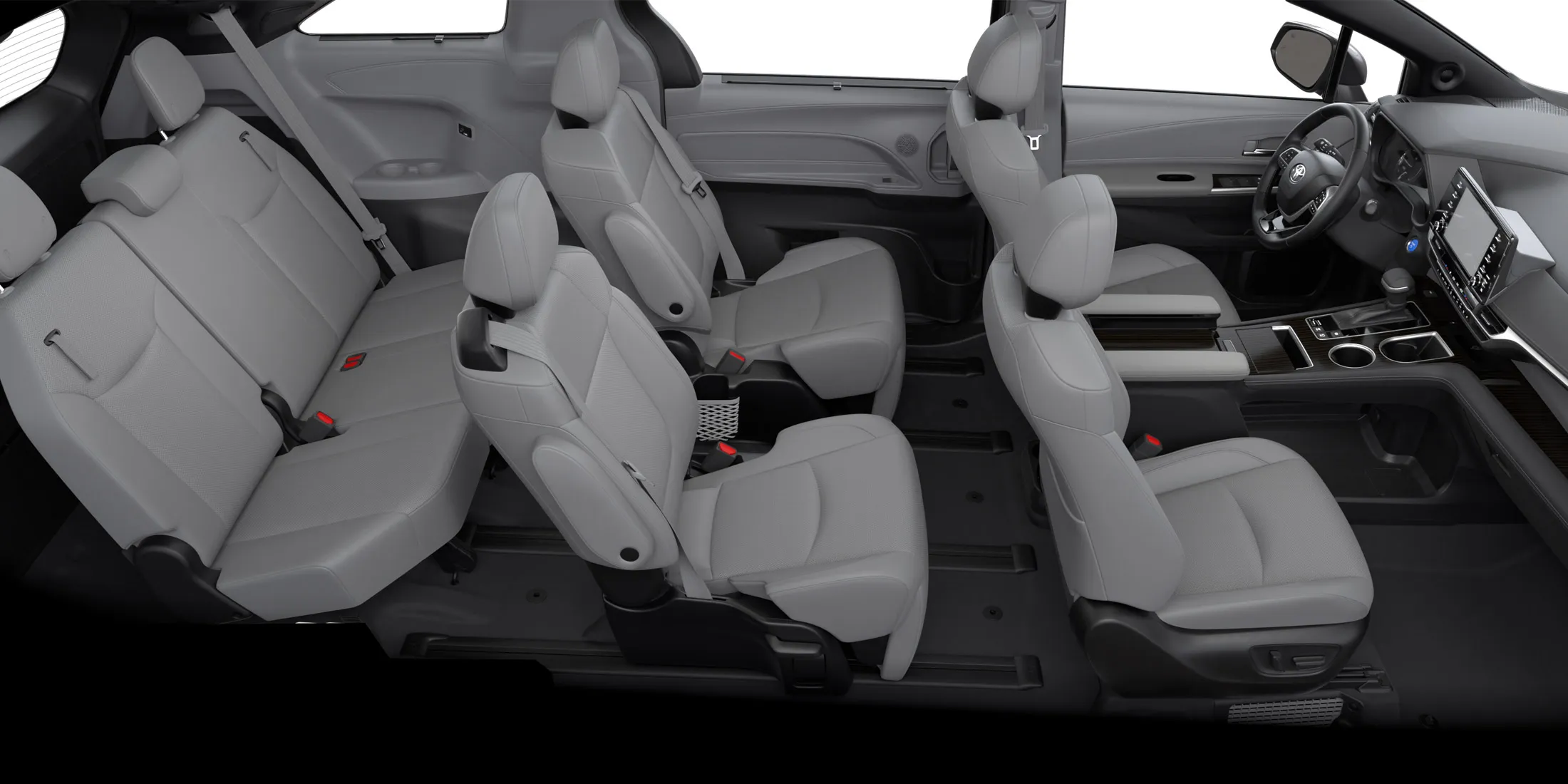
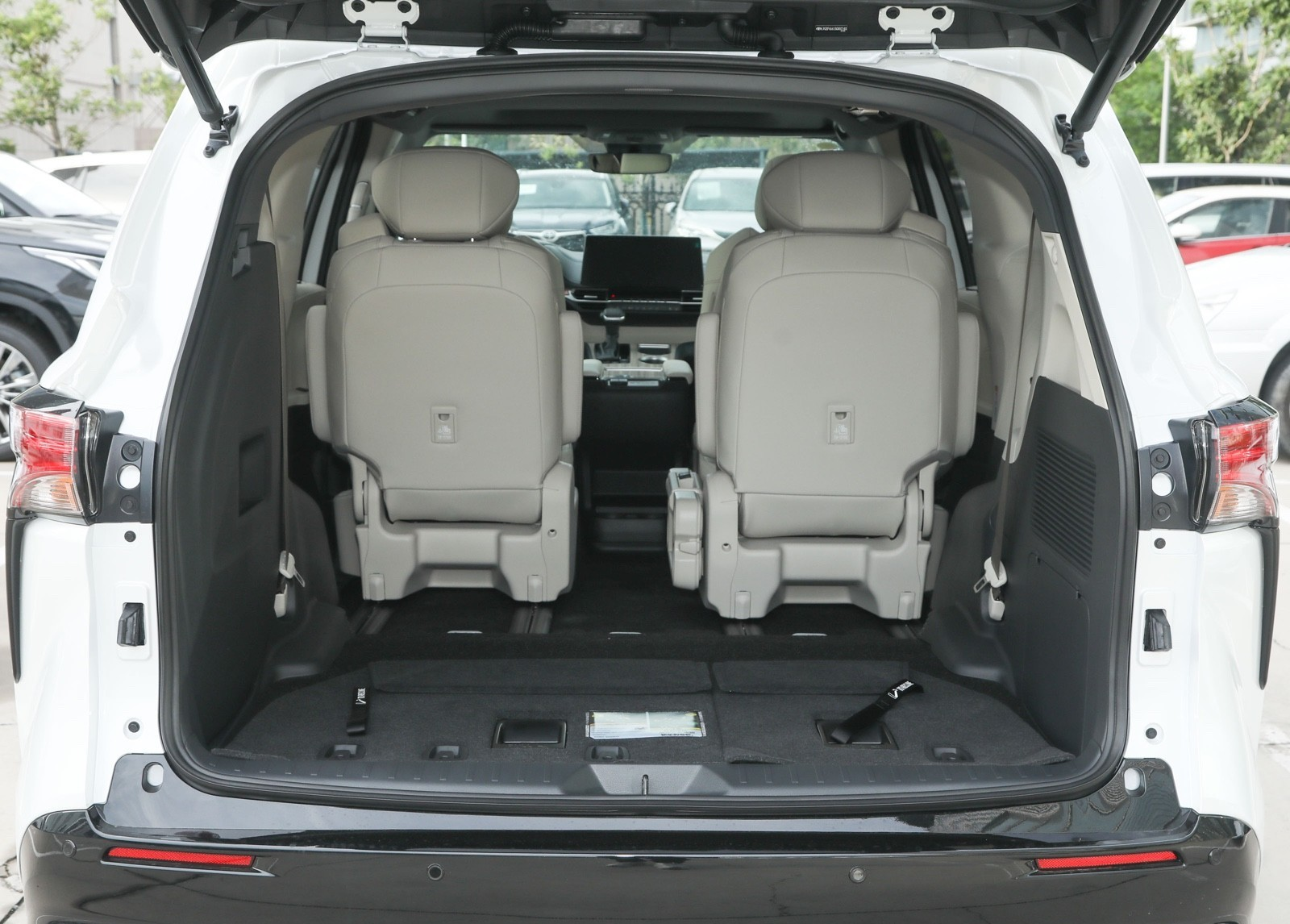
The key advantage lies in the wheelbase: a 3061mm wheelbase provides ample and comfortable space for adults in every row, completely avoiding the awkwardness of the third row being suitable only for children.
Even when fully loaded with seven people, the Sienna can still create a deep trunk space through its recessed rear design, easily accommodating four 28-inch large suitcases.
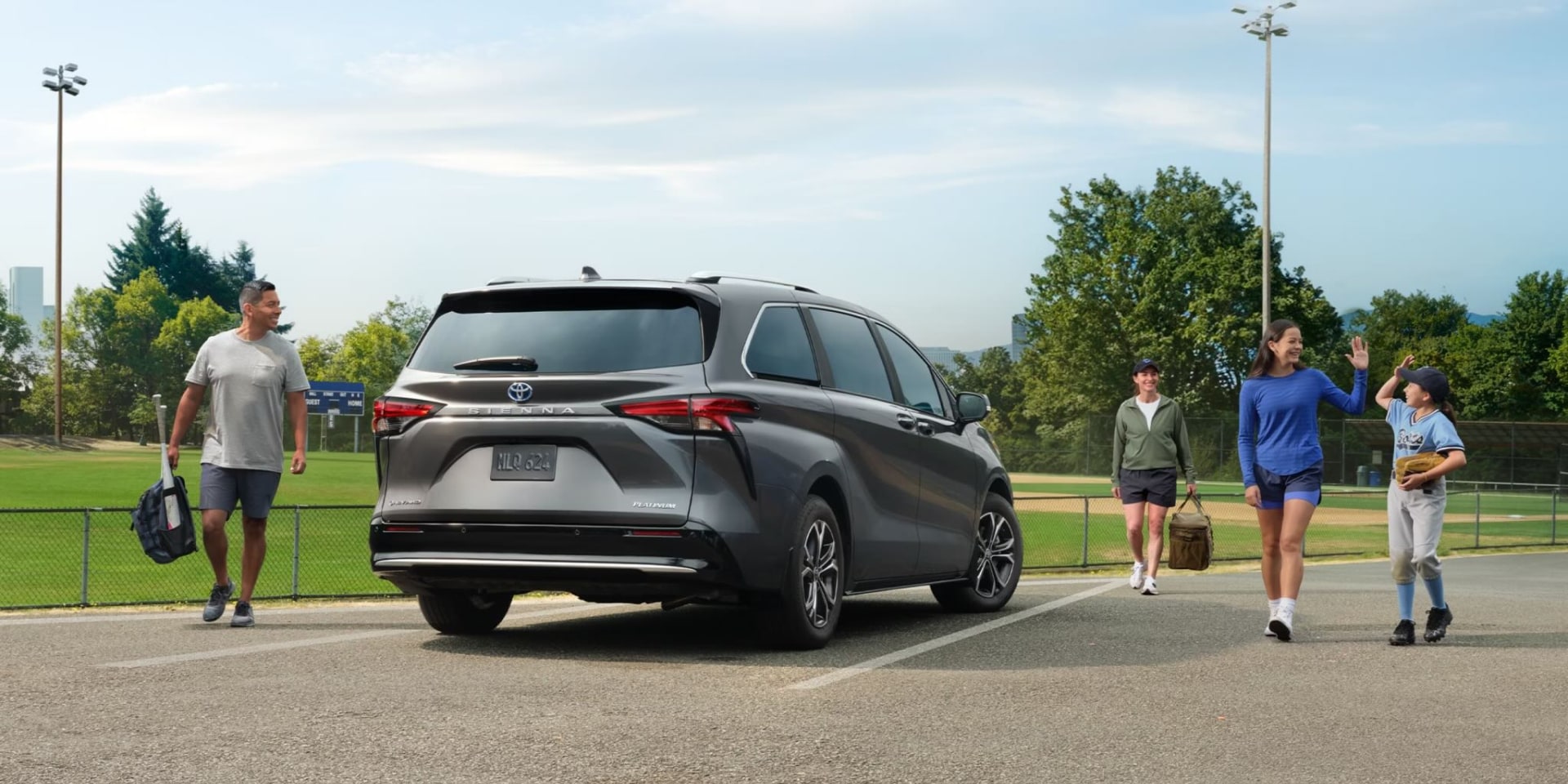
Other advantages of the Sienna compared to Zenix and Veloz
Even though Zenix can meet the needs of most mainstream families, the Sienna remains popular in the Southeast Asian parallel import market.
This is not merely about brand worship; it possesses three core advantages that can completely transform the driving experience. These advantages bring daily convenience and comfort that entry-level and even mid-tier MPVs find hard to match.
The first is the travel convenience brought by the sliding side doors. In bustling city centers, narrow parking spaces are very common. The conventional swing doors used by Veloz and Zenix often only allow a narrow opening after parking, making getting in and out of the vehicle cumbersome and awkward, akin to squeezing through a gap.
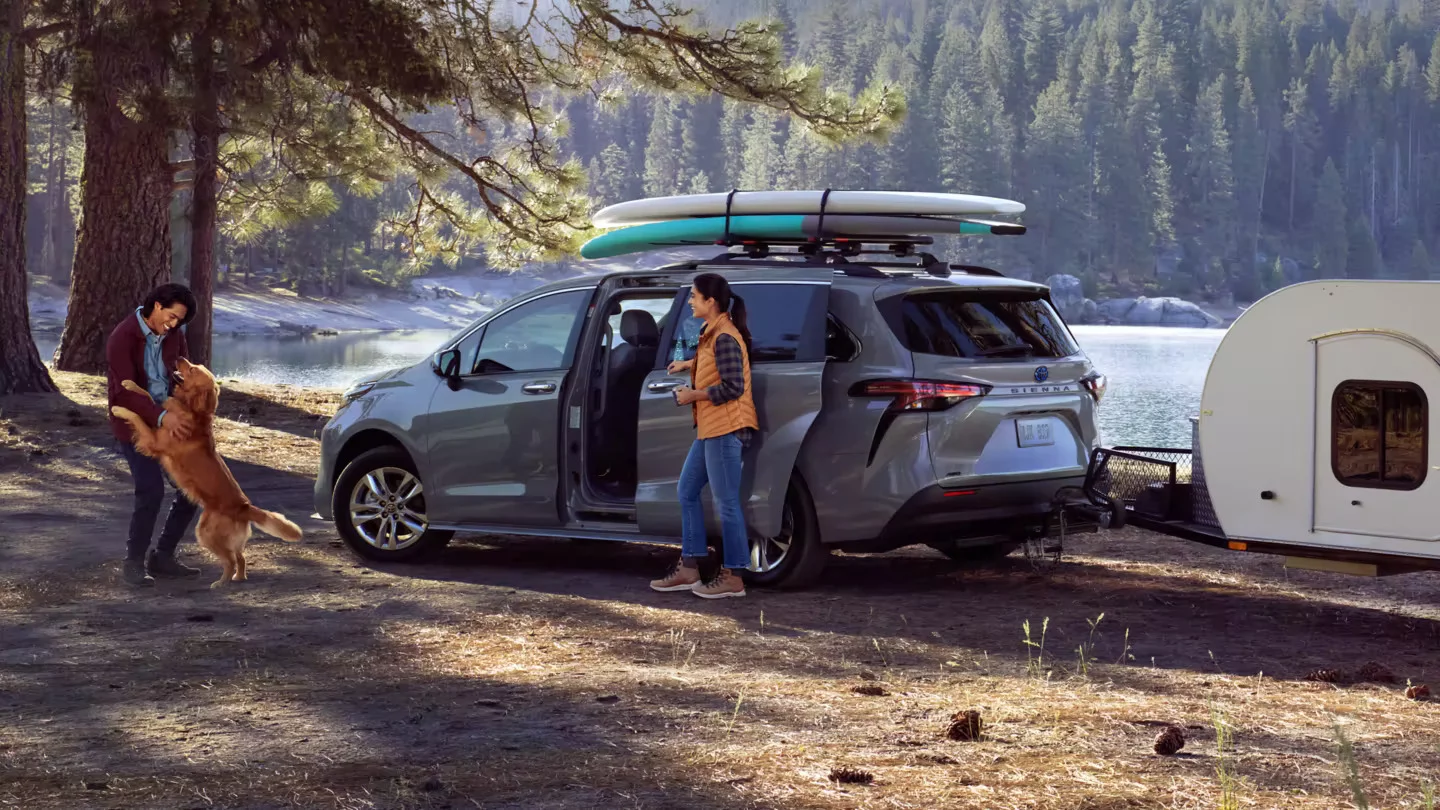
In contrast, the Sienna's dual electric sliding doors not only offer a wide opening but also support foot-sensing activation. Imagine a mom holding a baby or carrying heavy shopping bags; with just a light kick under the car, the door smoothly opens, allowing easy entry and exit without needing to avoid the car parked beside. For families with both elderly and young members, this is not just convenience but a significant enhancement to the quality of life.
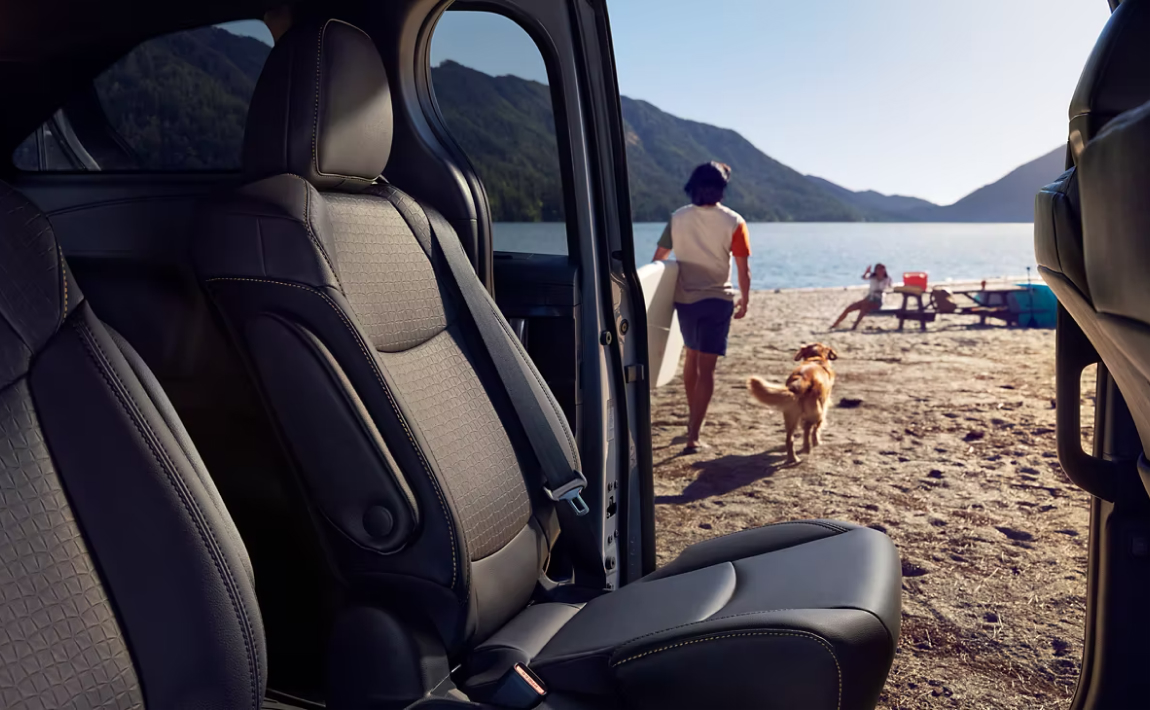
The second point is truly respecting the spatial inclusivity of every passenger. Among many seven-seater models available in Southeast Asia, the third row is often joked about as a small dark room or a pet seat, making it extremely uncomfortable for adults on long journeys.
However, Sienna, with its nearly 2-meter width and over 3-meter wheelbase, has transformed the third row into a sofa seat truly capable of accommodating three people, ensuring no discomfort for adults even on long trips.
Another thoughtful feature is the rear sunken storage compartment, which allows the vehicle to easily accommodate 4 to 5 large suitcases even when fully loaded. This loading capacity far exceeds that of Veloz and Zenix, making Sienna the ultimate choice for large families embarking on cross-country or cross-state long-distance journeys.
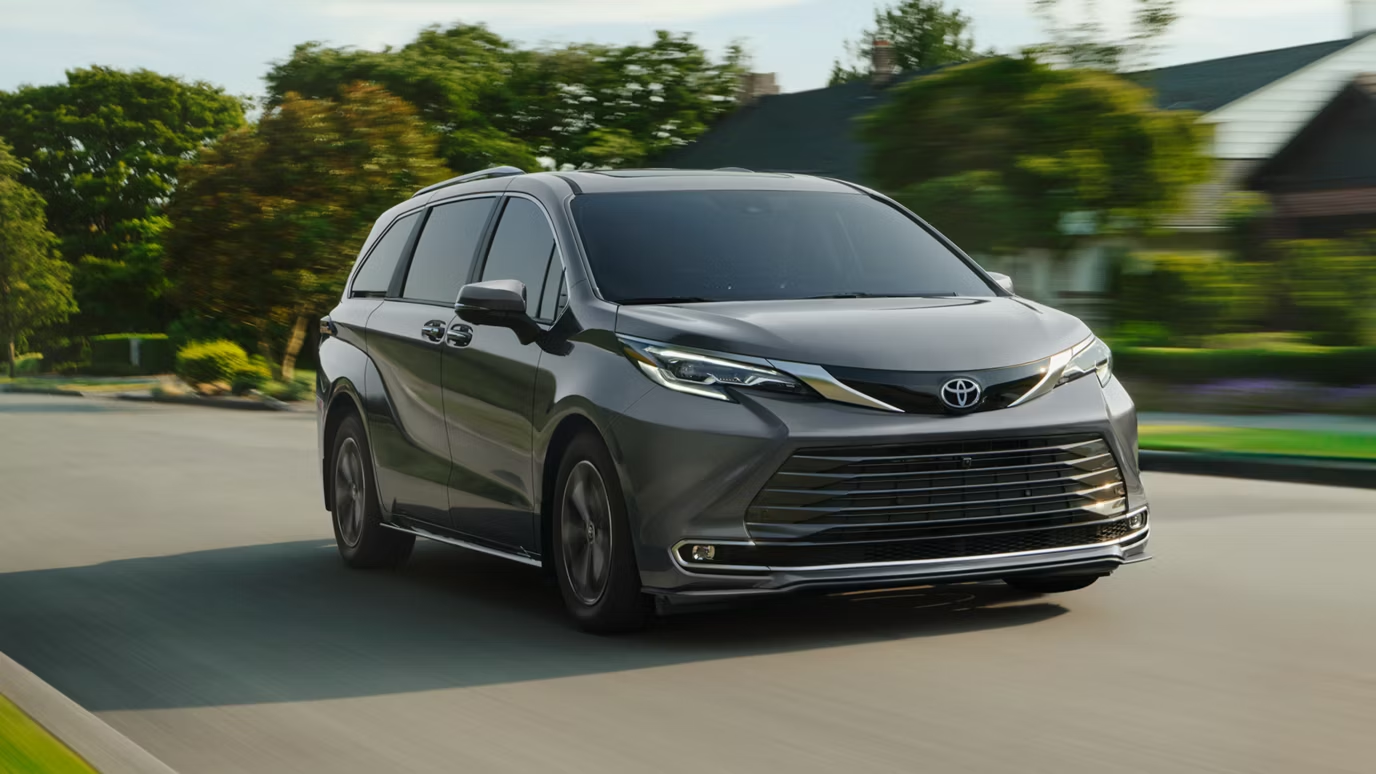
The third point is the hidden fuel efficiency and outstanding driving quality beneath its large body. Sienna is equipped with Toyota's most advanced 2.5L fourth-generation hybrid system (THS II) across its entire lineup. This large MPV achieves fuel consumption of just 6.5 to 7.0 litres per 100 kilometres, even lower than many small 1.5-litre petrol-only cars, completely overturning the stereotype that large vehicles must be fuel-intensive.
Additionally, the TNGA-K platform endows it with cruise quality approaching that of Lexus. Compared to Zenix's tuning aimed at urban agility, Sienna demonstrates a sense of heft, quietness, and stability during high-speed travel, which is the standard flagship-level quality expected of a family MPV.
Why is Sienna absent in the Southeast Asian market?
Among automotive enthusiasts, Sienna has always been a hot topic, yet it remains absent from Toyota's official showrooms.
The first unavoidable issue is its size. Sienna is a model designed specifically for the North American market, with a width close to 2 meters. However, in Southeast Asia, land is scarce, roads are narrow, and parking spaces are compact—these are prevalent conditions.
This large vehicle struggles in old neighborhood garages and narrow alleys when making turns. Its flexibility is far inferior to that of Veloz and Zenix, often placing owners in trouble when parking or navigating through tight spaces.
For Toyota's official perspective, introducing a product that may prevent users from successfully parking in their own garage would undoubtedly create many service risks and outweigh the benefits.
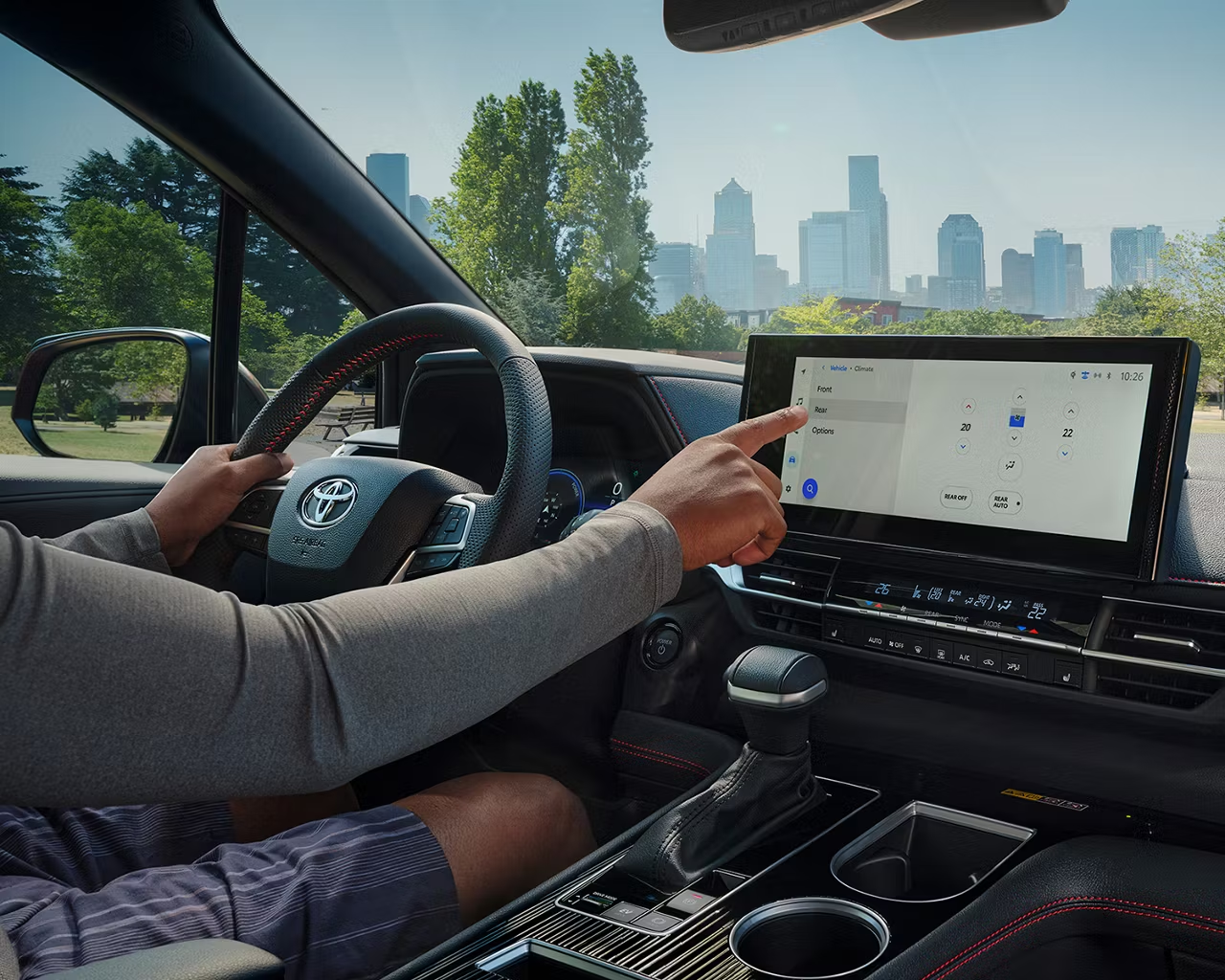
Secondly, there are issues with its complex origins and steering wheel layout. Sienna's core production base is located in Indiana, USA, and from its initial design, it has primarily targeted the left-hand drive (LHD) market.
Although there have been rumors of a right-hand drive version globally, for Toyota, setting up a dedicated production and supply chain system for the fragmented right-hand drive market in Southeast Asia offers a cost-benefit ratio far inferior to the well-established TNGA-C platform (the platform Zenix belongs to).
This is why the Sienna is popular in North America and China, while in Southeast Asia it remains solely a parallel import model.
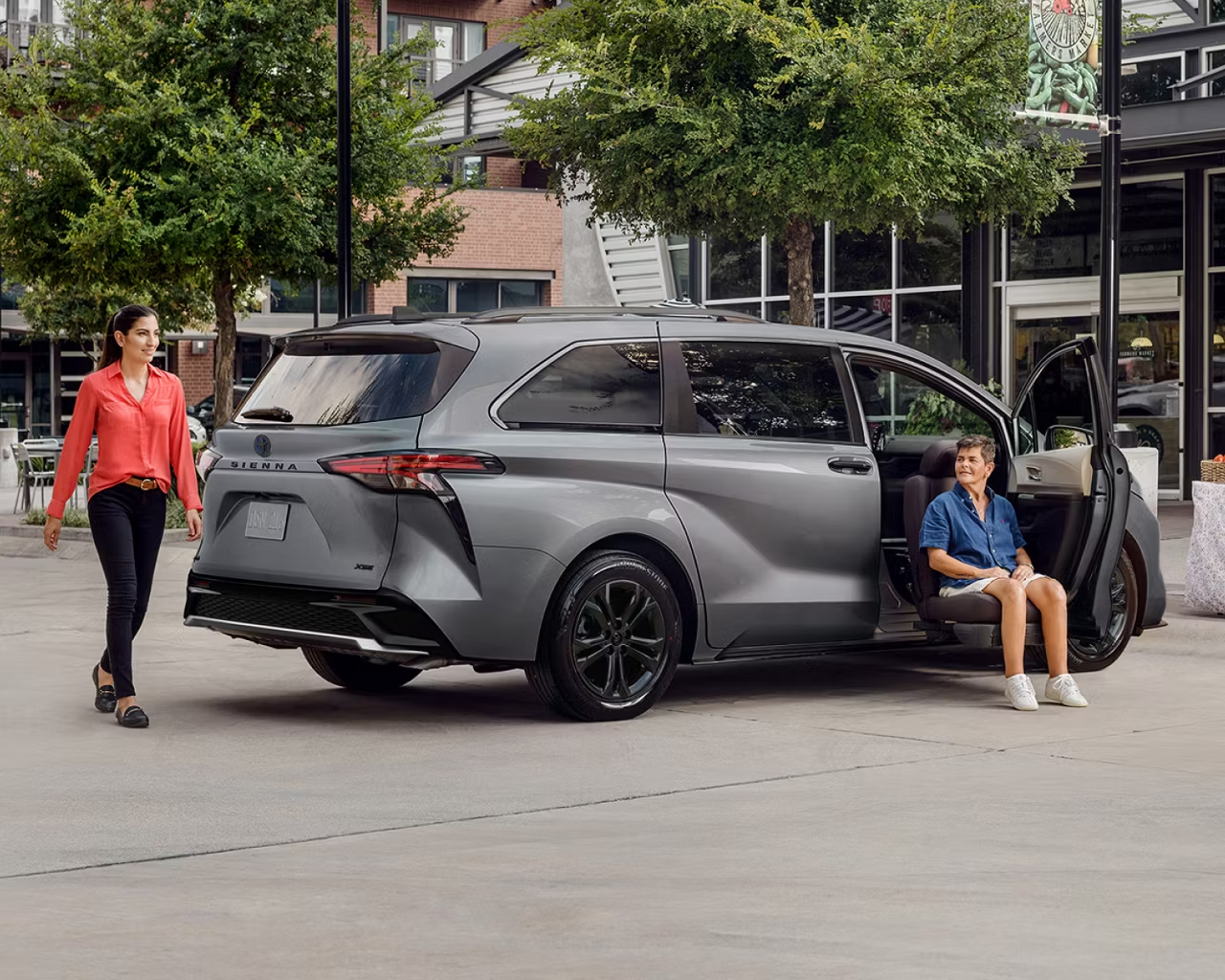
The most crucial factor is Toyota's internal pricing and positioning strategy. If the Sienna were officially introduced, its price after import duties would likely overlap with that of the Alphard, Toyota's flagship family MPV.
In Southeast Asia, Alphard's business positioning is already deeply rooted, and it is considered a status symbol for the elite class. On the other hand, the Sienna is geared towards pure household use. While it is favored by a niche of high-end families, in the general public's perception, given the same budget, more people would opt for the more prestigious Alphard.
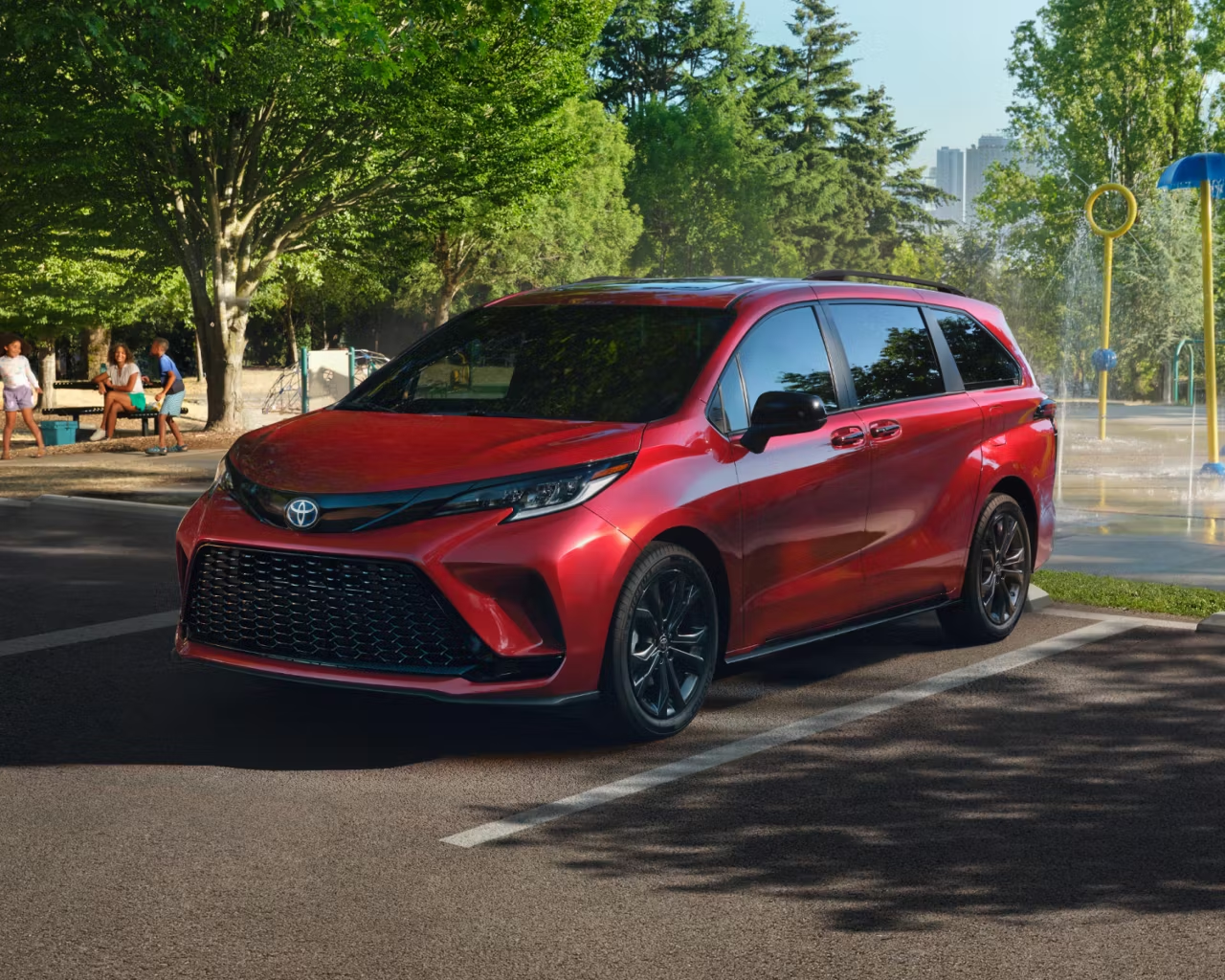
Based on this differentiated competition strategy, Toyota has formulated a more prudent market strategy: using the Veloz to secure the entry-level household market, the Zenix to cater to the needs of middle-class families, and leaving the gap in the top-tier household MPV segment to be filled by the parallel import market.
For those who value the Sienna and are willing to invest in family comfort, Toyota’s choice not to offer it officially preserves its purely family-oriented character, unburdened by commercial positioning.
If any infringement occurs, please contact us for deletion










Popular Cars
Model Year
Car Compare
Car Photo