
What are the differences between Honda Civic Hybrid and Turbo?
 LienMay 07, 2024, 10:32 AM
From the outside, the most obvious difference with the Civic Hybrid (officially called Honda Civic e:HEV RS) is the blue Honda emblem and black chrome bicolor 18-inch wheel rims. The Civic Turbo (officially called Honda Civic RS) is equipped with wheel rims of the same size, but baked in glossy black.
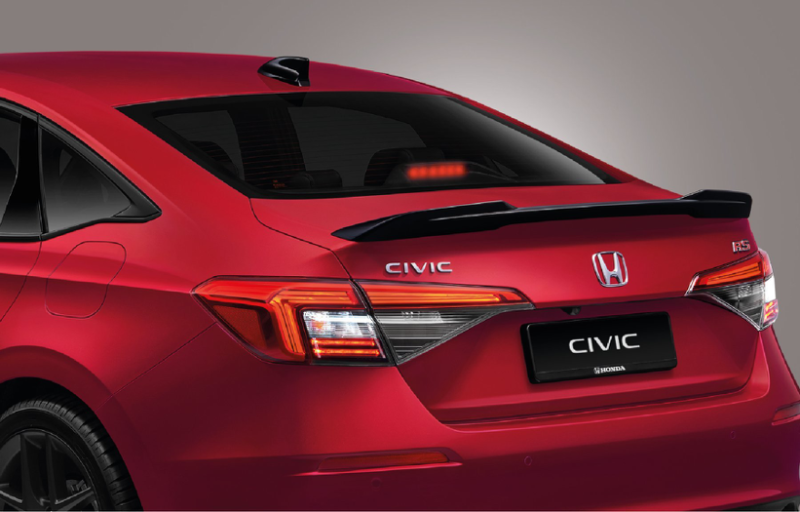
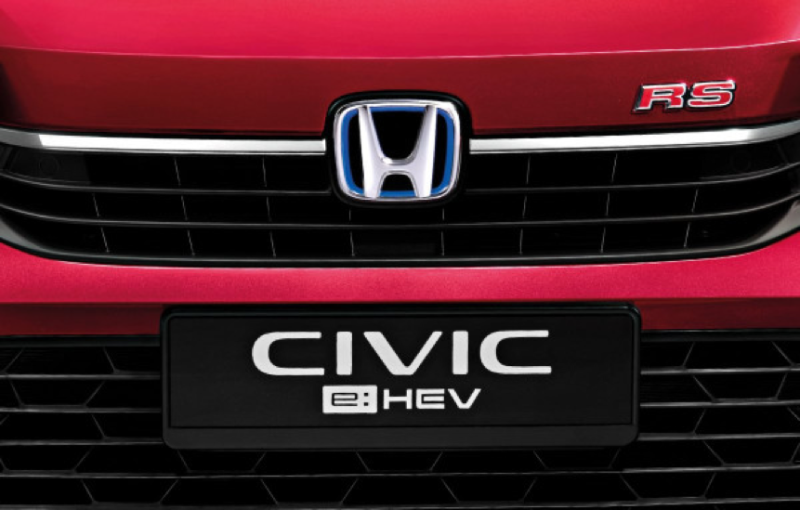
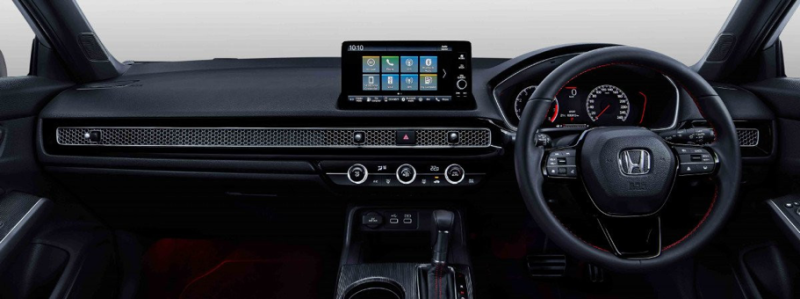
Inside the car, the Civic Hybrid has added the following features compared to the Turbo model:
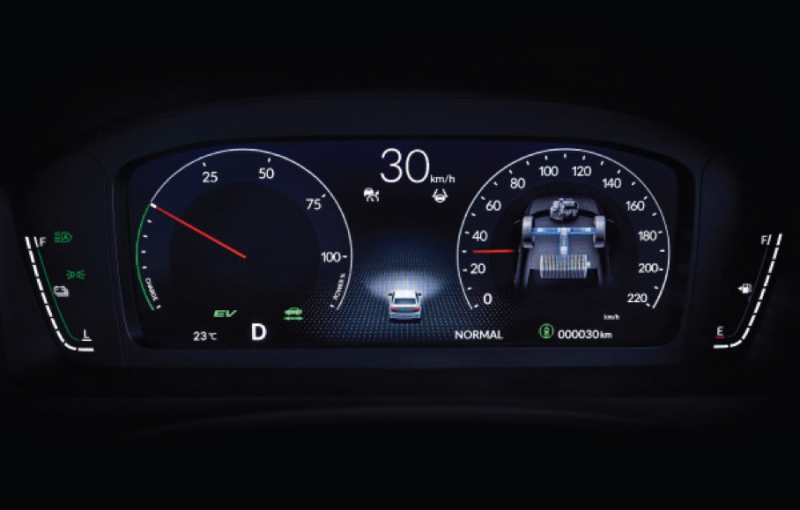
- Larger 10.2-inch full-digital dashboard (compared with the Turbo's semi-digital 7-inch dashboard)
- Dual-zone constant temperature air conditioning
- Wireless phone charger
- Fancy audio synthesizer, which, through the speaker, overlays a more sporting engine roar into the interior of the car (activated in sports mode)
Honda Civic e:HEV RS Price and Specifications
- Price: RM 167,900
- Engine: 2.0L naturally aspirated hybrid system
- Horsepower: 184 PS electric motor, 143 PS engine
- Torque: 315 PS electric motor, 189 Nm engine
- Transmission: CVT (no belt, gear design)
- 0 – 100 km/h: 7.9 seconds (claimed)
- Fuel consumption: 4.0L/100 km (claimed)
- Warranty: 5 years/unlimited mileage, hybrid battery 8 years/unlimited mileage
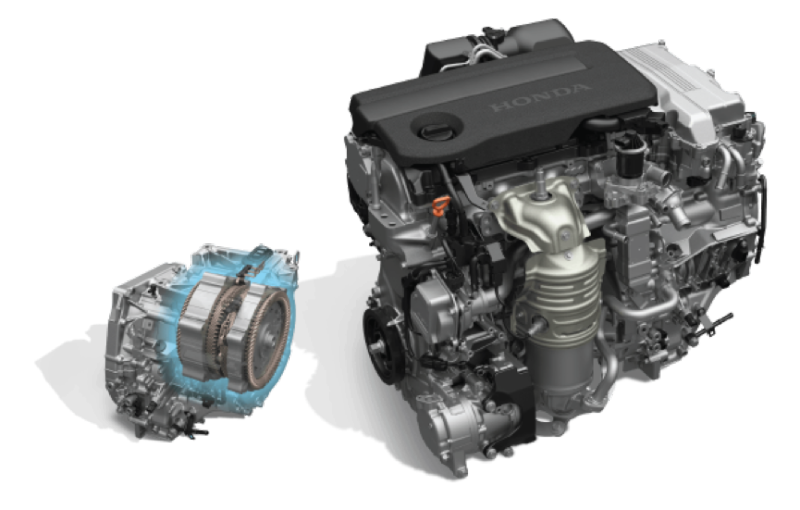
The larger 2.0L naturally aspirated engine has obvious advantages compared to the smaller 1.5L Turbo engine. With an output of 184 PS, it has 2 PS more than the turbo model, but you also get an additional 75 Nm of torque experience.
The electric motor alone can burst out 315 Nm, and the engine itself is 189 Nm, but you can't add the two together, because the peak torque of the electric motor is at 2,000 rpm, and the peak torque of the engine is at 4,500 rpm.
As this is a dual motor full hybrid vehicle, it works very smoothly and efficiently. The traditional transmission has now been replaced by a gear set. One of the smaller electric motors only serves as a generator to charge the high-voltage battery pack, while the larger electric motor serves as a generator to start the car, drive the car and charge the high-voltage battery pack.
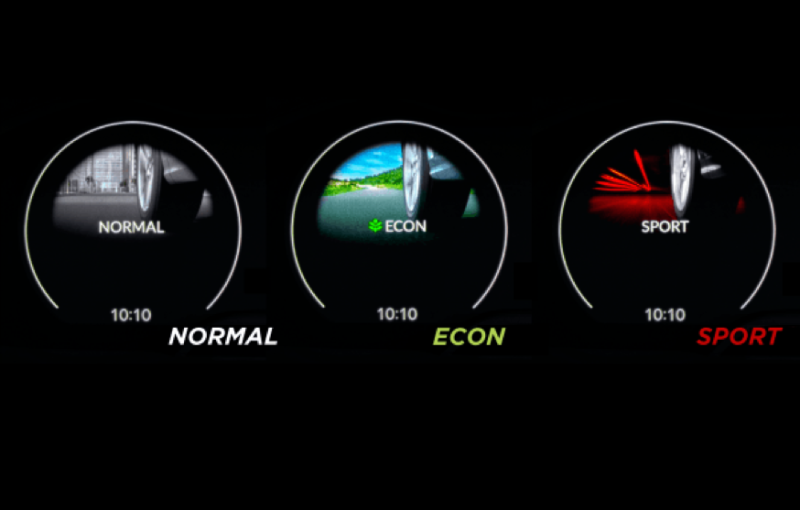
If you check the real-time operation of the fuel and electricity, you can see the seamless between different driving modes, as well as the switching visual animation through the infotainment screen and the instrument: only the electric motor, the engine only, the electric motor + the engine.
Switch to Sport mode and step on the gas, the other role in Civic's heart is awakened, and the synthesized engine sound produced by the horn adds a sporty atmosphere.
Since the instantaneous torque increase comes from the electric motor rather than the turbo engine, there will be no sudden acceleration and back stickiness, you just need to watch the speedometer rise.
Civic Hybrid officially claims a fuel consumption of 4.0L/100 km, which is easy to achieve under normal driving conditions.
So far, everything seems to be good, doesn't it? The biggest problem with the Civic Hybrid is not the price.
Although the price of the Civic Hybrid is as high as RM 167,900 (10 years ago, this was the price of the Accord).
But this price is considered reasonable, please remember that without tax incentives, the FB Civic Hybrid was once sold at a price of RM 185k. Nowadays, Malaysia no longer provides any subsidies for hybrid electric cars.
But the biggest problem with this latest generation Civic Hybrid is not its price, but its seats.
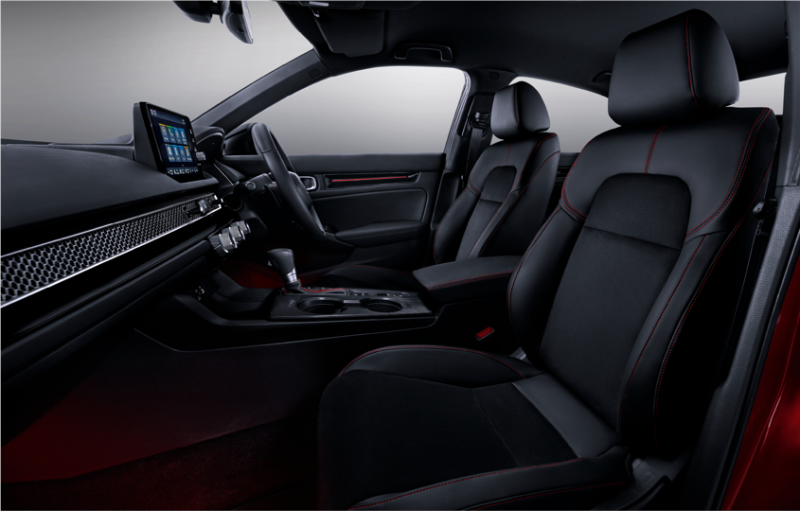
Whether you are sitting in the front row or the back row, the seats do not have enough support, and the velvet leather material of the RS specification actually reduces riding comfort. Personally, I think the seats of the Toyota Corolla Altis are more comfortable.
So, Honda Civic Hybrid or Turbo, how would you choose?
If any infringement occurs, please contact us for deletion










Popular Cars
Model Year
Car Compare
Car Photo