

2022 Maserati MC20 3.0T Review

 Share
Share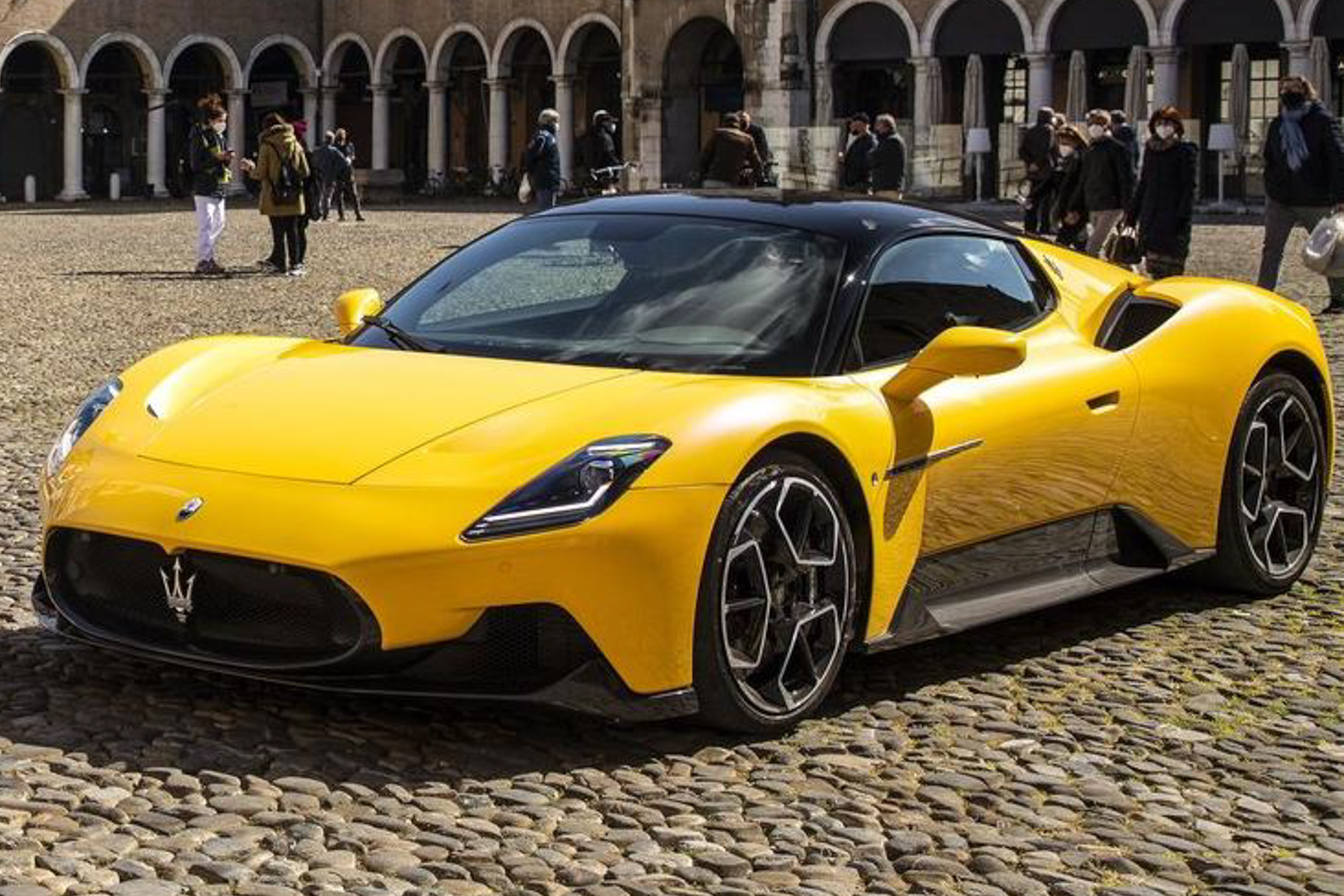

 Segment
 Body Type
 Capacity(L)
 Engine Power(PS)
 Transmission
 Driven Wheels
The supercar market in Malaysia has always been a niche but highly focused field. Consumers not only value performance data but also care about the combination of brand style and driving experience. The 2022 Maserati MC20 3.0T, as the brand's first mid-engine supercar released in years, has very clear selling points: a 630-horsepower twin-turbo V6 engine, 2.9-second acceleration from 0 to 100 km/h, and a more affordable price compared to similar-level Ferraris and Lamborghinis. The main purpose of this test drive is to verify whether it can strike a balance between performance and daily practicality and whether it lives up to the positioning of "Maserati's return to the essence of supercars."
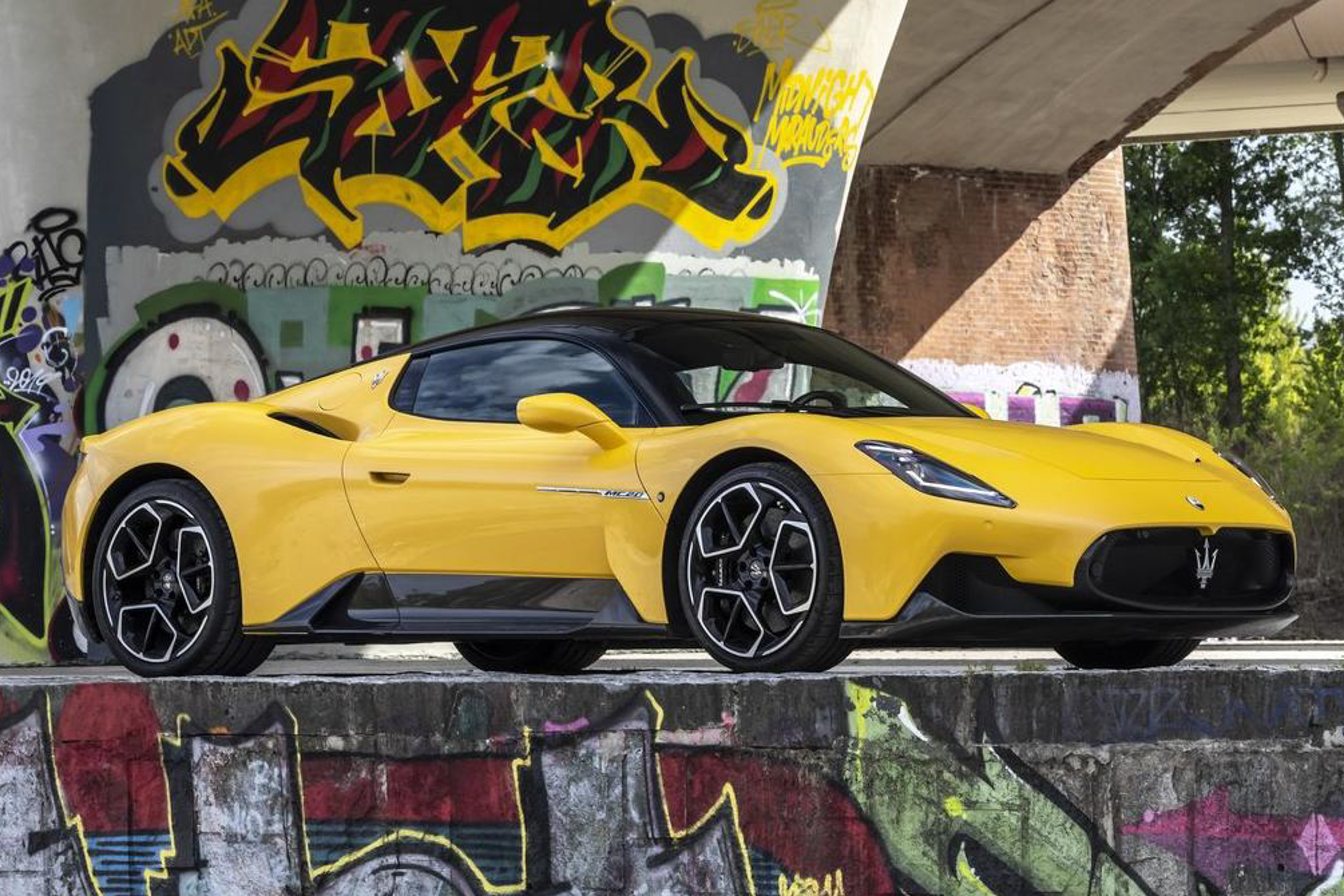
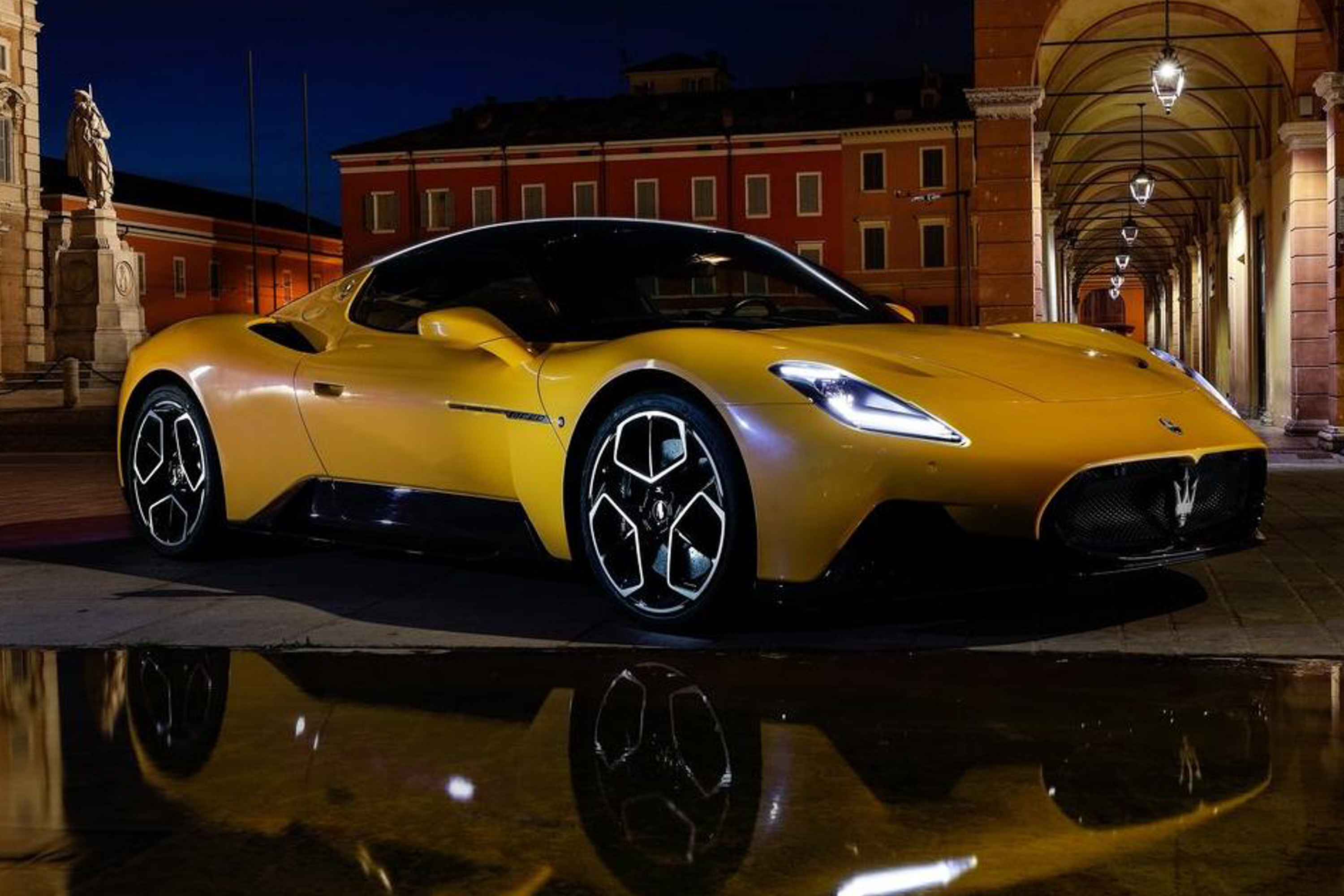
The exterior design of the MC20 fully serves aerodynamics. The overall lines are smooth and compact, with the body measuring 4669mm in length, 2178mm in width, and 1224mm in height, and a wheelbase of 2700mm—typical mid-engine supercar proportions. The iconic large grille of Maserati's front face has been replaced by three flat cooling vents below, paired with slim LED headlights, creating a high level of recognition. The butterfly doors on the sides of the body are a design highlight. They not only enhance the sense of ceremony but also make getting in and out more convenient compared to traditional scissor doors. The rear LED taillights adopt a through-line design, with a diffuser and dual-exhaust layout below, further emphasizing the sporty attribute. All lighting systems are LED, with automatic headlights and daytime running lights as standard, combining practicality with visual appeal.
Stepping into the interior, the style leans towards simplicity without excessive flashy designs. The center console is designed around the driver, with a 10-inch touchscreen central control screen and a 10-inch fully digital instrument cluster as the core configurations. The screen's responsiveness and resolution meet current mainstream standards. Materials-wise, the seats and the inner sides of the doors are wrapped in Alcantara, offering a delicate and anti-slip touch. Certain areas of the center console use carbon-fiber trims, enhancing the sporty atmosphere. As for key features, a 360-degree panoramic camera, front and rear sensors, rain-sensing wipers, and electrically folding side mirrors come as standard, ensuring daily usage convenience. The seats are bucket-style with strong wrapping ability and enough support for spirited driving, but they do not cause noticeable discomfort during long periods of use.
In terms of space, as a two-seat supercar, the MC20 provides enough room to accommodate passengers up to 180cm tall, with no significant constraint on headroom or legroom. Storage capacity is relatively limited; the door storage pockets can only fit a phone, and the storage slot under the center console is not very large. The trunk has a volume of 150 liters, sufficient for a single carry-on suitcase, making it suitable for short trips. However, considering its positioning, such storage performance can already be considered acceptable. Heated seats are standard, but there is no ventilation function, which is slightly regrettable in Malaysia's hot weather.
The performance specifications are the core strength of the MC20. Equipped with a 3.0T twin-turbo V6 engine, it delivers a maximum of 630 PS, with peak torque output between 3000-5500 rpm, paired with an 8-speed DCT gearbox and rear-wheel drive. During actual driving, as long as you press the accelerator firmly at the start, the 2.9-second 0 to 100 km/h acceleration feels very direct, with strong and continuous thrust. In Sport mode, the transmission's shift speed increases noticeably, with clear logic for rev-matching during downshifts. Overtaking only requires a gentle press of the accelerator to get ample power response. Even in Comfort mode, the power output remains smooth without noticeable turbo lag. The official combined fuel consumption is 11.6L/100km, and during the test drive, city driving conditions showed about 15L/100km, while highway conditions averaged about 9L/100km. For a 630-horsepower supercar, this fuel consumption performance is considered reasonable.
In terms of handling, the performance of the MC20 exceeds expectations. The steering wheel is precise with minimal play and clear directional accuracy, providing sufficient confidence to the driver during intense driving. The suspension system adopts a double wishbone independent suspension at both front and rear, tuned to be firm, yet it doesn't feel too harsh when handling bumpy roads, offering better-than-expected comfort. Body roll during cornering is minimal, the tires (front 245/35 R20, rear 305/30 R20) have strong grip, and stability is excellent. The braking system uses ventilated disc brakes, with linear pedal feel and ample braking force. The car maintains stable posture during emergency braking.
In terms of driving comfort, the MC20 is considered an "outstanding performer" among supercars. During daily driving, engine noise is well-contained, only producing noticeable roars at high RPM. Wind and tire noise increase at high speeds but remain within acceptable limits. Seat comfort is commendable; although designed in a bucket style, the padding is relatively soft, ensuring long drives are not tiring. However, due to the mid-engine layout, heat from the rear firewall can slightly transmit into the cabin, so air conditioning needs to be turned up a bit during summer drives.
Regarding specialized performance testing, we focused on fuel consumption and braking performance. In urban conditions, fuel consumption is around 15L/100km, while on highways, it's about 9L/100km, aligning well with the official combined fuel consumption level of 11.6L/100km. In the braking performance test, the braking distance from 100km/h to 0 was approximately 32 meters, showcasing impressive performance.
In summary, the core highlights of the MC20 are prominent: a robust 630 horsepower engine, 2.9-second 0-100km/h acceleration, relatively affordable pricing (RM1,078,000), and better everyday usability compared to supercars in the same class. In comparison with its competitors, such as the Ferrari F8 Tributo (approximately RM2,200,000) and the Lamborghini Huracan (approximately RM1,500,000), the MC20 holds a clear pricing advantage without falling short significantly in performance. Its overall performance is well-balanced, catering to both the thrilling driving experience of weekend track days and the demands of daily commuting.
The target consumer group is quite clear: Firstly, those who appreciate supercar performance but occasionally need their car for daily use; secondly, consumers who value the Maserati brand appeal without pursuing extreme track-performance vehicles. For those looking for a "supercar you can drive to work," the MC20 is a compelling choice.
Overall, the 2022 Maserati MC20 3.0T is a "practical supercar." It doesn't solely focus on track performance but finds a balance between performance, comfort, and daily usability, while also being relatively affordable. If you're looking for a supercar that not only satisfies your vanity but can also be used occasionally for commuting, the MC20 is worth considering.
Maserati MC20 Car Compare
Maserati MC20 Loan Calculator
More Maserati Reviews
Cars With Similar Price And Features
8
Rank in Coupe
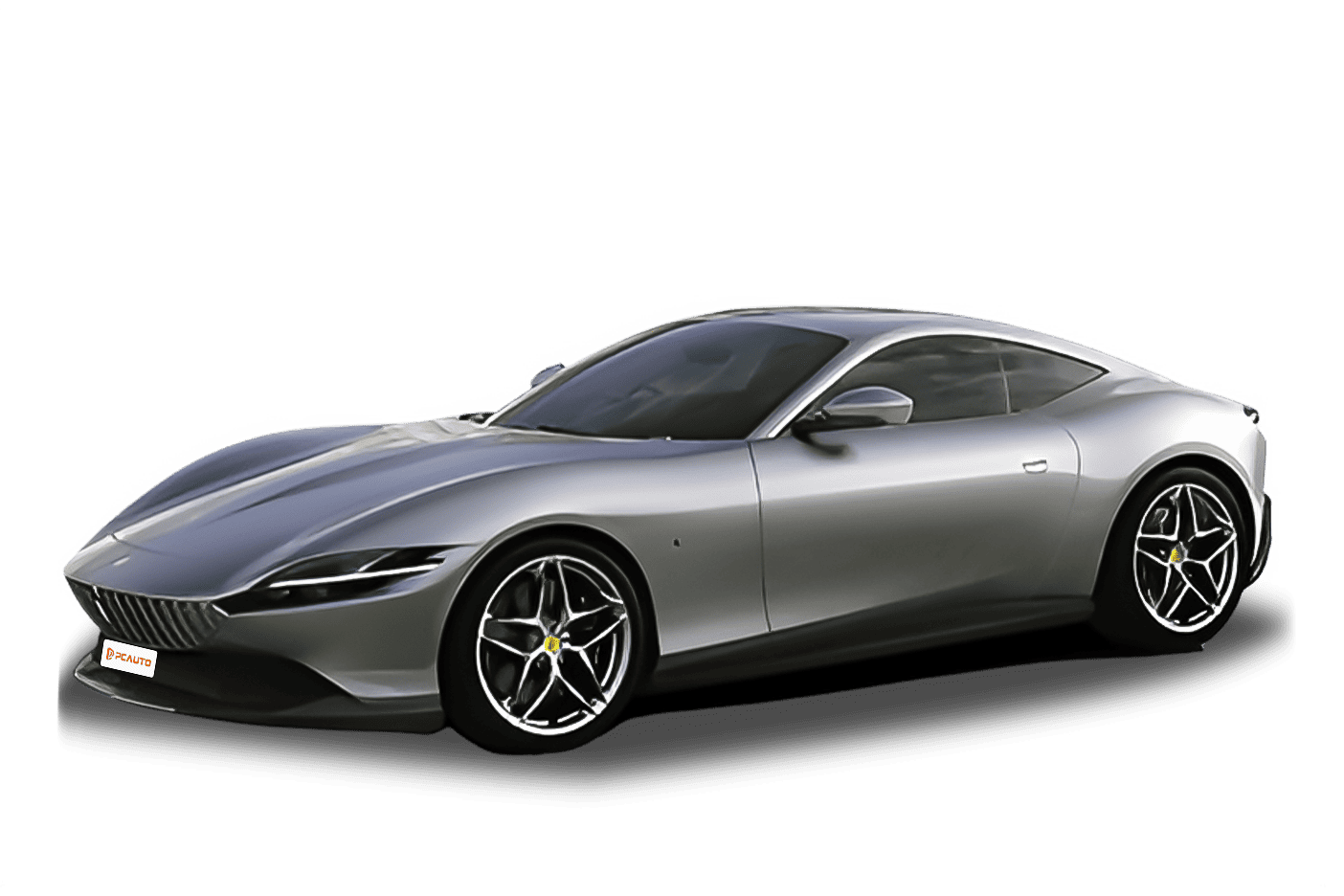
2023 Ferrari Roma Spider is a hardtop convertible GT supercar that combines elegant style with powerful performance, 13.5-second fast-opening soft top + 620PS power, practical for daily use and full of driving pleasure.
2
Rank in Coupe
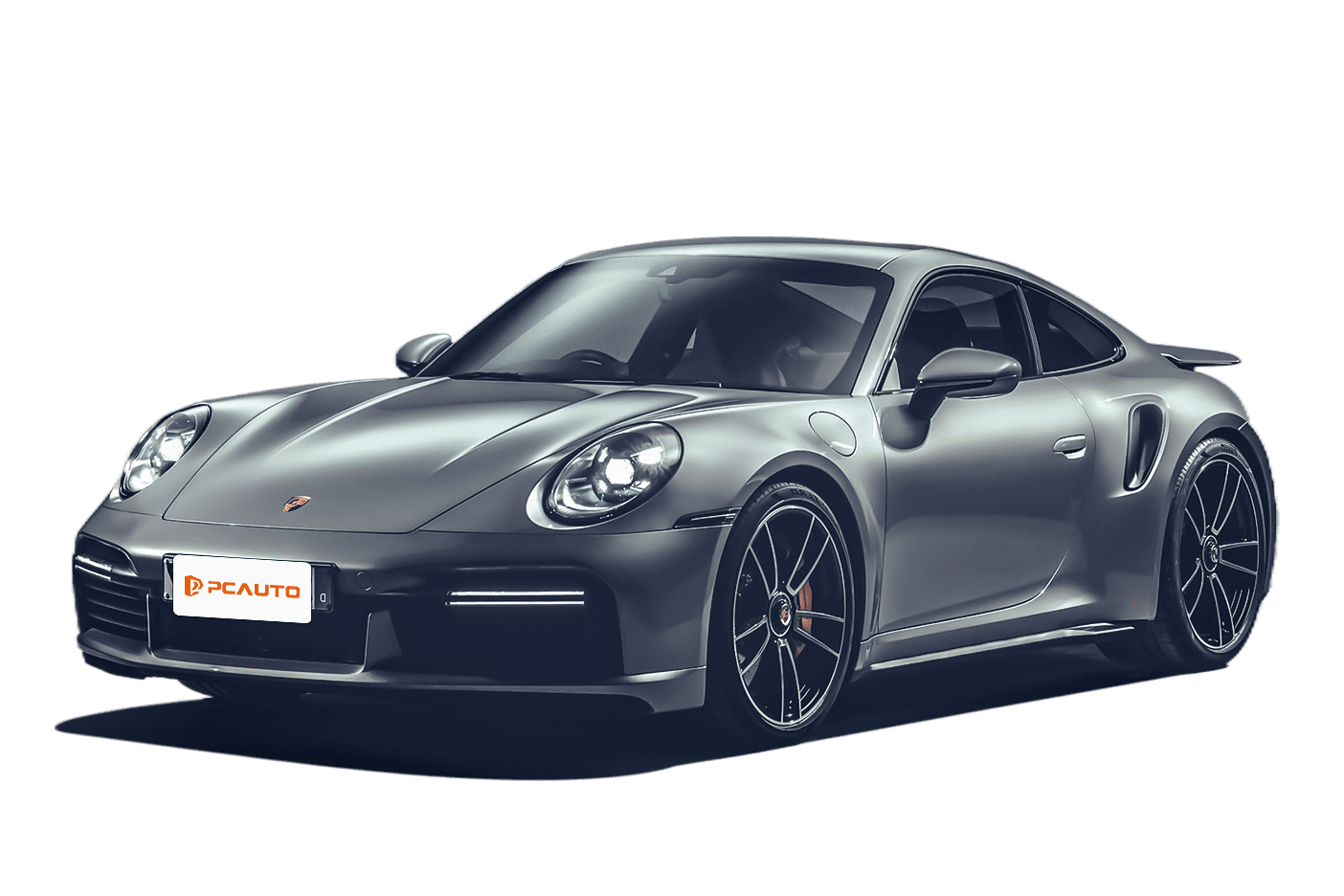
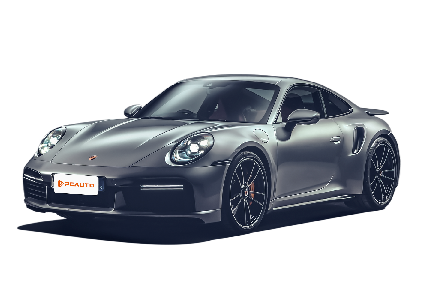
The 2025 Porsche 911 Carrera, as a classic entry-level coupe, features a 0-100 km/h acceleration in 3.9 seconds with its 3.0T+PDK performance, combining practical daily configurations and iconic design to balance track excitement with commuting convenience.
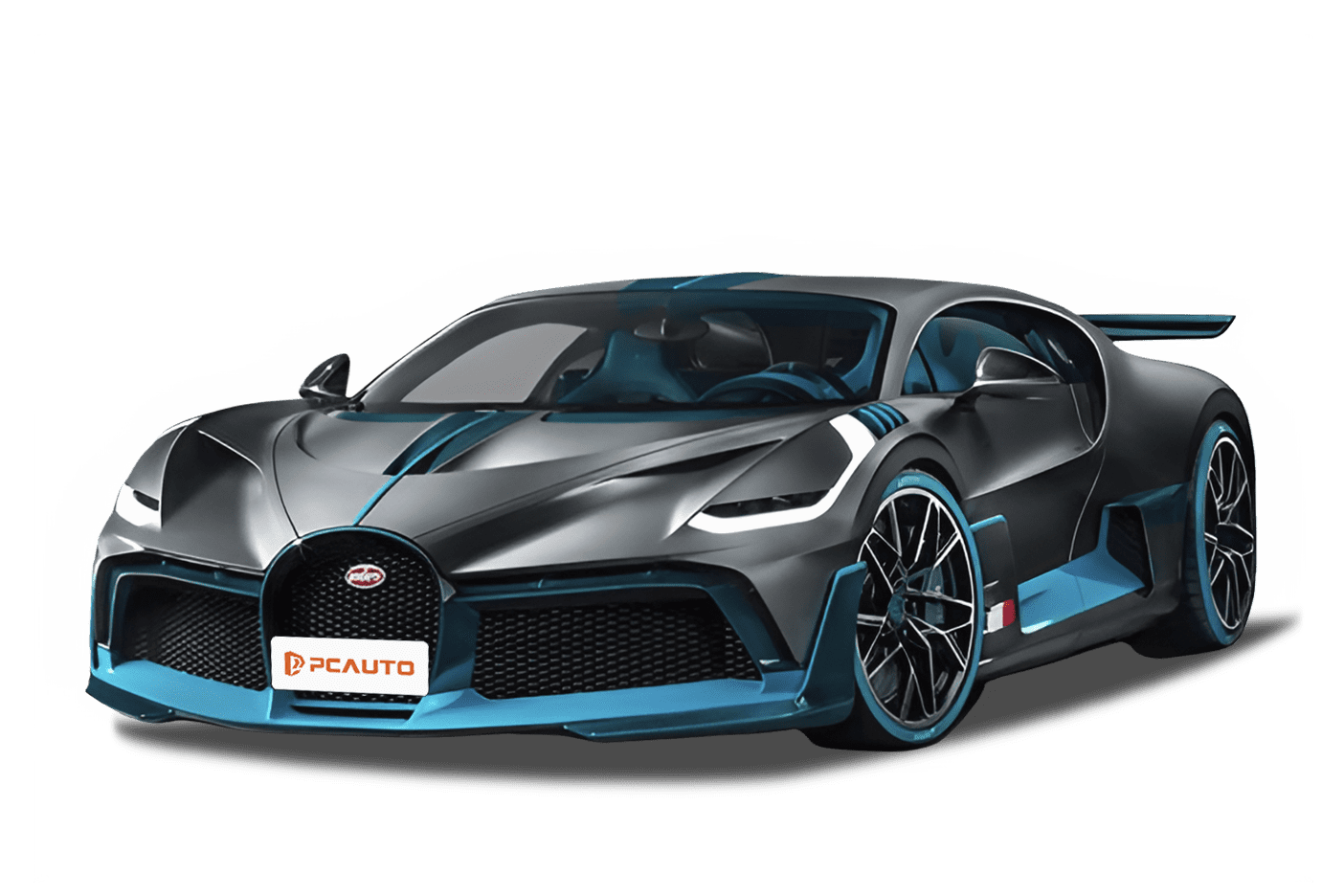
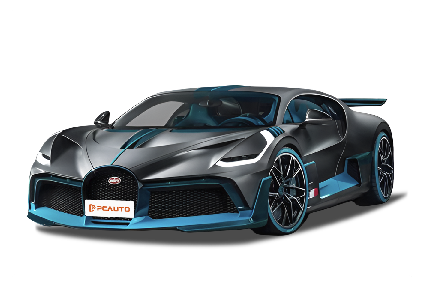
2023 Bugatti Divo, as a limited-edition hypercar and an advanced version of the Chiron, features track-focused aerodynamic design, 1520PS of brutal power, and precise handling, embodying the ultimate performance of being "born for the curves."
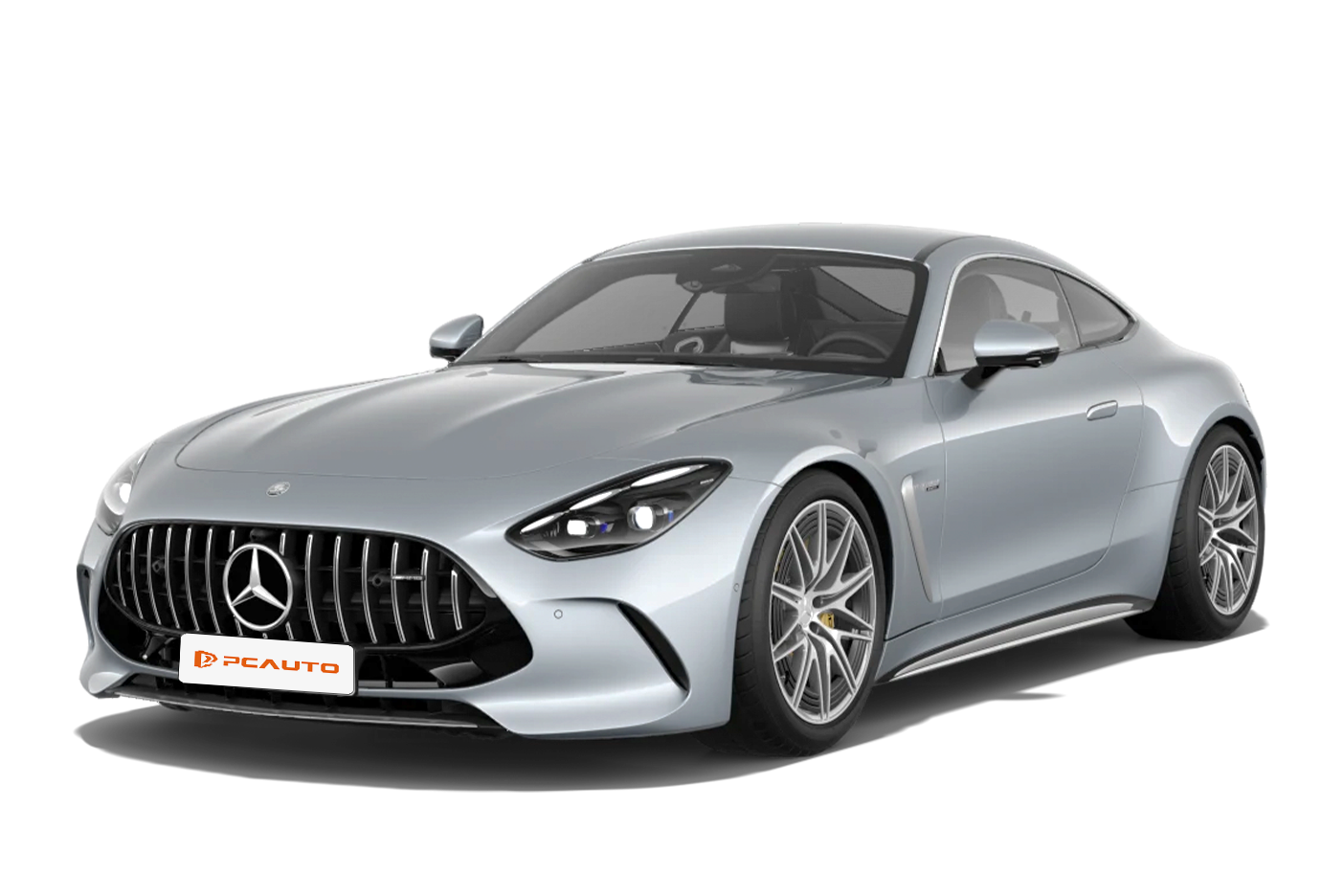
2025 Mercedes-Benz AMG GT 63 4Matic+ Coupe is a luxurious two-door sports car that combines 585PS 4.0T V8 performance (0-100 km/h in 3.2 seconds) with 351L of practical storage, balancing track excitement and daily commuting.