

2023 McLaren Senna 4.0L V8 Review

 Share
Share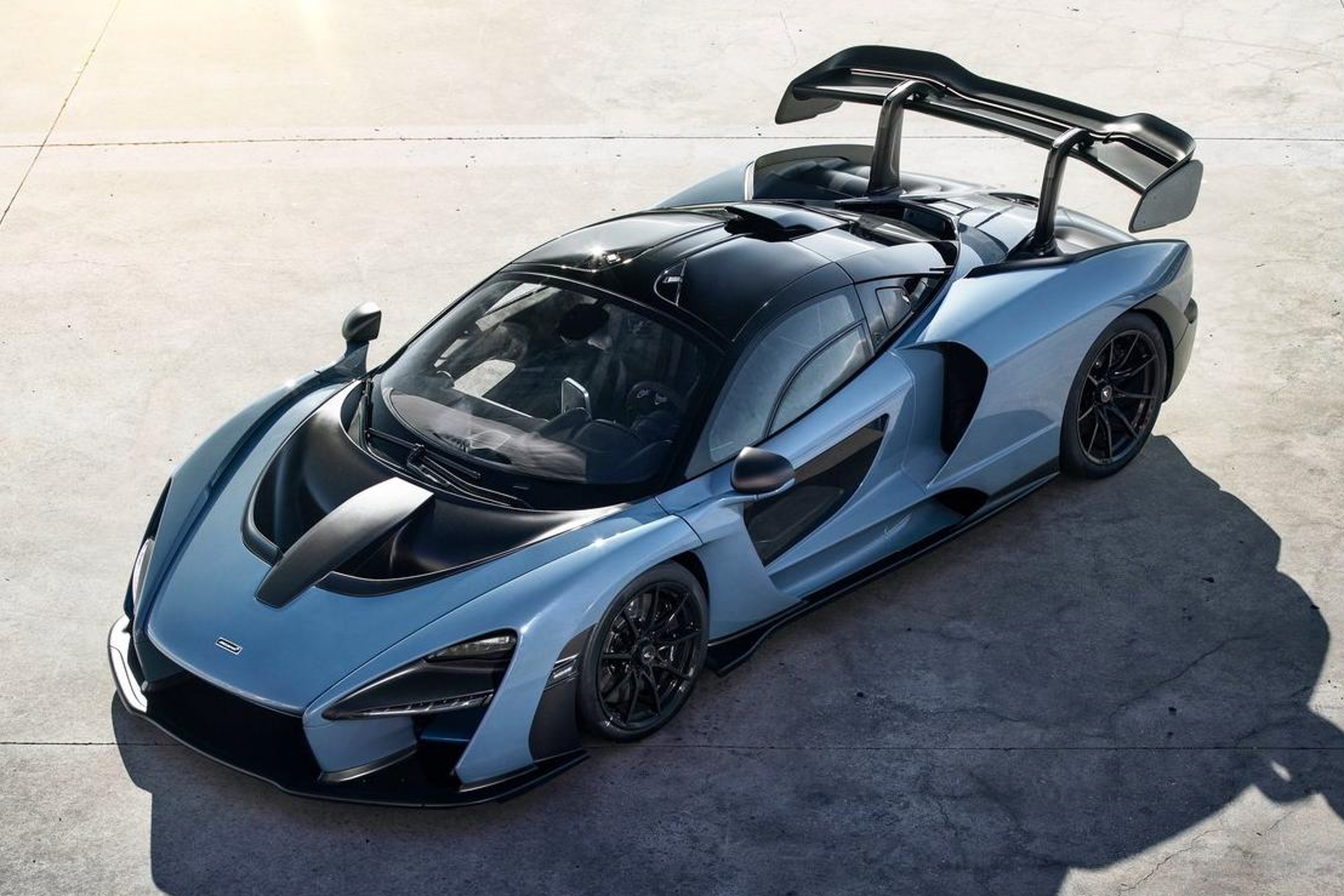
 Segment
 Body Type
 Capacity(L)
 Engine Power(PS)
 Transmission
 Driven Wheels
In the Malaysian supercar market, models that balance track performance and everyday practicality have always been the focus of niche players—The 2023 McLaren Senna 4.0L V8 is a representative of this category. With a core focus on its ferocious 800PS power and 1198kg lightweight design, it not only inherits McLaren's track DNA but also retains basic everyday usability. Our driving test this time aims to verify whether it can truly strike a balance between "pure performance" and "occasional commuting."
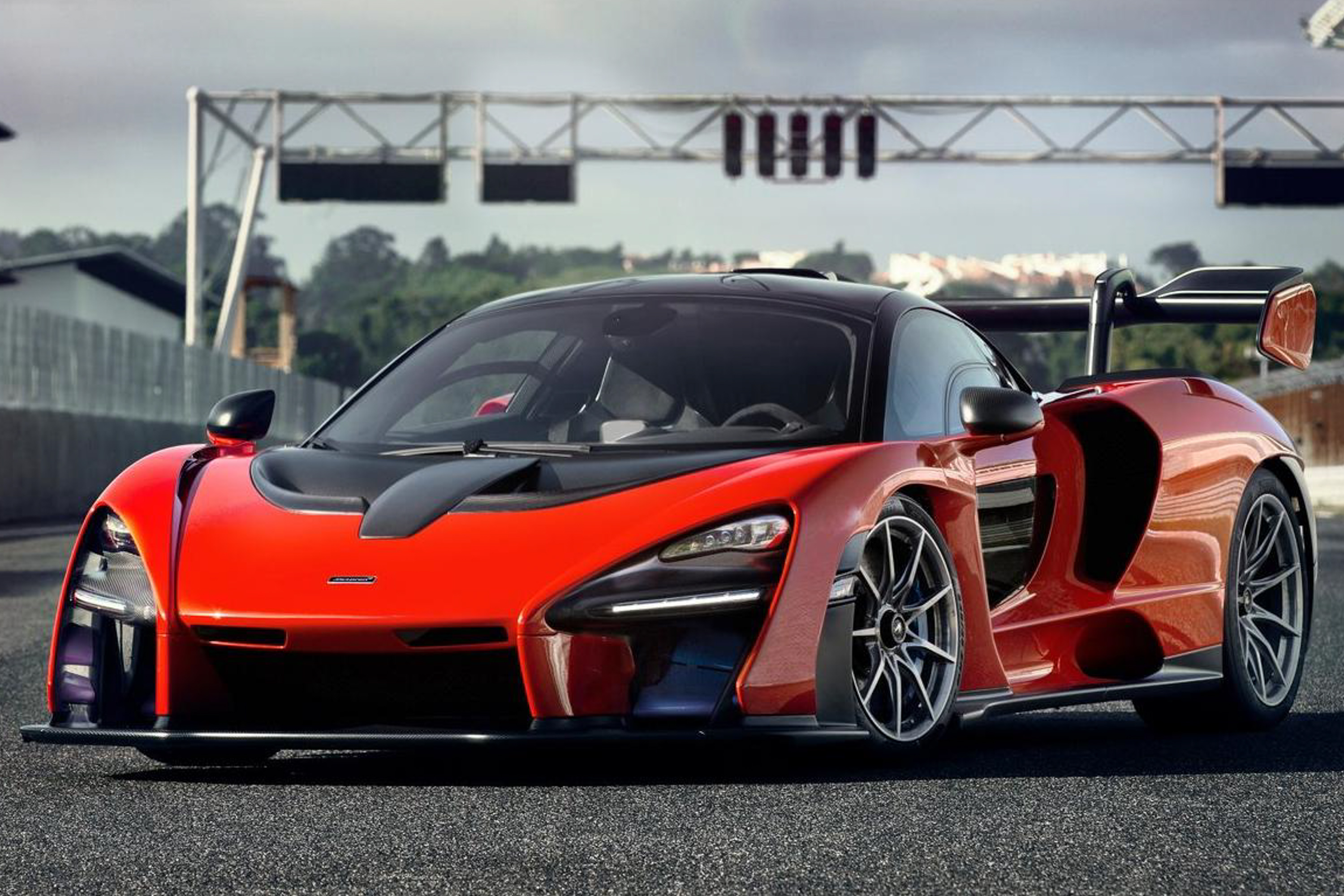
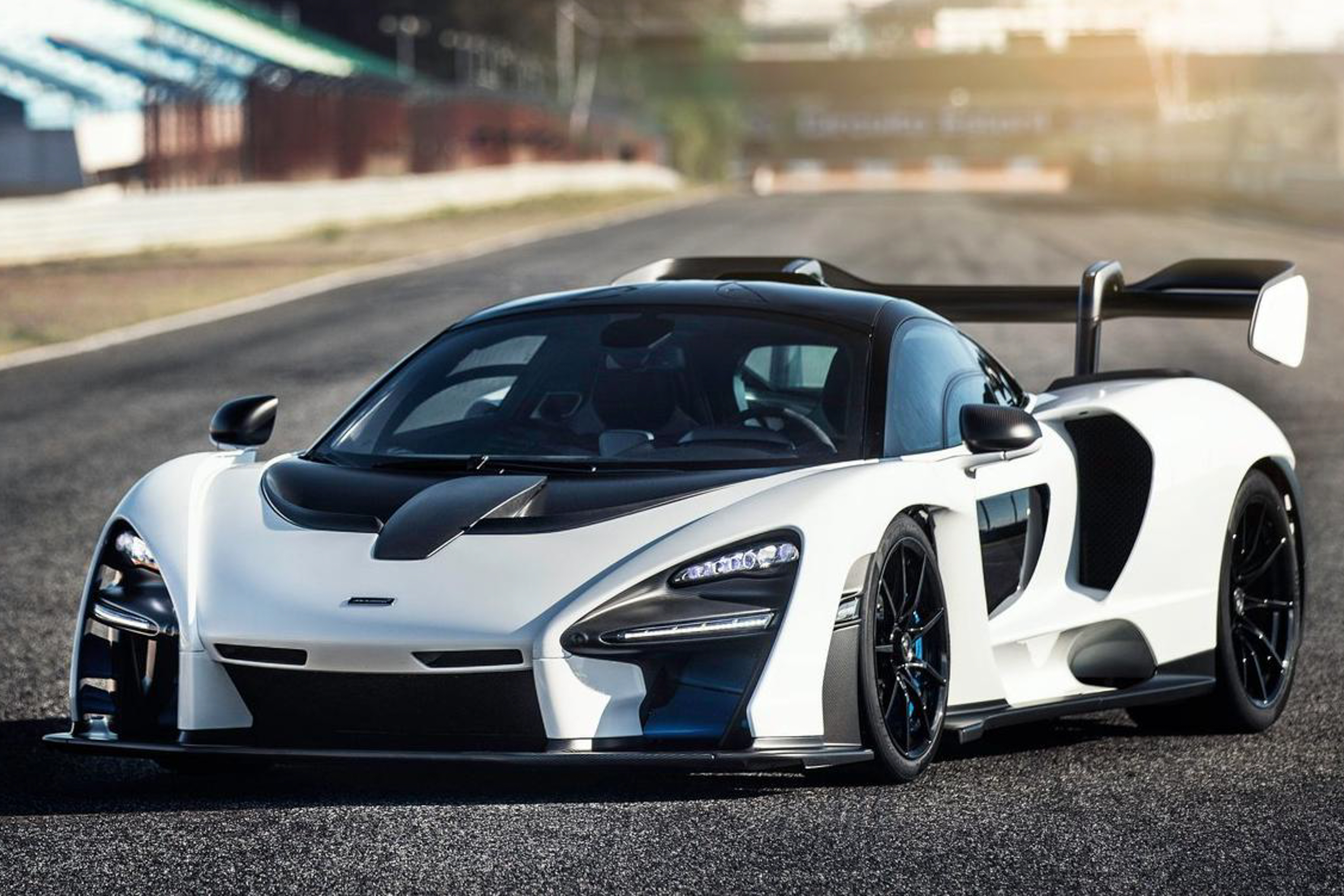
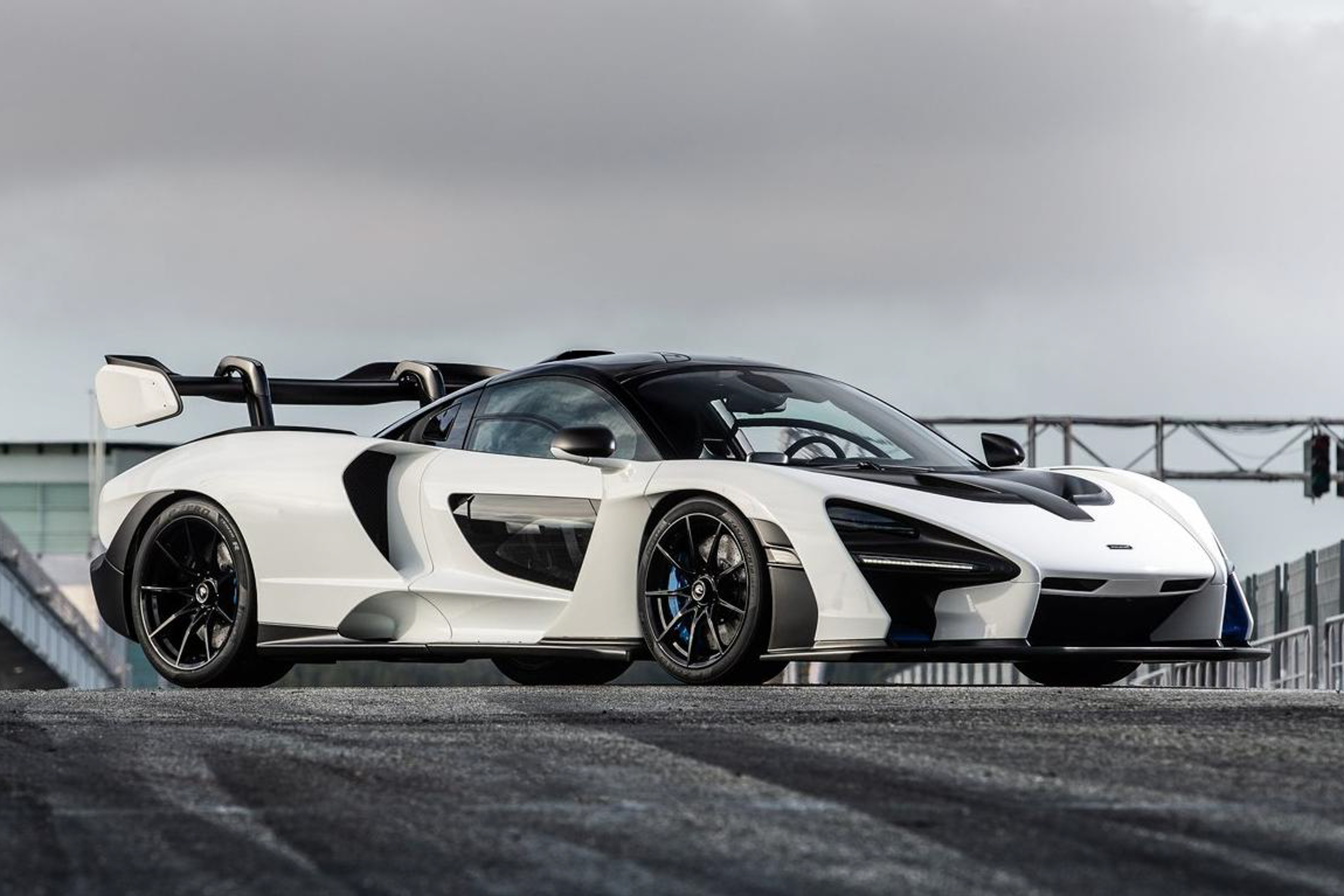
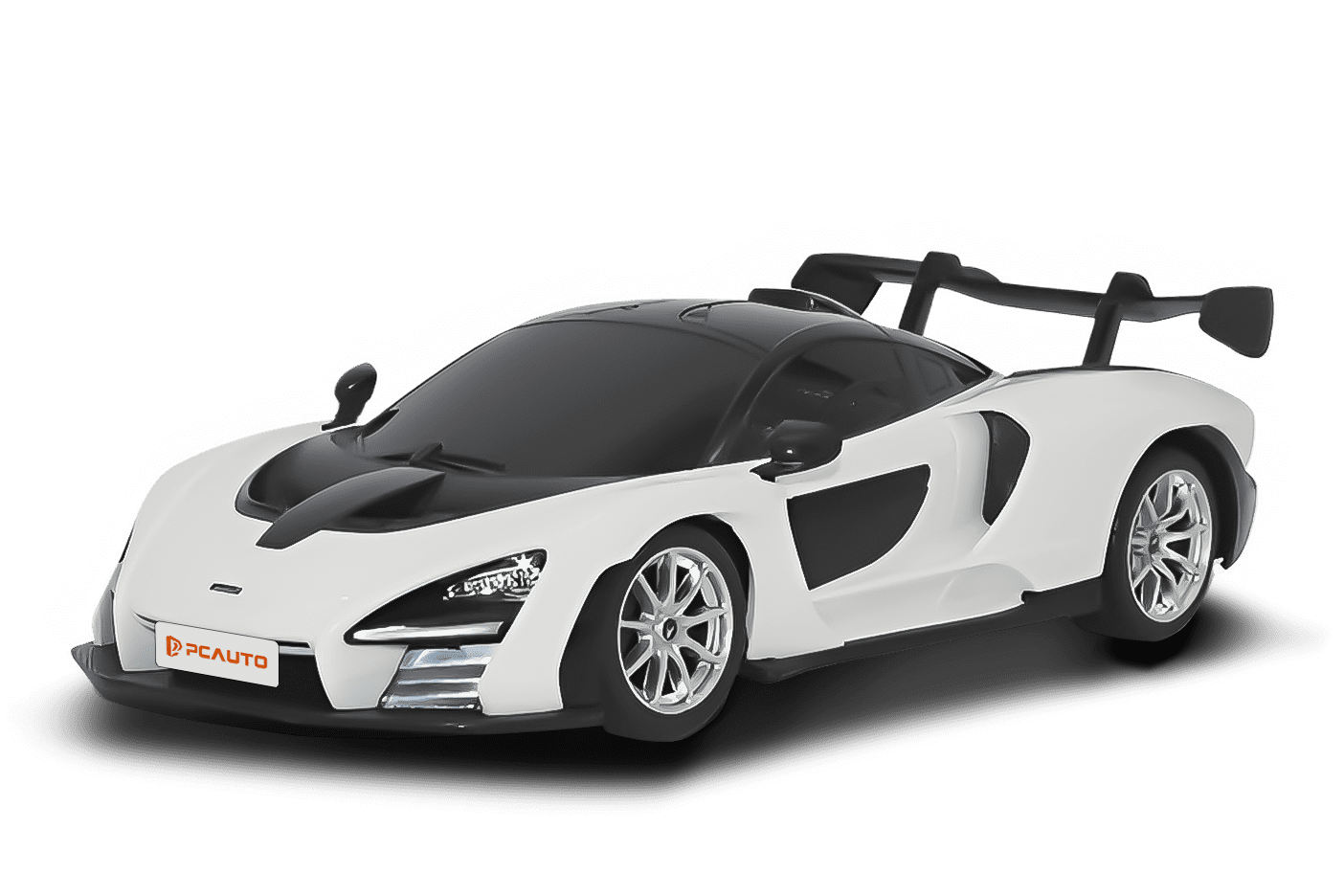
In terms of appearance, the Senna is completely designed to serve aerodynamics. The large front air intake grille, paired with the low front splitter, guides airflow swiftly through the body; the side profile features sharp lines, with a waistline running from the front to the rear, combined with a width of 2153mm, creating a highly aggressive visual impact. The active rear spoiler is the biggest highlight of the rear, with a bold design that automatically adjusts its angle based on speed, providing up to 800kg of downforce. Regarding the lighting system, the LED headlight assembly has a narrow shape and integrates with the daytime running lights, offering high recognition; both front and rear fog lights come as standard, providing sufficient illumination in rainy or foggy weather. Overall, every design element of this car has no unnecessary decorations, all aiming to "enhance performance."
Sitting inside, the interior style is similarly minimalist and function-oriented. The center console primarily uses black Alcantara and carbon fiber materials, offering a delicate touch and lightweight feel; the 12.3-inch full LCD instrument panel and central touchscreen are compactly laid out with a clear operational logic, and the HUD head-up display projects real-time information like speed and RPM, allowing the driver to focus on driving. The multifunctional steering wheel features paddle shifters, with an ideal size and a solid grip; the seats are manually adjustable track-grade bucket seats, which, while less convenient than electric seats, provide excellent support that securely holds the body during intense driving. In terms of space, the car’s dimensions are 4744mm/2153mm/1195mm (length/width/height), while the wheelbase is undisclosed. As a two-seat model, the front row offers ample seating space without constraints for headroom or legroom; storage space is limited, with only a small storage compartment and cup holder beneath the center console. However, the addition of a 220V power outlet marginally enhances daily convenience.
Dynamic performance is Senna's core advantage. The 4.0L twin-turbocharged V8 engine produces 800PS horsepower and 800N·m torque, paired with a 7-speed dual-clutch transmission, achieving an official 0-100km/h acceleration time of just 2.8 seconds. In real-world driving, the initial thrust is incredibly powerful, and as the revs exceed 3000rpm, the turbo boost delivers an almost dizzying explosion of power; the paddle shifters respond extremely quickly, with each shift accompanied by a crisp "click" sound, allowing precise gear control in track driving. The chassis uses independent double-wishbone suspension at the front and rear, with a firm tuning that, surprisingly, filters out finer bumps better than expected on regular roads; the steering system is precise, with no play in the steering wheel, and the car remains stable with almost no body roll when cornering. Regarding braking performance, the carbon-ceramic brake discs deliver outstanding results, with a 100-0km/h braking distance of under 30 meters, showing no significant heat-induced fading after multiple consecutive braking tests. As for fuel consumption, the official combined consumption is 12.4L/100km, while actual city driving consumes about 15-18L/100km, and highway cruising can drop to around 10L/100km, which is acceptable for such a performance vehicle.
In terms of driving comfort, the Senna performs beyond expectations. Although it lacks the soundproofing measures of traditional luxury cars, at 80km/h cruising on regular roads, wind and tire noise are well-controlled and do not affect normal conversations; the engine noise remains relatively restrained at low speeds, only emitting a deep roar at high revs. The seats, despite being race-grade, have sufficiently soft padding, ensuring comfort even during long drives; the inclusion of features like rain-sensing wipers and automatic headlights also makes daily use more convenient. However, it is important to note that the ground clearance of this car is extremely low, so extra care must be taken when driving over speed bumps or uneven roads, otherwise the undercarriage may get scratched.
In summary, the core highlights of the 2023 McLaren Senna 4.0L V8 lie in its combination of "extreme performance" and "basic practicality" — it offers the power and handling comparable to a professional race car while retaining daily-use features like air conditioning, HUD, and a central control screen, unlike some purely track-focused cars that are completely impractical for commuting. Compared to competitors in the same class, like the Ferrari 488 Pista, the Senna offers greater downforce and better lightweight construction, delivering more outstanding track performance; however, it falls slightly behind in terms of luxury features and comfort. This car is ideal for those who love track driving but also need occasional use as a commuter vehicle — for people who pursue pure driving pleasure, do not mind manual seats and limited storage space, and are willing to compromise for performance. If you are such a consumer, the Senna is definitely a supercar that will allow you to experience "oneness with the car."
McLaren Senna Car Compare
McLaren Senna Loan Calculator
More McLaren Reviews
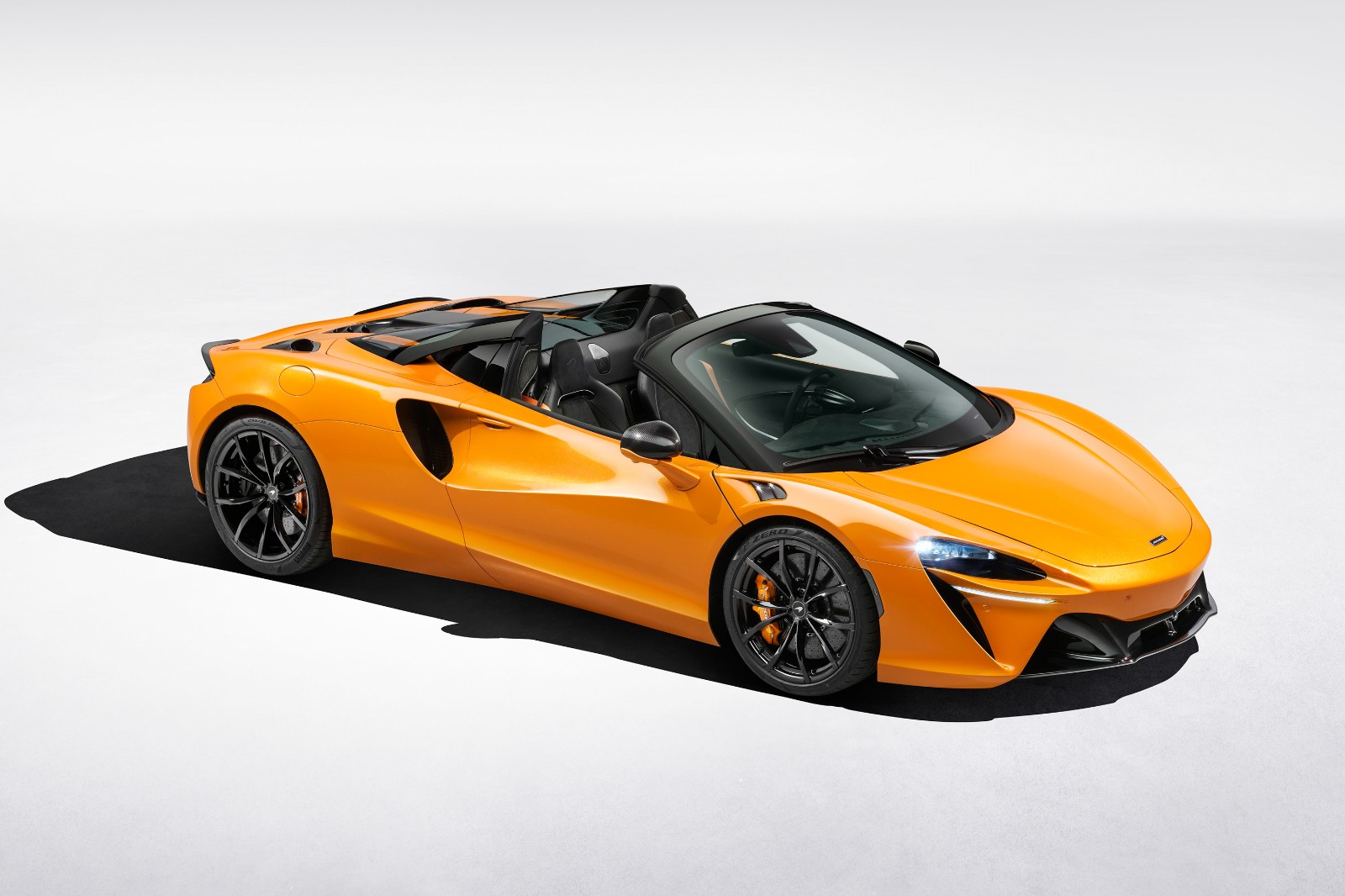
Cars With Similar Price And Features
8
Rank in Coupe
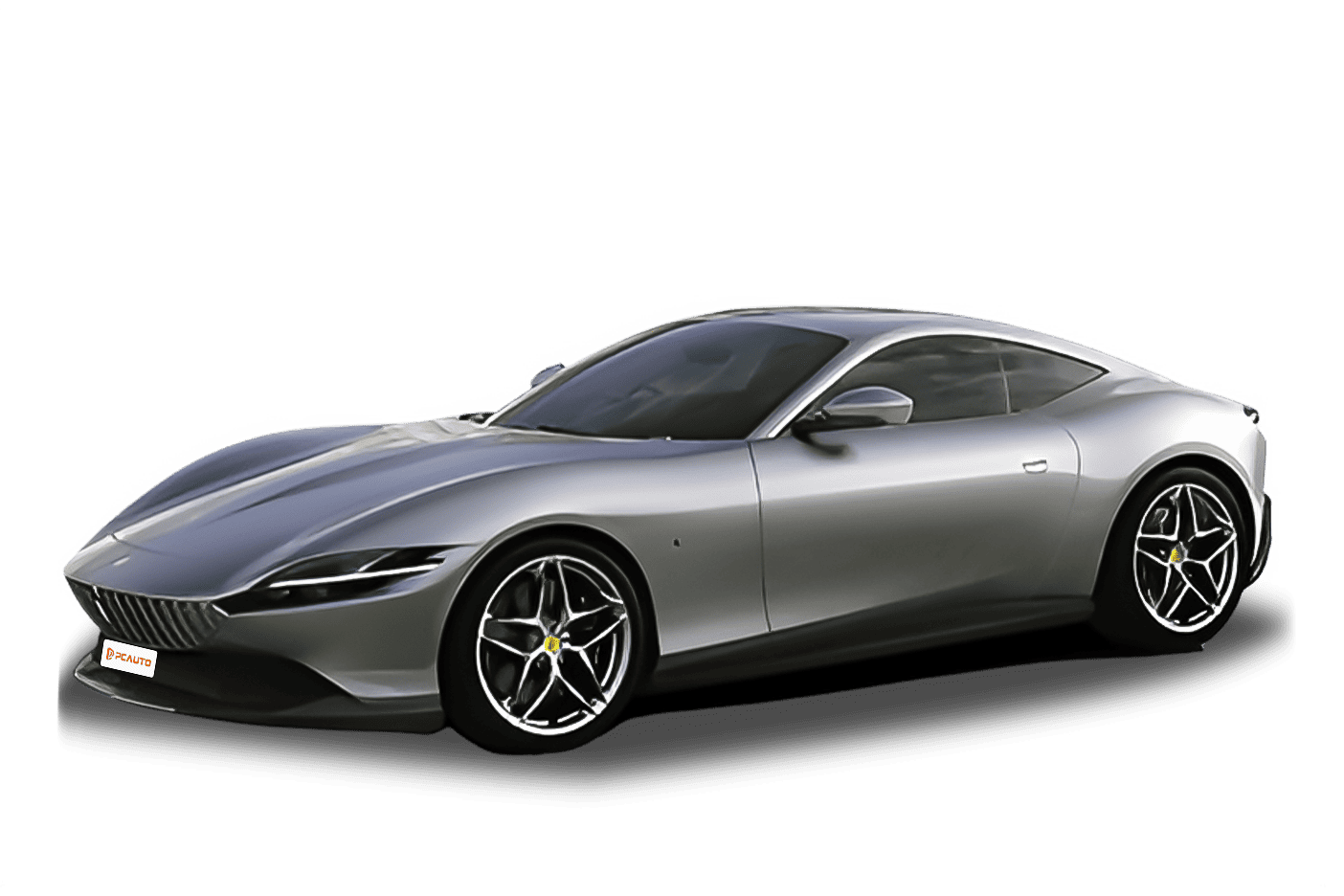
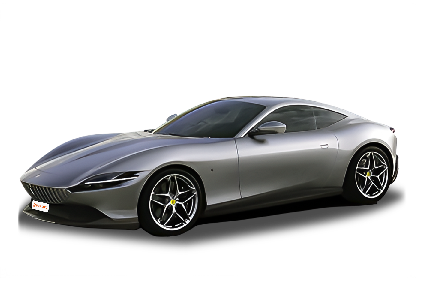
2023 Ferrari Roma Spider is a hardtop convertible GT supercar that combines elegant style with powerful performance, 13.5-second fast-opening soft top + 620PS power, practical for daily use and full of driving pleasure.

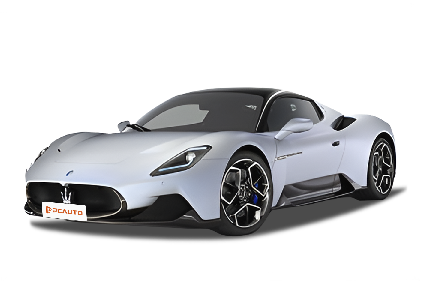
2023 Maserati MC20 Cielo is a two-seater supercar that combines track-level performance with convertible romance, equipped with a 630PS 3.0T V6 engine, a glass hardtop that opens and closes in 12 seconds, and accelerates to 100 km/h in 2.9 seconds.
2
Rank in Coupe
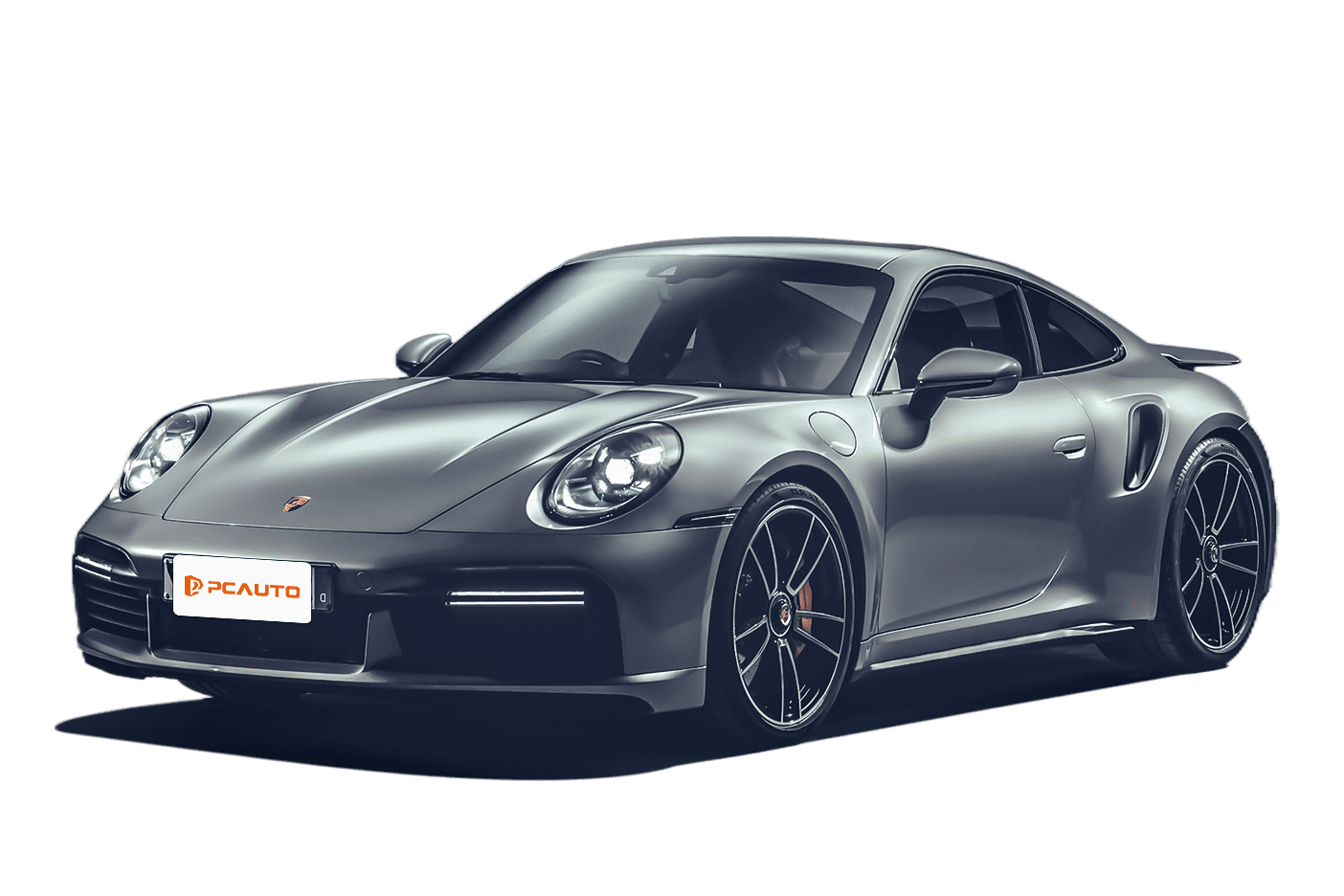
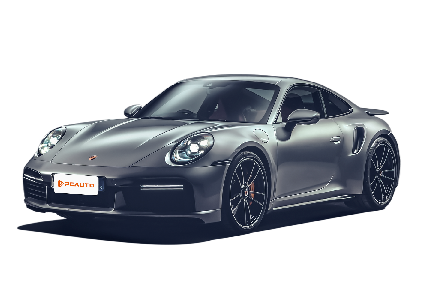
The 2025 Porsche 911 Carrera, as a classic entry-level coupe, features a 0-100 km/h acceleration in 3.9 seconds with its 3.0T+PDK performance, combining practical daily configurations and iconic design to balance track excitement with commuting convenience.
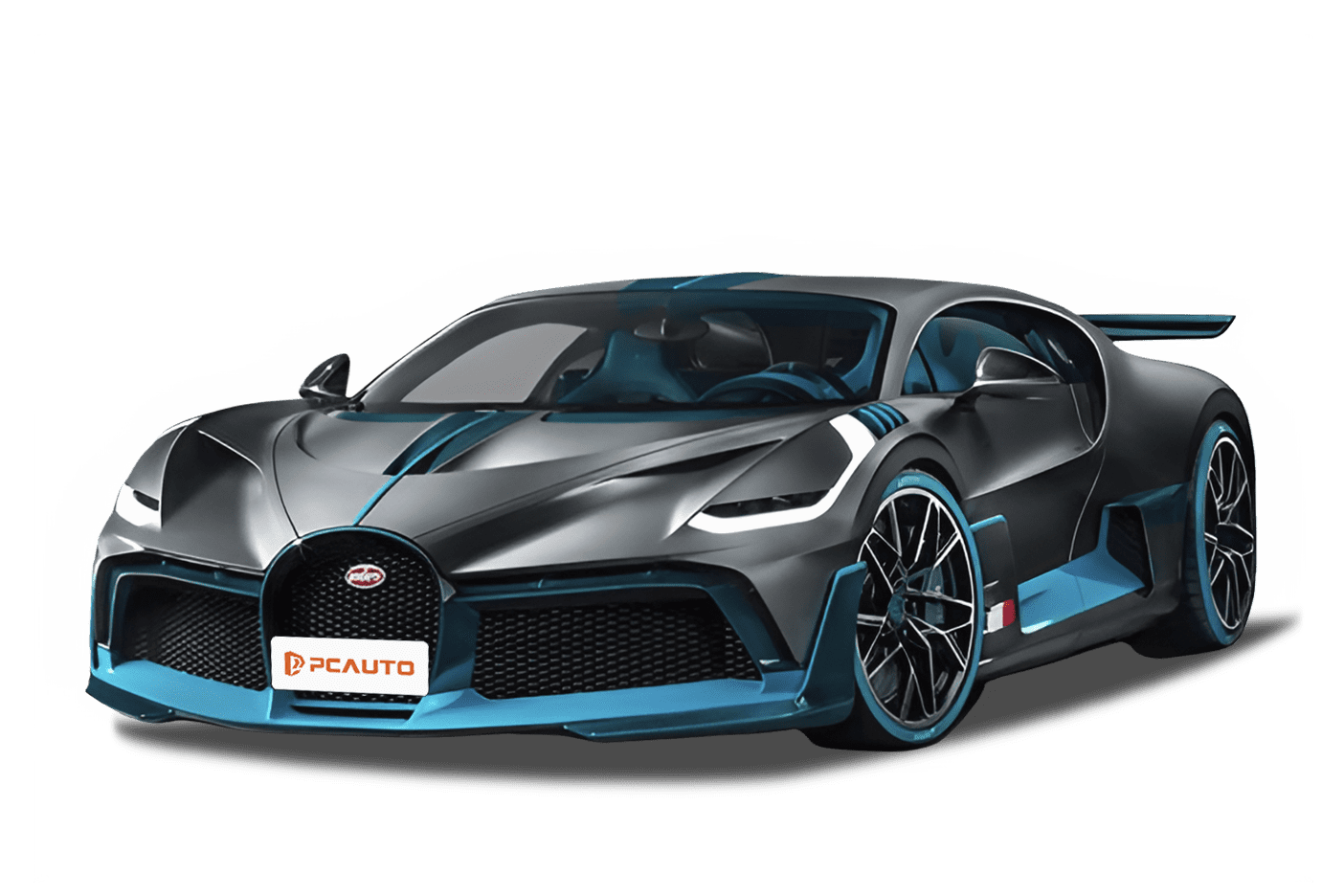
2023 Bugatti Divo, as a limited-edition hypercar and an advanced version of the Chiron, features track-focused aerodynamic design, 1520PS of brutal power, and precise handling, embodying the ultimate performance of being "born for the curves."