

2023 Toyota Corolla 1.8E Review

 Share
Share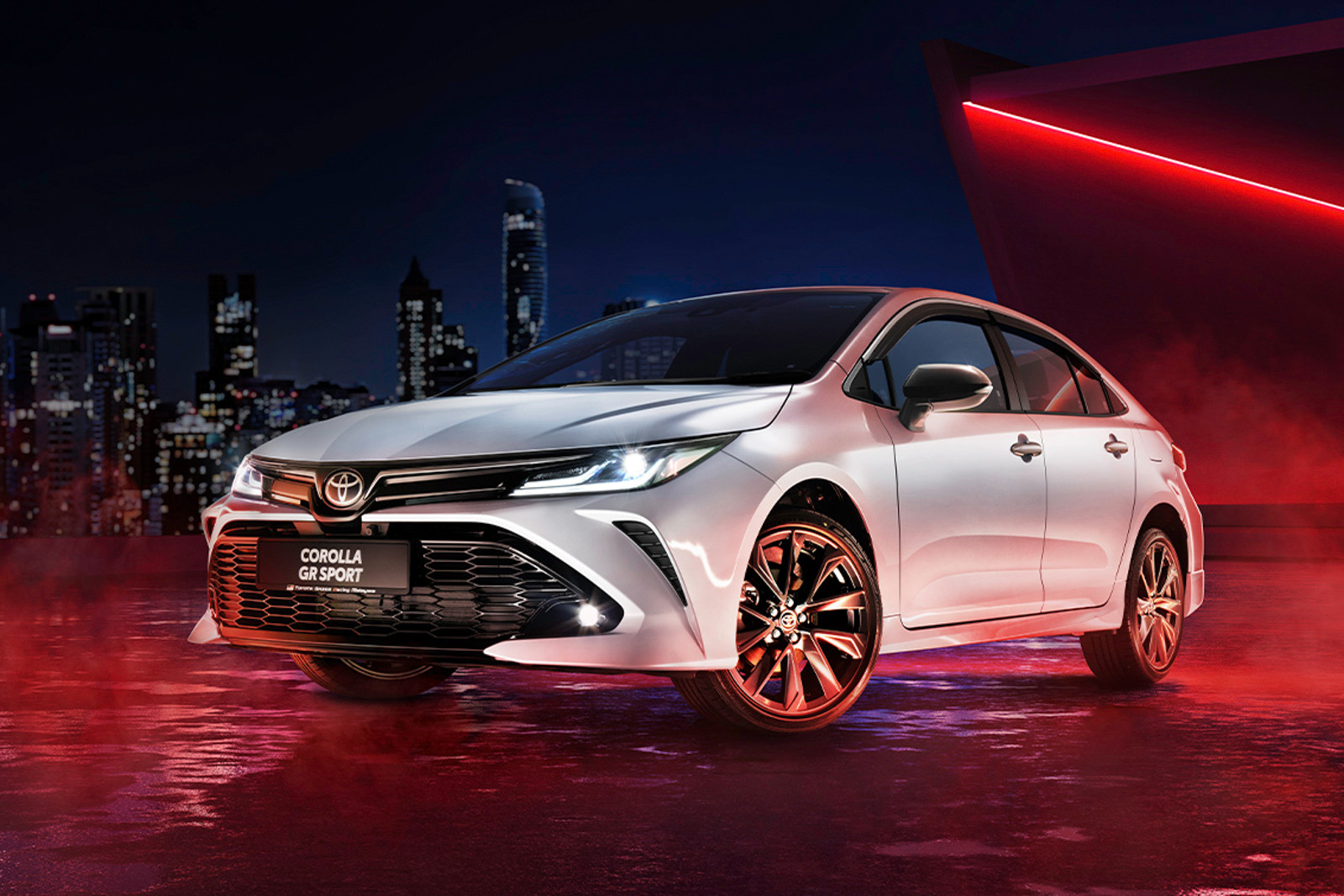
 Segment
 Body Type
 Capacity(L)
 Engine Power(PS)
 Engine Torque(Nm)
 Transmission
As Malaysian household users increasingly demand compact cars that lean towards "balanced practicality + upgraded features," competition in the C-Segment market has increasingly focused on cost-effectiveness and detailed experiences—the 2023 Toyota Corolla 1.8E is a typical representative of this trend. While retaining the durable reputation of the Corolla series, it has fully equipped safety features like 7 airbags and a 360-degree parking camera, while upgrading to electric seats and keyless entry. Its core selling point directly targets "well-equipped base model." The purpose of this test drive is very simple: to verify whether its static performance meets the practical needs of family vehicles, whether its dynamic driving continues the smooth and stable characteristics, and whether these features are truly "down-to-earth" in daily use.
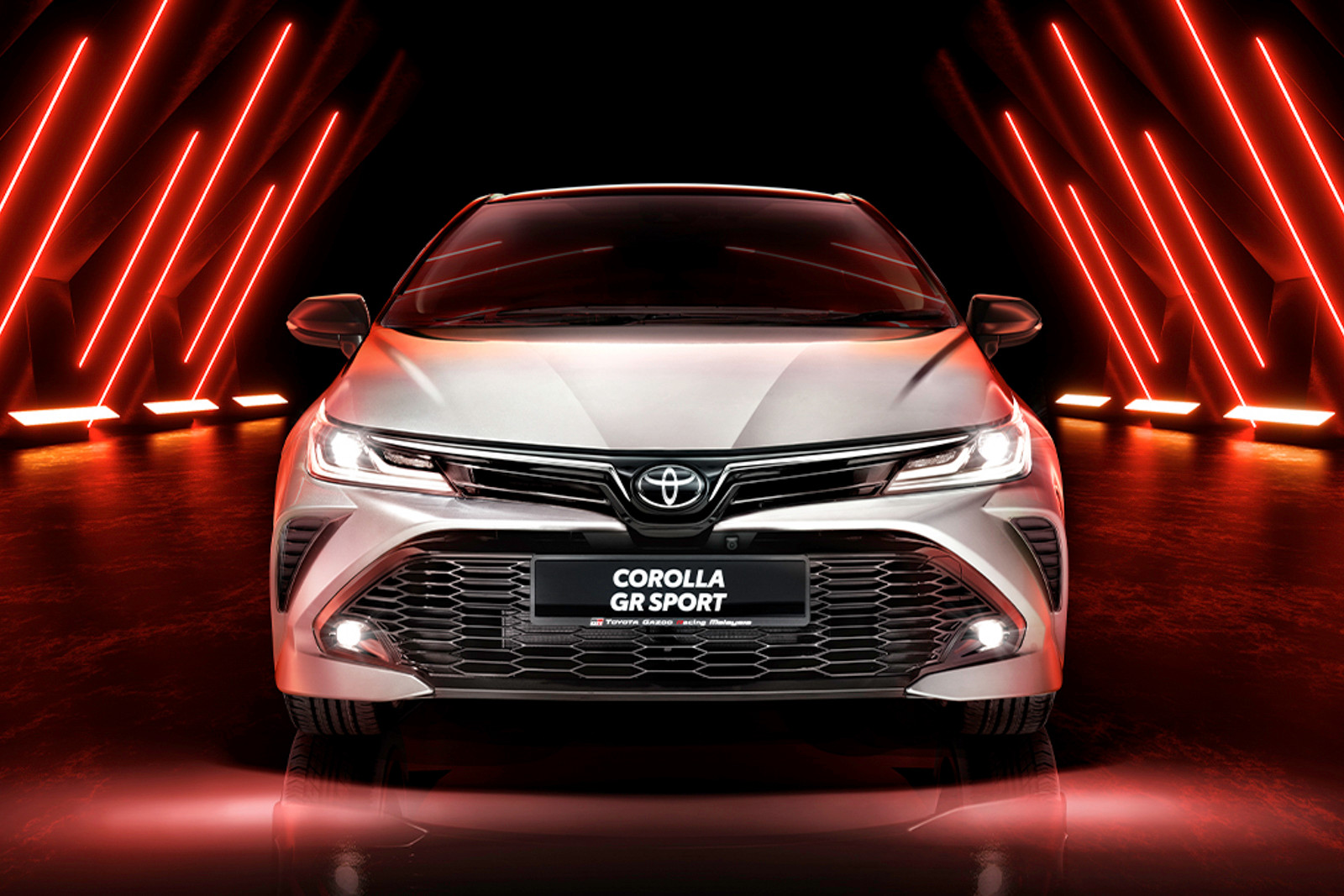
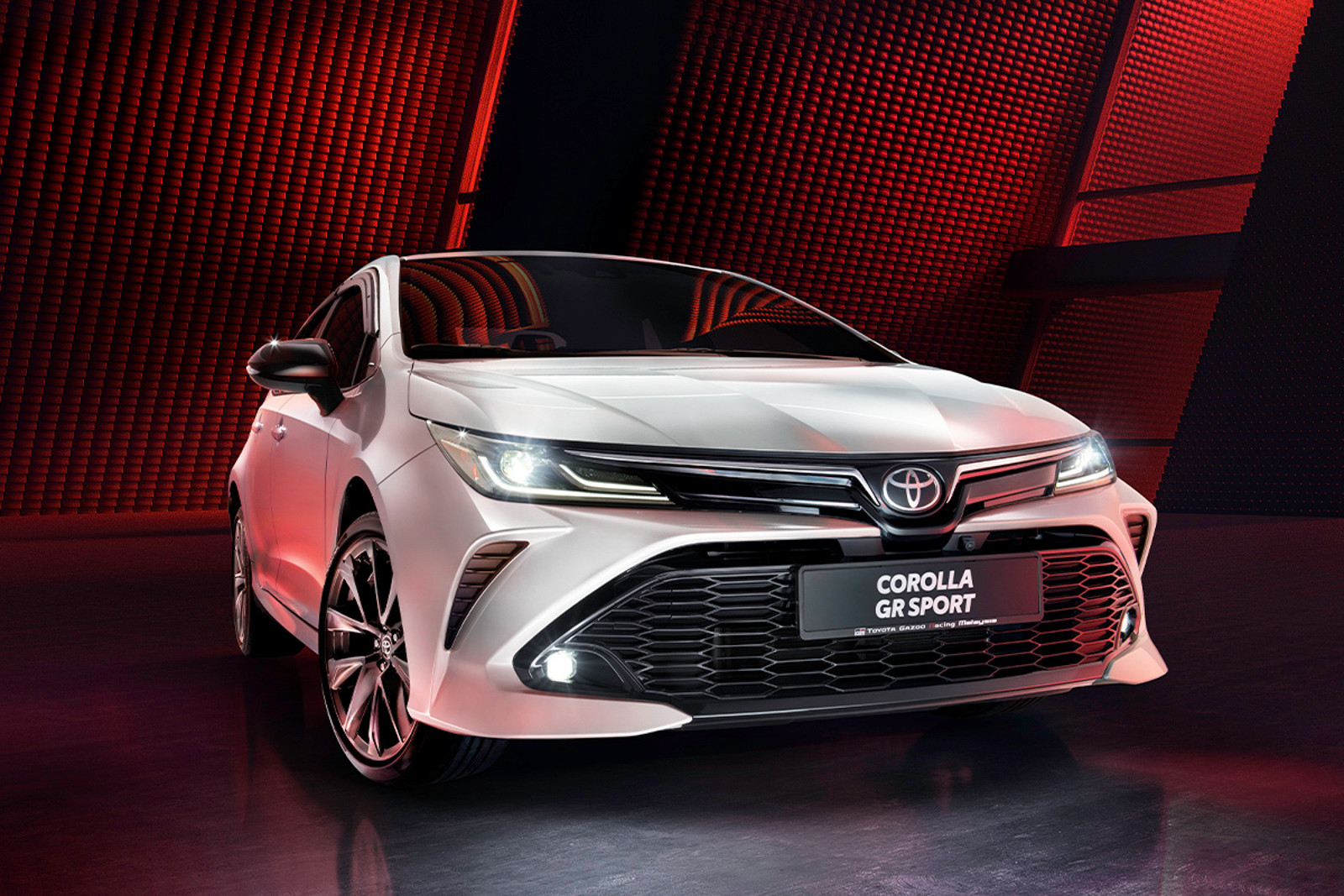
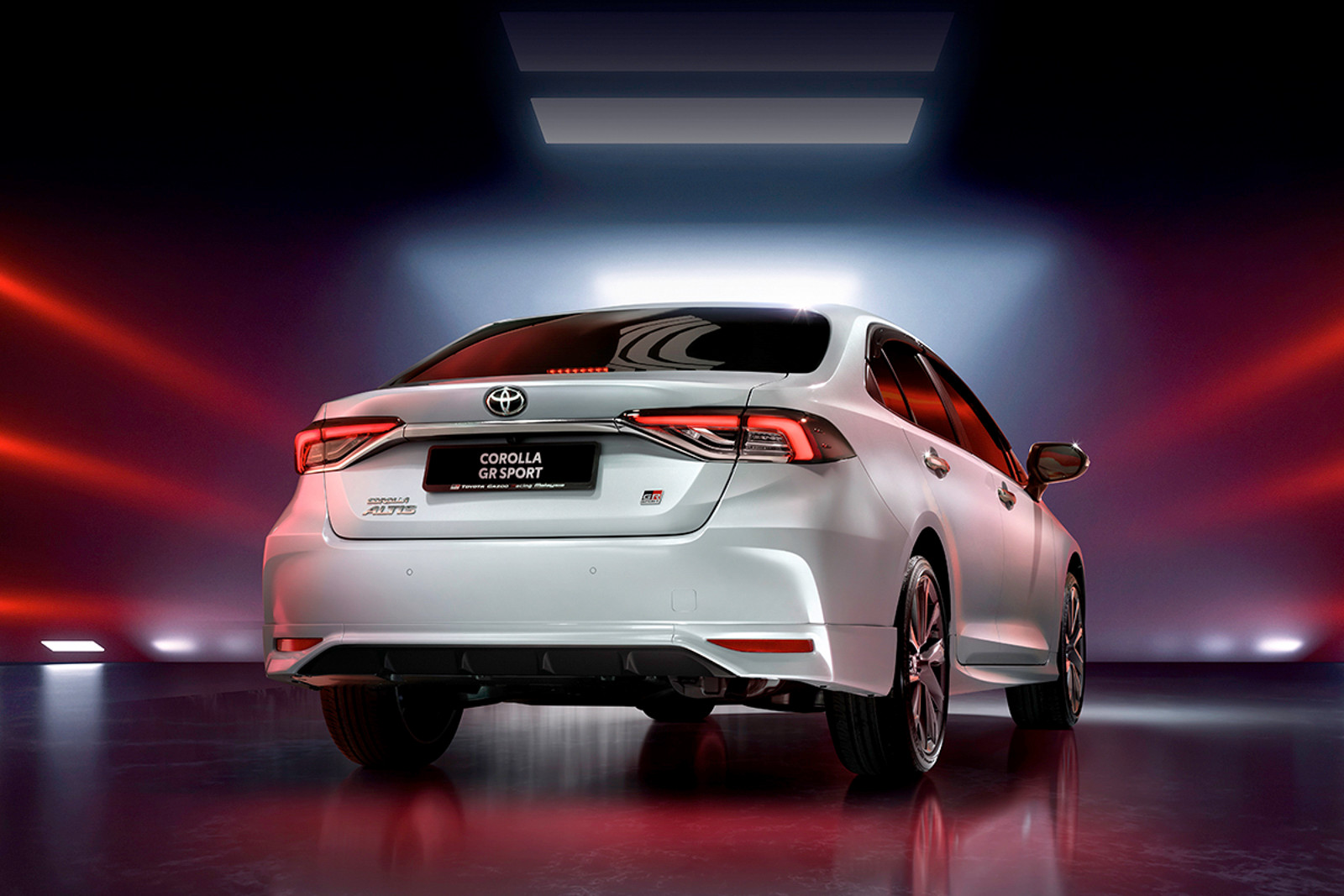
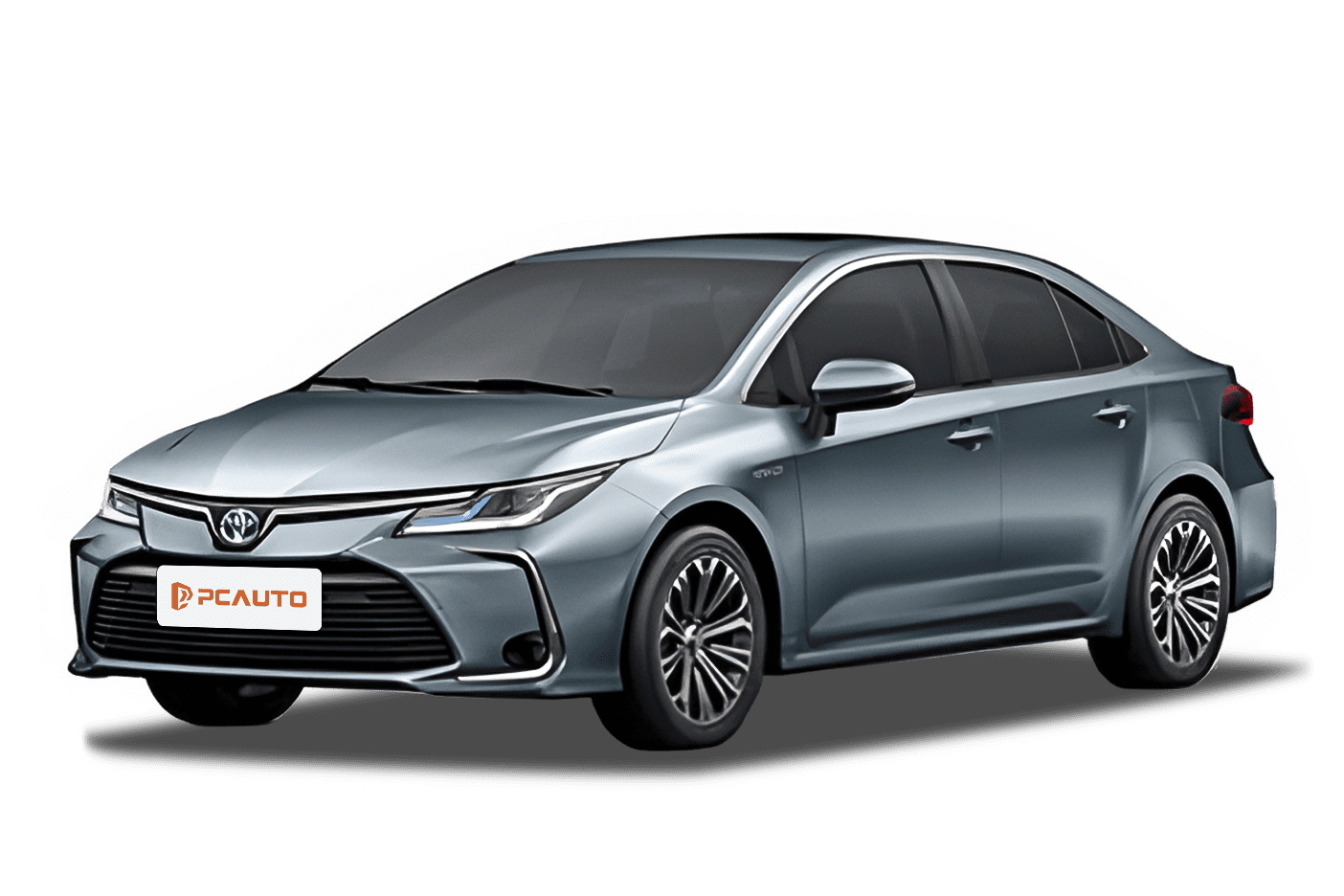
At first glance, the 2023 Corolla 1.8E has an overall style that leans towards stability without losing a youthful appeal. The front face adopts Toyota's family-style trapezoidal grille, paired with chrome trim details. The halogen + LED combination headlights on both sides are sharp in design, while the standard automatic headlights and daytime running lights enhance practicality. The side profile features smooth lines, and the waistline extending from the fenders to the rear adds a sense of dimensionality. The 16-inch tires are proportionate to the body and do not appear undersized. At the back, the LED taillights adopt a horizontal layout and are connected by chrome trim, which visually broadens the width. The combination of rear fog lights and reverse parking radar provides convenience for daily parking. The overall design doesn't contain overly flashy elements, but the attention to detail stands out, and its recognizability is above average among competitors in the same category.
Stepping inside, the interior uses black as the main color tone, complemented by silver trim for a simple and practical style. The center console layout is clear, with a 6.8-inch touch screen in the center offering adequate responsiveness and supporting basic multimedia and reverse camera functionality. The multifunction steering wheel design includes media and phone controls on the left, while cruise control adjustments are on the right, with clear button feedback. The 4.2-inch color TFT instrument cluster displays abundant information, including core data like RPM, speed, and fuel consumption, which is easy to read. In terms of materials, the top of the dashboard is covered with soft-touch materials, offering a decent feel, while the lower section uses hard plastic with evenly treated seams, fitting the level of vehicles in this price range. In terms of features, standard configurations include keyless entry/start, 8-way power-adjustable driver’s seat (with lumbar support), single-zone automatic air conditioning, and rear air vents, all of which significantly enhance daily convenience—for instance, the electric seat adjustment makes it easier for drivers of different heights to find a comfortable seating position.
Space performance is one of the core concerns for family users, and the 2700mm wheelbase of the Corolla 1.8E belongs to the mainstream level in the C-Segment. The front row offers ample space; a 175cm tall driver can adjust the seat while leaving a fist's worth of headroom. The rear space is equally generous, with up to two fists of legroom and about a fist of headroom. The central floor bulge is modest, ensuring reasonable comfort for the middle passenger when carrying five people. In terms of storage capacity, the door compartments can hold two bottles of mineral water, the central armrest box has moderate depth and can store phones and wallets, and the trunk offers a volume of 470L. In its default state, it can accommodate three 20-inch suitcases, and the rear seats support a 60:40 split-folding configuration, which can be expanded to store longer items if needed. Additionally, the rear seats are equipped with ISOFIX anchors and headrests, making it convenient to install child seats and ensuring safety.
For the dynamic driving section, the 1.8L naturally aspirated engine delivers a maximum power of 139PS and a maximum torque of 172N·m, paired with a 7-speed CVT transmission for smooth and linear power output. During the initial phase of acceleration, the throttle response is not overly aggressive but is sufficient for daily urban driving conditions; as the speed increases to 60 km/h, the power reserve gradually releases. When overtaking and pressing the accelerator deeply, the transmission simulates gear shifts, raising the engine speed to around 4000 rpm, at which point torque output reaches its peak. The performance is decent at this stage; however, high-speed acceleration ability (e.g., above 100 km/h) appears slightly lackluster. As for driving modes, although there is no sports mode, the smoothness of the CVT effectively reduces driving fatigue during congested road conditions. The chassis employs a front MacPherson + rear double-wishbone independent suspension that is tuned for comfort. It filters most minor vibrations on speed bumps or rough roads, keeping the vehicle stable; when cornering, the body roll is kept within a reasonable range, the steering precision is moderate with minimal play, making it agile enough for daily driving.
In the specific test, we focused on fuel consumption performance. Under urban congestion conditions (average speed 25km/h), the fuel consumption is about 7.8L per 100 kilometers. On highways (average speed 90km/h), fuel consumption drops to 5.6L per 100 kilometers, with a combined fuel consumption of about 6.7L per 100 kilometers. For a 1.8L naturally aspirated model, this performance is considered above average. As for braking, the combination of front ventilated disc and rear disc brakes provides linear response, and during emergency braking, the body remains stable without noticeable nosedive. Regarding noise control, within speeds of 60km/h, cabin noise mainly comes from the tires; beyond 80km/h, wind noise becomes increasingly noticeable but remains within an acceptable range, not affecting normal conversation. Additionally, the manual parking brake is simple to operate, and the hill-start assist function effectively prevents rollback during hill starts, making it user-friendly for beginners.
To sum up, the core advantage of the 2023 Toyota Corolla 1.8E lies in its "balance" — comprehensive safety features (7 airbags, 360-degree cameras), practical space utilization, smooth power delivery, and fuel economy. It also comes standard with convenient features such as power seats and keyless entry, offering strong value for money in its segment. Compared with competitors like the Honda Civic 1.5T base model, the Corolla 1.8E has more comprehensive safety features but slightly weaker power output. Compared with the Mazda 3 1.5L, it offers more space and better comfort features.
This car is suitable for family users who prioritize practicality and safety, especially those whose daily commute primarily involves urban roads with occasional long-distance trips. It does not have particularly aggressive design or performance features, but every function meets daily needs, making it a "can’t-go-wrong" choice.
In conclusion, the 2023 Toyota Corolla 1.8E is a balanced and pragmatic compact sedan. Its comprehensive safety features, practical space, and smooth driving experience precisely meet the core needs of family users. If you do not require excessively aggressive power but place higher value on reliability and practicality, this car is worth considering.
Toyota Corolla Car Compare
Toyota Corolla Loan Calculator
More Toyota Reviews
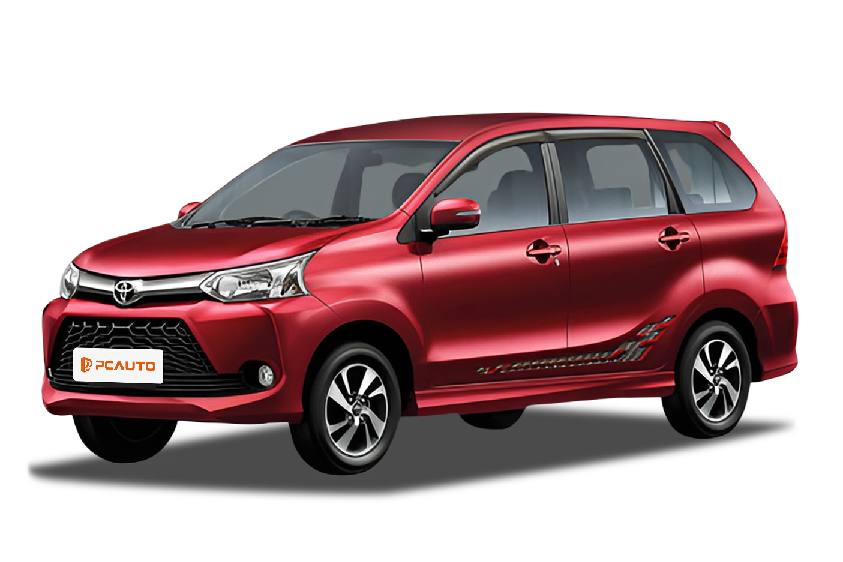
Cars With Similar Price And Features
3
Rank in Sedan
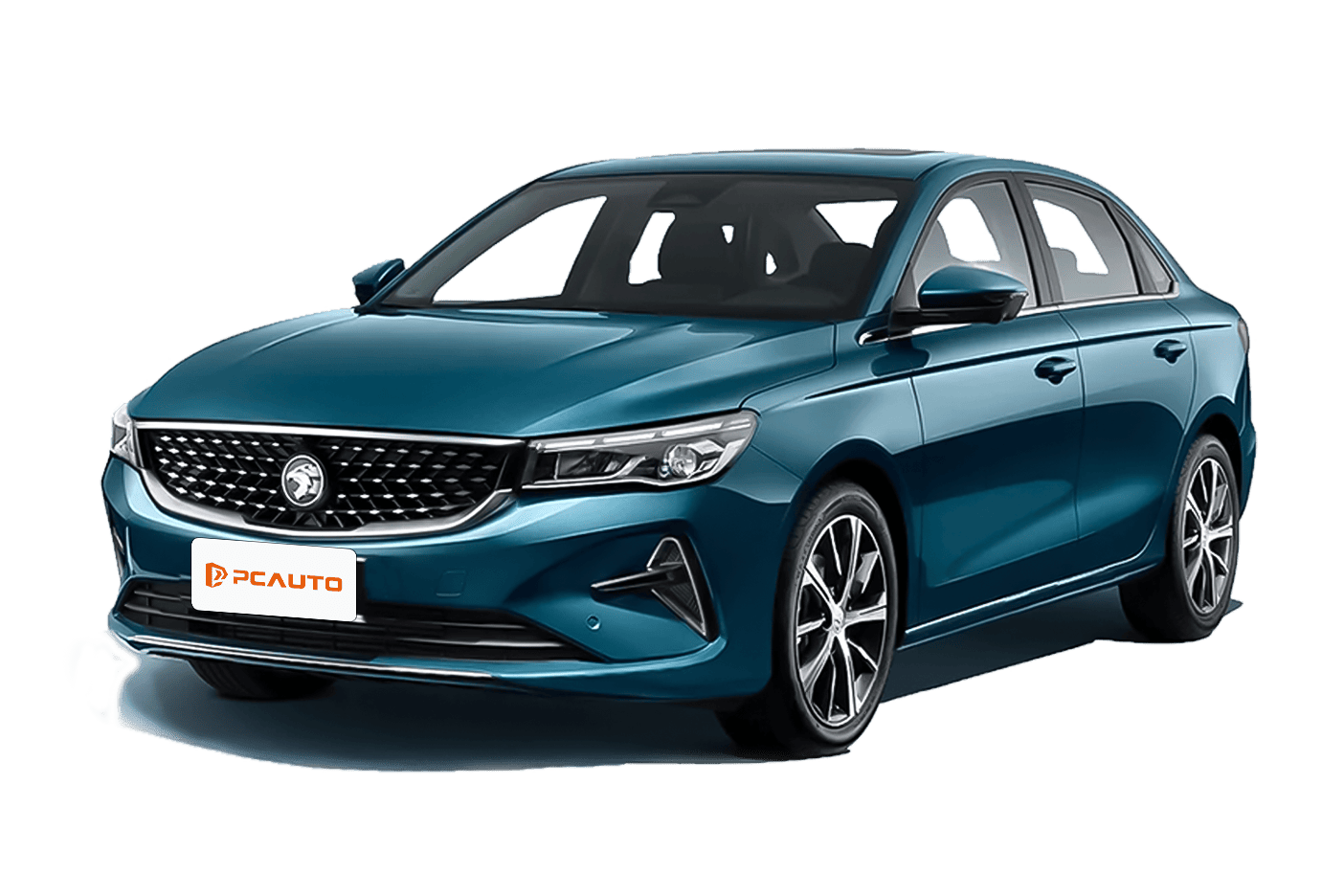
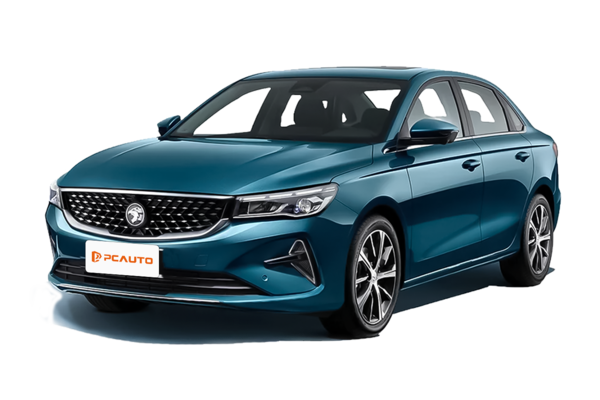
2024 Proton S70 1.5T Executive is an affordable entry-level family C-segment sedan with practical space and lively performance, balancing elegant design with basic safety features.
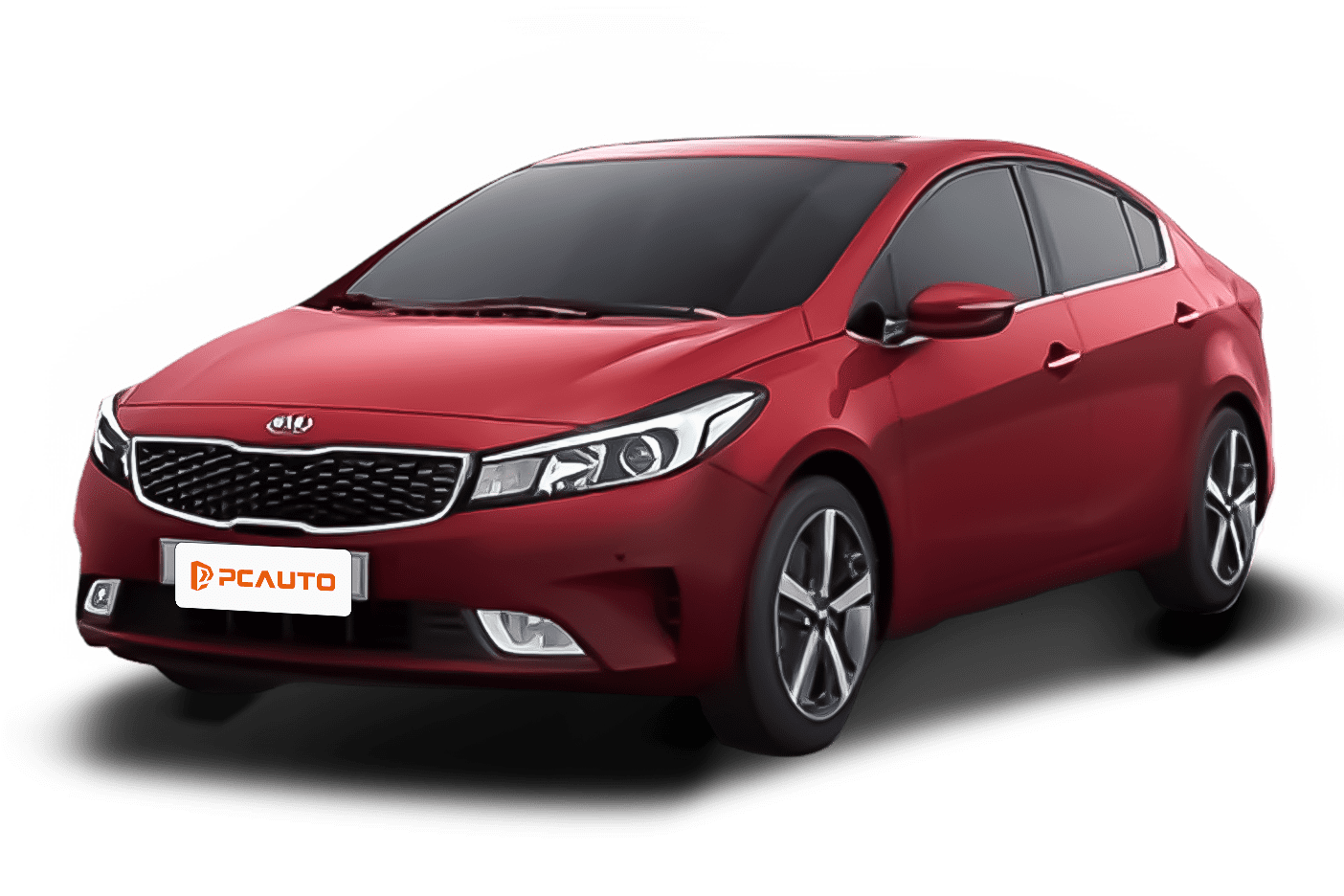
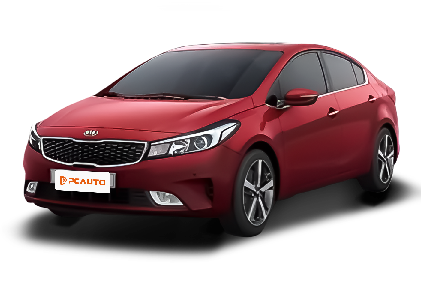
2020 Kia Cerato 1.6 SX is a high-value family sedan that retains core features at a lower price, offering practical space, reliable safety, and balancing the needs of commuting and family travel.
7
Rank in Sedan
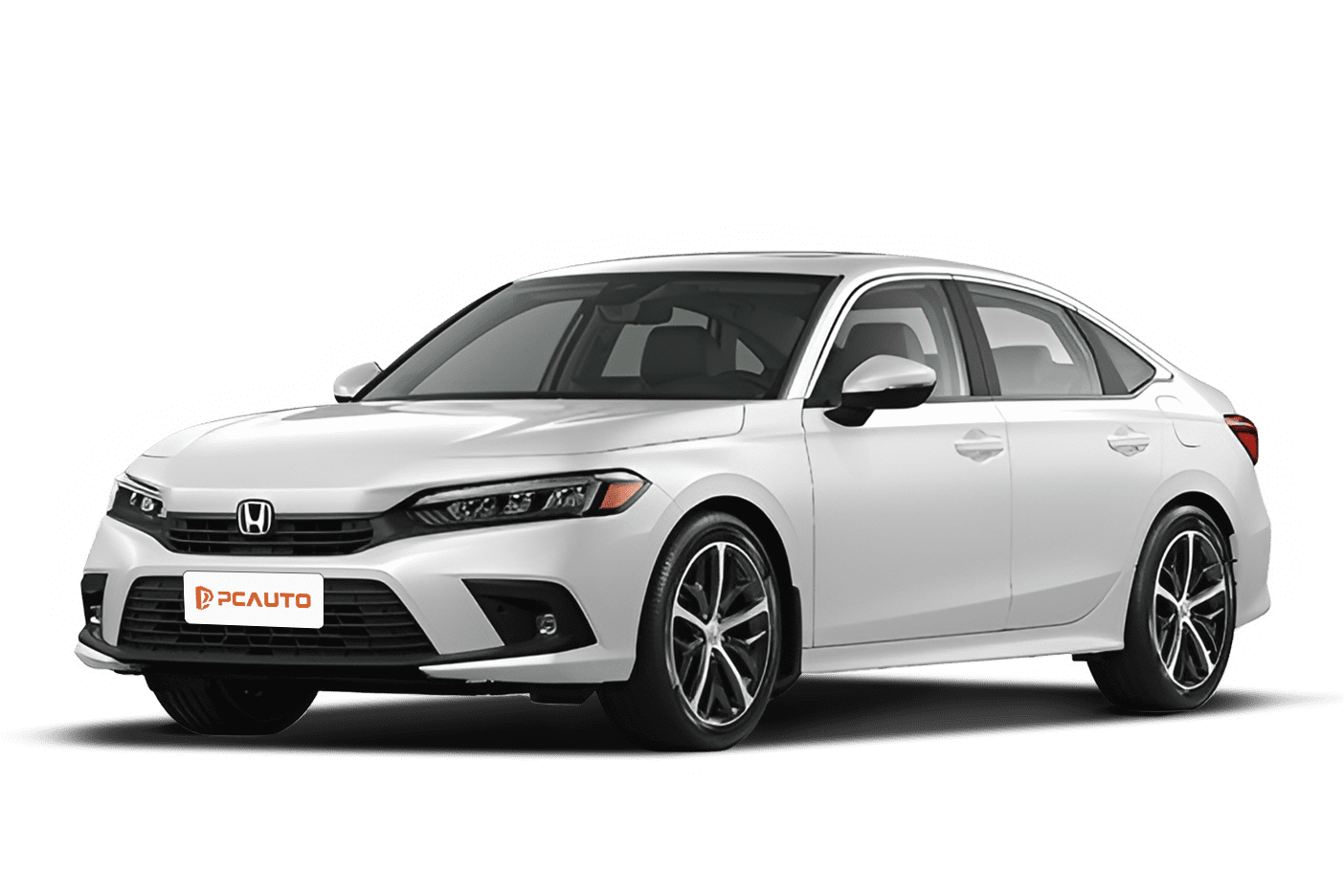
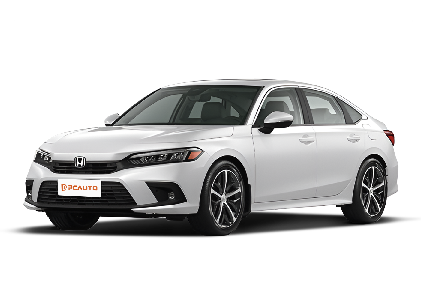
2025 Honda Civic 1.5L E is an entry-level family sedan that combines 1.5T power, a full set of active safety features, and practical space, suitable for city commuting and family outings.
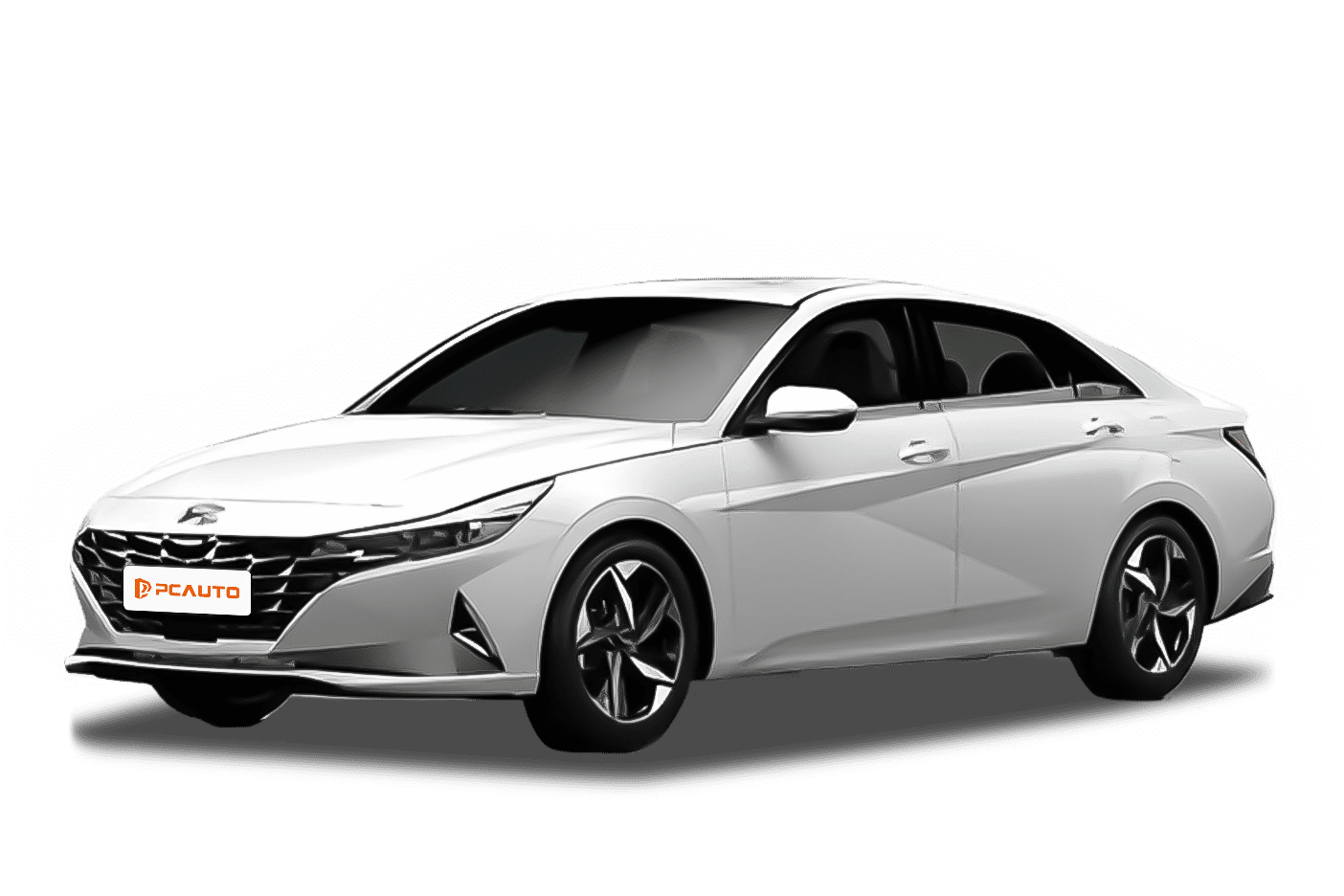
2024 Hyundai Elantra public is a C-segment sedan designed for Malaysian families and young professionals, focusing on class-leading safety features, flexible spaciousness, and balanced fuel efficiency, making it highly cost-effective.