

Maserati MC20 2021 Review

 Share
Share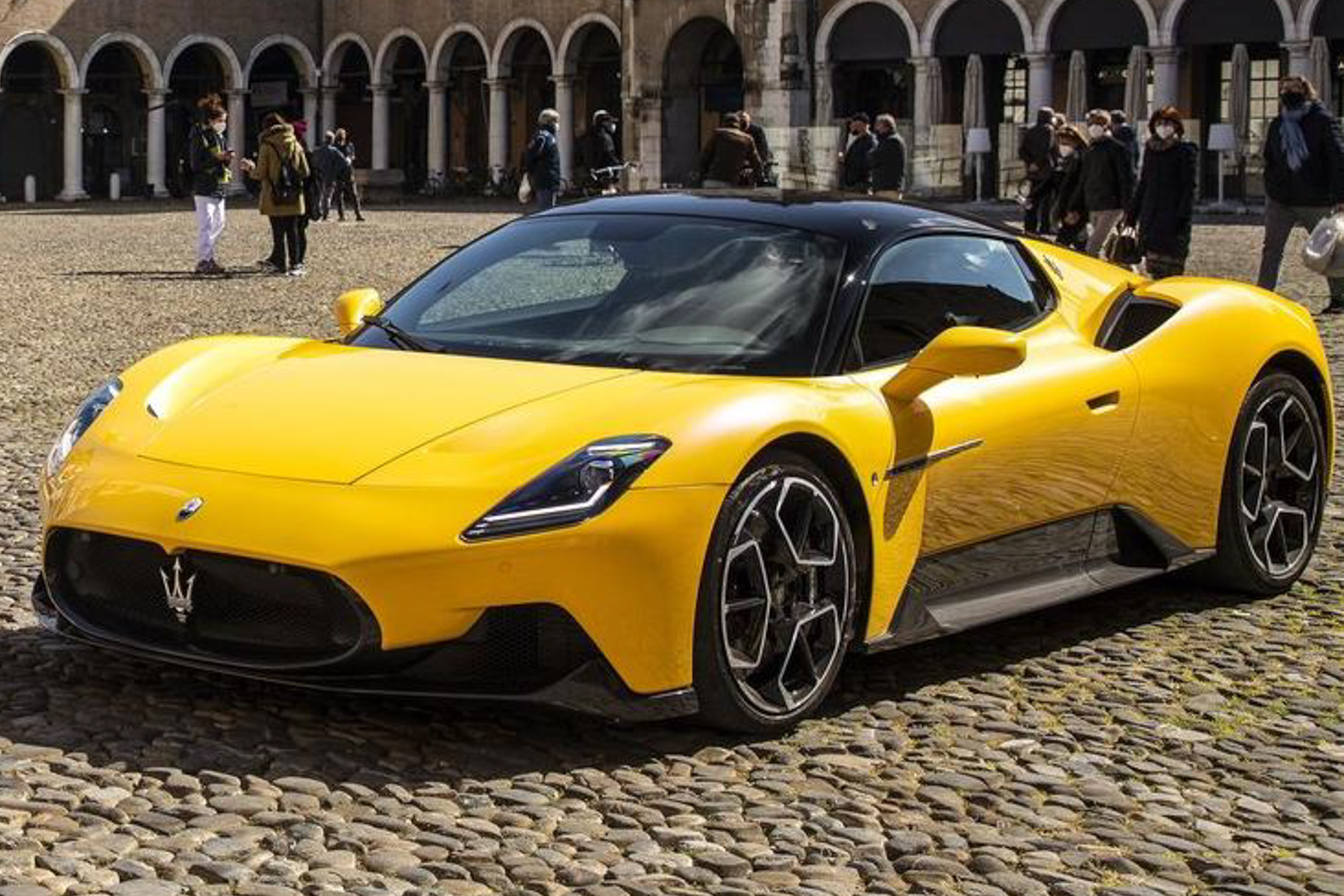

 Body Type
 Segment
 Capacity(L)
 Engine Power(PS)
 Engine Torque(Nm)
 Transmission
Over the past two years, the luxury supercar market in Malaysia has gradually recovered, and consumer demand for models that combine brand character and hardcore performance has been steadily rising. While Maserati has launched models like the Ghibli, it hasn't made significant strides in the pure supercar segment for quite some time. As the core product marking the brand's return to its racing roots, the MC20 has captured attention since its release with its "Nettuno" engine and lightweight design. In this test drive, we focus on evaluating whether it can balance everyday practicality with track performance, and examine whether this Italian supercar is suited to local road conditions.
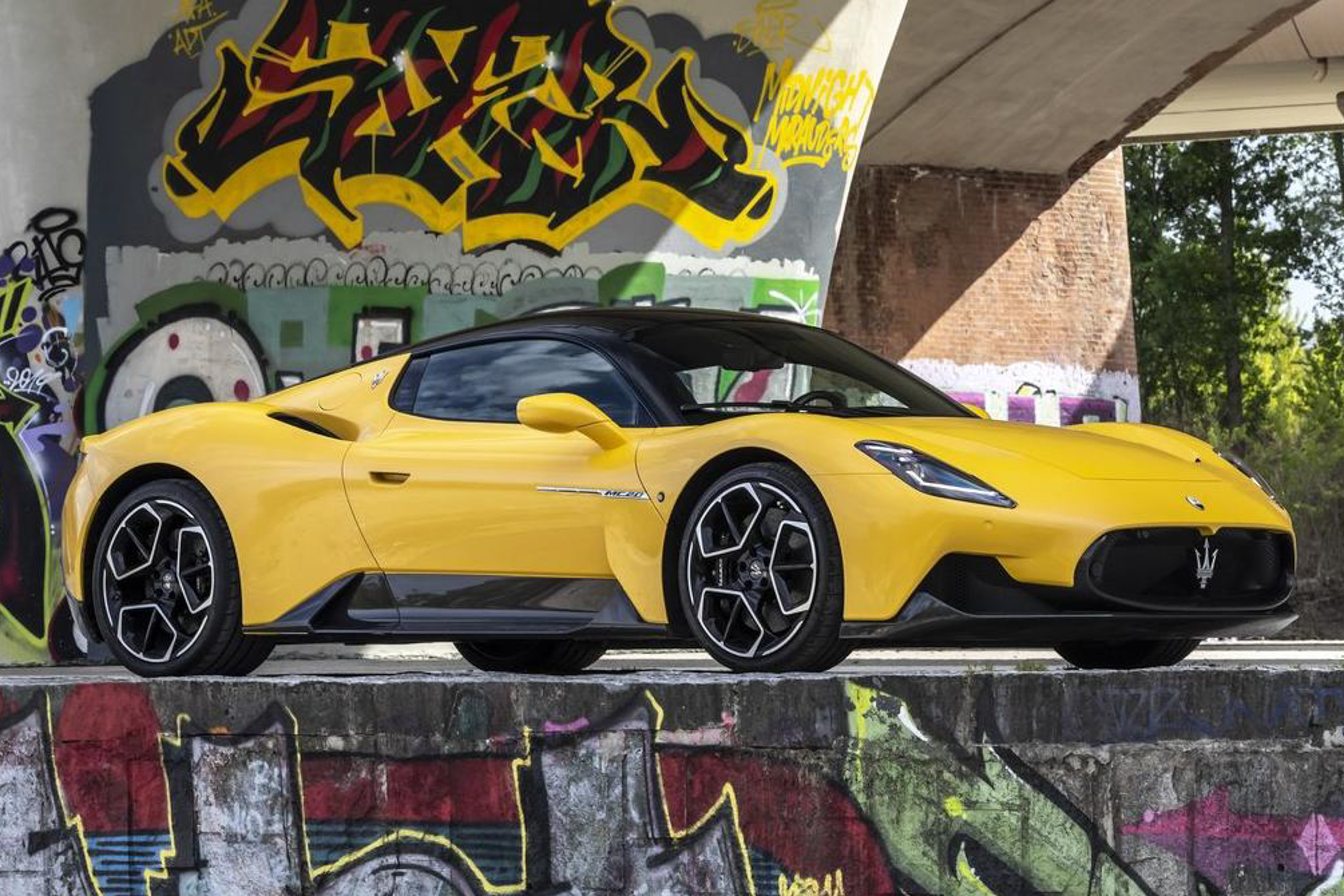
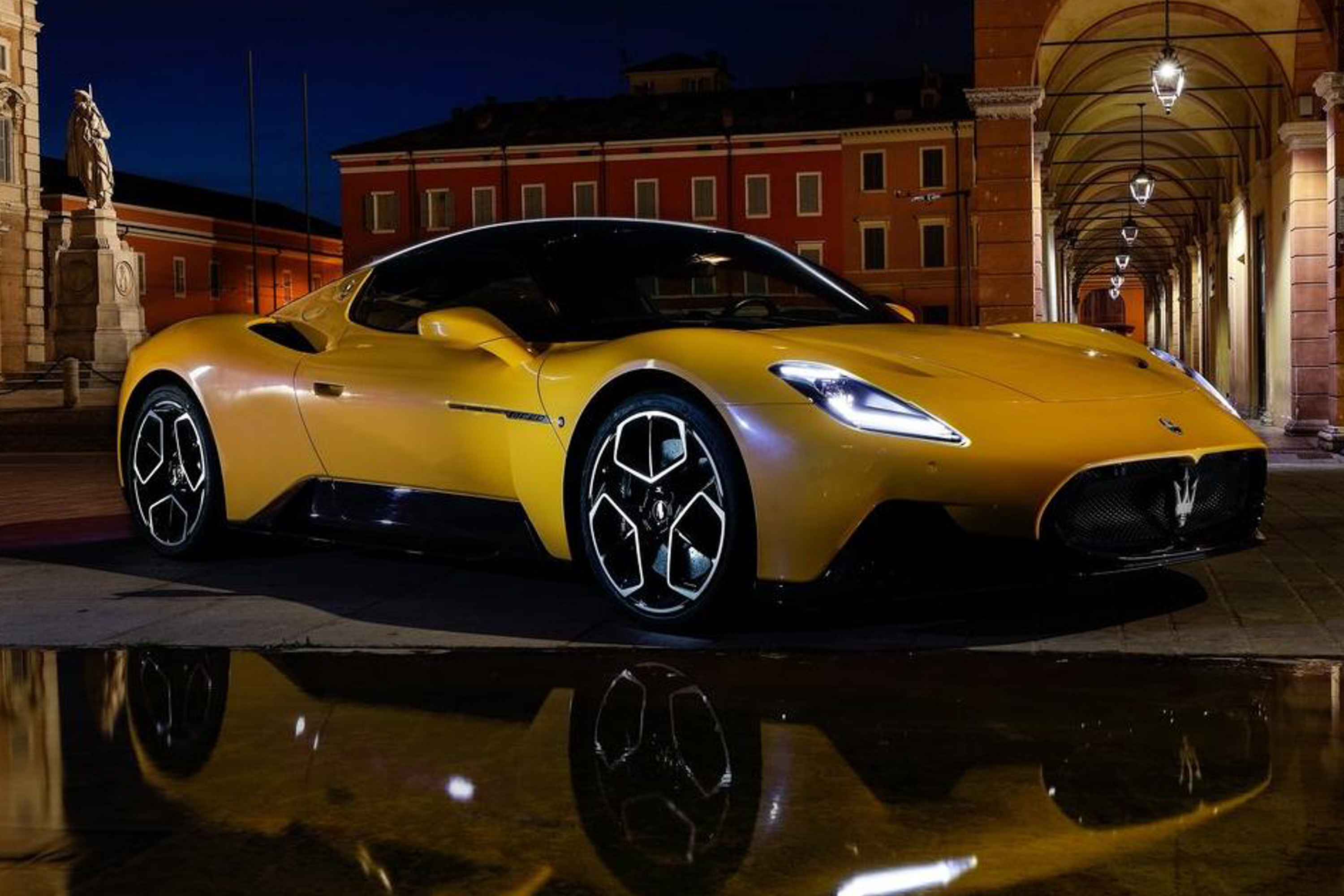
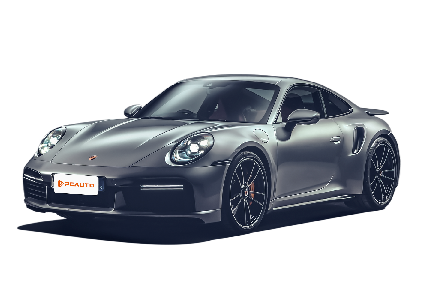
The exterior design of the MC20 is entirely dedicated to aerodynamics, featuring smooth lines and no unnecessary embellishments. The front adopts Maserati's signature vertical-slat grille, albeit narrower than models like the Quattroporte. Paired with sharp LED headlamp clusters on both sides, it boasts high recognition. Beneath the hood is the Nettuno "Neptune" V6 engine, prompting the design of two raised creases extending from the A-pillars to the front lip, enhancing the sense of power while optimizing airflow at the front. The body proportions on the side are well-balanced, with 20-inch multi-spoke alloy wheels and Pirelli P Zero Corsa tires sized 245/35 ZR20 in the front and 305/30 ZR20 at the rear, highlighting its performance orientation. The rear design is a standout, with full-width LED taillights, a large diffuser below, and twin round exhaust outlets on either side; the active rear spoiler automatically deploys at speeds of 150km/h, increasing downforce. The entire exterior avoids overly complicated lines, yet every detail serves the purpose of performance, giving it a road presence equal to the Porsche 911 Turbo of the same price range.
Stepping inside, the interior of the MC20 emphasizes a simple, sporty aesthetic, without unnecessary luxurious decorations. The center console features extensive Alcantara material wrapping, paired with carbon fiber trim, offering both tactile and visual appeal in line with its supercar positioning. The 10.25-inch fully digital instrument cluster offers clear displays and can toggle between interfaces for different modes such as Sport and Corsa, providing real-time information such as engine parameters and tire pressure. Adjacent to it is a 10.25-inch central control screen equipped with Maserati's intelligent multimedia system, supporting CarPlay and Android Auto. The operation is intuitive, requiring minimal learning effort. The seats are designed in an integrated carbon fiber style with strong support, and also feature electric adjustment and lumbar support, ensuring comfort even during long drives. In terms of storage space, supercars are typically limited, but the MC20 incorporates small storage compartments in the center armrest and door panels, sufficient for phones and wallets, while its front trunk offers around 100 liters of capacity—enough for two carry-on suitcases for short trips.
The MC20 is powered by a 3.0T twin-turbocharged V6 engine, delivering a maximum output of 630 horsepower and peak torque of 730Nm, paired with an 8-speed dual-clutch transmission. According to official figures, it accelerates from 0 to 100km/h in 2.9 seconds, with a top speed of 325km/h. In real-world driving, switching to "GT" mode results in relatively smooth power delivery, with no overly abrupt thrust during startup, making it suitable for daily city commuting. Pressing harder on the accelerator prompts rapid downshifts, and power is instantaneously available. Accelerating from 100km/h to 200km/h feels very linear, without any noticeable drop in power. Switching to "Corsa" track mode deepens the exhaust note and alters the transmission's shift logic to be more aggressive. In this mode, the MC20 transforms fully into a race track machine, delivering intense acceleration with every press of the accelerator.
In terms of handling, the MC20 features precise steering with minimal play, making it very agile when changing lanes on city roads or maneuvering in parking lots. The chassis adopts a double-wishbone independent suspension system, with a relatively firm tuning. However, in "GT" mode, it can filter out most small road bumps, avoiding the discomfort typical of traditional track cars. During high-speed cornering, the suspension provides solid support, and the body maintains excellent roll control. Paired with a rear-wheel-drive layout, it delivers strong cornering trackability, giving the driver ample confidence. The braking system uses six-piston calipers at the front and four-piston calipers at the rear, accompanied by carbon-ceramic brake discs. The braking response is quick, and during emergency braking, the vehicle stays stable without any noticeable nose-dive effect. As for fuel consumption, city driving averages about 15L/100km, while highway conditions bring it down to around 10L/100km. For a 630-horsepower supercar, this performance is quite reasonable.
During daily driving, the MC20 does well in noise control. In "GT" mode, tire and wind noise are not particularly noticeable, and the exhaust note only becomes audible when stepping hard on the accelerator. The seats strike a great balance between support and wrap-around comfort, ensuring the driver does not feel fatigued even after long hours of driving. However, as a supercar, its low ground clearance requires particular caution when going over speed bumps or uneven roads to avoid scraping the chassis. On the track, the MC20 demonstrates even more outstanding performance. Its body rigidity is strong, stability during cornering is very high, and the active rear spoiler and diffuser provide ample downforce to maintain stability during high-speed turns.
Overall, the key strength of the MC20 lies in its balanced performance and daily practicality. Compared to competitors like the Porsche 911 Turbo S, the MC20 offers higher power output, a more aggressive design, and a unique brand identity as Maserati’s re-entry into the supercar market. However, the 911 Turbo S outshines it in terms of resale value and a more established after-sales network, which are areas the MC20 needs to catch up on.
The MC20 is suitable for two types of buyers: first, those who seek pure driving pleasure while occasionally using the car for daily commuting; second, enthusiasts of Italian supercar styles who are not content with traditional German supercars. It performs powerfully on the track and delivers comfortable driving in urban traffic, making it a supercar that balances passion and practicality.
In conclusion, the Maserati MC20 proves its strength as the brand re-enters the supercar segment. It not only boasts powerful performance and excellent handling but also takes daily usability into account. If you are looking for an Italian supercar that can seamlessly transition between track performance and everyday driving, the MC20 is worth considering.
Maserati MC20 Car Compare
More Maserati Reviews
Cars With Similar Price And Features
8
Rank in Coupe
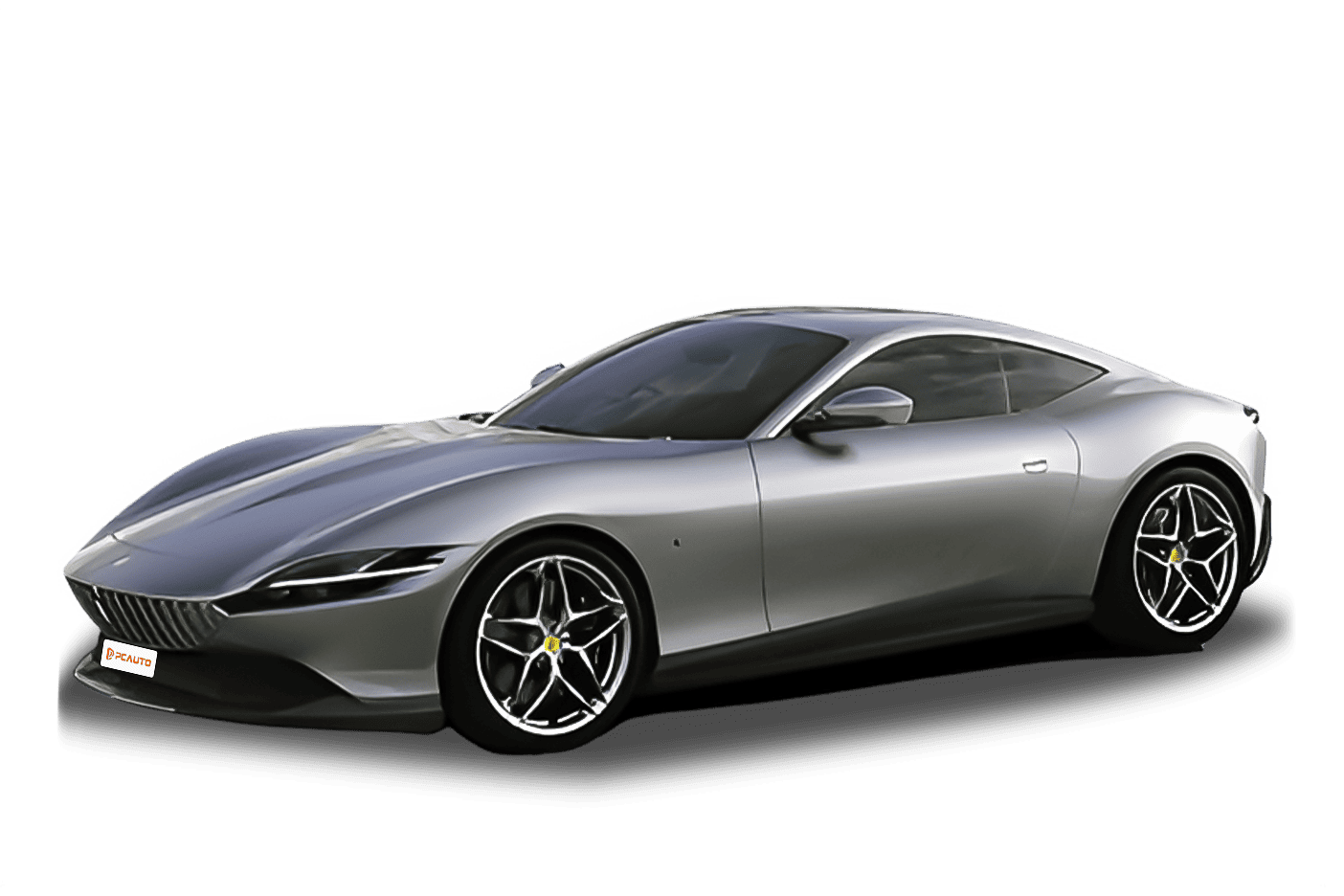
2023 Ferrari Roma Spider is a hardtop convertible GT supercar that combines elegant style with powerful performance, 13.5-second fast-opening soft top + 620PS power, practical for daily use and full of driving pleasure.
2
Rank in Coupe
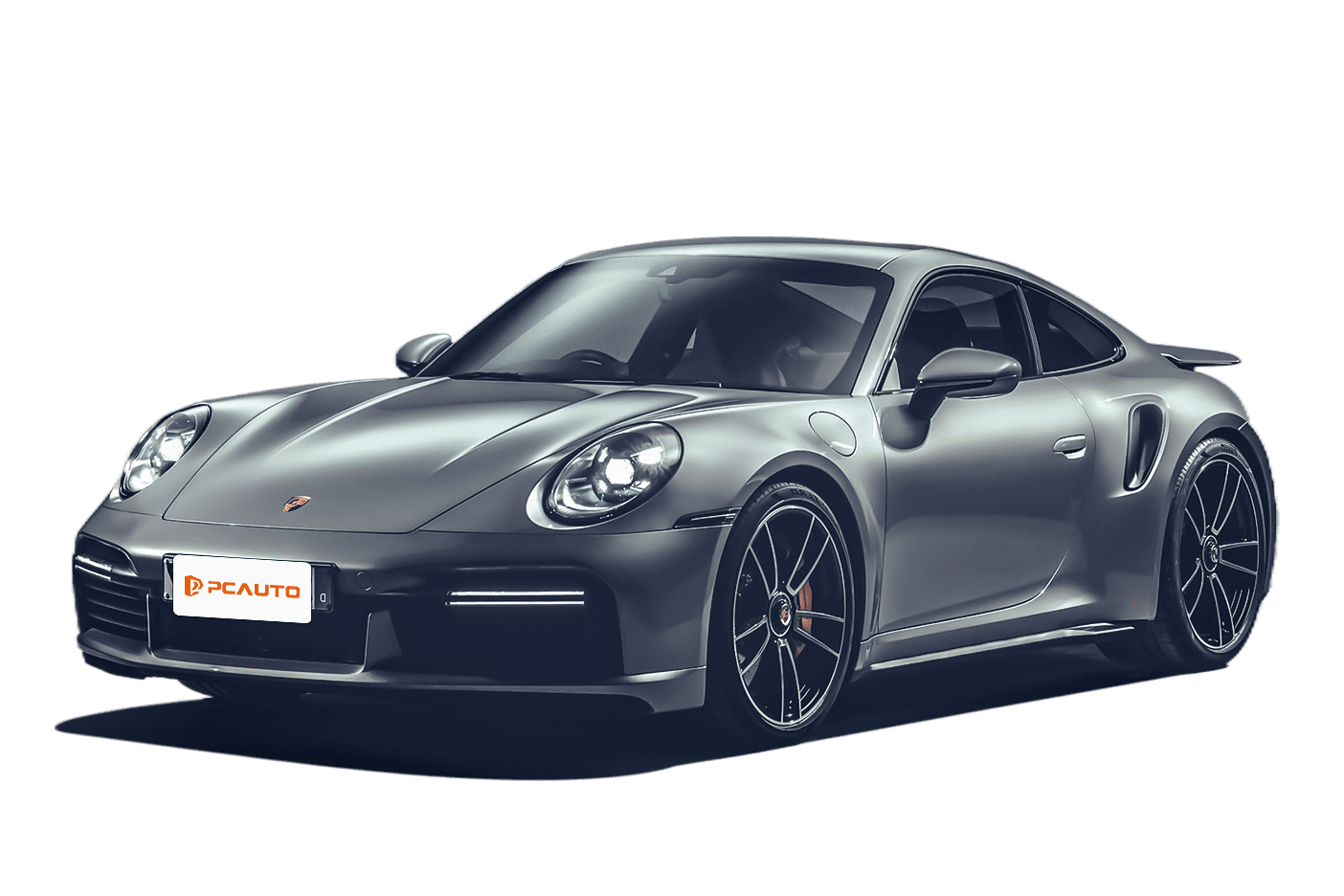
The 2025 Porsche 911 Carrera, as a classic entry-level coupe, features a 0-100 km/h acceleration in 3.9 seconds with its 3.0T+PDK performance, combining practical daily configurations and iconic design to balance track excitement with commuting convenience.
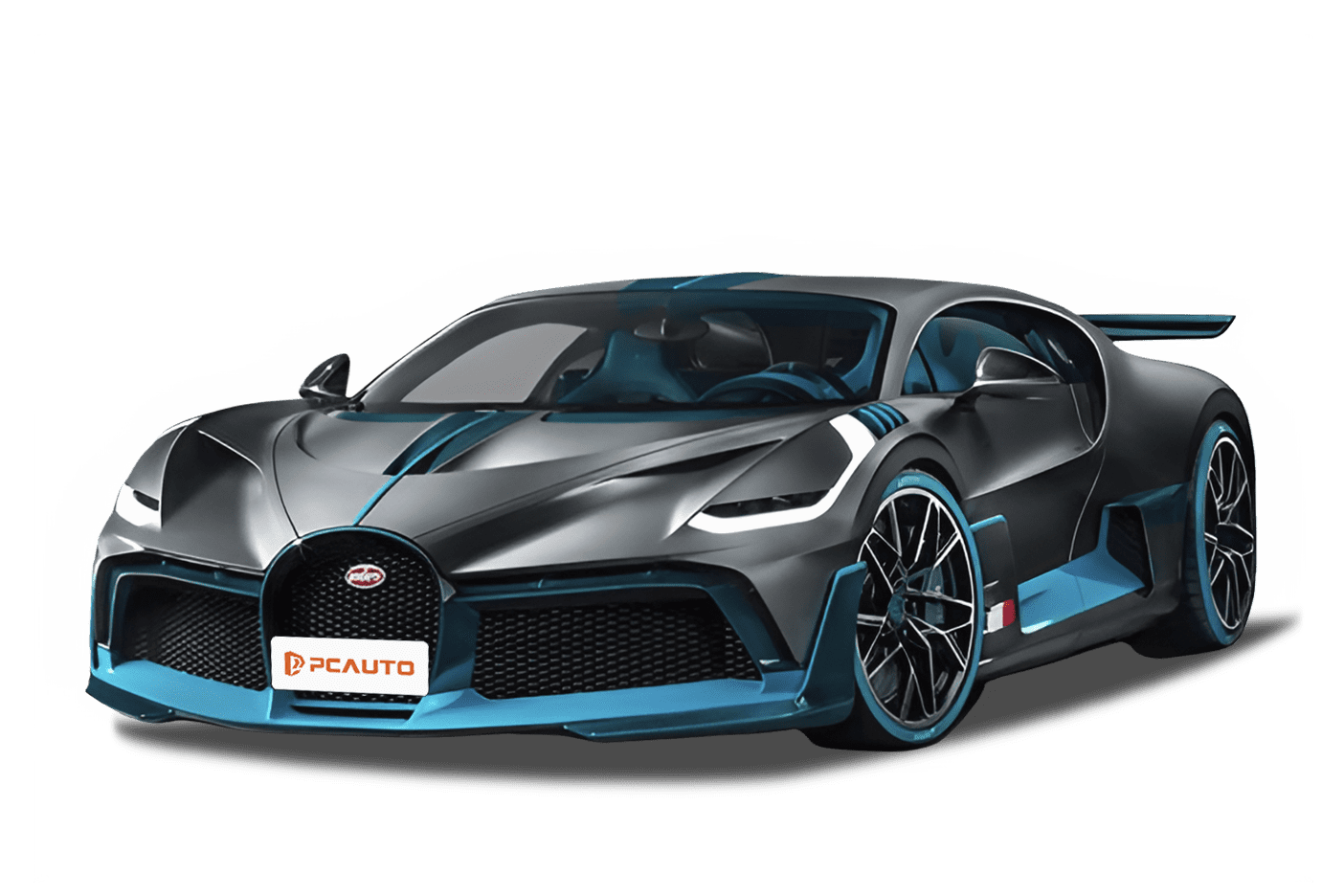
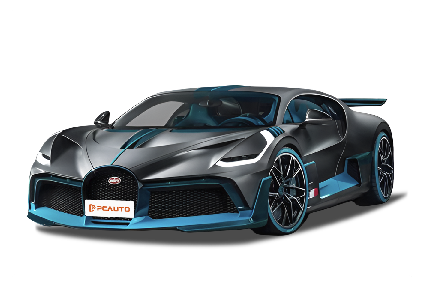
2023 Bugatti Divo, as a limited-edition hypercar and an advanced version of the Chiron, features track-focused aerodynamic design, 1520PS of brutal power, and precise handling, embodying the ultimate performance of being "born for the curves."
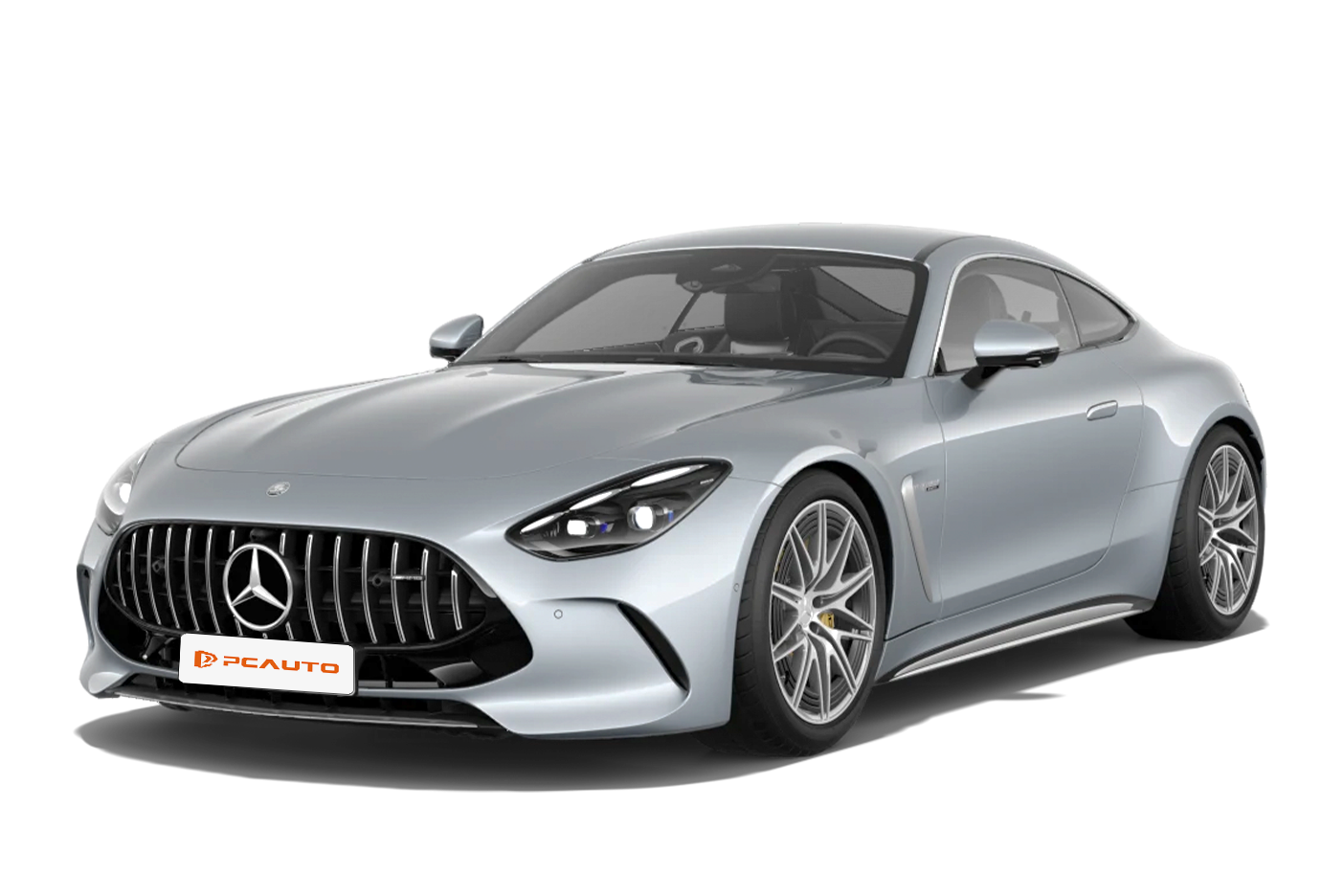
2025 Mercedes-Benz AMG GT 63 4Matic+ Coupe is a luxurious two-door sports car that combines 585PS 4.0T V8 performance (0-100 km/h in 3.2 seconds) with 351L of practical storage, balancing track excitement and daily commuting.