

Mazda BT-50 2009 Review

 Share
Share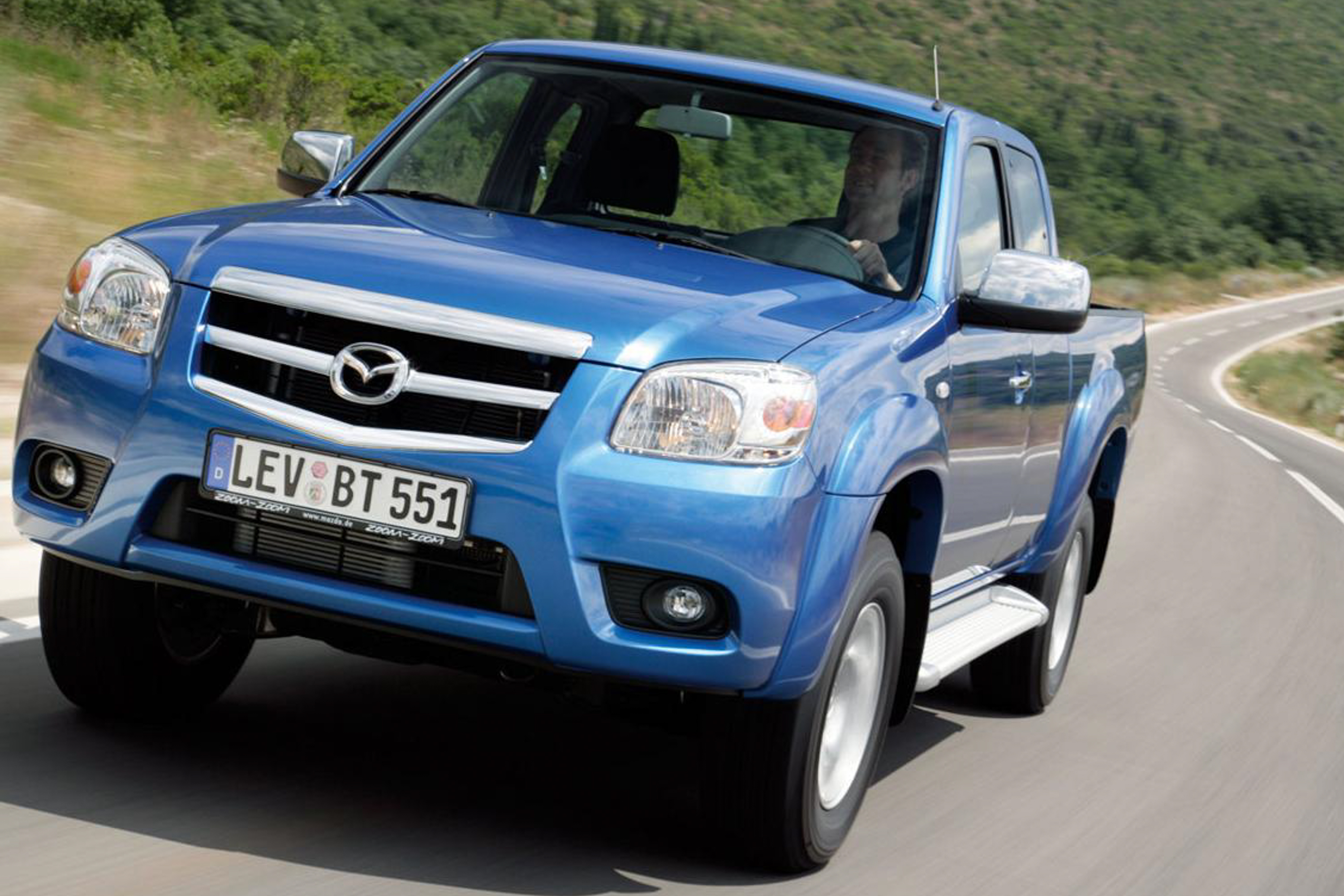
 Body Type
 Segment
 Capacity(L)
 Engine Power(PS)
 Engine Torque(Nm)
 Transmission
As a regular contender in Malaysia's pickup truck market lineup, the 2009 Mazda BT-50 Public targets a specific segment that seeks a balance between family use and light commercial utility. These types of users prioritize daily commuting comfort while also needing occasional cargo hauling or tackling unpaved roads. The most intriguing aspect of this vehicle is whether it can strike a balance between practicality, driving experience, and durability—core desires for many pickup truck buyers. In this test drive, we mainly focused on three aspects: whether the static experience is practical enough, whether the dynamic performance is suitable for daily driving, and whether fuel economy meets expectations.
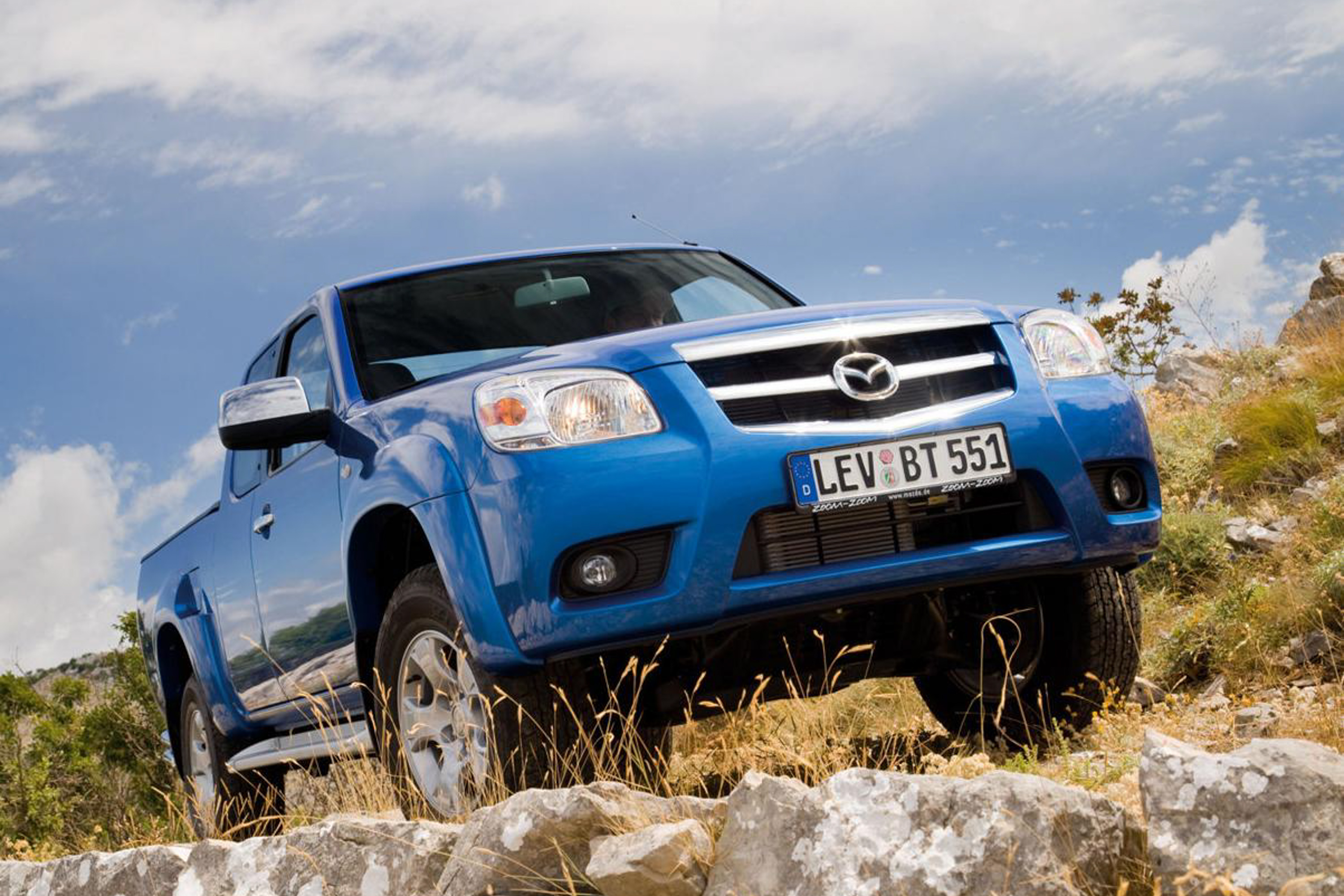
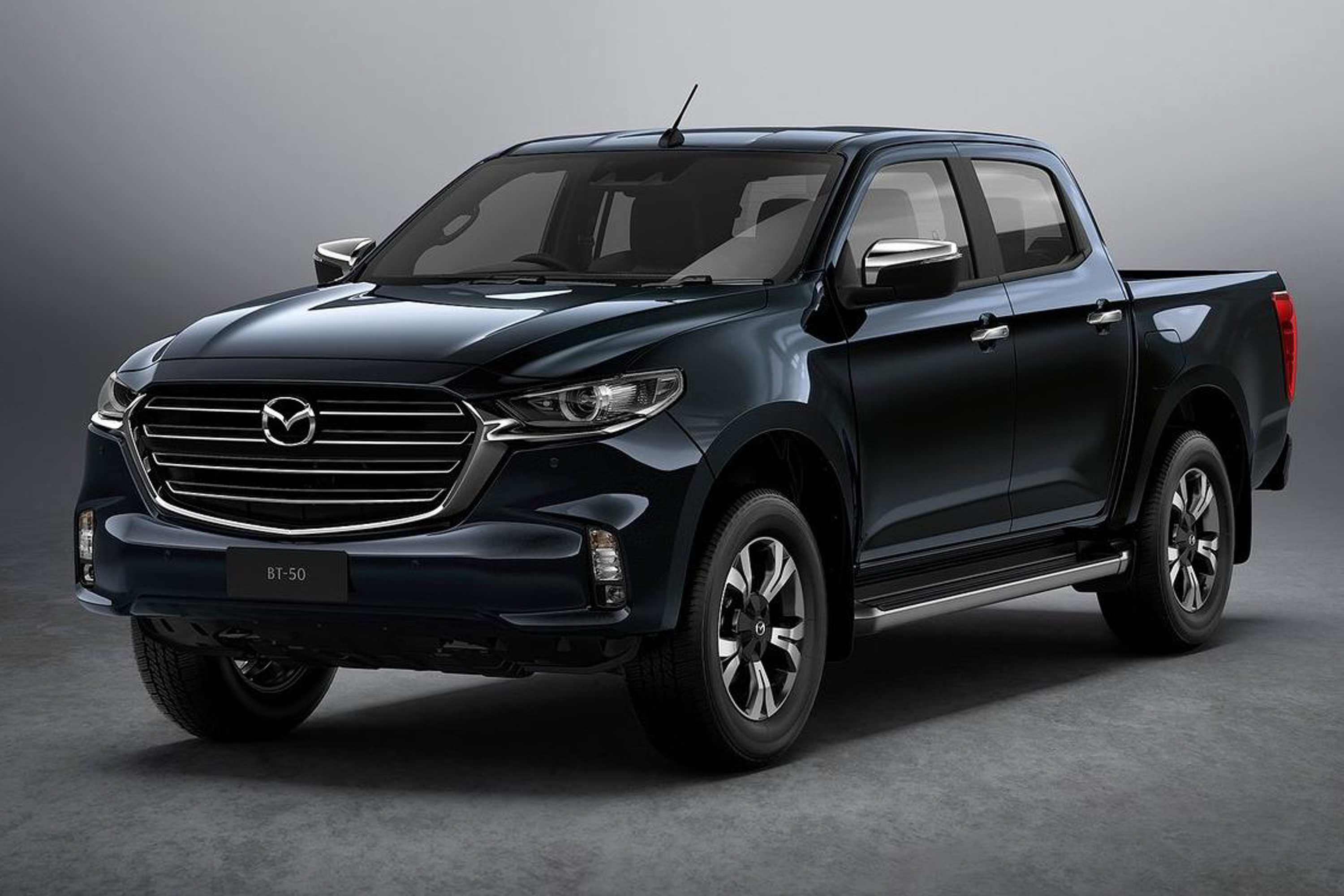
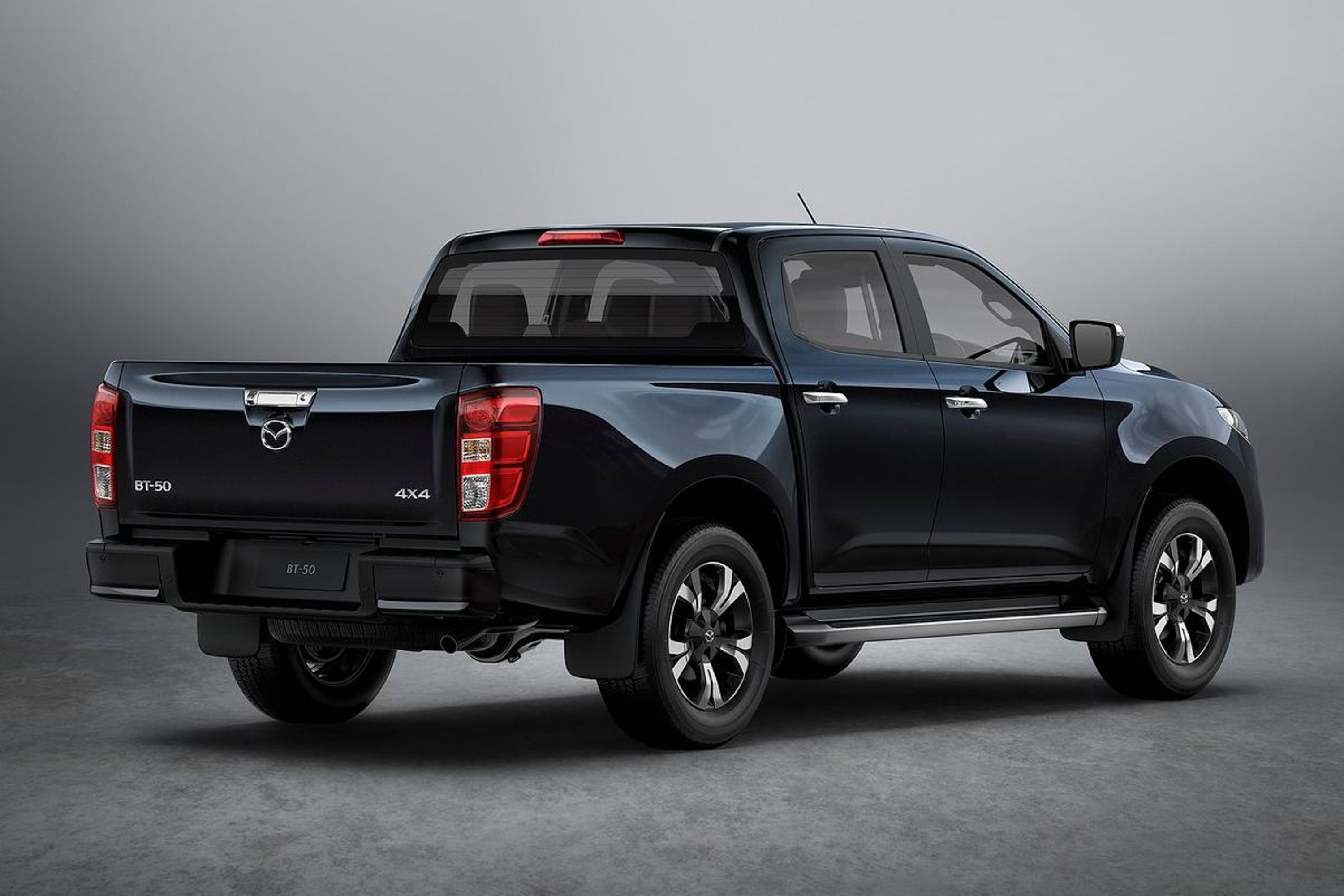
First impressions of the 2009 BT-50 Public reveal a design that leans towards a rugged style without being overly aggressive. The front fascia features Mazda’s signature shield-shaped grille, embedded with a chrome-plated brand emblem in the center. The rectangular headlights on both sides are naturally integrated with the grille edges, providing notable overall recognition. The side profile shows straight lines along the body; a waistline runs from the front fender to the rear, and the lower part of the doors is equipped with black protective strips, which are both practical and add a sense of visual layering. The rear design is simple, with vertical taillights flush with the side profile of the body. A small step is built into the lower part of the rear bumper for easy access to the cargo bed. In terms of lighting, the front headlights are halogen, with moderate brightness adequate for daily use, while the rear lights use a red and white color scheme that offers clear visibility at night.
Stepping inside the vehicle, the interior is primarily black, with a dominant use of hard plastics. However, key areas such as the steering wheel and seat edges are wrapped in leather, providing a comfortable touch. The dashboard layout is very straightforward: the audio system is on top, followed by the air conditioning control panel in the middle, and two cup holders and a storage compartment at the bottom, allowing for easy operation without needing to look away. In terms of features, all basic functions are present: the manual air conditioning adjusts smoothly with appropriately weighted knobs. The audio system supports both CDs and radio, with sound quality that meets the standards for pickup trucks in this class. The steering wheel is a three-spoke design with a solid grip, making long drives less tiring. The seats are upholstered in fabric, featuring firm padding that offers good support. The front seats can be manually adjusted for forward/backward positioning and recline angle, making it easy to find a comfortable seating position.
In terms of dimensions, the length, width, and height are 5285mm, 1830mm, and 1790mm, respectively, with a wheelbase of 3250mm. Front-row space performs well. A 175cm tall passenger will have a fist and four fingers of headroom and ample legroom. The rear-row space is relatively spacious for a pickup truck, with the same height passenger enjoying two fists of leg space and one fist of headroom. However, the slightly raised middle floor might make seating three people for an extended period a bit cramped. For storage, the door panels’ compartments can hold two bottles of mineral water, the compartment below the dashboard can hold a phone or wallet, and there’s a cup holder in the middle of the rear seats. The cargo bed measures 1540mm×1505mm×450mm, providing enough space for tools, construction materials, or outdoor gear, meeting the needs of daily family use or light commercial purposes.
In terms of performance, this model is equipped with a 2.5L diesel engine, delivering a maximum power output of 105kW and peak torque of 330N·m. It is paired with a 5-speed manual transmission. During initial acceleration, the clutch engages predictably, and the clutch-gas coordination is easy to master, making it beginner-friendly. Low-end torque is outstanding, delivering most of its torque below 2000 RPM, facilitating smooth start-ups even when fully loaded. During acceleration, power surges after 2000 RPM, and when flooring the gas pedal for overtaking, the transmission shifts smoothly, and the revs climb quickly. The mid-to-high speed acceleration capability is also sufficient. There is only a standard driving mode available, but it adequately handles everyday driving conditions.
In terms of handling, the steering wheel is relatively heavy, but it is fairly precise without obvious play, and the car feels stable at high speeds. The chassis uses a front double wishbone independent suspension and a rear leaf spring non-independent suspension, which is a typical pickup truck structure. When crossing speed bumps or bumpy roads, the front suspension can filter out most fine vibrations, while the rear suspension, due to the leaf spring, transmits vibrations more noticeably. However, this is considered normal for a pickup truck. When driving through corners, the body roll is kept within a reasonable range, with no noticeable swaying, and overall stability is good.
Fuel efficiency is a key area we tested, as diesel vehicles' fuel consumption is one of their selling points. This test drive covered urban traffic congestion, suburban expressways, and highways, with a total mileage of 200km and an average speed of 35km/h. The indicated fuel consumption ended up being 7.8L/100km, while the actual calculation came to 8.1L/100km. This performance is excellent among diesel pickups in the same class, slightly lower than its competitor, the Toyota Hilux 2.5L diesel version (approximately 8.5L/100km). As for braking, the brake pedal has a moderate stroke, with gentle braking at the initial stage and adequate force in the mid-to-late stages. During emergency braking, the vehicle remains stable without noticeable nosedive.
In terms of driving comfort, noise control is done well. At a highway speed of 100km/h, wind and tire noise remain at an acceptable level. The diesel engine noise is slightly noticeable at idle but gets overshadowed by wind noise when driving, so it does not hinder conversations inside the cabin. Although the seats are on the firm side, they provide good support, and you won’t feel backaches even after driving for two consecutive hours. However, the rear seat backrests are relatively upright, which might feel tiring for long durations, making them more suitable for short trips with passengers.
Overall, the core strengths of the 2009 Mazda BT-50 Public are clear: practical space, strong low-end diesel power, and good fuel economy. Compared to its classmate, the Toyota Hilux, it offers more spacious rear seating and more practical configurations. Compared to the Ford Ranger, it is more affordable (although the exact price has not been disclosed, an estimate can be made based on models using the same platform). This vehicle is suitable for two types of users: those who need a balance between family and light commercial use, such as small business owners who need a vehicle for both cargo and family transportation, and outdoor activity enthusiasts, as the truck bed can carry camping equipment while providing sufficient off-road capability on unpaved roads.
To sum up, the 2009 BT-50 Public avoids flashy features and sticks to a practical, durable approach. If you need a reliable, economical, and spacious pickup truck, this is a worthwhile option to consider.
Mazda BT-50 Car Compare

More Mazda Reviews
Cars With Similar Price And Features
5
Rank in Pickup
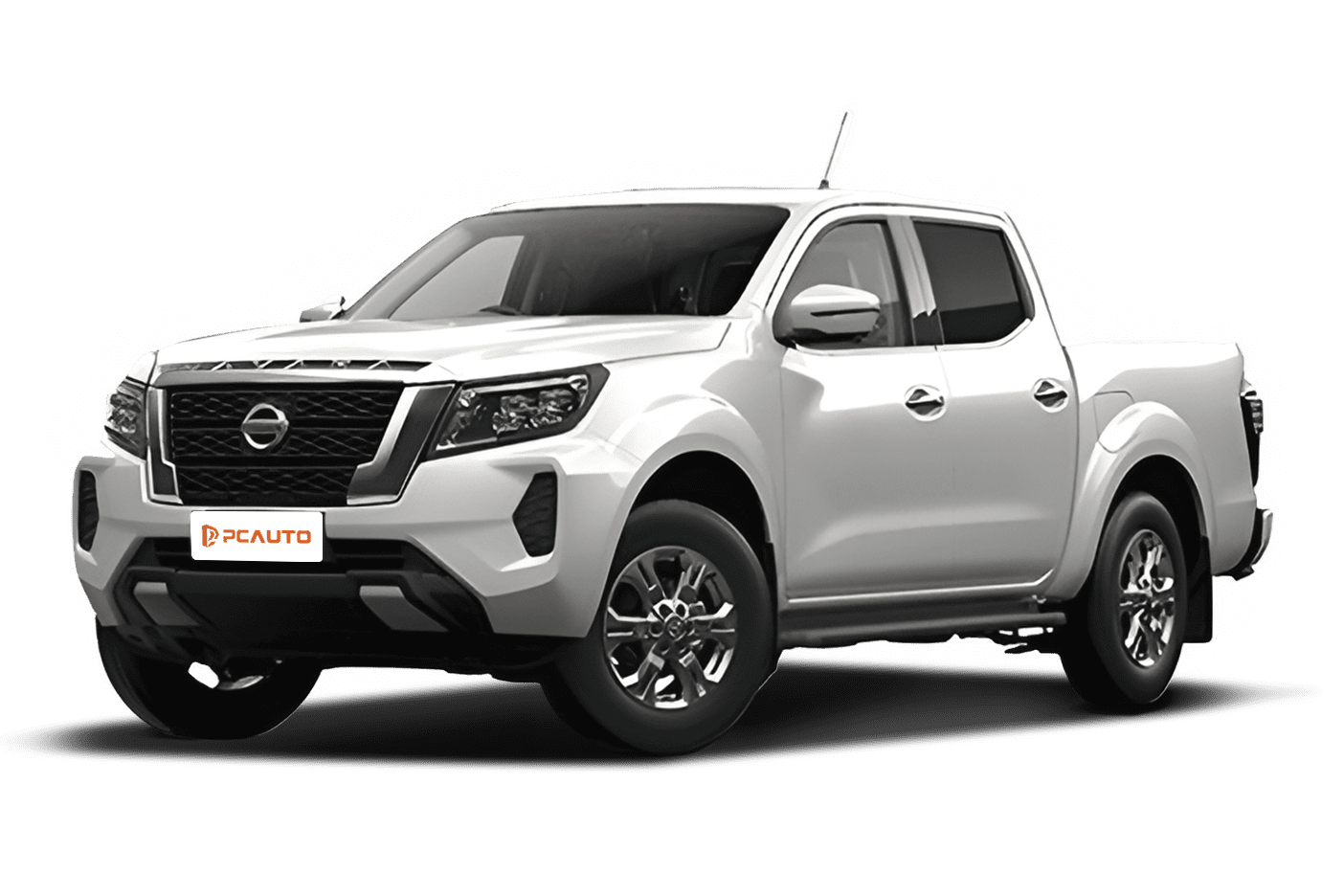
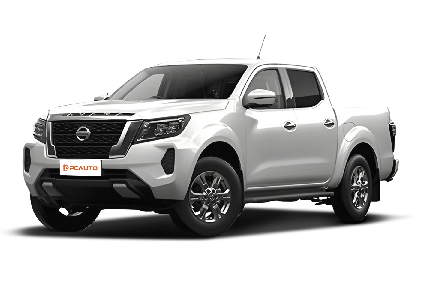
2023 Nissan Navara 2.5 VL Black Edition is a pickup truck that balances household comfort with light off-road capability, featuring exclusive black trims, a full suite of active safety features, and practical configurations, precisely catering to the needs of families and small business owners.
4
Rank in Pickup

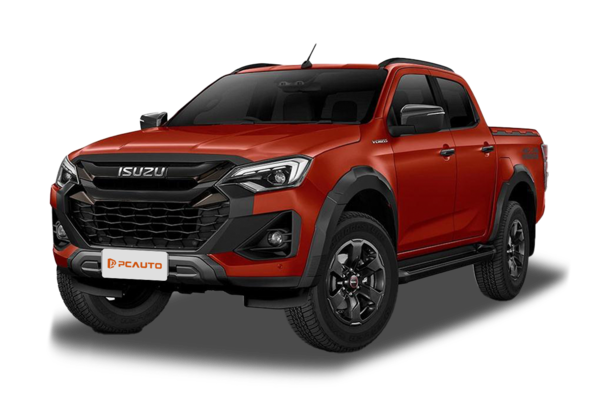
2025 Isuzu D-MAX 1.9L 4x2 Low Ride is an entry-level passenger pickup, offering a balance of practical space, reliable diesel performance, and fuel economy, suitable for family transport and small business cargo needs.
3
Rank in Pickup
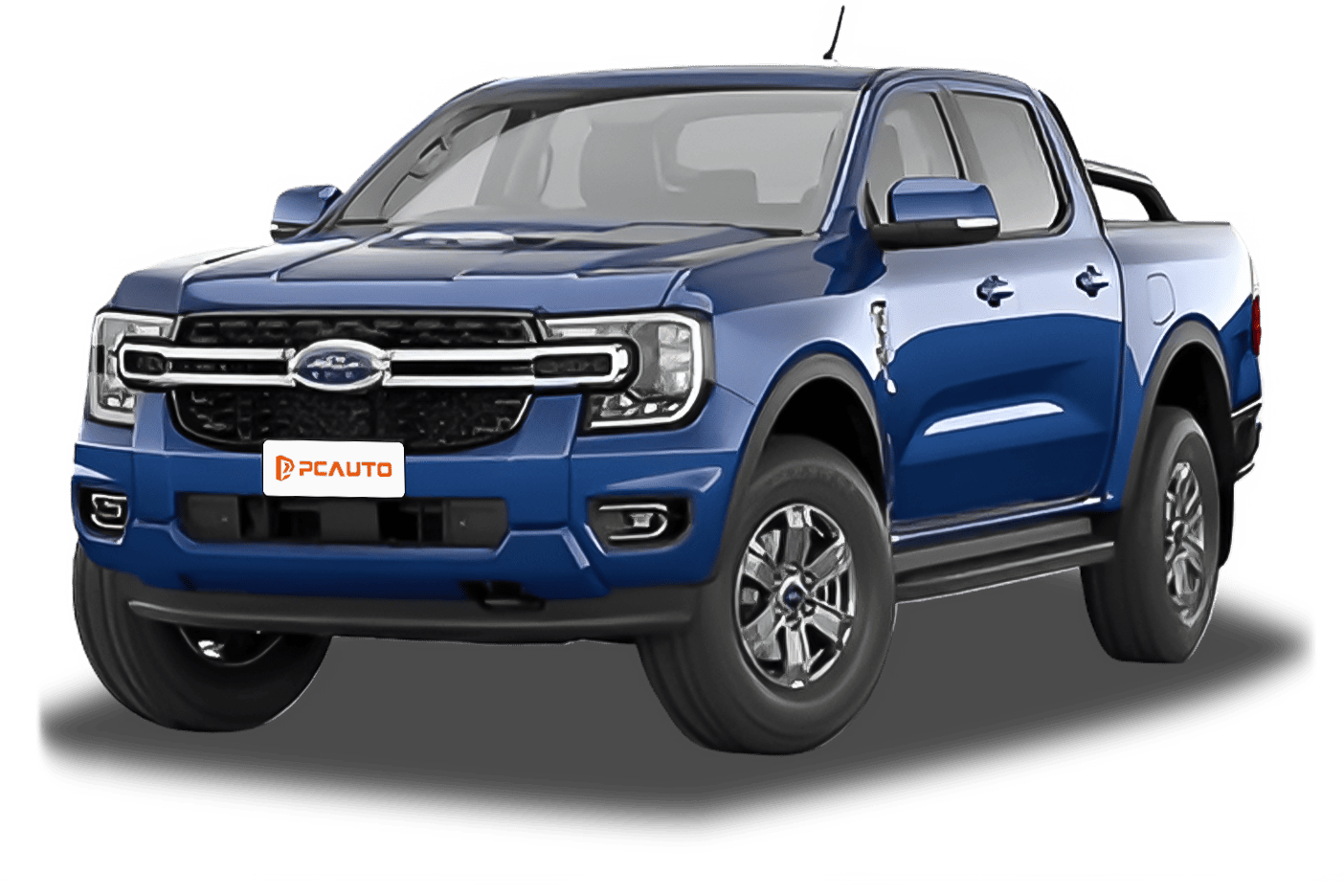
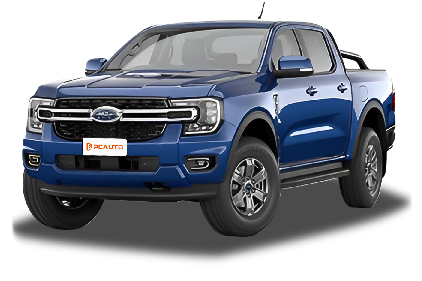
2023 Ford Ranger WildTrak is a mid-to-high-end pickup truck that balances the comfort of daily commuting with the practicality of cargo and off-road capabilities. It features powerful performance, ample space, and practical configurations, making it a versatile choice for both family and work scenarios.

2023 JMC Vigus Pro White Series 2.0L 4WD 8AT combines rugged design, practical features, and powerful diesel performance, balancing everyday durability and mild off-road needs, making it a high-value choice for pickup users.