

McLaren Senna 2023 Review

 Share
Share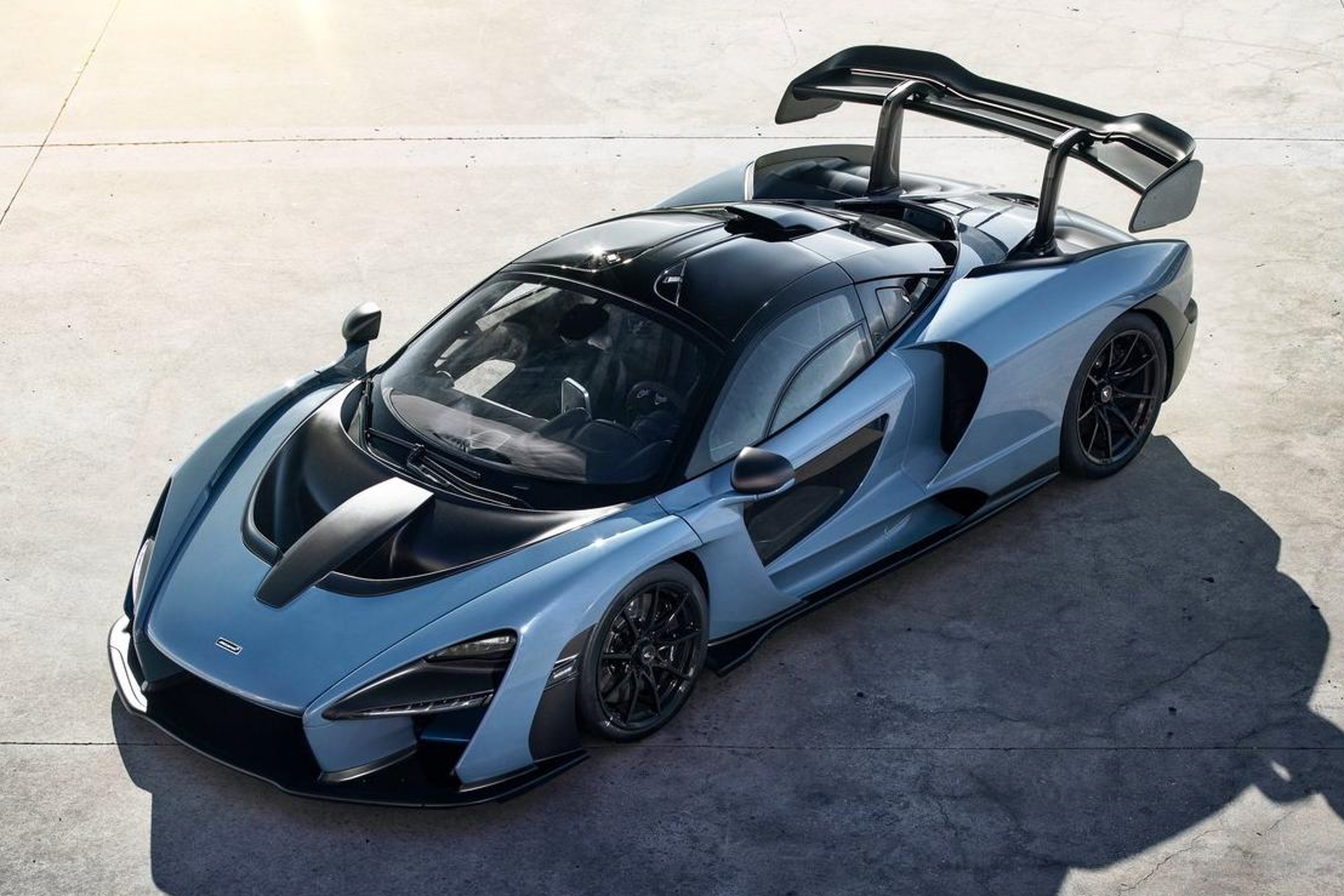
 Segment
 Body Type
 Capacity(L)
 Engine Power(PS)
 Transmission
 Driven Wheels
The supercar market never lacks performance beasts, but there are very few models that seamlessly combine track DNA with street-legal attributes. The 2023 McLaren Senna 4.0L V8 is such a car - "born for the track, optimized for the road." Named after the legendary driver Ayrton Senna, it is equipped with an 800PS 4.0T V8 twin-turbocharged engine, accelerates from 0-100km/h in just 2.8 seconds, and is aimed directly at hardcore players pursuing the ultimate driving experience. In this test drive, we mainly aim to verify its balance between everyday usability and track DNA, and to see if this "track weapon" can indeed cater to everyday driving.
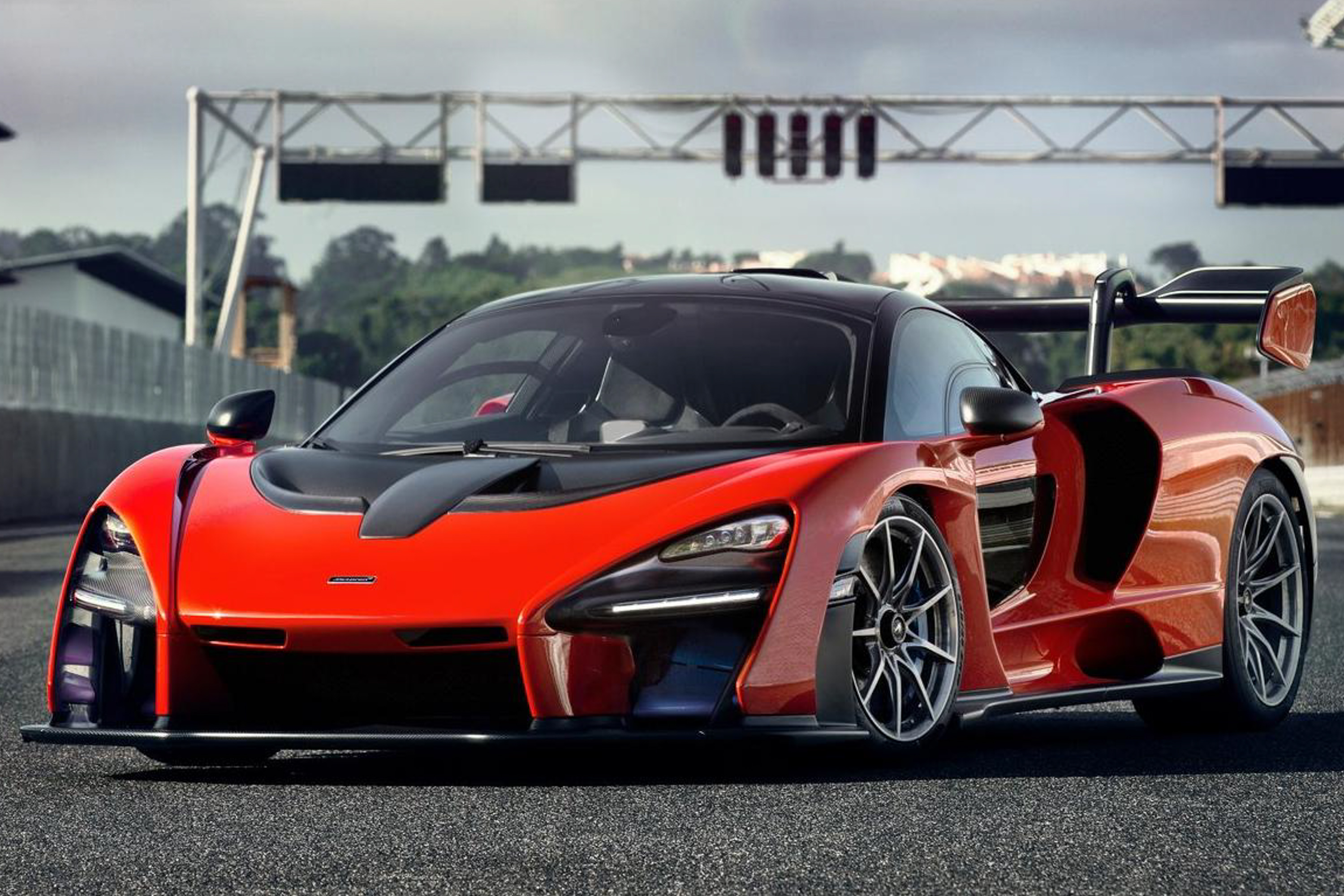
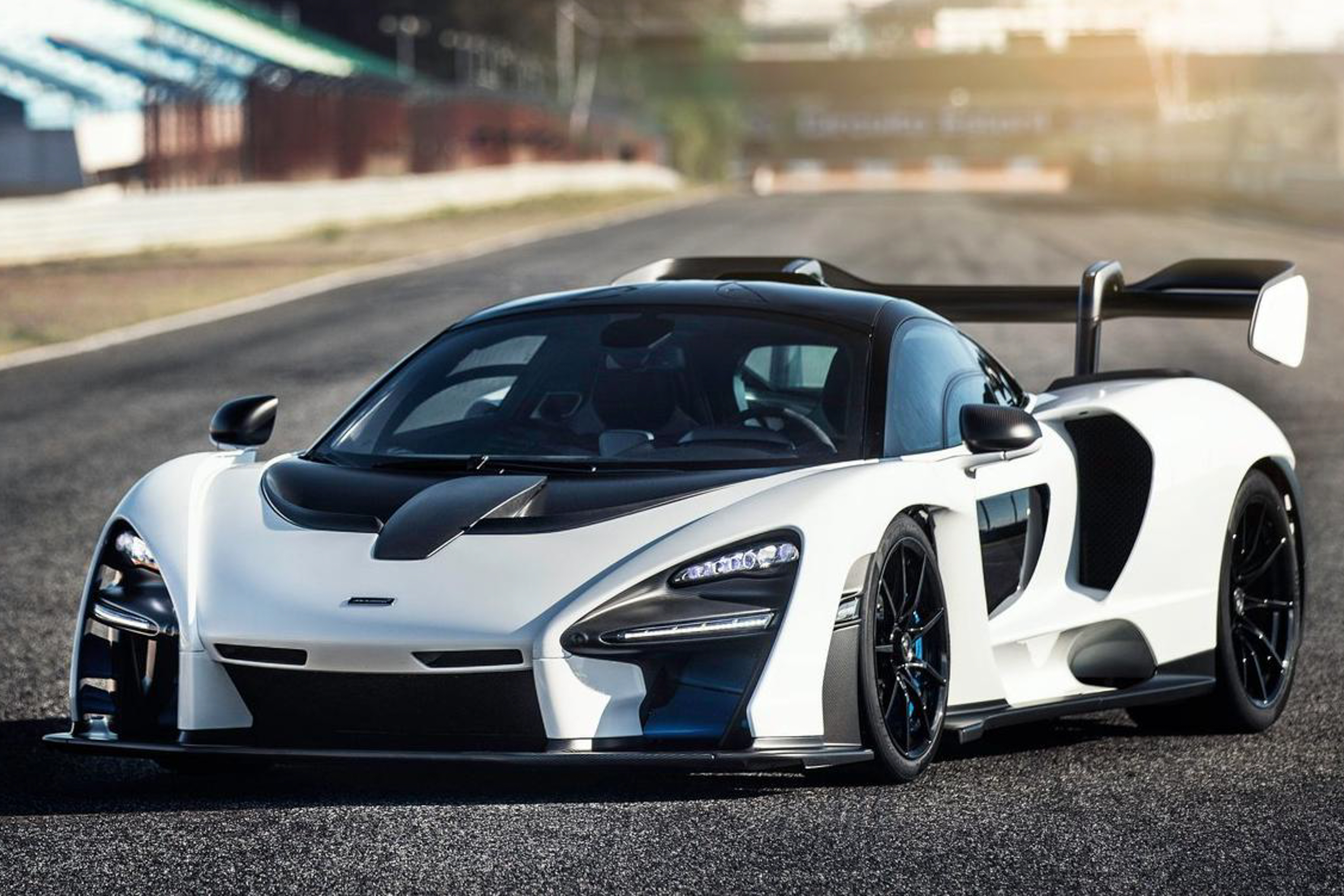
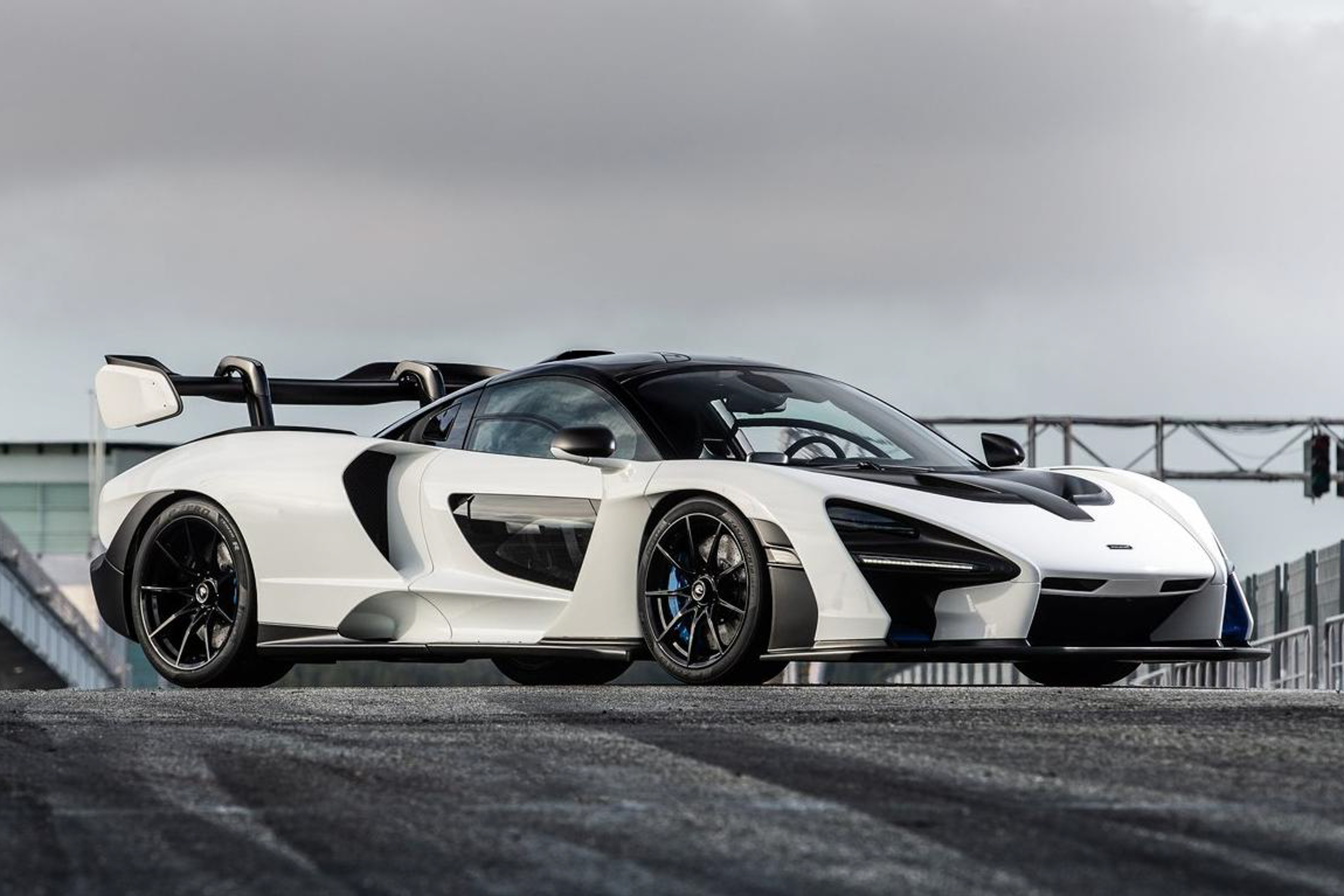
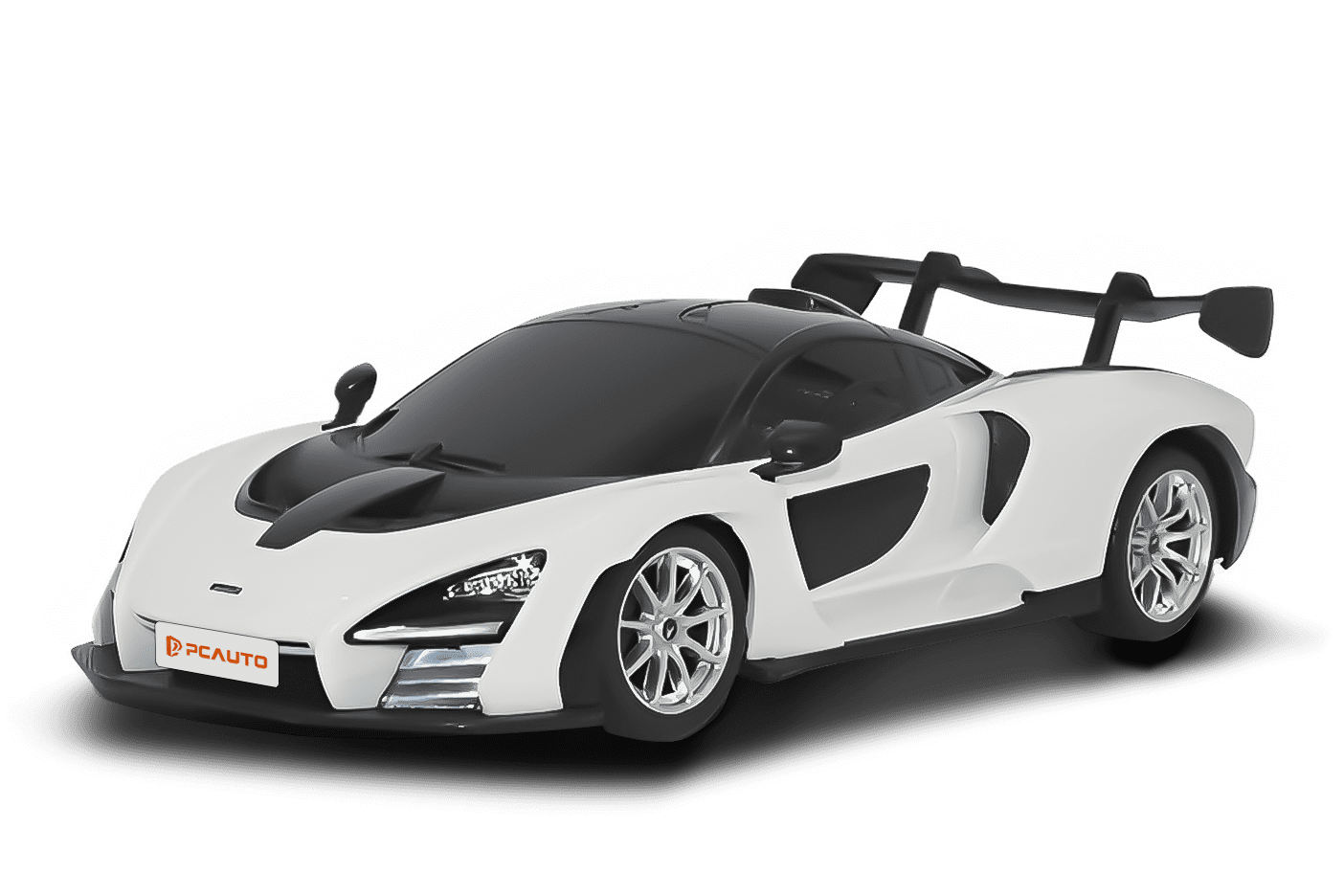
In terms of appearance, the design of the Senna is entirely dedicated to aerodynamics. The front features a large trapezoidal air intake grille, paired with sharp LED daytime running lights on both sides. The front end is low and wide, creating a strong sense of aggression. The side profile exhibits smooth lines, with exaggeratedly flared front and rear wheel arches, paired with 245/35 R19 front tires and 315/30 R20 rear tires, giving the car a highly dynamic visual tension. The rear is the design highlight: the massive active rear wing can automatically adjust its angle based on speed and works in conjunction with the rear diffuser to provide substantial downforce. The LED tail lights adopt a strip design and seamlessly integrate with the rear wing, creating high recognizability. The vehicle extensively uses carbon fiber materials, not only reducing its weight (just 1198kg) but also giving the body a more aggressive appearance.
Once inside, the Senna's interior continues McLaren's minimalist style, with all designs centered around the driver. The center console is primarily made of carbon fiber and Alcantara materials, delivering a refined and sporty texture. The 10-inch touchscreen is located at the top of the center console, featuring a simple interface that supports basic audio and connectivity functions. The fully digital instrument panel changes display content based on the driving mode, while the HUD head-up display system projects critical information such as speed and RPM onto the windshield, allowing the driver to stay focused on driving. The seats are manually adjustable racing-style bucket seats with excellent support. Although manual adjustment is not as convenient as electric seats, it provides more direct road feedback. Regarding storage space, besides the central armrest box and door storage compartments, there is almost no extra space, which aligns with its track-focused positioning.
As for space, being a two-door, two-seat supercar, the Senna's interior space is entirely dedicated to the front seats. A passenger standing 175cm tall would find both headroom and legroom in the driver's seat rather sufficient, without feeling cramped. The passenger seat offers a similar experience but also requires some adaptation to the bucket seat's supportive nature. There's no rear seating, and the trunk space is minimal, only capable of holding a small amount of personal belongings, clearly not designed for family use. However, the front seats come equipped with air conditioning, a 220V power outlet, and sunshades, providing adequate comfort for short trips.
The dynamic driving performance is the core strength of the Senna. Upon starting the engine, the 4.0T V8 twin-turbocharged engine's exhaust note is deep and powerful. Switching to sports mode makes the exhaust growl more aggressive. Pressing the accelerator unleashes an incredibly quick response, and its 0-100km/h acceleration in 2.8 seconds is no exaggeration—the immediate thrust at launch provides an instant adrenaline rush, and its mid-range acceleration (80-160km/h) is equally ferocious. When overtaking, a slight press on the accelerator completes the maneuver effortlessly. The 7-speed dual-clutch transmission shifts gears extremely fast, especially in track mode. The downshifts with rev-matching are sharp and precise, delivering intense driving pleasure.
In terms of handling, Senna's performance can be described as precise. The steering wheel has a relatively heavy feel, but the directional accuracy is excellent, with almost no play, allowing clear transmission of road surface information. The chassis adopts a double-wishbone independent suspension with a firm setup. Even the minor bumps on the road are transmitted to the cabin, but during high-speed cornering, the suspension provides ample support, with minimal body roll and exceptional stability. Even on regular roads, as long as the speed is not slow, Senna's handling is still confidence-inspiring. The braking system is equally outstanding, equipped with carbon-ceramic brake discs, offering short stopping distances and minimal thermal degradation, maintaining stable performance even after repeated hard braking.
In terms of fuel consumption, the official combined fuel consumption is 12.4L/100km, but in actual driving, if the throttle is frequently floored, the fuel consumption can easily exceed 15L/100km; if driven steadily, the fuel consumption can be controlled around 13L. For an 800PS supercar, this performance is considered normal. Regarding noise control, due to the use of a sports exhaust and lightweight design, wind noise and engine noise are more pronounced during high-speed driving, but this is precisely what hardcore enthusiasts appreciate as a "track atmosphere."
Compared to its counterparts (such as the Ferrari 488 Pista and Lamborghini Huracan Performante), Senna's advantage lies in its more extreme track-focused tuning and lighter weight, with an 800PS power output that places it among the top tier. However, its interior luxury is slightly inferior to its rivals, and its daily practicality is also weaker. If you are looking for a pure driving experience and occasionally plan to hit the track, Senna is undoubtedly the better choice; but if you want to balance daily usability and luxury, Ferrari or Lamborghini might be more suitable.
In summary, the 2023 McLaren Senna 4.0L V8 is a supercar "born for driving." It brings its track DNA to the extreme while retaining the basic functionality for legal road use. Its target audience is very clear: those who are not satisfied with ordinary supercars and pursue the ultimate driving experience, or collectors who love limited-edition supercars. If you are looking for a "big toy" that can run wild on the track and occasionally hit the road, the Senna will definitely not disappoint you.
McLaren Senna Car Compare
McLaren Senna Loan Calculator
More McLaren Reviews
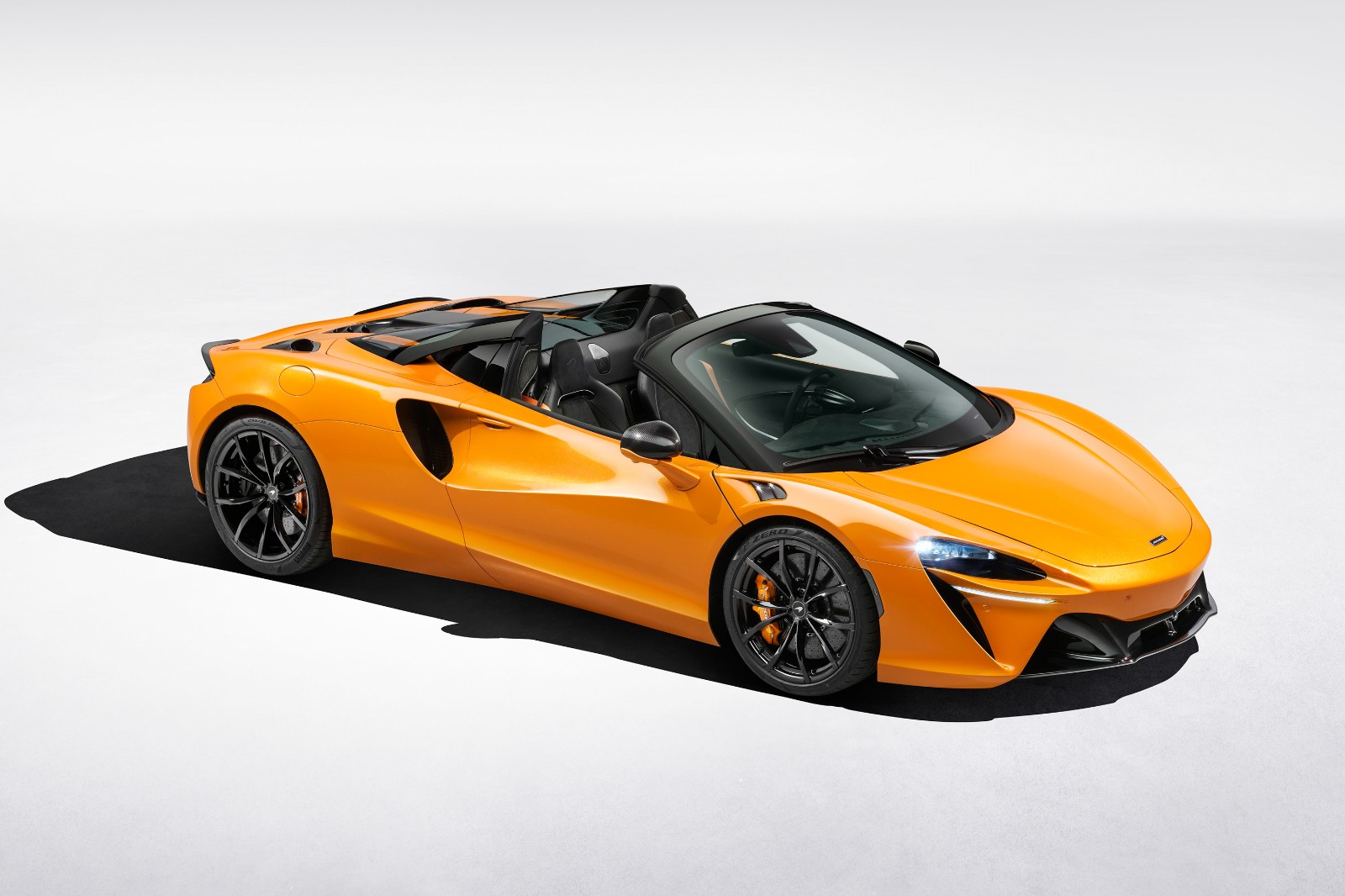
Cars With Similar Price And Features
8
Rank in Coupe
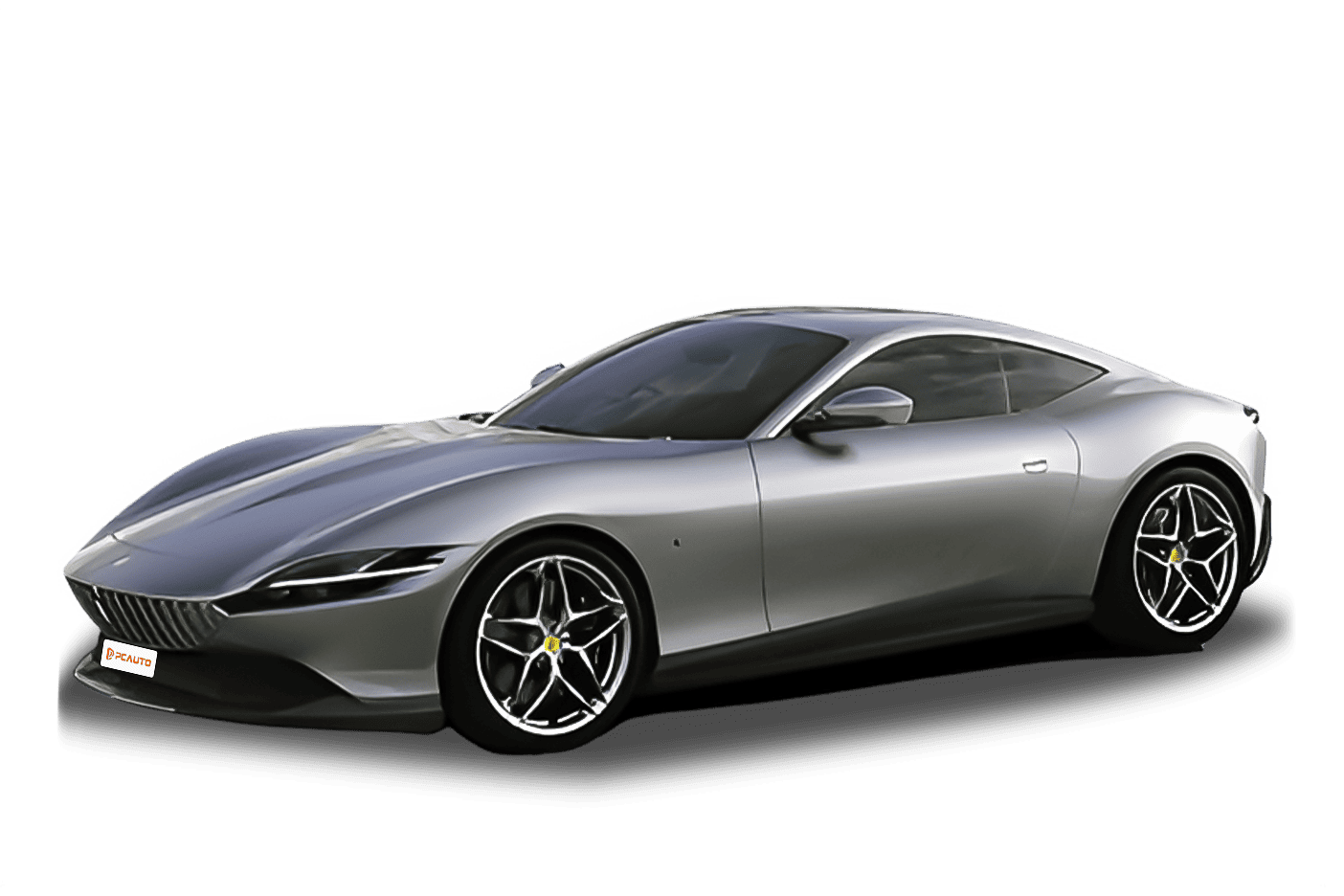
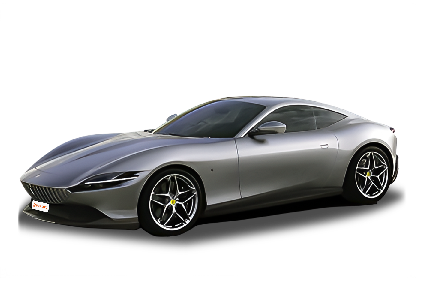
2023 Ferrari Roma Spider is a hardtop convertible GT supercar that combines elegant style with powerful performance, 13.5-second fast-opening soft top + 620PS power, practical for daily use and full of driving pleasure.

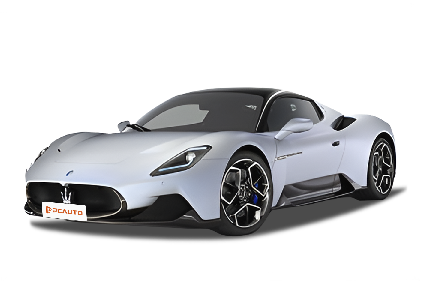
2023 Maserati MC20 Cielo is a two-seater supercar that combines track-level performance with convertible romance, equipped with a 630PS 3.0T V6 engine, a glass hardtop that opens and closes in 12 seconds, and accelerates to 100 km/h in 2.9 seconds.
2
Rank in Coupe
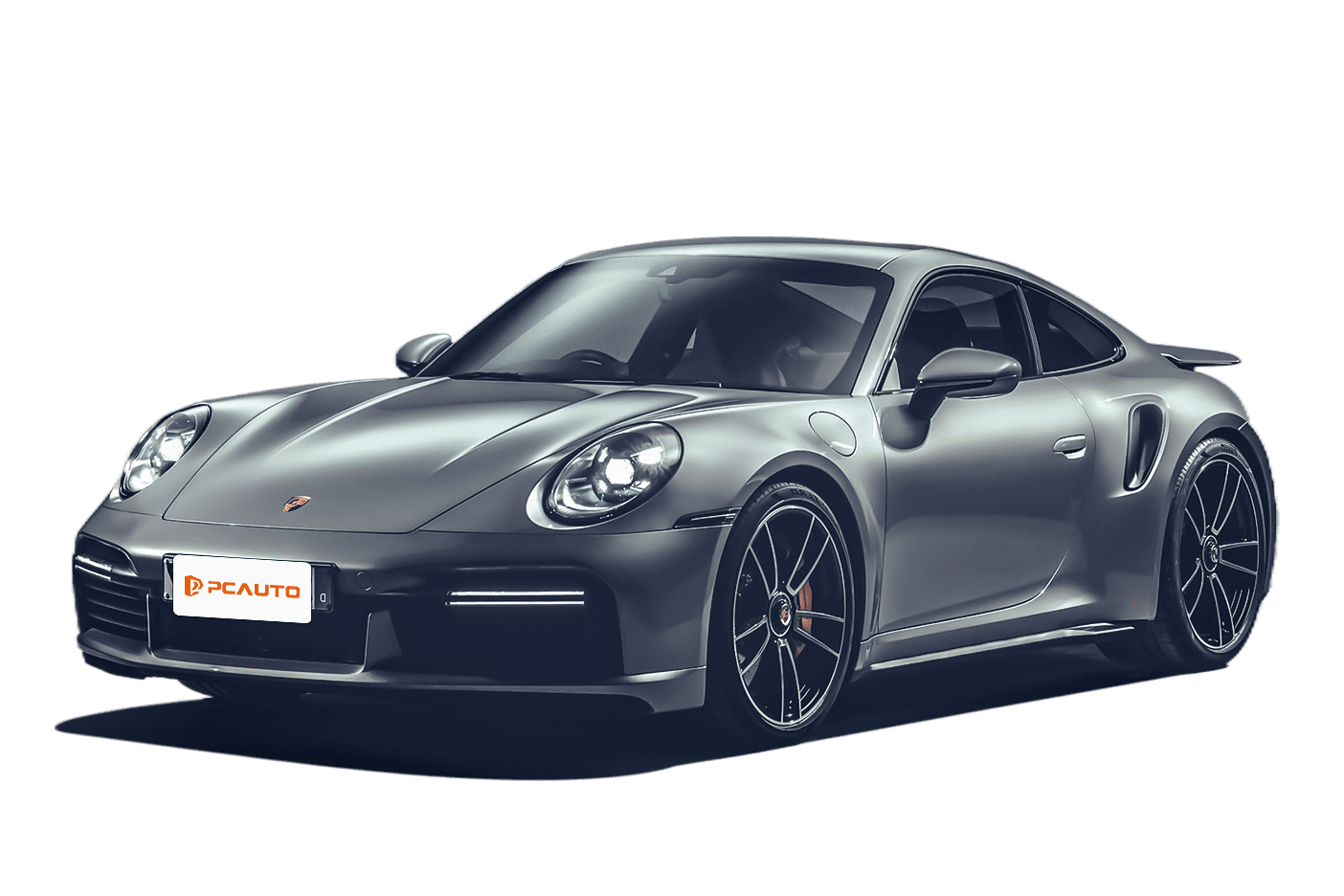
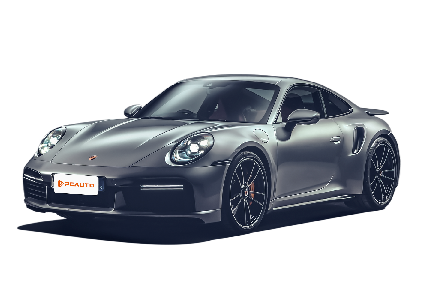
The 2025 Porsche 911 Carrera, as a classic entry-level coupe, features a 0-100 km/h acceleration in 3.9 seconds with its 3.0T+PDK performance, combining practical daily configurations and iconic design to balance track excitement with commuting convenience.
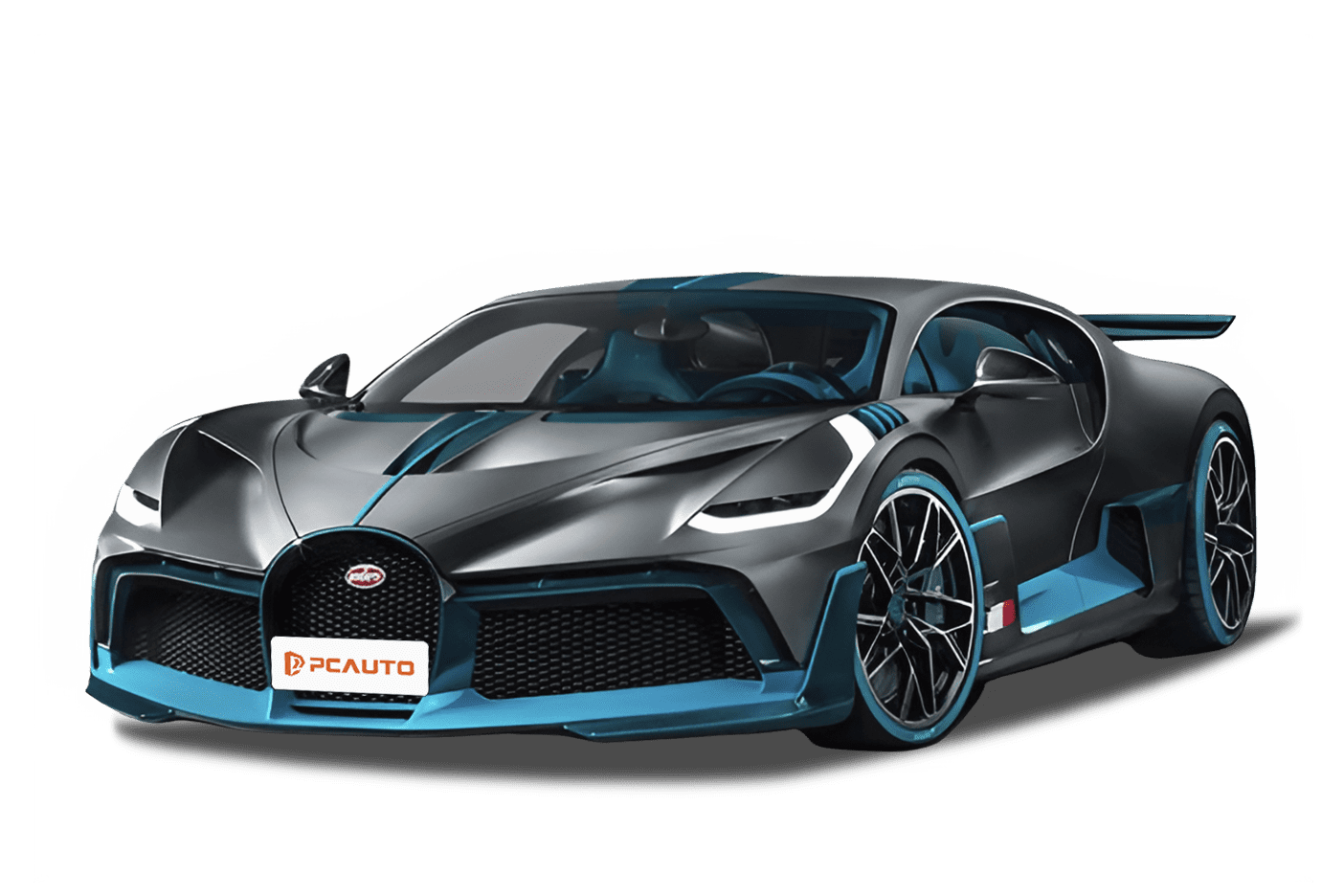
2023 Bugatti Divo, as a limited-edition hypercar and an advanced version of the Chiron, features track-focused aerodynamic design, 1520PS of brutal power, and precise handling, embodying the ultimate performance of being "born for the curves."