
McLaren Senna Review

 Share
Share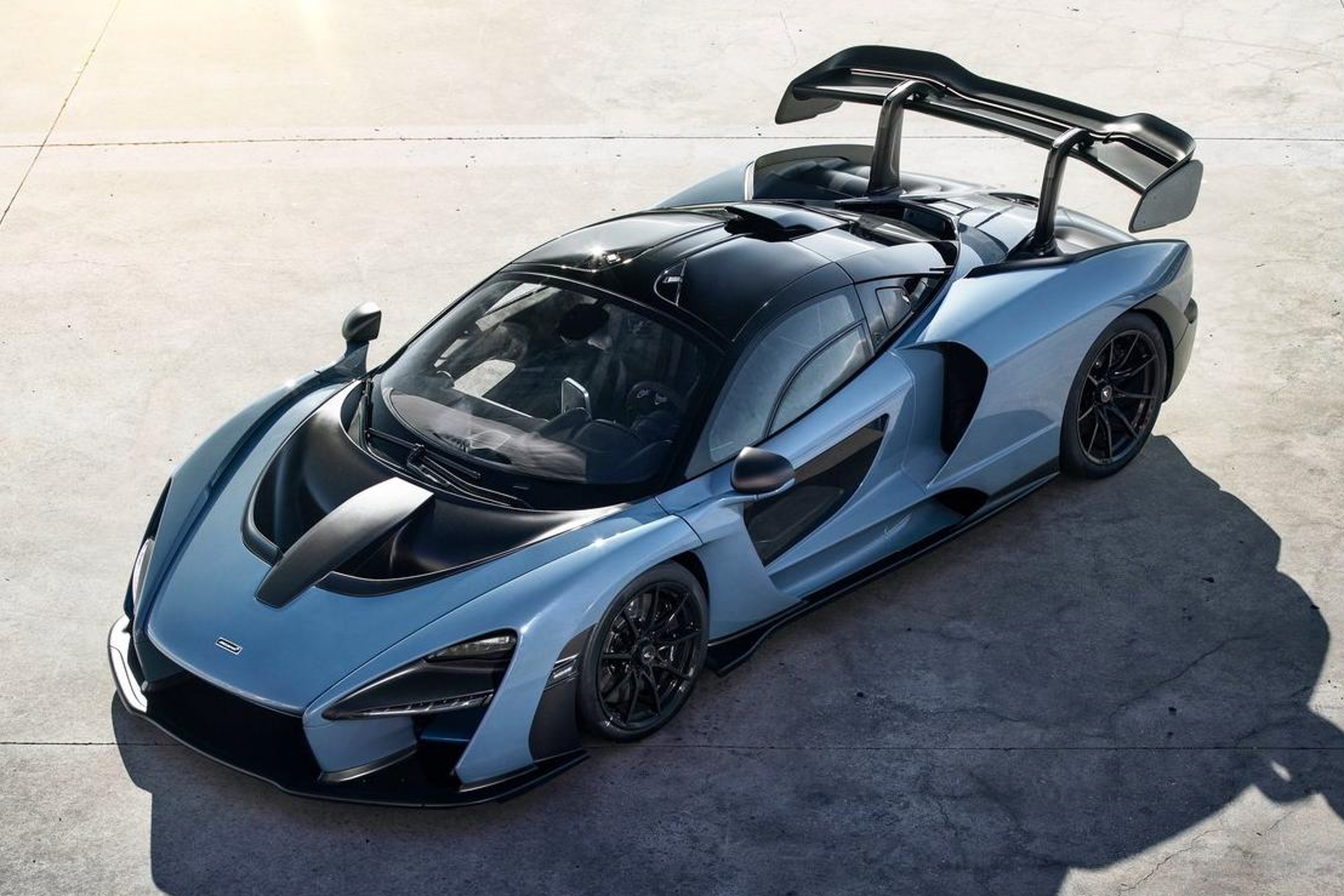
 Segment
 Body Type
 Capacity(L)
 Engine Power(PS)
 Transmission
 Driven Wheels
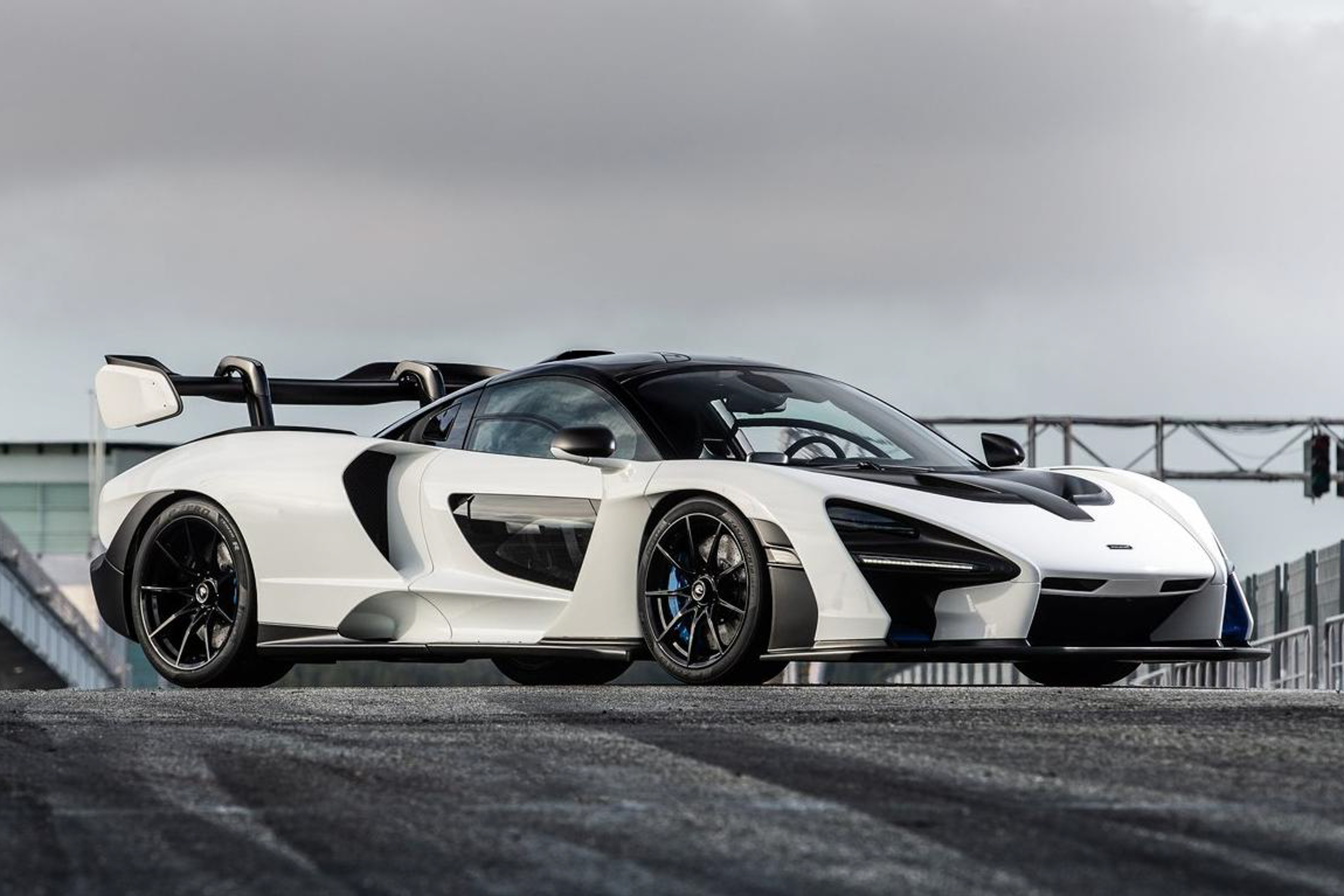
The Supercar market never lacks high-performance beasts, but the existence of the 2023 McLaren Senna 4.0L V8, with its positioning of "pure track genes + road legality," precisely targets enthusiasts who seek ultimate driving experiences while needing practical everyday usability. This car not only continues the Senna series' pursuit of lightweight design and aerodynamic extremes, but its 800PS 4.0L V8 twin-turbo engine is also a core selling point. Today, through a static inspection and dynamic test drive, we'll see if it can truly balance track exhilaration with daily commuting.
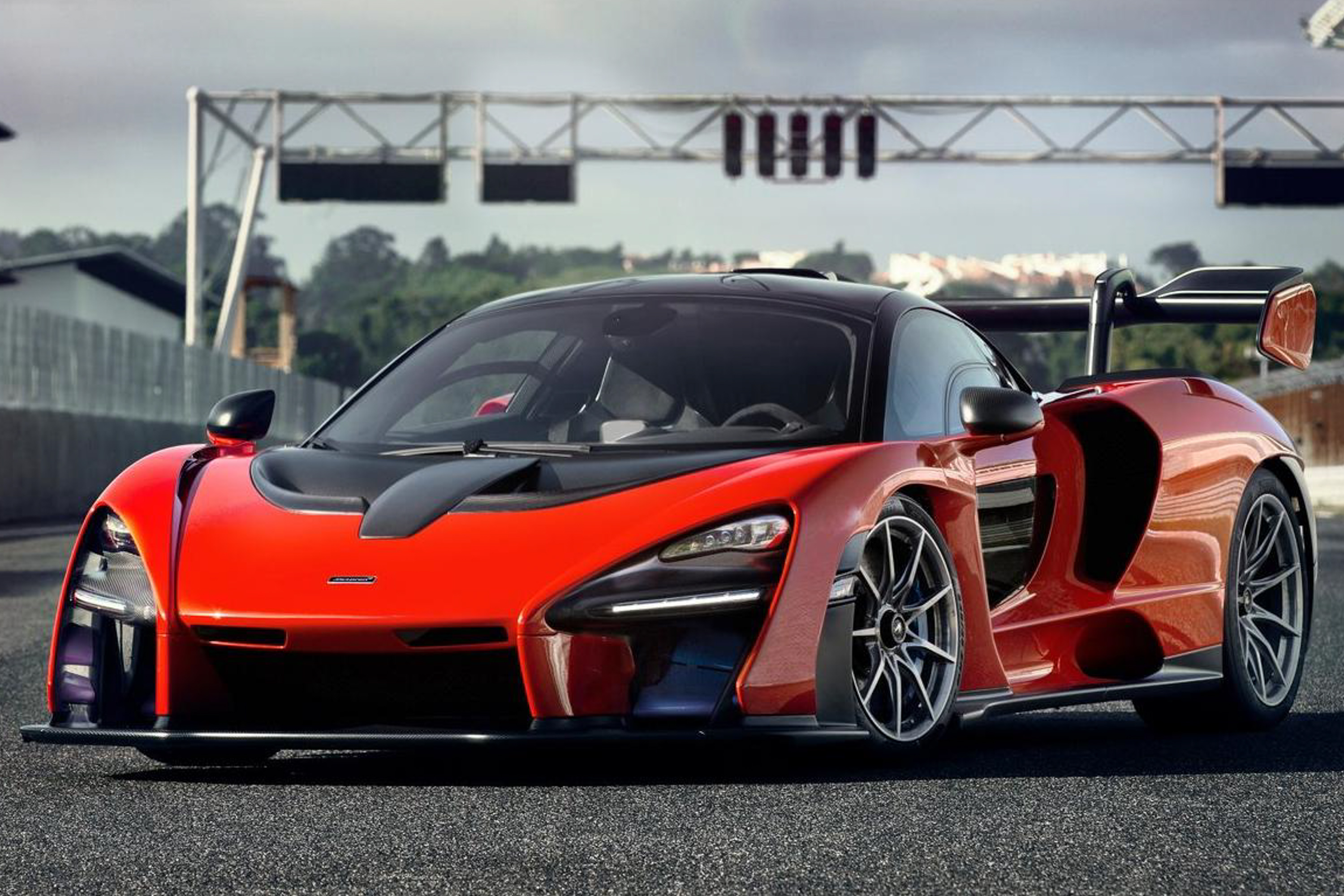
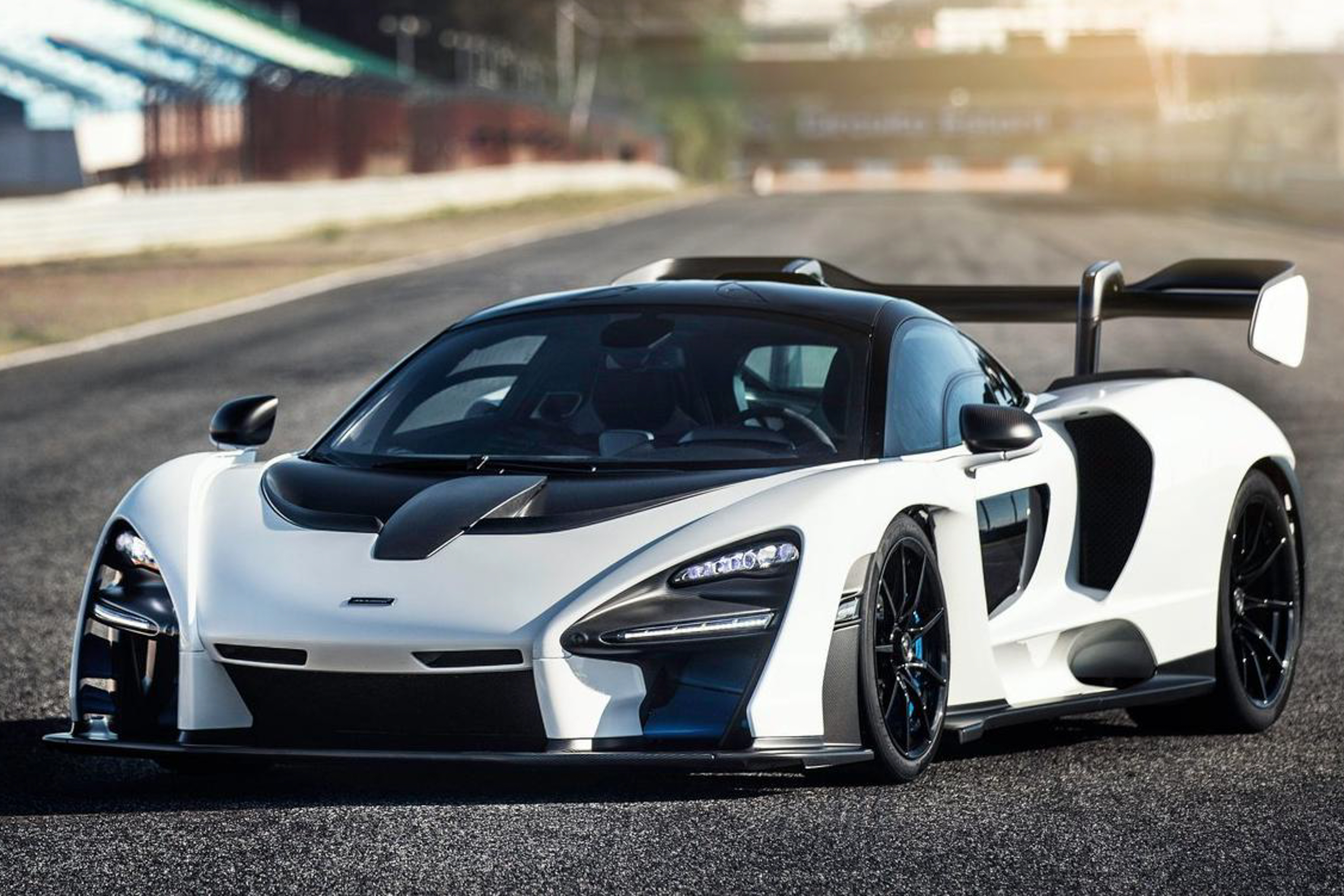
Approaching the 2023 Senna, the first visual shock comes from its extreme aerodynamic design. With body dimensions of 4744mm×2153mm×1195mm, its low stance is paired with an exaggerated front splitter, large side skirts, and a towering active rear wing, where every line serves to generate downforce — official data shows that it can produce 800kg of downforce at 250km/h, far surpassing most models in its class. The front features LED matrix headlights, sharply styled and integrated with the hood's air vents, providing high recognition when the daytime running lights are on; the rear layout includes a quad-exhaust system and a diffuser design, further emphasizing its track attributes. Notably, the body extensively uses carbon fiber material, resulting in a weight of just 1198kg, which is a foundational element of its performance capabilities.
Entering the cockpit, the interior of the 2023 Senna follows a minimalist and practical approach, devoid of any excessive luxury decorations, with everything centered around driving. The center console is equipped with a touchscreen display that supports basic audio and navigation functions; however, the system's response speed is average. A HUD (head-up display) comes as standard, providing real-time speed, RPM, and navigation information to reduce distractions while driving. The seats are manually adjustable carbon-fiber bucket seats with strong wrapping and enough support to handle intense track driving, though they might feel slightly stiff for daily long-distance rides. The steering wheel has a multifunctional design, equipped with paddle shifters, offering a thick grip with Alcantara material to enhance friction. In terms of storage space, only a small amount of space is available behind the front seats and in the central armrest, which can barely accommodate items like phones and wallets; practicality is indeed more track-oriented.
The moment the engine starts, the roar of the 4.0L V8 twin-turbo engine reverberates through the exhaust system straight into the cabin — this slightly ferocious rumble is a mechanical texture that electric supercars cannot replicate. Official data indicates a maximum power of 800PS/7200rpm and a peak torque of 6750rpm; paired with an AT transmission and all-wheel-drive system, it accelerates from 0-100km/h in just 2.8 seconds. During actual driving, after switching to Sport mode, the throttle response is extremely sensitive; a slight press on the pedal delivers a strong pushback sensation, with mid-to-high-range acceleration remaining robust, instilling full confidence during high-speed overtakes.
In terms of handling, the front and rear double-wishbone independent suspension is tuned on the stiffer side, with limited filtration of road bumps, but the trade-off is exceptional support. Body roll is minimal during cornering, steering is precise with virtually no play, and it provides clear feedback of the road conditions. The all-wheel-drive system distributes torque appropriately during bends, enhancing grip; even novice drivers can feel the controlled limits. For daily driving, switching to Comfort mode makes the suspension slightly softer, and it handles small urban road bumps with more ease, though the overall feel remains sporty.
In terms of fuel consumption, the official combined fuel consumption is 12.4L/100km, while actual tests show a fuel consumption of about 15-16L/100km in urban traffic congestion, and it can drop to around 10L on highways. For an 800PS supercar, this performance is considered normal. The braking system performs excellently, with stable body posture during emergency braking and short braking distances, providing drivers with sufficient confidence. Regarding noise control, wind noise and tire noise become relatively noticeable during high-speed driving, but the engine sound is deliberately amplified in sports mode, which aligns with the "battle atmosphere" liked by the target users.
Compared to models in the same class, the core advantages of the 2023 McLaren Senna 4.0L V8 lie in its extreme lightweight design and aerodynamics, with track performance rivaling professional race cars while still maintaining street-legal status. Its shortfalls, however, include limited daily practicality, small storage space, and firm seats, making it more suitable as a "second car." For those pursuing track driving pleasure and who don't mind sacrificing some comfort, this car is undoubtedly an excellent choice; but if you need to balance family commuting, then the more luxurious and comfortable Ferrari F8 or Porsche 911 Turbo S may be more suitable.
Overall, the 2023 McLaren Senna 4.0L V8 is a "born-to-drive" pure supercar, maximizing track genes within the framework of being street-legal. With 800PS of power, a lightweight body, and precise handling, every drive can be filled with excitement. For those who prioritize driving pleasure and need occasional street usability, this car can fully meet their needs—it's not an all-encompassing supercar, but in the areas where it excels, it's at the top of its class.
McLaren Senna Car Compare
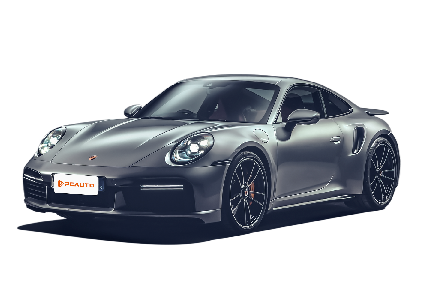
McLaren Senna Loan Calculator
More McLaren Reviews
Cars With Similar Price And Features
8
Rank in Coupe
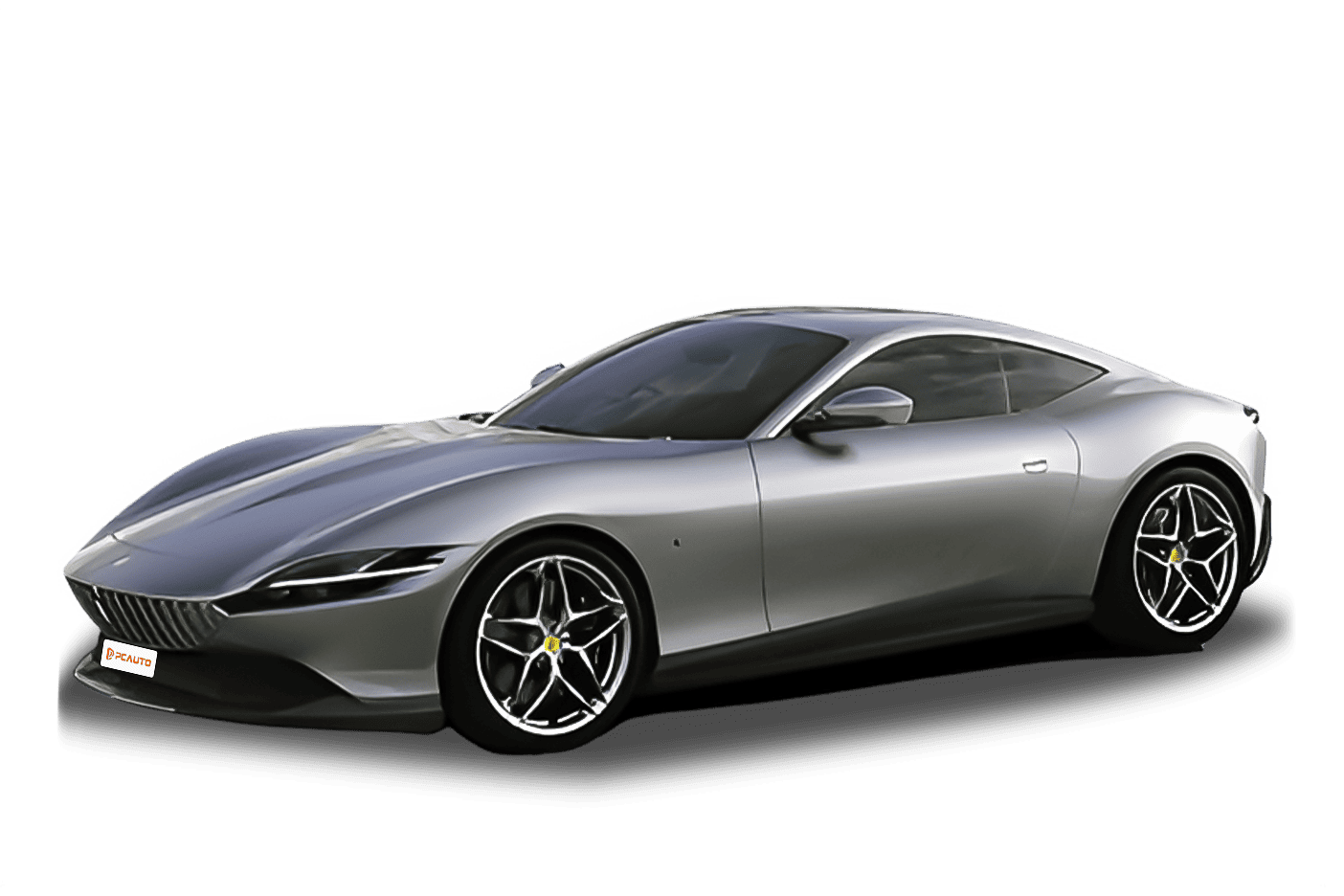
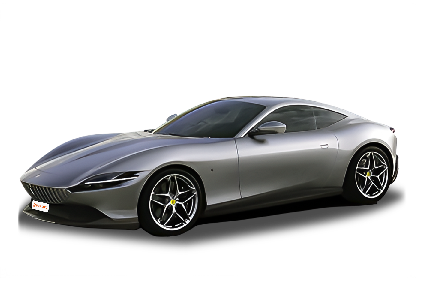
2023 Ferrari Roma Spider is a hardtop convertible GT supercar that combines elegant style with powerful performance, 13.5-second fast-opening soft top + 620PS power, practical for daily use and full of driving pleasure.

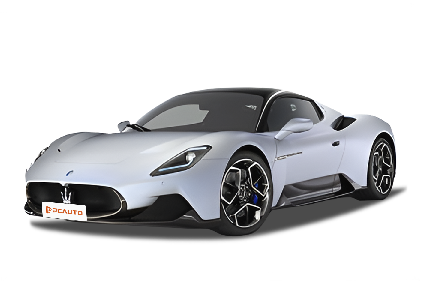
2023 Maserati MC20 Cielo is a two-seater supercar that combines track-level performance with convertible romance, equipped with a 630PS 3.0T V6 engine, a glass hardtop that opens and closes in 12 seconds, and accelerates to 100 km/h in 2.9 seconds.
2
Rank in Coupe
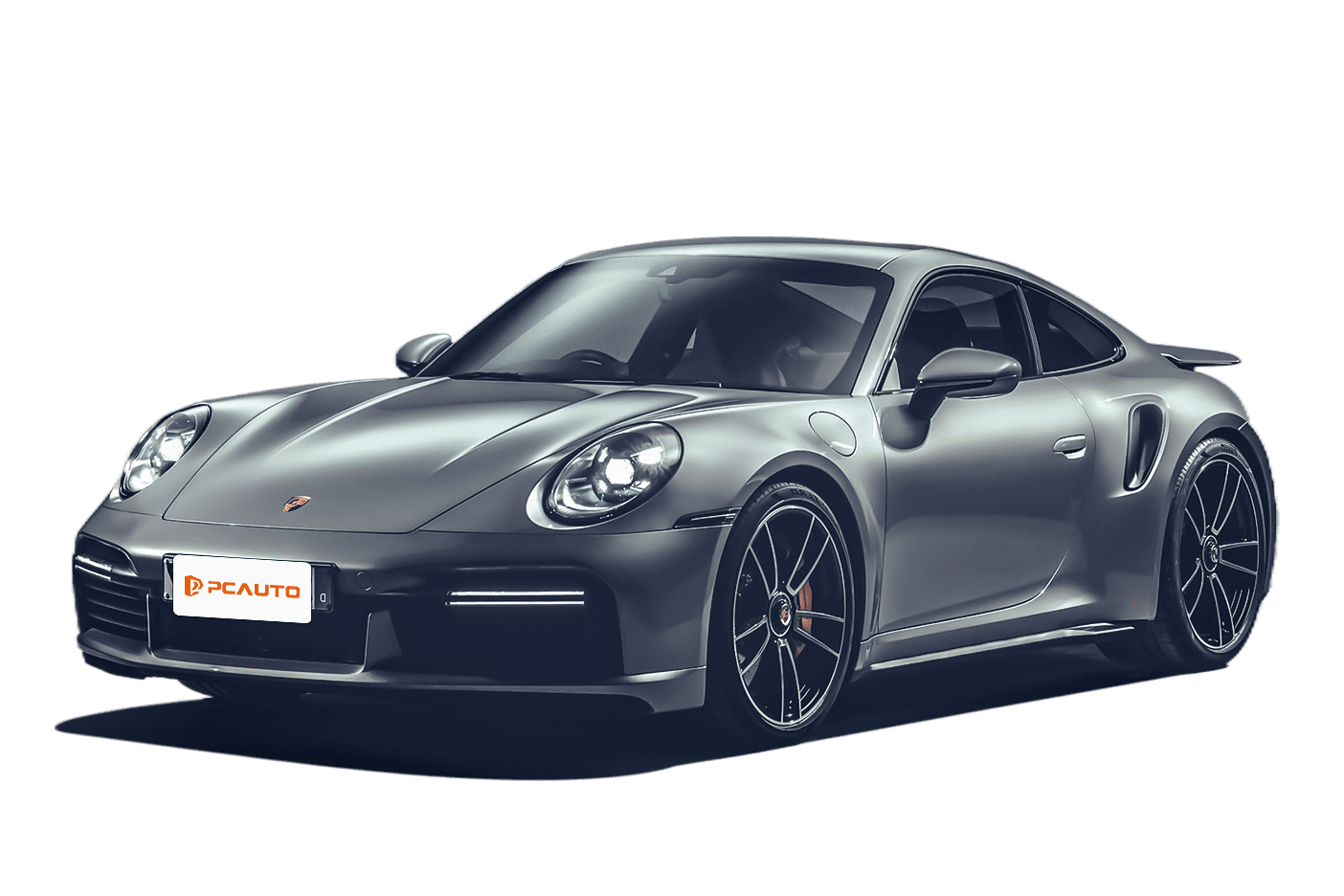
The 2025 Porsche 911 Carrera, as a classic entry-level coupe, features a 0-100 km/h acceleration in 3.9 seconds with its 3.0T+PDK performance, combining practical daily configurations and iconic design to balance track excitement with commuting convenience.
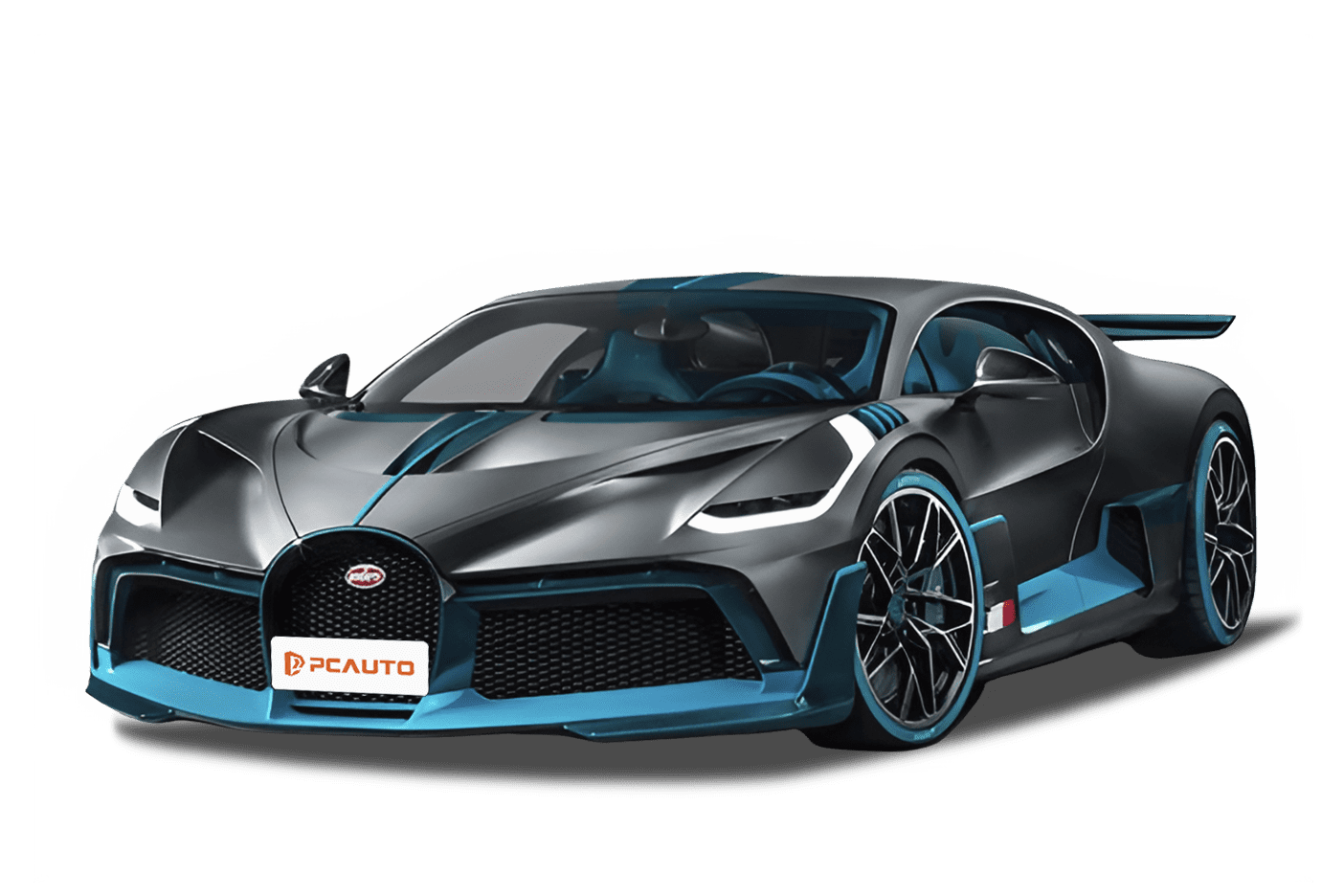
2023 Bugatti Divo, as a limited-edition hypercar and an advanced version of the Chiron, features track-focused aerodynamic design, 1520PS of brutal power, and precise handling, embodying the ultimate performance of being "born for the curves."