
Porsche 911 2025 Review

 Share
Share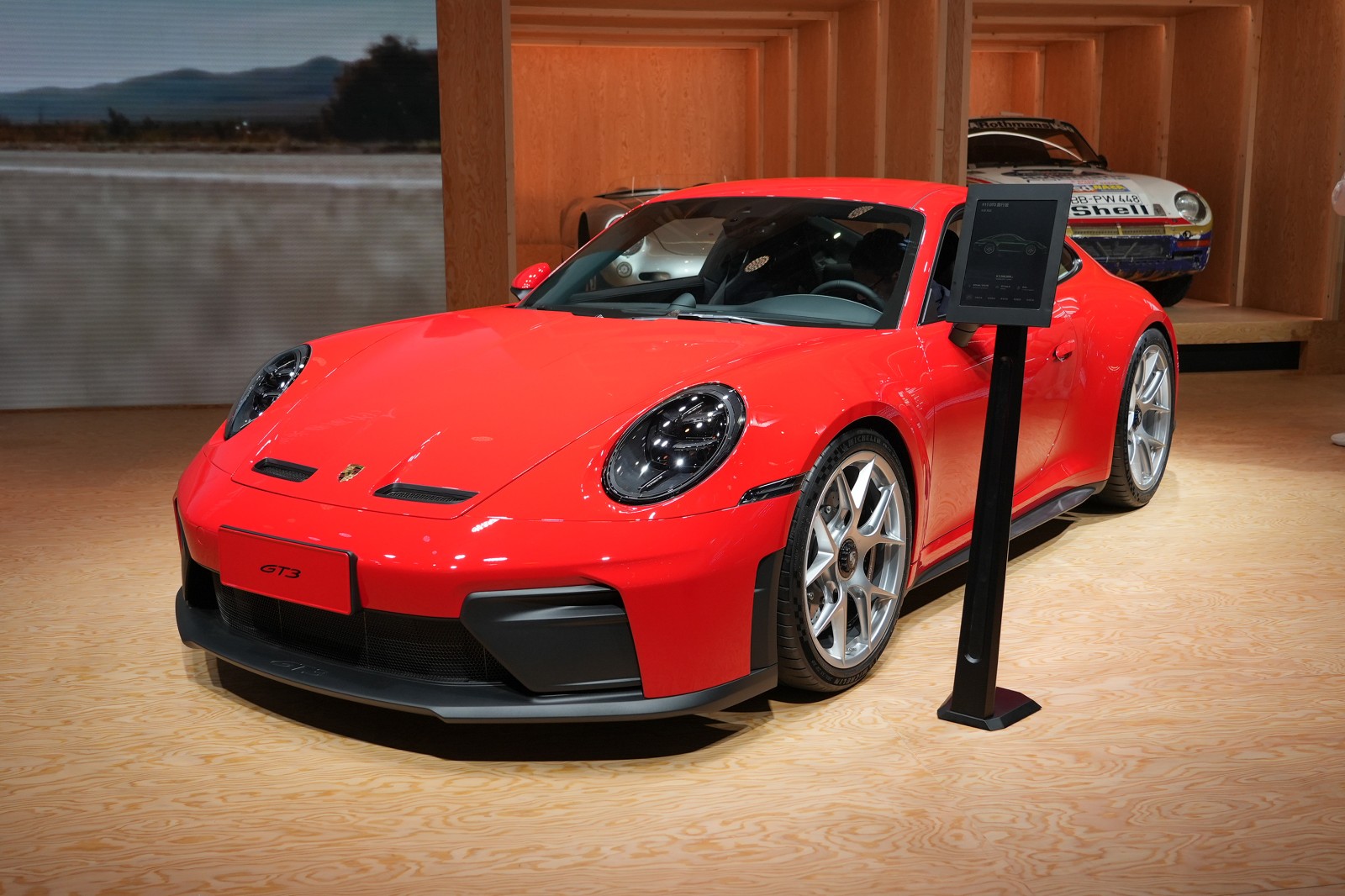
 Segment
 Body Type
 Capacity(L)
 Engine Power(PS)
 Engine Torque(Nm)
 Transmission
As the supercar market gradually tilts towards hybridization, purely fuel-driven rear-wheel-drive supercars seem to have become "nostalgic options"—but the arrival of the 2025 Porsche 911 Carrera directly breaks this stereotype. As the entry-level rear-wheel-drive model of the 911 family, it sets a clear advantage in the same class of pure fuel-driven supercars with its 394PS 3.0T turbocharged six-cylinder engine, 3.9-second 0-100km/h acceleration, and a starting price of less than 1.5 million MYR. In this test drive, we focused on assessing whether its daily practicality and track potential are balanced, to see if the classic 911's positioning as a "daily supercar" still holds true.
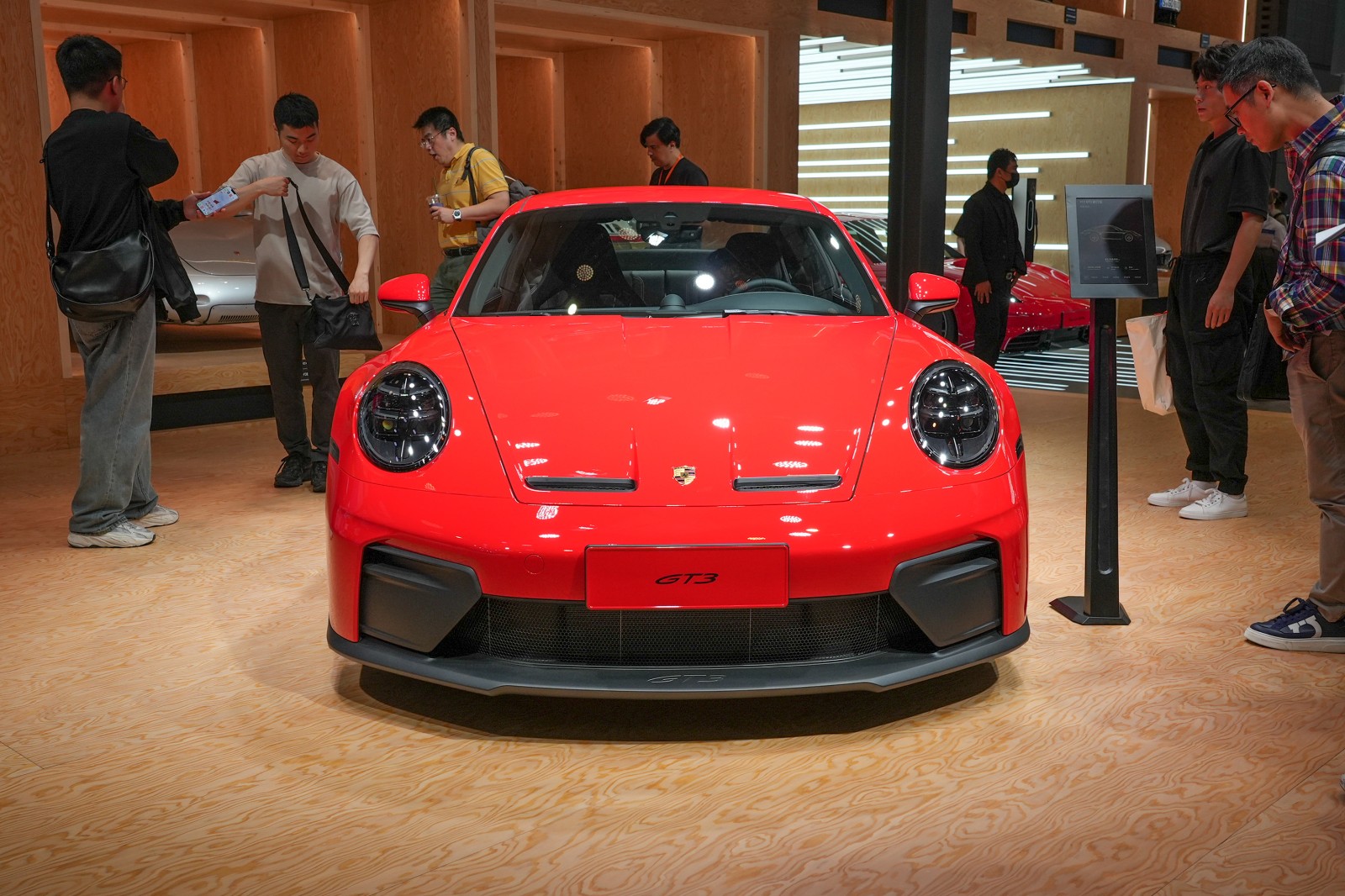
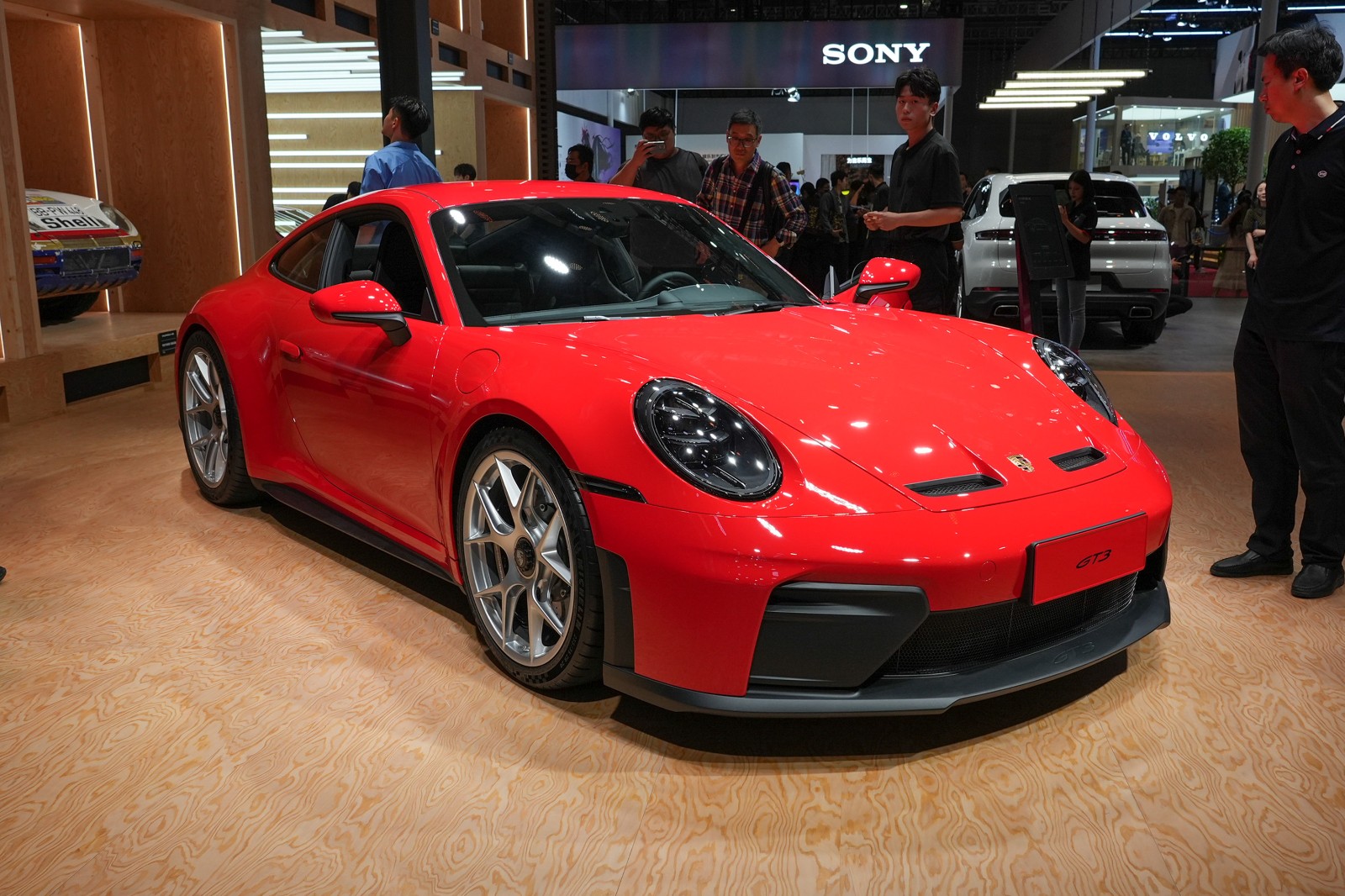
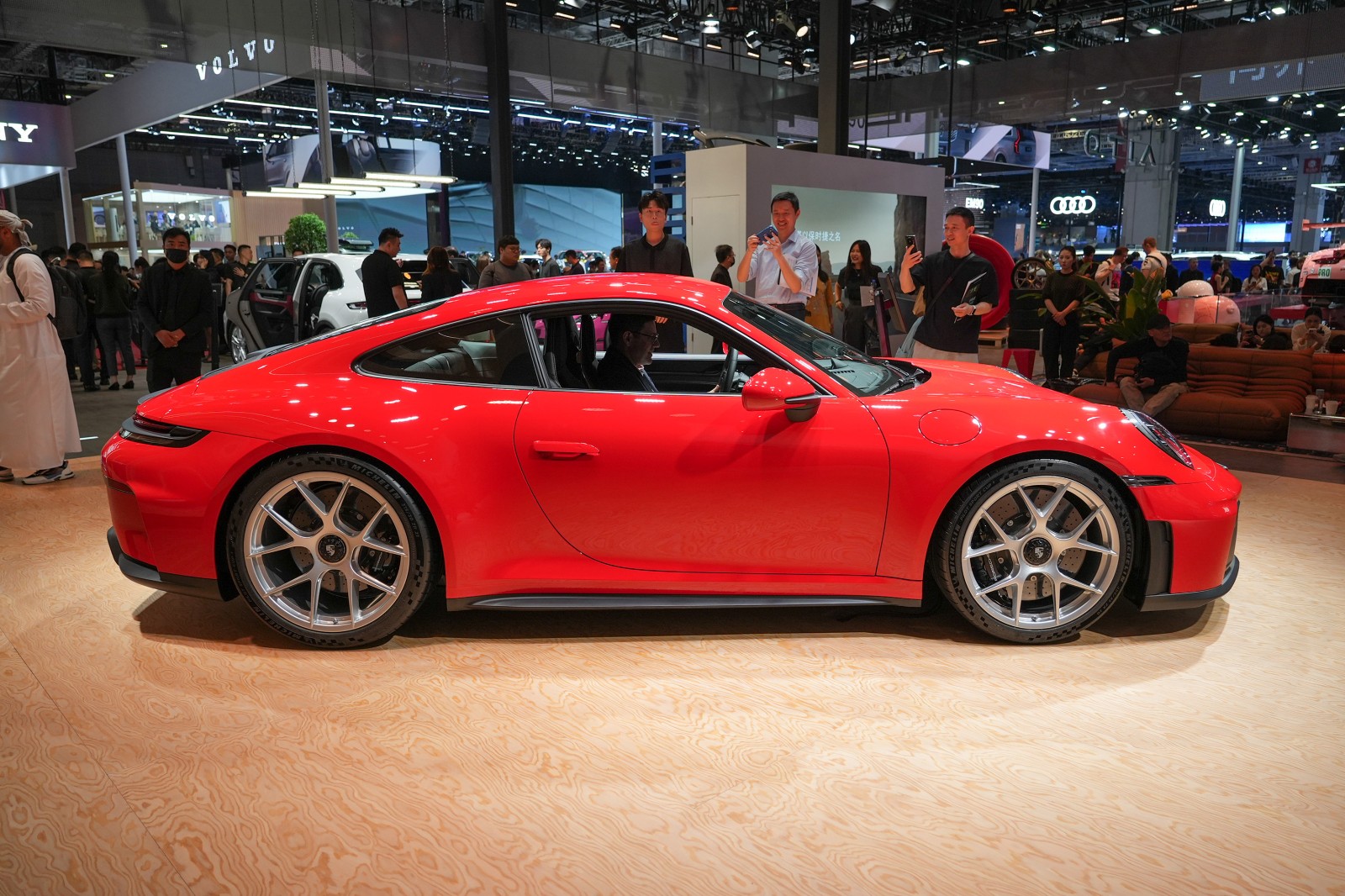
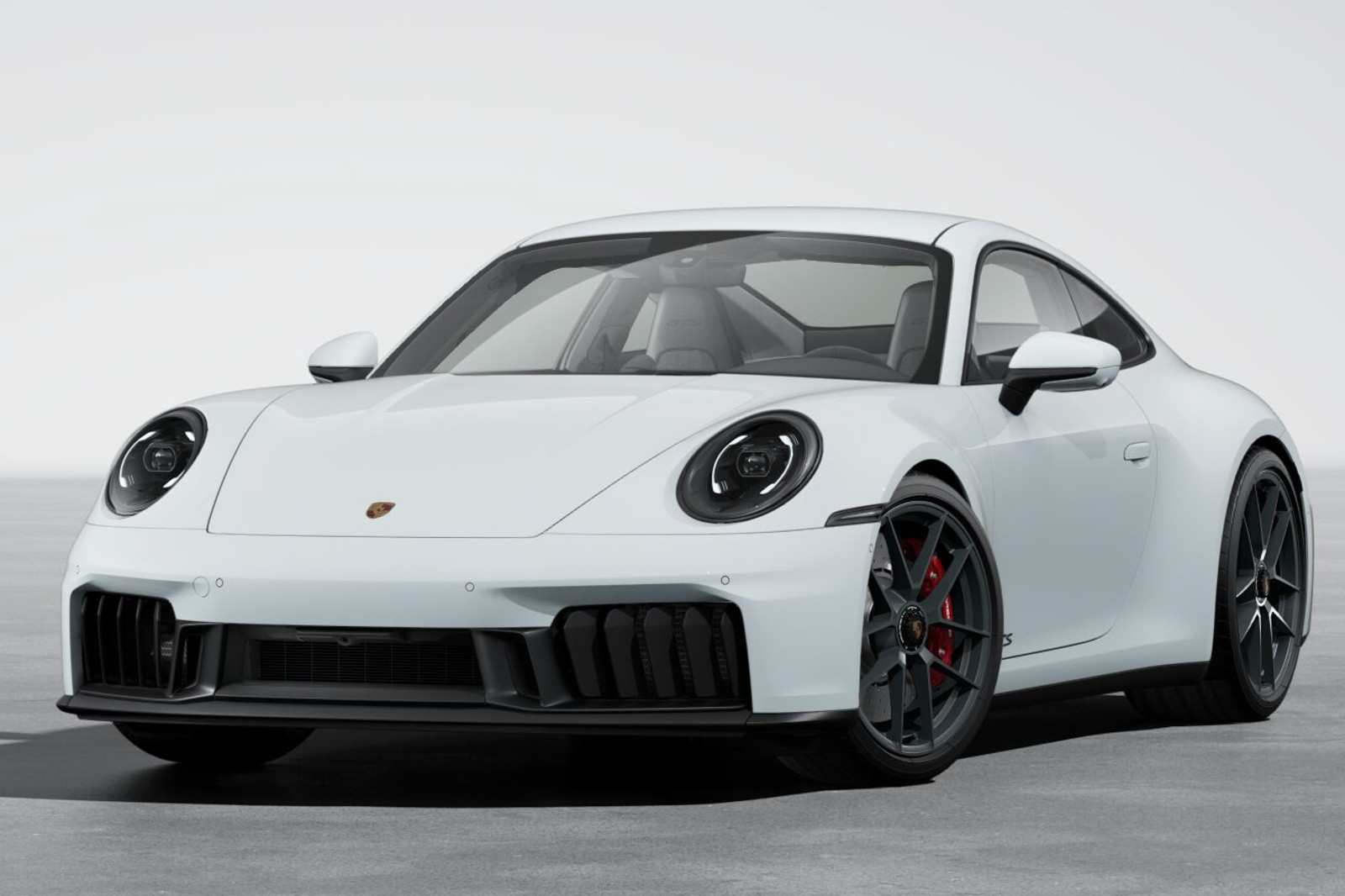
At first glance at the 2025 911 Carrera, the classic round headlamp contour remains unchanged, but the details appear sharper. The size of the front grille has been slightly adjusted, and the interior features a black honeycomb design, paired with smoked LED daytime running lights on both sides, which adds a bit more aggression compared to the old model. The side of the car retains the proportion of a short front overhang and a long rear cabin. The 4,542mm length and 2,450mm wheelbase make it look compact yet muscular. The 19-inch front and 20-inch rear wheels fit the wheel arches just right, without creating an overdone visual burden. The changes at the rear are the most noticeable: the through-type LED taillights adopt a slimmer light band design with high recognition when illuminated. Below, the dual round chrome exhaust outlets replace the square design of the previous model, better matching the retro vibe of the 911.
Opening the door, the interior strikes a well-balanced blend of luxury and technology. The center console still has the iconic 911 layout oriented towards the driver, with large areas of soft leather upholstery paired with silver trim, and everything within reach exudes a refined texture. The 12.6-inch fully digital instrument cluster is clear, retaining the traditional physical tachometer on the left, with the middle section capable of switching between navigation, power data, and other information, balancing technological functionality and driving focus. The 10.9-inch central control screen utilizes the Porsche Communication Management system, offering high operational smoothness and supporting Apple CarPlay and Android Auto, making it sufficiently convenient for daily use. In terms of features, electrically adjustable seats for both the driver and passenger, keyless entry, 360-degree panoramic imaging, and automatic parking are all standard configurations. For a supercar with a base price of 1.43 million MYR, these features can cover most daily usage scenarios.
In terms of space, although the 911 Carrera has a 2-seater layout, the front row provides ample space. A 180cm tall tester can sit inside with a fist’s worth of headroom remaining, and the legroom does not feel cramped either. The seats offer decent support: good lumbar and side bolstering keep the body stable during spirited driving, while daily commutes won’t feel overly stiff. Storage capacity isn’t particularly strong, but the front trunk can fit a 20-inch carry-on suitcase, and the door storage pockets along with the center armrest box can hold some small items, making short trips manageable.
When the engine is started, the 3.0T six-cylinder turbocharged engine does not have an overwhelming roar, but its low-RPM rumble is distinct and recognizable. For daily driving, the Normal mode provides a linear throttle response, and the 8-speed DCT gearbox shifts smoothly, keeping the RPMs mostly below 2000. Following traffic or cruising at low speeds even exudes a bit of the smoothness of a family car. When switched to Sport mode, the power response is significantly faster, with a maximum torque of 450N·m at just 1950 RPM. Pressing the accelerator pedal deeply delivers an immediate sense of pullback. The official 0-100km/h acceleration time of 3.9 seconds feels even more vivid in reality—mid-range acceleration, in particular, is very strong, with almost no hesitation during overtakes from 80-120km/h.
Handling is the core strength of the 911 Carrera. The steering is precise, with minimal play, and the resistance when turning is consistent, clearly transmitting road surface information. The combination of MacPherson front suspension and multi-link rear suspension is tuned to be very resilient. When driving over speed bumps in daily conditions, the suspension filters out most of the smaller jolts and doesn't feel as harsh as some supercars do; when taking corners at high speeds, the body roll is well controlled, and the rear-wheel-drive layout provides a slight agility to the rear, offering high limits while remaining manageable. We tested its fuel consumption: approximately 12L/100km in urban conditions, and around 8L on highways. For a 3.0T supercar, this performance is fairly reasonable.
In terms of noise control, at speeds below 100km/h, wind and tire noise are hardly noticeable; above 120km/h, wind noise gradually increases but remains within an acceptable range, not affecting in-car conversations. The comfort of the seats is also noteworthy, as there is no back soreness after long drives, and even short track experiences don’t leave one feeling noticeably fatigued.
Comparing it to the Chevrolet Corvette Stingray of the same class (with a guide price of approximately 1.35 million Ringgit), the 911 Carrera boasts higher brand value, greater practicality, and more mature reliability for daily driving. While the Corvette’s naturally aspirated V8 engine sound is more captivating, its handling lacks the finesse of the 911. In terms of features, the standard equipment of the 911 Carrera is more extensive than that of the Jaguar F-Type in the same price range, with a stronger sense of technology.
In summary, the core strength of the 2025 Porsche 911 Carrera lies in its “balance”: it offers both the performance and handling of a supercar, while also meeting the comfort and practicality needs of daily commuting. Its classic design language and reliable mechanical quality ensure that it still holds an irreplaceable position in a market dominated by hybrid supercars. It is suitable for two types of people: those who seek a supercar that can be used daily without compromising comfort for performance, and loyal fans of the 911 wanting a pure, rear-wheel-drive, fuel-powered classic vehicle.
If you are looking for a supercar that can be driven every day and occasionally taken to the track, the 2025 911 Carrera is undoubtedly a top choice in its class—it doesn’t sacrifice daily usability for extreme performance, and it doesn’t lose the soul of a 911 in the name of comfort.
Porsche 911 Car Compare
Porsche 911 Loan Calculator
More Porsche Reviews
Cars With Similar Price And Features
8
Rank in Coupe
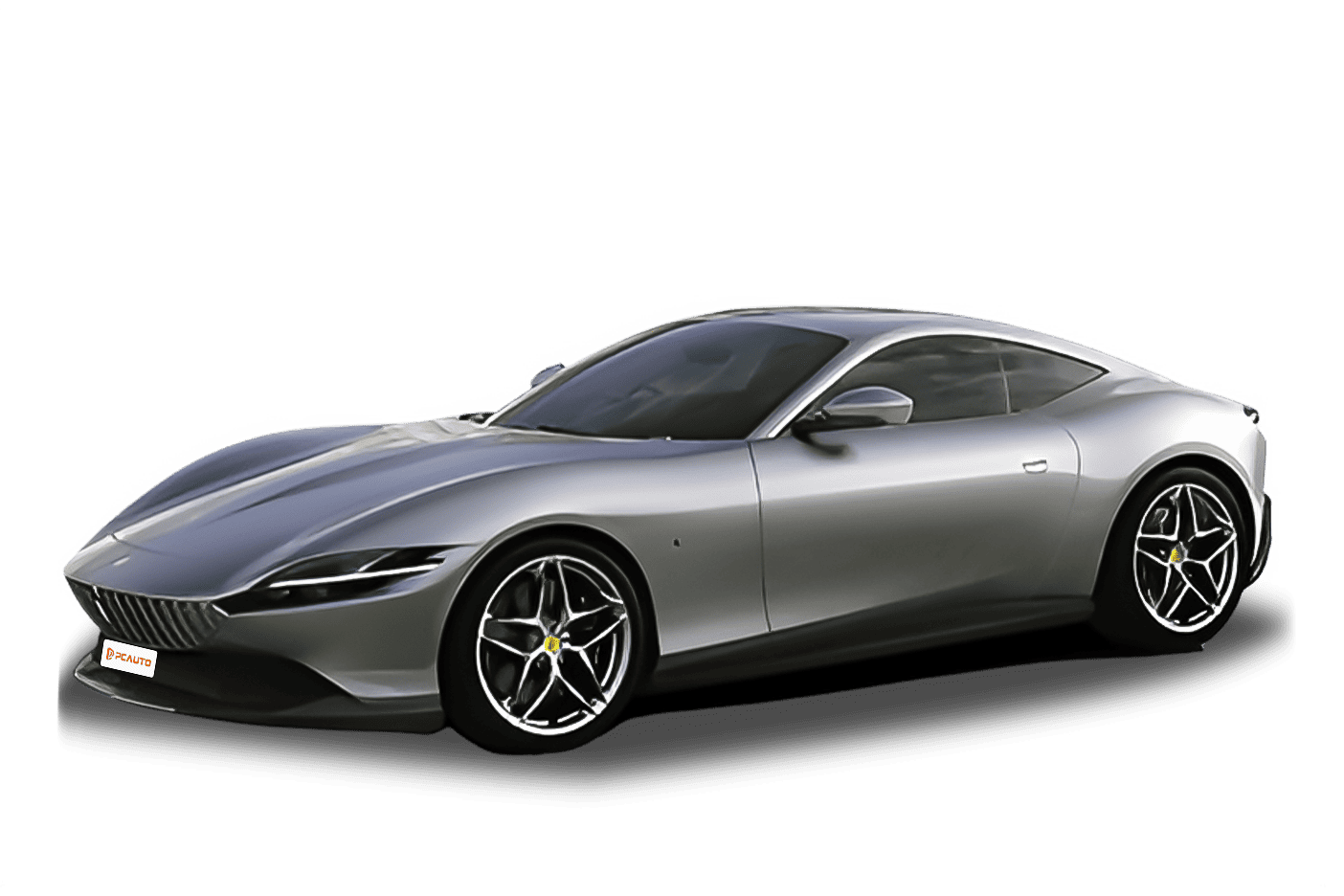
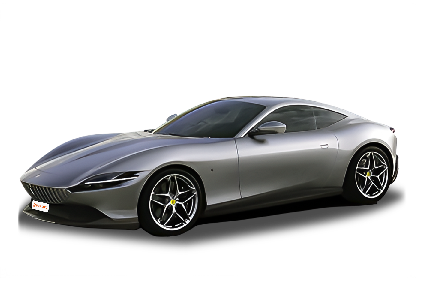
2023 Ferrari Roma Spider is a hardtop convertible GT supercar that combines elegant style with powerful performance, 13.5-second fast-opening soft top + 620PS power, practical for daily use and full of driving pleasure.

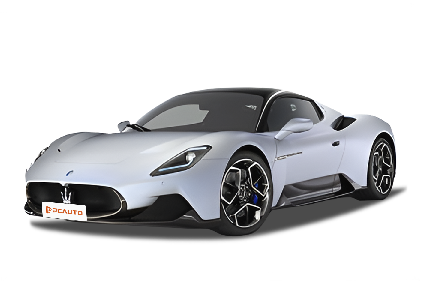
2023 Maserati MC20 Cielo is a two-seater supercar that combines track-level performance with convertible romance, equipped with a 630PS 3.0T V6 engine, a glass hardtop that opens and closes in 12 seconds, and accelerates to 100 km/h in 2.9 seconds.
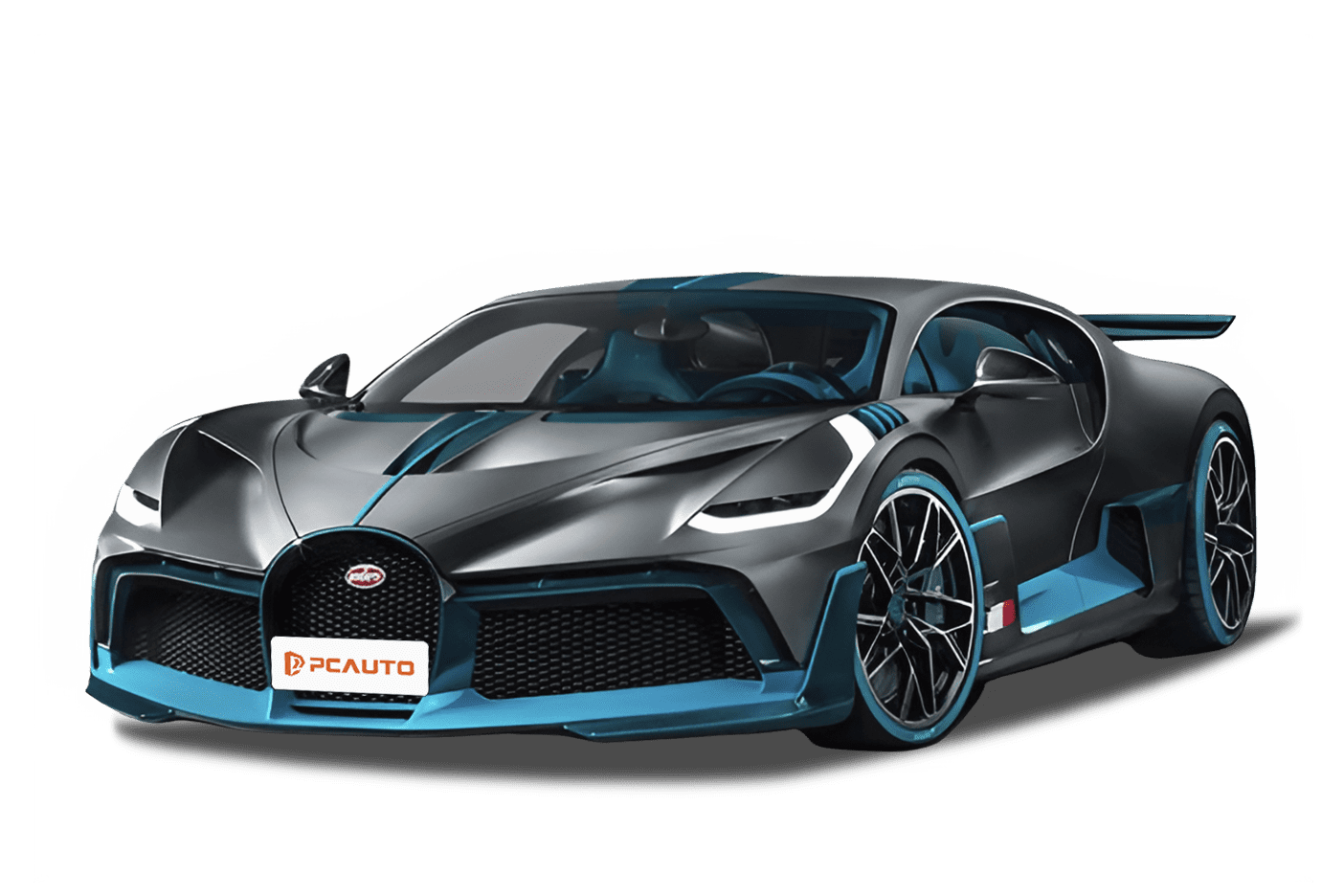
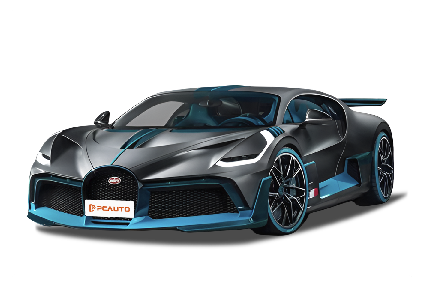
2023 Bugatti Divo, as a limited-edition hypercar and an advanced version of the Chiron, features track-focused aerodynamic design, 1520PS of brutal power, and precise handling, embodying the ultimate performance of being "born for the curves."
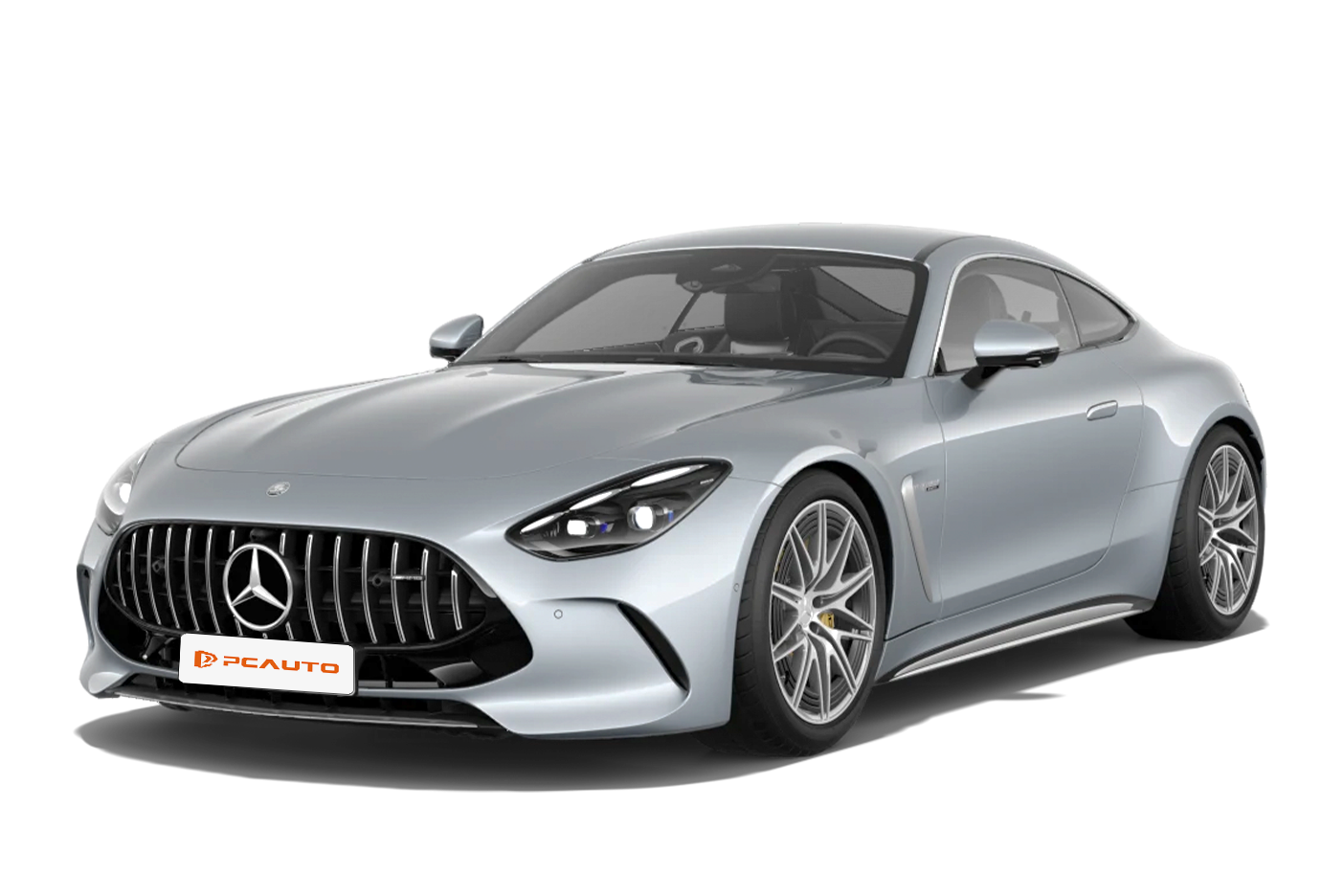
2025 Mercedes-Benz AMG GT 63 4Matic+ Coupe is a luxurious two-door sports car that combines 585PS 4.0T V8 performance (0-100 km/h in 3.2 seconds) with 351L of practical storage, balancing track excitement and daily commuting.