
Q
Does the 2020 Miata have Apple CarPlay?
 CloverPatchOct 22, 2025, 04:27 PM
The 2020 Mazda MX-5 Miata does come with Apple CarPlay in the Malaysian market, but it's worth noting that this feature isn't standard across all trims. Typically, you'll find it on higher-spec models or as part of an optional package, so it's always a good idea to check with your local dealer for the exact specs before making a purchase. Apple CarPlay is a game-changer for iPhone users, letting you seamlessly hook up your phone to the car's infotainment system. It makes using navigation, streaming music, or taking calls a breeze, really upping the convenience factor when you're behind the wheel.
Mazda's infotainment system, Mazda Connect, has been getting regular updates over the years. Beyond CarPlay, some models also support Android Auto, so no matter what phone you rock, you're covered. For Malaysian drivers who live for that sporty, engaging drive, the Miata's already legendary for its sharp handling. Toss in these smart connectivity features, and it becomes that much more practical for everyday use too. If your budget stretches a bit further, keep an eye out for the post-2020 facelift models—they've got bigger screens and smoother operation, which is always nice.
And hey, let's not forget Malaysia's hot and rainy climate can be tough on convertibles. To keep that CarPlay (and everything else) running smoothly long-term, make sure you regularly check the soft top's sealing performance and the waterproofing on the electrical bits. A little extra care goes a long way!
Special Disclaimer: This content is published by users and does not represent the views or position of PCauto.
Related Q&A
Q
What is the cheapest convertible for 2025?
Looking to drop the top without dropping a fortune in 2025? The Mazda MX-5 Miata is expected to hold onto its crown as the most affordable convertible around. This legendary two-seat rear-wheel-drive roadster has always been about big fun at a reasonable price tag, and in Malaysia, you're looking at around RM200,000. Under the hood, you've got the choice of 1.5L or 2.0L naturally aspirated engines, paired with a lightweight electric soft top. It's easy on fuel and a breeze to maintain – classic Miata virtues.
Next up, keep an eye out for the production version of the MG Cyberster electric convertible concept, set to hit Southeast Asia soon. Pricing is expected to start around RM250,000. This one goes for a folding hardtop and promises a 500km range, making it a solid pick for tech-savvy young buyers who want to stand out.
Now, a quick heads-up for our tropical climate: convertible tops need a little extra TLC. Soft tops should get regular doses of UV protectant to keep them looking good, while hard tops mean keeping an eye on hinge lubrication to ensure smooth operation. When shopping around in Malaysia, don't forget to check out the after-sales network. Mazda's got a pretty solid spread of service centers nationwide. For those considering the newer electric brands, make sure you're comfortable with the charging infrastructure available too.
Lastly, insurance for convertibles typically runs 15-20% higher than their hardtop counterparts, thanks to the more complex (and costly) top mechanisms. Definitely a good idea to get a quote from your insurer before signing on the dotted line.
 QipOct 24, 2025
Q
How much is a 2020 Mazda MX 5 Miata worth?
The 2020 Mazda MX-5 Miata is currently fetching prices in Malaysia's used car market somewhere between RM120,000 and RM180,000. Of course, the exact figure hinges on factors like the car's overall condition, mileage, trim level, and whether it still has any remaining factory warranty. For instance, the higher-spec RF hardtop variant typically commands a 10-15% premium over the soft-top version.
This little roadster has always been a hit with driving enthusiasts, thanks to its lightweight construction, pinpoint handling, and that classic rear-wheel-drive layout. It really comes alive on Malaysia's twisty mountain roads, showing off its nimble character. What's also worth mentioning is that the MX-5 holds its value relatively well among small sports cars. A big part of that is Mazda's solid after-sales network in Southeast Asia, and let's not forget, maintenance costs tend to be more wallet-friendly compared to European rivals.
If you're in the market, my advice is to check out Mazda Malaysia's certified pre-owned program. Those cars go through a 152-point inspection and come with a 1-year extended warranty. And hey, make sure to test the convertible top's seal tightness thoroughly—critical in Malaysia's rainy climate. Now, if you're considering a parallel import, just be absolutely sure it's JPJ-approved and comes with all the proper import documentation. Those might be around 10% cheaper, but the warranty terms can vary, so read the fine print.
 LeafyBranchOct 22, 2025
Q
What is the 2020 Mazda MX-5?
The 2020 Mazda MX-5 is the facelifted version of the fourth-generation MX-5 (codenamed ND) from Mazda. This iconic two-door roadster has built a reputation in the Malaysian market for its handling thrills and lightweight design. The 2020 update primarily focuses on subtle exterior tweaks and equipment upgrades. For instance, LED headlights and taillights now come as standard across the range, and there's a fresh new paint option: Polymetal Gray Metallic. Inside, the minimalist, sporty vibe remains, featuring a 7-inch touchscreen that supports Apple CarPlay and Android Auto.
Under the hood, you've got the choice of 1.5L or 2.0L Skyactiv-G naturally aspirated engines, paired with either a 6-speed manual or automatic gearbox. The rear-wheel-drive setup and that near-perfect 50:50 weight distribution make it seriously nimble through the corners. What's really cool about the MX-5 in Malaysia is its sub-1-tonne kerb weight and short wheelbase – it's absolutely tailor-made for those twisty local mountain roads. And let's not forget the electric soft-top roof, which works a treat in our tropical climate.
As the world's best-selling two-seat roadster, the 2020 model also meets stricter emissions standards while keeping that strong value-for-money proposition. For Malaysian enthusiasts chasing pure driving feel, this car does double duty: it's practical enough for daily commutes, yet offers loads of potential for modification. It's pretty much the benchmark in the entry-level sports car segment.
 AmberGlowOct 22, 2025
Q
What are the models of the Mazda mx5 2020?
The 2020 Mazda MX-5 hits the Malaysian market with two main trim options: the soft-top Roadster and the retractable fastback RF. Both variants come with your choice of a 1.5-liter or 2.0-liter Skyactiv-G naturally aspirated engine, paired with either a slick 6-speed manual or a smooth 6-speed automatic transmission. The 1.5-liter is the pick for those keeping an eye on fuel efficiency, while the 2.0-liter steps things up with more grunt for a livelier drive.
What really makes the MX-5 stand out is its lightweight build, pinpoint handling, and rear-wheel-drive layout—total catnip for driving enthusiasts. It’s right at home carving through Malaysia’s twisty mountain roads or cruising along coastal highways, serving up a ton of driving fun.
For 2020, Mazda didn’t skimp on the good stuff either. LED headlights, a 7-inch touchscreen with Apple CarPlay and Android Auto, and active safety tech like blind-spot monitoring and rear cross-traffic alert all come standard, making it way more practical for daily use than you might expect from a sporty roadster.
And let’s not forget the value factor. The MX-5’s pricing in Malaysia is pretty reasonable, and maintenance costs won’t break the bank, cementing its spot as a top pick in the entry-level sports car scene. Plus, that classic KODO: Soul of Motion design language keeps it looking sharp, staying true to Mazda’s knack for sleek, timeless style.
 OceanBreezeOct 22, 2025
Q
What is the fuel consumption of Mazda MX5 2020?
The 2020 Mazda MX-5 delivers some pretty impressive fuel economy figures, though your actual mileage will vary a bit depending on the transmission and how you drive it. The manual gearbox version checks in at around 7.1 liters per 100 kilometers combined, while the automatic is slightly thriftier at about 6.9 liters/100km. Under the hood, you've got Mazda's Skyactiv-G 2.0-liter naturally aspirated engine – it's not just about sipping fuel, though; this thing knows how to make driving fun too, which is perfect for Malaysian sports car fans.
A big part of the MX-5's efficiency game is its lightweight build – we're talking around a tonne here. Pair that with the car's sharply tuned chassis, and you've got a machine that dances through corners with real agility. Now, if you're tooling around Malaysian city streets, you might see those numbers creep up a touch, but hit the highway for some cruising, and the fuel consumption drops even more.
What's really cool about Mazda's Skyactiv tech is that it doesn't just optimize for MPGs; it also sharpens up the throttle response. So the MX-5 keeps that driving excitement alive while still being easy on the wallet at the pump. If you're someone who really watches the fuel gauge, a few tips: keep up with regular servicing, use the right oil, and drive sensibly – all that stuff helps eke out even better efficiency.
The MX-5 has always been a hit in Malaysia, and it's easy to see why. This classic roadster isn't just about being economical; it's about that pure, unfiltered driving feel and its standout design. It's the whole package, really.
 PeachBlossomOct 22, 2025
Q
What kind of engine is in the 2020 Mazda Miata?
The 2020 Mazda Miata – known as the MX-5 here in Malaysia – packs a Skyactiv-G 2.0-liter naturally aspirated four-cylinder petrol engine under its hood. This powerplant features an aluminum block and cylinder head, cranking out 181 horsepower (135 kilowatts) and 205 Newton-meters of peak torque. Mated to either a 6-speed manual or 6-speed automatic gearbox, it delivers sharp throttle response and linear power delivery – a perfect match for the MX-5's lightweight chassis and sporty setup.
What really makes this Skyactiv-G engine stand out is its high 13:1 compression ratio, which optimizes combustion efficiency to balance performance with fuel economy. That's a big win for Malaysian driving enthusiasts who crave fun without breaking the bank at the pump. Sure, naturally aspirated engines might not hit the peak torque figures of turbos, but the power here is smooth and immediate – exactly what you want when carving through corners to truly feel the MX-5's legendary handling. Plus, the simpler NA design means lower maintenance costs, which is always a plus for daily driving in Malaysia's tropical heat.
At the end of the day, the MX-5's engine is all about the driver – staying true to Mazda's "Jinba Ittai" (horse and rider as one) philosophy that makes this little roadster a timeless classic.
 LavenderFieldOct 22, 2025
Q
What size battery is in the 2020 Miata?
The 2020 Mazda MX-5 Miata (ND generation) comes factory-equipped with a Panasonic EFB (Enhanced Flooded Battery) unit. It's the Q-85 model, rated at 12V and 45Ah, and it's a lightweight design that complements the car's sporty character. Now, here's the thing about these batteries – especially if you're in a hot climate like Malaysia's – you've got to keep an eye on that electrolyte level regularly. And try not to drain it too much if you want it to stick around longer.
For MX-5 owners in Malaysia looking to replace their battery, I'd stick with an EFB that matches the original specs. Or, if you're willing to spend a bit more, an AGM (Absorbent Glass Mat) battery is a solid upgrade. AGMs handle the heat better and have better cycling ability, but yeah, they'll hit your wallet harder too.
One quirk with the MX-5 is that the battery lives in the trunk. It's a smart move for weight distribution, no doubt, but swapping it out means pulling apart some interior trim. Trust me, that's a job best left to the pros. And if you're leaving the car sitting for a while, especially in that hot, humid weather, grab a battery tender. The last thing you want is to come back to a dead battery – those conditions make them drain faster on their own.
 MysticalGlowOct 22, 2025
Q
Does the 2020 Miata have remote start?
The 2020 Mazda MX-5 Miata doesn't come with remote start from the factory. This car's all about that pure driving feel, so a lot of tech features like remote start just aren't high on its priority list. That said, some Malaysian owners have gone the aftermarket route, getting compatible remote start systems installed at third-party shops. Just a heads-up though – this might mess with your original electrical warranty.
As a classic roadster, the MX-5 Miata's bread and butter is its lightweight body, pinpoint steering, and that Skyactiv 2.0L naturally aspirated engine. These are the things that make it an absolute blast to whip around those Malaysian mountain roads. If remote start is a must-have convenience for you, I'd definitely chat with your local dealer about the latest model year specs. Since 2023, Mazda's official app-based remote control services have started rolling out for the MX-5 in some markets, but exactly what you get depends on the regional variant.
In Malaysia's hot weather, firing up the car remotely to cool it down beforehand does sound pretty handy. But if you do go the modification route, make sure you use certified parts to avoid any electrical headaches. At the end of the day, keeping that original flavor MX-5 driving experience is still what makes this car special.
 FrostyBreezeOct 22, 2025
Q
How big is the gas tank on a 2020 Miata?
The 2020 Mazda MX-5 Miata comes with a 45-liter fuel tank. This design strikes a balance between keeping weight down and meeting range needs, which fits perfectly with its identity as a compact sports car. For Malaysian owners, that 45-liter tank should give you roughly 400 to 500 kilometers of range for city commuting or weekend mountain road blasts—though actual fuel economy will, of course, vary based on your driving style and the conditions.
It's worth noting that Miatas have always been about balancing fuel efficiency with driving fun. Mazda's SkyActiv Technology plays a big role here, optimizing engine efficiency and cutting weight to squeeze even more kilometers out of each liter. Malaysia's hot and rainy climate can be tough on fuel tanks and fuel systems, but the MX-5's corrosion-resistant tank design and solid sealing have proven reliable, making it well-suited to local conditions.
If you're planning a long road trip, though, it's smart to map out your petrol stations in advance. The MX-5's low-slung sports car stance means the fuel filler neck sits a bit high, so you might need to pay a little extra attention to the angle of the nozzle at some of Malaysia's older petrol stations.
 DazzlingRayOct 22, 2025
Q
How much is a 2020 Miata?
The 2020 Mazda MX-5 Miata's price in Malaysia really depends on the condition, specs, and mileage. When new, it was going for around 250k to 300k Ringgit. Now, on the used market, you're looking at roughly 180k to 250k Ringgit, give or take, depending on how well it's been maintained and any extra goodies it might have.
What makes the MX-5 Miata stand out is its lightweight build and that sweet rear-wheel-drive handling – it's *perfect* for carving up Malaysia's twisty mountain roads or cruising along coastal highways. Plus, with either the 1.5L or 2.0L Skyactiv-G naturally aspirated engines, it's pretty fuel-efficient too, hitting that sweet spot for local buyers who want both practicality and a fun drive.
You've got options between the soft-top and the hard-top RF version. The hardtop's a bit better for noise insulation and security, but let's be real – the soft-top just screams that pure open-air roadster vibe.
Another big plus? There's a solid community of MX-5 owners here in Malaysia, so used parts and modding gear aren't hard to find. Maintenance costs are pretty reasonable too, making this a really solid value pick for anyone looking to get into a fun, entry-level sports car.
 JourneyzOct 22, 2025
Popular Cars
Model Year
Car Compare
Car Photo
Related Models

 Cars
CarsLatest Q&A
Q
Is AMT similar to automatic?
There are significant differences between AMT transmissions and automatic transmissions (AT) in terms of core structure and driving experience. AMT is essentially an electronically automated version of a manual transmission, simulating manual clutch operation and gear shifting through a computerized control system while retaining the gear set structure of manual transmissions. As a result, it offers higher transmission efficiency, with fuel consumption approximately 8%-12% lower than AT, making it particularly suitable for highway or long-distance driving. However, it may exhibit jerking similar to manual transmissions during low-speed gear shifts, especially noticeable in congested traffic conditions.
AT transmissions rely on torque converters for power transfer, delivering smooth and seamless gear shifts that appeal to comfort-oriented users. However, their complex structure (incorporating planetary gear sets, hydraulic systems, etc.) results in higher maintenance costs. A single service may cost between 800 to 1,500 ringgit, whereas AMT only requires gear oil replacement at approximately 400 ringgit.
From a market perspective, AMT is predominantly used in budget vehicles or commercial models priced below 80,000 ringgit, while AT is typically featured in mid-to-high-end vehicles. Consumers should select based on actual needs: AMT suits those prioritizing fuel efficiency and low maintenance costs, while AT better serves those valuing comfort. Notably, recent advancements in AMT electronic control technology have significantly mitigated jerking issues, though test drives should still emphasize low-speed performance evaluation.
 AriaMar 26, 2026
Q
Which is better, DCT or AT?
DCT (Dual-Clutch Transmission) and AT (Automatic Transmission) each have their own advantages and disadvantages, and the choice should be based on personal driving needs. AT transmissions transfer power through a torque converter, offering excellent shift smoothness, making them suitable for urban commuting or novice drivers. However, they tend to have higher fuel consumption, and vehicles equipped with them are usually more expensive. DCT transmissions utilize a dual-clutch structure, featuring fast shift speeds and high power transmission efficiency, which provides a more direct driving experience—particularly suitable for users seeking a sporty feel. However, they may exhibit jerking at low speeds and have relatively high maintenance costs. If durability and comfort are priorities, AT is the more reliable choice; if power responsiveness and driving pleasure are preferred, wet DCT (such as Volkswagen DSG) performs better, though dry DCT models should be avoided in prolonged stop-and-go traffic conditions. Additionally, CVT transmissions excel in smoothness and fuel efficiency, making them ideal for daily commuting, but they lack driving excitement. It is recommended to test-drive before purchasing, as tuning varies significantly across brands, and real-world experience is more important than theoretical specifications.
 FlutteringMar 26, 2026
Q
Is Amt good or bad?
AMT gearboxes have a significant cost advantage in the local market, typically being around 5,000 Ringgit cheaper than models equipped with conventional automatic transmissions. Their fuel efficiency is comparable to manual transmissions, resulting in long-term fuel savings. Featuring a straightforward design, they achieve transmission efficiency exceeding 90% with relatively low maintenance costs, making them ideal for practicality-oriented consumers. However, their shifting logic contains inherent limitations: gear changes between 1st and 2nd cause 0.3-0.5 second power interruptions, while unintended upshifts on inclines may reduce engine speed by 15%-20%, compromising driving smoothness. For urban commuters or budget-conscious buyers, AMT offers excellent value, though those prioritizing premium driving dynamics should consider alternative transmission types. Some domestic models like the Perodua Axia employ enhanced AMT systems, where optimized shift programming has reduced gearshift shock by approximately 30%.
 RainbowsMar 26, 2026
Q
Which gives better mileage, CVT or AMT?
From the perspective of fuel economy, CVT transmissions generally perform better under urban driving conditions. Their continuously variable design allows the engine to consistently operate within the optimal speed range, significantly reducing fuel consumption during frequent starts and stops. Test data shows that their fuel consumption in urban driving conditions is 10% to 15% lower than that of comparable models. AMT transmissions, on the other hand, inherit the high transmission efficiency of manual transmissions, delivering fuel efficiency close to manual transmissions during high-speed cruising. This makes them particularly suitable for long-distance driving in large-displacement vehicles. However, due to power interruption during gear shifts, their overall fuel consumption may be 5% to 8% higher than CVTs.
The difference in fuel-saving characteristics between the two transmissions stems from their technical principles: CVTs achieve continuous variability through steel belts and pulleys, eliminating the fixed gear ratio limitations of traditional transmissions; AMTs simulate manual gear changes via electronic control systems while maintaining the mechanical efficiency of gear transmission. Notably, actual fuel consumption is also influenced by driving habits. Smooth acceleration and anticipatory deceleration can maximize the transmissions' fuel-saving potential. If the vehicle budget permits and urban commuting is the primary use, CVTs offer a more economical choice. For frequent highway driving with an emphasis on cost-effectiveness, AMTs are equally worth considering.
 RubyBlazeMar 26, 2026
Q
Which is cheaper, AMT or CVT?
In terms of gearbox cost, AMT is usually more economical than CVT. Essentially, AMT is a manual transmission equipped with an electronic control unit, featuring a simple structure and low maintenance costs. The unit price ranges from approximately 5,000 to 8,000 ringgit, making it suitable for budget-conscious consumers or those who prioritize long-term operating costs. CVT incurs higher manufacturing costs due to its precision steel belt transmission system and continuous variable transmission technology, with a unit price of about 7,000 to 10,000 ringgit. However, it delivers a smoother driving experience and superior fuel efficiency. The primary differences between the two lie in technical complexity: AMT retains the gear-shifting mechanism, resulting in noticeable shift shock; CVT achieves linear power output through stepless speed variation but requires periodic belt inspection and incurs higher maintenance expenses. For those prioritizing initial cost and basic transportation needs, AMT offers better value; if comfort and long-term fuel economy are priorities, CVT represents a more worthwhile investment. Note that actual prices may vary based on vehicle model, brand, and local supply chain factors.
 ShadowProwlMar 26, 2026
Related News

Rumor: Toyota and Mazda collaborate to develop the next-generation MX-5 and GR86
AshleySep 30, 2025
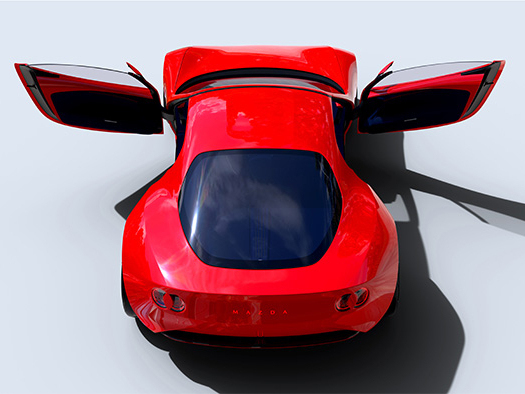
Rotary Reborn: Iconic SP Heads for Production
WilliamJun 26, 2025
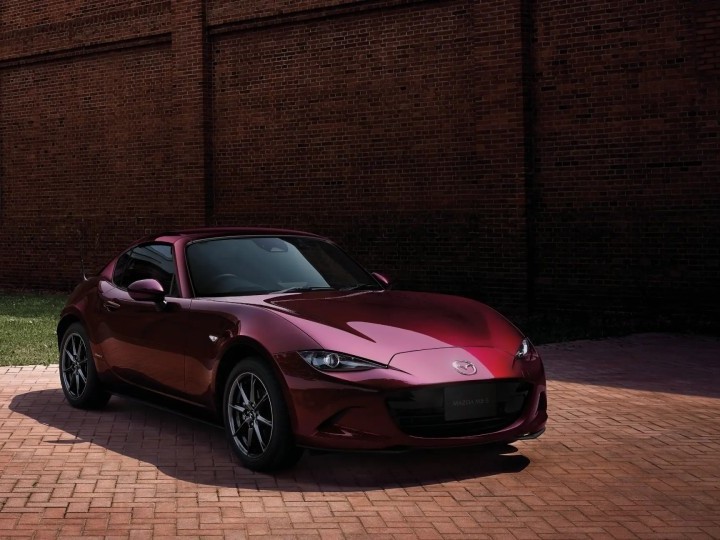
The Next-Generation Mazda MX-5 will Focus on Reducing Weight, Aiming to Come in under 1,000 kg
WilliamApr 16, 2025

2023 Mazda MX-5, priced from RM 393k, the legend continues!
AshleyApr 5, 2024

Which years of Mazda CX-9 should not be purchased? What problems might occur?
Kevin WongMar 24, 2026
View More
Pros
Cons